Adapting Routines for Texture, Hyperpigmentation, and Sensitivity on Deep Skin
For many of us with deep, melanin-rich skin, the journey to a polished makeup look often involves navigating unique considerations. Our skin tells a story, sometimes marked by visible texture, the lingering echoes of hyperpigmentation (PIH), or a delicate sensitivity that demands a gentle touch. These are not flaws to be masked or erased, but rather integral aspects of our skin’s character that deserve thoughtful, respectful attention in our beauty routines. The desire for makeup that looks intentional, feels comfortable, and celebrates our natural beauty is universal, yet the path to achieving it when texture, dark marks, or reactivity are present can feel less straightforward.
It’s a common misconception that achieving a “flawless” makeup look requires a heavy hand or an attempt to completely obscure every unique feature of our skin. For deep skin tones, this approach can often backfire, leading to a flat, mask-like appearance that actually accentuates rather than harmonizes with our natural complexion. Instead, true artistry lies in adaptation—understanding how to work with, rather than against, the skin we’re in. This means recognizing that makeup sits best and looks most vibrant on deep skin when the routine is meticulously tailored to respect the skin underneath, embracing its nuances rather than trying to force an unrealistic ideal.
This guide is crafted for the woman who seeks to build a makeup routine that not only enhances her beauty but also honors the health and comfort of her deep skin. We’ll explore how to build everyday, office, event, and camera-ready variations that reduce friction, prevent mismatch, and ensure comfort, all while achieving a beautifully polished result. We believe that adapting your routine for texture, hyperpigmentation, and sensitivity is not a concession, but a sign of sophisticated technique and profound self-care. It’s about empowering you to choose products and techniques that allow your skin to breathe, your confidence to shine, and your authentic beauty to be seen.
What This Post Covers
In this comprehensive guide, we’re delving deep into the art and science of tailoring your makeup routine to specifically address the common concerns of texture, hyperpigmentation, and sensitivity in deep skin tones. We understand that these aren’t minor considerations; they are fundamental aspects that shape how makeup looks, feels, and performs on your unique complexion. Our aim is to demystify the process, providing you with actionable strategies and a nuanced understanding that goes beyond generic advice.
We will begin by establishing why texture, post-inflammatory hyperpigmentation (PIH), and sensitivity necessitate a distinct approach when formulating makeup decisions for deep skin. Understanding the underlying reasons will empower you to make informed choices. From there, we’ll break down the practicalities: how to adapt your skin prep, base application, and powdering techniques to ensure coverage is effective yet breathable, without overworking the skin or exacerbating existing conditions. This includes specific methods for spot-concealing and color-correcting that achieve even tone without resorting to a heavy, mask-like effect, preserving the natural dimension of your face.
Beyond individual techniques, we’ll explore how to adjust your entire routine—whether for everyday wear, the office, special events, or camera-ready moments—to prioritize both comfort and visibility. This means choosing colors, finishes, and layering strategies that are forgiving and flattering when skin is reactive or uneven. We’ll also provide a structured framework for navigating this topic, including a dedicated section for “Where to Go Next” to guide your continued learning within Black Beauty Basics, and a “Quick Principles” summary for easy reference. Finally, a comprehensive “Frequently Asked Questions” section will address common queries, ensuring all your concerns are met with expert advice.
Why Texture, PIH, and Sensitivity Change Routine Decisions on Deep Skin
The unique physiological characteristics of deep, melanin-rich skin mean that texture, post-inflammatory hyperpigmentation (PIH), and sensitivity manifest and respond to makeup differently than on lighter skin tones. Understanding these distinctions is not just academic; it’s crucial for making informed routine decisions that yield polished, comfortable, and realistic results. Ignoring these factors can lead to makeup that looks flat, ashy, or exacerbates underlying skin concerns, undermining the very goal of enhancement.
Texture: The Intricacies of Deep Skin’s Surface
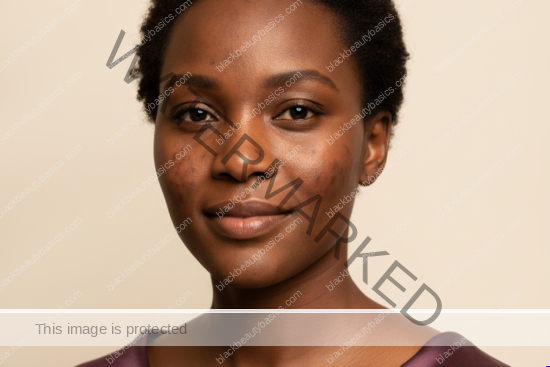
Texture on deep skin can encompass a range of characteristics, from the subtle undulations of naturally larger pores to the more pronounced presence of acne scars, raised bumps (like keloids or hypertrophic scars, which are more common in deep skin), or dry, flaky patches. When makeup is applied over these varied surfaces, it interacts in specific ways. For instance, foundations that are too thick or applied too heavily can settle into fine lines or enlarged pores, making them appear more prominent. Products with a high concentration of shimmer or glitter can also draw unwanted attention to textural irregularities, rather than diffusing them. Furthermore, deep skin, particularly if prone to dryness, can exhibit flakiness that becomes highly visible under matte or full-coverage foundations, creating an uneven and uncomfortable finish. The goal, therefore, is not to erase texture, but to smooth its appearance and ensure makeup glides over it seamlessly, creating an optical illusion of uniformity without suffocating the skin.
Post-Inflammatory Hyperpigmentation (PIH): A Unique Challenge for Melanin-Rich Tones
PIH, the dark spots that remain after inflammation or injury to the skin (such as acne, insect bites, or cuts), is a particularly prevalent and often stubborn concern for deep skin. Due to the higher concentration and reactivity of melanocytes in deep skin, any trauma can trigger an overproduction of melanin, resulting in persistent dark marks that range in color from deep brown to almost black. When applying makeup over PIH, several considerations come into play. Firstly, using a foundation that is too light in an attempt to “cover” these spots can lead to an ashy or grey cast, particularly if the undertone is not correctly matched. Secondly, aggressive layering of concealer directly over dark spots without proper color correction can create a noticeable “mask” effect, where the covered area looks distinctly different from the surrounding skin. The challenge is to neutralize the discoloration effectively and seamlessly blend it into the surrounding complexion, creating a unified canvas without adding unnecessary layers or compromising the skin’s natural luminosity. This often requires a strategic approach to color correction that respects the depth and undertone of the PIH itself.
Sensitivity: The Delicate Balance of Deep Skin
Sensitive skin, characterized by redness, itching, burning, or tightness in response to certain products or environmental factors, is a concern across all skin tones, but its presentation and management on deep skin can be distinct. Inflammation on deep skin, particularly with conditions like eczema or rosacea, may not always present with overt redness but rather with a dusky discoloration or heightened PIH. When skin is sensitive, the choice of makeup products becomes paramount. Ingredients that are common irritants—fragrances, certain preservatives, harsh alcohols, or comedogenic components—can trigger adverse reactions, leading to breakouts, increased sensitivity, or exacerbation of existing conditions. The physical act of applying and removing makeup can also be a source of irritation if not done gently. For sensitive deep skin, the routine must prioritize hypoallergenic, non-comedogenic, and soothing formulations, applied with a light hand, to ensure comfort and prevent further reactivity. The aim is to provide coverage and enhancement without compromising the skin barrier or provoking inflammation.
In essence, these three factors—texture, PIH, and sensitivity—are not merely surface-level concerns; they are deeply intertwined with the physiological responses of deep skin. Acknowledging and strategically addressing them in your makeup routine is the hallmark of sophisticated application, leading to results that are not only aesthetically pleasing but also genuinely respectful of your skin’s health and comfort. This foundational understanding sets the stage for the practical adaptations we will explore in the following sections.
How to Adapt Prep, Base, and Powder Without Overworking the Skin
The foundation of any successful makeup look, especially for deep skin navigating texture, hyperpigmentation, or sensitivity, lies in a thoughtful and gentle approach to skin preparation, base application, and powdering. Overworking the skin at any of these stages can exacerbate concerns, leading to a less polished finish and potential discomfort. The goal is to build a harmonious canvas that allows your natural beauty to shine through, not to create a heavy, impenetrable mask.
Skin Preparation: The Unsung Hero of a Seamless Finish
Proper skin prep is paramount, particularly when dealing with texture, PIH, or sensitivity. It creates the ideal surface for makeup application, ensuring longevity and a smooth appearance. For textured skin, hydration is key. Dry patches can make foundation cling unevenly, emphasizing texture. Begin with a gentle cleanser that doesn’t strip the skin, followed by a hydrating toner or essence. A lightweight, non-comedogenic moisturizer is essential to plump the skin and create a smooth canvas. For those with sensitivity, opt for fragrance-free, hypoallergenic products specifically designed for reactive skin. Look for ingredients like ceramides, hyaluronic acid, and niacinamide, which support the skin barrier. If you have active breakouts or irritation, avoid harsh exfoliants or aggressive rubbing. Instead, focus on soothing and calming ingredients. A hydrating primer can further smooth the appearance of pores and fine lines, while also creating a barrier that helps makeup last longer without settling into texture. For PIH, ensure your prep includes a broad-spectrum SPF 30 or higher, as sun exposure can darken existing marks and trigger new ones. A well-prepped skin allows you to use less base product, which is always beneficial for deep skin with concerns.
Base Application: Strategic Coverage, Not Blanket Concealment
When applying your base, the philosophy shifts from blanket coverage to strategic enhancement. For deep skin with texture or PIH, a full-coverage foundation applied uniformly across the entire face can look heavy and mask-like, often accentuating rather than concealing. Instead, consider a medium-coverage foundation that can be built up in specific areas, or even a tinted moisturizer or skin tint for overall evenness, complemented by targeted spot-concealing. The key is to apply foundation where it’s truly needed to even out skin tone, rather than as an all-over layer. Use a damp beauty sponge or a soft, dense brush to gently press and blend the product into the skin, using light, tapping motions. Avoid dragging or rubbing, especially over textured areas or active breakouts, as this can disturb the skin and make makeup appear cakey. For PIH, ensure your foundation shade is an exact match to your skin tone, not lighter, to avoid an ashy appearance. If you have areas of significant texture, such as acne scars, applying a thin layer of a blurring primer beforehand can help, followed by a very light touch of foundation. Remember, the goal is to create a unified canvas that still allows your natural skin to peek through, maintaining dimension and avoiding a flat finish. For sensitive skin, choose foundations that are non-comedogenic, fragrance-free, and formulated for sensitive skin. Test new products on a small area first to ensure no reaction.
Powder Application: Setting with Precision and Purpose
Powder is often seen as a necessary evil, but when applied correctly, it can set makeup, control shine, and subtly blur texture without creating a flat or dry look. For deep skin, particularly those with texture or sensitivity, the “less is more” approach to powder is critical. Over-powdering can instantly make skin look dry, emphasize texture, and create an ashy cast, especially with translucent powders that aren’t truly invisible on deeper tones. Instead of dusting powder all over the face, focus on the areas that tend to get oily or where you need extra setting power, typically the T-zone (forehead, nose, chin). Use a fluffy brush or a damp beauty sponge to lightly press a finely milled, translucent setting powder (or a sheer, color-matched powder) into these areas. For textured skin, avoid powders with a high silica content, which can settle into lines and pores, making them more prominent. A soft-focus, blurring powder can be beneficial. For sensitive skin, ensure your powder is talc-free and non-comedogenic to prevent irritation. If you have dry patches, skip powder entirely in those areas. The aim is to selectively mattify and set, allowing the skin’s natural luminosity to come through in other areas. This strategic application prevents the skin from looking overly matte or flat, preserving a healthy, dimensional finish that respects the skin’s natural characteristics.
How to Spot-Conceal, Color-Correct, and Even Tone Without a Heavy Mask Effect
Achieving an even skin tone and minimizing the appearance of hyperpigmentation or blemishes without creating a heavy, mask-like effect is a nuanced art, especially for deep skin tones. The key lies in understanding the distinct roles of color correction and spot-concealing, and applying them with precision and a light hand. This approach ensures that your natural skin texture and luminosity are preserved, while still addressing areas of concern effectively.
Color Correction: Neutralizing Before Concealing
Color correction is the first vital step in addressing hyperpigmentation on deep skin, particularly for those stubborn dark spots (PIH) that can appear grey or ashy under regular concealer. The principle is simple: use a color opposite to the discoloration on the color wheel to neutralize it, allowing your true-to-skin concealer to then blend seamlessly. For deep skin, PIH often presents as deep brown, purplish-brown, or even bluish-black. Therefore, peach, orange, or red-based correctors are typically most effective. A peach corrector works well for lighter brown spots, while a true orange or even a reddish-orange is often necessary for deeper, more stubborn hyperpigmentation. The mistake many make is applying too much corrector or using a shade that is too bright or too light, which can create a noticeable orange patch. Instead, apply a very thin layer of the appropriate corrector directly onto the dark spot using a small, precise brush or your fingertip. Gently tap and blend only the edges of the corrector into the surrounding skin, leaving the center concentrated over the mark. The goal is to neutralize the discoloration, not to completely cover it. Once the dark spot appears more muted or brownish, you’re ready for concealer. This technique ensures that your subsequent concealer application will require less product and will blend more naturally into your skin tone, preventing that tell-tale grey or ashy cast that often results from trying to cover dark marks with only a light concealer.
Spot-Concealing: Precision and Blending
After color correction, or for blemishes and minor discolorations that don’t require neutralizing, spot-concealing is your next strategic move. This technique focuses on applying concealer only where it’s needed, rather than sweeping it across large areas. For deep skin with texture or PIH, this approach is crucial for maintaining a natural, dimensional finish. Choose a concealer that is an exact match to your foundation shade, or perhaps one shade lighter if you’re also using it to brighten under the eyes (though for spot-concealing, an exact match is generally preferred). The texture of the concealer matters: opt for a creamy, blendable formula that isn’t too thick or too dry, as these can settle into texture or look cakey. Apply a tiny amount of concealer directly onto the color-corrected area or blemish using a small brush, your ring finger, or a precision sponge. Gently tap and feather the edges of the concealer into the surrounding skin. The warmth of your finger can help melt the product into the skin for a more seamless finish. Avoid rubbing, which can lift the product or disturb the layers underneath. For areas with texture, such as raised bumps or scars, apply concealer with an even lighter hand, focusing on evening out the color without adding bulk. The aim is to make the area blend into the overall complexion, not to create a perfectly flat surface. If needed, a second, very thin layer can be applied, but always build coverage gradually. This meticulous approach ensures that you only add product where necessary, preventing a heavy, masked appearance and allowing your natural skin to breathe and shine through.
Even Tone Without a Heavy Mask Effect: The Holistic Approach
Achieving an even tone without a heavy mask effect is the culmination of thoughtful prep, strategic color correction, and precise spot-concealing. It’s about creating an illusion of uniformity while respecting the skin’s natural variations. Here’s how to bring it all together:
- Minimal Base: Start with the lightest possible base that gives you overall evenness. This could be a skin tint, a sheer-to-medium foundation, or even just a tinted moisturizer. Apply it sparingly, focusing on the center of the face and blending outwards.
- Targeted Correction: Apply your color corrector only to the darkest areas of PIH. Blend the edges gently.
- Precise Concealing: Follow with concealer only on top of the color-corrected areas and any other blemishes. Blend meticulously.
- Strategic Powdering: Set only the areas that need it (T-zone, under eyes) with a finely milled, color-matched or truly translucent powder. Avoid powdering dry or textured areas.
- Embrace Dimension: Instead of trying to create a completely flat, uniform canvas, embrace the subtle variations in your skin. Use bronzer and blush to add warmth and dimension back to the face, preventing a one-dimensional look. For deep skin, these products are essential for bringing life back to the complexion.
- Setting Spray: Finish with a hydrating setting spray to melt all the layers together, reduce any powdery finish, and give a more skin-like appearance. This is particularly beneficial for textured or dry skin, as it can help makeup look less “applied.”
This holistic approach ensures that your makeup enhances your deep skin, providing a polished and even-toned appearance without sacrificing comfort, natural dimension, or the unique beauty of your complexion. It’s about skillful application that works with your skin, not against it.
How to Adjust Everyday, Office, Event, and Camera Routines for Comfort and Visibility
The demands of different occasions—from a casual everyday outing to a high-stakes photoshoot—require distinct adjustments to your makeup routine, especially when navigating texture, hyperpigmentation, and sensitivity on deep skin. The core principle remains consistent: respect the skin, prioritize comfort, and ensure visibility without creating a heavy or artificial look. However, the intensity of coverage, the choice of finish, and the longevity considerations will shift significantly.
Everyday Routines: Effortless Enhancement and Skin Health
For your everyday routine, the focus should be on effortless enhancement and nurturing skin health. This is where a “less is more” philosophy truly shines.
- Prep: Begin with a gentle, hydrating skincare routine. A lightweight moisturizer and a broad-spectrum SPF are non-negotiable. If your skin is sensitive, ensure all products are fragrance-free and hypoallergenic. For visible texture or dry patches, a hydrating primer can create a smoother canvas without feeling heavy.
- Base: Opt for a skin tint, tinted moisturizer, or a sheer-to-medium coverage foundation. The goal is to even out your complexion subtly, allowing your natural skin to show through. Apply with your fingers or a damp sponge for a seamless, skin-like finish. For PIH, use a targeted color corrector only on the darkest spots, followed by a light layer of concealer that matches your skin tone precisely.
- Conceal: Spot-conceal any remaining blemishes or dark marks with a creamy, blendable concealer. Use a tiny amount and tap it gently into the skin.
- Finish: A touch of cream blush or a subtle bronzer can add warmth and life. Lightly set your T-zone with a finely milled powder if needed, or skip powder entirely if your skin is dry. A hydrating setting spray can meld everything together for a fresh, dewy look.
- Comfort & Visibility: The priority here is comfort. Products should feel light and breathable. The makeup should be virtually invisible, simply enhancing your features and providing a healthy glow. Avoid heavy layers that can feel suffocating or emphasize texture over time.
This routine is designed to be quick, comfortable, and supportive of your skin’s well-being, making it ideal for daily wear. To explore more about building a solid everyday routine, you can refer to our article on Building an Everyday Office-Ready Makeup Routine for Deep Skin.
Office Routines: Polished Professionalism with Lasting Comfort
An office routine requires a balance of polish, professionalism, and longevity, all while maintaining comfort for hours of wear.
- Prep: Similar to everyday, but with an emphasis on products that help makeup last. A mattifying primer in oily areas or a hydrating primer in drier zones can be beneficial. Ensure your skincare is fully absorbed before makeup application.
- Base: A medium-coverage, long-wearing foundation is often suitable. Look for formulas that are buildable and offer a natural-matte or satin finish. Apply with a brush for more control, then blend with a damp sponge for a seamless look. For PIH, be diligent with color correction and spot-concealing to ensure an even canvas that looks professional.
- Conceal: Use a slightly more robust concealer for under-eye brightening and spot-concealing, but still apply sparingly. Blend thoroughly to avoid creasing or a heavy appearance.
- Finish: Set your base with a finely milled setting powder, focusing on areas prone to shine. A subtle contour and blush can add definition without being distracting. A setting spray is crucial for extending wear time and melding layers.
- Comfort & Visibility: The makeup should look refined and put-together, projecting confidence. It needs to hold up throughout the workday without feeling heavy or irritating sensitive skin. Visibility means looking polished in various lighting conditions, from fluorescent office lights to natural light. For more on office-ready looks, check out Building an Everyday Office-Ready Makeup Routine for Deep Skin.
Event Routines (Night Out/Special Events): Glamour with Thoughtful Application
Special events call for a more elevated and often more dramatic look, but this doesn’t mean sacrificing comfort or exacerbating skin concerns.
- Prep: Focus on creating a super smooth, long-lasting canvas. A pore-filling or blurring primer can be beneficial for texture. Hydration is still key, but ensure products absorb fully to prevent makeup slippage.
- Base: This is where you might opt for a medium-to-full coverage foundation, but applied strategically. Use a stippling brush or sponge to press the product into the skin, building coverage gradually in areas that need it most. For PIH, meticulous color correction and layering are essential to achieve a flawless-looking base without looking flat.
- Conceal: A full-coverage, long-wearing concealer can be used for under-eye brightening and precise spot-concealing. Blend, blend, blend!
- Finish: Contour, highlight, and blush can be more pronounced. Baking (lightly pressing powder into specific areas and letting it sit before dusting off) can be used strategically in areas like the under-eye or T-zone for extra longevity, but avoid it on very textured or dry areas. A strong setting spray is a must.
- Comfort & Visibility: The makeup should look glamorous and impactful, designed to be seen in various lighting, often from a distance. While coverage is higher, it should still feel comfortable enough to enjoy the event. For more on scaling up your look, see Scaling Your Look Up for Night Out and Special Events.
Camera-Ready Routines (Photo/Video/Zoom): The Art of Optical Illusion
Makeup for the camera has its own unique demands, often requiring more coverage and specific finishes to translate well on screen without looking heavy in person.
- Prep: Focus on creating a smooth, hydrated, and slightly tacky surface. Avoid overly dewy products that can look greasy under lights. A blurring primer is excellent for minimizing the appearance of pores and texture on camera.
- Base: A medium-to-full coverage, photo-friendly foundation with a natural-matte or satin finish is ideal. Avoid foundations with SPF if possible, as zinc oxide and titanium dioxide can cause flashback, making you look ghostly. Apply in thin, buildable layers. For PIH, thorough color correction is crucial, as cameras can pick up on subtle discolorations.
- Conceal: Use a full-coverage, non-creasing concealer. Apply sparingly and blend meticulously. For under-eyes, a slightly brighter shade can be used to lift and awaken.
- Finish: Powder is essential for camera-ready looks to control shine and set makeup, but apply it strategically. Use a finely milled, translucent powder or a sheer, color-matched powder. Contour and highlight are crucial for adding dimension back to the face, as camera flashes can flatten features. Avoid overly shimmery highlighters if you have significant texture, as they can accentuate it. Opt for a more subtle, skin-like glow. A strong setting spray is non-negotiable.
- Comfort & Visibility: The makeup needs to look impeccable on camera, which often means more product than you’d wear daily. However, it should still feel as comfortable as possible. Visibility is paramount: every detail will be captured, so seamless blending and precise application are key. For a deeper dive into camera-ready makeup, read Camera-Ready Makeup for Deep Skin: Photo, Video, and Zoom.
Regardless of the occasion, the underlying principle for deep skin with texture, PIH, or sensitivity is to choose products that are non-irritating, apply them with a light hand, and focus on blending seamlessly. Adaptation is about making intelligent choices that honor your skin while achieving your desired aesthetic.
How to Choose Color, Finish, and Layering When Skin Is Reactive or Uneven
When your deep skin is reactive, prone to hyperpigmentation, or exhibits varying textures, the choices of color, finish, and layering techniques become critical. These decisions can either exacerbate concerns or skillfully diminish their appearance, all while ensuring comfort and a polished aesthetic. It’s about making intelligent choices that work harmoniously with your skin’s unique characteristics.
Color Choices: Harmonizing with Your Complexion and Concerns
The right color choices are paramount for deep skin, especially when dealing with uneven tone or PIH.
- Foundation and Concealer: The most crucial color decision is your foundation and concealer shade. For deep skin, it’s vital to find an exact match to your complexion, paying close attention to your undertones (warm, cool, neutral, or olive). A foundation that is too light or has the wrong undertone will make PIH appear ashy or grey, and can make textured areas look more prominent by creating a stark contrast. If you have significant PIH, consider a slightly warmer foundation to counteract any coolness from the dark spots, but always test it on your jawline to ensure seamless blending. For spot-concealing, a shade that perfectly matches your foundation is usually best. For brightening under the eyes, a concealer one shade lighter with a warm, peachy undertone can counteract darkness without looking stark.
- Color Correctors: As discussed, color correctors are essential for neutralizing PIH. For deep skin, this typically means using peach, orange, or even red-based correctors. The deeper your skin tone and the darker your PIH, the deeper the corrector shade you’ll need. A light peach might work for subtle discoloration, while a vibrant orange or even a brick red might be necessary for very deep, purplish-brown marks. Always swatch on your skin to find the most effective neutralizing shade without over-correcting.
- Blush, Bronzer, and Highlight: These products add dimension and life back to the face. For deep skin, choose rich, vibrant blushes (berries, deep plums, terracotta oranges) that show up beautifully. Bronzers should be warm and rich, not muddy or too cool-toned, to add warmth without looking artificial. Highlighters, if skin is textured, should be finely milled and applied strategically. Avoid chunky glitter, which can emphasize texture. Opt for liquid or cream highlighters that melt into the skin for a more seamless glow.
The overarching principle is to choose colors that complement and enhance your deep skin, rather than trying to mask or lighten it, which can lead to an unnatural or ashy appearance.
Finish Choices: The Optical Illusion of Smoothness and Health
The finish of your makeup products plays a significant role in how texture and hyperpigmentation appear on deep skin.
- Dewy vs. Matte: While a fully matte finish can sometimes look flat and emphasize dry patches or fine lines on textured skin, an overly dewy finish can sometimes highlight raised texture or make oily areas appear greasier. For deep skin, a satin or natural-matte finish is often the most forgiving and flattering. These finishes offer a soft luminosity without being overtly shiny, providing a healthy, skin-like appearance. If you love a dewy look, achieve it through strategic placement of hydrating primers, liquid highlighters, or setting sprays, rather than an all-over dewy foundation, especially if you have significant texture.
- Powder Finishes: When using powder, opt for finely milled, translucent, or sheer color-matched powders. Avoid heavy, opaque powders that can settle into lines, emphasize dry patches, or create an ashy cast on deep skin. A “soft-focus” or “blurring” powder can be beneficial for minimizing the appearance of pores and fine lines without adding weight.
- Cream vs. Powder Formulas: For reactive or textured skin, cream formulas for blush, bronzer, and highlight often perform better than powders. Creams tend to melt into the skin, providing a more seamless, natural finish that doesn’t sit on top of texture or cling to dry patches. They also tend to be less irritating for sensitive skin. If using powders, ensure they are finely milled and applied with a light hand.
The right finish can create an optical illusion of smoothness and health, making your skin look more radiant and even-toned without requiring heavy coverage.
Layering Techniques: Building Coverage with Intention and Care
Layering makeup on deep skin, especially when dealing with texture, PIH, or sensitivity, requires a delicate touch and strategic intention. Over-layering can quickly lead to a heavy, cakey, or mask-like effect, which can be particularly unflattering on deep skin.
- Thin Layers are Key: Always apply products in thin, buildable layers. Whether it’s primer, foundation, corrector, or concealer, start with a minimal amount and add more only if absolutely necessary. This prevents product buildup, which can settle into texture and look unnatural.
- Allow Drying Time: For reactive skin, allowing each layer to set or dry slightly before applying the next can prevent pilling and ensure smoother application. This is particularly important for liquid or cream products.
- Targeted Application: As emphasized throughout, apply products only where needed. Use color corrector only on the dark spots, concealer only on blemishes or under-eyes, and foundation primarily to even out the overall tone. This preserves the natural dimension of your face and prevents a flat appearance.
- Blending Between Layers: Blend each layer meticulously before moving to the next. This ensures a seamless transition between products and prevents demarcation lines. Use a damp sponge or a soft brush with tapping or stippling motions, rather than dragging, which can disturb the product underneath or irritate sensitive skin.
- Setting Spray as an Integrator: A hydrating setting spray can be a game-changer for layering. Applied after your base, it helps to melt all the layers together, making the makeup look more like skin and less like separate products. It can also refresh and hydrate, which is beneficial for textured or dry skin.
By thoughtfully choosing colors, finishes, and employing strategic layering techniques, you can create a makeup look that not only addresses your skin concerns but also celebrates the rich beauty of your deep complexion, ensuring comfort and confidence in every situation. This approach transforms makeup from a covering agent into a tool for sophisticated enhancement.
How to Navigate This Topic
Understanding how to adapt your makeup routine for texture, hyperpigmentation, and sensitivity on deep skin is a journey of continuous learning and refinement. This article provides a foundational understanding and practical strategies, but it is part of a larger ecosystem of knowledge within Black Beauty Basics, designed to empower you with comprehensive insights into makeup for deep skin tones. To truly master these techniques and integrate them into your personal beauty philosophy, it’s helpful to understand how this topic connects to other essential areas.

This particular article serves as a crucial bridge, connecting the theoretical understanding of deep skin’s unique needs with the practical application of makeup for various scenarios. We’ve explored the “why” behind adapting routines for texture, PIH, and sensitivity, and the “how” through specific adjustments in prep, base, powder, color correction, and spot-concealing. We’ve also touched upon how these adaptations shift across different occasions, from everyday wear to camera-ready looks. However, the beauty landscape is vast, and your journey doesn’t end here.
To deepen your expertise, we encourage you to explore the interconnected articles within our “Everyday vs. Occasion Routines: Office, Night-Out, Camera” cluster. Each piece offers a specialized focus that complements the holistic approach discussed here. For instance, while this article provides general guidance on adapting for various events, the dedicated articles on everyday, office, night-out, and camera-ready makeup delve into the specific product recommendations and detailed steps tailored for those particular contexts. These resources will help you translate the principles of respecting texture, PIH, and sensitivity into concrete, actionable steps for each distinct occasion. Furthermore, our broader “Makeup for Deep Skin Tones” pillar offers foundational knowledge on topics like shade matching, base architecture, and specific concerns like textured skin and PIH, providing an even richer context for your learning. By navigating these interconnected resources, you can build a robust and personalized makeup strategy that truly celebrates your deep skin.
Where to Go Next
Your journey to mastering makeup for deep skin, especially when navigating texture, hyperpigmentation, and sensitivity, is a continuous one. This article has laid a strong foundation, but there’s a wealth of further knowledge and practical guidance waiting for you within Black Beauty Basics. To continue building your expertise and refining your routines, we highly recommend exploring the following articles:
- For the foundation of your daily look: Dive deeper into creating a seamless and comfortable base with Building an Everyday Office-Ready Makeup Routine for Deep Skin. This article provides specific product recommendations and step-by-step guidance for achieving a polished look that respects your skin’s unique needs in a professional setting.
- When the occasion calls for more: Elevate your aesthetic for special moments by consulting Scaling Your Look Up for Night Out and Special Events. Learn how to intensify your makeup for evening glamour without compromising comfort or exacerbating skin concerns, ensuring your deep skin glows under any light.
- Mastering the lens: If you find yourself in front of a camera, whether for photos, video, or virtual meetings, our guide on Camera-Ready Makeup for Deep Skin: Photo, Video, and Zoom is indispensable. It addresses the unique challenges of camera lighting and how to ensure your makeup translates beautifully on screen while still honoring your skin’s texture and tone.
- Seamless transitions: Discover how to effortlessly shift your look from day to night with minimal fuss in Work to Evening Transitions Using One Core Kit. This article offers ingenious tips for maximizing your existing products to create versatile looks that adapt to your schedule.
- A deeper dive into texture and PIH: For a more granular understanding of managing these specific concerns, explore Makeup for Textured and PIH-Prone Skin. This resource provides dedicated strategies and product insights tailored to these common deep skin challenges.
- The architecture of your base: To truly understand how foundation, concealer, powder, and correctors work together, delve into Base Makeup Architecture: Foundation, Concealer, Powder, Correctors. This article breaks down the foundational elements of your makeup routine, offering a comprehensive view of product selection and application.
- Unlocking your perfect match: Ensure your base products are always spot-on by reading Shade Matching Systems and Undertones for Deep Skin. This guide is essential for finding your ideal foundation and concealer shades that harmonize perfectly with your unique undertones.
By exploring these interconnected resources, you’ll gain a holistic and sophisticated understanding of makeup for deep skin, empowering you to create polished, comfortable, and authentic looks for any occasion. Remember, every step you take in learning and adapting is a testament to your deep feminine confidence and commitment to self-love.
Quick Principles
Navigating makeup for deep skin with texture, hyperpigmentation, and sensitivity can feel complex, but a few core principles can simplify your approach and ensure consistently beautiful, comfortable results. These quick principles serve as a compass, guiding your choices from prep to finish, ensuring that adaptation is a sign of skill, not a compromise.
- Prioritize Skin Health and Hydration: Your makeup will only look as good as the skin underneath. A consistent, gentle skincare routine focused on hydration and barrier support is non-negotiable. For sensitive skin, opt for fragrance-free, hypoallergenic products. Well-hydrated skin minimizes the appearance of texture and helps makeup glide on smoothly, requiring less product overall.
- Embrace Targeted Application: Move away from blanket coverage. Instead, apply products—especially color correctors, foundations, and concealers—only where they are truly needed. This preserves the natural dimension of your face, prevents a heavy “mask” effect, and allows your beautiful deep skin to shine through.
- Less is More, Applied Strategically: For deep skin with concerns, building thin, deliberate layers is far more effective than applying a single heavy layer. This approach prevents cakiness, settling into texture, and an unnatural finish. It also reduces the likelihood of irritation for sensitive skin.
- Master Color Correction for PIH: Don’t try to cover dark spots with just a lighter concealer or foundation. Utilize peach, orange, or red-based correctors to neutralize hyperpigmentation first. This prevents an ashy or grey cast and allows your true-to-skin concealer to work effectively with less product.
- Choose Finishes Wisely: A natural-matte or satin finish is often the most flattering and forgiving for deep skin with texture. Avoid overly matte foundations that can look flat or emphasize dry patches, and be strategic with dewy finishes that might highlight raised texture. Cream products often blend more seamlessly than powders over textured or dry areas.
- Blend, Blend, Blend: Seamless blending is the hallmark of a polished makeup look, especially for deep skin. Ensure each layer is thoroughly blended into the skin and into the surrounding product. Use tapping or stippling motions with a damp sponge or soft brush to melt products into the skin, avoiding harsh lines or visible edges.
- Strategic Powder Placement: Avoid powdering your entire face, particularly if you have dry patches or significant texture. Focus powder application only on areas prone to shine (typically the T-zone) using a finely milled, translucent, or color-matched powder. This sets makeup without creating a flat or dry appearance.
- Setting Spray is Your Ally: A good setting spray, especially a hydrating one, can be transformative. It helps to meld all the layers of makeup together, reducing a powdery finish, enhancing longevity, and giving a more skin-like appearance, which is particularly beneficial for textured or dry skin.
- Adapt for the Occasion: Your makeup routine shouldn’t be one-size-fits-all. Adjust the level of coverage, intensity of color, and longevity focus based on the occasion—everyday, office, event, or camera-ready. This ensures your look is always appropriate and comfortable.
- Listen to Your Skin: Pay attention to how your skin reacts to different products and techniques. If something causes irritation, discomfort, or exacerbates a concern, adjust your routine. Your skin’s comfort and health are paramount.
By keeping these principles in mind, you’ll cultivate a makeup routine that not only enhances your deep skin beautifully but also respects its unique needs, allowing your confidence to radiate authentically.
Frequently Asked Questions
What is the most common mistake when applying makeup over hyperpigmentation on deep skin?
The most common mistake is attempting to cover dark spots with a foundation or concealer that is too light or lacks the correct undertone. This often results in an ashy or grey cast, making the hyperpigmentation look more noticeable rather than concealed. Proper color correction with peach, orange, or red tones is essential before applying a true-to-skin concealer.
How can I prevent foundation from looking cakey on textured deep skin?
To prevent cakiness, focus on thorough skin hydration as your first step. Apply foundation in thin, buildable layers only where needed, using a damp beauty sponge or stippling brush to press and blend the product into the skin. Avoid heavy, full-coverage formulas all over, and use powder sparingly, only in oily areas, opting for finely milled products.
What type of primer is best for sensitive deep skin?
For sensitive deep skin, choose primers that are fragrance-free, hypoallergenic, non-comedogenic, and free from common irritants like harsh alcohols. Hydrating primers with soothing ingredients like hyaluronic acid or ceramides are often a good choice, as they create a smooth barrier without causing irritation.
Should I use a dewy or matte finish if I have visible texture or large pores on deep skin?
A natural-matte or satin finish is generally most forgiving for deep skin with visible texture or larger pores. While overly matte can look flat, an excessively dewy finish can sometimes highlight texture. A soft, luminous finish that isn’t overtly shiny tends to create an optical illusion of smoothness without emphasizing irregularities.
How do I make my makeup last longer on deep skin without causing irritation to sensitive areas?
To extend wear without irritation, focus on thorough, gentle skin prep and select long-wearing, sensitive-skin-friendly formulas for your base. Use a setting spray designed for longevity, and apply powder strategically to oily zones only. Avoid excessive rubbing during application and removal to prevent irritating sensitive areas.
Is it better to use cream or powder products for blush and highlight on textured deep skin?
For textured deep skin, cream blushes and highlighters are often preferred. They tend to melt into the skin more seamlessly than powders, providing a natural finish that doesn’t sit on top of texture or cling to dry patches. If using powders, ensure they are finely milled and applied with a very light hand to avoid emphasizing texture.
What is the role of a setting spray when adapting routines for texture and hyperpigmentation?
A setting spray is crucial for integrating all makeup layers, especially when dealing with texture and hyperpigmentation. It helps to melt products together, reducing any powdery finish and making the makeup look more like skin. For textured or dry skin, a hydrating setting spray can also add a natural luminosity and prevent makeup from looking flat or dry.
| Concern | Routine Adjustment | What to Avoid |
|---|---|---|
| Texture (Pores, Scars, Dry Patches) | Hydrating prep, blurring primers, thin layers of satin/natural-matte foundation, cream products, strategic powdering, hydrating setting spray. | Heavy, full-coverage foundations all over; chunky glitter highlighters; excessive powder; harsh rubbing during application. |
| Hyperpigmentation (PIH) | Targeted color correction (peach/orange/red), exact-match foundation/concealer, spot-concealing, buildable coverage. | Using only light concealer/foundation to cover PIH (leads to ashiness); skipping SPF; aggressive layering. |
| Sensitivity/Reactivity | Fragrance-free, hypoallergenic, non-comedogenic products; gentle application (tapping/pressing); minimal layers; soothing prep. | Harsh ingredients (fragrance, alcohol); aggressive rubbing/dragging; untested new products on large areas; heavy, occlusive formulas. |
This comprehensive guide has equipped you with the knowledge and techniques to adapt your makeup routines, honoring the unique beauty of your deep skin while confidently addressing texture, hyperpigmentation, and sensitivity. Remember, makeup is a tool for enhancement and self-expression, not a means to mask or erase your authentic self. By embracing these thoughtful approaches, you empower yourself to create looks that are not only polished and beautiful but also comfortable, respectful, and deeply aligned with your skin’s needs. Your journey with Black Beauty Basics is about celebrating every facet of your beauty, with wisdom, science, and self-love as your guiding principles. Continue to explore, experiment, and shine brightly, knowing that your adapted routine is a testament to your sophisticated confidence.
INTERNAL LINKING OPPORTUNITIES
Makeup for Deep Skin Tones
Everyday vs Occasion Routines: Office, Night-Out, Camera
Building an Everyday Office-Ready Makeup Routine for Deep Skin
Scaling Your Look Up for Night Out and Special Events
Camera-Ready Makeup for Deep Skin: Photo, Video, and Zoom
Work to Evening Transitions Using One Core Kit
Makeup for Textured and PIH-Prone Skin
Base Makeup Architecture: Foundation, Concealer, Powder, Correctors
Shade Matching Systems and Undertones for Deep Skin
Shop sensitive skin makeup for deep skin on Amazon
Shop fragrance-free hydrating primers on Amazon
Shop cream blushes for deep skin on Amazon
Related next steps
Related posts:
 How Texture and PIH Show Up on Deep, Melanin-Rich Skin
 Skincare Products for Women with Combination Skin and Uneven Texture
 Skincare Products for Women with Combination Skin and Uneven Texture
 The Glow Up Secret: Medicube Deep Vita C Toner Pads Review for Melanin-Rich Skin – Fading Hyperpigmentation and Achieving Luminous Clarity
 The Ultimate Winter Haircare Guide for African American Women: Tailored to Hair Type, Texture, and Concerns
 Tackling Texture: The Best Pre-Makeup Skincare Routine for a Smooth, Flawless Canvas