Choosing Textures and Finishes That Respect Texture
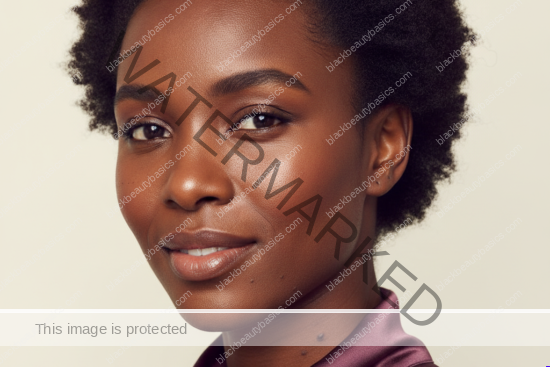
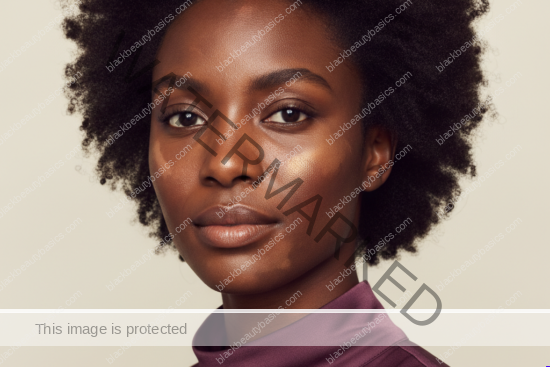
For Black women and others with deep, melanin-rich skin, the journey to finding the perfect makeup can often feel like navigating a landscape of conflicting advice. We’re frequently told to either embrace a full-on matte finish to control shine and “hide” imperfections, or to chase an elusive, all-over dewy glow that promises youthfulness. Yet, for many of us, especially those dealing with textured skin—whether from acne scars, enlarged pores, active breakouts, or post-inflammatory hyperpigmentation (PIH)—neither extreme truly serves our complexions with the grace and respect they deserve. The truth is, textured skin, particularly on deeper tones, requires a more nuanced approach, one that understands that makeup should work with our skin’s unique surface, not against it.
The conventional wisdom often falls short because it fails to acknowledge the inherent beauty and reality of our skin. We are not aiming to erase our skin’s history or its natural topography; rather, we seek to enhance our radiance, unify our tone, and present a polished appearance that still feels authentic. This means moving beyond the simplistic dichotomy of matte versus dewy and delving into the sophisticated world of finishes and textures that truly flatter. We understand that a thick, overly matte layer can sometimes highlight flakes or settle into fine lines, making texture appear more pronounced, while an indiscriminately luminous finish can amplify every bump and pore by reflecting light in all the wrong places. The goal isn’t perfection, but rather a harmonious balance that allows our natural beauty to shine through, imperfections and all.
This guide from Black Beauty Basics is designed to empower you with the knowledge to make informed choices about your makeup. We’ll explore how different finishes—from satin to soft-matte, skin-like to subtly luminous—behave on textured deep skin. We’ll demystify the impact of formula weight, the strategic placement of powder, and the art of selective luminosity, all while centering the reality that respectful makeup on deep skin is about balance. It’s about achieving enough coverage and polish to unify your tone, without adding so much weight or reflectivity that your skin’s natural surface irregularities are exaggerated. Prepare to discover a world where your makeup truly respects your texture, enhancing your confidence and celebrating the unique beauty of your melanin-rich complexion.
What This Post Covers
In this comprehensive guide, we will embark on a detailed exploration of how makeup textures and finishes interact with deep, textured skin. Our aim is to equip you with the knowledge and confidence to select products that not only enhance your natural beauty but also respect the unique topography of your complexion. We’ll begin by dissecting the fundamental dynamics between makeup and skin texture, understanding how various formulations can either flatter or inadvertently emphasize surface irregularities. This foundational understanding is crucial for making informed choices that go beyond mere product recommendations.
Next, we’ll dive into the specifics of different finishes, meticulously examining which ones tend to flatter textured skin without overemphasizing its nuances. We’ll move beyond the simplistic matte-or-dewy debate to explore the sophisticated spectrum of satin, soft-matte, skin-like, and subtly luminous finishes, discussing their characteristics and ideal applications. Following this, we’ll analyze how various product formats—creams, liquids, powders, and innovative hybrids—sit and perform on different kinds of texture, providing practical insights into their application and wear. Understanding these distinctions is key to building a cohesive and effective makeup routine.
We will then shift our focus to the strategic use of powder, glow, and blurring techniques. Instead of a global, one-size-fits-all application, we’ll advocate for a targeted approach that leverages these elements to enhance specific areas while maintaining a natural, respectful appearance. The ultimate goal is to guide you in building a complexion finish that looks authentically like your skin, only better, without masking or fighting its natural characteristics. Finally, we’ll provide a clear roadmap on how to navigate this topic further, offering quick principles for easy recall and addressing frequently asked questions to solidify your understanding. This post is designed to be your definitive resource for mastering makeup on textured deep skin.
How Makeup Texture and Skin Texture Interact on Deep Skin
The relationship between makeup texture and skin texture is a delicate dance, especially on deep, melanin-rich skin. Our skin often has a unique luminosity and a range of textures that can be either beautifully enhanced or inadvertently highlighted by the wrong makeup choices. Understanding this interaction is the cornerstone of creating a harmonious and flattering complexion. It’s not just about the color of your foundation, but profoundly about its physical properties and how they lay upon the canvas of your skin.
When we talk about skin texture, we’re referring to the surface irregularities that are a natural part of being human. This can include anything from visible pores, fine lines, and wrinkles to more pronounced features like acne scars (atrophic or hypertrophic), active breakouts, and areas of post-inflammatory hyperpigmentation (PIH) that can sometimes have a raised or uneven feel. On deep skin, PIH can manifest as darker patches that, while not always textural, can draw attention to underlying texture if not addressed thoughtfully. The way light hits these surfaces dictates how they appear to the eye, and makeup, by altering the surface, directly influences this light reflection.
Makeup, in its various forms, adds a layer to the skin. The thickness, viscosity, and particle size of this layer determine how it interacts with your skin’s existing texture. A very thick, heavy foundation, for instance, might initially seem like a solution for covering texture, but it can often settle into enlarged pores or fine lines, making them more apparent. Similarly, a formula with a high concentration of reflective particles, while aiming for “glow,” can act like a spotlight on every bump and uneven patch, exaggerating what you might wish to subtly diminish. Conversely, a formula that is too dry or powdery can cling to dry patches or active breakouts, creating a flaky, uneven appearance that detracts from a smooth finish.
For deep skin tones, the interaction is further complicated by our natural propensity for certain skin concerns. We are more prone to PIH, which can sometimes leave behind subtle textural changes even after the discoloration fades. Our pores can be more visible, and the unique way light reflects off melanin-rich skin means that certain finishes can either appear incredibly radiant or surprisingly dull if not chosen carefully. The goal is to select makeup that creates a seamless, second-skin effect, one that blurs the lines between makeup and skin, rather than creating a visible mask. This means considering not just the finish, but also the weight, the ingredients, and the application method, all of which play a critical role in how makeup ultimately sits on textured deep skin.
The Role of Light Reflection
Light reflection is perhaps the most critical factor in how makeup interacts with skin texture. Our eyes perceive texture based on how light bounces off a surface. Smooth surfaces reflect light uniformly, creating an even, often luminous appearance. Uneven surfaces, however, scatter light in multiple directions, creating shadows and highlights that emphasize every dip and peak. Makeup, essentially, modifies the skin’s surface to control this light reflection.
A highly reflective, dewy finish, for example, can make smooth skin look incredibly radiant and plump. But on textured skin, that same high reflectivity can turn every enlarged pore, every acne scar, and every tiny bump into a miniature mirror, drawing unwanted attention to irregularities. The light catches on the edges of these textures, making them stand out. Conversely, a completely matte finish absorbs most light, which can be beneficial for reducing the appearance of shine and creating a uniform surface. However, an overly matte and thick layer can also make skin look flat, dull, and can sometimes emphasize dryness or flakiness by clinging to those areas, creating an almost ‘cracked’ appearance.
The sweet spot often lies in finishes that offer a diffused, soft-focus reflection. These finishes don’t absorb all light (like a true matte) nor do they reflect it intensely (like a high-gloss dewy finish). Instead, they subtly scatter light, creating a blurring effect that softens the appearance of texture without completely erasing the skin’s natural dimension. This is where terms like “satin,” “skin-like,” and “soft-matte” become incredibly relevant. They provide enough luminosity to prevent the skin from looking flat, but not so much that they highlight every imperfection. For deep skin, which can already have a beautiful, natural sheen, finding this balance is paramount to achieving a polished yet authentic look.
Formula Weight and Viscosity
Beyond the finish, the actual weight and viscosity of a makeup formula play a significant role in how it interacts with textured skin. “Weight” refers to how heavy or light the product feels on the skin, which often correlates with its coverage level and density. “Viscosity” describes how thick or thin the product is, its resistance to flow. These two characteristics determine how a product settles into or glides over skin texture.
Heavy, thick foundations, while offering high coverage, can sometimes be detrimental to textured skin. Their density means they are more likely to settle into fine lines, enlarged pores, and the depressions of atrophic scars, making these features more pronounced as the day wears on. They can also create a mask-like effect, sitting heavily on the surface rather than blending seamlessly with the skin. This can make the texture look even more obvious, as the makeup appears to be a separate layer rather than an integrated part of the complexion.
Conversely, very thin, watery formulas might seem ideal for a lightweight feel, but they can sometimes lack the pigment or blurring agents needed to effectively unify tone or soften texture. They might also be prone to separating or fading quickly on oilier textured skin, leaving an uneven canvas. The ideal for textured deep skin often lies in a medium-viscosity formula—not too thick, not too thin—that offers buildable coverage without feeling heavy. These formulas tend to glide over texture rather than sinking into it, creating a smoother, more uniform appearance. They allow for a “second skin” effect, where the makeup looks and feels like an extension of your own skin, respecting its natural contours and variations rather than attempting to flatten them completely. This balance of weight and viscosity is crucial for achieving a natural yet polished look that doesn’t emphasize texture.
Which Finishes Tend to Flatter Texture Without Overemphasizing It
Navigating the world of makeup finishes can be daunting, especially when you’re aiming to flatter textured skin rather than highlight it. For deep, melanin-rich complexions, the choice of finish is even more critical, as our skin’s natural radiance and propensity for certain concerns mean that some finishes can either sing or fall flat. The key is to move beyond the extremes of bone-dry matte or overtly glittery dewy, and instead, seek out finishes that offer a sophisticated balance. These are the finishes that work with your skin’s natural topography, diffusing light and creating a harmonious, polished look without drawing undue attention to areas of texture. It’s about achieving a refined elegance that celebrates your skin, not conceals it.
Satin Finish: The Elegant Middle Ground
A satin finish is often hailed as the holy grail for textured skin, and for good reason. It strikes a beautiful balance between matte and dewy, offering a soft, subtle sheen that mimics healthy, well-hydrated skin. It’s neither flat nor overtly shiny, providing just enough luminosity to prevent the complexion from looking dull, but not so much that it accentuates every pore or bump. For deep skin, a satin finish can be particularly flattering, enhancing our natural glow without veering into an oily or overly reflective territory.
The magic of a satin finish lies in its ability to diffuse light. Instead of reflecting light directly off every peak and valley of your skin’s texture, a satin finish gently scatters it. This diffusion creates a soft-focus effect that subtly blurs imperfections, making pores appear smaller and fine lines less noticeable. It provides a smooth canvas that looks polished and refined, without appearing heavily made-up. This finish works exceptionally well on areas with mild to moderate texture, such as slightly enlarged pores, minor scarring, or areas of resolved PIH. It provides enough coverage to unify skin tone while allowing the skin’s natural dimension to show through.
When opting for a satin finish, look for foundations and concealers that describe themselves as “natural finish,” “skin-like,” or explicitly “satin.” These formulas often have a creamy, blendable texture that glides over the skin without settling into lines or clinging to dry patches. They offer buildable coverage, allowing you to customize your look from sheer to medium, ensuring that your skin still looks like skin. For deep skin, a satin finish also helps to maintain the rich depth of your complexion, preventing it from looking ashy or washed out, which can sometimes happen with overly matte formulas. It’s an elegant choice that truly respects and enhances your natural beauty.
Soft-Matte Finish: Controlled Sophistication
The soft-matte finish is another excellent contender for textured deep skin, especially for those who experience oiliness or prefer a more subdued look than satin. Unlike traditional, flat mattes that can sometimes appear chalky or emphasize dryness, a soft-matte finish offers a velvety, almost airbrushed appearance with a subtle, diffused radiance. It provides shine control without completely stripping the skin of its natural vitality, making it a sophisticated choice for a polished complexion.
What distinguishes a soft-matte from a harsh matte is its ability to absorb excess oil and reduce shine without creating a one-dimensional surface. It still allows for a hint of natural skin luminosity to peek through, preventing the “mask-like” effect that can sometimes accompany heavier matte foundations. This finish is particularly beneficial for areas prone to oiliness or active breakouts, as it helps to minimize the appearance of shine which can otherwise draw attention to texture. By controlling shine, a soft-matte finish helps to create a more even surface for light to reflect off, thereby making pores and minor textural irregularities less prominent.
For deep skin, a soft-matte finish can be incredibly flattering, providing a refined canvas that looks smooth and even-toned. It’s especially effective in humid climates or for long-wearing situations where shine control is paramount. When selecting a soft-matte foundation, look for formulas that promise “velvet,” “natural matte,” or “blurring” effects. These products often contain finely milled powders or blurring agents that help to optically smooth the skin without feeling heavy or drying. The key is to find a formula that feels comfortable and flexible on the skin, moving with your expressions rather than settling into them. A well-chosen soft-matte will provide the perfect balance of oil control and a sophisticated, skin-like appearance, allowing your natural beauty to shine through with understated elegance.
Skin-Like Finish: Your Skin, Amplified
A “skin-like” finish is perhaps the most aspirational and universally flattering finish, especially for those with textured deep skin. The very name suggests its core philosophy: makeup that looks and feels like your own skin, only better. It’s about enhancing, unifying, and perfecting without masking or creating an artificial layer. This finish is characterized by its seamless integration with the skin, allowing your natural undertones and subtle variations to show through, while still providing enough coverage to address concerns like PIH or uneven tone.
The beauty of a skin-like finish lies in its ability to mimic the natural texture and luminosity of healthy skin. It’s not overtly matte, nor is it excessively dewy. Instead, it offers a subtle, natural radiance that makes the skin appear hydrated, plump, and vibrant. For textured skin, this means the formula glides over imperfections rather than settling into them. It doesn’t create a flat, uniform surface that can sometimes emphasize the contrast between the makeup and the skin’s natural texture. Instead, it works with the skin’s topography, subtly blurring the appearance of pores, fine lines, and minor scars through a combination of light-diffusing pigments and a flexible, breathable formula.
Achieving a skin-like finish often involves lightweight, buildable formulas that contain hydrating ingredients. These products typically have a thinner consistency that allows them to meld seamlessly with the skin, preventing any cakey or heavy appearance. For deep skin, a skin-like finish is particularly powerful as it allows the rich complexity of our undertones to shine through, creating a truly authentic and vibrant complexion. It avoids the pitfalls of formulas that can look ashy or dull, instead enhancing the natural warmth and depth of melanin. When seeking a skin-like finish, look for terms like “natural finish,” “second skin,” “luminous matte,” or “hydrating.” The goal is to find a product that feels weightless, looks undetectable, and leaves your skin looking like the best version of itself—radiant, unified, and beautifully real.
Luminous (Subtle, Not Shimmer-Heavy) Finish: Strategic Radiance
While an overtly dewy or shimmer-heavy finish can be problematic for textured skin, a subtly luminous finish, applied strategically, can be incredibly flattering on deep skin. The distinction here is crucial: we are talking about a soft, inner glow, not an external glitter bomb. This finish aims to replicate the look of healthy, hydrated skin that glows from within, rather than reflecting light off every surface irregularity. When done right, it can impart a youthful vibrancy and richness to deep complexions that is truly captivating.
The key to making a luminous finish work on textured skin is subtlety and strategic application. Look for formulas that contain very fine, almost undetectable light-reflecting particles, or those that achieve luminosity through hydrating ingredients that plump the skin. Avoid products with chunky glitter, obvious shimmer, or a high concentration of pearlescent pigments, as these will inevitably highlight pores, fine lines, and any raised texture. A truly subtle luminous finish will create an overall soft focus effect, making the skin appear smoother and more radiant without drawing attention to specific imperfections.
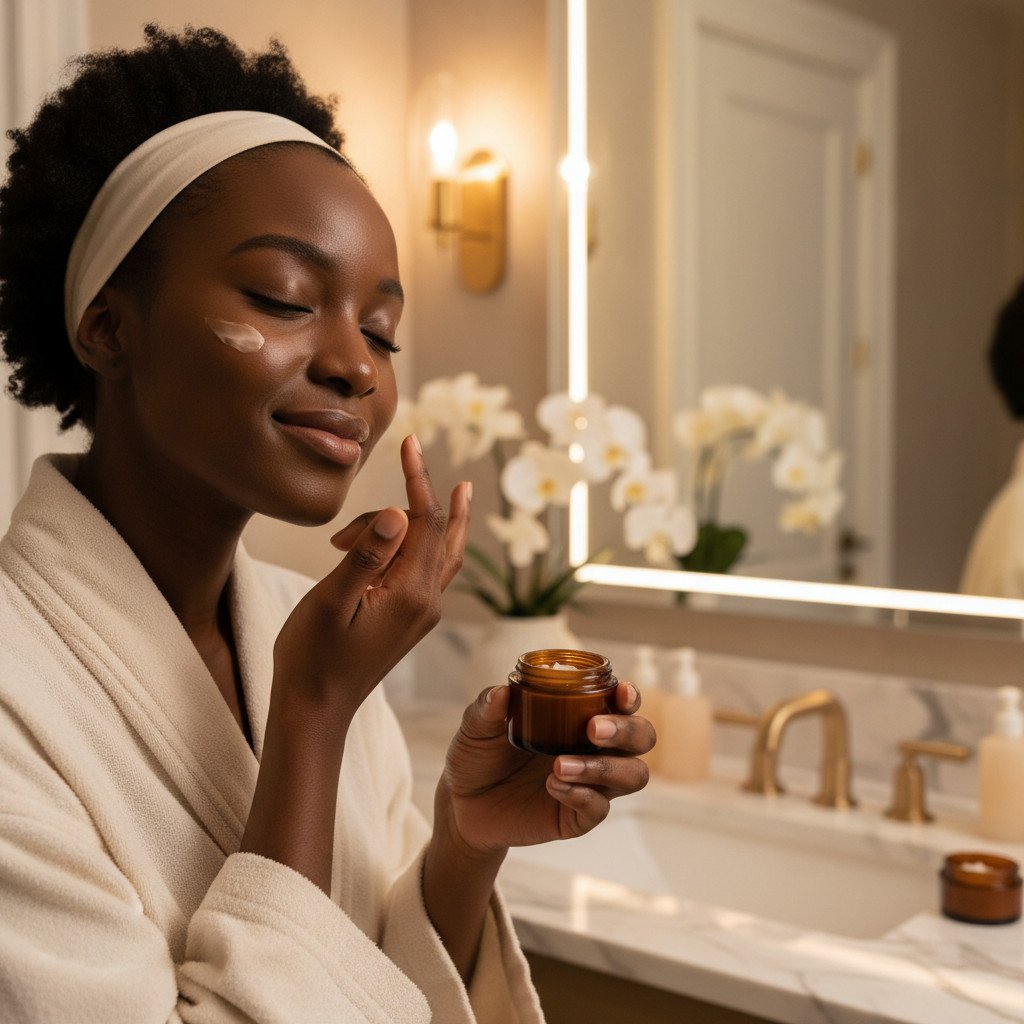
For deep skin, a subtle luminous finish can counteract any potential dullness and bring out the natural warmth and depth of your complexion. It can make the skin look more alive and vibrant. The trick is to apply luminous products sparingly and in areas where you want to draw light and create a soft, healthy sheen—think the high points of the cheekbones, the bridge of the nose, or the brow bone. Avoid applying luminous products directly over areas of significant texture, active breakouts, or very enlarged pores, as this will only emphasize them. Instead, let the luminosity peek through from underneath a satin or soft-matte foundation, or use a luminous primer in targeted areas. When chosen and applied thoughtfully, a subtle luminous finish can elevate your makeup, adding a touch of sophisticated radiance that respects and enhances your textured deep skin.
Finishes to Approach with Caution: Overly Matte and Shimmer-Heavy
While the previous sections celebrated finishes that flatter textured deep skin, it’s equally important to understand which finishes tend to be less forgiving and why. Two categories, in particular, require a cautious approach: overly matte and shimmer-heavy finishes. These can often exacerbate the appearance of texture rather than diminish it, creating a look that is less harmonious and more challenging for deep complexions.
Overly Matte Finish: A truly, intensely matte finish, especially one that is thick or very drying, can be problematic for textured skin. While the intention is often to control shine and create a smooth canvas, these formulas can inadvertently highlight other issues. Thick matte layers have a tendency to settle into fine lines, enlarged pores, and the depressions of atrophic scars, making them appear more pronounced. The lack of any light reflection means there’s no optical blurring effect; instead, every dip and peak casts a tiny shadow, defining the texture rather than softening it. Furthermore, overly matte foundations can cling to dry patches, flakes, or the edges of active breakouts, creating a patchy, uneven, and sometimes “cracked” appearance. For deep skin, an intensely matte finish can also sometimes strip the complexion of its natural vibrancy, making it look flat, dull, or even ashy, especially if the undertones are not perfectly matched. It can erase the beautiful, natural luminosity that is characteristic of melanin-rich skin, leaving it looking lifeless.
Shimmer-Heavy/Overtly Dewy Finish: On the opposite end of the spectrum, finishes that are overtly dewy, glossy, or heavily laden with shimmer can also be detrimental to textured skin. While a subtle luminosity can be beautiful, an excessive amount of shine or visible glitter particles acts like a spotlight on every surface irregularity. Every enlarged pore, every raised scar, every active bump will catch the light and reflect it intensely, drawing immediate and often unwanted attention to these areas. This is particularly true for formulas with larger glitter particles or a high concentration of pearlescent pigments. Instead of creating a smooth, radiant glow, they can make the skin look greasy, bumpy, or uneven. For deep skin, some shimmer particles, especially those with a silver or white base, can also appear ashy or create an unnatural sheen, detracting from the rich depth of the complexion. The goal is to look radiant, not like a disco ball, and for textured skin, this distinction is paramount. It’s about achieving a healthy, believable glow that enhances, rather than exaggerates, your skin’s natural surface.
Therefore, when selecting products, it’s wise to lean towards the nuanced finishes like satin, soft-matte, and skin-like, or to use luminous products with extreme discretion. Understanding these potential pitfalls allows you to make choices that truly flatter your textured deep skin, ensuring your makeup enhances your beauty with elegance and confidence.
How Creams, Liquids, Powders, and Hybrids Sit on Different Kinds of Texture
The form factor of your makeup—whether it’s a cream, liquid, powder, or a hybrid—plays a crucial role in how it interacts with and sits on different kinds of skin texture. Each formulation has unique properties that can either enhance or detract from a smooth, unified appearance on deep, textured skin. Understanding these nuances is key to selecting the right products for your specific needs and applying them in a way that respects your skin’s natural surface. It’s not just about the color or the finish, but the very composition and consistency of the product itself.
Liquid Formulas: Versatility and Blendability
Liquid foundations and concealers are arguably the most versatile options for textured deep skin. Their fluid nature allows them to spread easily and blend seamlessly, making them excellent for achieving a natural, skin-like finish. Liquids typically offer buildable coverage, from sheer to full, which is ideal for customizing your look without applying an overly thick layer.
- How they sit: Liquid formulas tend to glide over texture rather than settling into it, especially if they have a medium viscosity. They can effectively blur the appearance of enlarged pores and soften the look of shallow scars by creating a more uniform surface. Their hydrating properties often prevent them from clinging to dry patches or flakiness, which is a common concern around active breakouts or healing PIH.
- Best for: Most types of texture, including enlarged pores, fine lines, mild acne scarring, and areas of PIH. They are particularly good for creating an even tone without emphasizing surface irregularities.
- What to watch for: Very thin, watery liquids might not provide enough coverage for significant PIH or deeper scars without multiple layers, which can sometimes lead to an unnatural look. Conversely, very thick liquids can still settle into lines if not blended meticulously. Ensure the formula is non-comedogenic if you have acne-prone skin.
- Application tip: Apply with a damp beauty sponge or a dense, flat-top brush for the most seamless, skin-like finish. Pressing and stippling motions work better than dragging to avoid disturbing texture.
Liquid formulas are often the first choice for those seeking a natural, comfortable feel that still provides effective coverage and a flattering finish. Their adaptability makes them a staple in any texture-respecting makeup routine for deep skin.
Cream Formulas: Richness and Targeted Coverage
Cream foundations and concealers are known for their richness, emollient texture, and often higher coverage. They provide a more substantial layer than liquids, making them excellent for targeted coverage and spot concealing, particularly for areas of significant PIH or deeper scars. For deep skin, cream formulas can also offer a beautiful, natural luminosity if they are not overly matte.
- How they sit: Cream formulas, due to their thicker consistency, can be both a blessing and a curse. When applied sparingly and blended well, they can effectively fill in and smooth over the appearance of atrophic (indented) scars, creating a more even surface. Their emollient nature can also be beneficial for dry or mature skin with texture, as they are less likely to cling to dry patches. However, if applied too heavily, creams can sit on top of the skin, look cakey, and emphasize texture by creating a visible layer. They can also be prone to creasing in fine lines if not set properly.
- Best for: Targeted spot concealing of significant PIH, deeper acne scars, and areas that require more opaque coverage. They can also work well as an all-over foundation for dry skin with texture, provided they are applied thinly.
- What to watch for: The potential for heaviness and creasing. Ensure the cream formula is non-comedogenic and not too oily if you have acne-prone skin. Color matching is crucial, as a thick cream can look very obvious if the shade is off.
- Application tip: Use a small, dense brush or your fingertip to warm up the product and apply it precisely to textured areas. Blend the edges meticulously with a damp sponge. Set lightly with a finely milled powder to prevent shifting.
Cream formulas require a more skilled hand and a less-is-more approach, but their ability to provide concentrated coverage makes them invaluable for specific textural concerns on deep skin.
Powder Formulas: Setting, Blurring, and Oil Control
Powder formulas, whether pressed or loose, translucent or tinted, are primarily used for setting liquid or cream products, controlling shine, and providing a soft-focus or blurring effect. While a full-coverage powder foundation can be tempting for textured skin, it often requires careful consideration.
- How they sit: Finely milled powders can create a beautiful soft-focus effect, blurring the appearance of pores and fine lines by absorbing light. They are excellent for controlling oil and shine, which can otherwise emphasize texture. However, if powders are applied too heavily, or if the formula is too dry or coarse, they can settle into lines, cling to dry patches or peach fuzz, and make texture appear more prominent. They can also look cakey and flat, especially on deep skin if the shade is not perfectly matched.
- Best for: Setting makeup, controlling shine in oily areas (like the T-zone), and providing a subtle blurring effect over liquid or cream foundations. Tinted powders can offer light additional coverage.
- What to watch for: Over-application is the biggest pitfall. Avoid powders with large shimmer particles, as these will highlight texture. Ensure the powder is finely milled and doesn’t contain talc if you have sensitivity. For deep skin, watch out for powders that can look ashy or leave a white cast.
- Application tip: Use a fluffy brush or a damp sponge to press powder gently onto specific areas where oil control or blurring is needed. Avoid sweeping motions, which can disturb the underlying makeup. For a truly seamless finish, consider a “baking” technique only in very oily areas, then dusting off thoroughly.
Powders are essential for longevity and finish, but their application on textured deep skin should always be strategic and light-handed to avoid accentuating imperfections.
Hybrid Formulas: The Best of Both Worlds
Hybrid formulas combine the benefits of different makeup types, offering innovative solutions for textured deep skin. These can include powder-creams, liquid-to-powder formulas, or serum foundations that blend skincare benefits with makeup coverage.
- How they sit: Hybrid formulas are often designed to address specific concerns. For instance, a liquid-to-powder foundation might start as a liquid for easy blending and then dry down to a soft-matte powder finish, providing shine control without the heaviness of a traditional powder. Serum foundations often contain hydrating ingredients that plump the skin, allowing them to glide over texture and provide a natural, luminous finish without emphasizing imperfections. Powder-creams can offer the coverage of a cream with the setting power of a powder, often with a velvety texture that blurs.
- Best for: Individuals looking for specific benefits like long-wear, oil control with a natural finish, or hydrating coverage. They are often formulated with advanced technologies that aim to minimize the appearance of texture.
- What to watch for: The specific claims and ingredients of the hybrid. Some liquid-to-powder formulas can dry down too quickly, making blending difficult, or feel too dry on drier textured skin. Always patch test to ensure compatibility with your skin type and texture.
- Application tip: Follow the manufacturer’s instructions, as application can vary. Generally, working in small sections and blending quickly is key for formulas that set fast.
Hybrid formulas represent the cutting edge of makeup technology, offering tailored solutions that can be incredibly effective for managing and flattering textured deep skin, often providing a more sophisticated and nuanced finish than traditional formulas alone. Experimentation is key to finding the hybrid that best suits your unique skin needs.
Here’s a table summarizing how different finishes tend to read on textured deep skin:
| Finish Type | How it Tends to Read on Textured Deep Skin | What to Watch For |
|---|---|---|
| Satin | Soft, diffused sheen; mimics healthy skin; subtly blurs pores and fine lines. Enhances natural luminosity without over-reflecting. | Ensure it doesn’t lean too dewy if you have oily texture, or too matte if you prefer more radiance. |
| Soft-Matte | Velvety, airbrushed look; controls shine without stripping natural vitality. Blurs texture by absorbing excess light. | Avoid formulas that are too drying or heavy, which can cling to flakes or settle into lines. |
| Skin-Like | Seamless integration; looks and feels like your own skin, only better. Natural radiance, subtle blurring. | Can sometimes offer less coverage for significant PIH or deep scars, requiring targeted spot concealing. |
| Luminous (Subtle) | Inner glow, healthy radiance; plumps skin, creating a soft focus. Enhances depth of deep skin. | Avoid visible shimmer or glitter particles; apply strategically to high points, not directly over pronounced texture. |
| Overly Matte | Flat, dull appearance; can emphasize flakes, dry patches, and settle into lines/pores. Can look ashy on deep skin. | Avoid thick, heavy formulas that create a mask-like effect. Can make skin look lifeless. |
| Shimmer-Heavy/Overtly Dewy | Exaggerates every bump, pore, and uneven surface by reflecting light intensely. Can look greasy or glittery. | Avoid chunky glitter or high concentrations of pearlescent pigments, especially over areas of texture. |
How to Use Powder, Glow, and Blur Strategically Instead of Globally
The secret to achieving a flawless yet natural complexion on textured deep skin lies not in a global, heavy application of products, but in a strategic, targeted approach to powder, glow, and blurring techniques. Applying these elements universally can often backfire, either making the skin look flat and dull, or highlighting every single imperfection. Instead, by understanding where and how to apply these products, you can enhance your best features, minimize the appearance of texture, and create a harmonious finish that truly respects your skin’s unique topography. This nuanced approach is particularly vital for deep skin tones, where an indiscriminate application can easily lead to ashiness, an unnatural sheen, or an emphasis on textural differences.
Strategic Powdering: The Art of Control
Powder is an indispensable tool in makeup, but its application on textured deep skin requires finesse. Instead of dusting powder all over your face, which can lead to a flat, dry, or even cakey appearance, especially on areas with texture, adopt a strategic approach. The goal is to control shine, set makeup, and provide a subtle blurring effect only where it’s truly needed, allowing the rest of your skin’s natural luminosity to shine through.
- Targeted Application: Focus powder application primarily on your T-zone (forehead, nose, and chin), as these areas are typically prone to oiliness. If you have active breakouts or enlarged pores in specific areas, a light dusting of powder can help to mattify and blur their appearance. Avoid applying powder to drier areas of your face, such as the cheeks or around the eyes, unless absolutely necessary, as this can emphasize fine lines and dry patches.
- Finely Milled Formulas: Always opt for finely milled, translucent, or perfectly matched tinted powders. Coarse powders can settle into pores and lines, making them more noticeable. For deep skin, ensure the translucent powder doesn’t leave a white cast or look ashy. Many brands now offer translucent powders specifically formulated for deeper skin tones that absorb oil without altering the foundation shade.
- Application Method: Use a small, fluffy brush or a damp beauty sponge for precise application. Instead of sweeping, gently press or “roll” the powder onto the skin. This technique ensures the powder adheres to the foundation without disturbing it and helps to fill in pores for a smoother look. For areas with more significant oil, a light “baking” technique (applying a generous amount of loose powder, letting it sit for a few minutes, then dusting off the excess) can be effective, but use it sparingly and only in very oily zones.
- Setting Spray Integration: After powdering, a hydrating setting spray can help to melt the powder into the skin, making it look less powdery and more natural. This step is particularly beneficial for textured skin, as it helps to create a seamless finish.
By powdering strategically, you maintain control over shine and longevity without sacrificing the natural dimension and vibrancy of your deep complexion. You allow your skin to breathe and its natural texture to be respected, rather than masked under a uniform layer of powder.
Strategic Glow: Illuminating with Intention
While an all-over dewy finish can highlight texture, strategic application of luminous products can enhance deep skin beautifully, adding dimension, warmth, and a healthy radiance. The key is to choose the right type of glow and place it thoughtfully to draw attention to your best features without emphasizing areas of concern.
- Choose Your Luminosity Wisely: Opt for liquid or cream highlighters with a finely milled, pearlescent finish rather than chunky glitter. For deep skin, choose shades that complement your undertones—golden, bronze, or copper tones often look stunning and melt seamlessly into the skin. Avoid silver or white-based highlighters, which can appear stark or ashy.
- Placement is Paramount: Apply highlighter to the high points of your face where light naturally hits: the tops of your cheekbones, the bridge of your nose (if it doesn’t emphasize texture there), just under the brow bone, and a tiny dab on the cupid’s bow. These areas are typically smoother and can beautifully catch the light without drawing attention to texture.
- Avoid Textured Areas: Steer clear of applying luminous products directly over areas with significant texture, such as active breakouts, enlarged pores, or deep acne scars. The reflective nature of highlighter will only magnify these imperfections. If you have texture on your forehead, for example, avoid highlighting the center of it.
- Subtle Integration: For an even more natural, “lit-from-within” glow, you can mix a drop of liquid highlighter into your foundation before application, or apply a luminous primer underneath your foundation in targeted areas. This creates a diffused radiance that appears to emanate from the skin itself, rather than sitting on top.
Strategic glow is about creating an illusion of health and vitality. It’s about using light to sculpt and define, adding a touch of sophisticated radiance that celebrates the richness of your deep skin without compromising the integrity of your textured complexion.
Strategic Blur: Softening Without Erasing
Blurring in makeup is about creating an optical illusion that minimizes the appearance of pores, fine lines, and uneven texture. It’s not about erasing these features entirely, but rather softening their edges and making them less noticeable. This technique is particularly valuable for textured deep skin, as it helps to create a smoother, more refined canvas without the need for heavy, mask-like coverage.
- Blurring Primers: Start with a good blurring primer, applied only to areas where you want to minimize texture—typically the T-zone, cheeks with enlarged pores, or areas with shallow scarring. These primers often contain silicones or other ingredients that create a smooth, velvety surface, filling in microscopic gaps and diffusing light. For deep skin, ensure the primer doesn’t leave a white cast or pill when layered with other products.
- Finely Milled Powders with Blurring Properties: As mentioned in strategic powdering, finely milled powders can offer a blurring effect. Look for powders that specifically claim “blurring” or “soft-focus” properties. These often contain spherical particles that scatter light, making texture less apparent.
- Lightweight, Flexible Formulas: The foundation or concealer you choose also contributes to blurring. Formulas that are lightweight, flexible, and have a satin or soft-matte finish tend to blur texture more effectively than very thick or overly shiny ones. They glide over the skin, creating a seamless layer that doesn’t settle into imperfections.
- Application Technique: For blurring, pressing and stippling motions are your best friends. Whether applying primer, foundation, or powder, gently pressing the product into the skin helps to fill in pores and smooth out the surface without dragging or emphasizing texture. Avoid rubbing, which can disrupt the skin’s surface and make texture more visible.
Strategic blurring is about working with your skin’s natural surface to create a refined, polished look. It’s about achieving a soft-focus effect that makes your skin appear smoother and more even, while still allowing its natural character to shine through. By combining strategic powdering, intentional glow, and targeted blurring, you can create a complexion that is both sophisticated and authentically you, celebrating the beauty of your textured deep skin.
How to Build a Complexion Finish That Still Looks Like Skin
The ultimate goal for many with textured deep skin is to achieve a complexion finish that looks polished, unified, and radiant, yet still undeniably like their own skin. This “my skin but better” effect is the pinnacle of respectful makeup, ensuring that your natural beauty is enhanced rather than hidden. It’s a delicate balance that requires thoughtful product selection, precise application, and an understanding of how layers interact. The aim is to create a seamless transition between your skin and your makeup, allowing your natural texture to be respected while minimizing the appearance of concerns like PIH or unevenness. This approach celebrates the richness of your melanin without compromising authenticity.
Start with a Well-Prepped Canvas
The foundation of any skin-like complexion begins long before makeup is applied. Proper skin preparation is paramount, especially for textured skin. A well-hydrated, smooth canvas allows makeup to glide on effortlessly and wear beautifully, minimizing the chances of it clinging to dry patches or emphasizing texture.
- Cleanse Gently: Use a mild, hydrating cleanser to remove impurities without stripping your skin of its natural oils. Harsh cleansers can exacerbate dryness, making texture more prominent.
- Hydrate and Moisturize: This step is non-negotiable. Apply a hydrating serum (like hyaluronic acid) followed by a rich, emollient moisturizer. Hydrated skin looks plumper, which can subtly minimize the appearance of fine lines and shallow scars. For deep skin, adequate hydration also helps to maintain its natural luminosity and prevents an ashy appearance.
- Sun Protection: Always follow with a broad-spectrum SPF. For deep skin, choose a chemical sunscreen or a mineral sunscreen with a tint to avoid a white cast. Sun protection is crucial for preventing further PIH and maintaining overall skin health.
- Targeted Primer (Optional but Recommended): If you have specific areas of concern like enlarged pores or significant oiliness, apply a blurring or mattifying primer only to those areas. Avoid a global application if it’s not needed everywhere, as primers can sometimes feel heavy or interfere with the natural finish of your foundation.
A properly prepped canvas ensures that your makeup has the best possible surface to adhere to, leading to a smoother, more natural-looking finish that respects your skin’s texture.
Layering Lightly and Strategically
The secret to a skin-like finish is building coverage in thin, strategic layers rather than applying one thick coat. This approach allows you to address specific concerns without masking your entire face, ensuring your makeup looks like a second skin.
- Foundation First (Thin Layer): Start with a lightweight, medium-coverage foundation with a satin, soft-matte, or skin-like finish. Apply a very thin layer all over your face using a damp beauty sponge or a dense, flat-top brush. Focus on evening out your overall skin tone. Use pressing and stippling motions rather than dragging to ensure the product melts into the skin and doesn’t emphasize texture. For deep skin, ensure the shade is a perfect match to avoid an obvious line at the jaw or an ashy appearance.
- Spot Concealing (Targeted): After your initial foundation layer, assess areas that still require more coverage, such as significant PIH, active breakouts, or deeper scars. Use a cream or liquid concealer that matches your foundation shade (or is slightly warmer for PIH) and apply it precisely to these spots with a small, dense brush or your fingertip. Gently tap and blend only the edges of the concealer into the surrounding foundation, leaving the center of the spot opaque. This targeted approach prevents you from piling on product where it’s not needed, maintaining a natural look.
- Color Correcting (If Necessary): For very dark PIH or under-eye circles on deep skin, a peach, orange, or red color corrector can be applied very sparingly before foundation or concealer. Apply a tiny amount, blend gently, and then apply your foundation/concealer over it. The goal is to neutralize the discoloration, not to completely cover it with the corrector itself.
This layering technique allows you to achieve optimal coverage where needed while keeping the overall makeup light and breathable. It ensures that your skin’s natural texture and dimension are preserved, contributing to that coveted “looks like skin” effect.

Finishing with Purpose
The final steps in your complexion routine are crucial for setting your makeup, controlling shine, and adding dimension without compromising the skin-like finish you’ve worked to create. This is where strategic use of powder, blush, and highlight comes into play.
- Strategic Powdering: As discussed, apply a finely milled translucent or perfectly matched tinted powder only to areas prone to shine (T-zone) or where you want extra blurring (e.g., around the nose). Use a fluffy brush or damp sponge and press the powder into the skin, avoiding sweeping motions. This sets your makeup for longevity without making your entire face look flat or dry. For deep skin, ensure the powder doesn’t leave a white cast.
- Blush for Life: Bring life back to your complexion with blush. Cream or liquid blushes often look more natural and melt into the skin better than powders, especially on textured skin. Choose warm, rich shades like terracotta, berry, or deep rose that complement deep skin tones. Apply to the apples of your cheeks and blend upwards towards your temples. This adds a healthy flush and dimension, preventing your face from looking one-dimensional.
- Subtle Highlight: For a natural glow, apply a cream or liquid highlighter with a subtle, non-shimmery finish to the high points of your face—cheekbones, brow bone, cupid’s bow. Choose golden or bronze tones for deep skin. Avoid areas with prominent texture. This adds a touch of radiance that enhances your features without emphasizing imperfections.
- Setting Spray: Finish with a hydrating setting spray. This step helps to melt all the layers of makeup together, making it look more seamless and skin-like. It also adds a touch of natural dewiness and extends wear time. For textured skin, a setting spray can help to reduce any powdery appearance and give a fresh, revitalized look.
By following these steps, you can build a complexion that offers beautiful coverage and a refined finish, all while maintaining the authenticity and natural beauty of your deep, textured skin. The result is a look that is polished, confident, and truly respects your unique complexion.
How to Navigate This Topic
Understanding how makeup interacts with textured deep skin is a journey of exploration and personalized discovery. This topic is nuanced, and what works beautifully for one person might not be ideal for another, even with similar skin concerns. Therefore, navigating this information effectively requires a thoughtful, experimental, and self-aware approach. Black Beauty Basics is here to guide you, but ultimately, the best teacher will be your own experience and observation of your skin.
Embrace Experimentation and Patience
The world of makeup is vast, and new products and formulations are constantly emerging. Don’t be afraid to experiment with different finishes, formulas, and application techniques. What might seem counterintuitive could turn out to be your holy grail. For example, you might have always avoided dewy finishes, but a subtly luminous serum foundation applied lightly could surprise you with its flattering effect on your textured skin. Similarly, a powder you thought would be too drying might, in fact, provide the perfect amount of blurring and oil control when applied strategically.
Patience is key during this experimentation phase. It takes time to try new products, observe how they wear throughout the day, and understand how they react with your skin’s natural oils and environment. Keep a mental note, or even a physical journal, of what works and what doesn’t. Pay attention to how your skin feels, how the makeup looks in different lighting conditions, and how it holds up over time. This iterative process will gradually refine your understanding and lead you to the products and techniques that truly respect your unique texture.
Prioritize Samples and Reviews from Similar Skin Tones
Before committing to full-size products, especially those that are an investment, always try to get samples. Many beauty counters and online retailers offer samples, allowing you to test a product’s finish, wear, and interaction with your texture in a low-risk way. This is particularly important for foundations and concealers, where the shade match and finish are critical.
When seeking advice or product recommendations, prioritize reviews and insights from individuals with similar skin tones and concerns. Look for content creators, beauty editors, and community members who specifically address makeup for textured deep skin. Their experiences will be far more relevant and helpful than generic advice or reviews from those with different complexions. They can often provide specific shade recommendations, application tips tailored for deeper skin, and insights into how products perform on skin prone to PIH or other textural issues. This targeted research can save you time, money, and frustration.
Listen to Your Skin
Your skin is constantly communicating with you. Pay attention to its signals. Does a particular foundation feel heavy or suffocating? Does a powder make your skin feel tight or look flaky? Does a luminous product irritate your active breakouts? These are all important cues that indicate whether a product or technique is truly working for you.
Beyond immediate reactions, observe how your skin looks and feels at the end of the day. Does your makeup still look fresh, or has it settled into lines, emphasized pores, or broken apart over textured areas? Does your skin feel comfortable, or is it itchy, dry, or excessively oily? Listening to your skin means understanding its needs, its sensitivities, and its preferences. This self-awareness will guide you in making choices that not only look good but also promote the long-term health and comfort of your textured deep skin. Remember, makeup should be an extension of your skincare, not a battle against it. By embracing experimentation, seeking relevant advice, and listening to your skin, you can confidently navigate this topic and discover your perfect texture-respecting makeup routine.
Where to Go Next
This article has laid the groundwork for understanding how to choose makeup textures and finishes that respect your deep, textured skin. However, the world of makeup for melanin-rich skin, especially when dealing with texture and hyperpigmentation, is vast and interconnected. To truly master your complexion routine, it’s essential to explore related topics that build upon this knowledge. Black Beauty Basics offers a wealth of resources designed to empower you with comprehensive insights and practical strategies. Consider these next steps in your journey to a flawless and confident complexion:
- To gain a deeper understanding of the specific manifestations of texture and PIH on deep skin, and why our complexions require a tailored approach, delve into our foundational article: How Texture and PIH Show Up on Deep, Melanin-Rich Skin. This will provide crucial context for all your makeup decisions.
- Once you’ve mastered finishes, learn how to strategically apply coverage to address specific concerns without masking your natural beauty. Our guide on Spot Concealing vs. All-Over Coverage for PIH on Deep Skin will teach you the art of targeted application, ensuring your makeup looks seamless and natural.
- The ingredients in your makeup are just as important as the finish. For those with acne-prone deep skin, understanding what goes into your products is vital. Explore our Ingredient and Formula Checklist for Acne-Prone Deep Skin to make informed choices that won’t exacerbate your skin concerns.
- Your makeup routine should complement your skincare treatments, not hinder them. Discover how to harmonize your beauty regimen with our article on Aligning Makeup with Your Hyperpigmentation and Acne Treatment Plan, ensuring your products support your skin health goals.
- For a broader understanding of how all your base makeup elements—foundation, concealer, powder, and correctors—work together to create a harmonious look, refer to our comprehensive guide on Base Makeup Architecture: Foundation, Concealer, Powder, Correctors. This will help you build a solid foundation for your entire makeup application.
- Beyond foundation, learn how to add dimension and radiance without compromising your texture-respecting base. Our article on Highlighters That Flatter Deep Skin Without Going Ashy will guide you to selecting luminous products that enhance your glow beautifully.
- Finally, for a holistic approach to managing texture, hyperpigmentation, and sensitivity, explore how to adjust your entire beauty regimen with Adapting Routines for Texture, Hyperpigmentation, and Sensitivity. This article ties together skincare and makeup for a truly integrated approach.
By exploring these interconnected resources, you’ll build a robust understanding of makeup for deep, textured skin, empowering you to make choices that celebrate your unique beauty with confidence and elegance. Continue your journey with Black Beauty Basics, where cultural wisdom meets modern science for the ultimate self-love.
Quick Principles
Navigating the nuances of makeup for textured deep skin can feel complex, but by adhering to a few core principles, you can consistently achieve a flattering and respectful finish. These quick principles serve as a handy reference, guiding your product choices and application techniques to ensure your makeup enhances your natural beauty without overemphasizing texture. Remember, the goal is not to erase your skin’s unique story, but to beautifully present it.
- Prioritize Skin Prep: A well-hydrated and smooth canvas is non-negotiable. Ensure your skin is thoroughly cleansed, moisturized, and protected with SPF before applying any makeup. This creates the optimal surface for products to adhere to and wear beautifully.
- Embrace Satin, Soft-Matte, and Skin-Like Finishes: These finishes offer the best balance of coverage, light diffusion, and natural radiance for textured deep skin. They blur imperfections without looking flat or overly shiny, allowing your natural luminosity to shine through.
- Layer Lightly and Strategically: Avoid heavy, thick layers of foundation. Instead, build coverage in thin applications, focusing on spot concealing areas of PIH or significant texture. This prevents a cakey appearance and ensures your makeup looks like a second skin.
- Use Powder with Precision: Apply finely milled powder only to areas prone to shine (T-zone) or where you desire extra blurring. Use pressing or rolling motions with a brush or damp sponge. Avoid global application, which can flatten your complexion and emphasize dryness.
- Glow with Intention: Opt for subtle, finely milled liquid or cream highlighters in complementary golden or bronze tones. Apply strategically to the high points of your face (cheekbones, brow bone) where light naturally hits, avoiding areas of prominent texture.
- Blur, Don’t Erase: Utilize blurring primers or foundations in targeted areas to soften the appearance of pores and fine lines. The aim is to optically smooth, not to completely erase, which can look unnatural.
- Choose Flexible Formulas: Look for makeup that moves with your skin, rather than sitting rigidly on top. Formulas that are lightweight, blendable, and non-comedogenic are ideal, especially for acne-prone textured skin.
- Match Undertones Perfectly: For deep skin, an accurate shade match, including correct undertones (warm, cool, neutral, golden, red), is crucial to prevent an ashy, dull, or unnatural appearance, especially with textured skin where discrepancies can be more noticeable.
- Listen to Your Skin: Pay attention to how products feel and wear throughout the day. Your skin will tell you what works and what doesn’t. Adjust your routine based on comfort, longevity, and how the makeup interacts with your texture.
- Celebrate Your Unique Texture: Remember that texture is a natural part of your skin’s story. The goal of makeup is to enhance your beauty and confidence, not to conceal or shame your natural complexion. Embrace a philosophy of respect and enhancement.
By keeping these principles in mind, you can confidently navigate your makeup choices, creating a beautiful, polished, and authentic look that truly celebrates your deep, textured skin.
Frequently Asked Questions
What is the best foundation finish for textured deep skin?
The best foundation finish for textured deep skin is typically a satin, soft-matte, or skin-like finish. These options provide a beautiful balance, offering enough light diffusion to blur imperfections without appearing overly flat or excessively shiny, which can otherwise emphasize texture. They enhance your natural radiance while respecting your skin’s unique topography.
Can I use dewy makeup if I have textured skin or PIH?
Yes, you can use dewy makeup, but with caution and strategic application. Opt for subtly luminous products with finely milled pearlescent particles rather than chunky glitter. Apply them sparingly to the high points of your face, avoiding areas with significant texture, active breakouts, or pronounced PIH, as excessive shine can highlight these imperfections.
How can I prevent foundation from settling into my pores and fine lines?
To prevent foundation from settling, ensure your skin is well-hydrated and prepped with a targeted blurring primer in problem areas. Use lightweight, flexible liquid or cream formulas, applied in thin layers with a damp beauty sponge or dense brush, using pressing motions. Lightly set with a finely milled powder only in areas prone to creasing or oiliness.
Are powder foundations good for textured deep skin?
Powder foundations can work for textured deep skin, especially for oil control, but they require careful application. Opt for finely milled formulas and apply them sparingly, pressing them into the skin rather than sweeping. Heavy application can cling to dry patches or peach fuzz, making texture more prominent, and some shades can appear ashy on deep skin.
How do I choose a blurring primer that works for deep skin?
When choosing a blurring primer for deep skin, look for formulas that are transparent or have a very subtle tint that blends seamlessly without leaving a white cast. Test a small amount on your skin to ensure it doesn’t pill or interfere with your foundation. Focus on applying it only to areas where you want to minimize the appearance of pores or fine lines.
What’s the difference between a soft-matte and an overly matte finish?
A soft-matte finish provides shine control with a velvety, airbrushed look that still allows a hint of natural skin luminosity to show through, subtly blurring texture. An overly matte finish, conversely, absorbs all light, can look flat and dull, and often emphasizes dryness, flakes, or settles into lines, making texture appear more pronounced, especially on deep skin.
Should I use cream or liquid blush with textured skin?
Cream or liquid blushes are generally preferred for textured deep skin. Their emollient formulas melt seamlessly into the skin, providing a natural flush that doesn’t sit on top or emphasize texture like some powder blushes can. They also tend to look more vibrant and skin-like on deeper complexions, adding a healthy dimension to your overall look.
Thank you for exploring this comprehensive guide on choosing textures and finishes that respect your deep, textured skin. At Black Beauty Basics, we believe that every woman deserves to feel confident and beautiful in her own skin, and that includes celebrating its unique textures and tones. We hope this article has empowered you with the knowledge to make informed decisions, allowing you to select makeup that truly enhances your natural radiance without compromise.
Remember, your beauty journey is personal and evolving. Embrace experimentation, listen to your skin, and always choose products and techniques that make you feel your most authentic and confident self. We are committed to providing you with culturally resonant, scientifically informed, and empowering content that celebrates the rich tapestry of Black beauty. Continue to explore our resources, and let your confidence shine through every elegant, self-assured step you take.
Shop soft matte foundation for deep skin on Amazon.
Discover cream blush for dark skin on Amazon.
Find finely milled translucent setting powder on Amazon.
INTERNAL LINKING OPPORTUNITIES
Makeup for Textured and PIH-Prone Skin: The Ultimate Guide
Makeup for Deep Skin Tones: The Definitive Guide
How Texture and PIH Show Up on Deep, Melanin-Rich Skin
Spot Concealing vs. All-Over Coverage for PIH on Deep Skin
Ingredient and Formula Checklist for Acne-Prone Deep Skin
Aligning Makeup with Your Hyperpigmentation and Acne Treatment Plan
Base Makeup Architecture: Foundation, Concealer, Powder, Correctors
Highlighters That Flatter Deep Skin Without Going Ashy
Adapting Routines for Texture, Hyperpigmentation, and Sensitivity
Related next steps
Related posts:
 Choosing Coverage Levels and Finishes for Deep Skin: Your Guide to Intentional Base Makeup
 Choosing the Right Moisturizer Texture for Melanin-Rich Skin
 Matte, Natural, and Dewy Finishes on Melanin-Rich Skin: Finding Your Perfect SPF Glow
 Spot-Concealing vs All-Over Coverage for PIH on Deep Skin: Choosing Your Canvas
 Beginner’s Guide to Natural Hair for Kids with Coily/Curly Textures: Cultivating Confidence and Care
 Finding Non-Ashy Sunscreen Textures for Melanin-Rich Skin