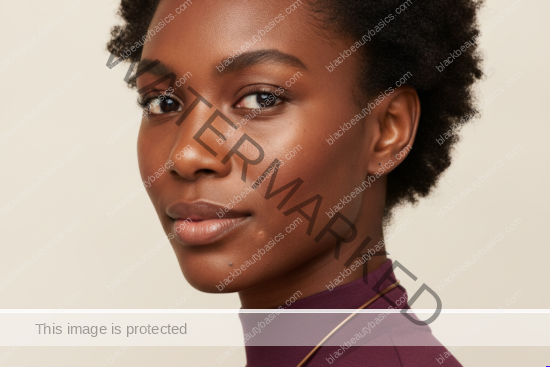
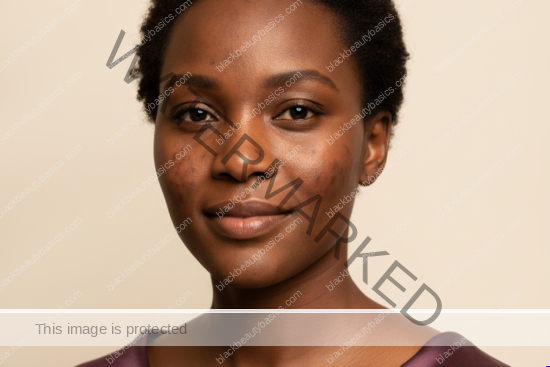
Defining Colorism, Featurism & Texturism in Black Beauty
For Black women, the journey through beauty is often a landscape rich with heritage, innovation, and profound self-expression. Yet, it can also be a terrain marked by subtle—and not-so-subtle—biases that shape our perceptions, choices, and even our sense of self-worth. Many of us have felt the sting of these biases, the quiet whispers or overt judgments, long before we had the language to name them. We’ve seen them reflected in media, in product aisles, and sometimes, even within our own communities. This feeling of being subtly nudged toward certain aesthetics, or away from others, is not imagined. It’s a lived reality, rooted in historical and systemic biases that have profoundly influenced what is deemed “beautiful” for Black women.
The concepts of colorism, featurism, and texturism are not new, but their impact on Black beauty standards continues to resonate deeply. These terms, while often used interchangeably, describe distinct yet interconnected forms of discrimination that privilege certain physical traits over others, particularly within the Black diaspora. Understanding these distinctions is not about creating divisions, but about gaining clarity. It’s about recognizing the intricate ways in which biases operate, allowing us to dismantle them more effectively and cultivate a more inclusive, affirming vision of Black beauty. It’s about moving beyond the feeling that something isn’t quite right, to precisely understanding what that ‘something’ is.
At Black Beauty Basics, we believe that true empowerment begins with knowledge. By clearly defining colorism, featurism, and texturism, we arm ourselves with the vocabulary to articulate our experiences, challenge prevailing norms, and celebrate the full spectrum of our unique beauty. This guide is an invitation to explore these complex topics with grace and insight, providing you with the tools to recognize these biases in everyday language and beauty signals, and ultimately, to foster a deeper, more authentic self-love that transcends narrow, externally imposed ideals. Let’s embark on this journey together, unraveling the threads of bias to weave a stronger, more vibrant tapestry of Black beauty.
What This Post Covers
This comprehensive guide aims to illuminate the often-conflated concepts of colorism, featurism, and texturism within the context of Black beauty. We will meticulously define each term, providing clear, actionable distinctions and illustrating them with everyday examples that resonate with the experiences of Black women. Our goal is to move beyond abstract definitions, offering a practical understanding of how these biases manifest in beauty standards, product marketing, social interactions, and even our internal narratives. We will explore the historical roots and societal implications of these biases, demonstrating how they are not isolated phenomena but rather interconnected systems that shape our perception of beauty. Furthermore, we will delve into the subtle ways these systems operate together, revealing the intricate dance of privilege and prejudice that influences beauty choices and self-perception. By the end of this article, you will be equipped with a robust vocabulary and a nuanced understanding, enabling you to identify, analyze, and ultimately challenge these pervasive biases, fostering a more inclusive and affirming beauty landscape for yourself and future generations.
What Colorism Means in Beauty Spaces
Colorism is a form of prejudice or discrimination in which individuals with lighter skin tones are treated more favorably than those with darker skin tones. While it is often discussed in the context of the Black community, it is a global phenomenon that affects various racial and ethnic groups. In beauty spaces, colorism manifests in myriad ways, subtly and overtly shaping what is considered desirable, marketable, and even “acceptable.” It is a pervasive bias that privileges proximity to whiteness, creating a hierarchy where lighter skin is often equated with beauty, sophistication, and success.
Historical Roots and Societal Impact
The roots of colorism are deeply intertwined with colonialism, slavery, and the historical power dynamics that privileged European aesthetics. During slavery in the Americas, for instance, enslaved people with lighter skin tones, often the offspring of enslavers, were sometimes granted preferential treatment, such as working indoors or receiving better clothing, creating a caste system within the enslaved community. This legacy of privilege for lighter skin persisted post-emancipation, influencing social stratification, economic opportunities, and marriage prospects within Black communities. This historical conditioning taught generations that lighter skin was a pathway to greater acceptance and perceived beauty, a deeply damaging message that continues to echo in contemporary beauty standards.
In modern beauty spaces, colorism is evident in media representation, product availability, and the language used to describe beauty. Think about the overwhelming prevalence of lighter-skinned Black women in mainstream advertising campaigns, even for products ostensibly aimed at the broader Black market. This lack of diverse representation sends a clear message: lighter skin is the preferred aesthetic. This bias isn’t just about what is seen; it’s about what is sold and how. Foundation ranges, for example, often feature an abundance of shades for lighter complexions, with darker shades being limited, poorly matched, or entirely absent, forcing darker-skinned women to mix shades or go without. This practical exclusion is a daily reminder of who the industry prioritizes.
Everyday Manifestations in Beauty
Colorism also surfaces in the language we use. Phrases like “pretty for a dark-skinned girl” are classic examples of colorist microaggressions. This seemingly complimentary phrase is, in fact, deeply insidious. It implies that beauty is not inherent to dark skin, but rather an exception to a perceived norm of unattractiveness. It sets up a conditional beauty, suggesting that one must overcome the “handicap” of dark skin to be considered beautiful. Similarly, the concept of “good hair” often implicitly or explicitly refers to hair textures associated with lighter-skinned individuals, further reinforcing colorist ideals by linking skin tone to hair type and desirability.
The beauty industry’s marketing strategies frequently exploit colorist biases. Products promising “brightening” or “lightening” effects, while sometimes framed as addressing hyperpigmentation, often play into the desire for lighter skin, a desire fueled by colorism. The subtle messaging in these campaigns can suggest that lighter, more “radiant” skin is superior, subtly encouraging a rejection of one’s natural complexion. Even within Black-owned beauty brands, there can be an unconscious bias towards showcasing lighter-skinned models, perhaps due to perceived marketability or historical industry pressure, inadvertently perpetuating the very biases they might claim to dismantle.
The impact of colorism extends beyond individual preferences; it shapes our collective understanding of beauty. It can lead to internalized self-hatred among darker-skinned individuals, who may feel pressured to conform to lighter-skinned ideals, leading to practices like skin bleaching or excessive makeup application to achieve a lighter appearance. Conversely, lighter-skinned individuals may experience guilt or feel that their achievements are attributed to their skin tone rather than their merit. Understanding colorism is the first step in dismantling its harmful effects, allowing us to celebrate the full spectrum of Black beauty without judgment or hierarchy.
What Featurism Means and How It Overlaps with Colorism
Featurism is a form of discrimination that privileges certain facial and bodily features over others, often those that are perceived as more Eurocentric or “delicate.” While distinct from colorism, featurism frequently overlaps with it, as features typically associated with lighter skin tones or European ancestry are often deemed more attractive. It’s not just about skin color; it’s about the shape of one’s nose, the fullness of one’s lips, the texture of one’s hair, and the contours of one’s face. Featurism dictates that certain physical characteristics are inherently more beautiful or desirable, creating a hierarchy of features that can be just as damaging as a hierarchy of skin tones.
The Interplay of Features and Skin Tone
Historically, Eurocentric beauty standards have dictated what is considered beautiful globally. This has meant that features like narrow noses, thin lips, and straight hair have been elevated, while broader noses, fuller lips, and kinky or coily hair textures, common among people of African descent, have been devalued. The insidious nature of featurism lies in its ability to operate independently of, yet often in conjunction with, colorism. A dark-skinned woman with a narrow nose and thin lips might be perceived as more attractive than a dark-skinned woman with broader features, even if both have the same skin tone. Conversely, a lighter-skinned woman with broader features might still be seen as less desirable than a lighter-skinned woman with more Eurocentric features.
The overlap with colorism is most evident when considering the concept of “mixed-looking” individuals. Often, individuals described as “mixed-looking” are praised not just for their lighter skin but also for having a combination of features that are perceived as a blend of African and European traits – perhaps a slightly broader nose but with a more defined bridge, or full lips that are not “too full.” This praise is a subtle form of featurism, suggesting that the “ideal” Black face is one that has been softened or diluted by European features. It implies that pure African features are somehow less desirable or require modification to be considered beautiful.
Everyday Examples in Beauty and Media
In beauty spaces, featurism is rampant. Consider the historical pressure on Black women to chemically straighten their hair to achieve a “sleeker” or “more professional” look, aligning with Eurocentric hair ideals. While this also falls under texturism, the underlying drive is featurist – to alter a natural feature to conform to a dominant aesthetic. The popularity of cosmetic procedures like nose jobs (rhinoplasty) among Black women, often aimed at narrowing the bridge or reducing the width of the nostrils, is another stark example of featurism at play. These procedures are frequently driven by a desire to align with Eurocentric facial proportions, rather than a celebration of the diverse beauty of African features.
Media representation further entrenches featurist ideals. When Black models are featured, there’s often a discernible preference for those with features that are closer to Eurocentric norms – smaller noses, less full lips, or hair that is naturally looser or straightened. This selective representation reinforces the idea that only certain types of Black features are camera-ready or aspirational. Even when fuller lips become trendy, as they have in recent years, there’s a nuanced featurist aspect: it’s often celebrated on non-Black individuals or on Black individuals whose lips are full but not “too” full, or are paired with other Eurocentric features. When Black women with naturally very full lips are celebrated, it often comes with the caveat of other “acceptable” features, or sometimes, it’s a trend that is only truly embraced after it has been validated by non-Black culture.
The impact of featurism is profound. It can lead to body dysmorphia, low self-esteem, and a constant feeling of inadequacy among Black women whose natural features don’t align with these narrow ideals. It encourages a cycle of self-modification and self-rejection, pushing individuals to alter their appearance to gain acceptance and perceived beauty. Recognizing featurism means understanding that beauty is not a monolithic concept dictated by one standard, but a rich tapestry of diverse features, each worthy of celebration and affirmation. It calls for a radical embrace of all Black features, in all their glorious variations, as inherently beautiful and valuable.
What Texturism Means in Hair and Presentation
Texturism is a form of discrimination within the Black community and broader society that favors looser, wavier, or straighter hair textures over kinkier, coily, or tightly curled textures. It is a specific manifestation of featurism, focusing solely on hair, but it carries its own distinct historical weight and pervasive impact on Black women’s self-perception and societal acceptance. Texturism dictates that certain hair types are inherently more beautiful, manageable, or “professional,” while others are deemed unruly, unkempt, or less desirable. This bias is deeply rooted in a history that has systematically devalued natural Black hair, particularly its kinky and coily forms.
Historical Context and Societal Norms
The origins of texturism are inextricably linked to slavery and the post-slavery era, where European beauty standards became the benchmark for desirability. Enslaved Africans’ hair, often seen as “woolly” or “unruly” by enslavers, was denigrated and associated with savagery, while straight hair was praised as a sign of civilization and beauty. This historical narrative led to the widespread use of chemical relaxers and hot combs, as Black women sought to conform to these dominant ideals, often at great personal and physical cost. The concept of “good hair” emerged from this oppressive history, referring to hair that was softer, straighter, or had a looser curl pattern, thereby being closer to European hair textures. Conversely, “bad hair” was used to describe kinky, coily, or tightly textured hair, reinforcing a damaging hierarchy within the community.
In contemporary society, texturism continues to exert significant influence. It’s often disguised as preferences for “manageability” or “professionalism.” Black women with kinkier hair textures frequently face discrimination in workplaces, where their natural hair might be deemed “unprofessional” or a “distraction,” leading to policies that implicitly or explicitly ban natural styles like afros, braids, or locs. This pressure forces many to alter their hair, often through chemical treatments or heat styling, to fit into corporate environments, impacting their sense of authenticity and well-being. The CROWN Act, legislation aimed at prohibiting discrimination based on hair texture and protective styles, is a direct response to this pervasive texturism, highlighting its systemic nature.
Manifestations in Beauty Products and Media
The beauty industry, while increasingly catering to natural hair, still exhibits texturist biases. For years, products specifically designed for kinky and coily hair were scarce, while shelves were overflowing with products for looser curls or straight hair. Even now, within the natural hair movement, there can be a subtle hierarchy. Marketing often features models with 3A-3C curl patterns, which are looser and more defined, while 4A-4C textures, which are tighter and more prone to shrinkage, are less frequently showcased or are styled in ways that minimize their natural kinky state. This sends a message that even within the natural hair community, certain textures are more celebrated or aspirational than others.
Phrases like “wash and go” are often implicitly marketed towards looser curl patterns, as tighter textures typically require more extensive styling and product application to achieve a defined look. This can create unrealistic expectations and frustration for women with 4C hair, who might feel their hair isn’t “good enough” for such styles. The praise for “defined curls” can also be texturist, as it often refers to a specific type of curl definition that is easier to achieve with looser textures, inadvertently devaluing the unique beauty of tightly coiled hair that might not have individual curl definition in the same way.
Texturism profoundly impacts self-esteem and identity. Black girls and women with kinkier hair may internalize these biases, leading to feelings of inadequacy, a desire to change their hair, or a perception that their hair is “difficult” or “unmanageable.” It can also lead to a lack of confidence in embracing their natural texture, opting instead for wigs, weaves, or straightened styles to avoid judgment. By naming and understanding texturism, we can actively challenge these harmful norms, celebrate the incredible versatility and beauty of all Black hair textures, and advocate for a beauty landscape where every curl, coil, and kink is affirmed and cherished. It is about reclaiming the narrative of our hair, recognizing it as a crown, not a burden, and demanding that the beauty industry and society at large reflect this truth.

How These Systems Work Together in Black Beauty Culture
While colorism, featurism, and texturism are distinct forms of bias, they rarely operate in isolation within Black beauty culture. Instead, they form a complex, interconnected web, reinforcing and amplifying each other to create a deeply entrenched hierarchy of desirability. This synergistic operation makes them particularly insidious, as an individual might experience multiple layers of discrimination based on a combination of their skin tone, facial features, and hair texture. Understanding this interplay is crucial for a holistic grasp of how these biases shape perceptions of beauty and self-worth within the Black community and beyond.
The Intersectional Nature of Bias
Consider the cumulative effect: a dark-skinned Black woman with broad features and tightly coiled (4C) hair often faces the steepest climb in terms of societal validation and representation in beauty. She is simultaneously impacted by colorism (dark skin is devalued), featurism (broad features are devalued), and texturism (kinky hair is devalued). Conversely, a lighter-skinned Black woman with Eurocentric features and looser, wavier hair might experience significant privilege across all three axes, often being lauded as the epitome of Black beauty in mainstream and even some internal community spaces. This is not to diminish the experiences of lighter-skinned women, who also navigate complex racial dynamics, but to highlight the differential impact of these biases based on proximity to Eurocentric ideals.
This intersectional bias is evident in media portrayals. When a dark-skinned actress or model gains prominence, she is often praised for her “exotic” or “unique” beauty, sometimes implying that her attractiveness is an exception rather than the norm for dark-skinned women. If she also possesses features like a narrow nose or a looser curl pattern, these traits might be subtly highlighted as contributing factors to her appeal, further reinforcing featurist and texturist ideals. This creates a narrow pathway for acceptance, suggesting that only a specific, often diluted, version of dark-skinned beauty is palatable to the mainstream.
The “Good Hair, Good Skin” Myth
The pervasive myth of “good hair” and “good skin” is a prime example of how these systems converge. “Good hair” is typically defined by its texture—looser, wavier, or straighter—which is a texturist bias. However, this concept is often implicitly linked to colorism, as lighter-skinned individuals are more likely to have hair textures closer to European standards. Similarly, “good skin” can be a colorist notion, subtly favoring lighter, blemish-free complexions, or it can be featurist, referring to skin that is smooth and even-toned, free of hyperpigmentation that is more common and often more visible on darker skin tones. The combination of “good hair” and “good skin” becomes a powerful, often unspoken, benchmark for beauty that privileges a very specific, often lighter-skinned, Eurocentrically-featured, and loosely-textured aesthetic.
This combined pressure can lead to internal divisions within the Black community. It can foster a sense of competition or judgment, where individuals unconsciously or consciously evaluate each other based on these biased metrics. For instance, a light-skinned woman might be envied for her “good hair,” while a dark-skinned woman might be praised for her “exotic” features, but only if those features align with featurist ideals. This internal stratification is a direct consequence of these external biases being internalized and perpetuated within the community, creating a cycle of self-critique and comparison that undermines collective self-love and solidarity.
Impact on Beauty Choices and Self-Perception
The combined weight of colorism, featurism, and texturism profoundly influences beauty choices. It can lead to a preference for lighter foundation shades, a desire for cosmetic procedures to alter facial features, or a reliance on wigs, weaves, and chemical treatments to achieve desired hair textures. These choices, while personal, are often made within a societal context that subtly, or not so subtly, pushes Black women towards a specific aesthetic. The goal is not to judge these choices, but to understand the systemic pressures that inform them. Recognizing how these biases intersect allows us to approach our beauty rituals with greater awareness, empowering us to make choices that are truly self-affirming rather than externally imposed.
Ultimately, these systems work together to create a narrow, often unattainable, ideal of beauty for Black women. By dissecting their individual components and understanding their collective impact, we can begin the vital work of dismantling them. This involves challenging biased representations, advocating for diverse beauty standards, and fostering an environment where all Black women, regardless of their skin tone, features, or hair texture, are celebrated as inherently beautiful. It is a journey towards radical self-acceptance and a collective affirmation of the boundless beauty that exists within the Black diaspora. For more on navigating these biases, consider exploring our article on how bias shapes routines, procedures, and hair choices.
Everyday Phrases and Beauty Signals That Reveal the Bias
Bias, particularly in beauty, often operates through subtle cues and seemingly innocuous phrases that, upon closer inspection, reveal deeply ingrained prejudices. These everyday signals, whether uttered in casual conversation, seen in advertising, or observed in social dynamics, are powerful indicators of how colorism, featurism, and texturism permeate our understanding of beauty. Learning to recognize these phrases and signals is a critical step in deconstructing these biases and fostering a more inclusive beauty narrative. They are the linguistic and visual shorthand for systemic preferences, often passed down through generations or absorbed from pervasive media.
Colorist Language and Compliments
- “You’re pretty for a dark-skinned girl.” This is perhaps one of the most overt and damaging colorist phrases. It’s a backhanded compliment that implies dark skin is inherently less attractive, making the individual an exception to a perceived rule. It diminishes inherent beauty by making it conditional.
- “She has good skin.” While seemingly benign, in the context of colorism, this can often subtly refer to skin that is lighter, clearer, or has fewer hyperpigmentation concerns, which are often more prominent on darker skin. It can also imply a preference for skin that appears to be “mixed” or “exotic,” often code for lighter, less typically African features.
- “She’s so exotic-looking.” This phrase, while sometimes intended as a compliment, often carries colorist and featurist undertones. It can imply that a Black woman’s beauty is only remarkable because she possesses features or a skin tone that deviates from a perceived “norm” for Black women, often leaning towards lighter skin or more Eurocentric features. It also “others” the individual, making their beauty a spectacle rather than an inherent quality.
- Praise for “light-skinned privilege.” While not a direct beauty compliment, the acknowledgment of “light-skinned privilege” within conversations about beauty highlights the societal advantages afforded to those with lighter complexions, including being perceived as more beautiful or desirable.
Featurist Remarks and Visual Cues
- “She has such a delicate nose.” This phrase directly reflects featurist bias, valuing a narrow, often European-aligned nose shape over broader, more typically African noses. It implies that “delicate” features are superior.
- “Her lips aren’t too full.” Even as full lips have become trendy, this specific phrasing reveals a featurist preference. It suggests that there’s an “acceptable” level of fullness, often one that is not “too” African, or that is paired with other Eurocentric features. The natural fullness of many Black women’s lips is often still viewed through a lens of moderation.
- The “clean girl” aesthetic applied to Black women. While the “clean girl” aesthetic emphasizes minimalism and natural beauty, its application to Black women often subtly favors those with features that align more closely with Eurocentric ideals – smoother hair, refined features, and often lighter skin. When a dark-skinned woman with prominent African features attempts this aesthetic, it may not receive the same validation, highlighting the featurist undercurrent.
- Praise for features only when worn by non-Black people. A classic example is the cultural appropriation of full lips or larger derrieres. When these features become trendy on non-Black individuals (e.g., through cosmetic enhancements), they are celebrated. Yet, on Black women, these same natural features have historically been ridiculed or sexualized. This double standard is a clear featurist signal.
Texturist Phrases and Hair-Related Judgments
- “Good hair” vs. “bad hair.” As discussed, “good hair” is a deeply texturist term, praising looser, wavier, or straighter textures, while “bad hair” refers to kinkier, coily textures. This binary is incredibly damaging.
- “Your hair is so manageable.” While sometimes a genuine compliment, this phrase can carry texturist undertones, implying that other hair textures (especially kinkier ones) are inherently “unmanageable” or difficult. It often praises hair that requires less effort to conform to Eurocentric ideals.
- “That’s a professional hairstyle.” This phrase often implicitly or explicitly refers to straightened hair, sleek buns, or very loose curls, while styles like afros, locs, or elaborate braided styles are sometimes deemed “unprofessional.” This is a texturist judgment that links hair texture to competence and respectability.
- “You should try to define your curls.” While offering styling advice, this can be texturist if it implies that tightly coiled hair needs to achieve a specific type of “definition” that is more easily attainable by looser curl patterns. It can subtly devalue the natural beauty of kinky hair that may not form distinct, elongated curls.
- “She looks so much better with straight hair.” This direct comparison overtly states a preference for straightened hair over natural textures, a clear manifestation of texturism.
Recognizing the Subtlety
These phrases and signals are often subtle, embedded in casual conversation or visual media, making them difficult to pinpoint without a conscious effort. They don’t always come from a place of malice, but rather from internalized biases that have been absorbed from societal norms. The key is to listen and observe critically. When you hear a compliment that feels conditional, or see a beauty standard that seems to exclude certain Black features, pause and consider which bias might be at play. By doing so, we begin to unravel the invisible threads that weave these biases into the fabric of our beauty culture, paving the way for a more authentic and affirming appreciation of all Black beauty. This awareness is a powerful tool in our journey towards unlearning “good hair” and “good skin” myths.
Why Language Matters Before Any Unlearning Can Happen
The power of language cannot be overstated, especially when discussing deeply ingrained societal biases like colorism, featurism, and texturism. Before any meaningful unlearning or dismantling of these harmful systems can occur, we must first establish a precise and shared vocabulary. Without clear definitions, our conversations remain muddled, our critiques lack precision, and our efforts to create change are often misdirected. Language provides the framework through which we understand, articulate, and challenge the world around us. In the context of Black beauty, having the right words is not just academic; it is foundational to empowerment, self-affirmation, and collective liberation.
Clarity and Precision in Dialogue
When we conflate colorism with featurism, or texturism with general hair discrimination, we lose the nuance necessary to address each specific bias effectively. For instance, if a dark-skinned woman with a narrow nose and loose curls faces discrimination, simply labeling it “racism” doesn’t fully capture the specific ways colorism, featurism, and texturism might be operating simultaneously to privilege her over a dark-skinned woman with broad features and kinky hair. By using precise terms, we can identify the exact mechanisms of bias, allowing for more targeted and effective strategies for change. It enables us to say, “This is not just about race; it’s specifically about the preference for lighter skin within our race,” or “This isn’t just about hair; it’s about the devaluation of kinky textures.”
This clarity also fosters more productive dialogue within communities. When individuals can articulate their experiences using precise language, it validates their feelings and provides a common ground for discussion. It moves conversations beyond vague complaints to specific, identifiable issues. For example, a woman who feels her natural 4C hair is deemed “unprofessional” can now name that experience as texturism, rather than simply feeling generally discriminated against. This naming allows for solidarity and collective action, as others who share similar experiences can recognize themselves in the language.
Validation of Lived Experiences
For many Black women, the subtle biases of colorism, featurism, and texturism have been felt deeply but often remained unnamed. This lack of language can lead to feelings of isolation, self-doubt, and a questioning of one’s own perceptions. When we provide clear definitions, we offer validation. We say, “What you’ve experienced has a name; it’s real, and you’re not alone.” This act of naming is incredibly powerful. It transforms vague discomfort into concrete understanding, allowing individuals to process their experiences, understand their roots, and begin the healing process. It empowers them to articulate their pain, their frustrations, and their desires for change, moving from a place of passive reception to active agency.
Moreover, having a shared language helps to demystify these biases, making them less abstract and more tangible. It moves them from the realm of personal preference to systemic discrimination. This shift in understanding is crucial for challenging internalized biases. If we don’t know what colorism is, we can’t recognize how we might have internalized its ideals. If we can’t define texturism, we might unknowingly perpetuate it in our own judgments about hair. Language, therefore, is the key to self-awareness and the first step towards dismantling these biases within ourselves and our communities.
Facilitating Unlearning and Re-education
Unlearning deeply ingrained biases is a complex, lifelong process. It requires conscious effort, critical self-reflection, and a willingness to challenge long-held beliefs. Language is the essential tool for this process. By defining colorism, featurism, and texturism, we create the intellectual and emotional space for unlearning to occur. We can then systematically examine how these biases have influenced our own beauty standards, our purchasing habits, our compliments, and even our internal dialogue. This is not about shaming, but about enlightenment and growth. It’s about recognizing the historical and societal forces that shaped our perceptions and consciously choosing a different, more affirming path.
Furthermore, a clear understanding of these terms is vital for advocating for change. When we can articulate precisely what we are fighting against, whether it’s discriminatory hiring practices based on hair texture or the lack of diverse representation in beauty campaigns, our advocacy becomes more potent. It allows us to educate others, challenge biased policies, and demand accountability from institutions. Without this linguistic foundation, our calls for change risk being vague and easily dismissed. Therefore, investing in precise language is not merely an academic exercise; it is a strategic imperative for fostering a beauty culture that truly celebrates the richness and diversity of Black women. It’s a prerequisite for building a world where every Black woman can see her full self reflected and affirmed, as we discuss in raising children with anti-colorist, anti-texturist beauty messages.
How to Navigate This Topic
Navigating the complex and often sensitive topics of colorism, featurism, and texturism requires a delicate balance of empathy, critical thinking, and self-awareness. These discussions can be emotionally charged, as they touch upon personal experiences of discrimination, internalized biases, and long-standing societal inequities. Approaching this topic with grace and insight means creating a space for learning and growth, rather than judgment or accusation. It’s about fostering understanding, not division, and empowering individuals to engage with these concepts constructively, both personally and within their communities.
Approach with Empathy and Openness
First and foremost, approach this topic with empathy. Understand that many individuals, including ourselves, may have internalized these biases without conscious awareness. The goal is not to shame or blame, but to illuminate and educate. Recognize that experiences with colorism, featurism, and texturism vary widely based on individual identity, geographical location, and social context. Listen to diverse perspectives, particularly those from individuals who have been most marginalized by these biases. This means actively seeking out and valuing the voices of darker-skinned women, women with broader features, and women with kinkier hair textures. Their lived experiences are invaluable in understanding the true impact of these systems.
Maintain an open mind. You may encounter information or perspectives that challenge your own assumptions or previous understandings. Be willing to sit with discomfort, to question your own biases, and to acknowledge areas where you might have unknowingly perpetuated these systems. This self-reflection is a crucial part of the unlearning process. Remember that the journey of unlearning is continuous; it’s not a destination but an ongoing commitment to growth and awareness. Be patient with yourself and with others as you collectively navigate these sensitive subjects.
Focus on Education, Not Accusation
When discussing these biases, frame the conversation around education and understanding rather than accusation. Instead of saying, “You are colorist,” which can immediately put someone on the defensive, try, “That statement reflects a common colorist bias that privileges lighter skin tones.” This shifts the focus from an individual’s character to the systemic nature of the bias itself. Provide examples and explanations, drawing from the definitions and everyday signals discussed in this article. The aim is to raise awareness and foster critical thinking, enabling individuals to recognize and challenge these biases in themselves and others.
Use “I” statements to share your own experiences and feelings, which can be less confrontational and more inviting for dialogue. For example, “When I hear phrases like ‘good hair,’ I feel that it devalues my natural texture,” rather than “You shouldn’t say ‘good hair’ because it’s texturist.” This approach encourages a more collaborative and less adversarial discussion. Remember that the goal is to dismantle the system of bias, not to alienate individuals. By focusing on the impact of language and actions, we create a safer space for learning and growth, where individuals feel empowered to examine their own beliefs without fear of immediate condemnation.

Cultivate Self-Compassion and Affirmation
For those who have been directly impacted by colorism, featurism, and texturism, navigating this topic can be emotionally taxing. It can bring up past hurts, feelings of inadequacy, and internalized self-criticism. Practice self-compassion throughout this process. Acknowledge the pain and frustration that these biases have caused. Remind yourself that your beauty is inherent, multifaceted, and not dependent on external validation or proximity to Eurocentric ideals. Engage in practices that affirm your unique beauty, whether it’s celebrating your skin tone, embracing your natural features, or cherishing your hair texture.
Surround yourself with affirming voices and communities that celebrate the full spectrum of Black beauty. Seek out media, art, and literature that showcase diverse representations and challenge narrow beauty standards. Actively choose to support Black-owned beauty brands that genuinely cater to and celebrate all shades, features, and textures. This intentional cultivation of positive influences can counteract the pervasive negative messaging of bias. Ultimately, navigating this topic is a journey towards deeper self-love and collective empowerment, a commitment to seeing and celebrating the boundless beauty within ourselves and every Black woman. This journey is deeply connected to our overall self-care rituals and Black-owned beauty practices.
Where to Go Next
Understanding colorism, featurism, and texturism is a powerful first step in a larger journey towards self-love, cultural affirmation, and the dismantling of harmful beauty standards. This knowledge equips you with the vocabulary and insight to critically examine the world around you and your own internal narratives. But the journey doesn’t end here. Black Beauty Basics is dedicated to providing a comprehensive resource for navigating these complex topics and fostering a holistic approach to beauty that is rooted in empowerment and authenticity. We encourage you to delve deeper into our curated content, which builds upon the foundations laid in this article, offering practical guidance, historical context, and strategies for personal and communal growth.
To continue your exploration of identity, colorism, and texturism within beauty choices, we invite you to visit our dedicated cluster hub: Identity, Colorism, and Texturism in Beauty Choices. This hub serves as a central point for all articles related to this critical theme, offering a structured path to deepen your understanding and engage with diverse perspectives. Within this cluster, you will find articles that explore the practical implications of these biases, strategies for unlearning harmful myths, and guidance for raising the next generation with a strong, affirming sense of self.
Specifically, we recommend exploring the following articles to further enrich your understanding:
- How Bias Shapes Routines, Procedures, and Hair Choices: This article delves into the tangible ways colorism, featurism, and texturism influence the beauty products we buy, the treatments we seek, and the hairstyles we choose. It offers a practical look at how systemic biases manifest in our daily beauty practices and how to make more conscious, self-affirming choices.
- Unlearning “Good Hair” and “Good Skin” Myths: Building on the definitions provided here, this piece offers actionable strategies for dismantling internalized biases related to hair texture and skin tone. It guides you through the process of recognizing and rejecting harmful narratives, fostering a deeper appreciation for the full spectrum of Black beauty.
- Raising Children with Anti-Colorist, Anti-Texturist Beauty Messages: For parents, guardians, and mentors, this article provides essential guidance on how to instill a strong sense of self-worth and beauty in the next generation. It offers practical tips for counteracting societal biases and fostering an environment where all children, regardless of their skin tone, features, or hair texture, feel seen, valued, and beautiful.
Beyond this specific cluster, Black Beauty Basics offers a wealth of resources covering various aspects of beauty and wellness for Black women. Consider exploring our broader parent pillar, Self-Care Rituals and Black-Owned Beauty, for more insights into holistic well-being. Additionally, for a deeper dive into related topics, we suggest:
- Pre-Event Rituals for Anxiety and Confidence: This article explores how beauty rituals can be leveraged for emotional well-being, offering practical strategies to boost confidence and manage anxiety, a crucial aspect of self-care in a world that often challenges Black women’s self-perception.
- Beauty and Skin Age Apps: How Bias Shows Up for Black Women: This piece critically examines how technological biases, particularly in AI-powered beauty tools, can perpetuate colorism and featurism, highlighting the need for vigilance even in seemingly neutral digital spaces.
- Skincare for Black Women: Our comprehensive guide to skincare tailored for melanin-rich skin, addressing common concerns and celebrating the unique needs and beauty of Black complexions.
By continuing to engage with these resources, you are not only enriching your own understanding but also contributing to a larger movement that champions authentic, inclusive, and empowering beauty standards for all Black women. Your journey of learning and unlearning is a vital part of building a more affirming world.
Quick Principles
Understanding the nuances of colorism, featurism, and texturism is a critical step towards fostering a more inclusive and affirming beauty landscape. These quick principles serve as a concise summary of the key takeaways, offering actionable insights for recognizing and challenging these biases in your daily life and within the broader beauty culture. They are designed to be easily digestible reminders of the distinctions and overlaps, empowering you to engage with these topics with greater clarity and confidence.
| Term | Plain-Language Definition | Common Beauty-World Example |
|---|---|---|
| Colorism | Discrimination favoring lighter skin tones over darker skin tones, often within the same racial group. | “You’re pretty for a dark-skinned girl.” Or, beauty brands offering limited foundation shades for darker complexions. |
| Featurism | Discrimination favoring certain facial or bodily features (often Eurocentric) over others. | Praise for “delicate” or “narrow” noses, or the preference for “not too full” lips on Black women. |
| Texturism | Discrimination favoring looser, wavier, or straighter hair textures over kinkier, coily, or tightly curled textures. | The concept of “good hair” referring to looser curls, or natural kinky hair being deemed “unprofessional.” |
Key Takeaways for Recognition and Action:
- Distinguish, Don’t Conflate: While interconnected, colorism, featurism, and texturism are distinct. Naming them precisely allows for targeted understanding and action.
- Historical Roots Matter: All three biases are deeply rooted in colonialism, slavery, and Eurocentric beauty ideals, which continue to shape contemporary standards.
- Intersectional Impact: These biases often work together, creating cumulative disadvantages for individuals who possess multiple traits furthest from Eurocentric norms (e.g., dark skin, broad features, kinky hair).
- Language is a Lens: Pay attention to everyday phrases and “compliments” that reveal underlying biases, such as “pretty for a dark-skinned girl,” “good hair,” or “professional” hairstyles.
- Media Reflects and Reinforces: Critically analyze media representation in beauty campaigns, TV, and film. Note who is featured, how they are styled, and what features are highlighted or minimized.
- Product Availability Speaks Volumes: The range of foundation shades, hair products, and styling tools available for different skin tones and hair textures often reflects industry biases.
- Internalized Bias is Real: Recognize that we can all internalize these biases. Self-reflection is crucial for unlearning and challenging our own preferences and judgments.
- Empowerment Through Naming: Having the language to define these biases validates lived experiences and provides a framework for challenging them, both personally and collectively.
- Champion Inclusivity: Actively seek out and support brands, creators, and voices that genuinely celebrate the full, diverse spectrum of Black beauty, without hierarchy or compromise.
- Educate with Empathy: When engaging in discussions about these topics, prioritize education and understanding over accusation. Foster dialogue that encourages growth and self-awareness.
By integrating these principles into your understanding and daily interactions, you contribute to a more conscious, affirming, and equitable beauty culture for Black women everywhere. This is a journey of continuous learning and advocacy, vital for fostering deep feminine confidence and authentic self-love.
Frequently Asked Questions
What is the main difference between colorism, featurism, and texturism?
Colorism refers to discrimination based on skin tone, favoring lighter complexions. Featurism is discrimination based on facial and bodily features, often privileging those perceived as Eurocentric. Texturism specifically focuses on hair texture, favoring looser curls or straighter hair over kinkier or coily textures. While distinct, they often overlap and reinforce each other, stemming from a shared history of Eurocentric beauty ideals.
Why is it important to define these terms separately if they often overlap?
Defining these terms separately is crucial for precision in understanding and addressing specific forms of bias. While they are interconnected, each term highlights a distinct mechanism of discrimination. Clear definitions allow us to identify the exact nature of the bias at play, enabling more targeted conversations, research, and strategies for dismantling these harmful systems, rather than conflating them into a single, less actionable concept.
How do these biases impact Black women’s mental health and self-esteem?
These biases can profoundly impact Black women’s mental health and self-esteem by fostering feelings of inadequacy, self-hatred, and a constant pressure to conform to narrow beauty ideals. Exposure to media that privileges lighter skin, Eurocentric features, or looser hair textures can lead to internalized biases, body dysmorphia, anxiety, and depression, as individuals may feel their natural beauty is not valued or accepted by society.
Can light-skinned Black women experience colorism, featurism, or texturism?
While light-skinned Black women often benefit from colorism, they can still experience featurism and texturism if their features or hair texture deviate from Eurocentric ideals. For example, a light-skinned woman with broad features or kinky hair might still face discrimination or feel pressure to alter her appearance. Additionally, they can experience unique challenges such as being accused of “not being Black enough” or navigating complex identity issues related to their perceived privilege.
What role does the beauty industry play in perpetuating these biases?
The beauty industry has historically played a significant role in perpetuating these biases through limited product ranges for darker skin tones and kinkier hair textures, advertising campaigns that predominantly feature lighter-skinned or Eurocentrically-featured models, and marketing language that subtly promotes “lightening” or “straightening.” While progress is being made, many brands still struggle to genuinely represent and cater to the full diversity of Black beauty, often reinforcing existing hierarchies.
How can I challenge these biases in my everyday life?
You can challenge these biases by consciously diversifying your media consumption to include a wide range of Black beauty, supporting Black-owned businesses that genuinely celebrate all shades and textures, and critically examining your own language and compliments for subtle biases. Educate others with empathy, speak up against discriminatory remarks, and most importantly, practice radical self-love and affirmation for your own unique beauty, regardless of external standards.
Are these biases only present within the Black community?
No, while these terms are often discussed in the context of the Black community, colorism, featurism, and texturism are global phenomena rooted in white supremacy and colonialism, affecting various racial and ethnic groups worldwide. They manifest in different ways across cultures, but the underlying principle of privileging traits closer to European aesthetics remains consistent, demonstrating their pervasive and systemic nature beyond any single community.
Shop natural hair care products for 4c hair on Amazon.
Shop inclusive foundation shades on Amazon.
Shop skincare for hyperpigmentation for dark skin on Amazon.
INTERNAL LINKING OPPORTUNITIES
Identity, Colorism, and Texturism in Beauty Choices
Self-Care Rituals and Black-Owned Beauty
How Bias Shapes Routines, Procedures, and Hair Choices
Unlearning “Good Hair” and “Good Skin” Myths
Raising Children with Anti-Colorist, Anti-Texturist Beauty Messages
Pre-Event Rituals for Anxiety and Confidence
Beauty and Skin Age Apps: How Bias Shows Up for Black Women
Skincare for Black Women
Related next steps
Related posts:
 Colorism and “Professional Beauty” Pressure at Work
 Texturism and “Polished” Hair Expectations in Office Culture
 Unpacking Colorism: A Guide to Understanding, Healing, and Celebrating Every Shade of Melanin
 Online Sisterhoods & Beauty Community: Navigating Digital Spaces for Melanin-Rich Beauty
 Unlearning “Good Hair” & “Good Skin” Myths: Reclaiming Our Beauty Narratives
 Raising Children With Anti-Colorist, Anti-Texturist Beauty Messages