One of the hardest parts of treating hyperpigmentation is waiting. The breakout is gone, the bug bite healed, the irritation calmed down, but the mark is still there like a reminder you did not ask to keep. On melanin-rich skin, that waiting can feel especially frustrating because dark spots often stay visible for months, even when you are doing many things right.
This guide gives you a realistic way to think about how long hyperpigmentation takes to fade on deep skin. We will talk about why timelines vary, what makes marks linger, what helps the skin move in the right direction, and when a mark deserves professional attention. If you want the broader foundation first, BBB’s facial hyperpigmentation guide explains how acne marks, melasma, uneven tone, and inflammation fit together.
Why Hyperpigmentation Timelines Vary So Much
Hyperpigmentation does not fade on one universal schedule. A small mark from a tiny pimple may soften in a few months. A deeper mark from cystic acne, a burn, eczema, waxing irritation, or repeated picking may take much longer. Some discoloration improves steadily. Some seems to pause, darken after sun exposure, or return when the original trigger flares again.
The first factor is depth. Pigment closer to the surface often fades more visibly than pigment that sits deeper in the skin. Deeper pigment can look gray-brown, blue-brown, or shadowy, especially on deep complexions. That does not mean it is permanent, but it may move slowly. This is why two marks on the same face can behave differently even if they both came from acne.
The second factor is the trigger. Post-inflammatory hyperpigmentation, or PIH, appears after inflammation. If the trigger was a one-time pimple and your skin is now calm, the mark has a clearer chance to fade. If the trigger keeps repeating, the timeline stretches. Ongoing acne, eczema, shaving bumps, scratching, or harsh products can keep the pigment conversation active.
The third factor is light exposure. UV exposure can make existing marks look darker and can slow the appearance of fading. This matters for Black skin even if you rarely burn. Melanin is protective, but it does not make dark spots immune to light. Sunscreen is not a miracle eraser. It is a progress protector.
The fourth factor is whether the discoloration is actually simple PIH. Melasma, for example, can be influenced by hormones, heat, visible light, genetics, and sun exposure. It often behaves differently from one isolated post-pimple mark. If your discoloration is patchy, symmetrical, or recurring, BBB’s guide to PIH vs melasma on dark skin can help you think about the difference.
What Makes Dark Spots Take Longer
The biggest delay is ongoing inflammation. If new pimples keep forming in the same area, old marks are fading while new ones are arriving. If you scratch bug bites, pick at bumps, wax irritated skin, or keep using a product that stings, the skin may continue producing more pigment. You cannot out-serum a trigger that is still active every week.
Picking is another timeline stretcher. Picking can turn a small pimple into a larger wound, which can turn into a darker and longer-lasting mark. This is not a scolding point. Picking is often tied to stress, habit, or the pressure to make the bump disappear quickly. But if hyperpigmentation is the concern, reducing picking is one of the most protective changes you can make.
Over-exfoliation can also make marks last longer. Strong acids, scrubs, daily exfoliating toners, and stacking brightening products may feel productive, but irritated skin can respond with more pigment. If your routine leaves your skin tight, shiny, raw, or burning, the barrier may be asking for less. BBB’s guide to fading dark spots without damaging your barrier goes deeper on this.
Skipping sunscreen can quietly slow visible progress. If the mark is exposed to daylight again and again, it may stay darker than it would with protection. This is especially true for the face, chest, shoulders, arms, and legs. The goal is not to hide from life. The goal is to give your skin fewer reasons to keep producing extra pigment.
A Realistic Fading Plan
A realistic plan starts with trigger control. Ask where the marks are coming from. If acne is the source, reduce new breakouts. If waxing or threading is the source, adjust technique and aftercare. If eczema is the source, calm the flare pattern. If bug bites are the source, reduce scratching and protect healing skin. The fewer new injuries your skin has to manage, the clearer the fading path becomes.
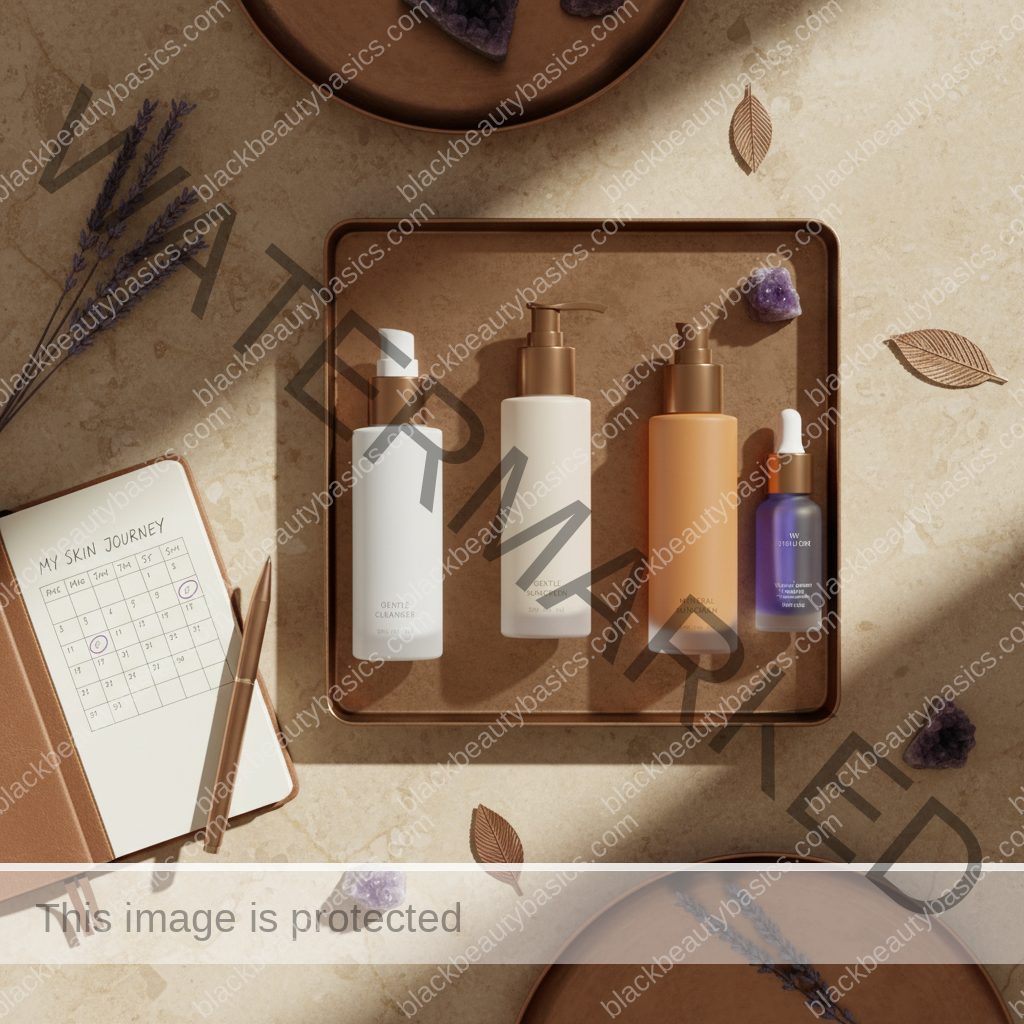
Next, keep the routine simple enough to repeat. A useful baseline is gentle cleanser, moisturizer, sunscreen in the morning, and one treatment direction if your skin can tolerate it. For acne marks, the order matters because acne control, pigment support, moisture, and sunscreen all have different jobs. BBB’s routine order for fading acne marks can help you place the steps without crowding your skin.
Then choose one main treatment lane. Ingredients often discussed for hyperpigmentation include azelaic acid, niacinamide, vitamin C, tranexamic acid, retinoids, and gentle exfoliating acids. That does not mean you need all of them. One tolerated product used consistently is better than a crowded routine that keeps causing irritation. If your skin is sensitive, start lower and slower.
Take photos only if they help you stay grounded. Use the same light, same angle, and similar time of day every few weeks. Do not inspect your face every morning under harsh light and call that data. Daily checking can make normal slow progress feel like nothing is happening. Your skin deserves observation without obsession.

When Progress Feels Too Slow
If nothing seems to be changing after a few months, first check whether the trigger is controlled. New inflammation can make it look like a routine is failing when the real issue is that new marks keep forming. Look for patterns: breakouts before your cycle, irritation after hair removal, itchy patches that return, or products that sting every time.
If the skin is irritated, pause the brightening push. A calmer barrier may be the missing step. Simplify to cleanser, moisturizer, and sunscreen until your skin feels comfortable. Then reintroduce one treatment slowly. Fading should not require your skin to burn for weeks.
If the discoloration is patchy, symmetrical, spreading, or returning in the same areas, consider melasma or another condition. If a spot changes shape, texture, color, bleeds, hurts, or worries you, see a dermatologist. Professional help is not a last resort for people who failed at skincare. It is a way to reduce guessing.
If cost is the issue, focus on the basics before chasing new treatments. A gentle cleanser, moisturizer, and wearable sunscreen can support almost every dark-spot plan. A single treatment can come after the baseline is stable. A routine that is affordable enough to repeat is more useful than a perfect shelf you cannot maintain.
Frequently Asked Questions
1. How long do acne marks take to fade on Black skin?
Many acne marks take several months to soften, and deeper marks can take longer. The timeline depends on inflammation depth, picking, sun exposure, whether acne is still active, and how well your skin tolerates the routine. If marks are not improving after steady care or acne keeps creating new ones, consider professional guidance.
2. Can hyperpigmentation fade on its own?
Some hyperpigmentation can fade with time, especially if the trigger stops and the skin is protected from sun exposure. But “on its own” still benefits from support: less irritation, no picking, moisturizer, and sunscreen. Deeper or recurring pigment may need more structured care.
3. Why did my dark spot get darker before fading?
A mark can look darker because of sun exposure, irritation, picking, or a new flare in the same area. Sometimes lighting makes it look different, too. If a product seems to make marks darker along with burning or peeling, irritation may be the issue. Pause and simplify.
4. Does sunscreen make dark spots fade faster?
Sunscreen does not erase dark spots by itself, but it helps prevent UV exposure from making them look darker or more stubborn. Think of it as protection for your progress. If sunscreen has been hard on deep skin, look for a formula with a better finish rather than skipping the step.
5. When should I change products?
Change quickly if a product causes burning, swelling, rash, or significant irritation. If the product is comfortable, give it enough time to show a pattern before replacing it. Constant switching can make your skin more reactive and make results harder to understand.
6. Are old dark spots permanent?
Not always. Older marks can still soften, but they may need more time and sometimes professional options. If a mark has been present for a long time, is very dark, or seems deep, a dermatologist can help you understand what type of pigment you are dealing with.
7. What if I am doing everything right and still waiting?
That waiting can be emotionally tiring. If your skin is calmer, fewer new marks are forming, and old marks are slowly softening, your routine may be working even if it is not dramatic. If you see no change after consistent care, or the marks are distressing, it is reasonable to get help.

What to Do Next
The honest answer is that hyperpigmentation on melanin-rich skin often fades in months, not days. That does not mean nothing can help. It means your routine should reduce new inflammation, protect your skin from darkening, support the barrier, and use treatment products with patience.
Choose one next step: stop picking, improve sunscreen consistency, simplify an irritating routine, or focus on the trigger creating new marks. If your discoloration behaves differently than a simple leftover mark, compare patterns in PIH vs melasma on dark skin. If your routine feels too crowded, read how to fade dark spots without damaging your barrier. The goal is steady care that your skin can trust.
Related next steps
Related posts:
 How Long Does Hyperpigmentation Take to Fade on Dark Skin? Expectations and Timelines
 How to Fade Dark Spots Without Wrecking Your Barrier
 Best Ingredients to Fade Dark Spots on Dark Skin (Vitamin C, Azelaic, Kojic, etc.)
 Post‑Inflammatory Hyperpigmentation in Melanin-Rich Skin: Timeline and Treatment
 Facial Hyperpigmentation on Melanin-Rich Skin: Acne Marks, Melasma & Uneven Tone
 Intimate-Area Hyperpigmentation: Bikini, Buttocks & Inner Thighs on Melanin-Rich Skin