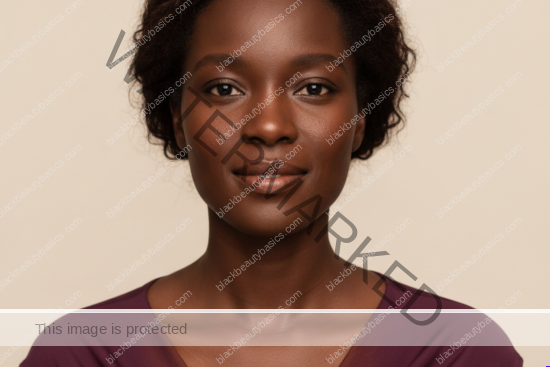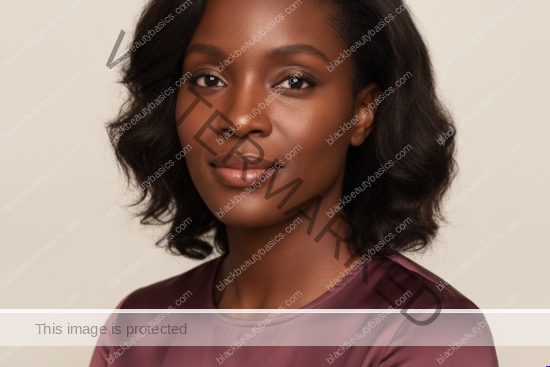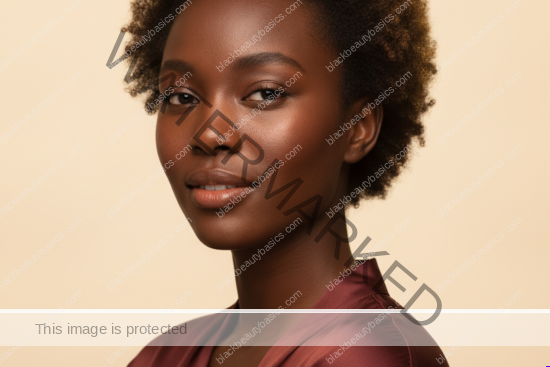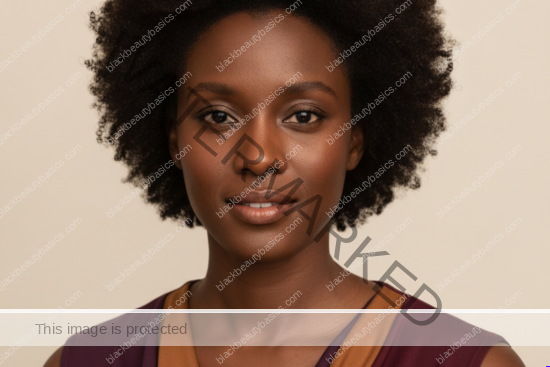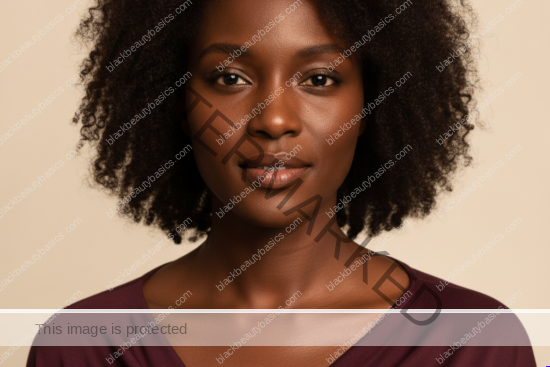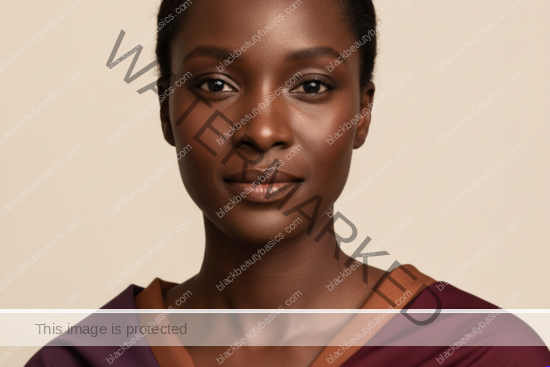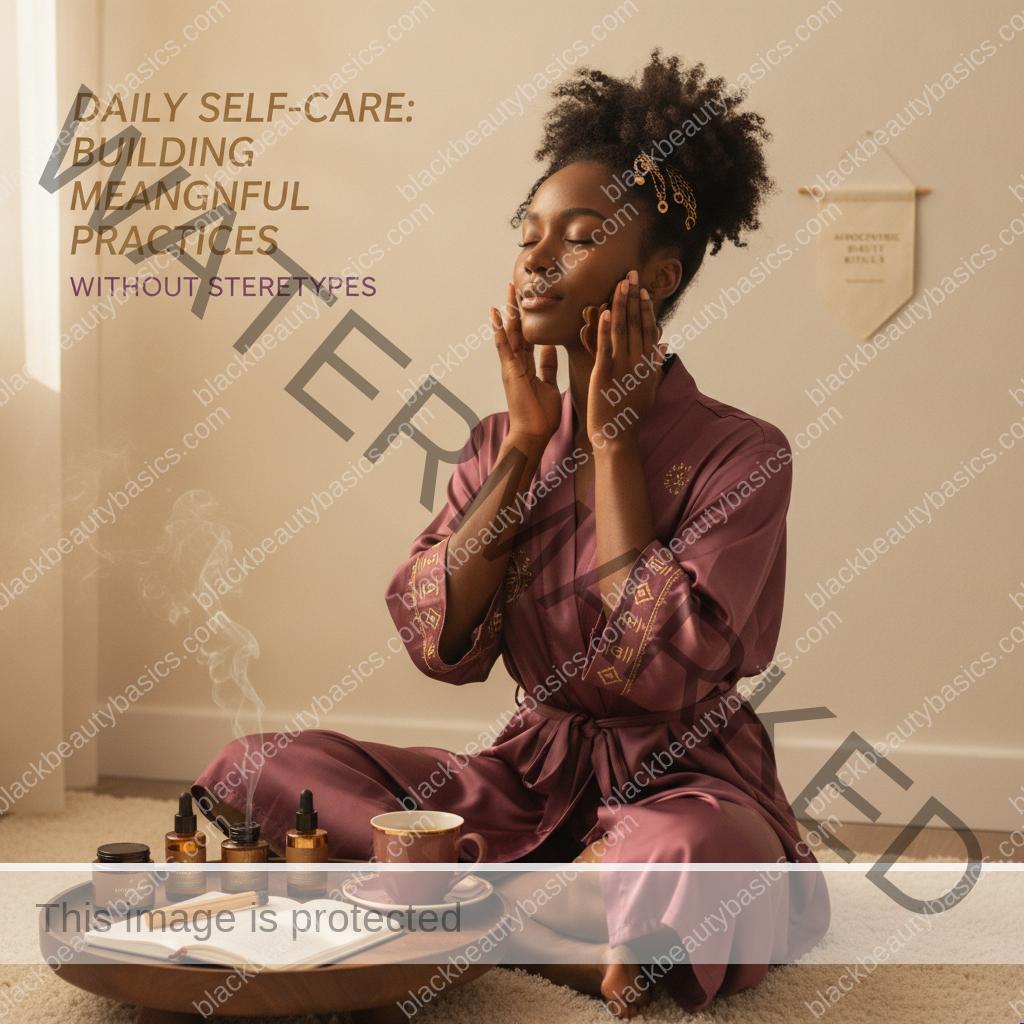
In a world that often seeks to define us, the act of reclaiming and celebrating our inherent beauty becomes a powerful, revolutionary statement. For the Black woman, self-care is not merely a trend; it is a sacred inheritance, a daily ritual that connects us to generations of resilience, wisdom, and unparalleled grace. It’s about nurturing the skin we’re in, honoring the crown we wear, and fortifying the spirit that guides us, all while embracing the rich tapestry of our heritage. This journey into Afrocentric beauty rituals is an invitation to build meaningful practices that resonate with your soul, free from the confines of stereotypes, and steeped in the authentic celebration of you.
Embracing the Essence of Afrocentric Beauty
Afrocentric beauty is more than just a collection of products or techniques; it’s a philosophy. It’s a conscious choice to center Black experiences, aesthetics, and traditions in our approach to self-care. It acknowledges that our beauty standards are unique, powerful, and deserving of their own spotlight. This perspective encourages us to look inward and backward—to the ancestral practices that kept our foremothers radiant and strong—and outward, to the innovative Black-owned brands that are revolutionizing the beauty landscape today.
Defining Afrocentricity in Self-Care
At its core, Afrocentricity in self-care means recognizing and valuing the cultural contributions, histories, and perspectives of African people. It’s about shifting the gaze from Eurocentric ideals to embrace and uplift the diverse beauty of Black women. This translates into:
- Celebrating Melanin: Understanding and nurturing our skin’s unique needs, protecting it, and enhancing its natural glow.
- Honoring Natural Hair: Embracing the versatility, texture, and strength of our hair in all its forms, from coils to locs to protective styles.
- Mindful Ingredient Choices: Opting for natural, culturally relevant ingredients that have been used for centuries in African and diasporic communities.
- Holistic Well-being: Recognizing that true beauty radiates from within, encompassing mental, emotional, and spiritual health alongside physical care.
Dismantling Stereotypes: Our Beauty, Our Narrative
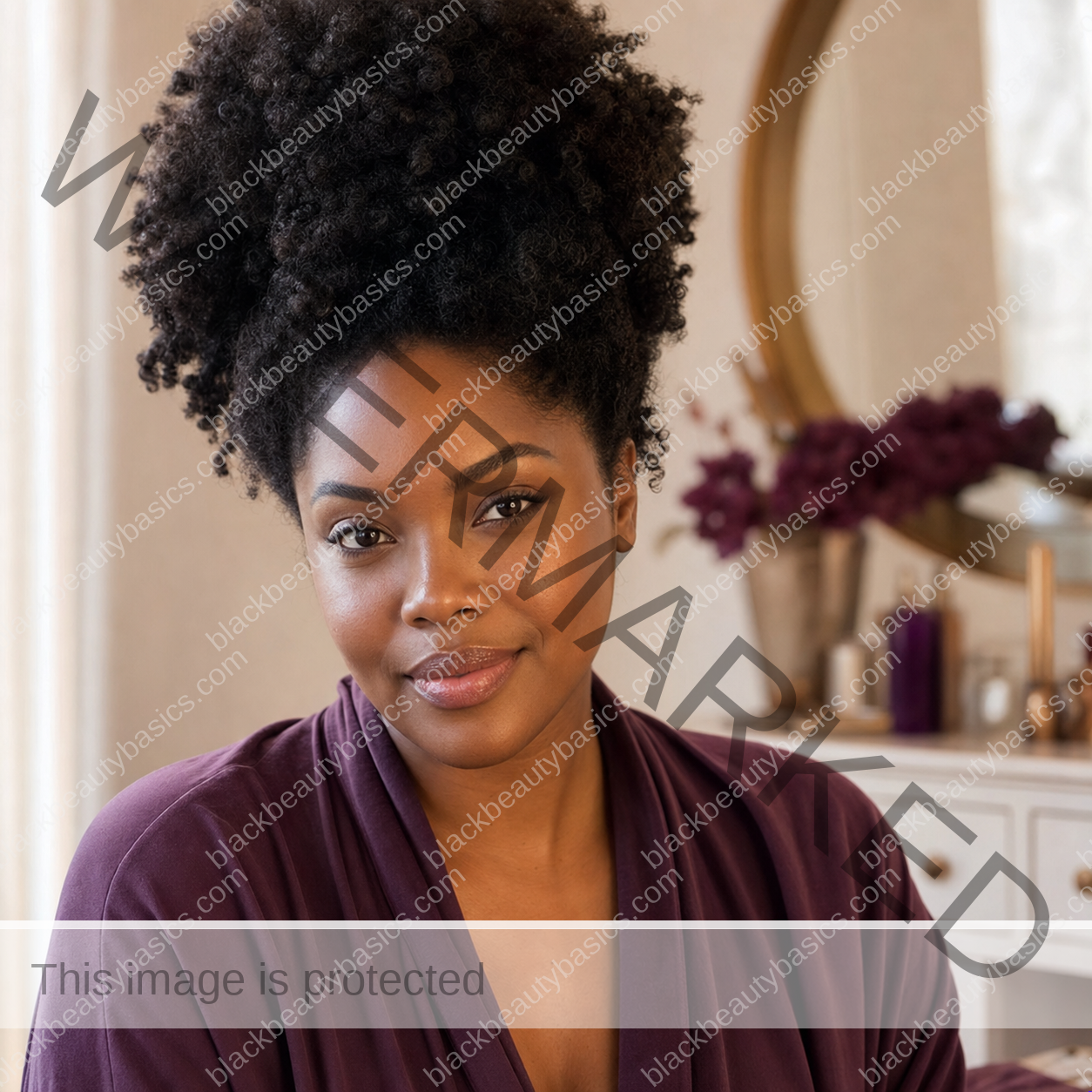
For too long, Black beauty has been subjected to narrow, often negative, stereotypes. Afrocentric beauty rituals actively dismantle these by allowing us to define our own standards of beauty. We move beyond the idea that our hair is “unruly” or our skin needs “lightening.” Instead, we celebrate the richness of our complexions, the majesty of our crowns, and the strength of our bodies. This is about empowerment, agency, and crafting a narrative of beauty that is authentic to us.
The Foundations of an Afrocentric Self-Care Routine
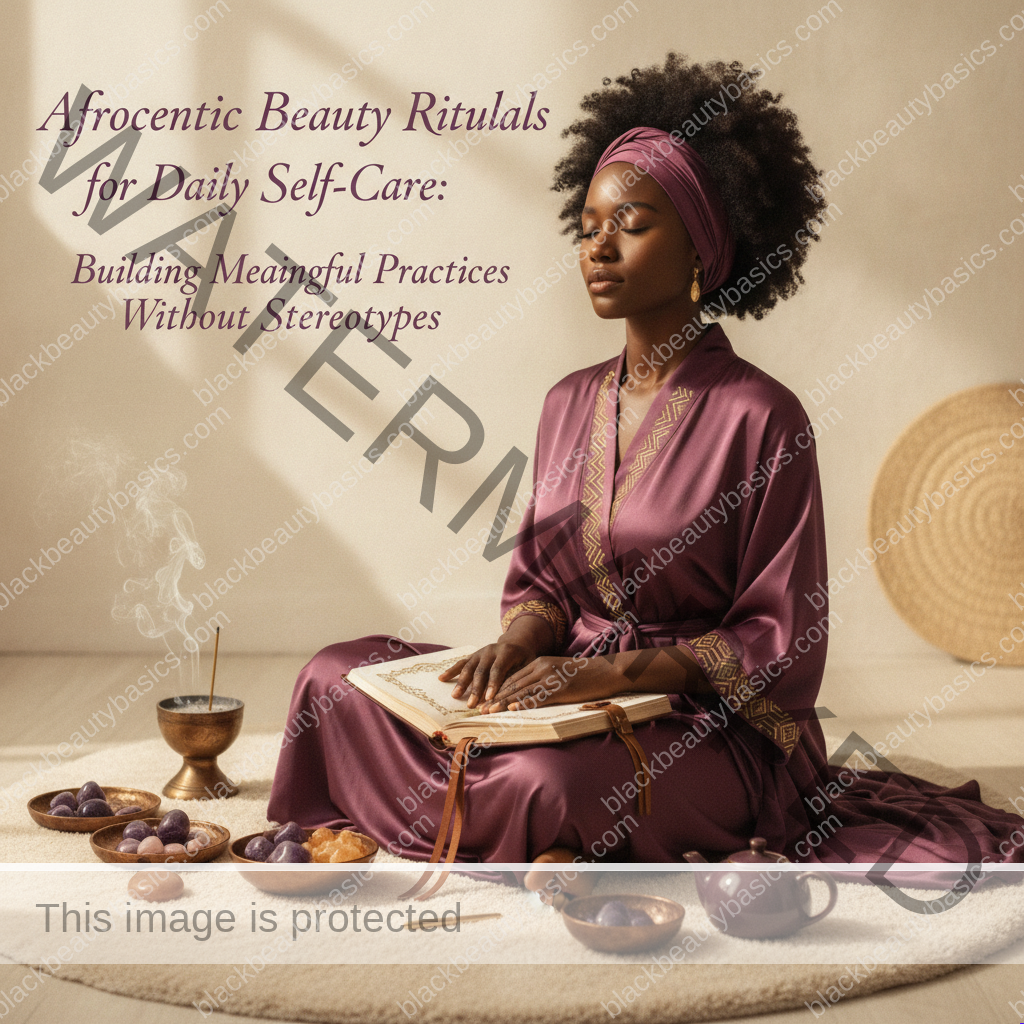
Building a meaningful self-care routine begins with intention. It’s about creating space in your day, however small, to connect with yourself and honor your body. Here, we lay the groundwork for a holistic approach that nurtures you from head to toe.
The Sacred Act of Cleansing: Skin and Spirit
Cleansing is more than just washing away impurities; it’s a ritual of renewal, shedding the day’s burdens and preparing for what’s next. For our melanin-rich skin, gentle yet effective cleansing is paramount to maintain its delicate balance and prevent hyperpigmentation.
Facial Cleansing: A Gentle Embrace
Start your day and end your night with a cleanser that respects your skin’s natural barrier. Look for formulations with hydrating ingredients like shea butter, black soap, or hyaluronic acid. Avoid harsh sulfates that can strip moisture.
- Morning Ritual: A light, refreshing cleanse to awaken your skin.
- Evening Ritual: A thorough cleanse, perhaps a double cleanse, to remove makeup, pollutants, and the day’s stresses.
Product Recommendation: Consider a hydrating cream cleanser or an African black soap-based cleanser for a deep yet gentle clean. explore Hydrating Cream Cleanser on Amazon
Body Cleansing: An Invigorating Experience
Your body deserves the same thoughtful care. Use a body wash or traditional African black soap that cleanses without stripping, leaving your skin soft and supple. Incorporate a natural loofah or an African exfoliating net for gentle exfoliation, promoting circulation and a healthy glow.
Product Recommendation: Explore body washes infused with natural oils or authentic African black soap. explore African Black Soap Body Wash on Amazon
Nourishing the Canvas: Skin Hydration and Protection
Melanin-rich skin, while resilient, can be prone to dryness and hyperpigmentation. Consistent hydration and sun protection are non-negotiable pillars of an Afrocentric skin care routine.
Moisturizing: The Elixir of Life for Your Skin
After cleansing, lock in moisture with a rich, emollient moisturizer. Ingredients like shea butter, cocoa butter, jojoba oil, and argan oil are deeply nourishing and have been cherished in African traditions for centuries. These not only hydrate but also help to improve skin elasticity and reduce the appearance of dark spots.
Product Recommendation: A luxurious body butter or a facial moisturizer rich in natural oils. explore Shea Butter Body Butter on Amazon
Sun Protection: Guarding Your Glow
A common misconception is that melanin-rich skin doesn’t need sunscreen. This is unequivocally false. While melanin offers some natural protection, it does not prevent sun damage, premature aging, or the exacerbation of hyperpigmentation. Choose a broad-spectrum SPF 30 or higher daily, opting for mineral sunscreens that blend seamlessly without a white cast.
Product Recommendation: A mineral-based sunscreen formulated for darker skin tones.
Crowning Glory: Hair Care as a Reverent Act
Our hair is our crown, a symbol of identity, heritage, and strength. Afrocentric hair care embraces the natural texture of our hair, focusing on moisture, protection, and gentle handling.
Washing and Conditioning: The Foundation of Healthy Hair
Use sulfate-free shampoos and rich, moisturizing conditioners designed for textured hair. Focus on cleansing the scalp and conditioning the strands from root to tip. Deep conditioning treatments are essential for maintaining moisture and elasticity.
Product Recommendation: A moisturizing shampoo and conditioner set specifically for natural hair.
Moisturizing and Sealing: The LOC/LCO Method
The LOC (Liquid, Oil, Cream) or LCO (Liquid, Cream, Oil) method is a cornerstone of Afrocentric hair care, ensuring maximum moisture retention.
LOC Method Explained:
| Step | Product Type | Purpose | Product Recommendation |
|---|---|---|---|
| Liquid | Water-based leave-in conditioner or plain water | Hydrates the hair strands | |
| Oil | Light to medium oil (e.g., jojoba, argan, olive, castor) | Seals in the moisture from the liquid | |
| Cream | Thick cream or butter (e.g., shea butter, curl cream) | Provides additional moisture and hold, further sealing the cuticle |
Experiment to see which order (LOC or LCO) works best for your hair’s porosity and texture.
Protective Styling: A Nod to Our Ancestors
Protective styles like braids, twists, locs, and cornrows are not just beautiful; they are a timeless tradition that protects our hair from environmental damage, reduces manipulation, and promotes growth. They are an art form, deeply rooted in African cultures, and a powerful expression of identity.
Product Recommendation: Edge control for sleek styles and hair oil for scalp care.
Beyond the Physical: Holistic Afrocentric Self-Care
True beauty emanates from a place of inner peace and well-being. Afrocentric self-care extends beyond topical applications to encompass the mind, body, and spirit, drawing from practices that have sustained our communities for generations.
Mindful Movement: Connecting with Your Body
Movement is a celebration of the body’s strength and resilience. Whether it’s dancing to your favorite Afrobeats, practicing yoga, or simply taking a mindful walk, physical activity is crucial for mental clarity, stress reduction, and overall vitality.
- Dance: A joyful expression that connects you to rhythm and culture.
- Yoga/Pilates: Focus on breath, flexibility, and strength.
- Walking in Nature: Grounding yourself and finding peace in the natural world.
Nourishing from Within: Diet and Hydration
The adage “you are what you eat” holds profound truth. A diet rich in whole foods, vibrant fruits, and vegetables supports healthy skin, strong hair, and sustained energy. Traditional African diets often emphasize nutrient-dense foods, legumes, and fresh produce.
- Hydration: Drink plenty of water throughout the day. Consider adding a squeeze of lemon or cucumber for an extra boost.
- Nutrient-Rich Foods: Incorporate foods high in antioxidants, vitamins (especially A, C, E), and healthy fats. Think leafy greens, berries, sweet potatoes, and avocados.
- Herbal Teas: Explore traditional African herbal teas known for their healing and calming properties.
Product Recommendation: A high-quality reusable water bottle to encourage hydration.
Spiritual Grounding: Cultivating Inner Peace
For many Black women, spirituality is an integral part of self-care. This can manifest in various ways, from prayer and meditation to journaling and connecting with ancestors.
- Meditation: Dedicate time for quiet reflection, focusing on breath or affirmations.
- Journaling: A powerful tool for processing emotions, setting intentions, and practicing gratitude.
- Affirmations: Speak life into your existence. Affirm your beauty, strength, and worth daily.
- Community Connection: Engage with your community, whether through family, friends, or cultural groups, for support and shared experiences.
Product Recommendation: A beautiful journal for daily reflections.
Curating Your Afrocentric Beauty Arsenal: Black-Owned Brands to Cherish
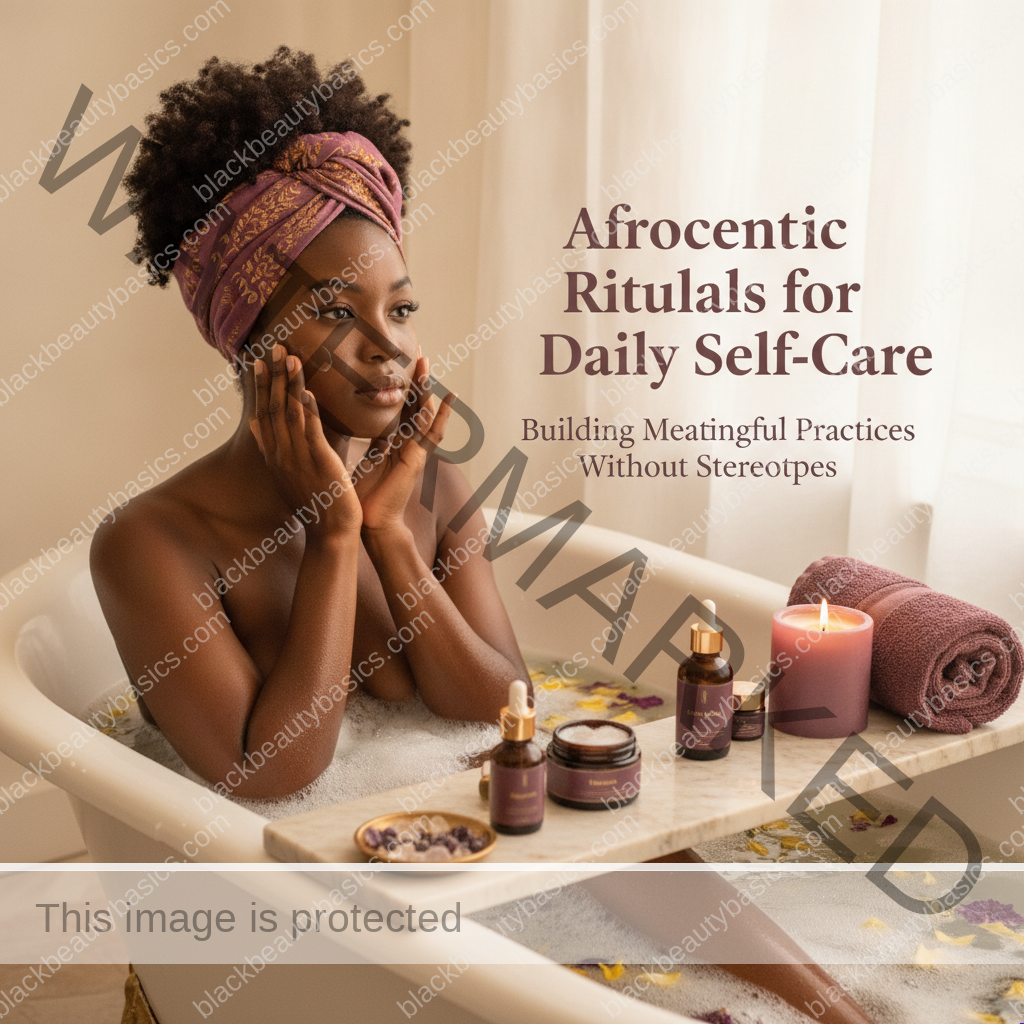
A significant aspect of Afrocentric beauty is supporting and uplifting Black entrepreneurs who create products specifically designed for our unique needs. These brands often draw upon ancestral knowledge and use high-quality, culturally relevant ingredients, ensuring that our self-care rituals are both effective and empowering.
Why Choose Black-Owned?
- Formulated for Us: Products are often developed with the specific needs of melanin-rich skin and textured hair in mind.
- Cultural Understanding: These brands understand the nuances of Black beauty and often incorporate traditional ingredients and practices.
- Economic Empowerment: Supporting Black-owned businesses contributes to the economic growth and sustainability of our communities.
- Innovation and Representation: Black entrepreneurs are at the forefront of innovation, creating diverse products and challenging conventional beauty standards.
`n
Key Product Categories and Black-Owned Examples (Illustrative)
While specific brand recommendations can change, the categories remain constant. Always research and choose brands that align with your values and product needs.
| Product Category | Key Ingredients/Focus | Example (Illustrative) | Affiliate Link Example |
|---|---|---|---|
| Hair Care (Shampoos, Conditioners, Stylers) | Shea butter, argan oil, black castor oil, aloe vera, plant-based proteins, moisture retention, curl definition. | Pattern Beauty, Mielle Organics, Camille Rose Naturals | |
| Skin Care (Cleansers, Moisturizers, Serums) | African black soap, baobab oil, moringa oil, hibiscus, turmeric, gentle exfoliation, hyperpigmentation solutions, hydration. | Buttah Skin, Hyper Skin, Epara Skincare | |
| Body Care (Butters, Oils, Scrubs) | Shea butter, cocoa butter, coconut oil, essential oils, exfoliating salts, deep hydration. | Hanahana Beauty, Oui The People, The Honey Pot Co. (for feminine care) | |
| Fragrance/Wellness | Culturally inspired scents, essential oil blends, candles, diffusers for mood enhancement. | Pink MahogHany, Harlem Candle Co. | |
| Makeup | Extensive shade ranges for deeper skin tones, high-quality pigments, long-wear formulas. | Fenty Beauty, Juvia’s Place, Pat McGrath Labs |
This table is illustrative. Always verify current brand offerings and availability.
Crafting Your Personalized Afrocentric Ritual
The beauty of Afrocentric self-care lies in its adaptability. There’s no one-size-fits-all approach. Your ritual should be a reflection of your unique needs, preferences, and lifestyle. Here’s how to build a practice that truly serves you.
Assessing Your Needs
- Skin Concerns: Are you prone to dryness, hyperpigmentation, or sensitivity? Tailor your products accordingly.
- Hair Type: Understand your curl pattern, porosity, and density to choose the right hair care regimen.
- Time Availability: Be realistic about how much time you can dedicate daily. Even 5-10 minutes of intentional self-care can make a difference.
- Personal Preferences: Do you prefer rich, creamy textures or light, fast-absorbing ones? Do certain scents uplift you?
Building Your Daily and Weekly Routines
Daily Rituals (Morning & Evening)
- Morning:
- Gentle facial cleanse.
- Hydrating toner (optional).
- Serum (e.g., Vitamin C for brightening).
- Facial moisturizer.
- Broad-spectrum SPF.
- Light body moisturizer.
- Hair mist for hydration/refresh.
- 5 minutes of mindful breathing or affirmations.
- Evening:
- Double cleanse (if wearing makeup/SPF).
- Treatment serum (e.g., niacinamide for hyperpigmentation).
- Rich facial moisturizer or night cream.
- Body butter or oil.
- Seal hair with oil/cream (LOC/LCO).
- Silk bonnet or pillowcase.
- Journaling or meditation before bed.
Weekly Rituals (Deeper Dive)
- Hair:
- Deep conditioning treatment (once a week).
- Scalp massage with a nourishing oil.
- Clarifying shampoo (monthly or as needed).
- Protective style installation/refresh.
- Skin:
- Exfoliating mask (1-2 times a week, gentle).
- Hydrating face mask.
- Body scrub for smooth skin.
- Holistic:
- Extended meditation or yoga session.
- Connect with nature (walk in a park, garden).
- Prepare a nourishing, traditional meal.
- Connect with loved ones or community.
The Power of Consistency and Intention
The true magic of Afrocentric beauty rituals lies not in perfection, but in consistency and intention. Each act of self-care, no matter how small, becomes a declaration of self-love and a connection to a rich legacy. Approach your rituals with reverence, knowing that you are nurturing not just your physical self, but your spirit and your connection to a powerful heritage.
Frequently Asked Questions About Afrocentric Beauty Rituals
Q1: What exactly does “Afrocentric beauty” mean, and how is it different from general self-care?
A1: Afrocentric beauty is a holistic approach to self-care that centers the experiences, aesthetics, and traditions of African people and the diaspora. While general self-care focuses on personal well-being, Afrocentric beauty specifically emphasizes celebrating melanin-rich skin, natural textured hair, and traditional African ingredients and practices. It actively works to dismantle Eurocentric beauty standards and uplift Black beauty narratives, fostering a deep connection to cultural heritage and identity in the process of nurturing oneself. It’s about intentional self-love that is culturally affirming and empowering.
Q2: How can I identify authentic Afrocentric beauty products versus those simply using “African” in their marketing?
A2:
> Identifying authentic Afrocentric beauty products requires a discerning eye. Look for brands that are Black-owned and operated, as they often have a deeper understanding of the specific needs and cultural relevance of their products. Research the ingredients; authentic products often feature traditional African ingredients like shea butter, African black soap, baobab oil, moringa, and various essential oils that have been used for centuries. Check for transparency in sourcing and manufacturing. Read reviews from other Black consumers, and be wary of brands that make vague claims without clear cultural connections or ingredient lists. Supporting Black-owned brands is often the most direct way to ensure authenticity and cultural alignment.
Q3: My hair is chemically treated (relaxed/colored). Can I still incorporate Afrocentric hair care rituals?
A3: Absolutely! Afrocentric hair care principles, such as prioritizing moisture, gentle handling, and scalp health, are beneficial for all hair types, including chemically treated hair. While you might use different product formulations than someone with natural hair, the core practices remain. Focus on sulfate-free shampoos, deep conditioning treatments, regular moisturizing, and protective styling to minimize damage and maintain the health of your treated hair. Many Black-owned brands offer lines specifically designed for chemically processed hair, ensuring you can still embrace culturally aligned care.
Q4: What are some common traditional African ingredients I should look for in my beauty products?
A4: A wealth of potent, natural ingredients from Africa have been used for generations for their incredible beauty benefits. Some of the most common and effective include:
- Shea Butter: A deeply moisturizing and healing fat extracted from the nuts of the African shea tree, excellent for skin and hair.
- African Black Soap: Made from plantain skins, cocoa pods, palm tree leaves, and shea tree bark, known for its gentle cleansing and clarifying properties.
- Baobab Oil: Rich in vitamins A, D, E, and F, it’s a fantastic moisturizer for skin and hair, known for its anti-aging benefits.
- Moringa Oil: A lightweight oil packed with antioxidants, great for nourishing skin and hair without clogging pores.
- Marula Oil: A luxurious, fast-absorbing oil rich in antioxidants and fatty acids, providing hydration and protection.
- Hibiscus: Used in teas and topical applications, it’s known for its hair growth properties and skin brightening effects.
- Kukui Nut Oil: While originating from Hawaii, it shares similar properties to many African oils, being deeply moisturizing and easily absorbed.
These ingredients offer a powerful connection to ancestral beauty wisdom.
Q5: How can I incorporate Afrocentric self-care into a busy schedule without feeling overwhelmed?
A5: Integrating Afrocentric self-care into a busy life is about intentionality and small, consistent actions rather than grand gestures. Start small: dedicate 5-10 minutes each morning or evening to a ritual like a mindful facial cleanse, applying a nourishing body butter, or a quick scalp massage. Choose one or two weekly rituals, such as a deep conditioning treatment or a longer meditation session, and schedule them like any other important appointment. Pre-poo treatments can be done while doing chores, and protective styles save time during the week. Remember, even a moment of conscious self-nurturing, like sipping an herbal tea or listening to uplifting music, counts as self-care. The goal is to build sustainable habits that honor your well-being.
Q6: What role does community play in Afrocentric beauty rituals and self-care?
A6: Community plays a vital and often overlooked role in Afrocentric beauty and self-care. Historically, beauty rituals in African cultures were communal acts—think of women braiding each other’s hair, sharing remedies, and passing down knowledge. This communal aspect fosters a sense of belonging, shared identity, and mutual support. In modern terms, it means connecting with other Black women who share similar beauty journeys, exchanging tips, celebrating each other’s beauty, and supporting Black-owned businesses. It can involve joining online communities, attending natural hair meetups, or simply having conversations with friends and family about self-care. This collective affirmation strengthens individual self-esteem and reinforces the beauty of our shared heritage, making self-care a less solitary and more enriching experience.
Q7: How do Afrocentric beauty rituals help in dismantling stereotypes?
A7: Afrocentric beauty rituals are inherently powerful tools for dismantling stereotypes because they reclaim and redefine beauty standards from a Black perspective. By celebrating natural hair in all its textures, nourishing melanin-rich skin, and embracing traditional practices, we actively challenge Eurocentric ideals that have historically marginalized Black features. These rituals assert that our unique beauty is not only valid but magnificent. They empower Black women to embrace their authentic selves, fostering self-acceptance and pride, which in turn radiates outward, influencing broader perceptions and breaking down preconceived notions about what is considered beautiful. It’s an act of self-love that becomes a public statement of cultural affirmation and resistance against oppressive beauty norms.
Root the Ritual in Memory, Choice, and Real Life
Afrocentric does not have to mean one fabric, hairstyle, ingredient, or performance of identity. Black communities are not a monolith, and a respectful ritual begins with your own family, region, memories, and preferences. It may be the way your grandmother wrapped her hair at night, the music you play while getting ready, the care you take with your scalp, or the decision to buy from a Black formulator whose work meets your needs. The meaning comes from relationship and intention, not from decorating a routine with symbols you do not understand.
Ask what the ritual is meant to do. Does it help you slow down? Protect your hair before sleep? Make body care easier during a stressful week? Create a moment with a daughter, sister, friend, or elder? A clear purpose keeps the practice from becoming another demanding checklist. You can honor tradition and still adapt timing, products, and technique to your present life.
Keep Safety and Evidence in the Room
Natural and traditional are not automatic synonyms for gentle. Patch test unfamiliar oils and fragranced blends. Do not apply undiluted essential oils to the skin or scalp. Avoid claims that one inherited ingredient can cure a medical condition or guarantee hair growth. Respect for tradition includes refusing to use culture as a reason to ignore irritation, allergy, or professional advice.
What to Do Next
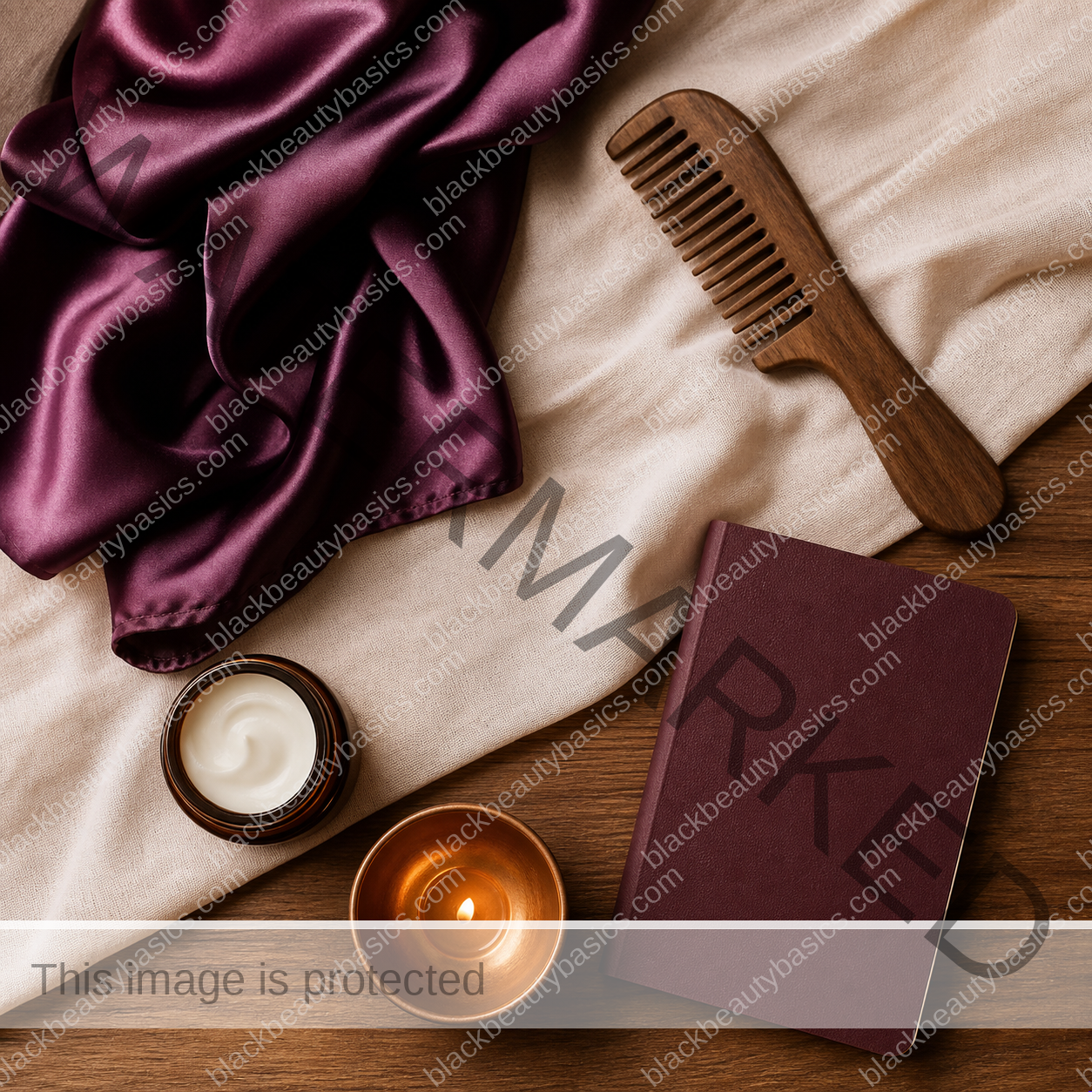
Choose one practice you already value and make it easier to repeat. Set out the satin scarf before bedtime, place body moisturizer where you dress, or reserve ten quiet minutes for hair care. Write down who or what the practice connects you to. If it creates pressure instead of care, revise it. A living ritual is allowed to change with you.
Continue through BBB’s Self-Care Rituals and Black-Owned Beauty pillar, especially our guides to beauty habits learned from aunties and creating a personal beauty philosophy.
How to Avoid Turning Heritage Into a Shopping List
You do not need to buy a new collection to make a ritual culturally meaningful. Begin with practices, stories, and objects already in your life. When you do shop, look beyond a founder photo. Read the ingredient list, product purpose, directions, return policy, and whether the formula fits your skin or hair. Supporting Black-owned beauty is valuable, but it should not require you to ignore your budget or tolerate a product that does not work for you.
Be careful with language that treats Africa as one place or one unchanging tradition. If a practice comes from a particular people, region, or spiritual system, name it accurately when you know and avoid claiming ownership when you do not. Curiosity can be respectful. So can leaving a practice alone until you understand its context.
Your Journey to Radiant Self-Love
Dearest reader, as you embark on or continue your journey with Afrocentric beauty rituals, remember that this is more than skin deep. It is a profound act of self-love, a daily affirmation of your worth, and a vibrant connection to a legacy of strength and beauty. Each intentional choice, from the products you use to the moments of peace you carve out, contributes to a holistic well-being that radiates from within. Embrace the richness of your heritage, celebrate the unique canvas that is you, and let your self-care be a testament to the magnificent, unapologetic beauty of the Black woman. Continue to explore, to learn, and to adorn yourself with pride, knowing that your glow is a powerful, ancestral song.
Related next steps
Related posts:
 Self-Love Journal for Women: Boost Confidence, Self-Worth, and Self-Care
 Sensory Beauty Rituals for Self-Soothing: Finding Ground in Touch, Scent, and Warmth
 Self-Love Workbook for Women | Release Self-Doubt & Embrace Your True Self
 Beauty Rituals After Grief, Stress, or a Hard Season
 A Year of Self-Care: Daily Practices to Prioritize Your Well-Being
 Black-Owned Luxury & Prestige Beauty Brands to Build Rituals Around