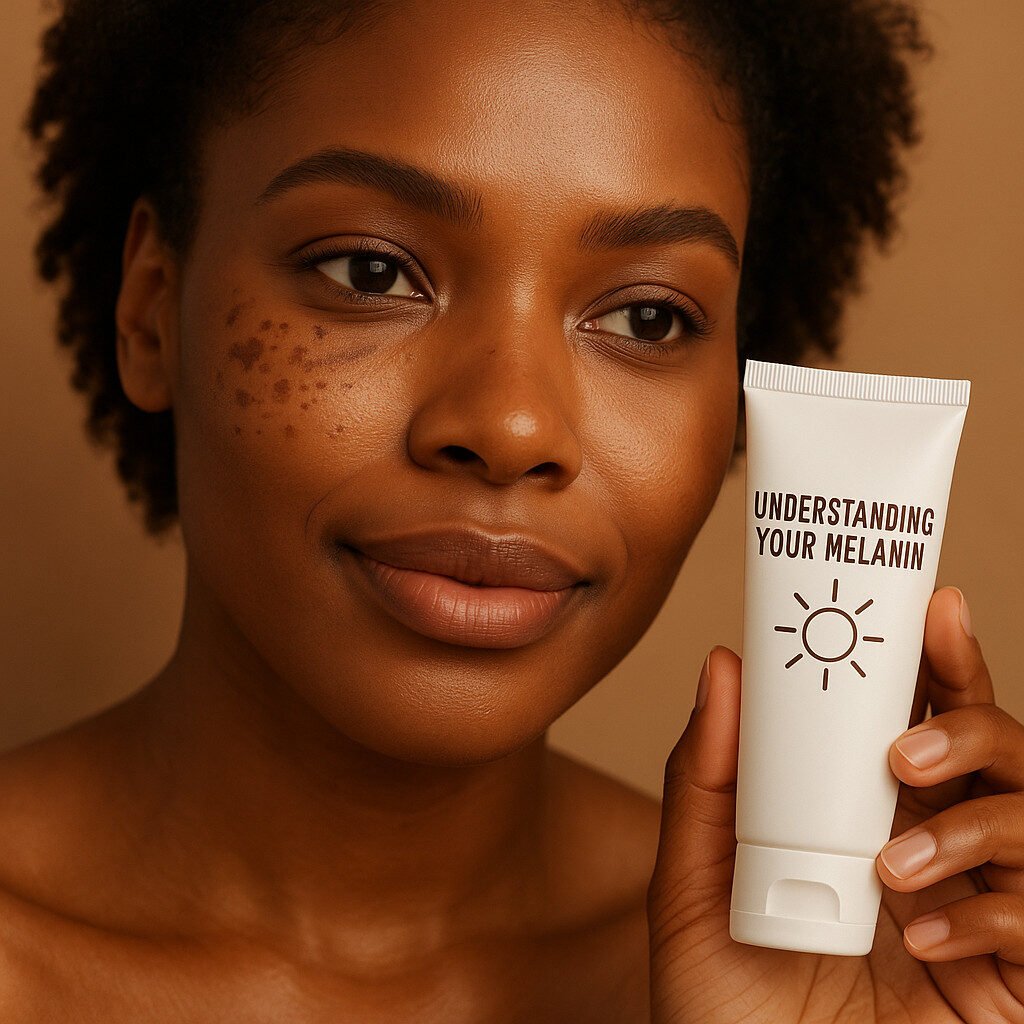
Sis, here’s the truth: your skin isn’t the problem — the approach is.
With the right knowledge, the right products, and a little patience, hyperpigmentation can be treated safely, gently, and effectively.
Key Takeaways
- Hyperpigmentation happens when excess melanin darkens concentrated areas of the skin.
- Darker skin tones are more prone to Post-Inflammatory Hyperpigmentation (PIH).
- Common triggers include sun exposure, hormonal shifts, acne, inflammation, and certain medications.
- Melanin-safe treatments include vitamin C, niacinamide, azelaic acid, retinoids, and hydroquinone.
- Sun protection is the #1 key to preventing spots from worsening.
- Treatments take time — consistency is your superpower.
Understanding Hyperpigmentation
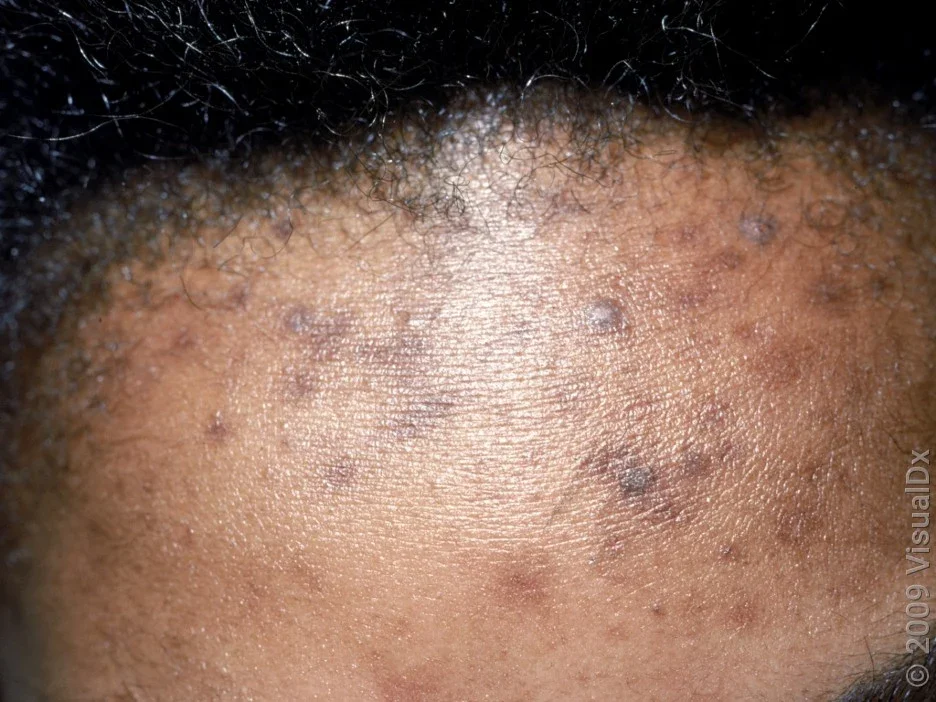
Hyperpigmentation shows up as darkened patches caused by excess melanin.
On darker skin, these patches can be deeper, longer-lasting, and more noticeable — because melanin is naturally more active and reactive.
Triggers range from UV exposure to hormonal changes, but the common denominator is this:
your skin is trying to protect you.
Melanin increases when your skin feels “attacked,” creating leftover pigment.
Types of Hyperpigmentation
| Type | Description |
|---|---|
| Sunspots | Darkened areas caused by UV exposure. |
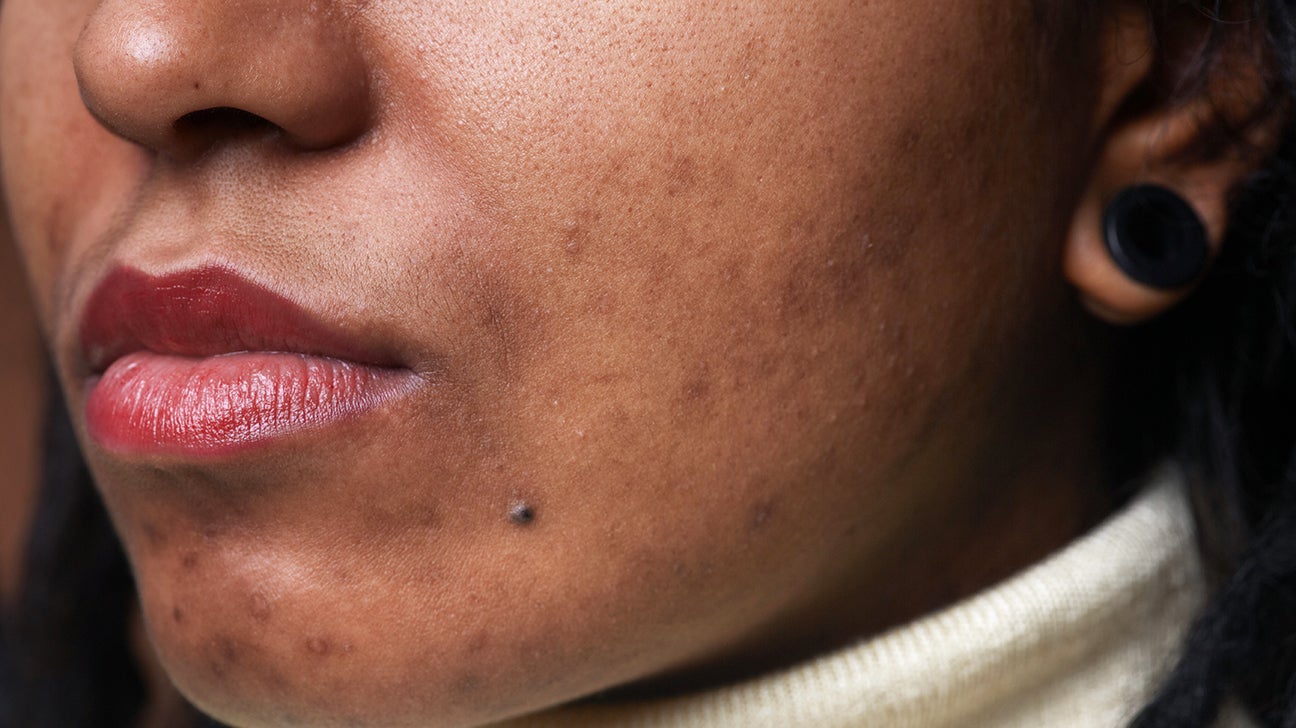
| Post-inflammatory Hyperpigmentation | Dark spots left after acne, eczema, burns, or irritation. |
| Melasma | Hormonal patches often triggered by pregnancy, birth control, or sun. |
| Freckles | Genetically influenced pigment spots. |
| Age Spots | Sun-induced discoloration that deepens over time. |
Factors That Make Hyperpigmentation Worse
- Sun exposure (always #1)
- Hormonal fluctuations (pregnancy, PCOS, birth control)
- Skin trauma (popping pimples, scratches, burns, eczema)
- Certain medications (chemotherapy, some antibiotics)
- Genetics (melanin-rich skin is more reactive)
Causes of Hyperpigmentation in Darker Skin Tones
1. Genetic Factors
If hyperpigmentation runs in your family, you’re more likely to develop it.
Melanin-rich skin naturally produces pigment quickly — which is both a blessing and a challenge.
2. Environmental Triggers
UV exposure is the biggest culprit, even for deeper skin tones.
Pollution, irritants, and harsh products can also spark inflammation that leads to PIH.
Pro Tip:
Use an antioxidant serum (like Vitamin C) in the morning to protect against pollution and UV-triggered pigmentation.
Recommended:
Top Vitamin C Serums for Dark Spots
Effective Treatments for Hyperpigmentation
Not all treatments work the same for melanin-rich skin — and some can even make things worse if used improperly.
Here are the most effective, melanin-safe options.
1. Topical Treatments
- Vitamin C — brightens & protects
- Niacinamide — reduces inflammation & fades spots gently
- Retinoids — boost cell turnover
- Azelaic Acid — great for acne + dark spots
- Hydroquinone — strong spot-fader (use under guidance)
Shop Dark Spot Correctors:
Best-Rated Options on Amazon
2. Professional Procedures
- Chemical Peels (AHA/BHA)
- Laser Treatments (melanin-safe devices only)
- Microdermabrasion
Always seek a dermatologist experienced in treating darker skin.
Some lasers can worsen hyperpigmentation if used incorrectly.
Daily Skincare Routine for Managing Hyperpigmentation
AM Routine
- Gentle cleanser
- Vitamin C or niacinamide serum
- Lightweight moisturizer
- Sunscreen (SPF 30 or higher)
Melanin-Safe Sunscreens:
Browse Top Picks
PM Routine
- Cleanser
- Retinoid or azelaic acid
- Moisturizer
Consistency will fade spots — not intensity.
Slow and steady truly wins this race.
Protective Measures
- Wear SPF daily (yes, even indoors)
- Use hats and sunglasses on sunny days
- Avoid picking pimples
- Practice gentle skincare
- Hydrate + eat antioxidant-rich foods
Step-by-Step Guide to Treating Hyperpigmentation
| Assessing Your Skin | Creating a Treatment Plan |
|---|---|
| Identify type of pigmentation: PIH, melasma, sunspots. Look at duration & depth. Evaluate triggers (acne? sun? hormones?). |
Combine brighteners + exfoliants + sun protection. Start slow; monitor progress. Adjust products every 6–8 weeks based on response. |
Pros & Cons of Treatment Options
| Pros | Cons |
|---|---|
| Effective for fading spots | Results take time |
| Options for every budget | Potential irritation for sensitive skin |
| Dermatologist-approved approaches | Risk of recurrence if unprotected |
Conclusion
Hyperpigmentation doesn’t define your beauty — and it doesn’t have to define your skin journey.
When you understand the triggers and choose melanin-safe treatments, you’ll start to see real, lasting change.
Your glow is not optional.
Your even tone is possible.
And your skin will repay your consistency with radiance.
FAQ
Q: What causes hyperpigmentation in darker skin tones?
Sun exposure, acne, inflammation, hormonal changes, and genetics.
Q: What products fade dark spots?
Vitamin C, niacinamide, azelaic acid, retinoids, and hydroquinone.
Q: Can hyperpigmentation be prevented?
Yes — sunscreen, gentle skincare, and avoiding picking pimples.
Q: When should I see a dermatologist?
If dark spots deepen, spread, or resist routine treatments.
Continue exploring
Related posts:
 Understanding Hyperpigmentation – Causes and Treatments for Darker Skin Tones
 Addressing Hair Loss – Common Causes and Effective Treatments
 Holy Grail Skincare Products for Darker Skin Tones
 A Comprehensive Guide to Chemical Exfoliation for Darker Skin Tones
 Targeting Fine Lines and Wrinkles with Skincare Products for Darker Skin Tones
 Maximizing the Benefits of Niacinamide and Hyaluronic Acid in Skincare Products for Darker Skin Tones