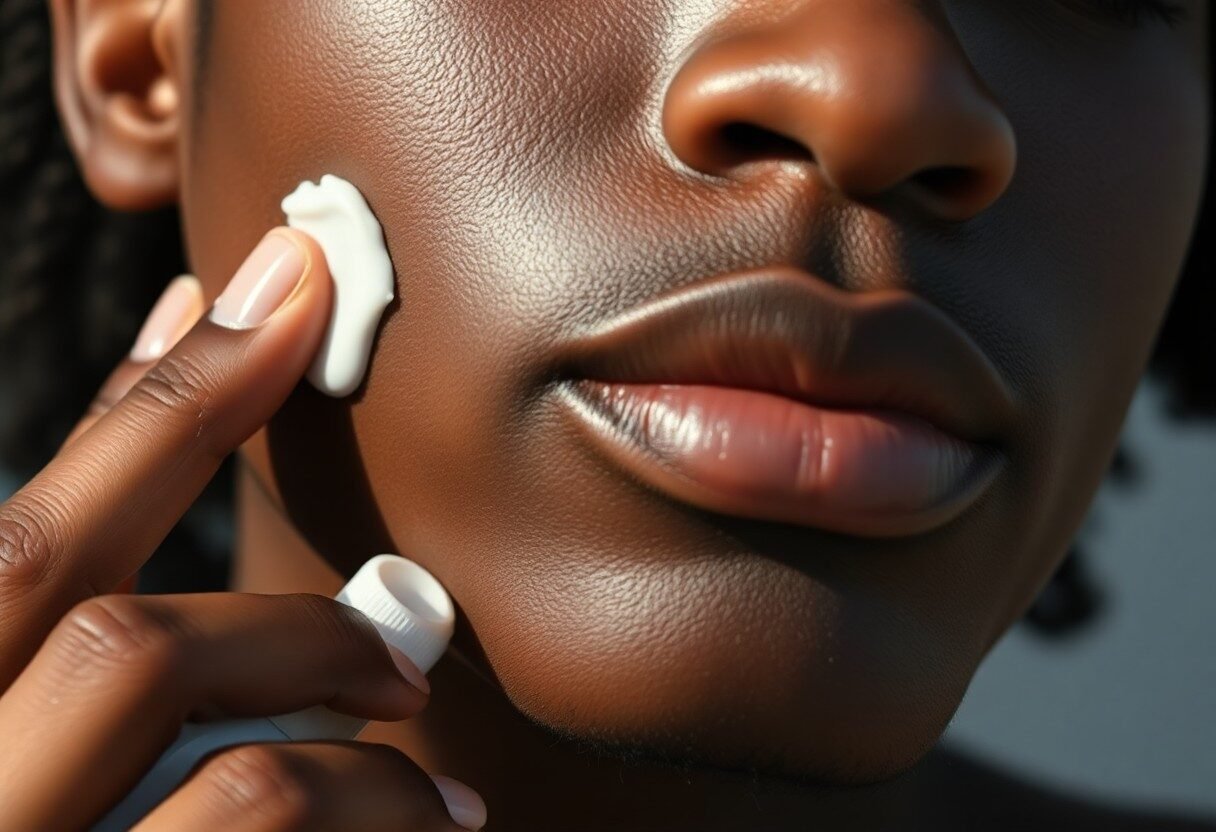
Just because you have dark skin, I want you to know that you can still burn and suffer UV damage. I explain how melanin reduces but doesn’t eliminate risk, how UV exposure causes hyperpigmentation and skin cancer, and why broad-spectrum SPF and daily application protect your skin and tone. I give practical guidance so you can choose effective sunscreens, apply them correctly, and reduce long-term damage while preserving your complexion.
Key Takeaways:
- Melanin lowers but does not eliminate UV damage-people with dark skin can still burn, sustain DNA damage, and develop skin cancer.
- All skin tones should use broad-spectrum sunscreen (SPF 30+), applied every two hours and after swimming or sweating.
- Sunscreen prevents and limits post-inflammatory hyperpigmentation, a common and persistent issue in darker skin.
- UVA protection matters: UVA penetrates deeper, driving pigmentation and photoaging that disproportionately affects dark skin.
- Choose formulations designed to avoid white or ashy casts-tinted sunscreens or micronized physical filters are often better for darker tones.
- Apply adequate amounts (about 1/2 teaspoon for the face, 1 ounce for the body) and cover frequently missed areas: ears, neck, scalp partings, lips, and hands.
- Combine sunscreen with sun-safe habits: protective clothing, wide-brim hats, sunglasses, and seeking shade during peak UV hours.
The Science of Skin Types
| Fitzpatrick scale | Ranges I-VI; darker skin typically falls in IV-VI with higher constitutive melanin |
| Melanin function | Absorbs and scatters UV and visible light, lowering immediate burn risk but not eliminating DNA damage |
| Clinical risks | Lower incidence of sunburn yet persistent risks of photodamage, post-inflammatory hyperpigmentation, and delayed cancer diagnosis |
| Sunscreen needs | Use SPF 30+, broad-spectrum, apply ~2 mg/cm², reapply every 2 hours or after sweating |
| Practical tip | Tinted mineral sunscreens with iron oxides help prevent visible-light-driven hyperpigmentation and avoid ashy residue |
- sunscreen
- dark skin
- SPF
- melanin
- hyperpigmentation
Understanding Melanin
I emphasize that melanin is a pigment that both absorbs UV and scatters high-energy light; darker skin has more eumelanin, which reduces visible sunburn frequency but does not fully block UVA-mediated DNA damage, so you still accumulate photodamage over time and remain at risk for hyperpigmentation and delayed cancer detection.
Common Misconceptions about SPF
I often see people assume SPF measures total protection; in fact SPF rates UVB protection only, with SPF 30 blocking about 97% of UVB and SPF 50 about 98%, so application thickness and reapplication every 2 hours matter more than marginal SPF increases.
I also point out that visible light, especially for darker skin, contributes to persistent post-inflammatory hyperpigmentation; tinted sunscreens with iron oxides mitigate that, while untreated mineral formulas can leave an ashy cast unless properly formulated for your tone. Assume that applying a SPF 30+ broad-spectrum sunscreen at the recommended amount and reapplying regularly significantly lowers UV and visible-light risks for all skin tones.
The Importance of Sunscreen for Dark Skin
I don’t assume melanin makes you invincible: while natural pigment offers roughly SPF 13 worth of protection, it’s not enough to prevent cumulative UV harm. I recommend daily broad‑spectrum sunscreen of at least SPF 30 (blocks ~97% of UVB) and reapplication every two hours when exposed, because that reduces both visible aging and long‑term cancer risks.
Risks of UV Exposure
UV causes DNA mutations, immune suppression and collagen breakdown, so I watch for early signs in patients: sunspots, fine lines, and persistent dark patches. When the UV index is above 3 your skin sustains more damage; repeated exposure increases risk of squamous and basal cell carcinoma and contributes to melanoma being more dangerous when diagnosed late.
Skin Conditions Linked to Sun Damage
I see sun‑triggered issues like post‑inflammatory hyperpigmentation, melasma, solar lentigines and premature aging, plus skin cancers-basal cell, squamous cell, and melanoma. In darker skin types, acral lentiginous melanoma appears more often on soles, palms or nails and is frequently caught at later stages, which worsens outcomes.
Post‑inflammatory hyperpigmentation (PIH) can persist for months to years after a minor sunburn or acne lesion, and I find melasma often flares with UV exposure despite topical treatment. Treating the pigment without sunscreen leads to recurrence; by contrast, consistent SPF 30+ use improves response to topical agents and reduces formation of new dark spots.
Choosing the Right Sunscreen
When opting for a sunscreen for darker skin I focus on three things: broad-spectrum protection, a practical SPF you’ll use daily, and a finish that won’t leave a white cast – tinted mineral sunscreens with micronized zinc oxide often hit that balance. I recommend at least SPF 30 for everyday use and SPF 50+ for prolonged outdoor exposure, and I pick formulas (gels, lotions, or tints) I’ll reapply consistently.
SPF Ratings Explained
SPF measures UVB protection: SPF 30 blocks about 97% of UVB, while SPF 50 blocks ~98%; higher SPF adds diminishing returns. Broad-spectrum labeling means the product also protects against UVA, which drives photoaging and pigmentary changes in darker skin. I advise SPF 30+ daily, SPF 50 for extended sun, and reapplication every 2 hours or after swimming/sweating.
Ingredients to Look For
I prioritize zinc oxide and titanium dioxide (physical filters) and, when available, photostable chemical filters like Mexoryl or Tinosorb in markets that carry them. For hyperpigmentation risk, I look for iron oxides in tinted formulas because they block visible light that aggravates dark spots; I avoid greasy textures and choose formulas proven to be cosmetically elegant so you’ll actually use them.
Visible light (400-700 nm), especially blue-violet, can provoke melanin response and worsen post-inflammatory hyperpigmentation in Fitzpatrick IV-VI. I therefore favor tinted sunscreens with iron oxides to reduce visible-light penetration and opt for micronized (nano) zinc oxide to minimize white cast while retaining broad UVA/UVB protection; in practice, these choices lower pigment flare-ups and improve daily adherence.
Application Tips for Dark Skin
I focus on practical, measurable steps so sunscreen becomes part of your routine for dark skin. Apply to all exposed areas including ears, hairline, under the jaw, and tops of the feet; use a broad-spectrum SPF 30+ and blend until it’s even to avoid patchy residue. Use products you’ll actually wear-tinted lotions, mineral sticks, or gels-and test for flash in photos.
- Sunscreen: broad-spectrum, SPF 30+ for daily wear.
- Reapply: every 2 hours or after swimming/sweating.
- Dark skin: use tinted formulas to reduce white cast.
- UV protection: combine with hats and shade for long exposure.
How Much to Apply
I tell people to use measurable amounts: about 1 teaspoon (≈5 mL) for your face and neck combined, and roughly 1 ounce (30 mL, a shot-glass) for your full exposed body. If you use sprays, coat until skin glistens and rub in; for sticks, swipe 4-6 strokes over each cheek and one across the forehead and nose. Using too little drops protection dramatically, so I recommend the two-step habit: apply, then mirror-check.
Timing and Reapplication
I advise applying sunscreen 15-30 minutes before sun exposure so chemical filters bind and mineral formulas sit evenly; then reapply every 2 hours during continuous sun. If your product is labeled water-resistant for 40 or 80 minutes, reapply after that interval or immediately after towel-drying. Combining sunscreen with a physical barrier like a hat reduces overall UV dose.
Assume that you’ll be outdoors from 10:00-14:00: apply broad-spectrum SPF 30+ at 09:45, reapply at 11:45 and again at 13:45, and always reapply immediately after swimming or heavy sweating; if the bottle says water-resistant 80 minutes, you still need to reapply after toweling off. I also suggest carrying a travel-size lotion or SPF spray and setting a phone reminder-consistent reapplication prevents UV-driven hyperpigmentation and reduces long-term skin damage.
Myths and Facts about Sunscreen Use
I tackle common misconceptions directly: melanin lowers risk but doesn’t make you immune. Natural pigment offers roughly SPF 13, so I still recommend SPF 30 or higher-SPF 30 blocks about 97% of UVB. Also, 1 in 5 Americans will develop skin cancer by age 70, so combining sunscreen, shade, and reapplication every 2 hours meaningfully reduces your lifetime risk.
Debunking the “We Don’t Burn” Myth
Many believe dark skin never burns, yet higher melanin only raises the sunburn threshold; it doesn’t stop DNA damage or photoaging. With a UV index above 3, unprotected skin can sustain harm in as little as 15-30 minutes. I advise you to apply broad‑spectrum sunscreen, cover exposed areas, and reapply every 2 hours during prolonged outdoor activity.
The Truth About Skin Cancer
Incidence of melanoma is lower in darker-skinned populations, but cancers often appear on palms, soles, and under nails (acral lentiginous melanoma) and are diagnosed at later stages. I urge you to inspect these sites monthly and report any new or changing pigmented spot promptly, because early detection changes outcomes.
Delayed diagnosis in people with dark skin contributes to worse outcomes; some studies show higher melanoma-specific mortality despite lower overall incidence. I recommend annual skin exams for those with risk factors, photographing suspicious lesions for monitoring, and seeking urgent evaluation for non‑healing wounds or rapidly evolving spots to catch cancers earlier.
Recommendations from Dermatologists
Dermatologists I trust typically advise broad‑spectrum SPF 30+, applied at the guideline density of 2 mg/cm² (about 30 mL for a full‑body application) and reapplied every 2 hours or after swimming/sweating; they also recommend tinted mineral options to minimize white cast and improve adherence for darker skin tones.
Expert Opinions
Several dermatologists I follow point to AAD guidance: choose SPF 30 or higher, water‑resistant when needed, and favor zinc oxide/titanium dioxide if you have sensitivity. In clinical practice, experts note that melanoma and nonmelanoma cancers are often diagnosed later in people with darker skin, so prevention and early screening matter.
Personal Stories and Experiences
I’ve heard from patients with Fitzpatrick V-VI who stopped using sunscreen because of a white cast; switching to a tinted SPF 50 mineral lotion improved consistency and reduced new post‑inflammatory hyperpigmentation over months. You’ll find that small changes-tinted formulas, moisturizers with SPF-increase daily use.
In my own practice I track outcomes: one colleague started applying a nickel‑sized amount to face and neck every morning and a shot‑glass amount for body when exposed, and reported fewer dark spot flares after 6-12 months. Practical tips that helped them were layering products, using sprays for hard‑to‑reach areas, and carrying a travel‑size SPF for midday reapplication. Tinted sunscreens were the single most positive change for adherence.
To wrap up
To wrap up I emphasize that dark skin still sustains UV damage, so I recommend a broad-spectrum SPF and regular reapplication tailored to your skin type; consistent sunscreen use prevents hyperpigmentation, lowers skin cancer risk, and preserves skin health, and I encourage you to select sunscreens with comfortable textures you will actually use daily.
FAQ
Q: Do people with dark skin burn or is the “we don’t burn” idea true?
A: No-higher melanin provides greater natural protection than lighter skin, but it does not make dark skin immune. People with darker skin can still get sunburned, sustain cumulative UV damage, develop premature aging, and have risk of skin cancers that are often diagnosed later. UV exposure also frequently triggers post-inflammatory hyperpigmentation and uneven tones that are more noticeable and longer-lasting on darker skin tones.
Q: Should people with dark skin use sunscreen every day?
A: Yes. Daily broad‑spectrum sunscreen (UVA and UVB protection) helps prevent UV‑induced hyperpigmentation, photoaging, and lowers the chance of skin cancer. Use SPF 30 or higher for routine outdoor activities; increase to higher SPF for prolonged sun exposure. Combine sunscreen with shade, hats, and UPF clothing for best protection.
Q: Which sunscreen types work best for dark skin and avoid a white cast?
A: Tinted mineral sunscreens (micronized zinc oxide or titanium dioxide with iron oxides) are often best because they provide physical protection and the tint masks white residue. Modern non‑tinted chemical sunscreens can also be formulated to leave no ashy finish. Look for “broad‑spectrum,” SPF 30+, and labels such as “tinted,” “no white cast,” or “sheer.” Test a small amount to confirm the finish before buying a full size.
Q: How can I prevent the ashy or white residue that some sunscreens leave on darker skin?
A: Choose tinted mineral formulas or chemical sunscreens known for sheer finishes. Apply sunscreen in thin, even layers and blend well into hairline and jawline. Using a lightweight moisturizer or facial oil first can help some formulas spread more evenly. For daily makeup routines, use a setting primer or cushion foundation that complements the sunscreen’s tint.
Q: Will sunscreen make acne or melasma worse?
A: Not if you pick the right product. Non‑comedogenic, oil‑free, or gel formulas reduce acne risk. Zinc oxide and newer chemical filters are generally well tolerated; if you have sensitive or reactive skin, patch test new products. For melasma, consistent broad‑spectrum SPF and tinted sunscreens help prevent worsening; topical medical treatments should be coordinated with a dermatologist.
Q: How much sunscreen should I apply and how often should I reapply?
A: Apply sunscreen generously about 15-30 minutes before sun exposure. For the face and neck, use roughly a nickel‑sized amount (about 1/3 teaspoon) or follow the two‑finger rule for facial coverage; adjust amounts for body areas. Reapply every two hours, immediately after swimming or heavy sweating, and at least once during long outdoor periods. Don’t forget ears, scalp partings, lips (use SPF lip balm), hands, and feet.
Q: What else should people with dark skin do to protect themselves and spot problems early?
A: Combine sunscreen with protective clothing, wide‑brim hats, sunglasses, and seeking shade during peak UV hours. Check skin regularly for new, changing, or non‑healing spots-pigmented lesions on palms, soles, under nails, or mucous membranes can be signs of concern in darker skin and merit prompt dermatologic evaluation. Use sunscreen on children and during pregnancy, and consult a dermatologist for personal prevention or treatment plans.