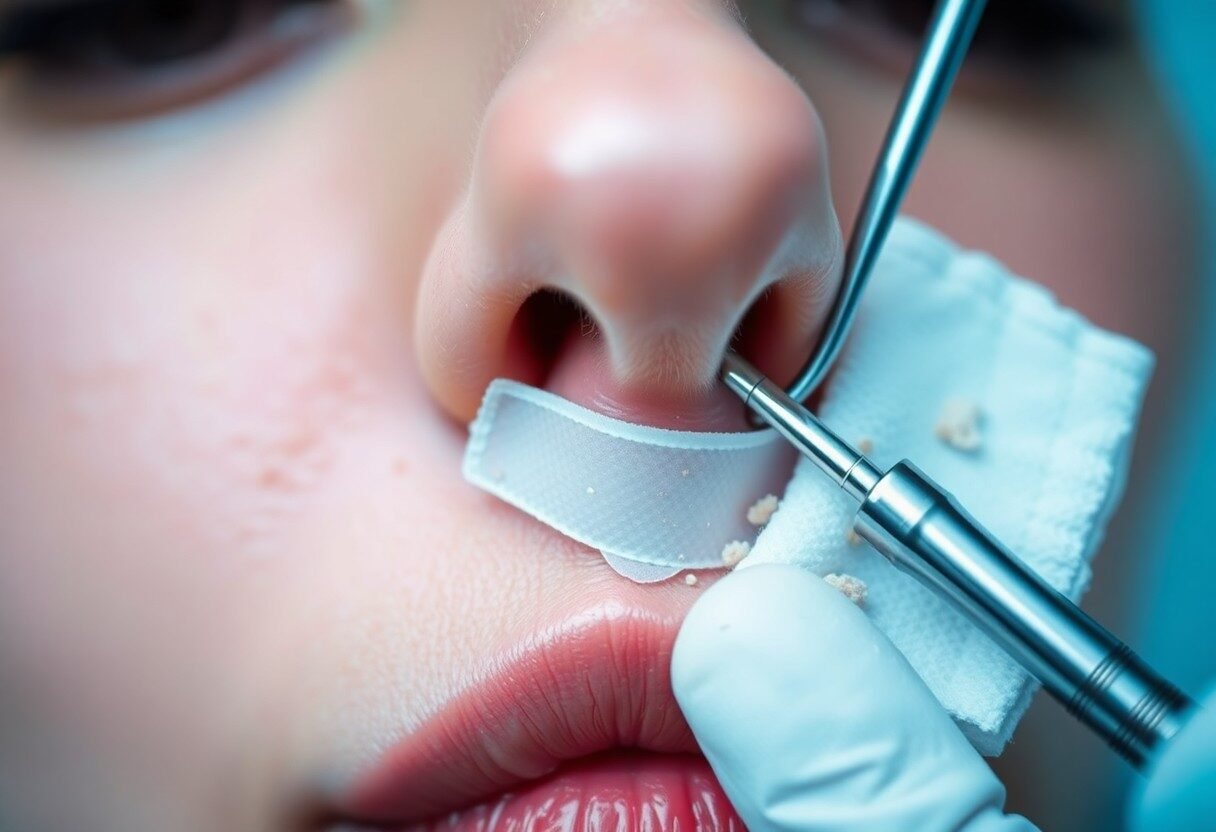
Just follow a targeted routine I outline that pairs salicylic acid and gentle extraction with pore-clearing cleansers to remove blackheads on your nose and chin; I show safe steps to minimize the risk of infection and scarring while helping you maintain clear skin.
Key Takeaways:
- Double-cleanse: start with an oil-based cleanser to dissolve sebum, then follow with a gentle water-based cleanser to remove residue.
- Use a BHA (salicylic acid 1-2%) regularly to penetrate pores and dissolve blackhead buildup.
- Incorporate a topical retinoid (adapalene/tretinoin) to boost cell turnover and prevent new comedones; introduce slowly to avoid irritation.
- Avoid harsh physical scrubs and DIY squeezing; opt for professional extraction when needed to prevent scarring and inflammation.
- Use clay masks or charcoal masks weekly to absorb excess oil and help clear clogged pores.
- Choose non-comedogenic moisturizers and makeup, and apply broad-spectrum sunscreen daily to support skin barrier repair.
- Be consistent and patient-visible improvement can take several weeks; consult a dermatologist for persistent or severe blackheads and prescription or in-office treatments.
Understanding Blackheads
I break down why blackheads favor the nose and chin: those areas have more sebaceous glands and thicker follicular openings, so sebum and dead skin collect faster, and oxidation darkens the plug. I focus on mechanisms you can target-production, retention, and oxidation-so you know which steps in your routine to tighten, dissolve, or prevent buildup.
What Are Blackheads?
I define blackheads as open comedones: pores clogged with sebum and keratinized cells whose surface oxidizes and darkens when exposed to air. In my experience, calling them “dirt” misleads people; the dark color is biochemical, not grime, so treatments must address oil, cell turnover, and oxidation to clear them.
Causes of Blackheads
I see three consistent drivers: hormonal fluctuations (puberty, menstrual cycles), genetics that determine pore size and oiliness, and topical or environmental occlusion-heavy creams or humid conditions trap sebum. Occlusive ingredients like coconut oil or cocoa butter often score high on comedogenic scales and can worsen blackheads if you’re prone.
I also note mechanical and medication-related triggers: friction from masks or tight fabrics increases follicular occlusion (the “maskne” effect), and topical steroids or androgenic influences can boost sebum. Clinical observations during the pandemic showed a measurable rise in chin/nose comedones with prolonged mask use, so addressing occlusion and ingredient comedogenicity is a practical prevention step.
Effective Home Remedies
I pair targeted at-home treatments with my salicylic-acid routine: use a 1-2% salicylic acid product daily or every other day, add a gentle physical or enzymatic exfoliant once weekly, and follow with non-comedogenic moisturizer. If you extract, I recommend sterile tools and gentle pressure to avoid scarring; excessive picking raises infection risk. For oil control, I advise blotting paper and oil-free SPF-these small steps cut blackhead recurrence measurably when done consistently over 4-8 weeks.
Natural Exfoliants
I use gentle natural exfoliants like a konjac sponge or papaya enzyme once weekly to loosen keratin plugs without stripping lipids. A 1-2 minute konjac massage after cleansing removes surface oil; papain-based masks for 5-10 minutes break down dead cells. Avoid harsh DIY scrubs (coffee grounds, salt) that can micro-tear skin; studies show micro-abrasion increases sebum production, so stick to low-abrasion, enzyme or BHA combinations for best results.
Clay Masks
I recommend clay masks 1-2 times per week-bentonite for oily, kaolin for sensitive skin-to absorb excess sebum and clear pores. Apply a thin layer to nose and chin for 10-15 minutes; rinsing too late can over-dry, while washing early reduces efficacy. People often see reduced blackhead density within 3-4 weeks when pairing clays with BHA in their routine.
I mix 1 part clay powder to 1-1.5 parts water (or aloe) into a spreadable paste and leave it on for 10-12 minutes; longer than 15 minutes often causes tightness. I never use clay over inflamed cysts or open skin because it increases irritation and risk of post-inflammatory hyperpigmentation-avoid application to active, broken acne. For stubborn blackheads, I alternate clay days with BHA nights and note clearer pores after 4 weeks.
Over-the-Counter Treatments
I use a tiered OTC approach: for pore-penetration choose a 1-2% salicylic acid leave-on and for long-term comedone control add an OTC retinoid like adapalene 0.1%. Benzoyl peroxide can help if you have inflammatory lesions, but it’s less effective on pure blackheads. I advise starting one new product at a time, tracking irritation, and giving each at least 8-12 weeks to show meaningful change.
Salicylic Acid
As a beta‑hydroxy acid, salicylic acid dissolves the lipid bonds inside the follicle so I recommend a 1-2% leave‑on serum or lotion rather than just a cleanser; studies and clinical practice show leave‑ons reduce comedones more effectively. I use it daily or every other day, and pair it with a light, non‑comedogenic moisturizer to prevent dryness and irritation-overuse causes flaking and barrier disruption.
Retinoids
Adapalene 0.1% (OTC) is my go‑to retinoid for blackheads: it normalizes follicular keratinization, reduces microcomedone formation, and improves skin texture. I apply a pea‑sized amount at night to dry skin, expect an initial purge and mild irritation, and typically see noticeable reduction in comedones within 8-12 weeks. Use sunscreen daily because retinoids increase photosensitivity.
When I introduce retinoids I start every other night, then build to nightly as tolerated; buffering with a moisturizer or the “sandwich” method (moisturizer, retinoid, moisturizer) cuts irritation. Prescription options like tretinoin 0.025-0.05% work faster but irritate more, and topical retinoids are not recommended during pregnancy, so discuss alternatives with your provider if needed.
Professional Treatments
When home care stalls, I recommend in-office options that speed clearance: most dermatologists offer targeted chemical peels and sterile extraction sessions. I typically plan peels every 4-6 weeks in a series of 3-6 treatments to reduce comedones and oil production, and reserve extractions for localized buildup. I warn patients that recent isotretinoin use or active infection can make these procedures unsafe and require delays.
Chemical Peels
I favor 20-30% salicylic acid peels for nose and chin blackheads because salicylic is lipophilic and penetrates sebum to unclog pores; superficial glycolic peels (30-50%) also help. Sessions usually cause 24-72 hours of mild flaking and are spaced 4-6 weeks apart. I watch darker skin for post-inflammatory hyperpigmentation and adjust concentration or choose superficial peels to minimize risk.
Extraction Procedures
For stubborn comedones I perform manual extraction with sterile metal tips under magnification, often after a light peel or steam to soften plugs; you get almost immediate visual improvement. I pair extraction with antiseptic care and a calming serum afterward. Be aware that improper technique risks scarring, infection, and persistent marks, so I advise professional treatment rather than DIY squeezing.
Before extraction I soften the area with a warm compress or a brief salicylic product, then use a small sterile loop and steady pressure; if a pore doesn’t yield with gentle technique I stop to avoid trauma. I avoid extracting inflamed papules and defer on patients within 6 months of isotretinoin. Post-extraction I apply an antiseptic and recommend gentle chemical exfoliation to prevent rapid recurrence and support healing.
Preventive Measures
To stay ahead of recurrence, I focus on daily habits that reduce sebum and pore-clogging: use a 1-2% salicylic acid cleanser or leave-on BHA every other day, swap heavy creams for non-comedogenic gels, apply an oil-free SPF 30+ each morning, and wash pillowcases weekly and avoid touching your nose and chin. I also advise scheduling professional extractions every 4-6 weeks if you get persistent blackheads.
Skincare Routine
Start with double-cleansing when wearing sunscreen or makeup: an oil cleanser followed by a gentle foaming wash. I recommend a nightly retinoid like adapalene 0.1% applied 2-3 nights a week for the first month, then nightly as tolerated, and a BHA product on alternate evenings. Use a lightweight, non-comedogenic moisturizer and a clay mask once weekly to reduce visible blackheads without stripping the skin.
Lifestyle Changes
Reduce flare triggers by optimizing sleep, diet and hygiene: I aim for 7-9 hours of sleep, limit high-glycemic carbs and skim milk if you notice breakouts, shower within 30 minutes after workouts, and avoid greasy hair products that transfer oils to the chin. Change towels and pillowcases every 3-4 days and keep your phone clean to cut down on pore-clogging bacteria.
Stress and exercise patterns matter: I practice 10-minute breathing or brisk walks to lower cortisol spikes that can increase oil production. For activity, follow the WHO guideline of 150 minutes of moderate exercise weekly and rinse sweat off quickly; trials show prompt post-workout cleansing lowers incidence of facial breakouts. Track dietary adjustments for 4-8 weeks to evaluate benefit.
Myths and Misconceptions
I tackle the common noise: steaming doesn’t permanently “open” pores and abrasive scrubs won’t dig out deep follicular plugs. In my experience patients who steam for 10-15 minutes get temporary softening, but the underlying comedone returns unless you address follicular keratinization. I’ve seen people worsen inflammation by over-extracting; forceful picking increases the risk of scarring and infection. Instead, targeted chemical exfoliation and retinoids deliver lasting change.
Common Misbeliefs
I encounter the same five myths repeatedly: pore strips remove deep blackheads, oil-free equals no breakouts, vigorous scrubbing clears pores, sweating clogs pores permanently, and more moisturizer always causes blackheads. For example, one client used pore strips twice weekly for three months and saw only transient improvement; the plugs returned within 48-72 hours because the follicle contents weren’t addressed. I advise avoiding mechanical over-treatment.
Facts vs. Fiction
I separate fact from fiction by focusing on mechanisms: pores don’t open/close structurally, they can only dilate temporarily with heat or inflammation. Salicylic acid (1-2%) penetrates oily follicles because it’s lipophilic, while topical retinoids normalize follicular cell turnover. Clinical timelines matter-expect measurable comedone reduction over 8-12 weeks with consistent use rather than overnight fixes.
For greater clarity, consider evidence and practical trade-offs: pore strips pull superficial keratin and sebum but don’t change follicular lining, so results are cosmetic and short-lived. I prefer prescribing or recommending retinoids (tretinoin 0.025-0.05%) or azelaic acid for persistent comedones, and limiting benzoyl peroxide strength to avoid barrier damage. Aggressive manual extraction should be left to trained professionals to avoid scarring or secondary infection.
Summing up
Upon reflecting, I conclude that clearing blackheads on your nose and chin demands steady, science-based steps: I recommend gentle twice-daily cleansing, weekly chemical exfoliation with salicylic acid, nightly topical retinoid use, non-comedogenic moisturizers and sunscreen, and avoidance of aggressive picking; for stubborn cases I suggest professional extraction or prescription-strength treatments. If you stick to this regimen and adjust products to your skin’s tolerance, you will see gradual, lasting improvement.
FAQ
Q: What causes blackheads specifically on the nose and chin?
A: Blackheads form when hair follicles become clogged with a mix of dead skin cells, sebum (oil), and sometimes bacteria. The nose and chin have more active sebaceous glands, larger pores and more frequent contact with hands and perspiration, so oil and debris accumulate there more easily. Hormonal fluctuations, genetics, certain skincare or cosmetic products, and insufficient exfoliation all increase the likelihood of blackheads in these zones.
Q: Which over-the-counter ingredients actually help clear blackheads?
A: Beta-hydroxy acid (salicylic acid) penetrates pores and dissolves the oil-debris plug; use 0.5-2% products. Topical retinoids (adapalene OTC or tretinoin by prescription) normalize follicular cell turnover to prevent and clear comedones. Niacinamide reduces oil production and inflammation; clay masks absorb surface oil temporarily. Avoid harsh alcohol-based toners and abrasive scrubs that can cause rebound oiliness and irritation.
Q: Do pore strips or blackhead strips work and are they safe?
A: Pore strips can remove the top portion of a plug and some surface debris, giving immediate visual improvement, but they don’t clear the deeper follicle and results are temporary. They can irritate sensitive skin, strip moisture, and sometimes enlarge pores if overused. Use them sparingly, after softening skin with steam or a warm compress, and follow with gentle calming care and a non-comedogenic moisturizer.
Q: How can I safely extract blackheads at home without causing scars or infection?
A: Soften skin with a warm shower or compress for several minutes, cleanse thoroughly, then use a sterilized comedone extractor with gentle, even pressure; avoid digging or squeezing with fingernails. If the plug doesn’t come out easily, stop-forcing it increases risk of scarring and inflammation. After extraction, apply a mild antiseptic or a product with niacinamide and a light, non-comedogenic moisturizer. If extractions repeatedly cause redness or scarring, stop and see a professional.
Q: What daily skincare routine best prevents and reduces nose and chin blackheads?
A: Morning: cleanse with a gentle, non-comedogenic cleanser, apply a lightweight, oil-free moisturizer, and use broad-spectrum SPF 30+. Evening: cleanse again, apply a salicylic-acid product (or a retinoid a few nights per week, working up to nightly), then finish with a non-comedogenic moisturizer. Avoid heavy creams or pore-clogging makeup. Introduce active ingredients gradually and patch-test to minimize irritation.
Q: How often should I exfoliate and can over-exfoliation make blackheads worse?
A: Chemical exfoliation with a BHA (salicylic acid) can be used multiple times per week or daily at low concentrations, depending on tolerance. Physical exfoliation (scrubs, brushes) should be limited to once weekly and performed gently. Over-exfoliation strips skin barrier, triggers inflammation and excess oil production, and can worsen comedones. If irritation occurs, reduce frequency and stick to gentle chemical exfoliants and barrier-repair moisturizers.
Q: When should I see a dermatologist instead of continuing home care?
A: See a dermatologist if blackheads persist despite consistent OTC BHA and retinoid use, if lesions become inflamed or painful, if you develop widespread comedonal acne, or if extractions repeatedly cause scarring. A dermatologist can offer in-office comedone extraction, prescription retinoids, topical antibiotics if needed, professional chemical peels, or other procedures (laser, microdermabrasion) tailored to your skin type and severity.
Continue exploring
Related posts:
 Skincare Products to Minimize Large Pores and Blackheads in Black Women
 Skincare Products to Minimize Large Pores and Blackheads in Black Women
 Skincare Products for African American Women That Actually Work
 No More Ashy Undertones — How to Choose a Foundation That Actually Matches (Tailored for African American Women)
 Skincare Products for African American Women That Actually Work
 Eyeliner for Hooded Eyes – Tips and Techniques That Actually Work