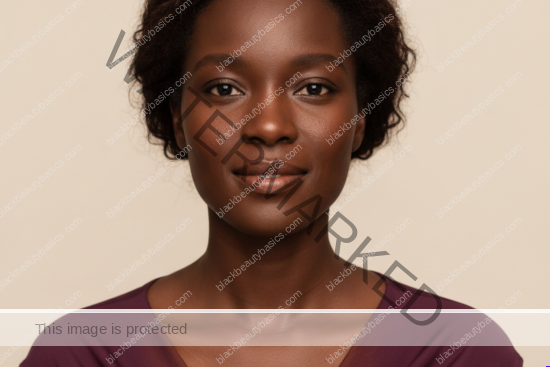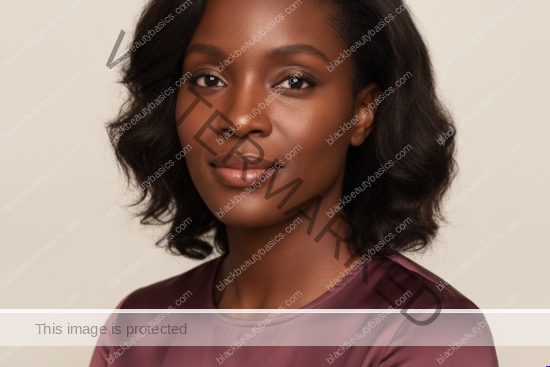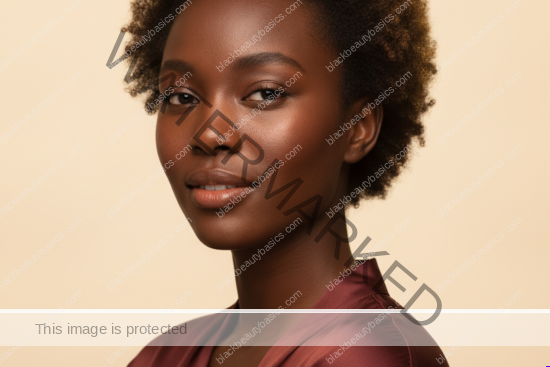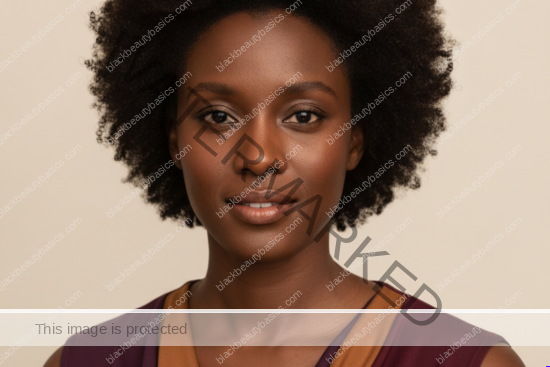
If your concealer still looks gray, muddy, or ashy—color correcting makeup is the missing step. For melanin-rich skin, discoloration doesn’t just “cover up” with concealer alone. We know the frustration: you apply your perfect shade of concealer, only for that stubborn darkness or hyperpigmentation to peek through, leaving a dull, desaturated finish.
It’s time to reclaim your flawless finish. In this definitive guide, we’re breaking down exactly how color correcting actually works, which shades are essential for deep skin tones, and how to neutralize darkness without adding heaviness or that dreaded flashback. Simple, effective, and melanin-safe—this is your essential guide to color correcting for Black women.
1. What Is Color Correcting (And Why It Matters for Melanin Skin)
Color correcting is the strategic application of colored makeup products (correctors) before foundation or concealer. Its purpose is to neutralize unwanted tones in the skin based on the principles of color theory.
The Basics of Color Theory: Complementary Colors
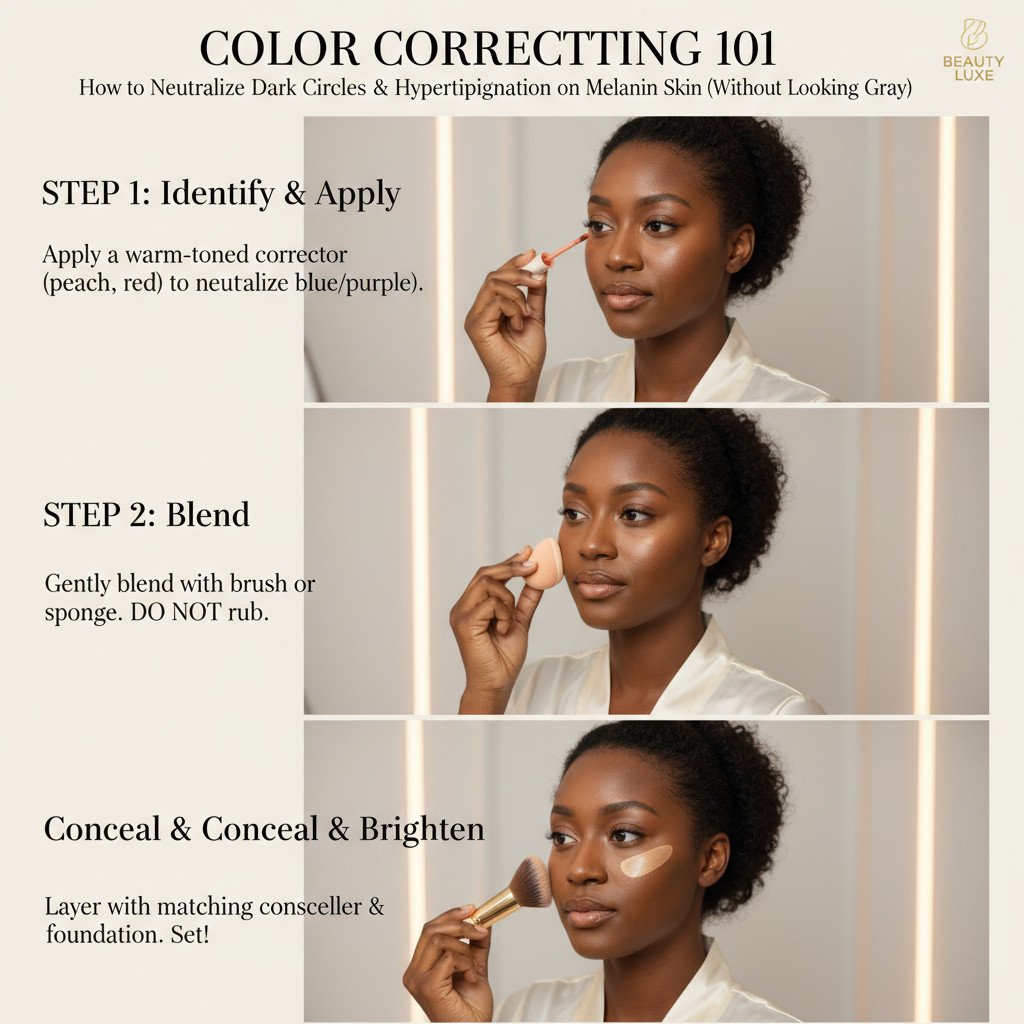
Think back to the color wheel. Colors directly opposite each other on the wheel cancel each other out, or neutralize one another. This is the foundation of effective color correction:
- Green neutralizes Red (Blemishes, redness).
- Yellow/Purple neutralizes Blue/Purple (Veins, mild dark circles).
- Orange/Peach/Red neutralizes Blue/Gray/Brown (Deep dark circles, hyperpigmentation).
Why Concealer Alone Can Look Gray on Deep Skin
When you have significant darkness—especially the blue, purple, or gray tones often seen in dark circles on melanin skin—applying a skin-toned concealer directly on top doesn’t eliminate the underlying color; it just mixes with it. This mixing creates a desaturated, muddy, or gray cast, making the area look duller than the rest of your face.
A corrector acts as a buffer. It neutralizes the discoloration first, creating a neutral canvas so your skin-toned concealer can perform its job—brightening and matching your skin tone—without fighting the underlying darkness.
Common Discoloration Concerns on Melanin Skin
For Black women, discoloration often presents as deep brown or gray tones, requiring specific corrective shades:
- Post-Inflammatory Hyperpigmentation (PIH): Dark marks left after acne or injury.
- Periorbital Hyperpigmentation: Deep, often hereditary, darkness around the eyes (dark circles).
- Perioral Darkness: Shadowing or discoloration around the mouth and chin area.
2. Understanding Discoloration on Deep Skin Tones
The key to successful correction is accurately identifying the underlying color of the discoloration.
Dark Circles: Brown vs. Purple Undertones
On lighter skin tones, dark circles are often blue or purple. On deep skin tones, they are typically a mix of brown, gray, and sometimes deep purple. This distinction is crucial for choosing the right color corrector for dark skin.
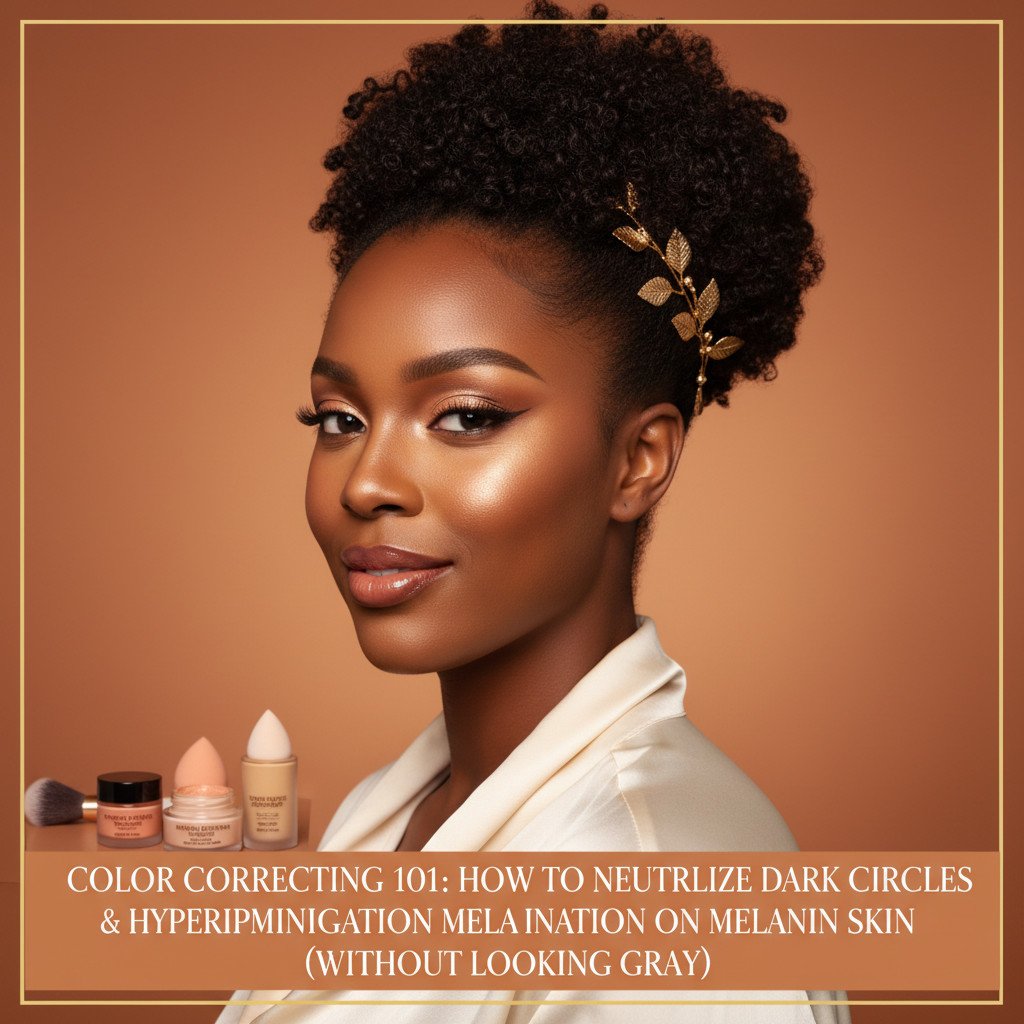
- If your circles lean purple/blue: A peach or orange corrector is ideal.
- If your circles lean deep brown/gray: A true orange or even a red-toned corrector is necessary to fully neutralize the depth.
Hyperpigmentation and Acne Marks
How to color correct hyperpigmentation depends on its severity and age. Newer marks might be reddish-brown, while older, deeper marks are often a deep, almost black-brown. These require the strongest neutralization, usually achieved with a deep orange or red corrector.
How Depth and Undertone Affect Correction
The richer your skin tone, the deeper the corrective shade must be. A light peach corrector that works on medium skin will look chalky and ineffective on deep mahogany skin. We need saturated, pigmented shades that can truly cancel out the depth of color in melanin-rich skin.
3. Color Corrector Shades Explained (Melanin Edition)
Forget the pastel green and lavender—these are the power shades you need in your arsenal for color correcting for Black women.
| Corrector Shade | Target Discoloration | Best For | |
|---|---|---|---|
| Peach/Salmon | Mild blue/purple darkness, dullness. | Fair to medium-deep skin tones with moderate under-eye circles. Brightening effect. | |
| Orange (True Orange) | Deep blue/gray dark circles, moderate to severe hyperpigmentation. | Medium-deep to deep skin tones. The essential shade for neutralizing grayness. | |
| Red/Deep Red-Orange | Severe darkness, deepest brown/black PIH, hereditary under-eye darkness on rich skin. | Deepest skin tones (e.g., Ebony, Mahogany). Provides maximum cancellation. | |
| Yellow | General dullness, mild purple veins, slight bruising. | Brightening overall complexion, especially on golden undertones. |
Why Orange is Your Best Friend for Deep Skin
The orange corrector for hyperpigmentation and dark circles is non-negotiable for most women of color. Because melanin skin tones often have a gray or blue cast in areas of discoloration, the warmth and saturation of orange are required to bring that area back to a neutral, warm tone that matches the rest of the face.
4. How to Choose the Right Corrector for Your Skin Tone
Choosing the right depth of corrector is just as important as choosing the right hue.
Light-Medium vs. Deep vs. Very Deep Skin
- Light-Medium Skin (Golden/Caramel): Use a rich Peach or Salmon corrector. It should look noticeably deeper than your skin tone but not shocking orange.
- Deep Skin (Bronze/Mocha): Use a True Orange corrector. This is the sweet spot for neutralizing most grayness and brown hyperpigmentation.
- Very Deep Skin (Ebony/Mahogany): Use a Red or Deep Red-Orange corrector. This high saturation is necessary to cut through the deepest brown and black tones without creating ashiness.
Why Orange ≠ Too Much When Used Correctly
Many women fear using a bright orange product, thinking it will show through their foundation. However, when applied thinly and correctly, the orange is neutralized by the darkness, resulting in a neutral brown/skin tone. Your concealer then simply covers this neutral base, not the original discoloration.
Cream vs. Liquid Correctors
The texture affects coverage and application:
- Cream/Pot Correctors: Highly pigmented, often thicker. Excellent for dense areas of hyperpigmentation (acne scars, mouth area) where maximum coverage is needed. Requires warming up with a finger or brush.
- Liquid Correctors: Lighter texture, easier to blend. Ideal for the delicate under-eye area where movement and creasing are concerns. Provides good coverage without feeling heavy.
5. Step-by-Step: How to Color Correct (Beginner-Friendly)
Mastering the application technique ensures a seamless, natural finish.
Step 1: Prep Skin First
Ensure the area is hydrated. For under-eyes, use a lightweight eye cream () and allow it to fully absorb. Correction should always be applied over a smooth, prepped surface.
Step 2: Apply Corrector Sparingly
Use a small, dense brush (or your finger for cream formulas) and only apply the corrector directly onto the area of discoloration. Do not sweep it across the entire under-eye. Focus on the darkest points, often the inner corner and the outer edge of the eye socket.
Pro Tip: Less is more. You only need enough product to neutralize the discoloration, not mask it completely. Over-application is the primary cause of cakey makeup.
Step 3: Blend and Let It Set
Gently tap the edges of the corrector with a clean finger or brush to blend it seamlessly into the surrounding skin. Do not blend the center where the darkness is most concentrated. Let the corrector sit for 30 seconds to a minute to slightly dry down and set.
Step 4: Layer Concealer Without Wiping Away Correction
Using a medium-coverage concealer that matches your skin tone (not a brightening one yet), gently tap it over the corrected area. Use a patting motion, not a rubbing or sweeping motion, which would lift the corrector underneath. The goal is to cover the orange/red hue, not to provide full coverage of the skin.
Step 5: Set Strategically (No Heavy Powder)
To prevent creasing, lightly set the area using a finely milled, translucent setting powder () or a banana powder if you want extra brightening. Use a small, fluffy brush and press the powder into the skin only where creasing occurs. Avoid heavy baking, which can emphasize texture and dryness.
6. Common Color Correcting Mistakes to Avoid
Even with the right shade, technique is everything.
- Using Too Much Product: This results in a thick, cakey layer that is impossible to hide, regardless of how much concealer you use. Start small and build if necessary.
- Choosing the Wrong Undertone: Using a peach corrector when you need a deep red will lead to insufficient neutralization, and the grayness will still peek through.
- Skipping Blending: If the edges of the corrector are harsh, they will look like orange rings around your eyes or hyperpigmentation spots.
- Over-Powdering Corrected Areas: Powder can settle into fine lines, and too much powder over a thick layer of corrector and concealer will look heavy and dry.
- Using a Brightening Concealer Immediately: Always use a skin-tone matching concealer first to cover the corrector, then use a lighter, brightening concealer (if desired) in the final step.
7. Best Color Correctors for Melanin Skin
These products are celebrated within the Black beauty community for their high pigmentation and rich, melanin-friendly shades.
| Product Name & Brand | Corrector Shade(s) for Deep Skin | Texture | Best For |
|---|---|---|---|
| L.A. Girl HD Pro Concealer | Orange, Reddish | Liquid | Budget-friendly, under eye color corrector dark skin. |
| Bobbi Brown Corrector | Deep Peach, Deep Bisque | Cream (Pot) | High coverage, excellent for deep-set dark circles. |
| M.A.C Studio Finish Skin Corrector | Pure Orange, Rich Yellow | Cream (Pot) | Targeting severe hyperpigmentation spots. |
| Fenty Beauty Match Stix Matte Contour Skinstick | Peach, Caramel (used as corrector) | Stick | Easy application, portable, good for mouth area darkness. |
8. Pro Tips for a Natural, Skin-Like Finish
Thin Layers & Targeted Application
The secret to a natural look is layering. Use the thinnest possible layer of corrector, followed by a thin layer of concealer. If you need more coverage, add a tiny second layer of concealer rather than a heavy first layer.
Adjust Corrector Shade Seasonally
If your skin tone deepens in the summer, you may need to shift from a peach-orange to a true orange or even a red corrector to maintain effective neutralization against your deeper base tone.
When to Color Correct vs. When Not To
Only color correct areas that are significantly darker or discolored. If you have mild discoloration that is easily covered by one layer of concealer, skip the corrector. Color correcting is an extra step designed for stubborn, deep discoloration that resists standard coverage.
Creating a Custom Corrector
If you can’t find the perfect shade, you can mix a drop of liquid orange pigment () into your existing concealer to create a custom correcting shade that perfectly matches your depth.
9. Final Thoughts
You deserve a flawless canvas that celebrates your beautiful complexion. Color correcting makeup is not about masking your skin; it’s about enhancing its natural radiance by strategically neutralizing shadows and discoloration. Embrace the power of orange and red—they are the key to unlocking a smooth, even-toned base where your melanin can truly shine, free from ashiness or grayness. Go forth, gorgeous, and apply your confidence!
Ready to transform your routine? Start by identifying your darkest area and investing in one highly pigmented orange or red cream corrector. The difference will be immediate and affirming.
Continue exploring
Related posts:
 The Power of Color Correcting – Neutralizing Dark Spots and Under-Eye Circles
 Protective Styling 101 – How to Choose Styles That Retain Length Without Damaging Your Edges
 How to Treat Acne on Dark Skin Without Causing Dark Spots
 A Comprehensive Guide to Fading Hyperpigmentation and Achieving Radiant Melanin Skin
 How to Treat Dark Circles With the Right Skincare Products
 How to Safely Color Natural Hair Without Causing Damage