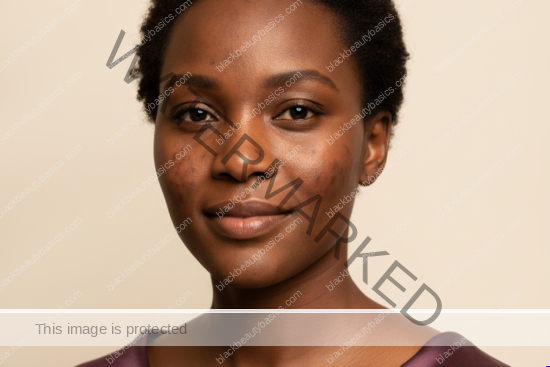
Skin Conditions on Dark, Melanin‑Rich Skin: Centering Our Experiences
Welcome, beautiful sister. For too long, the narrative around skin conditions has been painted with a brush that rarely captures the rich, nuanced canvas of melanin-rich skin. When we search for answers, we often find images and descriptions that don’t reflect our reality, leaving us feeling unseen, unheard, and sometimes, even misdiagnosed. Eczema, psoriasis, hidradenitis suppurativa (HS), and countless other conditions manifest uniquely on darker tones, often presenting with subtle differences that are easily overlooked by those unfamiliar with our skin’s magnificent complexity. This pillar on Skin Conditions on Dark Skin is not just a resource; it is a sanctuary, a space crafted to place your experiences, your beauty, and your well-being at the very heart of the conversation.
We understand that your skin journey is deeply personal, interwoven with your identity, your heritage, and your daily life. Instead of treating each condition as an isolated event, we invite you to explore the interconnected patterns: how these conditions commonly present on dark skin, what empowering everyday management can look like, how keloid-prone healing influences decisions, the profound emotional toll these conditions can take, and how to navigate medical systems that have not always seen you clearly. This pillar connects closely with our other essential guides: the Acne & Sensitive Skin in Black Women, Hyperpigmentation & Dark Spots, and Scalp Health, CCCA & Hair Loss pillars. Together, they form a holistic tapestry, ensuring your skin-condition journey is understood within the broader, beautiful story of your skin.
What This Pillar Covers: Your Journey, Our Focus
This pillar is dedicated to centering the lived reality of skin conditions on dark, melanin-rich skin. We delve into the specifics, offering clarity and guidance:
- Eczema and dermatitis presentations on dark skin: Understanding how these common inflammatory conditions appear differently, often presenting as hyperpigmentation or ashen patches rather than classic redness.
- Psoriasis and hidradenitis suppurativa (HS) in Black women: Exploring the unique manifestations, diagnostic challenges, and management strategies for these chronic inflammatory conditions.
- Keloid-prone skin: risk zones, triggers, and post-injury care: A deep dive into understanding keloid formation, identifying high-risk areas, and proactive care to minimize scarring.
- Everyday management: bathing, fabrics, detergents, and lifestyle habits: Practical, actionable advice for nurturing your skin daily, from gentle cleansing rituals to mindful product choices.
- The emotional and identity impact of chronic skin conditions: A compassionate exploration of the psychological and social dimensions, offering strategies for resilience and self-acceptance.
- Medical navigation for under-diagnosed conditions in dark skin: Empowering you with tools and knowledge to advocate for yourself, seek appropriate care, and find healthcare providers who truly understand your skin.
Clusters in This Pillar: Your Personalized Path to Understanding
Each cluster below functions as its own mini-guide, offering focused articles that delve deeper into specific questions and concerns. We encourage you to explore at your own pace, guided by what resonates most with your current needs.

- Eczema & dermatitis presentations on dark skin
- Psoriasis & HS in Black women
- Keloid‑prone skin (risk zones, triggers, post‑injury care)
- Everyday management (baths, fabrics, detergents, lifestyle)
- Emotional & identity impact of chronic skin conditions
- Medical navigation for under‑diagnosed conditions in dark skin
Quick Map of Clusters & Focus: Where to Begin Your Exploration
This table is designed to help you navigate our resources, allowing you to choose where to start based on what you are noticing or feeling right now. Your journey is unique, and so is your starting point.
| Your main question | Cluster to start with | Core focus | Example next stop |
|---|---|---|---|
| “My itchy or irritated patches do not look like the eczema photos I see online.” | Eczema & dermatitis on dark skin | How eczema and different types of dermatitis can look on brown and Black skin; common triggers and flare patterns. | Everyday management |
| “I have plaques, scaling, or painful bumps, and I am not sure if it is psoriasis or HS.” | Psoriasis & HS in Black women | How psoriasis and hidradenitis suppurativa present on dark skin and in common sites for Black women. | Medical navigation |
| “I tend to form raised, thick scars; I am nervous about piercings, surgery, or breakouts.” | Keloid‑prone skin | Risk zones, decisions around piercings/procedures, and post‑injury care for keloid‑prone skin. | Hyperpigmentation & Dark Spots |
| “Everyday things—baths, clothes, detergents—seem to trigger my skin.” | Everyday management | Gentler routines, fabrics, products, and lifestyle shifts that support sensitive, condition‑prone skin. | Acne & Sensitive Skin |
| “My skin condition affects how I see myself, how I dress, and how I show up.” | Emotional & identity impact | Grief, shame, visibility, and navigating relationships and identity with chronic skin conditions. | Hyperpigmentation & Dark Spots |
| “I feel under‑diagnosed or dismissed; I need help getting taken seriously.” | Medical navigation | Preparing for visits, advocating for yourself, and finding providers familiar with dark skin. | Medical escalation guidance |
How This Pillar Connects to Other Skin Pillars: A Holistic View of Your Beauty
Our skin is a complex, interconnected system, and conditions on dark skin rarely show up alone. Eczema can co-exist with asthma or allergies, psoriasis and HS can overlap with scalp and hair-loss concerns, and keloid-prone healing can magnify the impact of acne, injuries, and even protective styles. This pillar intentionally links to our Acne & Sensitive Skin in Black Women, Hyperpigmentation & Dark Spots, and Scalp Health, CCCA & Hair Loss pillars so that flare patterns, pigment changes, and hair-related symptoms are understood together, as part of your unique and beautiful whole.
As you move through these clusters, you will discover invaluable connections to lifestyle guidance (like choosing the right fabrics and detergents), essential sunscreen and barrier care insights from the Sunscreen for Dark Skin pillar, and professional-care navigation from the professional pathways content. These links are thoughtfully woven throughout our content to support whole-person care, moving beyond mere spot treatment to embrace a comprehensive approach to your well-being.

Quick Principles for Skin Conditions on Dark, Melanin-Rich Skin: Your Foundation for Empowerment
Before you dive deeper, let these foundational principles resonate within you. They are designed to empower and affirm your experience:
- Your symptoms are valid, regardless of how they appear in standard images. Conditions like eczema, psoriasis, HS, and keloids can look profoundly different on dark skin than in standard photos. Not seeing yourself in pictures does not mean your symptoms are “not serious enough” or that your discomfort is imagined. Trust your body, and seek professionals who honor your experience.
- Everyday habits are powerful allies. Your daily rituals—how you bathe, the fabrics you choose, the detergents you use, how you manage stress, and even how you respond to an itch—can either aggravate or ease chronic conditions over time. Small, consistent changes can lead to significant improvements.
- Keloid-prone healing requires informed decisions. If you tend to form keloids, this changes the risk/benefit balance for piercings, tattoos, surgeries, and even some cosmetic procedures. It is absolutely okay, and indeed essential, to ask explicit questions about keloid risk and prevention with any procedure.
- The emotional impact is an integral part of the condition. Chronic skin conditions can deeply affect your identity, clothing choices, intimacy, mental health, and how you show up in the world. These impacts are not
Frequently Asked Questions
Why do skin conditions often look different on dark skin?
Skin conditions manifest differently on melanin-rich skin primarily due to the presence of more melanin. Instead of classic redness, inflammation often appears as hyperpigmentation, purple, grey, or ashen patches. This difference can lead to misdiagnosis or delayed diagnosis if healthcare providers are not specifically trained to recognize these presentations on darker skin tones.
What are common skin conditions that disproportionately affect Black women or present uniquely?
Black women commonly experience conditions like eczema (atopic dermatitis), psoriasis, hidradenitis suppurativa (HS), and keloids. These often present with unique characteristics, such as post-inflammatory hyperpigmentation being a more prominent concern after inflammation, or HS being more prevalent and severe in Black women. Additionally, conditions like central centrifugal cicatricial alopecia (CCCA) are almost exclusively seen in Black women.

How can I advocate for myself when I feel my skin condition is being dismissed by a doctor?
Advocating for yourself is crucial. Come prepared to appointments with a detailed log of your symptoms, photos of your skin over time, and a list of questions. Clearly articulate how the condition impacts your daily life. If you feel unheard, consider seeking a second opinion, specifically from a dermatologist who has expertise in skin of color, or ask for a referral to one.
What are some everyday habits that can help manage chronic skin conditions on dark skin?
Gentle, consistent care is key. This includes using lukewarm water for baths and showers, opting for fragrance-free and hypoallergenic cleansers and moisturizers, wearing soft, breathable fabrics, and choosing detergents free from harsh chemicals. Stress management, adequate hydration, and a balanced diet can also significantly impact skin health.
Why is keloid-prone skin a significant concern for Black women, and how should it be managed?
Keloids, which are raised, thick scars that extend beyond the original wound, are more common in individuals with darker skin tones due to genetic predisposition. Management involves careful consideration of any skin trauma, including piercings, tattoos, and surgeries. Proactive measures like silicone sheets, steroid injections, or laser therapy can help prevent or reduce keloid formation, and it’s vital to discuss keloid risk with your doctor before any procedure.
How does hyperpigmentation relate to chronic skin conditions on dark skin?
Post-inflammatory hyperpigmentation (PIH) is a very common aftermath of inflammation or injury on dark skin. For chronic conditions like eczema, acne, or psoriasis, every flare-up can leave behind dark spots that can take months or even years to fade. Managing the underlying condition effectively is the first step to preventing PIH, followed by gentle, melanin-safe treatments for fading existing spots.
What is the emotional impact of living with chronic skin conditions, and where can I find support?
Living with chronic skin conditions can deeply affect self-esteem, body image, and mental well-being. Feelings of shame, frustration, anxiety, and social isolation are common. It’s important to acknowledge these feelings and seek support. Connect with online communities, support groups, or mental health professionals who understand the unique challenges faced by Black women with chronic skin conditions. Remember, your worth is not defined by your skin.
Continue exploring
Razor Bumps Ingrowns Dark Marks Black Women → Body Care And Hair Removal On Dark Skin → Shaving Routines For Dark Skin Body And Face → Waxing And Sugaring Considerations On Dark Skin → Ingrown Hair Prevention And Management → Razor Bumps And Barber Related Concerns → Permanent And Semi Permanent Hair Removal → Full Body Tone And Texture Maintenance →