Perimenopause & Menopause Changes in Melanin‑Rich Skin
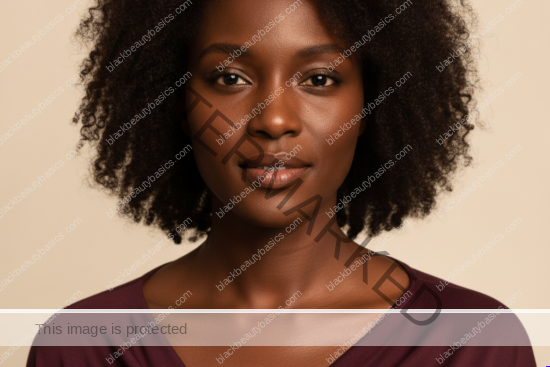
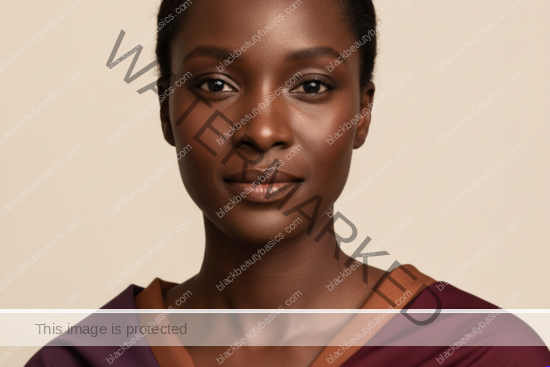
My beautiful sister, as we journey through the rich tapestry of life, there are seasons of profound transformation that touch every facet of our being. Among these, perimenopause and menopause stand as powerful thresholds, not merely marking a shift in our reproductive cycles, but ushering in a new era for our skin, our hair, and our very sense of self. It is a time when the wisdom of our bodies speaks in new ways, and understanding its language becomes an act of profound self-care and empowerment. For far too long, the narratives surrounding this vital life stage have overlooked the unique experiences of melanin-rich skin, leaving many of us feeling unseen, unheard, and unsure of how to navigate these changes with confidence and grace.
But not here, not with us. At Black Beauty Basics, we believe that every stage of your journey deserves to be celebrated, understood, and supported with knowledge tailored to your magnificent complexion. Perimenopause and menopause are not just about hot flashes; they are also a turning point for your skin. Declining estrogen, the very hormone that has cradled our youthful glow, begins its graceful exit, affecting collagen production, hydration levels, barrier function, and the intricate dance of how pigment is regulated. This means that even our long-familiar dark skin, which often boasts a natural resilience, can begin to feel drier, thinner, less bouncy, and more uneven in tone across just a few years. On melanin-rich skin, these shifts can magnify hyperpigmentation, ashiness, and textural changes in ways that are often under-represented in mainstream menopause conversations. [biopelle]
This cluster on Perimenopause & menopause changes in melanin‑rich skin sits inside the broader Hormonal Skin & Hair pillar. It is a sanctuary of information, meticulously curated to empower you. Here, we delve into what estrogen decline actually does to dark skin and textured hair, how common dermatoses behave in this life stage, why hyperpigmentation and “age spots” can suddenly feel louder, and how to align skincare, in-office options, and possible hormone therapy with your unique melanin and health history. We are here to guide you through this beautiful evolution, ensuring you feel seen, understood, and equipped to nurture your skin with the reverence it deserves. [aad]
What This Cluster Covers: Embracing Your Evolving Radiance
Our commitment is to provide you with a holistic understanding of how midlife hormonal shifts impact your melanin-rich skin. This cluster centers these profound changes through a hormonal and pigment-aware lens, offering insights and strategies that honor your unique beauty.

- Structural Changes with Estrogen Loss: Collagen, Elasticity, Dryness, Itch, and Barrier Changes. We’ll explore the foundational shifts occurring within your skin’s architecture, from the decline in collagen and elastin that affects firmness and bounce, to the increased dryness and itchiness stemming from a compromised skin barrier. Understanding these internal shifts is the first step toward effective care. [bouldermedicalcenter]
- Hyperpigmentation in Perimenopause/Menopause: Age Spots, Melasma Flares, and Post-Inflammatory Hyperpigmentation on Dark Skin. For melanin-rich skin, pigment concerns are often paramount. We’ll unpack why new dark spots, age spots, and melasma can emerge or intensify during this time, and how post-inflammatory hyperpigmentation (PIH) becomes a more persistent challenge. This section offers strategies to manage and prevent these concerns with confidence. [mainlinehealth]
- How Common Dermatoses (Eczema, HS, Psoriasis, Pruritus) Show Up in This Life Stage on Melanin-Rich Skin. Hormonal fluctuations can profoundly influence chronic skin conditions. We’ll examine how eczema, hidradenitis suppurativa (HS), psoriasis, and generalized pruritus (itch) may present differently or intensify in melanin-rich skin during perimenopause and menopause, and how to advocate for appropriate diagnosis and treatment. [pmc.ncbi.nlm.nih]
- Building a Barrier-First, Pigment-Aware Routine for Perimenopausal and Menopausal Dark Skin. Your skincare routine needs to evolve with your skin. This section is dedicated to crafting a gentle yet effective regimen that prioritizes strengthening your skin’s natural barrier while strategically addressing pigment concerns. We emphasize nourishing, protective, and targeted approaches that honor the delicate balance of midlife skin.
- When to Consider In-Office Treatments or Hormone Therapy, and What to Ask Your Derm and Menopause-Savvy Clinicians. For some, topical care and lifestyle adjustments may not be enough. We’ll guide you through the considerations for in-office dermatological treatments and the role of hormone replacement therapy (HRT) in managing skin changes. Crucially, we’ll equip you with the right questions to ask your healthcare providers to ensure you receive melanin-aware, personalized care.
Articles in This Cluster: Your Path to Informed Care
These are working topic descriptors for articles inside this cluster. While final titles may evolve to capture their essence even more beautifully, their core focus areas and URLs will remain consistent, creating a cohesive and navigable resource for you.
- What estrogen loss does to melanin‑rich skin
- Menopause hyperpigmentation: age spots & melasma on dark skin
- Dermatoses in perimenopause & menopause on melanin‑rich skin
- Building a perimenopause/menopause skin routine for dark skin
- When to consider in‑office treatments or hormone therapy for skin changes
Choosing Your Starting Lane: Navigating Your Unique Journey
We understand that your experience with perimenopause and menopause is deeply personal and unique. To help you navigate this wealth of information, we’ve created a guide to match your most pressing concerns with the article that will serve you best as a starting point. Think of this as your personalized roadmap to understanding and addressing your evolving skin needs.
| If this sounds like you | Start with this lane | Core focus | Where to read more |
|---|---|---|---|
| Your once-bouncy skin now feels drier, thinner, or “crepey,” with more fine lines and itch. You’re noticing a subtle loss of that youthful plumpness and a new sensitivity to products you once loved. | What estrogen loss does to skin. | Collagen loss, reduced elasticity, increased dryness, barrier changes, and persistent itch in perimenopause/menopause. This article will explain the physiological reasons behind these changes and how they specifically manifest in melanin-rich skin. [aad] | Estrogen‑loss article |
| You’re seeing new dark spots, mottled patches, or “age spots” that stand out more on your complexion, perhaps even a resurgence of melasma that you thought was under control. These pigment changes feel more stubborn than before. | Menopause hyperpigmentation. | Age spots (solar lentigines), melasma flares, and post-inflammatory hyperpigmentation (PIH) patterns on midlife melanin-rich skin. We’ll explore the hormonal triggers and effective, melanin-safe strategies for managing these concerns. [drlouisenewson.co] | Hyperpigmentation article |
| Long-standing eczema, hidradenitis suppurativa (HS), or psoriasis seems to be changing with your cycle or hot flashes, perhaps flaring more frequently, or presenting with new symptoms you haven’t experienced before. | Dermatoses in perimenopause. | How common skin conditions behave in the hypo-estrogen state on dark skin. This includes understanding altered inflammatory responses and the unique presentation of these conditions in melanin-rich complexions during this hormonal transition. [us.onstella] | Dermatoses article |
| You want a midlife routine that effectively addresses dryness and discoloration without over-stripping your barrier or causing irritation. You’re looking for guidance on product selection and application techniques that honor your evolving skin. | Perimenopause/menopause routine. | Barrier-first, pigment-aware skincare for melanin-rich skin in midlife. This section provides practical, actionable advice on building a gentle yet powerful routine, focusing on hydration, protection, and targeted treatment for your specific concerns. | Routine‑building article |
| You’re wondering if peels, lasers, or hormone replacement therapy (HRT) might help your skin changes, but you’re concerned about safety and efficacy for dark skin. You want to know what questions to ask your healthcare providers. | In-office & hormone options. | When to consider procedures or hormone therapy and what to ask about as a Black woman. This includes vetting providers, understanding melanin-safe treatment modalities, and navigating the complex decision-making process around HRT for skin benefits. [versalie] | In‑office/HRT article |
What Estrogen Loss Does to Melanin-Rich Skin: The Foundation of Change
My dear, the profound shifts you may be noticing in your skin are not simply a matter of time passing; they are deeply rooted in the intricate dance of your hormones, particularly the graceful decline of estrogen. Estrogen is more than just a reproductive hormone; it’s a vital player in maintaining the very fabric of your skin’s youthfulness, resilience, and vibrant health. As its levels begin to fluctuate during perimenopause and then steadily decrease into menopause, a cascade of changes unfolds within your skin.

One of the most significant impacts is on collagen, the scaffolding that gives your skin its firmness and structure. During the first five years after menopause, women can lose up to roughly a third of their skin’s collagen. Imagine that, a substantial reduction in the very protein that keeps your skin plump and supple! This directly affects thickness, elasticity, and firmness. You might notice your skin feels less ‘bouncy,’ perhaps a bit more delicate, or that fine lines and wrinkles, which were once barely perceptible, now seem to settle in with more determination. This loss of structural integrity can lead to a more ‘crepey’ texture, particularly in areas like the neck, chest, and décolletage, which are often overlooked in daily skincare but are just as susceptible to these hormonal shifts.
Beyond structure, estrogen plays a crucial role in your skin’s hydration and barrier function. Declining estrogen also reduces natural moisturizing factors (NMFs) and alters the delicate balance of lipids in the outer barrier of your skin. These NMFs and lipids are the unsung heroes that keep your skin hydrated from within and protect it from environmental aggressors. When they diminish, it leads to increased transepidermal water loss (TEWL) – essentially, water evaporates from your skin more easily. This is why dark skin that once held moisture effortlessly may suddenly start to feel persistently drier, appear ‘ashy’ even after moisturizing, and become noticeably itchier, even when your routine has not changed. This dryness can be particularly frustrating, as it can exacerbate the appearance of fine lines and make your complexion look duller and less vibrant. [bouldermedicalcenter]
Furthermore, the skin barrier, our first line of defense, becomes more vulnerable. A compromised barrier means your skin is more susceptible to irritation, redness (though often presenting as hyperpigmentation or a deeper hue on dark skin), and sensitivity. This can make your skin react to products it once tolerated, or feel generally more reactive to environmental factors like wind, cold, or even certain fabrics. The delicate balance of your skin’s microbiome can also be disrupted, potentially leading to new sensitivities or exacerbating existing conditions.

This estrogen-loss article links to the Skincare for Black Women pillar, where we offer nuanced guidance on upgrading cleansers, moisturizers, and body care specifically formulated to address midlife dryness and barrier compromise. We champion ingredients like ceramides, hyaluronic acid, glycerin, and nourishing oils that work in harmony with your skin to restore its natural resilience. It also connects to the Skin Conditions on Dark Skin pillar and the Everyday management cluster. Here, we delve into how seemingly minor lifestyle choices—from the types of fabrics you wear to your bathing habits and laundry detergents—can either soothe or aggravate menopausal itch and dryness on melanin-rich skin. Understanding these connections empowers you to create an environment that supports your skin’s comfort and health from the inside out. [pmc.ncbi.nlm.nih]
The Emotional Resonance of Skin Changes
It’s important to acknowledge that these physical changes can carry an emotional weight. For many Black women, our skin is a source of immense pride, a canvas of our heritage and strength. Noticing these shifts can sometimes feel unsettling, a departure from the skin we’ve known and cherished. But please know, this is a natural part of your journey, and it does not diminish your beauty. Instead, it invites you to deepen your relationship with your skin, to understand its evolving needs, and to nurture it with even greater intention and love. This season is an opportunity to redefine beauty on your own terms, embracing the wisdom and grace that come with every passing year, and finding new ways to celebrate the skin you’re in.
Menopause Hyperpigmentation: Age Spots & Melasma on Dark Skin: Unveiling New Pigment Patterns
My sister, if you’ve noticed new dark spots appearing or existing ones becoming more pronounced as you navigate perimenopause and menopause, you are certainly not alone. Hyperpigmentation around menopause often reflects a complex interplay of hormonal shifts and decades of accumulated sun exposure. For melanin-rich skin, which is naturally more prone to pigmentary concerns, these changes can be particularly noticeable and, at times, distressing.
As estrogen declines, the intricate mechanisms that regulate melanin production can become dysregulated. This means your melanocytes—the cells responsible for producing pigment—can become more erratic, leading to uneven tone and the emergence of new dark marks. You might start to see what are commonly referred to as age spots, or more accurately, solar lentigines. These are flat, brown or black macules that typically appear on sun-exposed areas like the face, hands, chest, and shoulders. While they are a result of cumulative sun damage, the hormonal shifts of menopause can make them more prominent and numerous, especially on darker complexions where they can stand out more starkly against your natural skin tone. [dexeus]
Beyond age spots, some women also experience new or worsening melasma, often referred to as the
Frequently Asked Questions
What are the most common skin changes Black women experience during perimenopause and menopause?
During perimenopause and menopause, Black women often experience increased skin dryness, thinning, and a noticeable loss of elasticity due to declining estrogen and collagen. Hyperpigmentation, including new or worsening age spots, melasma, and more persistent post-inflammatory hyperpigmentation (PIH), becomes more prominent. Chronic skin conditions like eczema and pruritus (itch) may also intensify or present differently, often as thickened, hyperpigmented patches rather than redness.
Why does hyperpigmentation seem to worsen during menopause for melanin-rich skin?
Melanin-rich skin is inherently more prone to hyperpigmentation. During menopause, declining estrogen levels disrupt the regulation of melanin production, making melanocytes more erratic. This, combined with cumulative sun exposure and slower cell turnover, can lead to the emergence of new age spots, flares of melasma, and PIH that takes longer to fade. Consistent, melanin-safe sun protection and pigment-modulating ingredients are crucial.
How should my skincare routine change during perimenopause and menopause?
Your routine should shift to a barrier-first, pigment-aware approach. Focus on gentle, hydrating cleansers, richer moisturizers with ceramides and lipids, and consistent broad-spectrum SPF. Introduce actives like retinoids, vitamin C, and niacinamide ‘low and slow’ to avoid irritation, which can trigger PIH. Prioritize nourishment and protection over aggressive exfoliation, as skin becomes more delicate and prone to sensitivity.
Are in-office treatments safe for dark skin during menopause, and which ones are recommended?
Yes, many in-office treatments can be safe and effective for dark skin during menopause, but it’s crucial to choose a melanin-aware provider. Options like superficial chemical peels, microneedling, and certain pigment-specific lasers (e.g., Q-switched, picosecond) can address hyperpigmentation and texture. Vascular lasers may help with redness (though less common on dark skin). Always prioritize providers experienced with skin of color to minimize risks of PIH or scarring.
Can Hormone Replacement Therapy (HRT) help with skin changes during menopause?
Yes, evidence suggests that systemic or topical estrogen (as part of HRT) can help mitigate some skin changes by partially reversing collagen loss, improving skin hydration, and enhancing elasticity. While skin benefits are often a positive side effect, HRT decisions are complex and must be individualized, weighing cardiovascular, cancer, and symptom profiles. Discuss the potential skin benefits and risks with your menopause-savvy clinician.
What role does lifestyle play in managing menopausal skin changes for Black women?
Lifestyle plays a significant role. Adequate hydration, a nutrient-rich diet, stress management, and sufficient sleep are foundational. Gentle bathing practices, using mild detergents, and wearing breathable fabrics can alleviate dryness and itch. Consistent sun protection is paramount for managing hyperpigmentation. Regular, moderate exercise can also improve circulation and overall skin health. These holistic approaches complement your skincare routine and medical treatments.
How can I find a dermatologist or clinician who understands melanin-rich skin and menopause?
Seek out dermatologists and gynecologists who explicitly state experience with skin of color and menopause. Look for certifications, professional affiliations (like the Skin of Color Society), and patient reviews that highlight their expertise with diverse skin tones. Don’t hesitate to ask specific questions during your consultation about their approach to treating melanin-rich skin during hormonal transitions, and ensure they prioritize your safety and comfort.