Post‑Inflammatory Hyperpigmentation in Melanin-Rich Skin: Timeline and Treatment
For many women with melanin-rich skin, the journey through breakouts, minor irritations, or even a simple bug bite doesn’t end when the initial inflammation subsides. Instead, a new chapter begins: the lingering presence of a dark mark, a persistent reminder of what once was. This experience is deeply familiar to countless Black women who find that acne, ingrown hairs, or skin flare-ups always seem to leave a lasting impression, long after the bump itself has vanished. It’s a common narrative: by the time one spot is finally fading, two or three new ones have quietly taken its place, creating a cycle that can feel endless and disheartening, whether on the face, jawline, chest, back, bikini line, or underarms.
This phenomenon, often dismissed as mere ‘dark spots,’ is a specific skin concern known as post-inflammatory hyperpigmentation, or PIH. It’s a condition that speaks to the unique responsiveness of melanin-rich skin, a characteristic that, while beautiful and protective, also means our skin is more prone to producing extra pigment in response to inflammation. The frustration is real when you’ve tried countless remedies, only to find that the quick-fix promises plastered across social media rarely align with your reality. You’ve been told spots disappear in seven days, yet yours seem to linger for months, sometimes even years, making them feel almost permanent.
This comprehensive guide is designed to demystify PIH, offering clarity and a realistic path forward. We will explain precisely what post-inflammatory hyperpigmentation is, how it manifests on melanin-rich skin, and, crucially, how long it realistically takes to fade – both with and without consistent care. More importantly, we will lay out a thoughtful, stepwise treatment approach that respects the unique needs of your skin, helping you address these marks effectively without compromising your skin barrier or provoking further irritation. Our aim is to empower you with knowledge and strategies that honor your skin’s resilience and beauty, transforming frustration into confident, informed action.
What Is Post‑Inflammatory Hyperpigmentation on Dark Skin?
Post-inflammatory hyperpigmentation, or PIH, is essentially your skin’s memory of an injury or inflammation. It’s the extra pigment your skin lays down as a healing response after an event like acne, insect bites, rashes, friction, or even certain hair removal methods. When your skin experiences trauma or inflammation, specialized cells called melanocytes, which are responsible for producing melanin, go into overdrive. They release an excess of melanin, which then gets deposited in the upper layers of the skin, resulting in a dark spot or patch at the exact site where the inflammation occurred.
On melanin-rich skin, PIH typically appears as tan, brown, or deeper brown to grey spots or patches. The color can vary depending on your individual skin tone and the depth of the pigment. Unlike a scar, which involves a change in skin texture (like a raised bump or an indentation), PIH is purely a color change. The skin’s surface remains smooth; it’s just the tone that’s altered. It’s crucial to understand that PIH is pigment, not dirt, and it cannot be scrubbed away. This distinction is vital because treating PIH requires a different approach than exfoliating dead skin or addressing textural concerns.
It’s also important to differentiate PIH from other forms of hyperpigmentation, such as melasma. While both involve dark patches, melasma is primarily linked to hormonal fluctuations, sun exposure, and genetic predisposition, often appearing as symmetrical, larger patches on the face. PIH, on the other hand, is directly preceded by an inflammatory event. Recognizing these differences is the first step toward effective treatment, ensuring you’re addressing the correct underlying cause. For a deeper dive into the various forms of hyperpigmentation and their specific characteristics, you can explore our comprehensive Hyperpigmentation in Black Women: Causes, Types, Treatment Roadmap, or visit our main Hyperpigmentation and Dark Spots category for more insights.
Why PIH Is So Common (and Stubborn) in Melanin-Rich Skin
The prevalence and persistence of PIH in melanin-rich skin are rooted in fundamental biological differences. Darker skin tones possess more active melanocytes, the cells responsible for producing melanin, and these melanocytes are larger and more reactive. This heightened activity means that when inflammation occurs, these cells are more inclined to produce and release an abundance of melanin as a protective response. Consequently, what might result in a temporary red mark on lighter skin tones often translates into a more pronounced and longer-lasting dark spot on melanin-rich skin.
Furthermore, the way inflammation presents itself can be subtly different. On lighter skin, inflammation typically manifests as a vivid red flush. However, on darker skin, this redness can be much less obvious, often appearing as a deeper brown, grey, or even a subtle purple hue, or sometimes just a slight textural change. This can lead to irritation and inflammation going unnoticed or underestimated, allowing the pigment production cascade to continue unchecked for longer periods. By the time the dark spot becomes apparent, the underlying inflammatory process may have already done significant work, making the resulting PIH more challenging to fade.
It’s crucial to understand that this inherent responsiveness of melanin-rich skin is not a flaw; it is a testament to its protective capabilities and unique beauty. Your skin is not ‘bad’ because it responds this way; rather, it is highly responsive and sensitive to its environment. This means that managing PIH requires a strategic, nuanced approach rather than aggressive tactics that could further provoke irritation. It calls for patience, gentle care, and a deep understanding of how your skin functions. For more on managing skin concerns specific to melanin-rich skin, our Acne & Sensitive Skin pillar hub offers extensive resources. Additionally, if your PIH is linked to ingrown hairs or friction, our Body Care & Hair Removal pillar hub provides valuable guidance tailored to your needs.
PIH Timeline on Dark Skin – What’s Realistic?
One of the most frustrating aspects of PIH is its seemingly endless duration. It’s a common misconception that dark spots should fade quickly, especially given the rapid results promised by many beauty advertisements. However, for melanin-rich skin, the reality is often much different. While PIH can indeed fade on its own, this natural process is frequently protracted, taking anywhere from several months to several years. The exact timeline is highly individual, influenced by factors such as the depth of the pigment, the intensity and duration of the initial inflammatory trigger, and, critically, the degree of sun exposure the affected area receives.
Understanding this realistic timeline is paramount to managing expectations and maintaining consistency with treatment. It’s not about erasing marks overnight, but rather about significantly shortening the fading window and ensuring that the marks fade more evenly and completely. Without a targeted approach, the process can feel interminable, leading many to believe their PIH is permanent. With consistent, gentle, and strategic care, however, you can actively influence this timeline, making meaningful progress towards a more even skin tone. This section will delve into what you can expect, both with and without intervention, providing a clearer picture of the journey ahead.
Without Targeted Treatment (Just Time and Everyday Life)
Allowing PIH to fade naturally, solely relying on the passage of time and everyday life, can be a test of patience. For lighter marks, those that are more superficial and less intense, you might observe some softening and gradual lightening over a period of several months – perhaps three to six months. However, this is often an optimistic scenario. Deeper, more entrenched marks, or those on areas of the body that are frequently exposed to friction or sunlight (such as the chest, back, or legs), can linger for a year or even longer. In some cases, especially if the inflammatory triggers persist or if there’s ongoing sun exposure without adequate protection, these marks can seem almost indelible, showing very little change over extended periods.
This prolonged fading process is precisely why PIH can feel so permanent to those with melanin-rich skin. The natural cell turnover cycle, which gradually brings pigmented cells to the surface to be shed, is simply slower than many people anticipate. When you combine this with the increased melanocyte activity inherent in darker skin tones, and the almost inevitable re-exposure to triggers or UV radiation, the cycle of fading and re-darkening can be disheartening. It’s not that your skin isn’t working to heal itself; it’s that the process is inherently slow, and external factors can easily impede its progress. This understanding underscores the importance of proactive care, as simply waiting for PIH to disappear on its own can be a very long and often unrewarding endeavor.
With Consistent, PIH-Aware Care
When you commit to a consistent, PIH-aware skincare regimen, you’re not just waiting for your skin to heal; you’re actively supporting and accelerating its natural fading process. While there are no overnight miracles, a strategic approach can significantly shorten the timeline and improve the quality of fading. Here’s a realistic progress arc you can expect:
- Weeks 1–4: Calming and Protection First. During this initial phase, the primary focus is on stopping new inflammation and rigorously protecting your skin from the sun. You might not see dramatic fading of existing marks, but you should notice that your skin feels calmer, less irritated, and any new breakouts or irritations are less likely to leave a dark mark. This foundational work is critical. Existing marks may appear similar, but the skin beneath them is becoming healthier and more resilient.
- Weeks 4–12: Early Fading and Tone Improvement. This is when you might start to observe the first subtle signs of progress. Lighter, more superficial marks may begin to soften around the edges and appear slightly less prominent. Your overall skin tone might start to look a bit more even, with less underlying redness or discoloration. Consistency with your chosen brightening ingredients and, crucially, daily SPF application, will be key during this period.
- Months 3–6+: Gradual Softening of Deeper Marks. As you continue with your regimen, the deeper, more stubborn marks will gradually begin to soften and lighten. This is a slow, incremental process, but regular, objective assessments (like consistent photos) will reveal the progress. You’ll also likely find that any new marks that do appear will fade much faster than before, as your skin’s inflammatory response is better managed, and its healing mechanisms are supported.
It’s important to reiterate that this is a range, not a rigid guarantee. The speed of fading can differ significantly between facial PIH and body PIH, with body marks often taking longer due to thicker skin and sometimes less consistent care. The nature of the initial trigger also plays a role; a deep cystic acne lesion might leave a mark that takes longer to resolve than a superficial scratch. Patience, consistency, and a commitment to protecting your skin are your most powerful tools. For more detailed expectations and timelines, our post on How Long Does Hyperpigmentation Take to Fade on Dark Skin? Expectations and Timelines offers further insights.
Step 1 – Stop the Trigger and Calm the Skin
The absolute first and most critical step in addressing post-inflammatory hyperpigmentation is to identify and eliminate the source of inflammation. It’s a fundamental truth in skincare: if the underlying cause of irritation, breakouts, or injury persists, new PIH will continue to appear, effectively sabotaging any efforts to fade existing marks. This means that before you even think about brightening serums, your focus must be on creating a calm, stable environment for your skin to heal. This involves a detective-like approach to your daily habits and environment, pinpointing common triggers that might be contributing to your PIH.
Common triggers can range from obvious culprits like picking at blemishes or ingrown hairs, to more subtle factors such as tight clothing that causes friction, harsh hair removal methods, aggressive physical scrubs, or even introducing new, irritating active ingredients too quickly. Each of these can initiate the inflammatory cascade that leads to melanin overproduction. By systematically addressing these triggers, you’re not just preventing new dark marks; you’re also allowing your skin’s natural healing processes to take precedence, reducing the overall inflammatory burden that contributes to the persistence of existing PIH.
- Examples of Trigger Patterns:
- Jawline Picking: Repeatedly touching or picking at acne lesions along the jawline can exacerbate inflammation and push bacteria deeper, leading to more severe PIH.
- Bikini-line Shaving Irritation: Aggressive shaving, dull razors, or lack of proper lubrication and aftercare can cause razor bumps and ingrown hairs, which inevitably lead to dark marks in this sensitive area.
- Scratching Bug Bites: The intense itch of an insect bite can lead to unconscious scratching, breaking the skin barrier and initiating an inflammatory response that results in PIH.
- Tight Clothing: Constant friction from tight jeans, bras, or athletic wear can irritate skin, especially in areas like the inner thighs or underarms, leading to PIH.
- Aggressive Exfoliation: Over-scrubbing or using harsh chemical exfoliants too frequently can compromise the skin barrier, leading to irritation and subsequent PIH.
- New Irritating Actives: Introducing multiple strong active ingredients at once, or using them in concentrations too high for your skin, can cause a flare-up of irritation and PIH.
Gentle First Steps: The immediate actions you can take are often the simplest yet most impactful. Practice a strict ‘hands-off’ policy with your skin, resisting the urge to pick, squeeze, or scratch. Opt for softer, breathable fabrics, especially in areas prone to friction. Re-evaluate your hair removal routine, choosing less aggressive methods or ensuring proper technique and aftercare. If you suspect a new skincare product is causing irritation, pause its use. For specific guidance on managing PIH from different sources, explore our dedicated posts on Dark Spots from Acne, Dark Inner Thighs & Bikini Line, and Dark Underarms. You might also find valuable insights in our article on common Skincare Mistakes to avoid.
Step 2 – Daily Sunscreen to Protect Your Progress
If there’s one non-negotiable cornerstone of any PIH treatment plan, it is consistent, daily sun protection. This isn’t merely a recommendation; it’s an absolute imperative. UV exposure plays a dual detrimental role in the life cycle of PIH: it not only darkens existing marks, making them more stubborn and difficult to fade, but it also helps to ‘set in’ new marks, ensuring they become more prominent and long-lasting. Think of the sun as a magnifier for pigment; every ray that hits your skin without protection is actively working against your efforts to achieve an even tone. This makes sunscreen not just a preventative measure, but a crucial therapeutic tool.
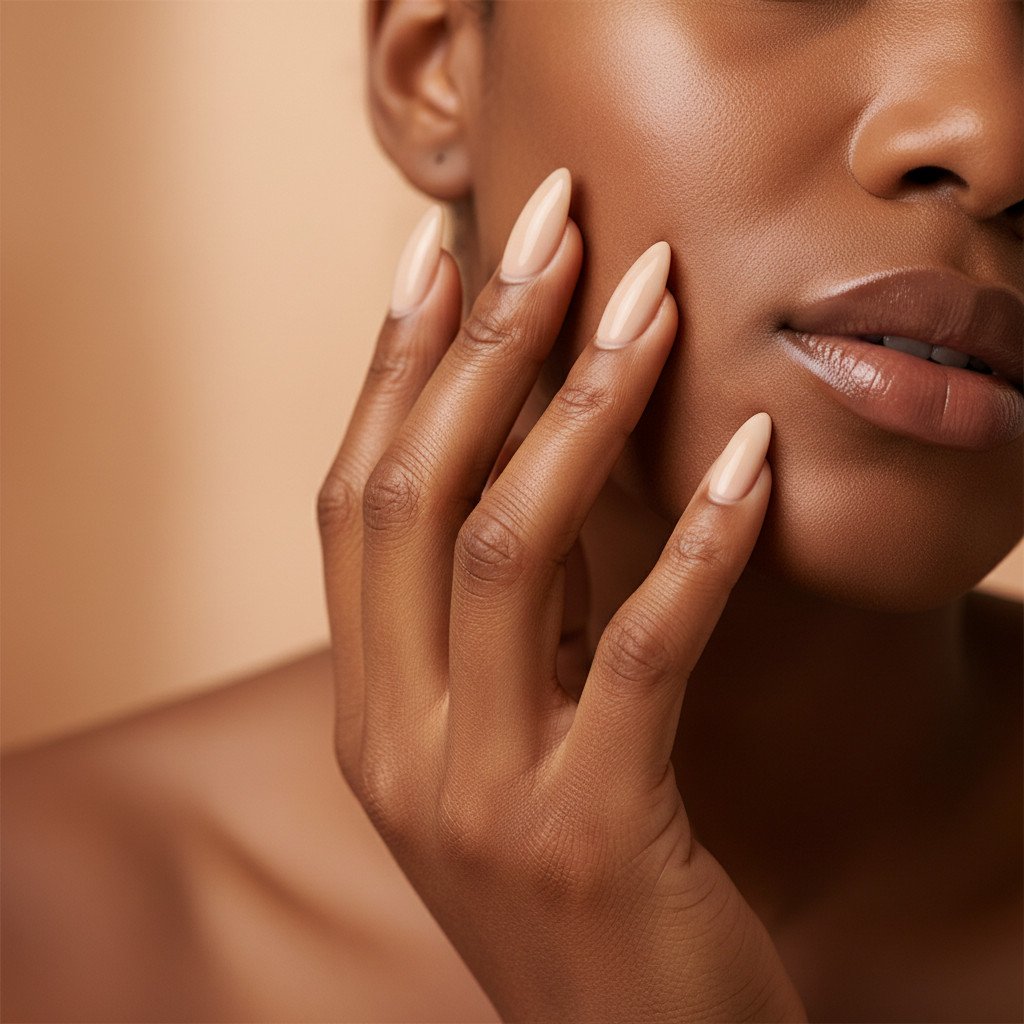
For PIH, the application of SPF extends far beyond just your face. While facial sun protection is often emphasized, it’s equally vital to protect all areas where PIH is a concern. This includes the neck, chest, hands, and forearms – areas that are frequently exposed to incidental sunlight throughout the day. Even if you’re indoors, UV rays can penetrate windows, making daily application a year-round necessity, regardless of the weather or your immediate environment. The goal is to create a consistent shield that prevents further darkening and allows your skin’s natural fading processes to work unhindered.
- Where to Prioritize SPF:
- Face and Neck: These are the most consistently exposed areas and often where PIH is most visible. Apply generously every morning.
- Chest and Décolletage: Often overlooked, this area receives significant sun exposure, especially with lower necklines.
- Hands: One of the first areas to show signs of sun damage and PIH. Incorporate hand sunscreen into your routine.
- Forearms and Legs: If you’re wearing short sleeves, skirts, or shorts, ensure exposed limbs are protected.
- Any Area Prone to PIH: If you’re treating PIH on your back, shoulders, or bikini line, ensure those areas are protected when exposed to sunlight.
The key to consistent sunscreen use is finding formulas that you genuinely enjoy applying. For melanin-rich skin, this means prioritizing products that leave absolutely no white cast, absorb seamlessly, and don’t feel heavy, greasy, or pore-clogging. The market has evolved significantly, offering elegant formulations that cater to darker skin tones. Don’t settle for a sunscreen that you dread using; explore options until you find one that integrates effortlessly into your daily routine. Consistency is far more important than the highest SPF number if it means you’ll actually use it every day. For a deeper understanding of strategic sun protection, consult our Sunscreen Strategy to Prevent Dark Marks (Face & Body) and our comprehensive guide on Sunscreen for Black Women SPF. You can also explore our entire Sunscreen pillar hub for more resources. To find suitable options, consider searching for sunscreen for dark skin with no white cast and no breakouts on Amazon.
Step 3 – Gentle Brightening Ingredients That Respect Your Melanin
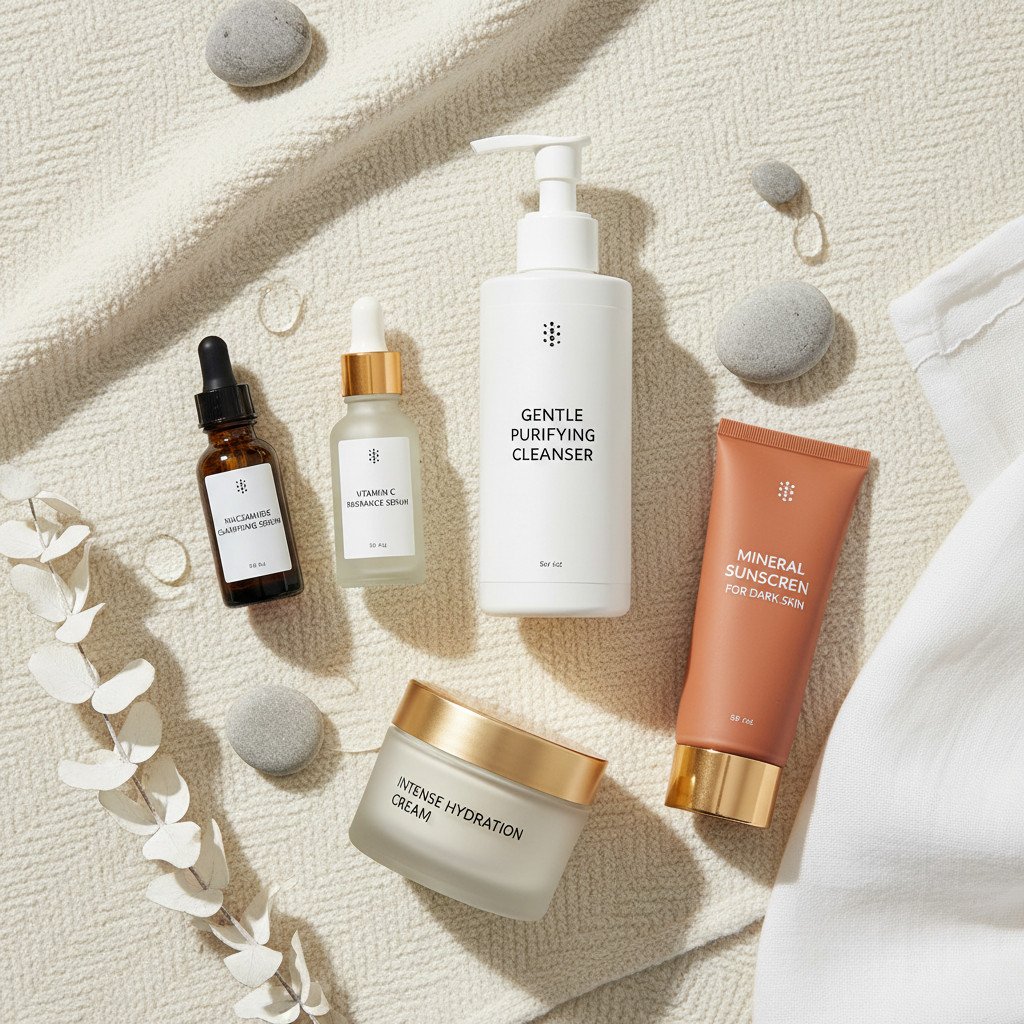
Once you’ve halted the triggers and established a robust sun protection regimen, the next step involves introducing targeted ingredients designed to gently brighten and even out your skin tone. The goal here is not to bleach or aggressively exfoliate, but rather to use ingredients that work synergistically with your skin’s natural processes, inhibiting excess melanin production and supporting healthy cell turnover. We’re looking for ingredients known as tyrosinase inhibitors, which block the enzyme responsible for melanin synthesis, and anti-inflammatory brighteners, which calm the skin while also addressing discoloration. The key is a slow, measured approach: introduce one new active at a time, observe your skin’s response, and always pair these brighteners with robust moisturizers and, as always, daily SPF.
Everyday Supporters – Niacinamide, Azelaic Acid, Tranexamic, Licorice
These ingredients are often the unsung heroes in a PIH-focused routine for melanin-rich skin. They are generally well-tolerated, even by sensitive and acne-prone skin, making them excellent choices for consistent, long-term use. Their multi-faceted benefits extend beyond just brightening, contributing to overall skin health and resilience.
Niacinamide (Vitamin B3): This powerhouse ingredient is a true workhorse for melanin-rich skin. It doesn’t directly inhibit tyrosinase but works by preventing the transfer of melanin from the melanocytes to the surrounding skin cells, effectively reducing the appearance of dark spots. Beyond its brightening capabilities, niacinamide is a potent anti-inflammatory, helping to calm redness and irritation, which is crucial for preventing new PIH. It also strengthens the skin barrier, reduces transepidermal water loss, and can help regulate sebum production, making it ideal for those dealing with both PIH and breakouts. Its gentle nature means it can often be used twice daily without adverse effects, making it a staple in many routines.
Azelaic Acid: Derived from grains, azelaic acid is a remarkable ingredient that offers a trifecta of benefits for PIH. It is a direct tyrosinase inhibitor, meaning it actively reduces melanin production. Additionally, it possesses significant anti-inflammatory and antibacterial properties, making it highly effective for treating acne and rosacea, which are common precursors to PIH. Its ability to calm inflammation directly addresses the root cause of PIH, while its brightening action works on existing marks. Azelaic acid is often well-tolerated by sensitive skin and can be a fantastic alternative for those who find other actives too irritating. It helps to unclog pores, reduce redness, and refine skin texture, contributing to a clearer, more even complexion.
Tranexamic Acid: Gaining popularity in recent years, tranexamic acid is a synthetic derivative of the amino acid lysine, recognized for its ability to interrupt the inflammatory cascade that leads to PIH and melasma. It works by interfering with plasminogen, a protein involved in inflammation and melanin production. This ingredient is particularly effective at addressing stubborn, deeper PIH and melasma, often showing impressive results with consistent use. It’s generally well-tolerated and can be incorporated into a routine alongside other brightening agents, offering a powerful boost to your PIH treatment plan. Its anti-inflammatory action also helps prevent new marks from forming.
Licorice Root Extract: A natural botanical extract, licorice root is celebrated for its soothing and brightening properties. It contains glabridin, an active compound that inhibits tyrosinase activity, thereby reducing melanin production. Licorice also has anti-inflammatory and antioxidant benefits, which help to calm irritated skin and protect it from environmental damage. It’s a gentle yet effective option for improving overall skin tone and reducing the appearance of dark spots, often found in serums and creams designed for sensitive skin. Its calming properties make it an excellent choice for those whose PIH is often accompanied by redness or irritation.
These ingredients are often easier to tolerate on dark, sensitive, or acne-prone skin compared to more aggressive options. They work diligently behind the scenes, supporting your skin’s natural healing and brightening processes without causing undue stress. They are excellent for long-term maintenance and can be layered effectively with other treatments once your skin has acclimated. To explore these gentle yet powerful options, consider searching for niacinamide serum for dark skin on Amazon or azelaic acid serum for hyperpigmentation dark skin on Amazon.
Targeted Brighteners – Vitamin C, Kojic Acid, and Friends
When you’re ready to introduce more potent brightening agents, Vitamin C and Kojic Acid stand out as highly effective options. These ingredients directly target the melanin production pathway, offering more pronounced results, but require a thoughtful approach to integration into your routine.
Vitamin C (Ascorbic Acid): This iconic antioxidant is a staple in many brightening routines, and for good reason. Vitamin C works in multiple ways to address PIH: it’s a potent antioxidant that protects skin from environmental damage, a crucial step in preventing new inflammation. More directly, it inhibits tyrosinase activity, reducing melanin production, and also helps to brighten existing pigment. The efficacy of Vitamin C largely depends on its form, concentration, and formulation. L-Ascorbic Acid is the most biologically active form but can be unstable and potentially irritating at high concentrations. Derivatives like Sodium Ascorbyl Phosphate or Magnesium Ascorbyl Phosphate are often more stable and gentler, making them excellent choices for melanin-rich skin. When choosing a Vitamin C product, prioritize stable formulations with concentrations between 10-20% for L-Ascorbic Acid, or effective concentrations for derivatives. Texture and packaging that protects the ingredient from light and air are also paramount. Remember, consistency is key, and starting with a lower concentration once a day can help your skin acclimate. For more detailed guidance, refer to our post on Vitamin C on Dark Skin.
Kojic Acid: Derived from fungi, Kojic Acid is a well-established tyrosinase inhibitor, meaning it directly blocks the enzyme responsible for melanin production. It’s known for its ability to significantly lighten existing dark spots and prevent new ones from forming. Kojic acid is often considered a more ‘punchy’ brightener compared to some of the everyday supporters, offering noticeable results. However, because of its potency, it requires a gentle and slow introduction. Starting with lower concentrations (1-2%) and using it a few times a week, gradually increasing frequency as your skin tolerates, is advisable. It can be found in serums, creams, and even some cleansers. When used correctly and consistently, Kojic Acid can be a powerful ally in your PIH treatment plan, especially for stubborn marks. It is often combined with other brighteners for enhanced efficacy.
Alpha Arbutin: A natural derivative of hydroquinone, alpha arbutin works by inhibiting tyrosinase activity without the potential for irritation or side effects sometimes associated with hydroquinone. It’s a gentler yet effective option for reducing melanin production and fading dark spots. Alpha arbutin is well-tolerated by most skin types and can be a good choice for those seeking noticeable brightening without aggressive measures. It’s often found in serums and can be used daily.
These targeted brighteners can accelerate the fading process, but their effectiveness is maximized when used thoughtfully within a comprehensive routine that includes sun protection and barrier support. Always introduce new potent actives one at a time to monitor your skin’s reaction and avoid overwhelming it. For a deeper dive into the best ingredients for fading dark spots, explore our Best Ingredients to Fade Dark Spots post.
Texture and Turnover Allies – Retinoids and Acids
While the primary focus for PIH is on inhibiting melanin production, ingredients that promote cell turnover and improve skin texture can play a crucial supporting role. Retinoids and exfoliating acids help to shed pigmented skin cells more rapidly, bringing fresh, unpigmented cells to the surface. However, for melanin-rich skin, these ingredients must be approached with extreme caution and used as supporting actors, not the main event, to avoid irritation that could worsen PIH.
Retinoids (Retinol, Retinaldehyde, Tretinoin): Retinoids are vitamin A derivatives renowned for their ability to accelerate cell turnover, stimulate collagen production, and improve overall skin texture. By speeding up the rate at which skin cells shed, retinoids help to bring pigmented cells to the surface faster, aiding in the fading of PIH. They also have anti-inflammatory properties and can help prevent future breakouts. However, retinoids can be highly irritating, especially when first introduced. For melanin-rich skin, this irritation can easily translate into new PIH. Therefore, it is paramount to start with the lowest concentration, use it sparingly (1-2 times a week), and gradually increase frequency as tolerated. Always apply to dry skin, after cleansing, and follow with a rich moisturizer. Consider buffering by applying moisturizer first, then retinoid, then more moisturizer. Overuse can lead to redness, peeling, and increased sensitivity, which is counterproductive for PIH. For a detailed guide on safe retinoid use, see our Retinoids for Black Women post.
Exfoliating Acids (AHAs, BHAs): Alpha Hydroxy Acids (AHAs) like glycolic acid and lactic acid, and Beta Hydroxy Acids (BHAs) like salicylic acid, work by chemically exfoliating the skin. AHAs primarily work on the surface, dissolving the bonds between dead skin cells, which helps to shed pigmented cells and reveal brighter skin. Lactic acid is often preferred for melanin-rich skin due to its larger molecular size, making it gentler, and its humectant properties, which help hydrate the skin. BHAs are oil-soluble, allowing them to penetrate pores and exfoliate from within, making them excellent for acne-prone skin and preventing new PIH. Like retinoids, exfoliating acids can easily irritate melanin-rich skin if overused. Start with low concentrations (e.g., 5-8% AHAs, 1-2% BHA) and use them infrequently (2-3 times a week). Over-exfoliation can compromise the skin barrier, leading to inflammation and, you guessed it, more PIH. Integrate them carefully, listening to your skin’s signals, and never combine multiple strong exfoliants without expert guidance. Our Exfoliation post provides comprehensive advice. Understanding how to layer these actives effectively is also crucial; our Actives Layering post can guide you.
These ingredients are powerful tools, but they demand respect and a cautious hand when used on melanin-rich skin. They are best integrated once your skin is calm, your barrier is healthy, and you have a consistent sun protection routine in place. Think of them as accelerators, used strategically to enhance the results of your primary brightening and protective measures, rather than standalone solutions.
Step 4 – When to Think About Peels and Professional Treatments
For some individuals, particularly those with long-standing, widespread, or very deep PIH, at-home topical treatments may reach a plateau. This is when exploring professional treatments, such as chemical peels, microdermabrasion, or certain laser therapies, can become a valuable next step. However, it is absolutely critical to approach professional treatments for PIH on melanin-rich skin with extreme caution and discernment. The wrong treatment, or a treatment performed by an inexperienced provider, can lead to further inflammation, burns, and even worse hyperpigmentation, potentially causing irreversible damage.
The paramount consideration when seeking professional help is to find a dermatologist or aesthetician who has extensive experience treating melanin-rich skin. This is not a suggestion; it is a non-negotiable requirement. Providers who primarily work with lighter skin tones may not fully understand the unique physiological responses of darker skin, particularly its heightened propensity for PIH. Always ask about their experience with your specific skin tone, request to see before-and-after photos of their dark-skinned clients, and inquire about their conservative protocols for melanin-rich skin. A reputable professional will prioritize a gentle, gradual approach, often starting with lower concentrations or less aggressive settings to gauge your skin’s response.
- Situations Where Professional Help May Be Worth Exploring:
- Long-Standing Marks: If certain PIH marks have persisted for a year or more despite consistent at-home care, they may be deeper and require professional intervention.
- Widespread PIH: For extensive PIH covering large areas of the face or body, professional treatments can offer a more efficient and comprehensive solution.
- Overlapping Melasma: If your PIH is complicated by or co-exists with melasma, a professional diagnosis and tailored treatment plan are essential, as melasma often requires a different approach.
- Rapidly Spreading or Deepening Marks: Any PIH that seems to be worsening quickly or appearing in unusual patterns warrants professional evaluation.
- Lack of Progress: If you’ve been consistent with a well-formulated at-home routine for 6-12 months and see no discernible improvement, it might be time for expert guidance.
- Situations to Be Cautious With (or Avoid):
- Recent or Active Irritation: Never undergo a professional treatment if your skin is currently inflamed, irritated, or experiencing active breakouts. The skin must be calm and healthy.
- History of Keloids: If you have a personal or family history of keloids (raised scars), certain treatments like aggressive peels or lasers may carry a higher risk. Discuss this thoroughly with your provider.
- Aggressive Protocols: Be wary of any provider who suggests aggressive treatments, high concentrations, or rapid results without a patch test or a gradual approach.
- Lack of Experience: If a provider cannot demonstrate experience with melanin-rich skin, it’s best to seek another opinion.
Professional treatments can include superficial chemical peels (often lactic, mandelic, or very low-concentration glycolic acid), microdermabrasion (used with caution to avoid excessive friction), or certain non-ablative lasers that are safe for darker skin tones (e.g., Q-switched Nd:YAG, picosecond lasers). These treatments work by carefully removing superficial layers of pigmented skin or by selectively targeting melanin without causing excessive heat or inflammation. They can significantly accelerate the fading process when performed correctly. For those considering at-home peels, our At‑Home Peels for Dark Skin post offers guidance on safer options. For a broader understanding of professional options, our Beauty Devices & Treatments pillar hub provides further context.
What to Expect Emotionally and Practically Over Time
Embarking on a journey to fade PIH is not just a physical process; it’s often an emotional one. The presence of dark marks can significantly impact self-esteem and confidence, leading to feelings of frustration, embarrassment, or even a sense of being ‘stuck.’ It’s entirely normal to experience an emotional rollercoaster as you watch spots fade slowly, especially when confronted with harsh lighting, high-definition cameras, or the ubiquitous ‘perfect skin’ imagery prevalent in media. There will be days when you feel immense progress, and others when it seems like nothing has changed, or even worsened. Normalize these feelings; they are a valid response to a persistent skin concern.
Practically, one of the most effective ways to manage expectations and track progress is to ditch the daily mirror checks. The human eye is notoriously bad at detecting subtle, incremental changes over short periods. Instead, adopt a more objective approach: consistent photos. Take clear, well-lit photos of the affected areas every 4-6 weeks, using the same lighting conditions and angles. This visual record will allow you to see the gradual, often imperceptible, improvements that accumulate over time. You’ll be able to look back and truly appreciate how far you’ve come, even when the day-to-day reflection feels stagnant.
- Small Wins to Look For:
- Fewer New Marks: A significant sign of progress is a reduction in the frequency or intensity of new PIH marks, indicating that your trigger management and anti-inflammatory strategies are working.
- Edges Softening: Notice if the sharp, distinct edges of older marks begin to blur and blend more seamlessly with the surrounding skin.
- Overall Tone Improvement: Observe if your skin appears generally brighter, more radiant, and less sallow or dull, even before individual marks completely disappear.
- Needing Less Concealer: As marks fade, you might find yourself reaching for less makeup to cover them, a tangible sign of lightening.
- Faster Fading of New Marks: When new irritations inevitably occur, observe if the resulting PIH fades more quickly than before, indicating improved skin resilience.
- Reduced Inflammation: Your skin should feel calmer, less reactive, and less prone to redness or irritation, which is a foundational step in preventing future PIH.
- Gentle Reminders:
- Patience is Paramount: Remember that needing several months, or even a year, for significant fading doesn’t mean nothing is working. It simply means your skin is following its natural, albeit slow, healing timeline, which you are now actively supporting.
- Consistency Over Intensity: A gentle, consistent routine is far more effective and safer for melanin-rich skin than aggressive, intermittent treatments.
- Relapses Are Normal: Life happens. A new breakout, a forgotten SPF application, or a moment of stress can cause a temporary setback. Don’t let it derail your entire journey. Recommit to your routine and move forward.
- Focus on Overall Skin Health: Beyond just fading marks, celebrate the improvements in your skin’s texture, hydration, and resilience. A healthy skin barrier is your best defense against future PIH.
This journey is about nurturing your skin, not punishing it. It’s about understanding its unique needs and responding with thoughtful care. For further insights into managing expectations, revisit our post on How Long Does Hyperpigmentation Take to Fade on Dark Skin? Expectations and Timelines, and continue to explore resources within our Hyperpigmentation hub.
Final Thoughts
Your skin is a testament to your life’s journey, and the marks it carries are not imperfections but rather stories of resilience and healing. The presence of post-inflammatory hyperpigmentation does not mean your skin is ‘ruined’; it simply means it is responsive and protective, a beautiful characteristic of melanin-rich skin. It holds memories of inflammation as pigment, and this capacity for response deserves patient understanding and consistent care, not harsh judgment or aggressive treatments.
Working with PIH is best approached as a long, evolving conversation with your skin, rather than a one-night confrontation. It’s a journey of small, daily choices that, when consistently applied, accumulate into significant, visible change over time. From diligently applying your daily SPF to mindfully choosing gentle ingredients and resisting the urge to pick, each conscious decision contributes to a healthier, more even-toned complexion. This process is about embracing self-love through intentional skincare, understanding that true progress is often slow, steady, and deeply rewarding.
We invite you to take this knowledge and choose one or two treatment steps to focus on right now. Perhaps it’s committing to daily sunscreen, or finally identifying and stopping that persistent trigger. Once those habits are firmly established, you can then explore related posts – whether it’s delving deeper into dark spots from acne, understanding specific ingredients, refining your sunscreen strategy, or revisiting timelines – as next chapters in your skincare education, not as emergencies. Your skin, in its profound beauty and complexity, deserves this thoughtful, consistent, and empowered approach. For continued guidance and resources, always return to our central Hyperpigmentation hub.
Frequently Asked Questions
How long does PIH usually take to fade on dark skin if I do nothing different?
If left untreated, PIH on melanin-rich skin can take a significant amount of time to fade naturally. Lighter marks might soften over several months (3-6), but deeper or more stubborn spots, especially on the body or if continually exposed to sun, can linger for a year or even several years. This slow process is why many feel PIH is permanent.
How long does it take to see a difference once I start treating my dark marks?
With consistent, PIH-aware care, you can expect to see initial subtle changes within 4-12 weeks, such as lighter marks softening and overall tone improvement. More significant fading of deeper marks typically takes 3-6 months or longer. Patience is crucial, as results are gradual and cumulative.
Can PIH become permanent on Black skin?
While PIH can be incredibly stubborn and long-lasting on melanin-rich skin, it is generally not considered permanent in the same way a scar is. However, without consistent treatment and sun protection, marks can persist for years and feel permanent. Aggressive treatments or continued inflammation can also lead to more entrenched discoloration.
Should I stop all actives when my PIH is very dark, or just adjust them?
If your PIH is very dark or your skin is actively irritated, it’s often best to pause aggressive actives and focus on calming the skin and rigorous sun protection. Once your skin has stabilized, you can gradually reintroduce gentle brightening actives one at a time. Always prioritize skin barrier health over aggressive fading.
Is it safe to treat PIH at home if I’ve never seen a dermatologist?
Yes, many forms of PIH can be safely and effectively managed at home with a well-researched, gentle routine focusing on trigger avoidance, sun protection, and mild brightening ingredients. However, if your PIH is widespread, very dark, rapidly worsening, or accompanied by unusual symptoms, consulting a dermatologist is always recommended for a precise diagnosis and tailored plan.
How do I tell the difference between PIH, melasma, and scarring?
PIH appears as dark spots or patches at the site of a previous injury or inflammation, with no change in skin texture. Melasma typically presents as symmetrical, larger, often blotchy patches, usually on the face, and is linked to hormones and sun. Scarring involves a change in skin texture, such as raised (hypertrophic/keloid) or indented (atrophic) marks, which may or may not be discolored. If unsure, a dermatologist can provide an accurate diagnosis.
Shop niacinamide serum on Amazon
Shop azelaic acid serum on Amazon
Related next steps
Related posts:
 Acne Marks and Post-Inflammatory Hyperpigmentation on Dark Facial Skin
 Understanding and Treating Post-Inflammatory Hyperpigmentation on the Body
 Hyperpigmentation Treatment Methods for Melanin-Rich Skin: Topicals, Peels, Routines, and Lifestyle Support
 Combatting Post-Inflammatory Hyperpigmentation Through Routine Design
 Facial Hyperpigmentation on Melanin-Rich Skin: Acne Marks, Melasma & Uneven Tone
 Azelaic and Tranexamic Acid for Stubborn Hyperpigmentation on Melanin-Rich Skin