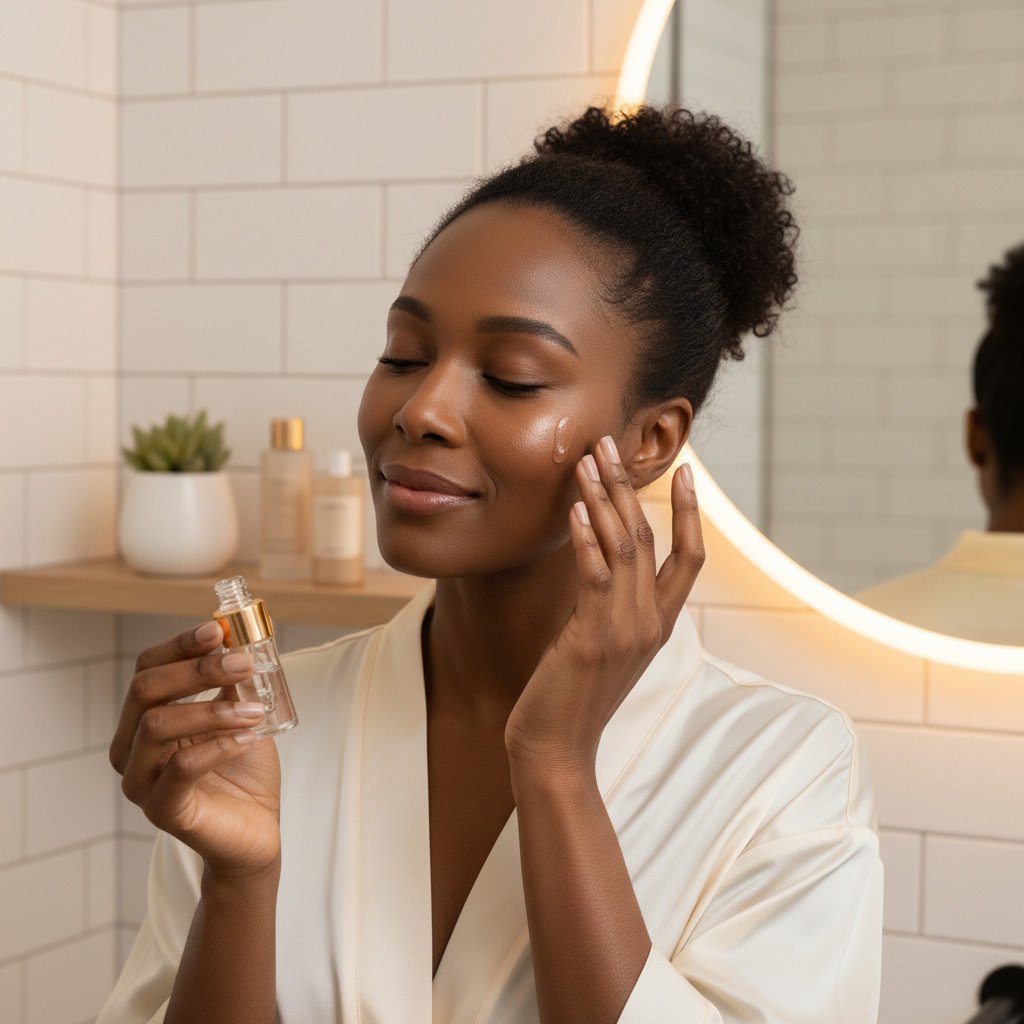
At‑Home Peels for Dark Skin: What’s Safe and What to Avoid
If you have dark, melanin‑rich skin and you’ve ever scrolled past a dramatic peel before‑and‑after, you already know how tempting they can be. A smoother surface, faded spots, “new” skin in a week—who wouldn’t be curious? The promise of refined texture, a luminous glow, and the gradual disappearance of stubborn dark marks is undeniably alluring. But you also know the stakes are different on your skin: one wrong move can mean burns, long‑lasting dark patches, or even textural changes that are far more challenging to correct than the original concern. This isn’t just about a minor setback; it’s about potentially triggering post-inflammatory hyperpigmentation (PIH) that can linger for months, if not years, or even causing permanent damage.
This guide is for Black women and other people with deeper skin tones who are considering at‑home chemical peels. We understand the desire for effective skincare solutions that honor the unique beauty and resilience of melanin-rich skin. We’ll walk through what peels actually do, demystifying the science behind them, and then delve into which types and strengths are generally safer for you to use at home. Crucially, we’ll also identify what should absolutely be left to professionals, emphasizing why certain formulations and procedures carry too great a risk for unsupervised use. Our aim is to empower you with knowledge, ensuring you can make informed decisions that protect your precious barrier and pigment every step of the way, fostering deep feminine confidence in your skincare journey.
Navigating the world of chemical exfoliants can feel like walking a tightrope, especially when your skin’s unique characteristics mean that the margin for error is significantly smaller. Unlike lighter skin tones where a misstep might result in temporary redness or irritation, on melanin-rich skin, any inflammatory response can manifest as a stubborn dark mark. This reality doesn’t mean you should shy away from effective treatments; it means you need a more nuanced, informed, and cautious approach. This comprehensive guide will equip you with the insights necessary to harness the benefits of at-home peels while meticulously safeguarding your skin’s health and vibrancy. We’ll explore the science, the risks, the rewards, and the essential protocols for a truly safe and effective at-home peeling experience.
Understanding the Science Behind Chemical Peels: More Than Just “Peeling”
To truly appreciate the nuances of at-home peels for melanin-rich skin, it’s essential to first understand what a chemical peel really is beyond the dramatic imagery. A chemical peel is a controlled exfoliation process that uses various acidic solutions to dissolve the bonds between dead skin cells. This encourages them to shed more quickly and efficiently than they would naturally, revealing fresher, smoother, and often brighter skin underneath. It’s not just about visible flaking; it’s about accelerating cellular turnover, which can address a myriad of concerns from dullness to hyperpigmentation.
The effectiveness and depth of a peel depend on several factors: the type of acid used, its concentration, the pH of the solution, and how long it’s left on the skin. These variables determine how deeply the acid penetrates and, consequently, the extent of exfoliation and potential skin response. For melanin-rich skin, understanding these variables is paramount, as an overly aggressive peel can easily tip the balance from beneficial exfoliation to inflammatory damage.
Depending on these factors, peels can be categorized into different depths:
- Very Superficial Peels: These peels affect only the outermost layer of the epidermis, the stratum corneum. They are designed for gentle exfoliation, improving skin texture, and imparting a subtle glow. Products often marketed as “at‑home peels,” exfoliating toners, or gentle resurfacing masks typically fall into this category. They are characterized by minimal to no visible peeling and very little downtime. For melanin-rich skin, this is generally the safest starting point for at-home experimentation.
- Superficial Peels: These penetrate deeper into the epidermis, reaching the granular layer. They are more potent than very superficial peels and are often used to address fine lines, mild acne, and superficial hyperpigmentation. These peels usually result in light flaking or peeling and may require a few days of recovery. They are typically performed in clinics or medical spas by trained professionals who can closely monitor the skin’s response.
- Medium Peels: These peels extend through the entire epidermis and into the papillary dermis. They are used for more significant concerns like moderate wrinkles, sun damage, and more pronounced hyperpigmentation. Medium peels cause noticeable peeling and require significant downtime, often a week or more. These are strictly medical procedures and should never be attempted at home, especially on melanin-rich skin, due to the high risk of complications.
- Deep Peels: The most aggressive type, deep peels penetrate into the reticular dermis. They are reserved for severe skin issues such as deep wrinkles, extensive sun damage, and certain types of scars. Deep peels involve significant downtime, discomfort, and carry the highest risk of complications, including scarring and permanent pigment changes. These are always performed under strict medical supervision and are generally not recommended for melanin-rich skin due to the extremely high risk of hypopigmentation (lightening of the skin) and scarring.
On melanin‑rich skin, the safest zone for home use is exclusively within the very superficial range, utilizing well‑formulated, cosmetic‑grade products. Anything that functions like a true clinical peel—with noticeable frosting (a white appearance on the skin indicating protein coagulation), heavy visible peeling, prolonged downtime, or significant pain—belongs unequivocally in a medical setting. Furthermore, such a setting must be staffed by a professional deeply experienced and knowledgeable in treating skin of color. Attempting anything beyond very superficial at home is an unnecessary and potentially dangerous gamble with your skin’s health and appearance.
The Unique Considerations: Why Peels Are Higher Stakes on Dark Skin
The beauty and resilience of melanin-rich skin are undeniable, but these very characteristics also necessitate a more cautious and informed approach when it comes to chemical exfoliation. Darker skin tones possess more active melanocytes—the cells responsible for producing melanin—and a higher overall concentration of melanin. This abundance of pigment is a natural shield against UV radiation, offering a degree of protection against sun damage and premature aging. However, this protective mechanism comes with a significant caveat in the context of peels: an amplified risk of post-inflammatory hyperpigmentation (PIH).
PIH is the bane of many with melanin-rich skin. It’s the body’s natural response to inflammation or injury, where melanocytes go into overdrive, producing excess melanin that results in dark spots or patches. Almost any inflammatory trigger—be it acne breakouts, insect bites, friction, cuts, burns, or an overly strong or improperly applied chemical peel—can set off this chain reaction. The cruel irony is that PIH often lasts much longer than the original insult, sometimes for months or even years, and can be far more challenging to treat than the initial concern you were trying to address with the peel.
With chemical peels, the line between “effective exfoliation” and “injury” can be incredibly thin for melanin-rich skin. What might be considered a mild tingle or temporary redness on lighter skin can easily translate into a significant inflammatory response on darker skin, leading directly to PIH. A peel that’s just a bit too strong, left on a bit too long, or done too often can quickly shift from gentle resurfacing into damaging territory. On melanin‑rich skin, that damage often shows up not as the typical redness seen on lighter skin, but as darker, ashier, or mottled patches that linger, sometimes deepening over time. This is why a conservative, slow-and-steady approach is not just advisable, but absolutely essential.
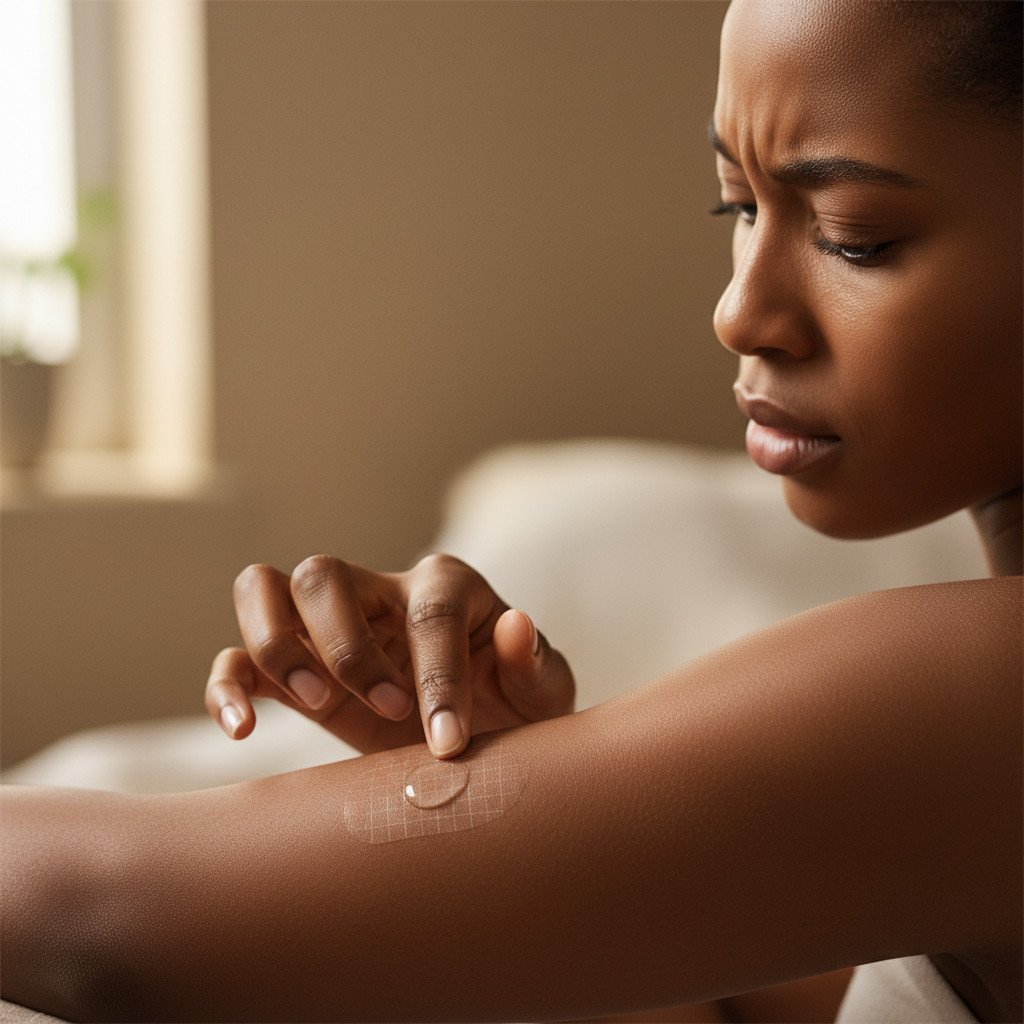
Moreover, the healing process in melanin-rich skin can also differ. There’s a higher propensity for keloid scarring in individuals with a genetic predisposition, making any procedure that involves skin injury a more serious consideration. While very superficial at-home peels are unlikely to cause keloids, understanding this underlying physiological difference reinforces the need for extreme caution and adherence to gentle protocols. The goal is always to stimulate skin renewal without triggering the skin’s protective, pigment-producing response.
Therefore, when approaching at-home peels, the mindset must shift from seeking dramatic, immediate results to pursuing gradual, consistent improvement. The emphasis should be on maintaining skin integrity, supporting its natural healing processes, and preventing any inflammatory triggers. This means prioritizing mild formulations, strict adherence to product instructions, diligent sun protection, and a deep understanding of your skin’s unique signals. For melanin-rich skin, true success with at-home peels lies in their ability to gently enhance and refine, not aggressively transform.
Safer Peel Acids for At‑Home Use on Dark Skin: A Detailed Exploration
While no at‑home peel is completely risk‑free, especially for melanin-rich skin, certain acid types are generally considered gentler and more forgiving when used at appropriate cosmetic strengths and frequencies. The overarching principle here is caution and moderation. The key to success lies in staying within low‑to‑moderate strengths, adhering strictly to recommended leave‑on times, and committing to generous, supportive aftercare. Think of these as allies in your skincare regimen, not aggressive agents of change. Always remember that for melanin-rich skin, a slow and steady approach minimizes inflammation and, by extension, the risk of PIH.
Lactic Acid: The Hydrating and Gentle Exfoliator
Lactic acid, an alpha hydroxy acid (AHA), is frequently hailed as one of the most forgiving and beneficial acids for darker skin tones. Its molecular structure is larger than that of glycolic acid, which means it penetrates the skin more slowly and superficially. This slower penetration translates to a gentler exfoliation process, reducing the likelihood of abrupt irritation or an excessive inflammatory response. Beyond its exfoliating properties, lactic acid is also a humectant, meaning it attracts and binds moisture to the skin. This dual action—exfoliation and hydration—makes it particularly appealing for melanin-rich skin, which can sometimes be prone to dryness or ashiness.
For melanin‑rich skin, lactic acid is best used in low‑to‑moderate strengths, typically ranging from 5% to 10%, and applied a few times per month rather than as a daily or every-other-day treatment. It’s crucial to integrate it thoughtfully into your existing routine, especially if you’re already using other potent actives like retinoids or vitamin C. Overlapping too many strong ingredients can easily lead to over-exfoliation and irritation. Consider lactic acid as a periodic polish or a gentle brightening treatment, rather than a primary, aggressive exfoliation workhorse. Its ability to improve texture and gently brighten without significant irritation makes it an excellent choice for maintaining a radiant complexion and subtly addressing mild hyperpigmentation. When shopping, look for lactic acid serums or lactic acid masks that explicitly state they are suitable for sensitive skin or all skin types, as these are often formulated with additional calming ingredients.
Mandelic Acid: The Slow-Penetrating Champion for PIH-Prone Skin
Mandelic acid, another AHA, boasts an even larger molecular size than lactic acid, making it the slowest-penetrating of the commonly used AHAs. This characteristic is a significant advantage for melanin-rich skin, as its gradual absorption minimizes the potential for immediate sting, redness, or abrupt irritation. This gentle penetration is precisely what makes mandelic acid a standout choice when your skin is prone to post-inflammatory hyperpigmentation (PIH). By reducing the initial inflammatory response, mandelic acid helps to prevent the very trigger that leads to dark spots.
Mandelic acid is often an excellent candidate when you’re dealing with concerns like acne, oily skin, and PIH simultaneously. Its antibacterial properties can help manage breakouts, while its gentle exfoliating action works to fade existing dark marks and prevent new ones. It’s particularly beneficial for those who find other AHAs too irritating. As with lactic acid, the safer pattern for mandelic acid is a modest strength (typically 5% to 10% for at-home use) applied periodically, not as a high-percentage peel layered into an already busy active routine. It can be found in various formulations, from toners to serums and masks. The key is consistency over intensity, allowing its slow-acting nature to gradually improve skin tone and texture without overwhelming your skin’s delicate balance. For those seeking a gentle yet effective solution for acne and PIH, mandelic acid serums are a great place to start.
Low-Strength Glycolic Acid: Proceed with Extreme Caution
Glycolic acid is arguably the most popular and widely recognized AHA, known for its small molecular size that allows for deep and efficient penetration. While this characteristic makes it highly effective for exfoliation and collagen stimulation, it also means it can be significantly more irritating and aggressive, especially at higher strengths. On dark skin at home, it’s wise to approach glycolic acid with extreme caution and to stick exclusively to low-strength products that are explicitly marketed for regular cosmetic use—not multi-layered professional peels in a bottle. Look for concentrations typically below 10%, ideally in the 5% range, and always in a well-buffered formulation.
If you’ve never used acids before, or if your skin tends to be sensitive, glycolic acid may not be the best starting point; lactic or mandelic acids are often more forgiving and safer initial choices. However, if your skin already tolerates these gentler acids well, a cautious introduction of a low-strength glycolic toner or mask, used sparingly (e.g., once every two weeks), can be an option. It’s imperative to monitor your skin’s response meticulously. Any sign of excessive redness, prolonged stinging, or unusual sensitivity is a clear signal to reduce frequency or discontinue use. The risk of triggering PIH with glycolic acid is higher due to its potent nature, so judicious use and impeccable aftercare, particularly sun protection, are non-negotiable. Remember, with glycolic acid on melanin-rich skin, less is always more, and patience is your greatest virtue.
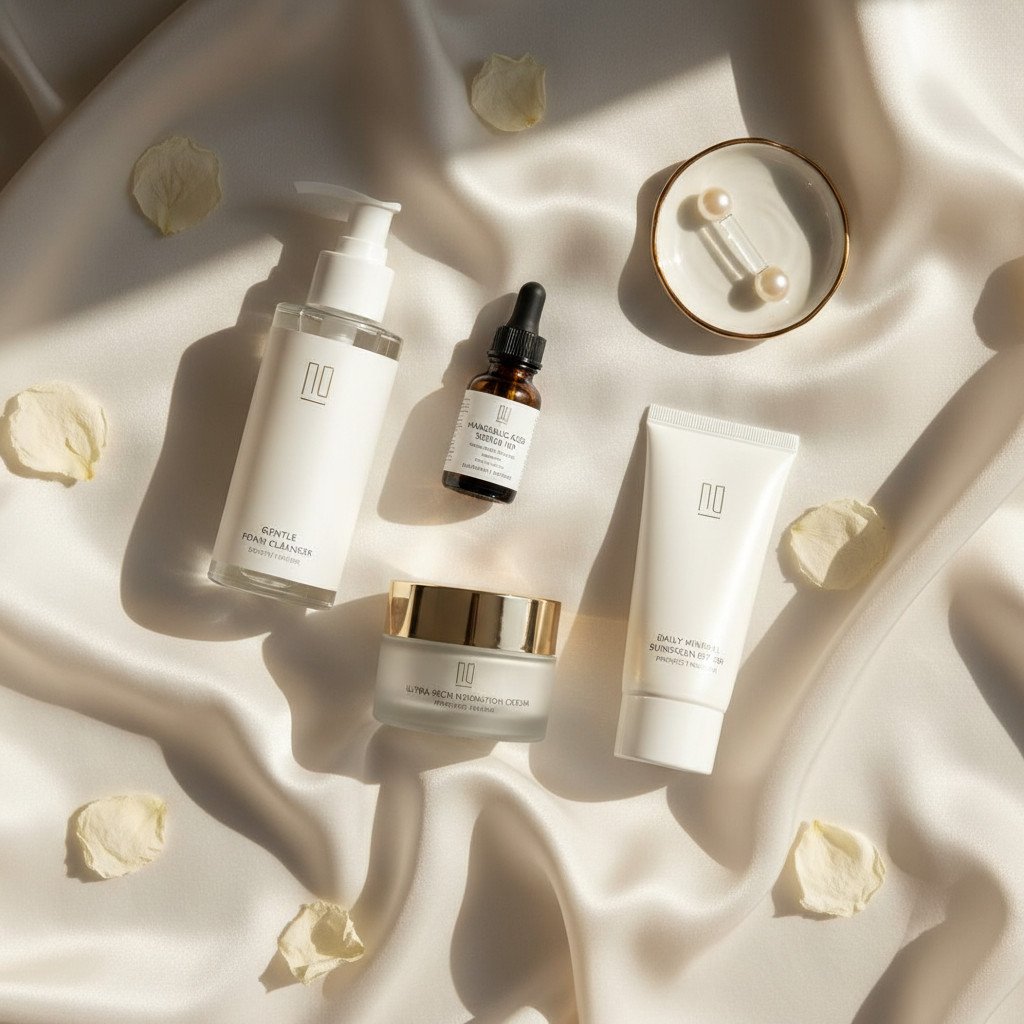
Salicylic Acid (BHA): The Pore-Penetrating Ally for Oily, Acne-Prone Skin
Salicylic acid, a beta hydroxy acid (BHA), stands apart from AHAs due to its oil-soluble nature. This unique property allows it to penetrate through sebum and into the pores, making it exceptionally effective for addressing oily skin, blackheads, whiteheads, and acne. For darker, oily, acne-prone skin, low-strength salicylic acid products (typically 0.5% to 2% in leave-on toners, serums, or short-contact masks) can serve as a form of very superficial chemical exfoliation, helping to decongest pores and reduce breakouts. Its anti-inflammatory properties are also a bonus, as it can help calm existing blemishes.
The main risk with salicylic acid, as with all exfoliants, is overdoing it. Combining salicylic acid with other strong exfoliants (like retinoids or other AHAs), using it too frequently, or applying it to already dry, compromised, or irritated skin can lead to excessive dryness, flaking, and irritation, which can, in turn, trigger PIH. To mitigate this, keep its application targeted (for example, only on the T-zone or breakout-prone areas) and limited in frequency. If you are already using prescription retinoids, consult with your dermatologist before incorporating salicylic acid, as the combination can be too drying and irritating. For managing oily skin and breakouts, salicylic acid toners or salicylic acid cleansers can be excellent choices, but always start slow and observe your skin’s response. The goal is clear, calm skin, not stripped or irritated skin.
The Non-Negotiables: What to Avoid at Home on Dark Skin
While the allure of a quick fix or a dramatic transformation can be strong, some peel types and behaviors are simply not worth the inherent risk on melanin‑rich skin outside of a highly controlled, professional medical setting. This isn’t to say these peels are always forbidden in clinics; rather, it means you should absolutely not be experimenting with them solo in your bathroom. The potential for severe, long-lasting, or even permanent damage, particularly in the form of intractable hyperpigmentation or hypopigmentation, is far too high.
Beware of High-Strength Peels Marketed Directly to Consumers
A crucial red flag to watch out for is any at-home product that attempts to mimic professional concentrations or promises results akin to in-office procedures. This includes very high percentages of glycolic acid (e.g., 20% or higher), any product containing trichloroacetic acid (TCA), phenol, or multi-acid “cocktails” that promise dramatic, visible peeling within a few days. These formulations are designed to penetrate deeply and aggressively, and while they might deliver a noticeable
Frequently Asked Questions
Are at‑home peels safe for Black skin?
At-home peels can be safe for Black skin, but only within a very conservative lane. Low-strength, cosmetic-grade exfoliating masks, toners, or “peel pads” used occasionally are generally safer starting points than high-strength, clinic-style peels in a bottle. The more your peel behaves like a medical procedure—strong sting, visible frosting, heavy days-long peeling—the more it belongs in a professional setting, not at home. On melanin-rich skin, safety comes from the combination of mild formulas, careful timing, minimal layering with other actives, and diligent sunscreen and moisture afterward, not from the acid name alone.
Which at‑home peel acids are best for dark skin?
For many people with darker skin, lactic and mandelic acid are the most forgiving options to start with, due to their larger molecular size and gentler penetration. These are followed by cautious use of low-strength glycolic or salicylic acids. These are best used in well-formulated products designed for cosmetic use, not medical-grade kits. Remember, how you use the acid—strength, frequency, what else is in your routine—matters at least as much as which acid you pick. A mild peel used once or twice a month is usually safer than a stronger one used weekly.
Can at‑home peels get rid of my dark spots completely?
Peels can help soften the appearance of dark spots by speeding up the shedding of pigmented cells, but they’re rarely a standalone cure, especially for deeper or hormonally driven hyperpigmentation. On melanin-rich skin, long-term results usually come from a combination of gentle peels, targeted brightening ingredients, acne or trigger control, and consistent sunscreen. It’s more realistic to expect gradual evening of tone and softening of edges over months, rather than complete erasure after a handful of at-home treatments. For significant hyperpigmentation, professional guidance is often necessary.
How often can I safely do an at‑home peel on dark skin?
For conservative, cosmetic-grade at-home peels, many people with darker skin do best limiting them to once every 2–4 weeks. If you’re also using retinoids, vitamin C, or daily exfoliating toners, you may need even more spacing or to skip peels altogether for stretches. Any sign of persistent tightness, burning, or new darkening is your cue to lengthen the interval, reduce the strength, or step back from peels for a while and rebuild your barrier. Listen to your skin and prioritize its health over aggressive treatment.
What should I do if I over‑peeled and see new dark patches?
If you’ve overdone a peel and notice new or worsening dark patches, the most important step is to stop all exfoliating products and peels immediately. Switch to a routine of gentle cleanser, barrier-supporting moisturizer, and high-protection sunscreen while your skin recovers. Once things have fully calmed—often a matter of weeks—you can slowly reintroduce non-irritating brighteners like niacinamide or azelaic acid. For significant color change, pain, or textural issues, seek professional evaluation promptly from a dermatologist experienced with skin of color.
Should I do an at‑home peel before seeing a dermatologist?
If you already know you want professional help for hyperpigmentation, scarring, or chronic acne, there is no need to “prep” with at-home peels first. In fact, arriving with a freshly peeled or irritated face can delay appropriate treatment because your provider will have to wait for your barrier to recover. It’s usually better to show up with your honest baseline—whatever your skin is doing on its own—and let your clinician guide if, when, and how peels fit into your plan. They can provide a tailored and safer approach.

Shop lactic acid serum on Amazon
Shop lactic acid mask on Amazon
Shop mandelic acid serum on Amazon
Shop salicylic acid toner on Amazon
Shop salicylic acid cleanser on Amazon
Shop gentle cleanser on Amazon
Shop barrier-supporting moisturizer on Amazon
Shop high-protection sunscreen on Amazon
Shop niacinamide serum on Amazon
Shop azelaic acid serum on Amazon
Related next steps
Related posts:
 At‑Home Hair Removal Devices for Dark Skin: Which Are Actually Safe?
 Clinic-Based Peels and Procedures on Dark Skin: Questions to Ask for Confident Care
 The Moisture-Protein Balance – How to Tell What Your Hair Needs and Avoid Breakage
 Hyperpigmentation Treatment Methods for Melanin-Rich Skin: Topicals, Peels, Routines, and Lifestyle Support
 LED Light Therapy at Home on Dark Skin: Safety and Expectations
 Home RF, Lasers, and Hair-Removal Devices for Dark Skin: Where to Draw the Line