Nighttime Care for Natural Hair: Bonnets, Pillowcases, and Styles for Lasting Moisture and Length
For many of us, “protective styling” used to mean Sunday press‑and‑curls wrapped tight in a scarf, praying they’d survive the week. With natural hair, the work doesn’t stop when you turn off the lights. How your coils rub against fabric, how stretched or shrunken they are, and how you wrap—or don’t wrap—them before bed all quietly shape your length retention, moisture levels, and overall hair health. This seemingly simple nightly ritual is, in fact, one of the most powerful and overlooked pillars of a thriving natural hair journey.
This guide treats nighttime care as a core pillar of natural hair health, not an optional extra. It’s an investment in the longevity of your styles, the integrity of your strands, and the vitality of your scalp. We’ll walk through how bonnets and pillowcases protect your strands, which night styles actually help, and how to adapt your routine whether you’re rocking a twist‑out, a silk press, or braids under a wig. We’ll delve into the science behind the friction, the benefits of different fabrics, and practical strategies to ensure you wake up with hair that feels refreshed, not ravaged.
Understanding and implementing an effective nighttime routine is not just about preventing damage; it’s about actively promoting the health and beauty of your natural hair. It’s about giving your coils the respect and care they deserve, even when you’re not actively thinking about them. It’s about transforming what could be a period of vulnerability into a time of deep restoration and preservation. Let’s unlock the secrets to truly restorative sleep for your natural hair, ensuring every morning is a good hair morning.
Why Nighttime Protection Matters for Natural Hair: The Silent Saboteur of Sleep
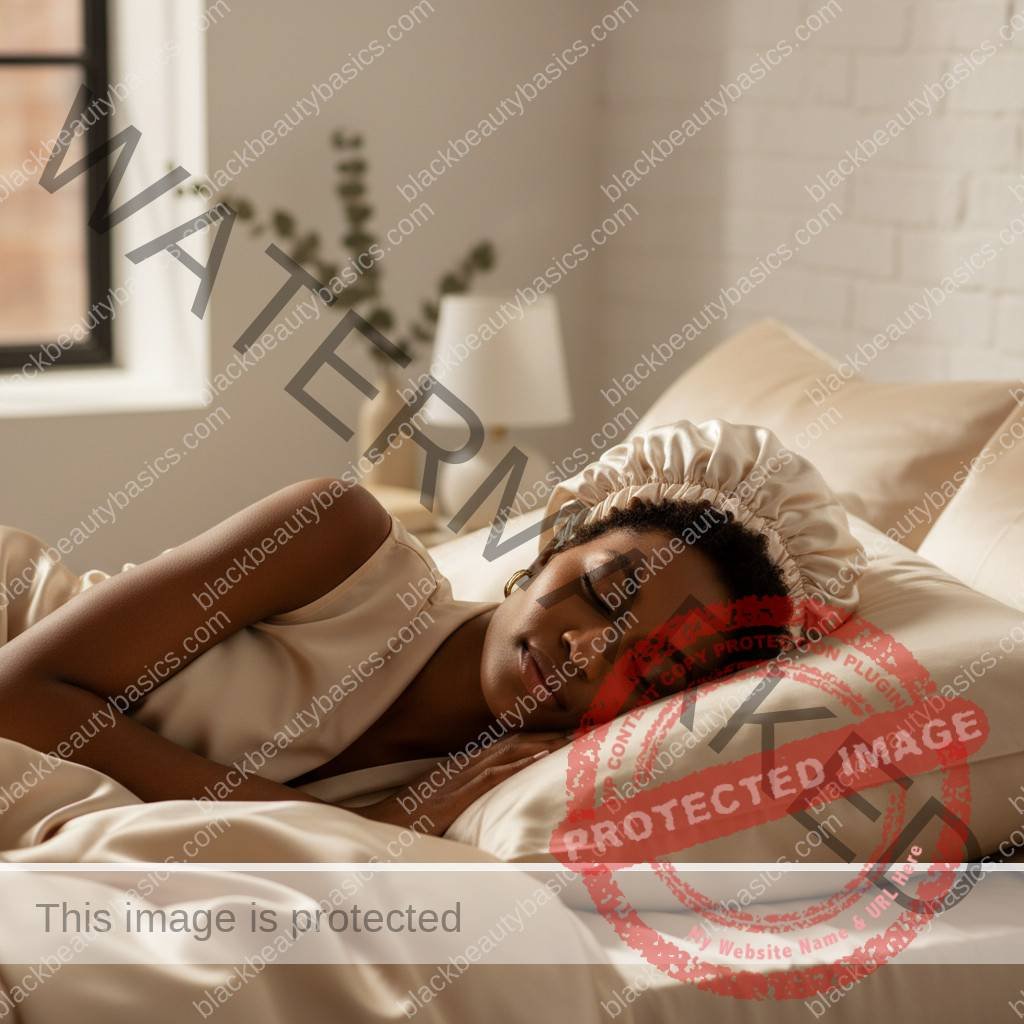
While you sleep, your head spends hours sliding across your pillowcase. On cotton or other rough fabrics, that friction is a silent saboteur. It lifts the cuticle, the outermost protective layer of your hair, much like scales on a fish. When the cuticle is raised, your hair becomes more vulnerable to damage. This constant rubbing also steals precious moisture from your strands, transferring it from your hair into the absorbent fibers of your pillowcase. Over hours, this leads to dryness, which is the enemy of natural hair. Furthermore, the friction creates tangles and knots, especially in the delicate bends and curves of natural coils and kinks. These tangles, when inevitably brushed or combed out in the morning, often lead to frayed ends and breakage. Over time, this cumulative damage shows up as stunted length retention, thinning areas, and styles that never make it past day two, leaving you frustrated and feeling like your efforts are in vain.
Natural hair, especially coils and kinks, has a unique structure with more bends and curves along each strand compared to straighter hair types. Every bend is a potential weak point, a place where the hair shaft is more susceptible to stress and breakage. This inherent fragility means that natural hair requires extra vigilance when it comes to minimizing external stressors. Reducing friction and moisture loss overnight is one of the simplest, yet most profoundly effective, ways to keep those weak points from snapping. It’s a proactive measure that safeguards your hair’s integrity, allowing it to retain moisture, maintain elasticity, and ultimately, grow longer and stronger. By protecting your hair at night, you’re not just preserving your style; you’re investing in the long-term health and vitality of your natural tresses, making your wash-day work last far beyond the morning after.
Consider the cumulative effect: if you sleep for 7-8 hours a night, your hair is exposed to this friction and moisture depletion for over one-third of your day. Without proper protection, this amounts to thousands of hours of potential damage over a year. This constant attrition can undo all the good work you put in during your wash day, your deep conditioning treatments, and your careful styling. It’s like trying to fill a bucket with a hole in the bottom – you can pour in all the moisture and nutrients you want, but if you’re losing it all overnight, you’ll never see the true benefits. Nighttime protection is the essential plug for that hole, ensuring that the moisture you put in stays in, and the integrity of your strands remains intact. It’s a non-negotiable step for anyone serious about healthy, thriving natural hair.
The Science of Friction and Natural Hair
To truly appreciate the importance of nighttime protection, it helps to understand the micro-level interactions happening between your hair and your pillow. The hair cuticle, composed of overlapping cells, functions like a protective shield. When hair is healthy, these cuticles lie flat, creating a smooth surface that reflects light (hence, shine) and locks in moisture. When exposed to friction, especially from rough fabrics like cotton, these cuticles are forced open and lifted. This lifting action not only makes the hair appear dull and rough but also creates tiny snags that lead to tangles. More importantly, an open cuticle allows moisture to escape rapidly, leaving your hair dry and brittle. This dryness, in turn, makes the hair even more prone to breakage, creating a vicious cycle of damage.
Furthermore, the natural oils produced by your scalp, which are crucial for lubricating and protecting your hair, are also absorbed by cotton. This means that not only are you losing external moisture, but your hair is also being stripped of its natural conditioning agents. The result is hair that feels rough, looks frizzy, and is difficult to manage in the morning. For natural hair, which is inherently drier than straighter hair types due to its coiled structure, this moisture loss is particularly detrimental. Each coil and bend in a natural hair strand acts like a mini-trap for moisture, but also a point of vulnerability. When these points are constantly rubbed and dried out, they become weak and prone to snapping. This is why a smooth, non-absorbent surface is not just a luxury, but a necessity for maintaining the health and resilience of natural hair.
Bonnets 101: Your First Line of Defense Against Nighttime Damage
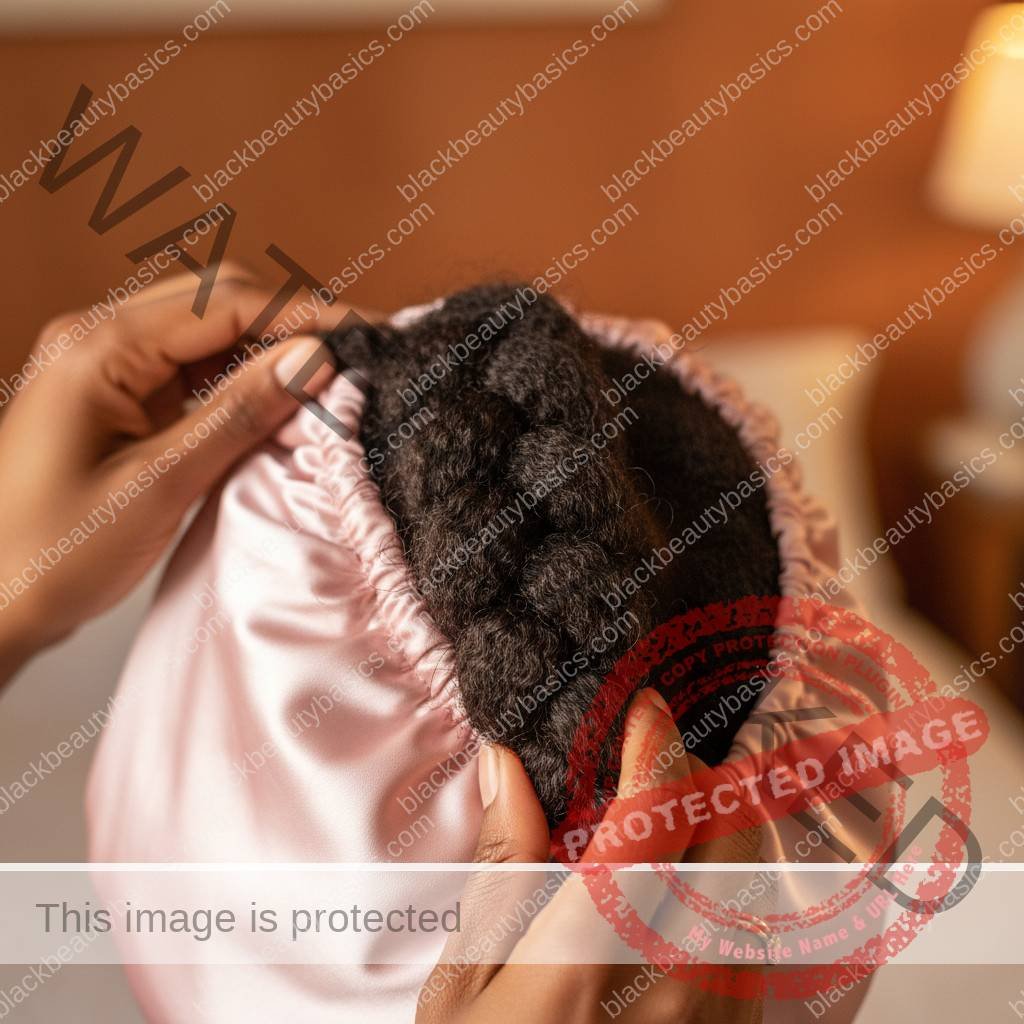
Silk and satin bonnets became staples in Black households for a reason, deeply embedded in our cultural practices of hair care. Their widespread adoption is a testament to their undeniable effectiveness in protecting natural hair. The fundamental principle behind their efficacy lies in their incredibly smooth surfaces. Unlike cotton, which has a microscopic texture that can snag and pull at hair strands, silk and satin provide a frictionless environment. This means significantly less cuticle roughening, fewer tangles, and a dramatic reduction in moisture loss from your hair into your pillowcase. Your hair glides effortlessly across the fabric, preserving its natural oils and the moisture you’ve carefully applied. Beyond preventing friction, bonnets also physically contain your style, whether it’s a fresh twist-out, a carefully set roller set, or a wash-and-go. This containment prevents your hair from getting crushed, flattened, or frizzed as you toss and turn throughout the night, ensuring your morning styling routine is minimal and your definition remains intact.
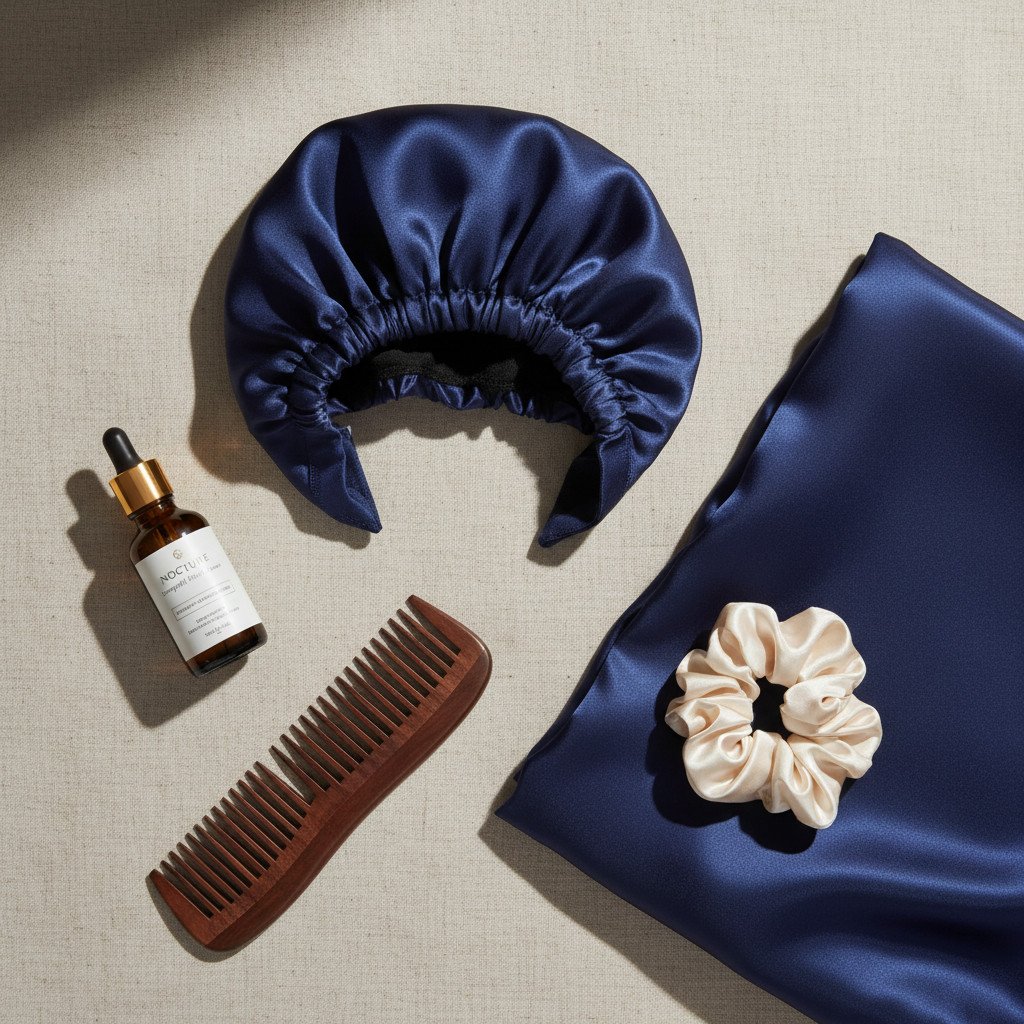
Modern bonnets have evolved significantly, offering a diverse range of options to suit every hair type, length, and style. You can find everything from simple, classic satin caps to luxurious, double-lined silk turbans that offer an extra layer of protection and comfort. For those with voluminous styles like long braids, locs, or even large wigs, there are extra-large bonnets designed to accommodate significant hair without compressing or pulling at the roots. Many bonnets now feature thoughtful design elements like drawstring closures or adjustable elastic bands, ensuring a secure fit that stays on all night without being uncomfortably tight or leaving unsightly marks on your forehead. The specific details of a bonnet—its exact material composition, its brand, or its price point—matter less than how well it fits your head, how comfortable it feels, and most importantly, whether you’re willing to wear it consistently. A bonnet that’s uncomfortable or constantly slips off provides no protection at all. The best bonnet is the one you’ll reach for every single night, making it an indispensable part of your hair care ritual.
The Evolution of the Bonnet: From Necessity to Style Statement
The bonnet’s journey is rich with cultural significance, evolving from a practical necessity to a beloved hair care tool and even a fashion accessory. Historically, head coverings have been used across various cultures for protection, modesty, and adornment. For Black women, the bonnet became a crucial tool for preserving intricate hairstyles, protecting hair from the elements, and maintaining hygiene. In an era when hair was often styled once a week, the bonnet was essential for making those styles last. Today, while its primary function remains protection, bonnets are also celebrated for their aesthetic appeal. Designers offer bonnets in a myriad of colors, patterns, and luxurious fabrics, allowing them to be an extension of personal style. This evolution reflects a broader celebration of natural hair and the tools that support its health, transforming a utilitarian item into something both functional and beautiful. The modern bonnet wearer isn’t just protecting her hair; she’s making a statement about self-care, cultural pride, and the unapologetic embrace of her natural beauty.
Silk vs Satin vs Cotton: Understanding Your Fabric Choices
When it comes to nighttime hair care, the crucial distinction lies between smooth, low-friction fabrics and rougher, absorbent ones. This understanding is fundamental to making informed choices for your hair’s health.
- Silk: The Gold Standard. Silk is a natural protein fiber renowned for its incredibly smooth surface. This inherent smoothness translates to minimal friction against your hair strands, drastically reducing cuticle damage and tangles. Beyond its low-friction properties, silk is also known for being less absorbent than cotton. This means it helps your hair retain its natural moisture and any products you’ve applied, rather than drawing them out. It’s also breathable, allowing for good air circulation around your scalp, which can prevent overheating and discomfort. Often considered the “gold standard” for bonnets and pillowcases, silk offers a luxurious feel and superior hair protection. While it can be a more significant investment upfront, many find the long-term benefits for hair health to be well worth the cost. When shopping for silk, look for terms like “Mulberry silk” and “momme weight,” which indicate quality and durability. Higher momme counts (e.g., 19-25 momme) signify a denser, more durable weave.
- Satin: The Accessible Alternative. Satin is a type of weave, not a fiber, meaning it can be made from various materials. While silk satin is the most luxurious, polyester satin is a popular and much more affordable alternative. Polyester satin effectively mimics silk’s desirable “slip” at a fraction of the cost. Its smooth, glossy surface significantly reduces friction and prevents moisture absorption compared to cotton, making it an excellent choice for bonnets and pillowcases. For many, satin offers the perfect balance of effectiveness and affordability, making consistent nighttime protection accessible. When choosing satin, ensure it’s a high-quality weave that feels smooth to the touch and isn’t prone to snagging. While not as breathable as natural silk, good quality polyester satin still offers substantial benefits for hair health.
- Cotton: The Hair’s Foe. Cotton, while a beloved fabric for clothing and bedding due to its softness and breathability, is unfortunately the nemesis of natural hair when it comes to nighttime protection. Cotton fibers are naturally absorbent and have a microscopic texture that is rough on the delicate hair cuticle. As you sleep, cotton acts like a sponge, drawing out essential moisture and natural oils from your hair, leaving it dry, brittle, and prone to breakage. The friction generated by cotton also lifts the cuticle, leading to frizz, tangles, and snags. While great for sheets and towels, cotton is detrimental for exposed curls and coils, actively working against your efforts to maintain moisture and length. Sleeping directly on a cotton pillowcase without any hair protection is one of the quickest ways to undo your hair care efforts and contribute to dryness and damage.
Whether you ultimately choose silk or satin, the overarching priority is to use something smooth and non-absorbent where your hair meets the pillow. This simple switch from cotton is a foundational step in preserving your hair’s moisture, reducing friction, and preventing damage. It’s about creating an optimal environment for your hair to rest and thrive, rather than letting bare curls drag across a damaging cotton surface every single night.
The Environmental and Ethical Considerations of Silk and Satin
Beyond performance and price, some consumers also consider the environmental and ethical implications of their fabric choices. Silk production, while natural, involves silkworms, which raises ethical questions for some. There are
Frequently Asked Questions
Do I really need both a bonnet and a satin pillowcase?
You don’t necessarily need both, but they offer complementary benefits. A bonnet provides direct containment and friction reduction for your hair, while a satin or silk pillowcase acts as a crucial backup if your bonnet shifts or comes off during the night. Using both offers maximum protection, ensuring your hair is always gliding on a smooth surface, whether covered or exposed.
Is silk really better than satin for nighttime hair protection?
Silk, being a natural fiber, offers superior breathability and a slightly smoother surface, making it the ‘gold standard’ for many. However, high-quality polyester satin provides excellent slip and friction reduction comparable to silk at a more accessible price point. The most significant factor is consistent use of either a smooth, non-absorbent fabric over sleeping directly on cotton.
What’s the best way to wear my natural hair to bed to prevent breakage?
The best nighttime styles minimize tension and group your hair to prevent tangles and friction. Options like a loose pineapple, chunky twists or braids, or soft buns are ideal. These methods protect your ends, maintain your style’s definition, and reduce manipulation, leading to less breakage and easier mornings.
How often should I moisturize my hair at night?
Moisturizing frequency at night depends on your hair’s porosity and current moisture levels. High-porosity hair might benefit from a light mist and seal a few times a week, while low-porosity hair may only need it occasionally to avoid buildup. Listen to your hair; if it feels dry or rough, a targeted refresh is beneficial, but avoid daily heavy product application.
What if my bonnet always slides off while I sleep?
If your bonnet consistently slips off, consider trying an adjustable bonnet with a drawstring or a wider, softer elastic band, or even a satin scarf tied securely. Pairing your bonnet with a satin or silk pillowcase provides insurance, ensuring your hair is protected even if your headwear doesn’t stay put throughout the night. Experiment with different styles until you find one that offers both security and comfort.
Do protective styles still need bonnets and pillowcases at night?
Absolutely. Even protective styles like braids, twists, and locs benefit immensely from nighttime protection. A large bonnet or scarf prevents friction that can lead to frizz, dryness, and lint accumulation, helping your style last longer and keeping your hair healthy underneath. For wigs, it’s crucial to remove them, protect your base braids, and avoid sleeping with tight bands.

Can sleeping on a satin pillowcase alone replace a bonnet?
While a satin pillowcase is a significant improvement over cotton and offers excellent protection, it doesn’t fully replace a bonnet. A bonnet contains your hair, preventing it from moving around as much, which is especially beneficial for preserving complex styles like twist-outs or roller sets. A pillowcase protects exposed hair, but a bonnet offers more comprehensive coverage and style preservation.
Are there specific products I should use for nighttime moisture?
For nighttime moisture, focus on lightweight, water-based refreshers or leave-in conditioners. A light mist of water followed by a small amount of a sealing oil (like jojoba or argan) can be effective. Avoid heavy butters or creams nightly unless your hair is extremely dry, as they can lead to buildup and weigh down your hair. The goal is to supplement, not saturate.
How do I clean my bonnet and pillowcase?
Most satin bonnets and pillowcases can be machine washed on a delicate cycle with cold water and a mild detergent, then air-dried. For silk, hand washing or a very gentle machine cycle with a silk-specific detergent is recommended, followed by air drying away from direct sunlight. Regular cleaning is important to prevent product buildup and maintain hygiene.
What if I find bonnets uncomfortable or too hot?
If bonnets feel uncomfortable or too hot, try different styles and materials. Silk bonnets are often more breathable than synthetic satin. You might also prefer a satin scarf, which can be tied more loosely. Alternatively, a high-quality silk or satin pillowcase alone can provide significant protection without any headwear. The key is finding a solution that you can comfortably adhere to every night.
Shop silk pillowcase on Amazon
Related next steps
Related posts:
 Why Satin Bonnets & Pillowcases Are Non-Negotiable for Healthy Hair
 Low‑Manipulation Styles for Length Retention in Natural Hair
 Protective Styling 101 – How to Choose Styles That Retain Length Without Damaging Your Edges
 Building a 4C and Tightly Coiled Hair Routine: Your Guide to Effortless Care and Lasting Radiance
 Nighttime Skincare Routine for Black Women with Hyperpigmentation
 Protective Styles That Actually Protect: Braids, Twists, Wigs, and Maintenance for Thriving Natural Hair