Product Layering for Natural Hair: The Ultimate Guide to Leave‑In, Cream, Oil, and Gel
Most natural hair routines use the same four characters—leave‑in, cream, oil, gel—but the order you cast them in can completely change the story. Layer them well and your hair feels soft, defined, and touchable. Layer them poorly and you end up with buildup, flakes, and styles that collapse before mid‑week. This guide breaks down how to layer products on melanin‑rich curls and coils so you get what you actually want: moisture that lasts, definition that doesn’t crack, and roots that can still move. We’ll walk through the logic behind LOC vs LCO, how porosity and density matter, and give you practical routines for twist‑outs, wash‑and‑go’s, and protective styles.
For generations, Black women have understood that our hair is a crown, a canvas, and a connection to our heritage. The journey to understanding its unique needs, its glorious textures, and its inherent strength is one of self-discovery and self-love. Product layering, far from being a mere trend, is a sophisticated dance with your hair’s natural inclinations, a way to amplify its beauty without ever compromising its health. It’s about creating harmony between your hair’s natural state and the nourishment you provide, ensuring every strand is honored and cared for.
This isn’t just about applying products; it’s about understanding the science and the art of natural hair care. It’s about empowering you with the knowledge to make informed choices, to listen to your hair, and to craft a routine that truly serves its magnificent potential. We’ll demystify the process, turning what might seem like a complex chemical equation into an intuitive, joyful ritual. By the end of this guide, you’ll not only know *how* to layer but *why* each step matters, allowing you to confidently create styles that reflect your inner radiance and strength.
Why Product Order Matters on Natural Hair: The Foundation of Lasting Moisture and Definition
Natural hair thrives on moisture, but it doesn’t respond well to being suffocated. Water‑based products need a chance to reach the strand; richer creams and oils are there to wrap and seal that moisture in. If you reverse that order, you end up coating the hair first and asking water to fight its way through a barrier. Imagine trying to hydrate a parched plant by pouring oil on its leaves first—the water struggles to penetrate, and the plant remains thirsty. Our curls and coils are no different.
On curls and coils, this matters even more. The bends along each strand are spots where moisture escapes quickly and where heavy buildup can collect. These natural curves, while beautiful, create unique challenges for product distribution and retention. A smart layering routine respects that: lightest and most watery first, richer and more occlusive last. This strategic application ensures that each product performs its intended function optimally, without hindering the efficacy of the others. It’s about creating a synergistic effect where 1 + 1 + 1 equals more than 3, leading to hair that is not just styled but genuinely nourished from within.
Understanding the ‘why’ behind the order is paramount. It’s not arbitrary; it’s rooted in the very structure of our hair. The outermost layer of each hair strand, the cuticle, acts like shingles on a roof. When wet, these cuticles can lift slightly, allowing moisture to enter. Water-based products, like leave-ins, are designed to penetrate this layer, delivering essential hydration directly to the hair’s cortex. If you apply a heavy oil or cream first, you effectively lay down a waterproof barrier, preventing the much-needed water from reaching its destination. This can lead to hair that feels soft on the surface but is dry and brittle underneath, prone to breakage and dullness.
Moreover, proper layering prevents product pilling and flaking. When incompatible products are applied in the wrong sequence, or when a heavy product precedes a lighter one, they can fail to absorb properly, leading to unsightly white residue or a sticky, unpleasant texture. This is particularly common when gels are applied over too much oil or a very rich cream that hasn’t fully absorbed. The goal is seamless integration, where each product melts into the hair, contributing to a cohesive, beautiful result. It’s about working with your hair’s natural architecture, not against it, to achieve maximum hydration, definition, and shine without the unwelcome side effects of improper application.
The Core Players: What Each Product Does in Your Natural Hair Symphony
Before you decide on order, it helps to be clear about the role of each product in the cast. Think of your hair care routine as an orchestra, and each product as a distinct instrument, playing a crucial part in the overall harmony. Understanding their individual contributions allows you to conduct your routine with precision and purpose.
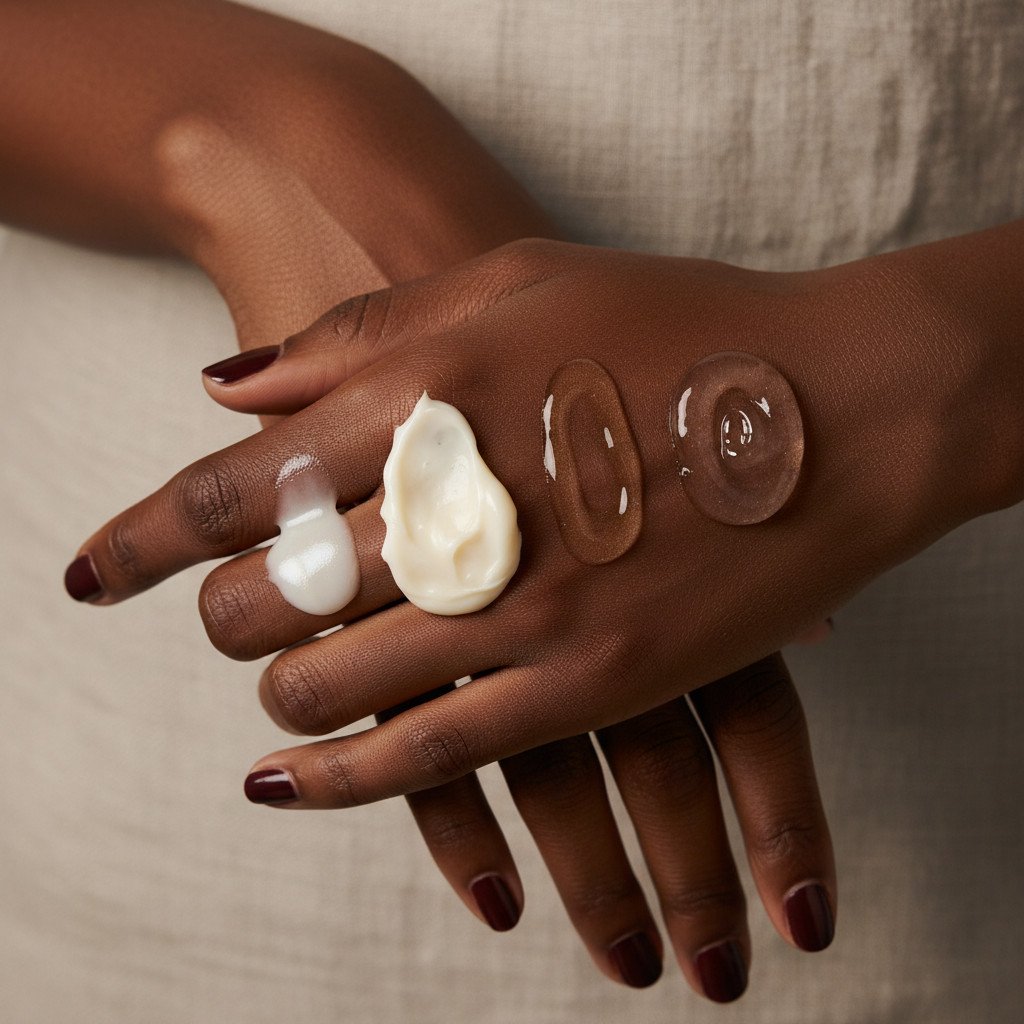
- Leave‑in: The Hydration Conductor
A light, water‑based conditioner or milk that hydrates, adds slip, and preps hair for styling. It’s the first layer of moisture, often rich in humectants and conditioning agents, designed to infuse your strands with water and make detangling a breeze. Think of it as the primer for your hair, creating a smooth, hydrated canvas for subsequent products. It helps to close the cuticle slightly and balance the hair’s pH after washing, making it more receptive to further nourishment. Many leave-ins also offer light protein to strengthen the hair and protect against environmental stressors. - Cream: The Softness and Clump Creator
A richer moisturizer that adds body, conditioning, and curl clumping—often the main “softness” layer. Creams are typically thicker than leave-ins, containing a blend of water, oils, and butters. They provide sustained moisture, enhance curl definition, and reduce frizz by creating a protective barrier around the hair shaft. This is where you get that luxurious, supple feel, helping your curls to form beautiful, juicy clumps. They bridge the gap between the initial hydration of a leave-in and the sealing power of an oil, offering both conditioning and a touch of hold. - Oil: The Sealing Specialist and Shine Enhancer
A sealant that slows moisture loss and adds shine; depending on the oil, it may also penetrate slightly and improve flexibility. Oils don’t typically hydrate on their own; their primary role is to lock in the moisture provided by the leave-in and cream. They create a protective barrier that reduces transepidermal water loss, keeping your hair hydrated for longer. Some oils, like coconut or olive oil, have smaller molecular structures that allow them to penetrate the hair shaft, offering internal nourishment and improving elasticity. Others, like jojoba or argan oil, are excellent for surface sealing and adding a healthy sheen without feeling greasy. - Gel (or foam/mousse): The Definition Architect and Hold Provider
A styler that provides hold, definition, and frizz control; some also contain conditioning agents or proteins. Gels are the final touch, designed to sculpt and set your style. They create a cast around your curls, locking in their shape and protecting them from humidity, which is a common culprit for frizz. Foams and mousses offer lighter hold and more volume, while gels provide stronger, more defined results. They are crucial for styles like wash-and-gos, twist-outs, and braid-outs, ensuring your hard work lasts for days. Many modern gels are formulated with conditioning ingredients to prevent dryness and flaking, offering hold without stiffness.
In most routines, leave-in and cream are about hydration and conditioning, oil is about sealing and slip, and gel is about shaping and setting. Each product has a distinct purpose, and when used in the correct sequence, they work in concert to achieve optimal results. It’s about building layers of care, from the inside out, to nurture your natural hair to its fullest potential.
LOC vs LCO: Unlocking the Best Order for Your Unique Strands
Two acronyms dominate natural hair layering: LOC (Liquid/Leave‑In → Oil → Cream) and LCO (Liquid/Leave‑In → Cream → Oil). Both aim to hydrate and then seal, but they feel very different depending on your hair. The choice between them is deeply personal and depends on your hair’s specific needs, porosity, density, and even the climate you live in. It’s not a one-size-fits-all solution, but rather a starting point for experimentation and discovery.
LOC (Leave‑In → Oil → Cream): The Moisture Fortifier
With LOC, you apply oil before cream. This method prioritizes sealing the initial hydration with an oil before adding the cream for extra conditioning and softness. The oil acts as an immediate barrier, trapping the water from the leave-in inside the hair shaft. This tends to work best for:
- High‑porosity hair that loses moisture quickly: High porosity hair has raised cuticles, making it easy for moisture to enter but also to escape. Applying oil first helps to ‘fill’ those gaps and create a more robust seal, preventing rapid moisture loss. The oil acts like a protective shield, slowing down the evaporation process.
- Thicker strands that aren’t easily weighed down: Coarser, thicker hair types can handle the density of an oil followed by a cream without feeling greasy or heavy. They often require more substantial products to feel adequately moisturized and defined. The layers build up to provide deep nourishment without compromising volume.
- Very dry climates where extra sealing is helpful: In arid environments, moisture evaporates rapidly from the hair. The LOC method provides an extra layer of protection against the drying effects of the air, helping your hair stay hydrated for longer. The oil forms a more significant barrier against environmental dryness.
The oil creates an early barrier, and the cream adds cushioning and softness on top. This sequence can be particularly beneficial for those struggling with chronic dryness, as it maximizes moisture retention. On some textures, though, cream over oil can feel waxy or heavy, especially if the cream itself is rich. It’s crucial to use a lightweight, non-greasy oil if you find this to be the case, and to apply the cream sparingly, focusing on even distribution.
When implementing the LOC method, consider the type of oil. Lighter oils like grapeseed or jojoba might be better for those who fear heaviness, while heavier oils like castor or olive oil could be ideal for very dry, high-porosity hair. The cream should then be worked in thoroughly, ensuring it absorbs into the hair that has already been prepped with the leave-in and oil. The feeling should be one of deep conditioning and softness, not a greasy residue.
LCO (Leave‑In → Cream → Oil): The Softness Maximizer
With LCO, you put the richer water‑based cream on before adding oil. This method focuses on delivering maximum conditioning and softness from the cream before sealing it all in with the oil. The cream, being thicker and often richer in emollients than the leave-in, provides a substantial layer of moisture and helps with curl clumping. This often suits:
- Low‑to‑medium porosity hair that resists moisture: Low porosity hair has tightly closed cuticles, making it difficult for moisture to penetrate. Applying a cream after the leave-in helps to gently open the cuticles further and infuse more water-based goodness before the oil seals it. The cream’s emollients can help soften the cuticle, making it more receptive.
- Fine or low‑density hair that gets greasy easily: For finer strands or hair that is less dense, applying a rich cream first allows for better absorption without immediately creating a heavy, oily feeling. The oil then acts as a lighter, finishing seal, preventing the hair from being weighed down. This method helps maintain volume and bounce.
- People who like softness and movement more than heavy sealing: If your priority is soft, touchable hair with natural movement, the LCO method often delivers. The cream provides that luxurious feel, and the oil simply locks it in without adding excessive weight or a stiff cast. It’s about achieving a beautiful balance between moisture and flexibility.
Here, the cream delivers more water and conditioning first, and oil is the finishing touch to seal and add shine. For many, especially with 4A–4C hair, LCO offers a better balance between moisture and volume. The cream has a chance to fully integrate and provide its benefits before the oil creates its barrier. This can lead to a more plush, hydrated feel that lasts. It’s about allowing the hair to drink in the cream’s goodness before it’s sealed.

When using the LCO method, pay attention to the texture of your cream. A lighter cream or milk might be better for very fine hair, while a thicker butter-based cream could be perfect for dense, coarse coils. The oil should be applied sparingly, focusing on the mid-lengths and ends, to avoid weighing down the roots. The goal is a light, protective layer that enhances shine and seals, rather than saturates. Experimentation with different product consistencies within the LCO framework will lead you to your perfect cocktail.
How Porosity and Density Shape Your Layering Strategy: Tailoring Your Routine to Your Hair’s Unique Blueprint
The same routine won’t behave the same way on every head. This is the beautiful truth of natural hair – it is as diverse and unique as the women who wear it. Two factors quietly change everything: porosity (how your hair absorbs and holds water) and density (how many strands you have per square inch). Understanding these intrinsic characteristics of your hair is like having a personalized map to optimal hair health and styling. It allows you to move beyond generic advice and craft a truly bespoke regimen that honors your hair’s individual needs.
High Porosity Curls and Coils: The Thirsty Beauty
High porosity hair drinks in moisture quickly and loses it just as fast. This is often due to damage (chemical treatments, heat, rough handling) or it can be naturally occurring. The cuticles are raised, creating gaps that allow water to enter and exit with ease. This means your hair needs products that are rich in humectants to draw moisture in, and powerful sealants to keep it there. Your layering strategy should be focused on maximizing moisture absorption and then locking it down for the long haul. Without proper sealing, high porosity hair can feel perpetually dry, leading to frizz and breakage.
Layering tips for High Porosity Hair:
- Use a generous leave‑in on damp hair to load in hydration: Don’t be shy with your leave-in. High porosity hair can handle and needs a substantial amount of water-based moisture. Look for leave-ins with ingredients like hyaluronic acid, aloe vera, or glycerin, which are excellent humectants. Apply it thoroughly to soaking wet or very damp hair to ensure maximum absorption before the cuticles begin to close. This initial drenching is critical for providing the foundation of moisture.
- Add a substantial cream for extra cushioning and deep conditioning: Follow up with a rich, emollient cream. This cream will provide a deeper layer of conditioning and help to further smooth the raised cuticles. Ingredients like shea butter, mango butter, or heavier plant oils (like avocado or olive oil) in your cream will be beneficial. The cream helps to plump up the strands, reducing the likelihood of frizz and adding a luxurious softness.
- Seal with oil, paying close attention to your ends: The oil is your moisture guardian. For high porosity hair, a heavier oil or an oil blend can be very effective in creating a strong seal. Oils like castor oil, jojoba oil, or a blend specifically designed for sealing will work wonders. Your ends are the oldest and often most porous part of your hair, so they need extra attention. Don’t skimp on applying oil to the ends to prevent split ends and breakage.
- Choose gels that don’t leave your hair brittle; look for stylers that mention moisture or flexibility: While hold is important, high porosity hair can become brittle with overly drying gels. Opt for gels that contain humectants or conditioning agents. Look for terms like
Frequently Asked Questions
What is the “correct” order: leave‑in, cream, oil, gel?
A good general order for most natural hair is: leave‑in → cream → oil → gel (if you’re using gel), with gel usually being last or near‑last. This respects the light‑to‑heavy principle: water‑based formulas first to hydrate, richer creams next to condition, then oils to seal, and finally gel to shape and hold. That said, wash‑and‑go routines often do best with leave‑in → gel, adding cream or oil afterward if needed. The “correct” order is the one that gives you hydrated, defined hair without residue or stiffness.
Do I have to use all four products every time I style?
No. Many routines work beautifully with just two or three steps: for example, leave‑in + gel, or leave‑in + cream + oil. Using every category at once can be too much, especially on fine, low‑density, or low‑porosity hair. Let your hair’s needs and the style you’re doing decide which roles are essential. If your hair already feels soft and moisturized with leave‑in and cream, you may only need a small amount of gel on top—or none at all for some styles.
How do I know if I should use LOC or LCO?
If your hair dries out quickly and feels rough even soon after moisturizing, trying LOC (leave‑in → oil → cream) or a heavier LCO may help by adding more sealing. If your hair gets greasy or coated easily, or feels like product just sits on top, LCO (leave‑in → cream → oil) with light layers—or even leaving out oil—often works better. The easiest way to decide is to test on a small section for a week or two and see which order leaves your hair feeling softer and moisturized for longer without buildup.
Where does heat protectant fit into my layering routine?
If you’re using direct heat (blow‑dryer, flat iron), apply your heat protectant after leave‑in and before any heavier creams or oils. It needs to be close to the hair fiber to be effective. For blow‑drying, many people use leave‑in → heat protectant → light cream or foam, then a small amount of oil or serum after styling if needed. Using heavy oils before heat protectant can interfere with how well the protectant coats the hair and can increase the risk of “frying” strands at high temperatures.
Why does my hair feel dry even though I layer so many products?
Dryness in the middle of heavy layering usually means moisture is not getting in—or it’s getting in but being blocked or lost quickly. Common culprits include product buildup, very heavy butters or oils used too early in the routine, and skipping deep conditioning in favor of daily surface products. Clarifying, simplifying your routine to focus on a strong wash‑day (deep conditioner + leave‑in + one moisture layer), and adjusting the amount of oil often make a bigger difference than adding new products on top.
Can I layer gel over oil, or will it always flake?
Some gels will glide over a light oil just fine, especially if the oil is used sparingly and your hair is still damp. Others will sit on top, separate, or create residue. There’s no universal rule; it depends on the formula and how much oil you use. If you consistently see flakes with gel over oil, try reducing or skipping oil before gel, or using oil only after your hair is fully dry to scrunch out crunch.
Shop leave-in conditioner on Amazon
Related next steps
Start Here → Natural Hair Care And Protective Styles → Natural Hair Care 101 For Black Women Moisture Protein Length Retention → Texture Specific Routines 4c Porosity Mixed Textures → Moisture Protein And Strength Balance → Everyday Low Manipulation Styling → Hair Growth For Black Women Scalp Nutrition Routine → Hair Growth And Scalp Health →Related posts:
 The Ultimate Guide to Caring for Black Hair: Challenges, Solutions, and Product Recommendations
 The Ultimate Winter Makeup Guide for African American Women: In-Depth Looks and Product Recommendations
 Mastering the Art of Natural Hair Prep: Your Ultimate Guide to Protective Styles Without Breakage
 Honest Beauty Ageless Firm and Smooth Cream: The Ultimate Vegan Collagen Skincare Solution Review
 The Ultimate Wash Day Routine: A Step-by-Step Guide for Luxurious Natural Hair Care
 Protective Styles That Actually Protect: The Ultimate Guide to Natural Hair Health and Growth