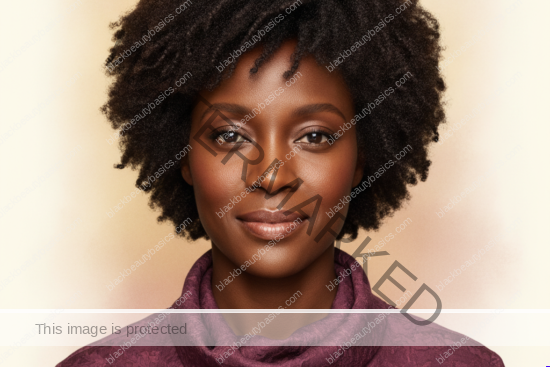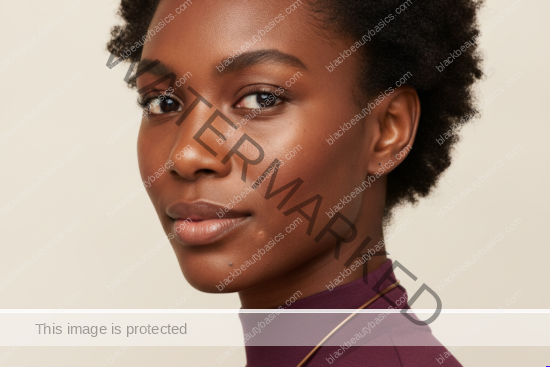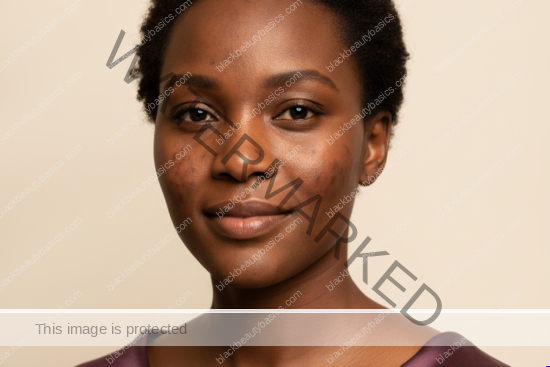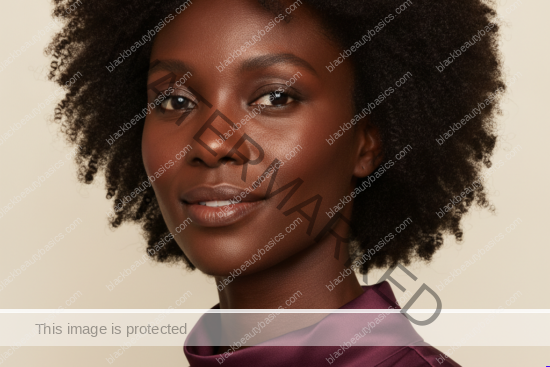
How to Find Your Undertone as a Black Woman (With Examples)
If you’ve ever walked out of a store with a foundation that looked perfect under fluorescent lights but turned red, gray, or “almost right but not quite” at home, undertone is probably why. It’s that subtle, often overlooked characteristic of your skin that dictates how colors truly interact with your complexion, making the difference between a shade that enhances your natural beauty and one that leaves you feeling a little off-kilter. For many Black women, this experience is all too common, a frustrating dance with makeup counters and online swatches that rarely seem to capture the true vibrancy of melanin-rich skin.
For Black women with deep, melanin‑rich skin, most undertone advice is either oversimplified (“all dark skin is warm”) or demonstrated on lighter models, making it hard to see yourself in the examples. This often leads to a cycle of trial and error, purchasing products that promise to be a perfect match but ultimately fall short, leaving behind a collection of unused foundations and a lingering sense of cosmetic confusion. The beauty industry has historically struggled to represent the full spectrum of Black skin tones, and this gap in understanding extends deeply into the nuances of undertone, often forcing Black women to adapt generic advice that simply doesn’t apply.
This guide breaks undertone down in plain language, using tests and descriptions that actually work on dark skin tones, so you can stop guessing and start choosing foundation, blush, and lip colors that feel like they were made for you. We’ll delve into the specific ways undertones manifest on deeper complexions, offering practical, actionable advice that respects the unique beauty of Black skin. Our aim is to demystify this crucial aspect of makeup, empowering you with the knowledge to confidently select products that truly complement your individual radiance, ensuring your makeup always looks harmonious and authentically you.
When you’re ready to plug this into your full routine, you can head back to our Makeup for Deep Skin Tones hub for step‑by‑step base, color, and glow guidance tailored to melanin‑rich skin. This journey into understanding your undertone is just the beginning; it’s a foundational step that unlocks a world of personalized beauty choices, allowing you to build a makeup wardrobe that celebrates your unique complexion with precision and grace. Consider this your essential roadmap to a more confident and beautifully aligned makeup experience.
What Undertone Is (and What It Isn’t)
Undertone is the subtle “temperature” of your skin—the quiet color that sits underneath your surface and doesn’t really change when you tan, lighten a bit, or deal with breakouts. It’s the underlying hue that peeks through your skin’s surface, influencing how colors appear on you. Unlike your skin’s surface color, which can fluctuate due to sun exposure, environmental factors, or temporary skin conditions, your undertone remains constant throughout your life. Think of it as the permanent filter through which your skin’s natural color is perceived, a foundational element that dictates your overall color harmony.
It’s different from depth (how light or deep you are) and from surface issues like redness, dullness, or hyperpigmentation that makeup can correct or cover. Understanding this distinction is paramount, especially for Black women, whose skin tones exhibit an incredible range of depths and surface variations. Many mistakenly conflate undertone with surface characteristics, leading to incorrect makeup choices. For instance, temporary redness from irritation or hyperpigmentation from acne scars are surface concerns that can be addressed with color correction and coverage, but they do not alter your inherent undertone. Your undertone is a more intrinsic quality, a consistent backdrop to your skin’s ever-changing surface.
- Depth: This refers to how light or dark your skin appears overall. You might have a deep, very deep, medium-deep, or even a light-deep complexion. Depth is the most obvious characteristic of your skin tone, the first thing people notice. It can change slightly with sun exposure, becoming deeper in the summer months and potentially lighter in the winter. However, even with these fluctuations, your underlying undertone remains the same.
- Undertone: This is the internal hue that influences how your skin reacts to different colors. It’s the “temperature” of your skin, categorized primarily as warm (golden, yellow, peach), cool (red, pink, blue), neutral (a balance of warm and cool), or olive (a muted, sometimes greenish cast). Your undertone is stable; it’s the constant factor that helps you determine which makeup shades and clothing colors will truly flatter you, making your skin look vibrant and healthy.
- Surface: These are the external, often temporary, conditions or characteristics visible on the very top layer of your skin. This includes issues like dark spots from hyperpigmentation, redness from inflammation or irritation, ashiness due to dryness, or the effects of recent sun exposure. Makeup is often used to address and balance these surface concerns, providing an even canvas, but it’s important not to confuse these with your underlying undertone. A foundation that perfectly matches your undertone will look harmonious even if you have minor surface imperfections, whereas a foundation that clashes with your undertone will highlight those imperfections or create an unnatural cast.
Two women can have the same depth of deep brown skin but completely different undertones, which is why the same foundation can look perfect on your friend and off on you. This is a critical point that often goes unaddressed in mainstream beauty advice. Just because two individuals share a similar skin depth, it doesn’t mean they share the same undertone. One woman might have a rich, golden-warm undertone that makes golden-based foundations sing, while another, with the exact same depth, might possess a cool, red-based undertone that makes those same golden foundations appear jarring or ashy. Recognizing this nuance is the first step towards truly personalized and effective makeup selection, allowing you to move beyond generic recommendations and embrace the unique beauty of your own complexion.
The Main Undertone Families on Deep Skin
Deep skin tones show undertones differently than lighter ones; melanin can mute or soften certain hues while amplifying others. The presence of higher concentrations of melanin means that undertones can appear more subtly or, conversely, with a surprising intensity that might not be immediately obvious without careful observation. This is why standard undertone tests designed for lighter skin often fail to provide clear answers for Black women. The rich tapestry of melanin can absorb or reflect light in unique ways, making the typical “vein test” or simple color comparisons less reliable. Instead, we need to look for specific indicators that resonate with the unique characteristics of deep complexions, understanding that the interplay between melanin and underlying hues creates a distinct visual language.
You may sit clearly in one category or feel “in between”—that’s normal, and many Black women are neutral‑leaning or have subtle olive notes on top of warm or cool. It’s important to remember that undertones are not always rigidly defined. The human complexion is complex and often blends characteristics, especially in melanin-rich skin. You might find that your skin exhibits a primary undertone but also hints of another, making you a “neutral-warm” or “cool-olive.” This fluidity is a beautiful aspect of diversity in Black skin tones. Don’t feel pressured to fit neatly into a single box; instead, embrace the nuances of your complexion and use these categories as guides to help you understand the general direction of your undertone, allowing for a more flexible and intuitive approach to makeup selection.
Warm / Golden Undertones
If you have warm or golden undertones, your skin reads like rich brown with a golden, honey, or sun‑lit cast in natural light. This isn’t just about a surface glow; it’s an intrinsic warmth that emanates from within your complexion, giving it a vibrant, sun-kissed quality even without direct sun exposure. Your skin might evoke the colors of caramel, butterscotch, or a rich, burnished bronze. When you look at your bare skin in good daylight, you might notice a subtle yellow or peachy-golden hue that seems to infuse your brown, making it appear luminous and inviting. This warmth is often what gives your skin a healthy, radiant appearance, making it seem as though you’ve just returned from a relaxing vacation, even when you haven’t.
Foundations labeled “warm,” “golden,” or “yellow” often look more natural than those labeled “cool” or “pink,” as long as they’re not too orange. For those with warm undertones, foundations that incorporate a golden or yellow base will typically blend seamlessly into your skin, enhancing its natural radiance. The key is to find a balance; while a golden base is ideal, an overly orange or overtly yellow foundation can still look unnatural, creating a disconnect between your face and neck. The goal is to find a shade that mimics the subtle, natural warmth of your skin without overpowering it. When testing, look for foundations that seem to disappear into your skin, leaving behind a harmonious, even-toned finish that truly looks like your skin, only better. These foundations will complement the natural richness of your complexion, making it appear vibrant and alive.
Cool / Red Undertones
For those with cool or red undertones, your skin has a deeper cocoa or wine‑like richness; in good daylight, you notice a subtle red or berry warmth rather than overt gold. This undertone often presents as a beautiful, deep richness, sometimes reminiscent of mahogany, espresso, or a deep plum. When observed in natural light, your skin might reveal a delicate flush of red, a hint of berry, or even a subtle bluish-red hue that gives your complexion a striking depth. This isn’t a surface redness, but rather an integral part of your skin’s underlying color, providing a captivating contrast to the golden undertones often assumed for deep skin. It contributes to a sophisticated and often dramatic appearance, making your skin look incredibly rich and velvety.
Golden/yellow foundations tend to make you look a bit greenish or off, while more neutral or slightly red‑toned shades feel more like your real skin. If you have cool undertones, you’ve likely experienced the frustration of trying on foundations that promise to be a match but instead leave your skin looking sallow, ashy, or even with an undesirable greenish cast. This happens because the yellow or golden pigments in those foundations clash with the red or berry undertones of your skin. Instead, you’ll find greater success with foundations that have a neutral base or those specifically formulated with a subtle red, plum, or even blue-red pigment. These shades will harmonize with your natural complexion, providing a seamless blend that enhances your skin’s inherent richness and vibrancy, making it appear balanced and truly radiant without any unwanted discoloration.
Neutral Undertones
If you possess neutral undertones, your brown looks balanced—neither obviously golden nor obviously red. This means your skin doesn’t lean strongly towards either warm or cool hues, but rather exhibits a harmonious blend of both. When you examine your bare skin in natural light, you won’t detect a pronounced golden glow or a distinct red flush. Instead, your complexion will appear evenly toned, with a subtle balance that makes it highly adaptable to a wider range of colors. This balanced characteristic is a true advantage, as it allows for greater flexibility in makeup choices, making it easier to find shades that complement your skin without much effort. Your skin simply looks like a beautiful, true brown, without any dominant underlying color pulling it in one direction or another.
Both gold and silver jewelry look good, and foundations labeled “neutral” often sit best, while extremes (very yellow or very pink) look wrong. A tell-tale sign of neutral undertones is the ability to wear both gold and silver jewelry with equal ease and flattery; neither metal seems to overpower or clash with your skin. When it comes to foundation, shades specifically formulated as “neutral” are usually your safest and most effective bet. These foundations are designed to have an equal proportion of warm and cool pigments, creating a balanced hue that seamlessly integrates with your skin. Conversely, foundations that are overtly yellow or distinctly pink will likely appear unnatural, creating an obvious mismatch. For those with neutral undertones, the goal is to find a foundation that enhances your skin’s natural balance, providing an even, harmonious finish without introducing any unwanted color casts.
Olive / Muted Undertones
For those with olive or muted undertones, your deep brown skin can take on a slightly muted, almost greenish undertone in some lights; bright golden or bright red bases often look off. This undertone is particularly nuanced and often misunderstood, especially within the context of deep skin. It’s not about having green skin, but rather a subtle, earthy, and sometimes grayish-green cast that mutes the vibrancy of other colors. When you observe your skin in various lighting conditions, you might notice this subtle, almost shadowy quality that gives your complexion a unique depth. This muted characteristic means that highly saturated or overtly vibrant foundation shades, whether golden or red, will often appear jarring, creating an unnatural contrast that doesn’t blend harmoniously with your skin’s inherent subtlety. Your skin has a beautiful, complex richness that benefits from a more understated color palette.
You may feel like most shades are “too orange, too red, or too yellow,” and more muted or neutral‑olive tones look surprisingly natural. This frustration is a common experience for individuals with olive undertones, as many mainstream foundations are formulated with strong yellow, red, or orange pigments that simply don’t align with the muted quality of olive skin. When you try these shades, they often create an artificial warmth or a stark contrast that makes your skin look sallow or even dirty. Instead, you’ll discover that foundations labeled as “neutral-olive,” “sandy,” or those with a subtle grayish or greenish tint will blend seamlessly, making your skin look incredibly natural and balanced. These muted shades harmonize with your skin’s inherent complexity, enhancing its unique beauty without introducing any unwanted or clashing colors. The key is to seek out foundations that respect and complement the subtle, earthy quality of your olive undertone, allowing your complexion to truly shine.
Test 1: Bare‑Face Daylight Check
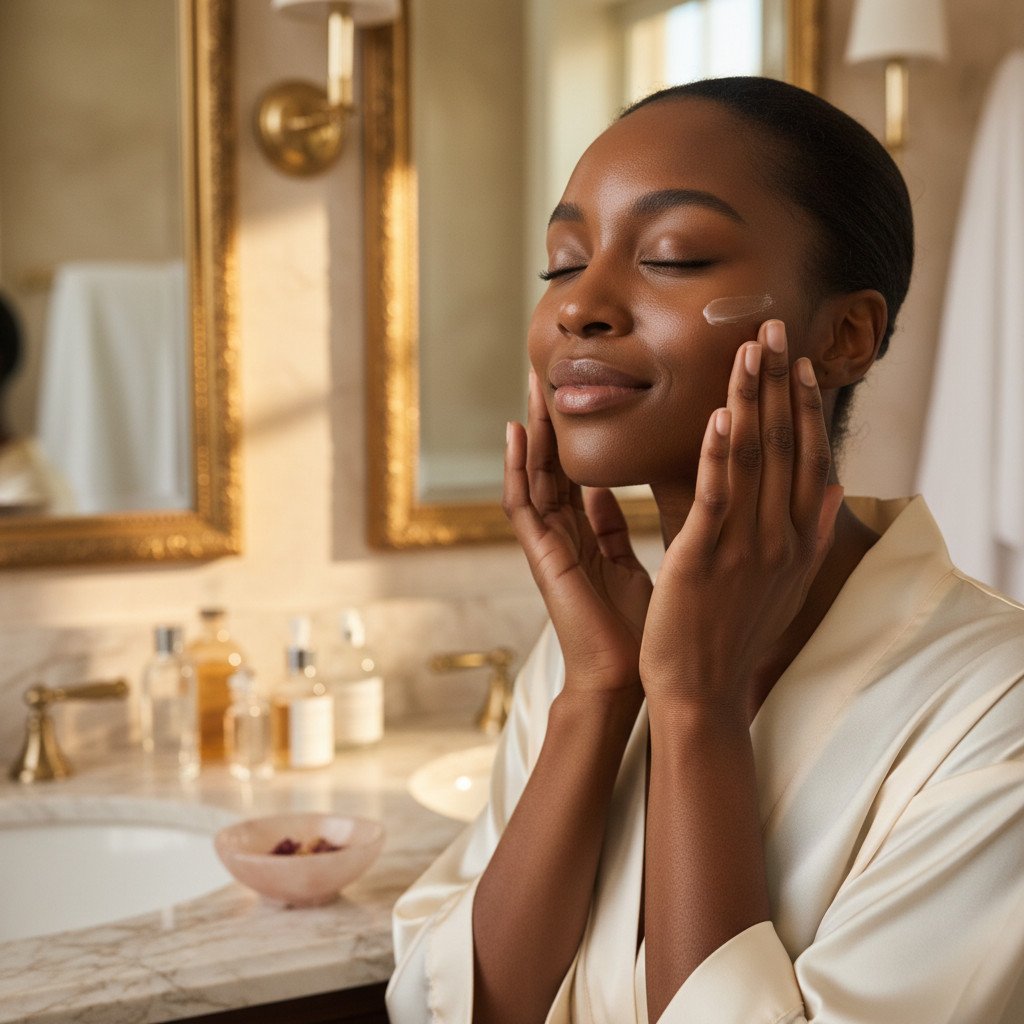
One of the most reliable undertone tests for deep skin is simply looking at your bare skin in good, indirect daylight—no makeup, no filters. This method relies on the purest observation of your natural complexion, free from any artificial influences. Good, indirect daylight, such as standing near a window on a cloudy day or in the shade outdoors, provides the most accurate reflection of your skin’s true colors. Fluorescent lights can cast a cool, often unflattering hue, while direct sunlight can wash out or intensify colors in misleading ways. The goal here is to see your skin as it naturally is, allowing its inherent undertones to reveal themselves without distortion. This initial, unfiltered assessment is foundational to understanding your complexion’s true character.
How to Do It
Cleanse gently, moisturize lightly if needed, and give your skin 10–15 minutes to settle. This preparation is crucial. You want your skin to be in its most natural state, free from any makeup, heavy skincare residues, or temporary redness from cleansing. A gentle cleanse ensures no lingering product interferes with your observation, and a light moisturizer, if necessary, prevents ashiness or dryness from distorting your skin’s natural hue. Allowing 10-15 minutes for your skin to settle ensures that any temporary flushing from washing or product application has subsided, presenting a calm and accurate canvas for your assessment.
Stand by a window or outside in indirect daylight with a mirror and look at your face, jawline, and upper chest together rather than fixating on small patches or dark spots. The key is to observe your complexion holistically. Your face, jawline, and upper chest typically share the same undertone, even if their surface depth varies slightly due to sun exposure. Looking at these areas together provides a comprehensive view, preventing you from misinterpreting a small area of hyperpigmentation or a temporary flush as your overall undertone. Use a hand mirror to get a close-up view, but also step back and observe your entire upper body to see how your skin’s underlying color harmonizes across these areas. This broader perspective helps to confirm your observations and ensures you’re not focusing on transient surface issues.
What to Look For
- If your skin seems to glow from within with a golden or honey tint, you likely lean warm/golden. This isn’t just a surface shimmer; it’s an inherent luminosity that seems to emanate from beneath your skin. You might notice a subtle yellow, peach, or rich amber hue woven into your brown complexion, giving it a vibrant, sun-kissed appearance. This golden cast makes your skin look radiant and healthy, as if naturally illuminated.
- If your skin feels richer, with a subtle red or berry warmth, you may lean cool/red. This undertone manifests as a deep, luxurious quality to your brown skin, often reminiscent of mahogany, deep cocoa, or a rich wine. When you observe closely, you might detect a delicate flush of red, a hint of plum, or even a subtle bluish-red undertone that gives your complexion a sophisticated depth. This isn’t an overt redness, but a beautiful, intrinsic warmth that makes your skin appear velvety and profound.
- If you don’t see strong gold or strong red and your brown feels balanced, you may be neutral. For those with neutral undertones, your skin presents as a harmonious blend, without a dominant lean towards either golden or red hues. Your brown complexion appears evenly toned and balanced, making it highly adaptable. You won’t detect a pronounced yellow glow or a distinct berry flush; instead, your skin simply looks like a beautiful, true brown, providing a versatile canvas for various makeup shades.
- If your skin sometimes looks a bit muted, with a very soft greenish cast under certain light, you may have olive undertones. This is a nuanced undertone, characterized by a subtle, earthy, and sometimes grayish-green tint that mutes the vibrancy of other colors. It’s not about having green skin, but rather a unique depth that gives your complexion a sophisticated, almost shadowy quality in certain lighting conditions. This muted characteristic means your skin benefits from shades that respect its inherent subtlety, enhancing its unique beauty without introducing clashing colors.
Ignore temporary redness, dark spots, or ashiness from dryness; focus on the overall color impression of your “clear” areas like the center of your forehead and cheeks. It is crucial to differentiate between your permanent undertone and temporary surface conditions. Everyone experiences occasional redness, hyperpigmentation, or dryness, and these should not be confused with your underlying hue. Instead, direct your attention to areas of your skin that are typically clearer and less prone to temporary discoloration, such as the center of your forehead, your cheeks, or the area around your mouth. These spots often provide the most accurate representation of your true undertone. By focusing on the consistent, inherent color rather than transient imperfections, you can gain a clearer and more reliable understanding of your complexion’s foundational temperature.
Test 2: White vs Off‑White Clothing
Because veins can be hard to see on deep skin, the clothing test—bright white vs cream or off‑white—often gives clearer feedback. The traditional vein test, which suggests observing the color of your veins through your skin, is notoriously unreliable for many Black women. The rich melanin in deeper complexions can obscure the visibility of veins or alter their perceived color, rendering the test inconclusive or misleading. In contrast, the clothing test offers a more practical and visually discernible method. By holding different shades of white fabric against your skin, you can observe how these distinct colors interact with your complexion, revealing the subtle ways your undertone is either enhanced or diminished. This test leverages the power of contrast to highlight your skin’s inherent temperature, providing a clearer indication than internal physiological markers.
How to Do It
In natural light, hold or wear a bright white top near your face, then switch to a cream, ivory, or soft beige top. The key to this test is consistency in lighting and proximity. Ensure you are in good, indirect natural light, as artificial lighting can distort colors. Hold the fabric directly against your skin, preferably near your face and neck, to see how the color truly interacts with your complexion. Start with a stark, bright white fabric—think a crisp white t-shirt or a piece of printer paper. Observe its effect carefully. Then, switch to a softer, warmer shade of white, such as cream, ivory, or a light beige. These colors have distinct undertones themselves, and their interaction with your skin will provide valuable clues. The contrast between the cool purity of bright white and the warm softness of off-white will help delineate your skin’s underlying hue.
Try to keep everything else the same (no makeup changes, same location) as you compare how your skin looks with each color. To ensure accurate results, minimize all other variables. Conduct the test in the same location, under the same lighting conditions, and without any makeup on your face. Any changes in these factors could influence your perception and lead to an inaccurate assessment. The goal is to isolate the effect of the fabric color on your bare skin. Take your time with each comparison, perhaps even taking photos in the same spot with each fabric to review side-by-side later. This careful, controlled approach will allow you to objectively observe which shade of white truly harmonizes with your natural undertone, making your skin appear vibrant and healthy rather than dull or washed out.
How to Read It
- If bright white makes your skin look fresh and defined while cream dulls you, you may lean cool or neutral‑cool. When a crisp, bright white fabric brings out the vibrancy in your skin, making it appear clear, radiant, and well-defined, it’s a strong indicator of cool or neutral-cool undertones. This suggests that your skin has a subtle red, pink, or blue-red base that harmonizes beautifully with the cool purity of stark white. Conversely, if cream, ivory, or soft beige fabrics make your complexion look sallow, tired, or somewhat muted, it confirms that warmer, yellow-based tones might clash with your inherent coolness. The bright white acts as a clean canvas that allows your cool undertones to shine, making your skin look refreshed and alive.
- If cream/off‑white makes you look smoother and more even while stark white feels harsh or makes you look gray, you may lean warm/golden. If you find that softer, warmer shades of white like cream, ivory, or beige enhance your complexion, making it appear smoother, more even-toned, and naturally radiant, you likely have warm or golden undertones. These warmer whites complement the yellow, peach, or golden hues in your skin, creating a harmonious and inviting glow. On the other hand, if a stark, bright white fabric makes your skin look dull, ashy, or even with an undesirable grayish cast, it indicates a clash with your warm undertones. The harshness of bright white can drain the natural warmth from your complexion, making it appear less vibrant.
- If both look okay and neither clearly wins, you might be neutral or olive. If you hold both bright white and cream/off-white fabrics against your skin and find that neither one dramatically enhances nor detracts from your complexion, it’s a good sign that you have neutral or olive undertones. For neutral undertones, your skin has a balanced mix of warm and cool, allowing it to adapt well to both. For olive undertones, the muted, earthy quality of your skin might mean that neither extreme of white creates a strong positive or negative effect; instead, both might simply appear “fine” without being particularly outstanding. In this scenario, you might lean towards a neutral-leaning undertone, suggesting flexibility in your color choices.
This isn’t about fashion rules; it’s about noticing which base tone makes your skin look quietly vibrant and which drains you. It’s crucial to separate this test from your personal style preferences. You might adore wearing bright white clothing, but if it consistently makes your skin look sallow or dull, that’s a valuable piece of information about your undertone, regardless of your fashion choices. The purpose of this test is purely diagnostic: to observe the subtle, almost subconscious effect that different color temperatures have on your complexion. The goal is to identify which shades of white make your skin appear healthy, luminous, and harmonized, bringing out its natural vitality, versus those that create an undesirable contrast, making your skin look tired, washed out, or less vibrant. This insight empowers you to make more informed decisions about not just makeup, but also clothing colors that truly complement your unique beauty.
Test 3: Gold vs Silver Jewelry
The classic jewelry test still works on deep skin—if you focus on how your skin looks, not just what you like aesthetically. This test, while seemingly simple, can provide profound insights into your undertone, provided you approach it with an objective eye. Many of us have a preference for either gold or silver based on personal style or cultural significance, but for the purpose of this test, it’s essential to set those preferences aside. The aim is not to determine which metal you prefer to wear, but rather to observe which metal genuinely enhances your skin’s natural radiance, making it appear more vibrant and harmonious. The interaction between the metallic sheen and your skin’s underlying pigments can reveal whether warm or cool tones are more complementary to your complexion, offering a clear visual cue for your undertone.
How to Do It
In daylight, hold yellow‑gold jewelry near your face, then switch to silver or white gold of a similar size and shape (two similar hoops, two chains, etc.). To conduct this test effectively, ensure you are in good, indirect natural daylight, as artificial lighting can alter the appearance of both the metals and your skin. Select pieces of jewelry that are of similar scale and design to ensure a fair comparison; for instance, two medium-sized hoop earrings, one in yellow gold and one in silver, or two thin chains. Hold the yellow-gold piece close to your face, perhaps against your cheek or jawline, and observe how your skin reacts. Does it look brighter, more luminous, or does the gold seem to blend seamlessly? Then, remove the gold and immediately replace it with the silver or white gold piece in the same position. Compare the effect: does the silver make your skin pop, or does it appear dull? The direct, side-by-side comparison is crucial for discerning the subtle differences.
Look at your face and neck, not just the jewelry itself. This is the most critical instruction for an accurate reading. The purpose of this test is not to admire the jewelry, but to analyze its effect on your skin. Shift your focus from the sparkle of the metal to how your complexion appears when juxtaposed with it. Does the yellow gold make your skin look healthier, more glowing, and richer? Or does the silver make your skin appear clearer, more refined, and vibrant? Pay attention to the overall impression: does one metal seem to “lift” your complexion, making it look more alive, while the other seems to diminish its natural radiance or create an undesirable contrast? The subtle shift in how your skin’s natural color is perceived is the key indicator of your underlying undertone, guiding you towards whether warm or cool tones are more harmonious with your unique complexion.
How to Read It
- If yellow gold seems to melt into your skin and makes you look naturally glowy, you likely lean warm/golden. When yellow gold jewelry appears to seamlessly integrate with your skin, enhancing its natural warmth and imparting a soft, luminous glow, it’s a strong indicator of warm or golden undertones. The golden hues in the jewelry resonate with the yellow, peach, or amber pigments in your skin, creating a harmonious and radiant effect. Your skin might look richer, more vibrant, and beautifully illuminated, as if the gold is a natural extension of your complexion. This synergy suggests that warm-toned colors in general will be highly flattering to your skin.
- If silver or white gold looks especially flattering and yellow gold feels too brassy or loud, you may lean cool. If you find that silver or white gold jewelry makes your skin look remarkably clear, bright, and refined, while yellow gold appears somewhat jarring, overly brassy, or even creates a slight dullness, you likely have cool undertones. The cool, crisp tones of silver and white gold harmonize with the red, pink, or blue-red pigments in your skin, enhancing its natural depth and vibrancy. Yellow gold, in contrast, might clash with your inherent coolness, creating an undesirable contrast that can make your skin appear sallow or less radiant.
- If both metals look equally good and no clear winner emerges, you may be neutral or olive. If, after careful observation, you genuinely feel that both yellow gold and silver/white gold jewelry complement your skin equally well, without one clearly outshining the other, it’s a strong indication that you have neutral or olive undertones. For neutral undertones, your skin possesses a balanced mix of warm and cool pigments, allowing it to harmonize with both metallic temperatures. For olive undertones, the muted, earthy quality of your skin might mean that neither the overt warmth of gold nor the crisp coolness of silver creates a dramatic effect; instead, both might simply appear pleasant and unobtrusive. This adaptability suggests a versatile undertone that can comfortably wear a broader spectrum of colors.
Again, personal style doesn’t equal undertone; you might love gold for cultural reasons and still lean cool, or vice versa. It is absolutely vital to reiterate that your personal aesthetic preferences or cultural affiliations with certain metals should not influence your objective assessment during this test. Many Black women have a deep-seated appreciation for gold, often rooted in cultural heritage and tradition, and may prefer to wear it regardless of their undertone. This is perfectly valid and a beautiful expression of identity. However, for the sole purpose of identifying your skin’s inherent undertone, you must momentarily set aside these preferences. The test is about observing the subtle, physiological interaction between the metal and your skin, not about making a fashion choice. An individual with cool undertones might adore gold, but if silver objectively makes their skin look more radiant and harmonious, that’s the diagnostic information we’re seeking. Conversely, someone with warm undertones might prefer silver, but if gold truly makes their complexion glow, that’s the undertone clue. This distinction allows for an honest and accurate self-assessment, empowering you to make informed makeup choices while still embracing your personal style.
Test 4: Your Foundation “Always Wrong in the Same Way” Pattern
Think about your foundation history: even if you haven’t found “the one,” you’ve probably noticed the same type of wrong over and over—and that’s an undertone clue. This is perhaps one of the most intuitive and telling tests, drawing upon your lived experience with makeup. Every Black woman who has navigated the foundation aisles has a story of a shade that just didn’t work. The beauty in this frustration lies in the pattern. If you consistently find that foundations pull a certain color on your skin, or leave you with a particular undesirable cast, this isn’t just a series of bad luck; it’s your skin communicating its undertone. Your skin is actively rejecting shades that clash with its inherent temperature, and by paying close attention to these recurring “wrongs,” you can reverse-engineer your undertone, transforming past disappointments into powerful insights for future choices.
Questions to Ask Yourself
- Do most deep shades go too red, making you look like you’re slightly sunburned all over? You might lean more golden/neutral than brands assume. This is a common experience for Black women with golden or neutral undertones. Many foundation brands, when formulating for deeper skin, often overcompensate by adding too much red pigment, operating under the misconception that all dark skin has a strong red undertone. If you consistently find that foundations leave your skin with an unnatural reddish cast, making you appear flushed or even slightly sunburned, it’s a strong indication that your skin’s natural undertone is more yellow, golden, or perfectly neutral. Your complexion is rejecting the excess red, revealing its preference for a more balanced or warm base.
- Do they go too yellow, making your skin look a bit green or sickly? You may lean cool or olive rather than golden. If your experience with foundations is that they frequently leave your skin looking sallow, with an undesirable greenish tint, or even a bit sickly, it’s a significant clue that your undertone is likely cool or olive. Foundations with a strong yellow or golden base, while suitable for warm undertones, will clash with the red, blue-red, or muted green-gray pigments in cool or olive complexions. This clash creates an optical illusion where the yellow pigments exaggerate any subtle green or gray in your skin, resulting in an unhealthy appearance. Your skin is signaling that it requires a base with less pronounced yellow, leaning instead towards neutral, red, or muted tones.
- Do “neutral” shades turn gray or ashy once they dry? You may need a warmer or deeper undertone than what that brand calls “neutral.” This is a particularly frustrating phenomenon for many Black women. When a foundation labeled “neutral” dries down to an ashy or grayish cast on your skin, it often indicates that the brand’s definition of “neutral” doesn’t align with the actual needs of your deeper complexion. For many brands, “neutral” might still contain too much white or gray pigment, or simply lack the necessary warmth or depth to truly harmonize with melanin-rich skin. If this is your consistent experience, it suggests that your skin requires a foundation with a more pronounced warmth (golden, peach) or a slightly richer, more saturated base to prevent the ashy effect. It’s a sign that your skin needs a “neutral” that is truly balanced for deeper tones, not just a diluted version of a lighter skin’s neutral.
When testing in store, apply two or three undertones at the right depth along your jawline (e.g., warm, cool, neutral) and wait 10–15 minutes; the one that still looks like your skin is usually closest to your undertone. This practical, in-store application method is paramount for confirming your undertone. First, ensure you’ve selected shades that match your skin’s depth. Then, choose a few variations of those shades, each representing a different undertone (e.g., a warm-golden, a cool-red, and a true neutral version of your depth). Apply a small swatch of each directly onto your jawline, blending it slightly towards your neck. The jawline is ideal because it allows you to compare the foundation against both your face and neck, ensuring a seamless match. Crucially, resist the urge to make an immediate decision. Allow the foundations to oxidize and settle for 10-15 minutes. During this time, the true color will emerge, and any undertone clashes will become apparent. The shade that truly disappears into your skin, looking like a natural extension of your complexion without any obvious redness, yellowness, or ashiness, is the one that best matches your undertone.
Test 5: Which Bright Colors Love You Back?
Notice which bold colors make your skin look alive vs which seem to fight with you; this shows up in clothing, lipstick, and even headwraps. Beyond foundation, the colors you gravitate towards in your wardrobe and makeup can offer significant clues about your undertone. This test taps into your innate sense of what looks good on you, translating those aesthetic preferences into diagnostic information. Think about those garments or lipstick shades that, when you wear them, instantly make you feel vibrant, confident, and radiant—as if your skin is glowing from within. Conversely, consider the colors that, despite your best efforts, seem to drain your complexion, make you look sallow, or simply feel “off.” These strong reactions are not random; they are your undertone communicating its preferences. By observing which bold colors effortlessly harmonize with your skin and which create a visual discord, you can gain a deeper understanding of your inherent color temperature, extending your undertone knowledge beyond just makeup to your entire personal palette.
Warm‑Leaning Clues
If mustard, burnt orange, warm reds, terracotta, and olive greens tend to flatter you without effort, you probably lean warm/golden or warm‑olive. These rich, earthy, and fiery hues are the natural allies of warm and warm-olive undertones. When you wear a mustard yellow, for instance, your skin might appear more luminous and golden, as if the color is drawing out your natural warmth. Burnt orange and terracotta shades will likely enhance your complexion, making it look vibrant and sun-kissed. Warm reds, which have a subtle orange or yellow base, will make your skin pop with a healthy glow, rather than appearing stark or clashing. Even olive greens, with their inherent warmth, will complement your skin’s golden or earthy notes, making you look effortlessly chic. These colors don’t just sit on your skin; they integrate with it, creating a harmonious and radiant overall effect that feels inherently “right.”
Warm, caramel‑leaning nudes often feel more like “your lips but better” than pale pink or beige. For those with warm undertones, the quest for the perfect nude lipstick often ends with shades that have a distinct caramel, cinnamon, or warm brown base. These hues mimic the natural warmth of your skin and lips, creating a “my lips but better” effect that looks natural, sophisticated, and utterly harmonious. They enhance your features without washing you out or creating a stark contrast. In contrast, pale pinks or cool-toned beiges might appear chalky, ashy, or simply too light, failing to complement the richness of your complexion. The warmth in caramel nudes integrates seamlessly with your golden or peachy undertones, providing a soft, flattering finish that truly elevates your natural beauty, making your lips look plump and inviting without any artificiality.
Cool‑Leaning Clues
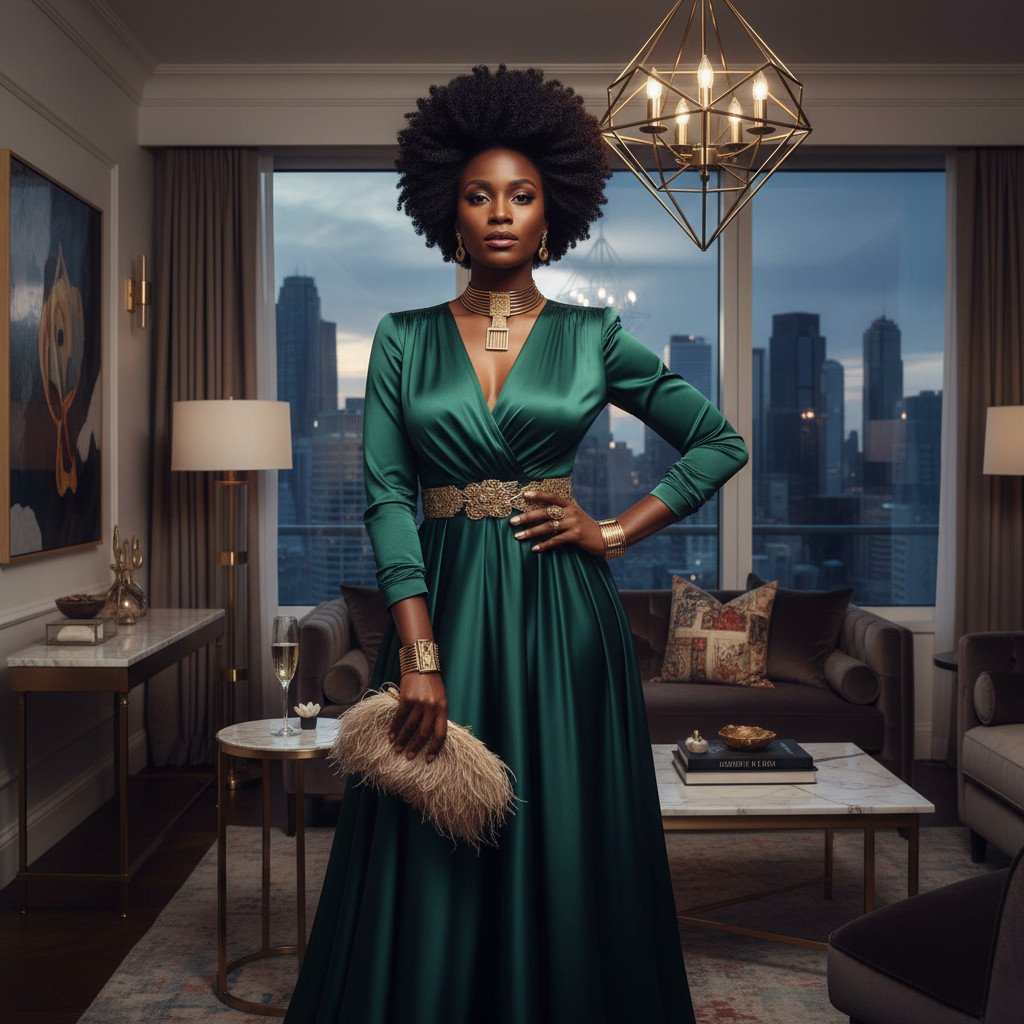
If jewel tones like cobalt, emerald, true purple, magenta, and blue‑based reds make you feel lit from within, you may lean cool or neutral‑cool. These vibrant, saturated colors are the natural companions of cool and neutral-cool undertones. When you wear a striking cobalt blue, for example, your skin might appear clearer, brighter, and more defined, as if the color is illuminating your complexion from within. Emerald green, with its cool, rich depth, will likely make your skin look incredibly vibrant and alive. True purples and magentas, with their strong blue bases, will harmonize beautifully with your skin’s red, pink, or blue-red undertones, creating a captivating and regal effect. Similarly, blue-based reds, which lean towards fuchsia or berry rather than orange, will make your lips and skin pop with a sophisticated elegance, without any harshness. These jewel tones don’t just complement your skin; they celebrate its inherent coolness, making you feel radiant and empowered.
Mauve, rose‑brown, and plum‑based nudes often look more natural on your lips than yellow‑heavy browns. For individuals with cool undertones, the ideal nude lipstick often resides in the family of mauves, rose-browns, and plum-based shades. These colors, with their subtle cool or berry undertones, mimic the natural flush of your lips and harmonize seamlessly with your skin’s inherent coolness. They create a sophisticated “nude” effect that enhances your lips without making them appear washed out or artificial. Unlike yellow-heavy browns, which can clash with cool undertones and make your lips look sallow or unnatural, these cooler nudes integrate beautifully, providing a soft, flattering finish. They bring out the natural richness of your complexion, making your lips look fuller and more defined, while maintaining a harmonious and elegant overall aesthetic that truly feels like “you.”
Why Vein Tests Are Often Unreliable on Deep Skin
You’ve probably heard “green veins = warm, blue veins = cool,” but on deeper tones, veins can be hard to see or just look dark. This traditional vein test, widely popularized in mainstream beauty advice, posits that if your veins appear green, you have warm undertones, and if they appear blue or purple, you have cool undertones. However, for Black women with melanin-rich skin, this test is frequently ineffective and misleading. The higher concentration of melanin in deeper complexions acts as a natural filter, often obscuring the true color of the veins beneath the skin’s surface. What might appear as “dark” or “indistinguishable” veins on deep skin doesn’t mean an absence of undertone; it simply means this particular visual cue is not reliable for accurate assessment. Relying on this test can lead to frustration and incorrect undertone identification, underscoring the need for alternative, more suitable methods for deep skin tones.
That doesn’t mean you don’t have an undertone; it just means this particular trick isn’t very helpful for many Black women. It’s a crucial distinction to make: the inability to clearly see vein color does not imply a lack of undertone. Every individual, regardless of skin depth, possesses an underlying skin temperature. The challenge lies in finding diagnostic tools that are genuinely effective across the full spectrum of human complexions. For many Black women, the vein test is simply not one of those tools. It’s a limitation of the test itself, not a reflection on the presence or absence of undertone in deep skin. Therefore, rather than dismissing the concept of undertone, it’s more productive to pivot to other, more reliable methods that are specifically tailored or proven to work on melanin-rich skin, ensuring an accurate and empowering self-assessment.
If You Can See Your Veins
If your veins look clearly green, it can hint at warm or olive undertones; if they look deep blue or purple, it hints at cooler undertones. In rare instances, some Black women with lighter deep skin tones or specific skin translucency might be able to discern their vein color. If you are one of these individuals and your veins undeniably appear green, this observation can serve as a supportive piece of evidence pointing towards warm or olive undertones. The green appearance is an optical illusion created by the yellow pigments in your skin filtering the blue light reflected by your veins. Conversely, if your veins appear distinctly deep blue or purple, it can support the notion of cooler undertones, where the red or blue pigments in your skin allow the blue light from your veins to show through more directly. However, it’s important to approach this observation with caution and not as a definitive declaration.
Treat this as supporting evidence only—trust your daylight, clothing, and foundation tests more than this single factor. Even if you can clearly see your veins, it is imperative to consider this observation as merely supplementary information. The vein test, even when seemingly clear, is prone to misinterpretation due to varying lighting conditions, skin thickness, and individual perception. The other tests—the bare-face daylight check, the white vs. off-white clothing test, the gold vs. silver jewelry test, and especially the pattern of your foundation “fails”—are generally more comprehensive and reliable for deep skin tones. These methods involve larger surface areas of your skin and a broader range of color interactions, providing a more robust and accurate picture of your true undertone. Use the vein test only as a minor corroborating detail, never as the sole or primary determinant of your undertone.
Common Deep‑Skin Undertone “Profiles” (Examples)
Real skin is nuanced, but these composite examples might help you see yourself more clearly; you don’t have to fit one perfectly to find them useful. The human complexion, particularly in its rich diversity among Black women, is a spectrum of subtle variations rather than a set of rigid categories. While these profiles offer clear archetypes, it’s important to remember that your skin might exhibit characteristics from more than one, or lean into a profile without perfectly embodying every single trait. Think of these examples as guiding narratives, designed to help you recognize patterns and connections within your own observations. They are tools for self-discovery, not strict classifications. The goal is to find the profile that resonates most strongly with your experiences and test results, providing a framework for understanding your unique beauty, even if your personal expression of that undertone is beautifully complex and individual.
Golden‑Warm Deep Skin Example
Your bare skin looks like rich brown with a soft golden halo on your forehead and cheeks; in photos, you often look “sunny” even without highlight. This profile describes a complexion that radiates an inherent warmth and luminosity. When you observe your skin in natural light, you’ll notice a distinct golden or honey-like glow that seems to emanate from within, particularly noticeable on the higher planes of your face where light naturally hits. This isn’t just a surface sheen, but a deep-seated warmth that infuses your brown skin with a vibrant, sun-kissed quality. In photographs, even without the application of specific highlighting products, your skin often appears naturally radiant and “sunny,” as if perpetually bathed in a soft, golden light. This characteristic makes your complexion appear healthy, energetic, and inviting, with an almost ethereal glow that is deeply captivating.
Golden jewelry suits you, and foundations labeled warm/golden (not orange) tend to blend quickly when the depth is right. For the golden-warm individual, yellow gold jewelry doesn’t just sit on the skin; it seems to melt into it, becoming a natural extension of your complexion and enhancing its inherent radiance. The warmth of the gold harmonizes perfectly with your skin’s undertones, making your entire appearance more luminous and cohesive. When it comes to foundation, shades specifically labeled as “warm” or “golden” are your ideal match, provided they are formulated with a balanced yellow or peach base, rather than an overly orange one. These foundations will seamlessly blend into your skin, disappearing upon application and creating an even, harmonious canvas that truly looks like your skin, only perfected. The key is finding the right depth within the warm/golden category, as an incorrect depth, even with the right undertone, can still lead to a mismatch. With the correct shade, your makeup will feel like a second skin, enhancing your natural glow effortlessly.
Red‑Cool Deep Skin Example
Your skin has a deep cocoa or espresso tone with a subtle red flush; friends may describe your skin as “rich” or “wine‑like.” This profile is characterized by a profound depth and a captivating underlying warmth that leans distinctly red or berry. Your complexion might evoke the luxurious hues of dark chocolate, rich coffee, or a fine red wine, possessing an inherent richness that is both striking and elegant. When observed in natural light, you’ll notice a subtle, almost velvety red flush that infuses your brown skin, giving it a vibrant, healthy appearance without being overtly pink. Friends and acquaintances might often comment on the “richness” or “wine-like” quality of your skin, appreciating its unique depth and sophisticated color. This red-cool undertone contributes to a complexion that often appears incredibly smooth, luminous, and deeply captivating, exuding a natural grace and intensity.
Silver jewelry is particularly flattering, and golden foundations often skew too yellow or make you look slightly greenish. For the red-cool individual, silver or white gold jewelry is exceptionally flattering. The cool, crisp tones of these metals harmonize beautifully with the red, berry, or blue-red pigments in your skin, making your complexion appear clearer, brighter, and more refined. Silver doesn’t just complement your skin; it seems to illuminate it, enhancing its natural depth and vibrancy. Conversely, foundations with a strong golden or yellow base often create a noticeable clash. These shades tend to pull too yellow on your skin, resulting in an undesirable sallow or even slightly greenish cast that makes your complexion look unnatural or unhealthy. Your skin is signaling its preference for cooler or more neutral-red tones, rejecting the overt warmth of golden foundations. The goal is to find foundations that respect your skin’s inherent coolness, providing a seamless blend that enhances its natural richness and vibrancy without any unwanted discoloration.
Neutral Deep Skin Example
Your brown skin doesn’t obviously lean yellow or red; you notice different brands call you different undertones. This profile describes a beautifully balanced complexion that doesn’t exhibit a dominant lean towards either warm (golden/yellow) or cool (red/berry) undertones. When you examine your bare skin in natural light, you won’t detect a pronounced golden glow or a distinct red flush; instead, your brown skin appears evenly toned and harmonious. A common experience for those with neutral undertones is the inconsistency in how different makeup brands categorize their skin. One brand might label you as “warm-neutral,” another as “cool-neutral,” and yet another as simply “neutral.” This isn’t a sign of confusion on your part, but rather an indication of your skin’s inherent adaptability and balance, making it a versatile canvas that can subtly lean in different directions depending on the specific lighting or product formulation. Your skin simply presents as a true, balanced brown, making it highly adaptable to a wide range of colors.
Both gold and silver look good, and neutral foundations tend to be safest, though you might lean slightly warm in summer and slightly cool in winter. A hallmark of neutral undertones is the ability to wear both gold and silver jewelry with equal ease and flattery. Neither metal seems to overpower or clash with your skin; instead, both appear to complement your complexion harmoniously, making you look radiant and well-put-together. When it comes to foundation, shades explicitly labeled as “neutral” are typically your most reliable choice. These foundations are formulated with an equal balance of warm and cool pigments, ensuring they blend seamlessly into your skin without introducing any unwanted color casts. It’s common for neutral undertones to exhibit a slight seasonal shift; you might find yourself leaning slightly warmer in the summer months due to increased sun exposure, and a touch cooler in the winter. This subtle flexibility means you might occasionally adjust your “neutral” foundation choice to accommodate these minor seasonal variations, but generally, a true neutral base will serve you well year-round.
Olive‑Neutral Deep Skin Example
Your skin sometimes looks a touch muted or shadowy, especially in certain indoor lights; bright golden foundations feel “too bright,” and red ones make you look flushed. This profile is characterized by a unique and often subtle undertone that presents as a muted, earthy quality, sometimes with a very soft greenish or grayish cast. This isn’t about having overtly green skin, but rather a sophisticated undertone that can make your deep brown complexion appear somewhat subdued or “shadowy” in specific indoor lighting conditions, particularly under artificial light. When you try foundations, you’ll often find that bright golden shades feel “too bright” or overtly yellow, creating an unnatural contrast with your skin’s inherent subtlety. Similarly, foundations with strong red pigments might make your skin look unnaturally flushed or even slightly sunburned, clashing with your muted base. Your skin is signaling its preference for colors that respect its unique, understated depth, rather than those that introduce an artificial vibrancy.
You often find that “neutral” shades that are slightly muted (not vibrant) look the most like you, and certain earthy greens and browns in clothing flatter you unexpectedly. For the olive-neutral individual, the quest for the perfect foundation often leads to shades labeled “neutral” that possess a subtle, muted quality rather than a vibrant one. These are often described as “sandy,” “earthen,” or “soft neutral,” and they blend seamlessly with your skin, enhancing its natural depth without introducing any unwanted yellow, red, or orange. You might also discover a surprising affinity for certain colors in your wardrobe. Earthy greens, such as moss, sage, or deep forest green, and rich, muted browns, like chocolate or taupe, will often make your skin look incredibly vibrant and harmonious. These colors resonate with the subtle greenish or grayish undertones in your skin, creating a sophisticated and effortlessly chic aesthetic. They don’t just complement your skin; they seem to draw out its unique beauty, making you feel naturally radiant and perfectly aligned with your personal palette.
Using Undertone in Your Makeup Choices
Once you’ve narrowed down your undertone, you can start applying it to your base and color decisions so that products feel more aligned from the start. Understanding your undertone is like unlocking a secret code to your personal color harmony. It moves you beyond guesswork and into a realm of intentional, confident makeup choices. No longer will you be swayed by trends or generic recommendations; instead, you’ll possess the knowledge to select products that truly resonate with your unique complexion. This foundational understanding allows you to build a makeup collection where every item, from your foundation to your lipstick, works synergistically to enhance your natural beauty. It’s about creating a cohesive and flattering look that feels authentically “you,” right from the very first step of your routine.
You don’t need to follow this rigidly; undertone is a guide, not a law. While undertone provides invaluable guidance, it’s important not to treat it as an unbreakable rule. Makeup is an art form, and personal expression always takes precedence. Think of your undertone as a compass that points you in the most flattering direction, but you are always free to explore other paths. Sometimes, a “clashing” color, when applied thoughtfully or balanced with other elements, can create a stunning and unique look. The purpose of understanding your undertone is to empower you with knowledge, not to restrict your creativity. It helps you understand why certain colors work effortlessly and why others require a bit more finesse. This awareness allows you to make deliberate choices, whether you’re adhering to your undertone or intentionally breaking the “rules” for a specific artistic effect, ensuring your makeup always feels purposeful and beautiful.
Foundation and Concealer
Choose foundations that match both your depth and undertone; if you’re warm, look for golden/balanced yellows, if cool, look for deep shades without excess yellow, if neutral or olive, aim for balanced or slightly muted tones. The cornerstone of any flawless makeup look is a perfectly matched foundation and concealer. This match isn’t just about finding the right depth—how light or dark the shade is—but equally about aligning with your skin’s inherent undertone. For those with warm undertones, seek out foundations that have a clear golden, peach, or balanced yellow base. These pigments will harmonize with your skin’s natural warmth, enhancing its radiance without appearing orange or ashy. If you have cool undertones, prioritize deep shades that are formulated without an excessive amount of yellow; instead, look for those with subtle red, berry, or blue-red pigments that will complement your skin’s richness. For neutral undertones, aim for truly balanced shades that don’t lean too heavily in either a warm or cool direction, often described as “true neutral” or “balanced brown.” If you have olive undertones, gravitate towards shades that are slightly muted, earthy, or even have a hint of gray-green, as these will blend seamlessly without making your skin look sallow or overly flushed. A precise match in both depth and undertone ensures your base makeup looks like a second skin, providing a natural and cohesive canvas for the rest of your look.

For a deeper dive into picking the right formulas and shades, see our guide to choosing the best foundations for deep skin and how to cover hyperpigmentation and dark circles on dark skin. Selecting the perfect foundation and concealer involves more than just undertone; it also encompasses understanding different formulas (liquid, cream, powder), finishes (matte, dewy, natural), and coverage levels (sheer, medium, full). Our dedicated guides provide an exhaustive exploration of these factors, offering detailed advice on how to navigate the vast array of options available for melanin-rich skin. You’ll learn how to identify formulas that won’t oxidize or turn ashy, how to select shades that effectively neutralize hyperpigmentation and dark circles without looking gray, and how to achieve a seamless, long-lasting base. These resources are designed to equip you with the advanced knowledge needed to master your base makeup, ensuring a flawless and radiant complexion every time, tailored specifically to the unique needs and beauty of deep skin tones.
Blush, Contour, and Highlight
Warm undertones tend to glow in rich oranges, bricks, corals, and warm reds; cool undertones thrive in berries, plums, and rosy tones, while neutrals can play in both families. Once your base is perfected, adding dimension and color with blush, contour, and highlight truly brings your face to life, and your undertone plays a crucial role here too. For those with warm undertones, blushes in shades of terracotta, burnt orange, vibrant coral, and warm, brick reds will beautifully complement your skin’s golden glow, imparting a healthy, sun-kissed flush. These colors enhance your natural warmth, making your complexion appear radiant and alive. If you have cool undertones, gravitate towards blushes in rich berry tones, deep plums, cool-toned roses, and fuchsias. These shades will harmonize with your skin’s inherent coolness, providing a sophisticated flush that makes your complexion pop with vibrancy. Neutral undertones have the delightful advantage of being able to experiment with both warm and cool blush families, often finding success with universally flattering peach-pinks, muted roses, and balanced berry shades. The key is to choose colors that look like a natural flush on your specific complexion, enhancing your features without clashing or appearing artificial.
Contour should be a deeper, slightly cooler version of your skin tone (without going gray), and highlighters in champagne, gold, or bronze usually flatter deep skin more than icy silvers—our blush and contour/highlight guides break this down step by step. When it comes to contour, the goal is to create shadows and definition, which means selecting a shade that is a few steps deeper than your foundation and has a subtly cooler undertone. This cooler tone mimics natural shadows, but it’s crucial to avoid anything that appears overtly gray or muddy on deep skin, as this can look unnatural. For highlighters, shades of champagne, rich gold, and warm bronze are typically the most flattering for melanin-rich skin, regardless of undertone. These warm, luminous tones complement the natural radiance of deep complexions, creating a beautiful, ethereal glow that looks seamless and sophisticated. Icy silvers, while stunning on some, can sometimes appear stark or ashy on deeper skin tones. Our comprehensive guides on blush for dark skin and contour and highlight for deep skin delve into specific product recommendations, application techniques, and shade matching strategies, ensuring you master the art of adding dimension and luminosity to your beautiful complexion with precision and confidence.
Lipsticks and Nude Shades
For warm undertones, look for caramel, cinnamon, terracotta, and warm brown nudes; for cool undertones, mauve, rose‑brown, and cocoa with a hint of berry often feel more natural. The right lipstick, especially a nude shade, can complete a look and make your entire face appear more harmonious. For those with warm undertones, the most flattering nude lipsticks will echo the golden and peachy hues in your skin. Think rich caramel, spicy cinnamon, earthy terracotta, and warm, chocolatey browns. These shades will enhance your natural lip color, making them appear fuller and more defined without washing you out or creating a stark contrast. They provide a sophisticated “my lips but better” effect that feels inherently natural and elegant. If you have cool undertones, your ideal nudes will lean into the berry, plum, and rosy spectrum. Mauve, rose-brown, and deep cocoa shades with a subtle hint of berry or plum will beautifully complement your skin’s inherent coolness, providing a natural-looking finish that enhances your lips without appearing sallow or artificial. These shades ensure your lips look healthy, vibrant, and perfectly aligned with your overall complexion, adding a touch of understated glamour.
Our nude lipsticks for dark skin shade guide uses undertone to group nudes, then shows you how to use liner and gloss to tweak them so they never look chalky. Finding the perfect nude lipstick for deep skin can be a challenging endeavor, as many mainstream “nudes” are formulated for lighter complexions and can appear chalky, ashy, or simply too pale on melanin-rich lips. Our comprehensive guide takes the guesswork out of this process by meticulously categorizing nude shades according to undertone, offering specific recommendations that are guaranteed to flatter. Beyond just shade selection, we also provide expert tips on how to use lip liner to define and deepen your nude, preventing any potential chalkiness and creating a seamless transition from your natural lip line. Furthermore, we explore the transformative power of gloss, showing you how a strategic dab can add dimension, luminosity, and a touch of modern elegance to your nude lip, ensuring it always looks fresh, vibrant, and perfectly tailored to your beautiful complexion. This guide is your ultimate resource for mastering the art of the nude lip, ensuring you find your perfect match and wear it with absolute confidence.
Frequently Asked Questions
Can my undertone change over time?
Your undertone is generally stable; what changes more often is your depth (lighter or darker with season) and surface concerns like hyperpigmentation, redness, or dryness. While your skin’s surface color can fluctuate due to sun exposure or temporary conditions, your underlying undertone is a permanent characteristic that remains consistent throughout your life. Think of it as your skin’s inherent DNA, which doesn’t alter.
What if I see both warm and cool traits in myself?
Many Black women sit between categories; you may be neutral‑warm, neutral‑cool, or olive over warm. If tests conflict, treat yourself as neutral‑leaning and pay attention to which foundations and colors consistently look best in daylight—that pattern matters more than a label. Embrace this nuance, as it means you have a versatile palette to work with.
Do all deep‑skinned Black women have warm undertones?
No. Deep skin can be warm, cool, neutral, or olive; assuming all dark skin is warm is one reason so many foundations pull too red or too yellow on Black women. This pervasive misconception often leads to frustrating makeup experiences, highlighting the critical importance of individual undertone assessment rather than broad generalizations.
What if none of the tests give me a clear answer?
If you’re still unsure, that’s okay; call yourself neutral‑leaning for now and focus on experimenting with a few carefully chosen foundations and blush shades. Take photos in daylight and indoors, and notice which combinations make your face feel quietly “right”—that’s your true undertone speaking. Trust your intuition and observations over rigid categories.
Can I wear colors that don’t match my undertone “rules”?
Absolutely. Undertone helps you understand why some shades are easier to wear, but it doesn’t ban you from anything. If you love a “clashing” color, you can usually make it work with liner, placement, and balance in the rest of your face. Makeup is an art form, and personal expression always triumphs over strict guidelines.
Where should I go next once I know my undertone?
Once you have a working sense of your undertone, start with foundations chosen for deep skin, then explore coverage, blush, contour, lips, and setting that respect your melanin. Our Makeup for Deep Skin Tones hub links you to each of those guides so you can build a full routine step by step. This knowledge is your gateway to a truly personalized beauty regimen.
How does undertone help with color correction for hyperpigmentation?
Understanding your undertone is crucial for effective color correction because it helps you choose the right corrective shade that will neutralize discoloration without clashing with your overall skin tone. For instance, if you have warm undertones and dark spots, a peachy corrector might work best, whereas a cool-toned individual might find a subtle orange or red corrector more effective, always ensuring it blends seamlessly with their specific undertone to avoid an ashy or unnatural appearance. It ensures your correction looks natural, not obvious.
Final Thoughts
Finding your undertone as a Black woman isn’t about squeezing yourself into a single rigid box; it’s about learning the quiet color language of your own skin so you can make makeup choices that feel intentional instead of random. It’s an act of self-discovery, a journey into understanding the unique nuances that make your complexion truly yours. This knowledge empowers you to move beyond the frustrating cycle of trial and error, transforming your beauty routine into a confident and joyful expression of your authentic self. Embrace the process, trust your observations, and celebrate the beautiful complexity of your melanin-rich skin.
By paying attention to how your skin behaves in daylight, around different whites and metals, and in repeated foundation tests, you can narrow in on an undertone profile that makes matching base and choosing colors dramatically easier. Each test, each observation, is a piece of the puzzle, building a clearer picture of your skin’s inherent temperature. This comprehensive approach ensures that your understanding is robust and reliable, providing a solid foundation for all your future makeup decisions. You’ll find that once you crack your undertone code, the world of makeup opens up in a way that feels intuitive and deeply personal.
From there, you can use our Makeup for Deep Skin Tones hub as your roadmap—moving from undertone to foundation, coverage, color, setting, and full looks built around the reality of your deep, melanin‑rich skin. This hub is designed to be your ultimate resource, guiding you through every step of creating a flawless and radiant makeup look that honors your unique complexion. With your newfound undertone knowledge, you’re ready to explore, experiment, and confidently build a beauty routine that not only looks stunning but also feels authentically, beautifully you.
Related next steps
Related posts:
 Vitamin C on Dark Skin: Benefits, Risks, and Routine Examples for Melanin-Rich Complexions
 Nude Lipsticks for Dark Skin: Shade Guide by Undertone
 How to Read Your Undertone on Deep, Melanin-Rich Skin
 Incorporating Anti-Pollution Skincare Products in Your Routine as a Black Woman
 Navigating the World of K-Beauty Skincare Products as a Black Woman
 Navigating the World of K-Beauty Skincare Products as a Black Woman