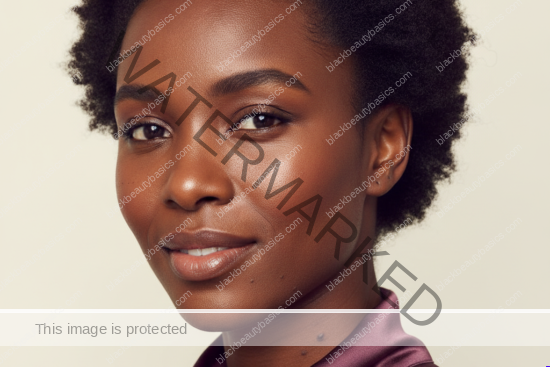
Contour and Highlight on Deep Skin Without Looking Ashy
For far too long, the beauty industry presented a singular, often pale, vision of sculpted perfection. Many of us, with our rich, diverse melanin, have experienced the frustration of attempting to embrace contouring and highlighting, only to be met with disappointing results. Perhaps you’ve carefully applied what promised to be a transformative contour, only to see it morph into a ghostly gray stripe or a muddy patch that obscures your natural radiance. Or maybe you’ve reached for a “universal” highlighter, hoping for a luminous glow, only to find yourself with an icy, silvery streak that looks stark and unnatural against your warm, beautiful complexion, particularly in photographs.
These common pitfalls are not a reflection of your technique or your beauty; they are often a consequence of products and advice not formulated with the unique nuances of deep skin tones in mind. The challenge lies in understanding how light and shadow interact with melanin, how undertones play a crucial role, and how to select shades that enhance, rather than diminish, your inherent glow. The goal is not to drastically alter your features, but to artfully define and illuminate them, celebrating the stunning architecture of your face.
At Black Beauty Basics, we believe every woman deserves to feel confident and radiant in her own skin, equipped with the knowledge and tools to bring her vision of beauty to life. This comprehensive guide is designed to demystify the art of contouring and highlighting for deep skin, providing you with a clear, step-by-step method to achieve a sculpted, glowing look that never turns gray, muddy, or icy. We will delve into the science of shade selection, the finesse of application, and the secrets to ensuring your sculpted masterpiece looks flawless in every light, from the soft glow of natural daylight to the unforgiving flash of a camera. This tutorial is an essential part of our broader Makeup for Deep Skin Tones hub, building upon foundational principles like finding your perfect foundation and selecting the most flattering blush to create a harmonious, breathtakingly beautiful canvas.
Why Contour and Highlight Look Different on Deep Skin
The fundamental principles of contouring and highlighting – using darker tones to create shadow and recession, and lighter, luminous tones to bring forward and illuminate – remain consistent across all skin tones. However, the execution and product selection must be meticulously adapted when working with deep, melanin-rich complexions. Melanin, the pigment responsible for our beautiful range of skin tones, absorbs and reflects light differently than lighter skin. This inherent characteristic profoundly influences how makeup appears and interacts with the skin, making certain conventional techniques or product choices less effective, or even counterproductive, for Black women.
On lighter skin tones, a cool-toned, grayish-brown contour shade can effectively mimic natural shadows. This is because lighter skin has less melanin, and the absence of light (shadow) often appears cooler in tone. However, on deep skin, applying a cool-toned, ashy brown can create an unnatural, almost chalky or ghostly effect. Our natural shadows often contain warmer, richer undertones, and a contour shade that is too cool or too light will not blend seamlessly, instead sitting on top of the skin as a stark, disconnected stripe. Similarly, highlighters designed for lighter skin often contain silver or iridescent white pigments that, when applied to deep skin, can appear icy, chalky, or even gray, rather than providing a radiant, natural glow. The goal for deep skin is to create a shadow that looks like a natural depression and a highlight that looks like a natural catch of light, both of which must be achieved with shades that harmonize with our unique melanin.
The interplay of light and shadow on deep skin is also more pronounced. Our skin naturally possesses a beautiful, inherent luminosity, and the right contour and highlight can enhance this without needing extreme contrast. The challenge is not in creating contrast, but in creating harmonious contrast that complements our skin’s natural depth and warmth. Products calibrated for lighter tones often lack the necessary pigment intensity or the correct underlying warmth to truly sculpt and illuminate deep skin without appearing muddy, chalky, or simply disappearing. Understanding these distinctions is the first step toward mastering a contour and highlight routine that truly celebrates your complexion.
- Need for Adequate Depth: Contour shades must be deep enough to create a discernible shadow without looking muddy or ashy, often requiring richer, warmer undertones than those used on lighter skin.
- Need for Undertone Alignment: Both contour and highlight shades must align with the skin’s natural undertone to blend seamlessly and appear natural, avoiding stark contrasts or an unnatural pallor.
- Ashiness/Flashback Risks: Products with cool, gray, or overly white pigments, particularly in highlighters and setting powders, can cause an ashy appearance or flashback in photography, which is especially noticeable on deep skin.
Prep Your Base for Sculpting
Before any artistic endeavor, the canvas must be perfectly prepared. In makeup, this means creating a flawless, even base that allows your contour and highlight to truly shine. Attempting to sculpt on an uneven or improperly prepared complexion is akin to painting a masterpiece on a wrinkled canvas – the final effect will be compromised. A well-matched foundation or a meticulously applied spot concealer is not merely a suggestion; it is the absolute prerequisite for a seamless and natural-looking contour and highlight application on deep skin.
Begin by ensuring your skin is clean, moisturized, and primed according to your skin type. A smooth, hydrated surface allows products to glide on effortlessly and blend seamlessly. Once your skincare routine is complete, proceed with your chosen base. For a comprehensive guide on selecting the perfect match, refer to our essential resource on best foundations for deep skin. Apply your foundation evenly, ensuring full coverage where needed, but always aiming for a natural finish that allows your skin to breathe. If you have areas of hyperpigmentation or blemishes, address these with a targeted concealer that matches your skin tone, blending meticulously before proceeding to contour and highlight. The goal is to create an even-toned surface that serves as a neutral backdrop for your sculpting efforts.
After your foundation and concealer are in place, a light dusting of powder can be beneficial, particularly in areas prone to oiliness. For those with oily skin, a translucent setting powder applied sparingly to the T-zone can help control shine and create a smooth surface for powder contours. However, exercise caution: avoid over-powdering, especially in areas where you plan to highlight, as this can diminish the natural luminosity you aim to achieve. For drier skin types, you might opt to skip powder entirely before cream or liquid contour and highlight, or apply it only after these steps to set the entire face. The key is to create a base that is smooth, even, and ready to receive the nuanced layers of contour and highlight without any patchiness or drag. This meticulous preparation ensures that your sculpting efforts will enhance your natural beauty, rather than drawing attention to an imperfect canvas.
Choosing Contour Shades for Deep Skin
Selecting the correct contour shade is perhaps the most critical step in achieving a natural, sculpted look on deep skin without the dreaded ashy or muddy appearance. It’s not just about finding a darker shade; it’s about finding the right darker shade that harmonizes with your unique complexion. The nuances of depth and undertone are paramount, as an incorrect choice can instantly undermine your entire makeup application. We are aiming to create the illusion of natural shadow, and natural shadows on deep skin possess a certain richness and warmth that must be respected and replicated.
Many conventional contour products, often formulated with cooler, grayish undertones, fall flat or appear stark on melanin-rich skin. This is because our skin’s natural shadows often carry a subtle warmth, a deep bronze, or a rich terracotta hue, rather than a stark gray. When selecting your contour, consider it an extension of your skin’s natural depth, not an alien element. The perfect contour shade should seamlessly melt into your foundation, creating a believable recession without looking like an obvious stripe of makeup. This requires a careful balance of depth and undertone, ensuring that the shade enhances your facial structure rather than creating an artificial demarcation.
Beyond the shade itself, the formula also plays a significant role in how the contour appears and blends on deep skin. Cream and liquid contours tend to offer a more natural, skin-like finish, blending effortlessly into the foundation for a seamless transition. Powder contours, while excellent for setting and intensifying, can sometimes appear less natural if not chosen and applied with precision. The goal is always to achieve a soft, diffused shadow that subtly redefines your features, allowing your natural beauty to take center stage. This thoughtful approach to shade and formula selection is what truly elevates a contour from merely “dark” to beautifully sculpted.
Depth: How Dark Should Your Contour Be?
The common advice of choosing a contour shade “two to three shades deeper than your foundation” is a good starting point, but it requires careful interpretation for deep skin tones. On lighter complexions, a subtle difference in depth can create a noticeable shadow. However, on melanin-rich skin, a shade that is only two shades deeper might not provide enough contrast to create a visible sculpting effect, especially if your foundation is already a perfect match. In such cases, the contour might simply blend into your foundation without creating the desired shadow, leading to a lack of definition.
Conversely, choosing a shade that is too dark, say five or six shades deeper, can lead to a muddy or overly dramatic appearance. Instead of a natural shadow, you might end up with harsh lines that are difficult to blend and look unnatural, especially in daylight. The key is to find a shade that is deep enough to create a discernible shadow, but not so deep that it looks like a stark, artificial stripe. For many with deep skin, this often means looking for shades that are three to four shades deeper than their foundation, but with the correct undertone to ensure it melts into the skin rather than sitting on top.
When testing shades, apply a small swatch to the area where you would typically contour – just below your cheekbone. Observe how it looks in natural light. Does it create a soft, believable shadow? Does it blend effortlessly? If it disappears completely, it’s too light. If it looks like a harsh, unblended line, it’s too dark. The ideal depth will create a subtle recession that enhances your bone structure without appearing heavy or obvious. Remember, the aim is to create an illusion of shadow, not to paint a dark line on your face. This nuanced approach to depth ensures your contour appears natural and sophisticated.
Undertone: Warm, Cool, or Neutral Contour?
Understanding your skin’s undertone is paramount when selecting a contour shade, especially for deep skin. While many contour products are marketed as “cool-toned” to mimic natural shadows, this often translates to a grayish hue that can look incredibly ashy and unnatural on melanin-rich skin. Our natural shadows, due to the presence of melanin, tend to have a warmer, more bronzed, or even reddish-brown quality. Therefore, a contour shade that complements these inherent undertones is essential for a seamless and believable sculpted effect.
For most deep skin tones, particularly those with warm or golden undertones, a contour shade with a warm, reddish-brown, or deep bronze undertone will be the most flattering. Think of shades that resemble the color of rich chocolate, deep caramel, or terracotta. These shades will blend beautifully with your complexion, creating a shadow that looks organic and natural. If your skin has more neutral undertones, you might find success with shades that lean slightly less warm, perhaps a rich, true brown that doesn’t pull too red or too gray. For a deeper dive into identifying your unique undertone, consult our comprehensive undertone guide.
It is generally advisable to avoid contour shades that are overtly cool or gray, as these are the primary culprits behind an ashy or muddy appearance on deep skin. Even if you have cooler undertones, a true gray contour can still look stark. Instead, opt for a deeper, more muted brown with a hint of warmth or a neutral brown that doesn’t lean too heavily into any single undertone. The goal is to find a shade that creates a shadow that looks like it belongs to your skin, enhancing its natural beauty rather than fighting against it. Experimentation with different undertones is crucial, always observing how the shade interacts with your skin in various lighting conditions to ensure a harmonious match. You can explore a wide range of options for cream contour sticks for dark skin on Amazon.
Contour Formulas: Cream, Stick, or Powder?
The choice of contour formula – cream, stick, or powder – significantly impacts the application, finish, and longevity of your sculpted look. Each formula offers distinct advantages and disadvantages, making the ideal choice dependent on your skin type, skill level, and desired aesthetic. Understanding these differences will empower you to select the product that best suits your needs and helps you achieve a flawless contour on your deep skin.
Cream Contours: Cream contours are renowned for their ability to provide a natural, skin-like finish. They blend seamlessly into foundation, creating a soft, diffused shadow that looks incredibly natural. This formula is particularly well-suited for those with normal to dry skin, as it adds a touch of moisture and prevents a powdery or flat appearance. Cream contours are often applied with a brush, sponge, or even fingertips, allowing for precise placement and effortless blending. They offer buildable coverage, making it easy to start with a subtle sculpt and intensify as desired. However, for those with very oily skin, cream contours might require extra setting to ensure longevity and prevent creasing, though many modern formulas are designed to be quite long-wearing. They are excellent for achieving that “lit from within” glow when paired with cream highlight.
Stick Contours: Contour sticks are essentially cream contours in a convenient, portable format. Their stick presentation allows for direct application to the face, making them incredibly user-friendly and ideal for beginners or those seeking a quick, on-the-go solution. Like traditional cream contours, they offer a natural finish and blend beautifully into the skin, making them suitable for most skin types, particularly normal to dry. The precision of a stick allows for targeted application, making it easier to define specific areas like the nose or jawline. However, due to their direct application, it’s important to apply sparingly and blend quickly to avoid harsh lines. They are also excellent for travel and touch-ups throughout the day. Many find stick formulas to be the most intuitive for learning placement.
Powder Contours: Powder contours are best applied over a set foundation or a cream contour to intensify and set the look. They are an excellent choice for those with oily skin, as they can help absorb excess oil and provide a matte finish. Powder contours offer a more defined, sharper sculpt than creams, making them ideal for a more dramatic or long-lasting effect. However, they require a lighter hand and meticulous blending to avoid a patchy or muddy appearance, especially on deep skin. It’s crucial to use a soft, fluffy brush and apply in thin layers, building up the intensity gradually. For deep skin, ensure the powder is finely milled and not overly chalky, as this can lead to an ashy finish. While they can be used alone, pairing them with a cream contour often yields the most natural and impactful result, as the cream provides the initial depth and the powder sets and refines it. You can explore various powder bronzers for deep skin tones on Amazon, which often double as excellent powder contours.
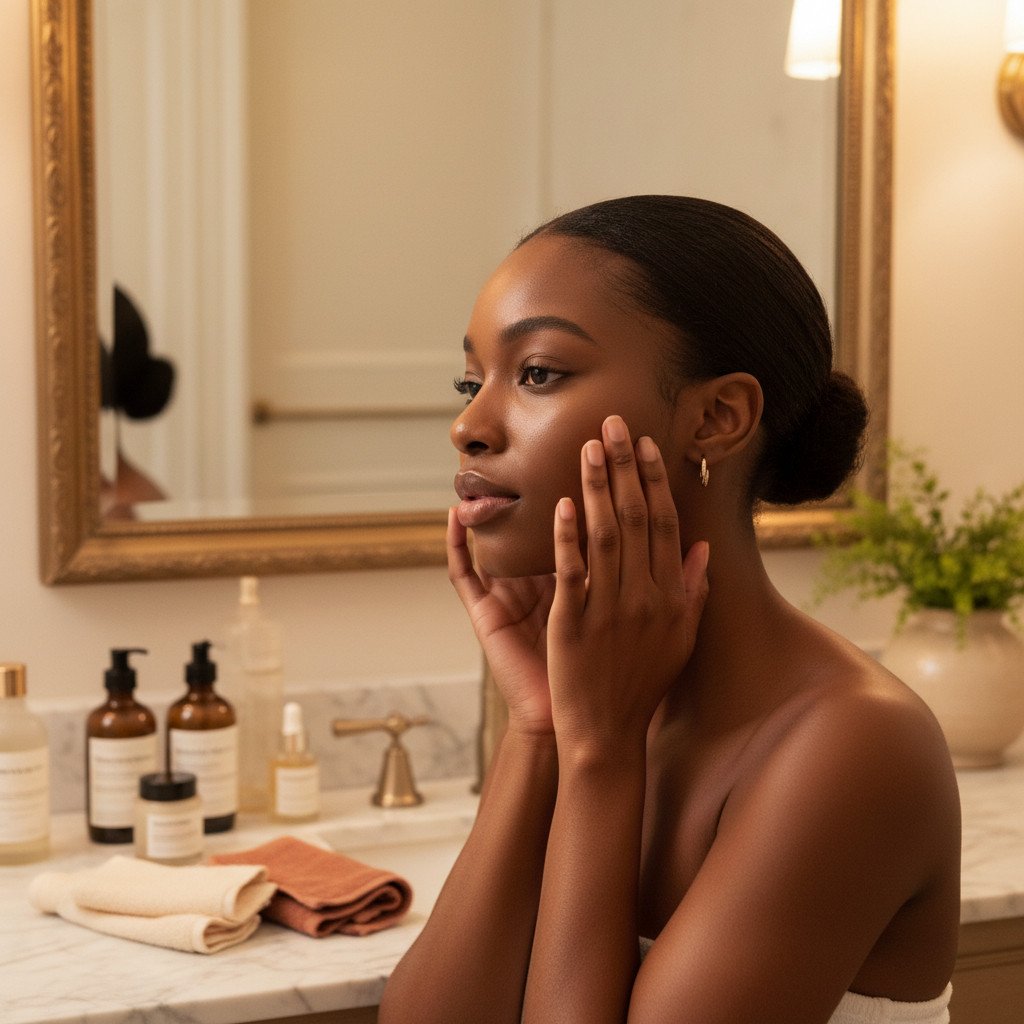
Choosing Highlighters That Glow, Not Ash
The art of highlighting on deep skin is about celebrating our inherent luminosity, not masking it with an artificial sheen. For too long, the beauty market offered a limited spectrum of highlighters, many of which were formulated with cool, silvery, or stark white pigments that, when applied to melanin-rich skin, resulted in an undesirable ashy or icy finish. This created a disconnect, making the highlight appear to sit on top of the skin rather than melting into it to create a natural, radiant glow. The goal for deep skin is to find highlighters that enhance our natural warmth and depth, reflecting light in a way that looks organic and breathtakingly beautiful.
The secret lies in understanding the interplay of color and light with melanin. Our skin, particularly when healthy and well-cared for, possesses a natural glow that is often warm-toned. Therefore, highlighters that echo these warm undertones will always be the most flattering. Think of the way sunlight catches on bronze statues, or the rich shimmer of gold jewelry against deep skin – these are the visual cues we aim to replicate. The right highlighter should appear as if light is emanating from within your skin, creating a seamless, ethereal luminosity that elevates your entire complexion.
Beyond color, the texture and finish of a highlighter are equally important. A chunky glitter or an overly metallic formula can look artificial and emphasize skin texture, rather than providing a smooth, diffused glow. The most flattering highlighters for deep skin often have a finely milled, almost creamy texture, even in powder form, that melts into the skin. This ensures that the highlight looks like a natural part of your complexion, catching the light gracefully without appearing stark or chalky. By carefully selecting shades and textures, we can unlock the true potential of highlighting, transforming it from a potential pitfall into a powerful tool for radiant self-expression.
Best Highlight Colors for Melanin-Rich Skin
When selecting highlighters for melanin-rich skin, the cardinal rule is to embrace warmth and richness. The colors that truly make deep complexions sing are those that possess golden, bronze, copper, and warm champagne undertones. These shades harmonize beautifully with the natural warmth of melanin, creating a radiant glow that looks organic and truly luminous, rather than stark or artificial.
- Gold: A true gold highlighter, ranging from a soft, antique gold to a vibrant, rich yellow gold, is often the most universally flattering choice for deep skin. It mimics the way natural sunlight catches on our complexions, creating a warm, sun-kissed radiance.
- Warm Champagne: Not all champagne shades are created equal. For deep skin, opt for champagne highlighters that lean more golden or peach, rather than those with a stark silver or white base. These warm champagne tones provide a sophisticated, elegant glow that is subtle yet impactful.
- Bronze: Bronze highlighters are exceptional for adding a sun-drenched, goddess-like radiance. They can range from a soft, coppery bronze to a deeper, richer hue, often blending seamlessly with contour and blush for a truly cohesive look.
- Copper: For those with very deep or warm-toned skin, copper highlighters can be absolutely breathtaking. They provide an intense, fiery glow that is both bold and beautiful, adding a unique dimension to the complexion.
It is crucial to exercise caution with highlighters that contain overtly icy, silver, or stark white pigments. While these may work on lighter skin tones, on deep skin, they tend to create an ashy, chalky, or even gray cast. This is because these cool tones clash with the natural warmth of melanin, making the highlight appear disconnected from the skin. The goal is to enhance your natural glow, not to create an artificial, stark contrast. Always swatch highlighters on your skin, preferably in natural light, to see how the color truly interacts with your complexion before making a selection. The right shade will melt into your skin, creating an ethereal luminosity that celebrates your beautiful melanin. You can find a wide array of options for gold highlighters for dark skin on Amazon.
Highlight Textures and Finishes
Just as with contour, the texture and finish of your highlighter play a pivotal role in achieving the desired effect on deep skin. The choice between cream, liquid, or powder, and the decision between a subtle sheen or a more intense, “blinding” glow, will dictate how the highlight appears and interacts with your complexion. The aim is always to enhance, not to overpower or emphasize texture.
Cream Highlighters: Cream highlighters are celebrated for their ability to deliver a natural, dewy, and skin-like luminosity. They blend seamlessly into the skin, especially when applied over a cream or liquid foundation, creating a “lit from within” effect. This formula is particularly flattering for those with normal to dry skin, as it adds a touch of moisture and avoids any powdery finish. Cream highlighters are excellent for achieving a subtle, everyday glow or for layering under powder highlighters for intensified radiance. They are typically applied with fingertips, a damp sponge, or a synthetic brush, allowing for precise placement and effortless blending.
Liquid Highlighters: Similar to creams, liquid highlighters offer a radiant, often more intense, glow. They can be mixed with foundation for an all-over luminous base, or applied strategically to high points of the face for targeted illumination. Liquid highlighters tend to be very versatile, offering a range from sheer, subtle radiance to a more concentrated, impactful shine. They are suitable for most skin types, though oily skin types might prefer to set them with a light powder. The key with liquid formulas is to start with a tiny amount and build gradually, as a little often goes a long way, especially on deep skin where pigment shows up beautifully.
Powder Highlighters: Powder highlighters are perhaps the most popular choice for their ease of application and ability to deliver a range of finishes, from a soft sheen to a dazzling, “blinding” glow. They are ideal for setting cream or liquid highlighters, or for use on their own over a set foundation. Powder highlighters are particularly well-suited for oily skin types, as they can help absorb excess oil and provide a long-lasting finish. When choosing a powder highlighter for deep skin, look for finely milled formulas that melt into the skin rather than sitting on top. Avoid chunky glitter, which can emphasize texture and look less sophisticated. A soft, diffused glow is often more flattering than an overly metallic finish, especially for daytime. However, for evening or a more glamorous look, a more intense, shimmering powder can be stunning, provided the color is right.
The choice between a subtle or “blinding” finish depends entirely on your personal preference and the occasion. For an everyday look, a subtle, diffused glow that catches the light naturally is often preferred. For special occasions or a more dramatic effect, a more intense, reflective highlight can be breathtaking. Regardless of your preference, always ensure the chosen texture and finish harmonize with your skin type and the overall aesthetic you wish to achieve, ensuring your highlight truly glows, rather than ashes.
Common Highlight Mistakes on Deep Skin
Even with the right shade and formula, certain application mistakes can diminish the impact of your highlighter on deep skin, leading to an unnatural or unflattering appearance. Being aware of these common pitfalls can help you refine your technique and ensure your highlight consistently enhances your natural beauty.
- Highlight That Is Too Light: This is perhaps the most frequent error. Using a highlighter that is too pale or has a stark white base, even if it has a hint of gold, will almost always result in an ashy or chalky look on deep skin. The contrast is too severe, making the highlight appear like a stripe of paint rather than a natural catch of light. Always opt for shades that have a deeper, richer base, such as true golds, bronzes, or warm coppers, that blend seamlessly with your complexion.
- Highlight That Is Too Metallic or Glittery: While a beautiful shimmer is desired, highlighters that are overly metallic or contain large, chunky glitter particles can be problematic. On deep skin, these formulas can emphasize skin texture, making pores appear larger or highlighting any unevenness. Instead of a smooth, ethereal glow, you might end up with a patchy, artificial shine. Opt for finely milled formulas that provide a soft, diffused radiance rather than an obvious glitter bomb. The goal is luminosity, not disco ball effect.
- Wrong Placement: Applying highlighter to areas that don’t naturally catch the light can lead to an unnatural or even greasy appearance. Over-applying to the entire cheek area, for instance, can make the face look wider or oily. Highlighter should be strategically placed on the highest points of the face – the tops of the cheekbones, the bridge of the nose, the cupid’s bow, and sometimes a touch on the brow bone. Understanding your unique facial structure and where light naturally hits is key to effective placement. Less is often more, especially when aiming for a sophisticated, natural glow.
- Not Blending Enough: A harsh line of highlighter is just as unflattering as a harsh contour. The edges of your highlight should seamlessly melt into your skin and blush, creating a soft transition. If the highlight sits as a distinct stripe, it looks artificial. Use a soft brush or a damp sponge to gently diffuse the edges, ensuring there are no visible lines of demarcation. The highlight should appear as an extension of your skin’s natural radiance, not a separate layer of product.
- Ignoring Skin Texture: If you have prominent texture or acne scars, applying a highly reflective highlighter directly to these areas can draw unwanted attention to them. In such cases, it’s often better to apply highlighter just above or around textured areas, or opt for a more subtle, satin-finish highlighter that provides a soft sheen rather than an intense reflection.
Step-by-Step Contour Tutorial for Deep Skin
Mastering the art of contouring on deep skin is about creating subtle, believable shadows that enhance your natural bone structure without appearing harsh, muddy, or ashy. This step-by-step tutorial will guide you through the process, emphasizing techniques and considerations specifically tailored for melanin-rich complexions. Remember, the goal is to sculpt and define, allowing your inherent beauty to shine through with added dimension.
Step 1: Map Your Natural Shadows
Before applying any product, take a moment to understand the natural contours of your face. Stand in front of a mirror in good, natural lighting. Turn your head slightly from side to side, observing where shadows naturally fall. You’ll typically notice a natural hollow directly beneath your cheekbones, along your jawline, and sometimes around the temples or the sides of your nose. This observation is crucial because it informs where you should place your contour product, ensuring a natural and harmonious result.
For most deep skin tones, the primary areas for contouring are beneath the cheekbones, along the jawline, and sometimes around the perimeter of the forehead near the hairline. To locate the ideal cheekbone contour, suck in your cheeks slightly or feel for the hollow beneath your cheekbone. The contour should generally start from the top of your ear, or slightly above it, and extend towards the corner of your mouth, stopping roughly at the outer corner of your eye. Avoid bringing the contour too far forward towards the nose, as this can make your face appear sunken or create a muddy patch.
Mapping your natural shadows also helps you understand the unique architecture of your face. Every face is different, and what works for one person might need slight adjustments for another. Some may have more prominent cheekbones, while others might focus more on defining the jawline. By taking a moment to observe your own features, you ensure that your contour application is customized to enhance your individual beauty, rather than following a generic template that might not be flattering. This foundational step sets the stage for a truly bespoke and natural-looking sculpt.
Step 2: Place Cream or Stick Contour
Once you’ve identified your natural shadow areas, it’s time to apply your chosen cream or stick contour. For deep skin, cream and stick formulas are often preferred for their seamless blendability and natural finish. Using a product that is two to four shades deeper than your foundation and has a warm, rich undertone (like a deep caramel, chocolate, or terracotta brown) will ensure a harmonious shadow that avoids ashiness.
For the cheekbones, apply the contour product directly to the hollows you identified in Step 1. If using a stick, draw a line starting from the top of your ear (or slightly above) and extending towards the corner of your mouth, stopping roughly at the outer corner of your eye. If using a cream in a pot or tube, use a dense, synthetic brush or a damp beauty sponge to pick up the product and stipple it onto the same area. Remember to apply sparingly at first; it’s always easier to build up intensity than to remove excess product.
For the jawline, apply the contour directly along the bone, starting from just below your earlobe and extending towards your chin. This helps to create definition and a more sculpted profile. For the forehead, apply the contour along your hairline, particularly at the temples, to create the illusion of a smaller or more defined forehead. When applying, use a light hand and focus on creating soft, diffused lines rather than harsh, thick stripes. The precision of application at this stage is crucial for achieving a well-blended and natural-looking contour. This initial placement is the blueprint for your sculpted look, so take your time to ensure accuracy.
Step 3: Blend Upward and Inward
Blending is the most critical step in achieving a seamless and natural-looking contour on deep skin. A poorly blended contour will appear as a harsh, unblended stripe, completely undermining the illusion of natural shadow. For cream and stick contours, immediate and thorough blending is essential before the product sets.
Using a dense, synthetic contour brush, a damp beauty sponge, or even your fingertips, begin to blend the product. For the cheekbones, blend the contour in an upward and inward motion. The upward motion helps to lift the face and prevents the contour from dragging downwards, which can make the face appear droopy. The inward motion ensures that the contour blends seamlessly into your foundation without creating a harsh line. Use small, circular, buffing motions or gentle tapping motions to diffuse the product into the skin. The goal is to make the contour disappear into your foundation, creating a soft, diffused shadow rather than a distinct line.
For the jawline, blend the contour downwards and slightly onto the neck. This helps to create a seamless transition and prevents a visible line of demarcation between your face and neck. For the forehead, blend the contour into your hairline and slightly downwards towards the temples, ensuring a soft, natural gradient. Take your time with blending; it should be a gradual process, ensuring that the product is fully integrated into your base. If you’ve applied too much, use a clean, damp sponge or a brush with a tiny bit of your foundation on it to gently tap over the area and sheer out the product. The result should be a subtle, natural shadow that enhances your bone structure without looking obvious or muddy.

Step 4: Softly Define Jawline and Nose (Optional)
While cheekbone contouring is a staple, defining the jawline and nose can add an extra layer of refinement to your sculpted look, especially for deep skin. These steps are optional and depend on your personal preference and facial structure, but when done correctly, they can beautifully enhance your features without appearing harsh or unnatural.
Jawline Definition: To define the jawline, apply a thin line of your cream or stick contour directly along the underside of your jawbone, starting from just below your ear and extending towards the chin. The key here is to apply it precisely on the bone, not below it on the neck. Once applied, blend the product downwards and slightly onto the neck with a dense brush or sponge. This blending motion helps to soften the line and create a seamless transition, making the jawline appear more sculpted and defined. This technique is particularly effective for creating the illusion of a sharper, more angular jawline, or for minimizing the appearance of a double chin. Ensure the blend is soft and diffused to avoid any harsh lines.
Nose Contour: Nose contouring requires a lighter hand and more precision. Using a small, fluffy blending brush or a clean finger, apply a very thin line of your contour product down each side of your nose, starting from the inner corner of your eyebrow and extending down to the tip. The lines should be parallel and close together for a narrowing effect. For a subtle lift, you can also apply a tiny dot of contour to the very tip of your nose, just below the bridge, and blend it out. Once the lines are placed, blend them meticulously using a small, soft brush or your fingertip. Blend outwards towards the sides of your nose, ensuring there are no harsh lines. The goal is to create a soft shadow that subtly refines the nose, not to paint two obvious stripes. For deep skin, it’s crucial to use a contour shade that is not too cool or too dark for the nose, as this area can easily look muddy or ashy if the wrong shade or too much product is used. A very light touch is paramount for a natural-looking nose contour.
Step-by-Step Highlight Tutorial for Deep Skin
Highlighting on deep skin is about celebrating and enhancing your natural radiance, making your skin appear luminous and healthy. The goal is to catch the light in a way that looks organic and ethereal, rather than stark or artificial. This step-by-step guide will help you apply highlighter strategically, ensuring a beautiful, glowing finish that complements your melanin-rich complexion.
Step 1: Choose Where You Actually Want Light
Before reaching for your highlighter, take a moment to consider where light naturally hits your face and where you wish to draw attention. The most flattering highlight is always strategically placed, enhancing your features without overdoing it. For deep skin, the aim is to create a radiant glow that looks like it’s emanating from within, not sitting on top of the skin as an obvious stripe.
The classic areas for highlighting are the highest points of the face: the tops of the cheekbones, the bridge of the nose, and the cupid’s bow. These are the areas that naturally catch and reflect light, and enhancing them with highlighter creates a beautiful, dimensional effect. For the cheekbones, locate the highest point just above your contour line, typically extending from the outer corner of your eye towards your hairline. This placement lifts the face and creates a radiant glow that complements your sculpted cheekbones.
The bridge of the nose can be highlighted to create the illusion of a straighter or more refined nose. Apply a thin line down the center, avoiding the very tip if you wish to prevent it from appearing wider. The cupid’s bow, the dip above your upper lip, can be highlighted to make your lips appear fuller and more defined. Some also choose to apply a touch of highlighter to the inner corners of the eyes to brighten and awaken the gaze, or lightly on the brow bone just under the arch of the eyebrow to lift and define. Remember, less is often more with highlighter. Focus on these key areas to create a sophisticated and impactful glow that truly enhances your deep skin’s natural luminosity.
Step 2: Apply Highlighter Sparingly
When it comes to highlighter on deep skin, a light hand is always recommended. Our melanin-rich complexions beautifully reflect light, meaning a little product goes a long way to achieve a stunning, radiant effect. Over-application can quickly lead to an overly metallic, chunky, or even ashy appearance, especially if the shade isn’t perfectly matched. The goal is to create a sophisticated sheen, not an overpowering glitter bomb.
If using a cream or liquid highlighter, apply a tiny dot or a very sheer layer to the chosen areas. For the cheekbones, use your fingertip, a damp beauty sponge, or a small, dense synthetic brush to gently tap the product onto the highest points. Start with a minimal amount and build up if necessary. For the bridge of the nose and cupid’s bow, an even smaller amount is sufficient, often just a pin-prick of product. The warmth of your finger can help melt cream products into the skin for a more seamless finish.
If using a powder highlighter, select a soft, fluffy brush – a fan brush, a small tapered brush, or a fluffy eyeshadow brush can work beautifully depending on the area. Lightly tap your brush into the product, then tap off any excess before applying. Gently sweep or stipple the powder onto the high points of your face. For the cheekbones, apply in a C-shape motion from the top of your cheekbone up towards your temple. For the nose, a thin stroke down the bridge. The key is to apply in thin, buildable layers, allowing you to control the intensity of the glow. Remember that deep skin tones can carry more pigment beautifully, so while a light hand is crucial for initial application, you can build to your desired level of radiance without fear of it disappearing, provided the shade is correct. This careful, sparing application ensures a luminous, natural glow that enhances your features without looking artificial.
Step 3: Blend Edges into Skin and Blush
The final, crucial step in achieving a flawless highlight on deep skin is meticulous blending. A perfectly applied highlight should seamlessly melt into your skin and your blush, creating a soft, diffused glow without any harsh lines or obvious edges. If your highlight sits as a distinct stripe, it will look artificial and detract from the overall sculpted effect you’ve worked to create.
After applying your highlighter, whether cream, liquid, or powder, take a clean, fluffy blending brush or a damp beauty sponge. Gently tap or buff along the edges of where you’ve applied the highlight. For the cheekbones, this means blending the highlight softly into the top edge of your blush and into your temple area. The goal is to create a smooth gradient, where the highlight transitions effortlessly from your skin, through your blush, and into your contour, creating a harmonious flow of color and light. There should be no clear demarcation where one product ends and the other begins.
If you’ve applied a cream or liquid highlight, blending with a damp sponge can help press the product into the skin for a more natural, skin-like finish. For powder highlighters, a soft, fluffy brush used in light, circular motions will diffuse the edges beautifully. If you find that your highlight is still looking too stark or stripey, you can take the brush you used for your blush (with any residual product) and lightly sweep it over the edges of your highlight. This helps to further marry the two products, creating a more cohesive and natural-looking flush of color and light. Remember, the highlight should appear as an extension of your skin’s natural radiance, not an added layer. This meticulous blending ensures a sophisticated, luminous finish that truly celebrates your deep complexion. For tips on choosing blushes that complement this radiant look, refer to our guide on blush colors that pop on dark skin.
Contour, Blush, and Highlight Harmony
Achieving a truly polished and harmonious sculpted look on deep skin involves more than just applying contour and highlight in isolation. It requires understanding how these elements, along with blush, work together to create a cohesive and dimensional facial canvas. When these three components are in perfect sync, they enhance your natural beauty, providing a seamless transition of color and light that looks effortlessly radiant. The typical order of application is designed to build depth and luminosity strategically, ensuring each product contributes to the overall masterpiece without competing for attention.
The standard sequence generally begins with your prepared base (foundation and concealer), followed by contour, then blush, and finally highlight, with setting products applied at the very end. This order allows you to first create the illusion of shadow and definition with contour, then add a healthy flush of color with blush, and finally bring forward and illuminate with highlight. This layering ensures that each product has its moment to shine while also blending into the next, preventing any harsh lines or disjointed areas. For deep skin, this sequence is particularly effective because it allows the richness of the contour and blush to build a strong foundation for the highlight to pop beautifully without appearing stark.
Crucially, the undertone harmony between your contour, blush, and highlight cannot be overstated. If your contour is warm, your blush should ideally have warm or neutral undertones, and your highlight should echo those warm, golden, or bronze tones. A cool-toned blush paired with a warm contour and highlight, for instance, can create a jarring effect. The goal is to select shades that belong to the same color family or complement each other beautifully, creating a seamless gradient of color and light across your cheekbones. This thoughtful approach to product selection and application ensures that your sculpted look is not only defined and luminous but also beautifully cohesive and natural-looking, celebrating the depth and warmth of your melanin-rich skin.
Avoiding Ashiness, Muddy Shadows, and Flashback
The pursuit of a perfectly sculpted and glowing look on deep skin can often be marred by the unwelcome appearance of ashiness, muddy shadows, or flashback in photographs. These issues are particularly frustrating because they can undermine an otherwise meticulously applied makeup look, making the skin appear dull, chalky, or discolored. Understanding the root causes of these common problems is the first step toward preventing them and ensuring your contour and highlight always look flawless, both in person and on camera.
Ashiness and muddiness are typically the result of incorrect shade selection or improper blending. On deep skin, products formulated with cool, gray, or overly pale pigments often clash with our natural warmth, leading to a dull or ashy cast. Flashback, on the other hand, is primarily a photographic phenomenon caused by certain ingredients in makeup that reflect light from a camera flash, creating bright, white patches on the skin. Both issues are more pronounced on deep skin because the contrast with our rich complexion makes any misstep more noticeable. By being mindful of product ingredients, undertones, and application techniques, we can confidently navigate these challenges and achieve a radiant, true-to-tone finish that celebrates our beautiful melanin.
Why Contour Looks Gray/Muddy
The appearance of a gray or muddy contour on deep skin is a common and frustrating issue, almost always stemming from a mismatch in shade or undertone. When a contour shade looks gray, it usually means the product is too cool-toned or too light for your specific complexion. Many contour products on the market are formulated with a grayish-brown hue, designed to mimic natural shadows on lighter skin tones. However, on melanin-rich skin, these cool, ashy undertones clash with our inherent warmth, resulting in a stark, unnatural gray stripe that looks disconnected from the skin.
Similarly, a muddy contour typically occurs when the shade is either too dark, or it has an incorrect undertone that doesn’t blend seamlessly with your foundation. If a contour is excessively dark, it can create a heavy, opaque patch that looks more like dirt than a natural shadow. This is especially true if the product is not blended thoroughly, allowing the pigment to sit heavily on the skin. Muddiness can also arise if the contour shade has a strange, off-kilter undertone that, when mixed with your foundation, creates a murky, indistinct color. For instance, a contour that is too olive or too green on a warm-toned deep complexion can easily turn muddy.
To avoid these pitfalls, always prioritize contour shades with warm, rich undertones such as deep caramel, chocolate, or terracotta browns. These colors harmonize with the natural warmth of deep skin, creating a believable shadow that melts into your complexion. Additionally, ensure the depth of your contour is appropriate – deep enough to create definition, but not so dark that it looks harsh or heavy. Meticulous blending is also paramount; a well-blended contour, even if slightly off in shade, will always look better than a perfectly matched but unblended one. By selecting the right shade and blending diligently, you can achieve a beautifully sculpted look that is free from any grayness or muddiness.

Why Highlight Looks Ashy/Silvery
An ashy or silvery highlight on deep skin is just as disheartening as a muddy contour, and it almost always points to an incompatibility between the product’s undertone and your skin’s natural warmth. Many highlighters are formulated with stark white, silver, or very pale champagne pigments that, while beautiful on lighter skin, can create a chalky, icy, or even gray cast on melanin-rich complexions. This happens because these cool-toned pigments clash with the golden, bronze, or reddish undertones inherent in deep skin, making the highlight appear to sit on top of the skin rather than melting into it for a natural glow.
The issue is exacerbated by the way light interacts with melanin. Our skin naturally possesses a beautiful depth and warmth. When a cool, reflective pigment is placed on top, it doesn’t blend harmoniously. Instead, it reflects light in a way that emphasizes the cool, starkness of the pigment, creating an unnatural, almost ghostly sheen. This is particularly noticeable in flash photography, where the stark white or silver can become intensely reflective, making the highlighted areas appear unnaturally bright and disconnected from the rest of the face.
To prevent an ashy or silvery highlight, always opt for shades that boast warm, rich undertones. True golds, warm coppers, deep bronzes, and peachy-champagne shades are your allies. These colors complement the natural warmth of deep skin, reflecting light in a way that looks luminous and organic. When swatching highlighters, observe how the color truly appears on your skin in natural light. Does it melt in and create a warm glow, or does it look like a stark, pale stripe? Choose finely milled formulas that provide a soft sheen rather than chunky glitter, as glitter can also contribute to an artificial, ashy look. By prioritizing warm-toned, finely textured highlighters, you can achieve a radiant, seamless glow that truly celebrates your deep complexion.
How to Test in Real Light and Photos
The true test of any makeup application, especially contour and highlight on deep skin, lies in how it performs in various lighting conditions and, crucially, in photographs. What looks flawless under your vanity lights might tell a different story in natural daylight or under the unforgiving flash of a camera. This is why it’s imperative to test your products and techniques beyond the confines of your mirror.
Testing in Real Light: After completing your makeup, step away from your immediate lighting source. Walk over to a window and observe your face in natural daylight. This is often the most honest light and will reveal any harsh lines, unblended areas, or incorrect undertones that might have been masked by artificial lighting. Pay close attention to your contour: does it look like a natural shadow, or is it a visible stripe? Does your highlight appear as a soft, luminous glow, or does it look stark, chalky, or overly metallic? Check for any signs of ashiness or muddiness. If you can, step outside briefly. The ultimate goal is for your makeup to look seamless and natural in all real-world lighting scenarios.
Testing in Photos: Flash photography is notorious for exposing makeup flaws, particularly on deep skin. Certain ingredients, like titanium dioxide and zinc oxide (often found in SPF, setting powders, and some foundations/highlighters), can create a white cast or “flashback” when hit by a camera flash. To test for this, take a few selfies with your phone’s flash enabled, both in a well-lit room and a darker environment. Review the photos critically. Do your highlighted areas appear unnaturally bright or white? Does your contour look gray or muddy? Are there any white patches on your face from setting powder? If you notice flashback, it’s an indication that your products contain reflective ingredients that are not suitable for flash photography. For a more in-depth understanding of how makeup performs under the lens, you can consult our guide on makeup for photos and video on deep skin.
By consistently testing your makeup in various real-world lighting and with flash photography, you can identify and correct any issues before they become public. This proactive approach ensures that your contour and highlight always look impeccable, celebrating your deep skin’s beauty in every light and every frame. This vigilance allows you to refine your product choices and application techniques, leading to consistently flawless results.
Making Your Sculpt Last on Deep Skin
Once you’ve meticulously sculpted and highlighted your deep skin, the next crucial step is to ensure your masterpiece lasts throughout the day or night. Longevity is key, especially for a look that involves multiple layers of product. Setting your makeup properly not only extends its wear but also helps to prevent creasing, smudging, and unwanted shine, ensuring your radiant, defined features remain pristine from application to removal. For deep skin, the choice and application of setting products require particular attention to avoid introducing ashiness or flashback.
The role of setting powder and setting sprays on deep skin cannot be overstated. Setting powder, when chosen correctly, locks cream and liquid products in place, absorbs excess oil, and creates a smooth, matte or satin finish. However, it’s imperative to select a translucent powder that is truly invisible on deep skin, or a finely milled, color-correcting powder that complements your undertone, rather than one that leaves a white or ashy cast. Over-powdering, especially with an incorrect shade, is a primary culprit for dullness and flashback. Setting sprays, on the other hand, fuse all layers of makeup together, creating a more skin-like finish and significantly extending wear time. They can also help to melt away any powdery finish, restoring a natural luminosity.
When setting your sculpted look, it’s important to be strategic with your application. While you want to lock in your contour and blush, you also want to preserve the luminosity of your highlight. This means avoiding over-powdering the areas where you’ve applied highlighter. Instead, focus your setting powder on the T-zone and any areas prone to oiliness, using a light hand and a fluffy brush. For the highlighted areas, a very sheer dusting of powder, or skipping powder entirely in favor of a setting spray, can help maintain that desired glow. For a comprehensive guide on selecting the best products for this crucial step, refer to our resource on setting powders and sprays for melanin-rich skin. By thoughtfully integrating these setting techniques, you can ensure your beautifully sculpted and highlighted deep skin remains flawless and radiant for hours on end.
Frequently Asked Questions
What is the ideal undertone for contour on deep skin to avoid ashiness?
For most deep skin tones, the ideal contour undertone is warm, rich, or neutral-warm. Look for shades that resemble deep caramel, chocolate, or terracotta browns, as these harmonize with the natural warmth of melanin and create a believable shadow without appearing gray or muddy.
How can I prevent my highlighter from looking too stark or silvery on my deep skin?
To prevent a stark or silvery highlight, choose shades with warm, golden, bronze, or coppery undertones. Avoid highlighters with stark white or silver pigments, and ensure the formula is finely milled to melt into the skin for a natural, luminous glow rather than an artificial stripe.
Is it better to use cream or powder contour/highlight for everyday wear on deep skin?
For everyday wear on deep skin, cream or stick formulas for both contour and highlight often provide a more natural, skin-like finish that blends seamlessly. Powder formulas can be used to set cream products or for a more defined look, but should be applied sparingly for a subtle effect.
How do I choose the right depth for my contour shade on deep skin?
Aim for a contour shade that is three to four shades deeper than your foundation, ensuring it has a warm or neutral-warm undertone. Test the shade by swatching it in your natural shadow areas; it should create a discernible, soft shadow without looking muddy or too harsh.
Can I contour and highlight if I have textured skin or acne on my deep complexion?
Yes, you can. For textured skin, opt for cream or satin-finish products over highly metallic or glittery ones, and apply them sparingly. Avoid placing highlight directly on raised blemishes or heavily textured areas; instead, apply it just around them to draw light to smoother skin.
What is the best way to blend contour and highlight on deep skin for a seamless finish?
For cream products, use a dense, synthetic brush or a damp beauty sponge, blending in small, circular, upward, and inward motions for contour, and gentle tapping for highlight. For powders, use soft, fluffy brushes with light, buffing motions, ensuring no harsh lines remain between products.
How can I ensure my contoured and highlighted look doesn’t cause flashback in photos?
To prevent flashback, avoid products with high concentrations of titanium dioxide, zinc oxide, or silica, especially in setting powders and highlighters. Always test your finished look with your phone’s flash before an event to identify and adjust any problematic areas.
Final Thoughts
The journey to mastering contour and highlight on deep skin is one of empowerment and celebration. For too long, the beauty industry presented a narrow vision, leaving many of us to grapple with products and techniques ill-suited for our melanin-rich complexions. The challenges of ashiness, muddiness, and flashback are not a reflection of your skill or inherent beauty, but rather a testament to the need for tailored solutions and expert guidance. At Black Beauty Basics, we firmly believe that every woman deserves to feel seen, understood, and exquisitely beautiful in her own skin, equipped with the knowledge to enhance her unique features with confidence and grace.
Through this comprehensive tutorial, we hope to have demystified the art of sculpting and illuminating deep skin, transforming it from a source of frustration into a powerful tool for self-expression. With the right shades – those rich, warm contours and luminous, golden highlights – and the precise techniques for application and blending, you can create a dimension that celebrates the stunning architecture of your face. Remember, makeup is an art form, and your face is a magnificent canvas. Embrace the process, experiment with confidence, and allow your natural radiance to shine through, beautifully enhanced and perfectly harmonized.
This guide is but one piece of the rich tapestry we’ve woven within our Makeup for Deep Skin Tones hub. We encourage you to explore further, delving into our resources on foundation matching, blush selection, and setting techniques, all designed to empower you with the knowledge to create a flawless, radiant look that is authentically and beautifully you. Your beauty is profound, and with these insights, your makeup will reflect that truth, without compromise or stereotype.
Related next steps
Related posts:
 Sculpted, Not Ashy: The Best Contour & Highlight Products for Melanin-Rich Skin
 Highlighters That Flatter Deep Skin Without Going Ashy
 Color Correcting 101: How to Neutralize Dark Circles & Hyperpigmentation on Melanin Skin (Without Looking Gray)
 Smoky Eye for Deep Skin: Sultry, Ashy-Free Makeup Tutorial for Black Women
 The Illuminators: 20 Highlighters That Look Stunning (Not Ashy) on Dark Skin
 Finding Non-Ashy Sunscreen Textures for Melanin-Rich Skin