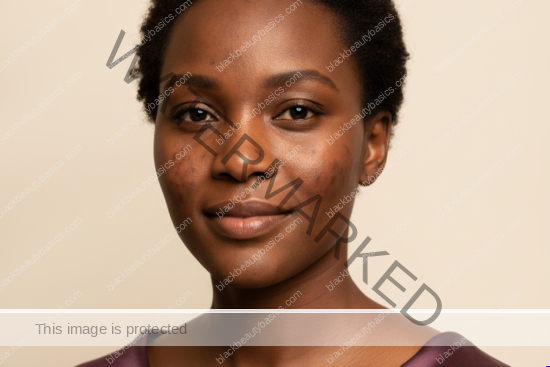
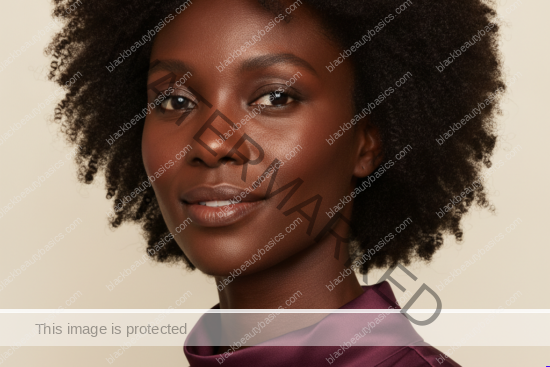
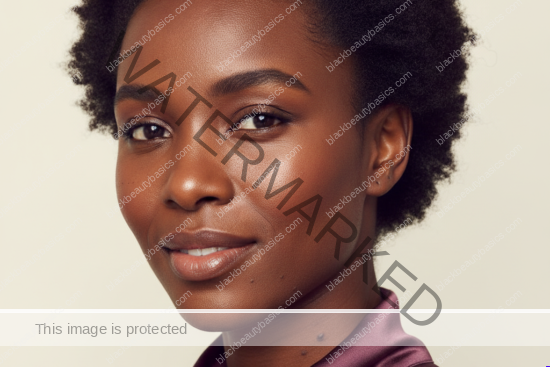
Makeup for Photos and Video on Deep Skin: Lighting and Products
There is a unique frustration many women with deep, melanin-rich skin experience: meticulously applying makeup in the mirror, feeling confident in the artistry, only to see a photograph or video clip that tells a completely different story. Perhaps your complexion appears flat, devoid of the dimension you carefully sculpted. Maybe your radiant glow transforms into an unnatural sheen, or your carefully chosen foundation looks strangely ashy or too light, creating an unwelcome cast. This common phenomenon can be disheartening, making one question their technique or even their choice of products. It’s a challenge born from a confluence of factors, from the way cameras perceive deep skin to the nuances of lighting and the historical oversight of the beauty industry in catering to our complexions.
The truth is, your mirror, with its direct, unfiltered reflection, often provides a forgiving view. Cameras, however, are far less charitable. They capture light and color in ways that can exaggerate imperfections, flatten features, or distort shades, especially when dealing with the rich undertones and varied depths of melanin-rich skin. Add to this the variable nature of lighting – from the harsh glare of a studio flash to the cool, unforgiving light of a phone camera or the mixed temperatures of indoor settings – and it becomes clear why achieving a consistent, camera-ready look is a distinct skill. Many products, historically developed and tested on lighter skin tones, simply do not translate well, leading to issues like flashback, an overly matte appearance, or colors that disappear rather than pop.
This guide is crafted specifically for you, the discerning woman who desires to look as vibrant and authentic on screen as she does in person. We understand that your deep skin is a canvas of unparalleled beauty, deserving of techniques and products that celebrate its richness, not diminish it. We will demystify the interplay between makeup, lighting, and camera technology, providing you with actionable strategies to ensure your complexion always appears dimensional, radiant, and true to its magnificent self. From selecting the right base to mastering setting techniques and strategically applying color, we will equip you with the knowledge to navigate any photographic or video scenario with grace and unwavering confidence, ensuring your beauty is always captured in its best light.
This comprehensive tutorial is designed to be your definitive resource, connecting seamlessly with our broader Makeup for Deep Skin Tones hub. Within these pages, you will find links to detailed guides on selecting the perfect foundation, expertly covering hyperpigmentation, choosing setting powders that prevent flashback, and sculpting your features with blush, contour, and highlight. Each section builds upon the next, empowering you to create a flawless, camera-ready look that honors the unique beauty of your melanin-rich skin.
How Cameras and Lighting Treat Deep Skin Differently
Understanding how cameras and various light sources interact with deep skin is the cornerstone of mastering camera-ready makeup. Melanin, the pigment responsible for our beautiful complexions, absorbs and reflects light differently than lighter skin tones. This unique interaction means that what looks balanced and dimensional in natural light can appear starkly different under the artificial gaze of a camera lens or specific lighting conditions. The challenge isn’t with your skin; it’s with the technology’s often-limited ability to accurately interpret and render its richness and depth.
Consider the spectrum of light sources you encounter daily. Natural daylight, particularly soft, diffused light, is generally the most flattering, as it provides a balanced illumination that highlights contours without harsh shadows. However, move indoors, and you might encounter warm incandescent bulbs, which can cast a yellow or orange hue, or cool fluorescent lights, which often impart a greenish or bluish cast. These color temperatures can dramatically alter how your foundation appears, making it look too warm or too cool, or even causing certain makeup shades to disappear entirely. Ring lights, while excellent for providing even front-facing illumination, can sometimes flatten features if not adjusted correctly, and a camera flash, notorious for its harshness, can create an unwelcome ghostly effect known as flashback, particularly with certain SPF ingredients or silica-based powders.
The way deep skin absorbs light can also lead to it appearing flat or overly shiny on camera if not properly addressed. Melanin tends to absorb more light, which can sometimes make features less defined in photographs, especially if the lighting is flat or coming from an unflattering angle. Conversely, the natural oils on deep skin, which contribute to a beautiful, healthy glow in person, can be exaggerated by camera lenses and bright lights, translating into an undesirable greasy appearance on screen. This delicate balance between achieving a natural radiance and preventing excessive shine is crucial. It requires a thoughtful approach to base products and powders, ensuring they are specifically formulated to complement and enhance melanin-rich skin under various photographic conditions, rather than creating an artificial or unbalanced finish.
To truly master your camera-ready look, it’s essential to recognize the variables at play. These include:
- Lighting Variables:
- Direction: Front-facing light is generally most flattering, minimizing shadows. Side lighting can create dramatic shadows, while overhead lighting can cast unflattering shadows under the eyes and nose.
- Color Temperature: Warm light (yellow/orange) can make skin appear sallow or overly warm; cool light (blue/green) can make skin appear ashy or gray. Balanced, neutral light is ideal.
- Brightness: Too dim, and details are lost; too bright, and features can be washed out or appear overly shiny.
- Camera Variables:
- Phone vs. DSLR: Phone cameras, especially older models, often have less dynamic range and can struggle with color accuracy on deep skin. DSLRs offer more control over exposure and white balance.
- Front vs. Back Camera: Front-facing phone cameras (selfie cameras) often have lower resolution and different processing algorithms than the back camera, which can impact image quality and color rendition.
- Flash: Built-in camera flashes are notoriously harsh and can cause flashback with certain ingredients.
By understanding these dynamics, you can begin to make informed choices about your makeup application and even influence your immediate environment to ensure your deep skin is always captured in its most authentic and beautiful light.
Get the Base Right for Camera
The foundation of any camera-ready look for deep skin begins with a meticulously crafted base. This is where the magic happens, transforming your complexion into a smooth, even canvas that can withstand the scrutiny of lenses and lights. For melanin-rich skin, getting the base right means more than just matching a shade; it involves understanding how different formulations and application techniques will translate on camera, ensuring your skin looks vibrant, dimensional, and true to its natural beauty, rather than flat or ashy.
Choosing Camera-Friendly Foundations for Deep Skin
When selecting a foundation for photos and video, the primary consideration for deep skin is often coverage and finish. Unlike everyday wear where a sheer tint might suffice, camera work frequently benefits from a medium to full coverage foundation. This is not to say your skin should look masked, but rather that a slightly higher coverage helps to even out skin tone, minimize the appearance of minor imperfections, and create a uniform canvas that prevents natural variations in pigmentation from being exaggerated by harsh lighting. The goal is to achieve a flawless, yet natural-looking, finish that provides enough opacity to stand up to the camera’s lens without appearing heavy or cakey.
The formulation of your foundation also plays a critical role. For camera-readiness, it is often advisable to opt for foundations that are explicitly labeled as “photo-friendly” or “flash-friendly.” These formulations are typically free of or contain minimal amounts of SPF, particularly zinc oxide and titanium dioxide, which are known culprits for causing flashback – that ghostly white cast that appears in flash photography. While SPF is crucial for daily skin protection, for a photoshoot or video recording, it’s often best to apply it separately and allow it to fully absorb, or choose a foundation without it and rely on other protective measures. Additionally, foundations with a soft matte or natural finish tend to perform best, as they control shine without completely flattening the skin’s natural dimension. Explore a wide range of options and find your perfect match by visiting our comprehensive guide on the best foundations for deep skin.
Correcting and Concealing for Photos and Video
For camera work, the approach to correcting and concealing on deep skin often requires a slightly more strategic and thorough application than for everyday wear. Areas of hyperpigmentation, particularly around the mouth, and dark circles under the eyes, which might be subtly visible in person, can become significantly more pronounced and distracting under the unforgiving lens of a camera. The key is to neutralize these discolorations effectively without adding excessive layers of product that could look heavy or crease. This means employing color correctors with precision, choosing shades that truly counteract the specific undertones of your discoloration—often orange or red tones for deeper skin—before applying concealer.
When selecting concealers, it is paramount to be acutely aware of undertones to avoid the dreaded ashy or gray cast. For under-eye areas, a concealer that is one to two shades lighter than your foundation, with a warm or golden undertone, can brighten effectively without looking stark. For hyperpigmentation, a concealer that precisely matches your foundation shade, or is a hair warmer, will blend seamlessly into the skin. The texture of the concealer is also important; opt for formulas that offer good coverage but remain flexible and blendable, preventing creasing, especially in dynamic areas like under the eyes. Remember, the goal is to create an even, luminous canvas that allows your natural beauty to shine through, unmarred by camera-visible discoloration. For a detailed approach to this crucial step, consult our guide on how to cover hyperpigmentation and dark circles on dark skin.
Balancing Matte and Glow on Deep Skin
Achieving the perfect balance between a matte finish and a natural glow is perhaps one of the most nuanced aspects of camera-ready makeup for deep skin. While a completely matte base might seem like the logical choice to combat shine, it can paradoxically make deep skin appear flat and lifeless on camera, stripping it of its natural vibrancy and dimension. Melanin-rich skin naturally possesses a beautiful, inherent luminosity, and a fully matte finish can erase this, leaving the complexion looking one-dimensional and dull under bright lights. Conversely, an overly dewy or radiant finish, while stunning in person, can easily translate into a greasy or sweaty appearance on camera, especially under strong artificial lighting or flash.
The ideal approach for camera work on deep skin is to aim for a “soft matte” or “natural” finish. This means selecting foundations and primers that control excessive oil and minimize shine in areas prone to it, such as the T-zone, while still allowing a subtle, healthy luminosity to peek through. Products labeled as “satin,” “skin-like,” or “velvet” often strike this balance beautifully. The goal is to create a refined, polished surface that reflects light strategically, enhancing your features rather than flattening them. This balanced finish ensures that your skin retains its natural depth and radiance, appearing healthy and vibrant on screen without succumbing to either extreme of dullness or excessive shine. It’s about letting your skin look like skin, but its very best, most camera-ready version.

Setting for Camera: No Flashback, No Ashiness
Once your flawless base is established, the next critical step for camera-ready makeup on deep skin is strategic setting. This phase is paramount not only for extending the wear of your makeup but, more importantly, for preventing common camera woes like flashback and an ashy cast. Without proper setting, even the most perfectly matched foundation and concealer can shift, crease, or react adversely to flash photography, undoing all your careful work. For melanin-rich skin, the choice and application of setting products must be approached with particular discernment to ensure a truly impeccable finish that performs beautifully under any lens.
Picking the Right Setting Powder for Photos
The selection of a setting powder is perhaps the most crucial decision in preventing flashback and ashiness on deep skin. Traditional translucent powders, often formulated with white silica, can appear stark white or gray on deeper complexions, especially when hit with a camera flash. For this reason, it is imperative to choose powders that are specifically designed for or are demonstrably friendly to melanin-rich skin. This often means opting for tinted setting powders that match your skin tone or are slightly warmer, or truly invisible “translucent” powders that are finely milled and do not contain flashback-inducing ingredients. Look for powders with a yellow, golden, or even reddish undertone, which will complement and enhance deep skin tones rather than neutralizing them into an undesirable gray. These powders help to absorb excess oil and lock makeup in place without altering the color of your foundation or creating an unnatural finish. For an in-depth exploration of suitable options, refer to our guide on setting powders and sprays for melanin-rich skin.
Where to Set Heavily, Where to Go Light
The art of setting for camera on deep skin lies in strategic application, understanding that not every area of your face requires the same amount of powder. Over-powdering can lead to a flat, dry, or cakey appearance, especially on deeper skin tones which can sometimes appear dull if too much matte product is applied. Instead, focus on areas prone to shine and creasing, such as the T-zone (forehead, nose, and chin) and under the eyes. These are the zones where oil production is typically highest and where makeup is most likely to shift or settle into fine lines. A light, precise dusting in these areas will mattify, blur, and lock in your base without sacrificing natural dimension.
Conversely, areas like the cheeks, temples, and the high points of the face, where you might later apply blush, bronzer, or highlight, should be treated with a much lighter hand, or even left entirely free of heavy powder. This allows your skin’s natural luminosity to shine through, or provides a smoother canvas for radiant products to truly pop. The goal is to create a controlled matte finish where needed, while preserving a healthy, skin-like texture elsewhere. This nuanced approach ensures your deep skin looks refined and polished on camera, without appearing overly powdered or losing its inherent vibrancy. You can explore finely milled setting powders for dark skin on Amazon to find suitable options.
The Flash Test Before You Leave
Even with the most carefully selected products, a flash test is an indispensable step to ensure your camera-ready makeup is truly foolproof. This simple yet effective practice can save you from the disappointment of flashback or patchiness appearing in crucial photographs. Before heading out to an event, photoshoot, or even a significant video call, take a moment to snap a few selfies using your phone’s built-in flash. Take photos from different angles and distances, mimicking the conditions you might encounter. Review these images critically, paying close attention to your foundation, concealer, and any powdered areas.
Look for any white or gray cast, particularly under the eyes, around the nose, or on the forehead. Check for areas where the makeup appears chalky, uneven, or where your skin’s natural undertone seems to have been altered. If you spot any issues, you still have time to make adjustments. This might involve gently pressing a damp beauty sponge over areas with too much powder, or lightly buffing away any excess with a fluffy brush. The flash test is your final quality control, providing immediate feedback and allowing you to confidently step into the spotlight, knowing your deep skin will be beautifully captured without any unwelcome surprises. To further secure your look, consider using a long-wear setting spray. Find various long-wear setting sprays on Amazon to help lock in your makeup.
Adding Dimension: Contour, Highlight, and Blush That Read on Camera
For deep, melanin-rich skin, adding dimension through contour, highlight, and blush is not merely an aesthetic choice; it’s a strategic necessity when facing the camera. Bright lights and camera lenses have a tendency to flatten features, reducing the natural contours and planes of the face into a two-dimensional image. Without thoughtful application of these sculpting products, your face can appear less defined and vibrant than it is in person. The goal is to restore and enhance these natural shadows and highlights, ensuring your features are beautifully defined and your complexion appears radiant and alive on screen, not washed out or one-dimensional. This requires a nuanced understanding of shades and placement, ensuring each product contributes to a harmonious, camera-ready look.
Contour That Defines Without Going Muddy
Contouring on deep skin for camera requires a delicate balance: the contour needs to be pronounced enough to register on film, yet perfectly blended to avoid any harsh lines or a muddy appearance. For deep skin tones, this often means selecting a contour shade that is slightly deeper and cooler than what you might use for everyday wear, but crucially, one that still possesses the correct undertone to complement your complexion. Avoid shades that are too gray, as these can look ashy, or too warm, which can appear more like bronzer than a true shadow. Instead, look for rich, cool-toned browns, deep plums, or even subtle reddish-browns that mimic natural shadows on deep skin. The key is to choose a shade that is at least two to three shades deeper than your foundation.
Application is paramount. Apply contour strategically to areas you wish to recede or define, such as the hollows of the cheeks, along the jawline, and the temples. For camera, you might apply a slightly more concentrated amount than usual, knowing that the camera will soften it. However, blending is non-negotiable. Use a dense brush or a damp beauty sponge to seamlessly diffuse the product into your foundation, ensuring there are no visible lines or patches. The contour should create a subtle, believable shadow that adds structure and depth to your face, allowing your features to pop on camera without looking artificial or muddy. For a comprehensive guide on achieving this, delve into our detailed article on contour and highlight on deep skin without looking ashy.
Highlight That Glows, Not Glares
Highlighting on deep skin for camera is about creating a luminous, healthy glow that enhances your features without appearing overly glittery or creating an unwelcome glare. The wrong highlight shade or an excessive application can easily translate into an unnatural streak or an unflattering reflection under bright lights or flash. For melanin-rich complexions, the most flattering highlight shades tend to be warm, metallic tones like rich golds, coppers, bronzes, and rose golds. These shades complement the natural warmth and depth of deep skin, creating a radiant sheen that looks organic and sophisticated. Avoid overly icy or silver-toned highlights, as these can sometimes appear chalky or create a stark contrast that doesn’t blend seamlessly with deeper skin tones.
When applying highlight for camera, focus on the high points of your face where light naturally hits: the tops of your cheekbones, the bridge of your nose, your cupid’s bow, and just above the arch of your brows. For an extra pop, a tiny touch on the inner corner of the eye can brighten the entire face. While you might apply slightly more product than for an everyday look to ensure it registers on camera, the key is to blend it meticulously into your skin and surrounding makeup. The highlight should appear as a seamless, diffused glow, rather than a distinct stripe of shimmer. This technique ensures your deep skin catches the light beautifully, enhancing your bone structure and imparting a vibrant, healthy radiance that truly shines on screen.
Blush That Shows Up on Deep Skin in Photos
Blush is an indispensable component of a camera-ready look for deep skin, as it restores vitality and warmth to the complexion, preventing it from appearing flat or one-dimensional. On camera, particularly under bright lights, blush shades that look vibrant in person can sometimes disappear or be washed out, leaving the face looking pale or lacking definition. Therefore, for photographic and video purposes, it’s often necessary to apply a slightly bolder blush than your everyday preference to ensure it truly shows up and adds that crucial touch of color and life. The goal is to achieve a healthy flush that brings warmth and dimension back to the face, making your complexion appear more youthful and radiant.
When selecting blush shades for deep skin, gravitate towards rich, saturated hues that have enough pigment to stand out against your complexion. Deep berries, vibrant fuchsias, warm terracotta oranges, rich plums, and fiery reds are excellent choices that truly pop. Cream or liquid blushes can be particularly effective for camera work, as they melt seamlessly into the skin, providing a natural-looking flush that doesn’t sit on top of the skin like some powders. If using powder blush, ensure it’s highly pigmented and apply it with a dense brush, building up the color in layers until it’s visible but still well-blended. Apply blush to the apples of your cheeks, sweeping upwards towards your temples to lift and define the face. This strategic application ensures your deep skin radiates a beautiful, healthy glow that is perfectly captured by the camera. For a comprehensive guide to finding the most flattering shades, explore our article on blush colors that pop on dark skin.
Eyes and Brows for Photos and Video
The eyes and brows are often the focal point of any photograph or video, serving as powerful communicators of emotion and personality. For deep, melanin-rich skin, ensuring that your eye makeup and brows are camera-ready involves specific considerations to prevent them from disappearing or looking indistinct under various lighting conditions. The richness of deep skin can sometimes absorb lighter colors, making subtle eye makeup appear washed out, while brows need enough definition to frame the face without looking harsh. The aim is to create an impactful yet harmonious look that enhances your natural beauty and ensures your eyes sparkle on screen.
Defining Brows So They Frame the Face
Brows are the unsung heroes of facial framing, and their importance is amplified when facing a camera. On deep skin, brows that are too light or undefined can easily get lost, especially under bright lights or in photographs where details can be softened. For camera work, a slightly more defined brow than your everyday look is often advisable. This doesn’t mean drawing on harsh, artificial lines, but rather enhancing your natural brow shape with precision and depth. Use a brow pencil, powder, or pomade that matches your natural brow hair color or is one shade deeper for added impact. The goal is to fill in sparse areas, extend the tail if needed, and create a clean, sculpted arch that beautifully frames your eyes.

Begin by brushing your brow hairs into place. Then, use small, hair-like strokes to fill in any gaps, focusing on the underside of the brow to create a clean line. Softly define the top edge and blend the product through the rest of the brow for a natural gradient. Finish by brushing through with a spoolie to soften any harsh lines and distribute the product evenly. For deep skin, a well-defined brow provides crucial structure to the face, ensuring that your eyes are beautifully framed and your expressions are clearly communicated on camera, adding polish and confidence to your overall look.
Eye Makeup That Reads on Deep Skin
Eye makeup for deep skin in photos and video requires a thoughtful approach to color, finish, and intensity to ensure it truly reads on camera. Lighter, sheer shades that might look delicate in person can often be absorbed by the richness of deep skin, appearing muted or even invisible under bright lights. Therefore, for camera-ready eyes, it’s often necessary to opt for more pigmented shades and a slightly bolder application. When choosing eyeshadows, consider shades with good color payoff. Matte shadows provide excellent depth and definition, while shimmers and metallics can add a beautiful, light-catching dimension. For deep skin, rich jewel tones like emerald green, sapphire blue, amethyst purple, and ruby red are stunning and photograph beautifully. Warm bronzes, coppers, and deep gold shimmers also complement deep complexions exquisitely.
When working with neutrals, ensure they are deep enough to provide contrast and definition. A light beige or cream might disappear, whereas a rich caramel, deep taupe, or warm chocolate brown will create visible depth. If using shimmers, ensure they are finely milled and have a strong color base rather than just glitter, which can sometimes look uneven on camera. Avoid relying solely on very light, ethereal shimmers, as these can wash out on deep skin. Instead, pair them with deeper matte shades in the crease or outer corner for balance. The key is to build intensity gradually, blending meticulously to create a seamless transition of colors that enhances your eye shape and truly pops on camera, allowing your eyes to be the captivating focal point.
Mascara, Liner, and Lash Choices
Mascara, eyeliner, and lash choices are the finishing touches that can dramatically enhance the eyes for photos and video on deep skin. These elements provide definition, open up the eyes, and ensure that your gaze is captivating and clear on camera. For deep skin, where eye makeup can sometimes recede, these tools become even more vital for creating impact.
- Mascara: A good mascara is non-negotiable. For camera, opt for a volumizing and lengthening formula in a deep black shade. Apply multiple coats, wiggling the wand from the base to the tips of your lashes to ensure every lash is coated and appears thick and long. This creates a visible fringe that defines the eyes without looking heavy. For added drama, consider a waterproof formula to prevent smudging or flaking under bright lights or during long shoots.
- Eyeliner: Eyeliner is excellent for defining the lash line and enhancing eye shape. For deep skin, a crisp black or deep brown liquid or gel liner applied along the upper lash line can create immediate impact. A winged liner can further elongate and lift the eyes, making them appear larger and more expressive on camera. For a softer look, a smudged kohl liner in the upper and lower lash lines can add depth without harshness. Ensure your liner is opaque and precise, as any patchiness will be visible on camera.
- Lash Choices: False eyelashes can be a game-changer for camera-ready eyes, especially for events or professional photoshoots. They add instant volume and length that mascara alone cannot achieve, ensuring your lashes are visibly lush and dramatic. For deep skin, choose lashes that are full but not overly dense, allowing your eyeshadow to still be seen. Styles that are longer in the center or at the outer corners can enhance different eye shapes. If you prefer a more natural look, individual lashes can be strategically placed to add fullness without the commitment of a full strip. The goal is to ensure your lashes are visible and enhance your eye shape, drawing attention to your beautiful gaze without overshadowing your overall eye makeup.
Lips That Don’t Disappear or Take Over
The lips play a crucial role in balancing the face and completing a camera-ready makeup look for deep skin. On camera, lip colors can sometimes appear muted, or conversely, too intense, depending on the lighting and the camera’s white balance. The challenge is to select shades and finishes that enhance your natural lip color and shape, providing a harmonious balance that doesn’t disappear into your complexion or overpower the rest of your makeup. For deep skin, this means understanding how different hues translate on film and choosing products that offer both vibrancy and sophistication.
Everyday, Camera-Friendly Lip Colors for Deep Skin
For daily video calls, Zoom meetings, or casual photos, the ideal lip color for deep skin is one that provides a noticeable, healthy flush without being overly dramatic. Nudes and mid-tone shades are excellent choices, but it’s crucial to select ones that complement your specific undertone and don’t wash out your complexion. For deep skin, “nude” is far from a one-size-fits-all concept. Instead of light beiges, which can look chalky, gravitate towards rich caramel browns, warm mauves, deep rosy browns, or even subtle berry tones. These shades enhance the natural color of your lips, providing definition and warmth that reads beautifully on camera.
The finish of your everyday camera-friendly lip color is also important. A satin or creamy finish often looks most natural and comfortable on screen, providing a subtle sheen without appearing overly glossy or sticky. A soft matte finish can also be very elegant, but ensure it doesn’t look too dry or flat. The key is to choose a shade that offers enough contrast against your skin tone to be visible, but not so much that it becomes the sole focus. This balance ensures your lips contribute to a polished, professional, and approachable look, perfectly complementing your base and cheeks, and allowing your natural beauty to shine through on any video call or casual photograph. For more guidance on finding your perfect everyday shades, consider our detailed advice on nude lipsticks for dark skin: shade guide by undertone.
Statement Lips for Photos and Events
When the occasion calls for a more impactful look—be it a professional photoshoot, an evening event, or a special video appearance—a statement lip can be an incredibly powerful tool for deep skin. Bold lip colors, from vibrant reds to deep plums and rich berries, can truly elevate a look and command attention on camera. However, their behavior under flash and bright lights requires careful consideration. A color that looks stunning in person might appear slightly different on film, making it essential to choose shades with strong pigment and a complementary undertone.
For deep skin, classic reds with blue or orange undertones, deep fuchsias, rich burgundies, and opulent purples are often breathtaking. When opting for a bold lip, precision is paramount. Use a lip liner that matches your chosen lipstick or is a shade deeper to define the lip shape and prevent feathering, which can be exaggerated on camera. This also helps to create a clean, crisp edge that looks polished and intentional. Fill in your lips completely with the liner before applying lipstick for a longer-lasting, more opaque finish. The texture can vary: a creamy matte can look incredibly sophisticated, while a high-shine gloss over a bold color can add a luxurious dimension that catches the light beautifully. When pairing a statement lip with eye makeup, remember the principle of balance: if your lips are bold, keep your eye makeup slightly softer, focusing on definition rather than heavy color, to ensure a harmonious and elegant overall presentation. Discover bold matte lipsticks for deep skin on Amazon to find your perfect statement shade.
Lighting Tips You Can Control (Even If You’re Not a Photographer)
Beyond makeup, one of the most impactful factors in how your deep skin appears on camera is lighting. The good news is that you don’t need to be a professional photographer or invest in elaborate equipment to significantly improve your on-camera presence. With a few simple adjustments and an understanding of basic lighting principles, you can transform your appearance in photos and videos, ensuring your melanin-rich complexion is always beautifully illuminated and true to life. These tips focus on practical, accessible changes you can make in your environment to flatter your features and enhance your makeup.
Face the Light, Don’t Sit Under It
This is arguably the most crucial and simplest lighting rule for anyone, especially for those with deep skin. The direction of your light source fundamentally dictates how shadows fall on your face and how your features are perceived. When light comes from above or behind you, it creates harsh shadows under your eyes, nose, and chin, making your face appear tired, gaunt, or indistinct. It can also cause your features to flatten or your complexion to look uneven.
The most flattering light comes from directly in front of you. Position yourself so that your face is directly facing a window during the day, or a soft, diffused light source if indoors. This front-facing illumination evenly lights your entire face, minimizing harsh shadows and creating a soft, natural glow. It helps to smooth out the complexion, highlight your features, and ensures your makeup colors are accurately represented. If you have a window, sit directly in front of it. If using artificial light, place a lamp or a ring light directly in front of you, slightly above eye level. This simple adjustment can dramatically improve your on-camera appearance, making your deep skin look vibrant, smooth, and beautifully illuminated.
Picking or Adjusting Ring Lights for Deep Skin
Ring lights have become ubiquitous for video calls and content creation, offering a convenient way to achieve even, flattering illumination. However, for deep skin, it’s essential to pick the right ring light and know how to adjust its settings to avoid washing out your complexion. Many ring lights offer adjustable color temperatures, typically ranging from cool white to warm yellow. For deep skin, cooler white light can sometimes appear harsh or create an undesirable bluish cast, making the skin look ashy or desaturated. Conversely, an overly warm, yellow light can make the skin appear sallow or overly orange.
The ideal setting for deep skin is often a balanced, neutral white light, or a slightly warm white light. Experiment with the color temperature settings on your ring light to find what best complements your specific undertone. Start with a neutral setting and gradually adjust towards warmer tones until your skin looks vibrant and healthy, not washed out or overly yellow. Additionally, ensure the brightness is appropriate. Too bright, and your features can be flattened and your skin can appear overly shiny; too dim, and you lose the benefits of even illumination. Position the ring light directly in front of you, at or slightly above eye level, to ensure even coverage and to create an attractive catchlight in your eyes. Explore ring lights for phone video on Amazon to find options with adjustable color temperatures.
Quick Fixes for Zoom and Phone Video
Even without a dedicated ring light, you can significantly improve your appearance on Zoom calls and phone videos with a few quick, accessible fixes. These simple adjustments leverage existing light sources and camera settings to make your deep skin look its best.

- Natural Light is Your Best Friend: Always prioritize natural light. Position yourself facing a window during the day. The soft, diffused light from a window is incredibly flattering, providing even illumination that enhances your complexion without harsh shadows. Avoid sitting with your back to a window, as this will silhouette you and make your face appear dark.
- Use a Desk Lamp: If natural light isn’t available, a simple desk lamp can work wonders. Place it directly in front of you, slightly above eye level, and aim it at your face. If the light is too harsh, diffuse it by placing a thin white cloth or a piece of parchment paper over the lamp (ensure it’s not a fire hazard).
- Avoid Overhead Lighting: Overhead room lights often cast unflattering shadows under the eyes and nose. If you can’t avoid them, try to supplement with front-facing light to balance them out.
- Clean Your Camera Lens: This seems obvious, but a smudged phone or webcam lens can significantly degrade image quality, making your skin look dull or blurry. A quick wipe with a microfiber cloth can make a noticeable difference.
- Adjust Your Screen Brightness: On video calls, ensure your screen brightness isn’t too high, as the light from your screen can sometimes cast a cool, unflattering glow on your face.
- Utilize Virtual Backgrounds (Judiciously): While not a lighting fix, a simple, uncluttered background can help your camera focus on you and prevent distractions, making your makeup and lighting efforts more impactful.
By implementing these straightforward tips, you can ensure your deep skin is beautifully illuminated and your makeup looks polished and professional, even in impromptu video situations.
Putting It All Together: Sample Camera-Ready Routines
Understanding the individual components of camera-ready makeup is one thing; integrating them into a cohesive routine is another. For deep, melanin-rich skin, the goal is to create looks that are adaptable, ensuring you always appear polished and vibrant, whether for a quick virtual meeting or a significant event. These sample routines illustrate how to combine the techniques discussed, building upon a foundational understanding to achieve stunning results on camera.
Look 1: Everyday Zoom / Work Call
For daily virtual engagements, the aim is to look effortlessly polished and presentable without appearing overly made up. This routine focuses on enhancing your natural features and ensuring your complexion looks fresh and vibrant, even under standard webcam conditions. Begin with a lightweight, hydrating primer to create a smooth canvas and minimize shine. Follow with a medium-coverage foundation that offers a soft matte or natural finish, ensuring it’s perfectly matched to your deep skin tone. Apply a color corrector to any areas of hyperpigmentation or dark circles, then lightly conceal with a warm-toned concealer, blending meticulously. Set your T-zone and under-eyes with a finely milled, tinted setting powder to control shine and prevent creasing, leaving the perimeter of your face with a natural luminosity.
For dimension, a subtle contour with a cream or powder product that is just one to two shades deeper than your skin tone can add definition to your cheekbones and jawline without looking stark. A pop of a warm berry or terracotta blush on the apples of your cheeks will restore a healthy flush. Define your brows with a pencil or powder, ensuring they frame your face without looking too heavy. A quick sweep of a neutral, matte eyeshadow in your crease, paired with a touch of shimmer on the lid, will add subtle depth to your eyes. Finish with a few coats of black mascara and a flattering nude or warm rose lipstick with a satin finish. This routine adapts beautifully from our everyday 10-minute routine, simply by adding a bit more precision and ensuring products are camera-friendly.
Look 2: Event / Photoshoot
When the stakes are higher—a professional photoshoot, a significant event, or a recorded interview—your camera-ready routine needs to be more robust, focusing on longevity, impact, and flawless execution. This look is designed to withstand bright lights, flash photography, and extended wear, ensuring your deep skin looks impeccable from every angle. Start with a long-wear, pore-minimizing primer to create an ultra-smooth, durable base. Apply a full-coverage, photo-friendly foundation that provides a flawless, even canvas, ensuring it is free of flashback-inducing SPF. Thoroughly color correct and conceal any imperfections, building up coverage where needed, and set the entire face with a tinted, finely milled setting powder, pressing it into the skin with a damp sponge for maximum longevity and a blurred finish.
Sculpt your face with a slightly stronger contour than for everyday, using a cool-toned shade that provides clear definition to your cheekbones, jawline, and temples, blending meticulously. Apply a radiant gold or bronze highlight to the high points of your face, ensuring it glows without glaring. A bolder, more saturated blush in a rich berry, fuchsia, or deep orange will bring vibrant life to your complexion and ensure it reads beautifully on camera. For the eyes, opt for a more defined look: a sculpted brow, a rich eyeshadow palette with deep mattes and shimmering metallics, precise eyeliner, and possibly a pair of false lashes for added drama. Finish with a statement lip—a classic red, a deep plum, or a vibrant fuchsia—lined perfectly and applied with precision. This comprehensive routine ensures your deep skin is not only camera-ready but truly captivating, designed to make a lasting impression in any high-stakes visual setting.
Frequently Asked Questions
Why does my makeup look lighter on camera than in the mirror?
Your makeup can appear lighter on camera due to several factors, primarily lighting and camera settings. Bright artificial lights or flash can wash out colors, making foundation and concealer look lighter than they are. Additionally, some camera sensors, especially on phones, may struggle to accurately capture the nuances of deep skin tones, leading to a desaturated or lighter appearance compared to how your makeup looks in balanced natural light.
How can I stop my face from looking shiny on video without looking dry or gray?
To prevent excessive shine without a dry or ashy finish, focus on strategic product selection and application. Use a mattifying primer in your T-zone, opt for a soft matte or natural finish foundation, and set only the areas prone to shine (T-zone, under-eyes) with a finely milled, tinted setting powder. Avoid over-powdering the entire face, allowing your skin’s natural luminosity to show through on other areas, and use blotting papers for touch-ups.
What’s the best way to avoid flashback on dark skin in photos?
The best way to avoid flashback on deep skin is to avoid products containing high levels of zinc oxide or titanium dioxide (common in SPF) in your foundation and setting powder for camera-specific events. Opt for tinted or truly translucent setting powders that are silica-free or formulated specifically for deep skin. Always perform a flash test with your phone camera before an event to check for any white or gray cast.
Do I need a different foundation for camera vs everyday wear?
While not strictly necessary, many find it beneficial to use a different foundation for camera work. Camera-friendly foundations often offer medium to full coverage, a soft matte or natural finish, and are formulated without flashback-inducing SPF. For everyday, you might prefer a lighter coverage or a more dewy finish. The key is to choose a foundation that provides enough coverage and the right finish to perform well under varying lighting and camera conditions.
How bold should my blush be so it still shows up in pictures?
For deep skin, your blush should be slightly bolder and more pigmented for camera than for everyday wear. What looks vibrant in person can often be muted by camera lenses and bright lights. Opt for rich, saturated shades like deep berries, fuchsias, or warm terracotta oranges. Apply it with a slightly heavier hand than usual, ensuring it’s well-blended, so it registers as a healthy flush on screen without looking clownish.
Is a ring light necessary, or can I make natural light work?
A ring light is not strictly necessary, and natural light is often the most flattering option. Position yourself facing a window during the day for soft, even illumination. However, a ring light can be a valuable tool for consistent, controlled lighting, especially in low-light conditions or when natural light isn’t available. If using a ring light, choose one with adjustable color temperature to find a setting that complements your deep skin tone without washing it out.
How do I adjust my makeup for front-facing vs back camera?
Front-facing cameras (selfie cameras) often have lower resolution and different processing than back cameras, which can be less forgiving. For front-facing cameras, ensure your base is meticulously blended, your contour and highlight are subtle but defined, and your blush and lip color have enough pigment to show up. For back cameras, which capture more detail, you can afford to be slightly less intense with color, focusing on precision and seamless blending to ensure every detail is captured beautifully.
Final Thoughts
Your deep, melanin-rich skin is a testament to exquisite beauty, and it deserves to be captured with the same vibrancy and authenticity on camera as it possesses in life. The challenges many women with deep complexions face in photography and video are not a reflection of their beauty, but rather a historical oversight in product development and a lack of understanding of how light interacts with our unique complexions. This guide has aimed to bridge that gap, empowering you with the knowledge and techniques to confidently navigate any visual medium.
Remember, the journey to mastering camera-ready makeup is one of thoughtful experimentation and understanding. With the right combination of a meticulously crafted base, strategically applied color that truly pops, setting techniques that banish flashback, and a few simple adjustments to your lighting, you hold the power to ensure your beauty is always celebrated. You no longer need to feel that your true radiance is lost in translation from mirror to lens. We invite you to continue exploring our Makeup for Deep Skin Tones hub, where you can further refine your skills and discover new ways to honor and enhance your magnificent complexion, building a camera-ready routine that flawlessly transitions from everyday elegance to event-level glamour.
Related next steps
Related posts:
 Camera-Ready Makeup for Deep Skin: Photo, Video, and Zoom
 Testing Shades in Store and Under Real-Life Lighting for Deep Skin Tones
 Preparing for Skin Appointments: Photos, Timelines, and Priorities
 Auditing Your Makeup Collection for Deep-Skin Hero Products
 Choosing Coverage Levels and Finishes for Deep Skin: Your Guide to Intentional Base Makeup
 Building a Minimalist Everyday Makeup Capsule for Deep Skin