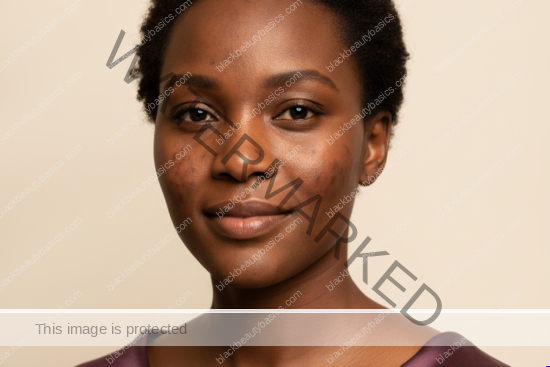
It’s a familiar experience for many of us: you step indoors, perhaps into a climate-controlled office, a cozy heated home, or a briskly air-conditioned car, and your skin begins to tell a story you didn’t expect. Perhaps it feels tight, unexpectedly dull, or even a little bit stingy, despite your best efforts to maintain a consistent skincare routine. Often, we attribute skin changes solely to the external weather—the harsh winter winds or the intense summer sun. Yet, the truth is, the environments we spend most of our time in, particularly indoors, can have an equally profound, albeit often overlooked, impact on our melanin-rich skin.
The constant exposure to indoor heating, air conditioning, low humidity, and recirculated air can quietly disrupt the delicate balance of our skin. For Black women and others with melanin-rich skin, this indoor climate stress may not manifest as dramatic peeling or visible redness, but rather as a persistent dullness, a feeling of tightness, an uncomfortable ashiness, or even a paradoxical shine that belies underlying dehydration. These subtle shifts can leave our skin feeling less vibrant, more prone to irritation, and unfortunately, more susceptible to lingering dark marks or post-inflammatory hyperpigmentation (PIH). Understanding these indoor influences is key to unlocking consistent comfort and radiance for your skin, no matter the season or the setting. This article will guide you through navigating these challenges, ensuring your skin remains resilient and glowing. For more insights into how different environments impact your skin, explore our comprehensive guide on Seasonal Routines: Summer, Winter & Climate-Specific.
Our skin, particularly melanin-rich skin, thrives on balance and consistent hydration. When exposed to environments that constantly strip away moisture, such as those created by indoor heating and air conditioning, it struggles to maintain its natural barrier function. This struggle can lead to a cascade of issues, from minor discomfort to more persistent concerns like exacerbated hyperpigmentation. This foundational understanding is part of a broader approach to caring for Skincare for Black Women, where we center the unique needs and responses of melanin-rich skin in every discussion.
What This Post Covers
Navigating the nuances of indoor climate on melanin-rich skin can feel complex, but with the right understanding, you can empower your routine to better support your skin’s resilience. In this comprehensive guide, you will learn:
- How indoor heating and AC fundamentally change the behavior and needs of melanin-rich skin.
- Why indoor air can make your skin feel both dry and unexpectedly oily at the same time, and how to address this paradox.
- Effective strategies for adjusting your cleansing and moisturizing routines to counteract the dehydrating effects of dry indoor air.
- How specific indoor environments—offices, cars, flights, and even your sleep space—contribute to skin discomfort and how to mitigate their impact.
- The often-overlooked connection between indoor climate stress, irritation, and the worsening of hyperpigmentation on dark skin.
- Practical examples of what a realistic morning and evening skincare routine can look like when indoor air is a primary concern.
- How to make small, impactful texture adjustments to your products rather than feeling the need for a complete routine overhaul.
Why Indoor Air Can Stress Dark Skin
We often think of our skin as a shield against the outside world, but it’s also constantly interacting with its immediate environment—and that includes the air within our homes, offices, and vehicles. Indoor heating and air conditioning systems, while providing comfort, fundamentally alter the air around us. They often lead to significantly lower humidity levels, creating an environment where moisture is constantly being pulled away from everything, including our skin.
Think of it this way: your skin has a natural barrier, much like a protective wall, designed to keep good things (like water) in and bad things (like irritants) out. When the surrounding air is dry, this barrier works overtime, and moisture evaporates from the skin’s surface more rapidly. This process, known as transepidermal water loss (TEWL), is accelerated in low-humidity conditions. Recycled air, common in many indoor settings, can also contain more particulates and allergens, further challenging the skin’s barrier and potentially leading to subtle irritation.
For melanin-rich skin, this constant battle against moisture loss can manifest in ways that might not be immediately obvious. Instead of visible flaking or redness, you might notice a persistent dullness, where your skin loses its natural luminosity and appears less vibrant. Ashiness, a common concern for darker skin tones, can become more pronounced as the skin’s surface becomes drier and reflects light less evenly. A feeling of tightness, particularly after cleansing or prolonged exposure to vents, is a clear signal of dehydration. You might also observe subtle texture changes, where your skin feels less smooth or supple to the touch, or an overall unevenness in tone as the skin struggles to maintain its optimal health. These are not flaws, but rather your skin’s way of communicating its needs in a challenging environment.
The cumulative effect of long hours spent in these controlled, low-humidity environments means our skin is under constant stress. It’s not just about the occasional dry patch; it’s about the sustained effort your skin makes to stay hydrated and protected, an effort that can eventually deplete its resources if not adequately supported by your skincare routine.
How Indoor Heating and AC Often Show Up on Melanin-Rich Skin
Melanin-rich skin has its own unique ways of signaling distress, particularly when faced with the dehydrating effects of indoor heating and air conditioning. While lighter skin tones might show redness or overt flaking, our skin often communicates its discomfort through more nuanced signs that are crucial to recognize.
- Tightness After Sitting Under Vents: This is one of the most common and immediate indicators. Whether it’s the AC vent blasting cool air in the summer or the heater pushing warm air in the winter, direct airflow can rapidly strip moisture, leaving your skin feeling uncomfortably stretched and constricted, especially on the face.
- Flaky or Rough Texture: While not always as dramatic as visible peeling, you might notice a subtle roughness or a fine, almost imperceptible flakiness, particularly on the cheeks, forehead, or around the mouth. Your skin might feel less smooth to the touch, and makeup might not sit as evenly.
- Midday Shine with Dehydration Underneath: This is a classic paradox of indoor climate stress. Your skin might appear shiny or even oily by midday, prompting you to reach for blotting papers or mattifying products. However, this surface oiliness can be a compensatory mechanism: your skin is trying to produce more oil to protect itself from dehydration, even as the deeper layers are crying out for water. The shine is there, but the underlying comfort and hydration are not.
- Stingy Skin: Products that usually feel fine might suddenly sting or tingle upon application. This sensation is a strong indicator that your skin’s barrier is compromised and irritated, making it more reactive to ingredients it would normally tolerate.
- Lip Dryness and Cracking: Our lips are particularly vulnerable to dry indoor air because they lack sebaceous glands to produce their own protective oils. You might find yourself constantly reaching for lip balm, only for your lips to feel dry again shortly after.
- More Visible Dullness and Ashiness: As the skin’s surface becomes drier and less hydrated, it loses its natural plumpness and ability to reflect light evenly. This can lead to a noticeable lack of radiance, making your complexion appear dull, tired, or more ashy than usual.
- Lingering Dark Marks: When the skin barrier is constantly stressed and mildly irritated by dry indoor air, it becomes more vulnerable to inflammation. For melanin-rich skin, any inflammation can trigger melanocytes to produce more pigment, making existing dark marks linger longer or new ones appear more readily.
It’s important to remember that these shifts are your skin’s way of communicating. They are not cosmetic flaws to be hidden, but rather valuable feedback that can guide you toward a more supportive and effective skincare approach tailored to your indoor environment.
Why Skin Can Feel Dry, Shiny, and Irritated Indoors at Once
This particular phenomenon—skin that feels simultaneously dry, shiny, and irritated—is one of the most confusing and frustrating experiences for many, especially when spending extended periods indoors. It’s a common misconception that oily skin can’t be dry, but understanding the difference between oil (lipids) and water (hydration) is key to unraveling this paradox.
Your skin needs both oil and water to function optimally. Oil, or sebum, helps to form a protective layer on the skin’s surface, preventing moisture from escaping and acting as a lubricant. Water, on the other hand, is essential for plumpness, elasticity, and the proper functioning of skin cells. When indoor air is dry, it relentlessly pulls water from your skin. This leads to dehydration, where the skin lacks sufficient water content. In response to this perceived threat, your skin’s sebaceous glands might go into overdrive, producing more oil to try and compensate for the lack of moisture and to reinforce the compromised barrier. This overproduction of oil creates the shiny appearance on the surface.
So, you end up with skin that is dehydrated (lacking water) but also oily (producing excess sebum). This combination often leads to a feeling of tightness and discomfort, even as your skin looks slick. The irritation comes from the compromised barrier. When the skin is constantly losing water, its protective barrier becomes weakened. A weakened barrier is less effective at keeping irritants out and can lead to increased sensitivity, making products sting or causing general discomfort. This is why your skin can feel dry, shiny, and irritated all at once.
A common mistake people make when faced with this dry-but-shiny scenario is to over-cleanse. They see the oil and assume they need to strip it away with harsh foaming cleansers, believing they are addressing oiliness. However, this only exacerbates the problem. Over-cleansing further strips the skin’s natural oils and compromises the barrier, leading to even more dehydration and often, a rebound effect where the skin produces even more oil to compensate. It becomes a vicious cycle that leaves the skin feeling perpetually uncomfortable and reactive. Recognizing that shine doesn’t always equate to healthy hydration is the first step toward breaking this cycle and providing your skin with the balanced care it truly needs.
The Core Goals of an Indoor Climate Routine
When tailoring your skincare routine to combat the effects of indoor heating and AC, the aim isn’t to wage war on your skin, but rather to create an environment of support and balance. It’s about working with your skin’s natural processes to maintain its health and comfort, even in challenging indoor climates. Here are the core goals that should guide your approach:
- Cleanse Gently: The priority is to remove impurities without stripping away essential moisture or compromising the skin barrier. Harsh cleansing exacerbates dehydration, making your skin more vulnerable to indoor climate stress.
- Reduce Water Loss: Actively work to minimize transepidermal water loss (TEWL) by using products that create a protective layer on the skin’s surface and support barrier function.
- Support Hydration in Low-Humidity Spaces: Introduce and layer humectant-rich products that draw moisture into the skin, helping it stay plump and hydrated even when the surrounding air is dry.
- Keep Textures Comfortable for All-Day Wear: Select products with textures that feel good on your skin, providing adequate moisture without feeling heavy, greasy, or occlusive, especially if you need to wear them under makeup or for long hours indoors.
- Lower the Chance of Irritation Spiraling into PIH: By maintaining a healthy skin barrier and reducing dehydration, you minimize the likelihood of irritation, which is a key trigger for post-inflammatory hyperpigmentation on melanin-rich skin.
- Make the Routine Realistic for Workdays, Home Life, Commuting, and Sleep: Your routine should be adaptable and achievable within the context of your daily life. It’s about sustainable habits, not complex, time-consuming rituals that are hard to maintain.
Morning Routine for Indoor Heating and AC Exposure
Your morning routine sets the stage for how your skin will fare throughout the day, especially when facing hours of indoor heating or AC. The goal here is to gently prepare, hydrate, and protect, creating a resilient shield against moisture loss without feeling heavy or cumbersome.
Cleanse without starting stripped
Forget the idea that your skin needs a vigorous scrub or a foamy lather every morning. After a night of rest, your skin doesn’t typically accumulate heavy grime. In an indoor climate that’s already prone to stripping moisture, aggressive morning cleansing is counterproductive. Instead, opt for a gentle approach. A splash of cool water can be enough for many. If you prefer a cleanser, choose a creamy, non-foaming, or milky formula that respects your skin’s natural barrier. These types of cleansers remove any overnight residue without stripping away the precious moisture your skin will need for the day ahead. The aim is to leave your skin feeling refreshed, not tight or squeaky clean. For a wide selection of gentle options, you can browse gentle cleansers on Amazon.
Layer hydration for comfort, not heaviness
This is where you build your skin’s resilience against dry indoor air. Think of it as creating a moisture sandwich, with each layer contributing to overall hydration and barrier support. Start with a hydrating toner or essence, patting it into damp skin. Look for ingredients like hyaluronic acid, glycerin, or polyglutamic acid, which are excellent humectants that draw moisture into the skin. Next, apply a hydrating serum. These are often packed with concentrated humectants and sometimes ceramides or peptides to further support the skin barrier. Finally, seal everything in with a moisturizer. The texture of your moisturizer is crucial here. For indoor environments, you might find that a lightweight lotion or a gel-cream provides ample hydration without feeling suffocating. If your skin is particularly dry, or if you’re in a very arid indoor environment, a slightly richer cream might be necessary, but the key is to ensure it absorbs well and doesn’t leave a heavy residue. The goal is deep, lasting hydration that feels comfortable and allows your skin to breathe throughout the day.
Finish with sunscreen you will keep wearing indoors and out
Even if you spend most of your day indoors, sunscreen remains a non-negotiable step. Windows, even tinted ones, allow UVA rays to penetrate, and these are the rays primarily responsible for premature aging and, critically for melanin-rich skin, for exacerbating hyperpigmentation. Furthermore, if you commute, step out for lunch, or sit near a window, you’re getting incidental sun exposure that adds up over time. Choose a broad-spectrum sunscreen with an SPF of 30 or higher that you genuinely enjoy wearing. For darker skin tones, this often means opting for chemical sunscreens or mineral sunscreens formulated with micronized zinc oxide or titanium dioxide to avoid a white cast. A good sunscreen should feel comfortable, layer well over your hydrating products, and ideally offer some additional moisturizing benefits. It’s your final protective layer, safeguarding your skin against environmental damage and helping to prevent the darkening of any existing marks. Consistency is far more important than a high SPF number that you only wear occasionally. You can explore sunscreens for dark skin on Amazon that leave no white cast.
Evening Routine After a Day in Dry Indoor Air
Your evening routine is your skin’s opportunity to recover, repair, and replenish after a day spent battling dry indoor air. This is where you gently undo the day’s stress and prepare your skin for overnight rejuvenation, ensuring it wakes up feeling comforted and hydrated.
Remove buildup gently
After a day exposed to indoor air, your skin has accumulated not just makeup (if you wear it), but also environmental pollutants, dust, and excess sebum. The first step is to remove all of this gently, without stripping your skin further. Start with an oil-based cleanser, balm, or micellar water to effectively dissolve makeup, sunscreen, and oil-soluble impurities. This “first cleanse” is crucial for breaking down the day’s accumulation without harsh friction. Follow with a second, gentle, water-based cleanser—a creamy, milky, or hydrating gel formula is ideal. This ensures all residues are thoroughly removed, leaving your skin clean but not tight. The aim is to clear the canvas for your treatment steps, not to leave your skin feeling raw or depleted. Remember, the goal is to cleanse thoroughly yet respectfully, preserving your skin’s natural moisture barrier.
Use treatment steps thoughtfully
The evening is an excellent time for targeted treatments, but in an indoor climate, thoughtfulness is key. If your skin has felt particularly tight or irritated during the day, it might be wise to scale back on potent actives like strong retinoids or exfoliating acids every night. Instead, focus on ingredients that support barrier repair and deep hydration. On nights when you do use actives, ensure they are buffered by hydrating layers. For instance, apply a hydrating toner or serum before your retinoid, and follow with a rich moisturizer. Consider alternating nights: one night for actives, the next for pure barrier support with ceramides, fatty acids, and cholesterol. This balanced approach allows your skin to benefit from treatments without overwhelming a barrier already stressed by dry indoor air. Listen to your skin; if it feels stingy or reactive, give it a break from strong treatments and focus solely on soothing and hydrating.
Rebuild comfort overnight
Nighttime is when your skin’s repair processes are most active, and it’s also when you can provide the most concentrated support against the effects of dry indoor air, especially if you sleep in a heated or air-conditioned room. After cleansing and any treatment steps, layer on deeply hydrating and occlusive products. Start with a hydrating serum, followed by a rich, emollient moisturizer. Look for ingredients like ceramides, shea butter, squalane, and petrolatum, which help to lock in moisture and reinforce the skin barrier. For very dry or compromised skin, consider adding a facial oil as the last step to provide an extra layer of occlusion, or even a sleeping mask a few times a week. Don’t forget your lips; a thick lip balm or overnight lip mask is essential. The goal is to create a protective cocoon for your skin, allowing it to replenish its moisture reserves and repair its barrier while you sleep, so you wake up with skin that feels soft, supple, and less reactive to the day’s indoor climate challenges.
Where Indoor Climate Stress Hits Hardest
While all indoor environments can contribute to skin stress, certain settings are particularly notorious for their dehydrating effects. Recognizing these hotspots allows you to be more proactive in protecting your skin.
Offices and workspaces
For many, the office is a second home, and unfortunately, it’s often a prime culprit for indoor climate stress. Commercial HVAC systems are designed for large spaces, not individual skin needs. The air is frequently recirculated, often lacking fresh humidity, and vents can blast air directly onto your face for hours. This constant, low-humidity airflow can lead to persistent tightness, dullness, and a feeling of dehydration that builds throughout the workday. Sitting near a window also means exposure to UVA rays, even if you’re not directly in the sun. The combination of dry air, potential pollutants, and incidental UV exposure makes the office a challenging environment for maintaining skin comfort and health.
Bedrooms and overnight air
We spend a significant portion of our lives sleeping, and our bedrooms are often climate-controlled. Whether it’s the heater running all winter or the AC blasting all summer, the air in our sleep spaces can be surprisingly dry. For 6-8 hours, your skin is continuously exposed to this low-humidity environment, accelerating transepidermal water loss. This is why you might wake up with skin that feels tight, dry, or even a little parched, despite applying an evening routine. The overnight period is crucial for skin repair, but dry air can impede this process, leaving your skin less resilient for the day ahead. Investing in a humidifier for your bedroom can make a significant difference in mitigating this overnight dehydration.
Cars, commuting, and long errands
Our vehicles are miniature climate-controlled environments, and the air circulation within them can be surprisingly harsh on the skin. Car heaters and air conditioners often blow directly onto the face, creating a concentrated stream of dry air. Long commutes, especially during peak seasons for heating or cooling, mean extended exposure. Even short errands can add up. Furthermore, car windows offer limited protection against UVA rays, meaning you’re getting incidental sun exposure, which can exacerbate hyperpigmentation, even when you’re just driving to the grocery store. This combination of dry, direct airflow and UV exposure makes car travel a sneaky source of skin stress that often goes unrecognized.
The Best Texture Types for Dry Indoor Air
When battling the effects of dry indoor air, the texture of your skincare products becomes just as important as their ingredients. The goal is to provide ample hydration and barrier support without overwhelming your skin or making it feel heavy, especially if you’re layering multiple products or wearing makeup. Different textures serve different purposes, and understanding them allows you to customize your routine for optimal comfort and efficacy.
- Hydrating Serums: These are your workhorses for delivering concentrated humectants deep into the skin. Look for lightweight, watery, or slightly viscous serums that absorb quickly. Ingredients like hyaluronic acid, glycerin, polyglutamic acid, and panthenol are excellent for drawing moisture from the air (if there’s some humidity) or from deeper skin layers. They provide a vital layer of hydration without adding oil or heaviness, making them perfect for layering under other products.
- Lightweight Lotions: For many, a lightweight lotion strikes the perfect balance for daily use in dry indoor air. Lotions are typically oil-in-water emulsions, meaning they contain a higher percentage of water than creams. They spread easily, absorb well, and provide a good level of moisture without feeling greasy. They’re ideal for normal to slightly dry skin types that need consistent hydration throughout the day but don’t require the richness of a heavy cream.
- Gel-Creams: These are a fantastic option for those who want hydration without any heaviness, particularly for oily or combination skin types that still experience dehydration indoors. Gel-creams often have a refreshing, almost bouncy texture. They are typically water-based with a small amount of oil, providing a burst of hydration and a light occlusive layer without feeling sticky or suffocating. They’re excellent for layering and for warmer indoor conditions where richer creams might feel too much.
- Creams: When your skin is feeling particularly dry, tight, or compromised by indoor air, a richer cream might be necessary, especially for your evening routine. Creams are typically water-in-oil emulsions, containing a higher oil content than lotions. They provide a more substantial occlusive barrier, helping to lock in moisture and protect the skin. Look for creams rich in ceramides, fatty acids, cholesterol, shea butter, or squalane. While they might feel heavier, the goal is comfort and barrier support, not just a light feel. If a cream feels too heavy for daytime, reserve it for nighttime use.
- Facial Oils: Often used as a final step in an evening routine, facial oils provide an additional layer of occlusion, helping to seal in all the hydrating layers beneath. They can be particularly beneficial for very dry skin or when sleeping in extremely dry indoor air. Oils don’t add hydration themselves, but they prevent water loss. Choose non-comedogenic oils that suit your skin type.
- Lip Care: Our lips are often the first to show signs of indoor climate stress. Always keep a hydrating and occlusive lip balm or ointment handy. Look for ingredients like petrolatum, lanolin, shea butter, and beeswax to create a protective barrier against moisture loss.
The key is to listen to your skin and adjust. You might use a lightweight lotion or gel-cream during the day in the office and a richer cream or facial oil at night in your heated bedroom. The goal is always comfort and barrier support, ensuring your skin feels nourished and protected, not just weighed down by product.
Cleansing in Indoor Climate Stress Without Making Things Worse
Cleansing is the foundation of any skincare routine, but when your skin is already battling the dehydrating effects of indoor heating and air conditioning, it becomes a critical step where mistakes can quickly exacerbate problems. The common impulse to chase a “squeaky-clean” feel can be particularly damaging for melanin-rich skin in these environments.
Harsh foaming cleansers, especially those containing sulfates, are notorious for stripping the skin of its natural oils and disrupting its delicate barrier. While they might feel satisfyingly clean for a moment, they leave your skin vulnerable to increased transepidermal water loss (TEWL), making it feel tighter, drier, and more prone to irritation. In a low-humidity indoor environment, this stripping effect is amplified, creating a vicious cycle where your skin becomes increasingly dehydrated and reactive.
Frequent washing, beyond twice a day, can also backfire. Unless you’ve had a particularly sweaty workout or are removing heavy makeup, excessive cleansing simply removes beneficial lipids and natural moisturizing factors that your skin needs to protect itself. This is especially true if you’re mistaking surface shine (from dehydration-induced oil production) for true oiliness and attempting to “cleanse away” the problem.
The difference between refreshed skin and stripped skin is profound. Refreshed skin feels clean, soft, and comfortable, with no sensation of tightness or dryness. Stripped skin, on the other hand, feels taut, sometimes itchy, and often has a dull or ashy appearance. It might even sting when you apply subsequent products, a clear sign that its barrier is compromised. For melanin-rich skin, a compromised barrier is not just uncomfortable; it also increases the risk of post-inflammatory hyperpigmentation (PIH) because irritation can trigger melanin production.
To cleanse effectively without making things worse, opt for creamy, milky, oil-based, or hydrating gel cleansers. These formulations are designed to clean gently, dissolving impurities and makeup without stripping the skin’s natural moisture. Use lukewarm water, not hot, as hot water can further dehydrate the skin. Massage the cleanser onto your skin for about 30-60 seconds, then rinse thoroughly and pat dry with a soft towel. If you’re dealing with acne or sensitive skin, this gentle approach is even more crucial, as harsh cleansing can worsen breakouts and irritation. For more on managing sensitive skin, you can read our insights on Acne and Sensitive Skin in Black Women. Remember, the goal is to support your skin’s barrier, not to challenge it. You can explore gentle cleanser options on Amazon to find one that suits your needs.
Why Dullness and Ashiness Indoors Are Useful Information
For Black women, dullness and ashiness are often perceived as cosmetic flaws, something to be covered or corrected. However, when these concerns arise or worsen in indoor environments, they are actually incredibly useful pieces of information from your skin. Instead of viewing them as imperfections, consider them direct feedback, a signal that your skin needs attention and adjustment in its care.
Dullness, which manifests as a lack of radiance or luminosity, and ashiness, where the skin takes on a grayish or dusty appearance, are often direct consequences of dehydration and a compromised skin barrier. In low-humidity indoor air, the skin loses moisture more rapidly, leading to a reduction in plumpness and elasticity. When skin cells are dehydrated, they don’t reflect light as evenly, resulting in a duller complexion. Ashiness is an amplified version of this, where the surface layers of dry, sometimes dead, skin cells become more prominent, creating a less vibrant and sometimes discolored appearance.
These signals can indicate several underlying issues related to indoor climate stress:
- Dehydration: The most common culprit. Your skin simply isn’t holding enough water.
- Dryness: A lack of natural oils (lipids) in the skin, which can be exacerbated by stripping cleansers or inadequate moisturizing, especially in dry indoor air.
- Barrier Stress: The skin’s protective barrier is weakened, allowing moisture to escape more easily and making it more vulnerable to environmental aggressors.
- Over-cleansing: As discussed, harsh or frequent cleansing can strip the skin, leading to both dullness and ashiness.
Instead of reaching for harsh exfoliants to “brighten” or remove the “ash,” which can further irritate an already compromised barrier, these signals should prompt you to focus on gentle hydration and barrier support. Think of it as your skin saying, “I need more water and protection!” Responding with nourishing, hydrating, and barrier-repairing ingredients will often alleviate dullness and ashiness far more effectively than aggressive treatments. Embracing this feedback loop empowers you to nurture your skin rather than fighting against it, leading to a more comfortable and radiant complexion.
Quiet Irritation from Heating and AC on Dark Skin
Irritation doesn’t always scream with redness or visible inflammation, especially on melanin-rich skin where erythema (redness) can be masked. Instead, indoor heating and AC can trigger “quiet irritation”—subtle yet persistent signs that your skin’s barrier is under stress and needs support. Recognizing these nuanced signals is crucial for preventing more significant issues like hyperpigmentation.
Tightness after sitting under vents
This is perhaps the most immediate and common form of quiet irritation. You might not see anything, but you feel it—a distinct sensation of your skin pulling, shrinking, or being stretched, particularly on your cheeks, forehead, or around your mouth. This tightness is a direct result of rapid moisture loss caused by direct airflow from heating or AC vents. It’s not just a feeling of dryness; it’s a signal that your skin’s superficial layers are dehydrated and its barrier is being compromised. If left unaddressed, this constant tension can lead to micro-fissures in the barrier, making your skin more vulnerable to other irritants and further moisture loss.
Stinging when simple products go on
When your skin is healthy and its barrier intact, most well-formulated skincare products should apply smoothly and comfortably. However, if you find that even gentle, previously tolerated products—like your hydrating serum or moisturizer—cause a mild stinging, tingling, or burning sensation upon application, it’s a strong indicator of quiet irritation. This stinging means your skin barrier is compromised, allowing ingredients to penetrate deeper and faster than intended, triggering nerve endings. It’s a sign that your skin is reactive and vulnerable, and it’s definitely not a signal to reach for more aggressive treatments. Instead, it’s a call to simplify your routine, focus on soothing, hydrating, and barrier-repairing ingredients, and give your skin a chance to recover.
Rough texture that makes tone look uneven
While often attributed to a need for exfoliation, a persistent rough or bumpy texture, especially when paired with dullness, can be another manifestation of quiet irritation from dry indoor air. When the skin is dehydrated, its natural desquamation (shedding of dead skin cells) process can become impaired. Cells cling on longer, leading to a buildup that feels rough to the touch and makes the skin appear uneven in tone. For melanin-rich skin, this uneven texture can also make the complexion look less luminous and more prone to showing subtle discoloration. It’s not necessarily a sign of clogged pores or a need for harsh physical or chemical exfoliation. In fact, aggressive exfoliation on already compromised skin can worsen the irritation, perpetuate the rough texture, and increase the risk of post-inflammatory hyperpigmentation. Instead, focus on gentle hydration to support the skin’s natural shedding process and restore smoothness.
Why Sunscreen Still Matters in Indoor-Heavy Routines
It’s easy to deprioritize sunscreen when your days are predominantly spent indoors. The common thought is, “If I’m not directly in the sun, why bother?” However, this overlooks critical aspects of UV exposure that still impact melanin-rich skin, even within the confines of a building. Sunscreen remains an indispensable component of an indoor-heavy routine for several compelling reasons.
Firstly, UVA rays penetrate windows. Unlike UVB rays, which are largely blocked by glass, UVA rays can easily pass through windows in your home, office, and car. UVA is the primary culprit behind premature aging, including fine lines and wrinkles, and critically for melanin-rich skin, it is a significant trigger for hyperpigmentation. If you sit near a window for extended periods, commute in your car, or even just walk past sunny windows in your home, you are accumulating UVA exposure. This cumulative exposure, even if indirect, can contribute to uneven skin tone and the darkening of existing dark marks.
Secondly, incidental exposure adds up. Even if you’re “mostly inside,” think about the moments you step outside: walking to your car, running errands, grabbing lunch, or taking a quick break. These brief, seemingly insignificant moments of sun exposure accumulate throughout the day and week. Just a few minutes here and there, especially without protection, can contribute to overall UV damage and exacerbate issues like hyperpigmentation. For more in-depth information on sun protection for darker skin tones, refer to our guide on Sunscreen for Dark Skin.
Thirdly, daily SPF helps protect against lingering dark marks and preventable irritation. Melanin-rich skin is more prone to post-inflammatory hyperpigmentation (PIH) as a response to inflammation or injury. UV exposure, even mild, can act as an inflammatory trigger, making dark marks linger longer or appear more intensely. By consistently wearing sunscreen, you’re not only protecting against new damage but also supporting the healing process of existing marks and preventing new ones from forming due to incidental exposure. It’s a proactive step in maintaining an even, radiant complexion.
Therefore, even in an indoor-heavy routine, a broad-spectrum SPF 30 or higher is non-negotiable. Choose a formula that you enjoy wearing daily, one that layers well over your other skincare and under any makeup, and crucially, one that doesn’t leave a white cast on your beautiful skin. Make it as habitual as brushing your teeth. You can browse sunscreens for dark skin on Amazon to find your perfect match.
Indoor Climate Stress, Irritation, and Hyperpigmentation
The connection between indoor climate stress, irritation, and hyperpigmentation on melanin-rich skin is a critical one, yet it’s often overlooked. While we typically associate hyperpigmentation with direct sun exposure or acne, the subtle, persistent stress from dry indoor environments can be a significant contributing factor, quietly perpetuating or worsening dark marks.
Here’s how the cycle unfolds:
- Dryness and Dehydration: As discussed, indoor heating and AC constantly pull moisture from the skin, leading to dryness and dehydration. This weakens the skin’s natural barrier function, making it less resilient and more vulnerable.
- Barrier Compromise and Irritation: A compromised barrier is like a leaky roof; it can’t effectively keep irritants out. When the skin is dry and its barrier is weakened, it becomes more susceptible to low-grade, chronic irritation. This irritation might not manifest as visible redness but as the quiet signals we’ve discussed: tightness, stinging, or rough texture.
- Inflammation: Any form of irritation, no matter how subtle, triggers an inflammatory response within the skin. For melanin-rich skin, this inflammatory cascade is a direct signal to melanocytes (the cells that produce pigment) to go into overdrive.
- Increased Melanin Production: In response to inflammation, melanocytes produce excess melanin, which is then deposited into the surrounding skin cells. This leads to the formation or darkening of post-inflammatory hyperpigmentation (PIH). Even friction from constantly touching dry, irritated skin can contribute to this process.
- Lingering Dark Marks: Once PIH forms, it can be notoriously stubborn and slow to fade, especially if the underlying irritation and barrier compromise are not addressed. The cycle perpetuates, with dry indoor air continually stressing the skin, leading to more irritation, more inflammation, and thus, more persistent dark marks.
Therefore, managing indoor climate stress is not just about comfort; it’s a proactive strategy for preventing and minimizing hyperpigmentation. By focusing on gentle cleansing, consistent hydration, and robust barrier support, you reduce the triggers that lead to inflammation and subsequent melanin overproduction. This holistic approach is crucial for maintaining an even, radiant complexion. For a deeper dive into managing dark spots, explore our comprehensive resource on Hyperpigmentation and Dark Spots. You can also find more specific strategies for preventing seasonal hyperpigmentation in our related article: Preventing Seasonal Hyperpigmentation in Dark Skin.
How Indoor Air Interacts with Seasonal Routines
It’s common for us to categorize our skin concerns by outdoor seasons: “winter dryness” or “summer oiliness.” However, this perspective often misses a crucial piece of the puzzle: the indoor environment. Many readers attribute their skin problems solely to the weather outside, when in reality, the indoor climate—specifically heating and AC—is often the primary, or at least a significant, driver of their skin’s behavior, intensifying seasonal challenges rather than being separate from them.
Indoor heating and AC don’t just create a static, dry environment; they interact dynamically with the outdoor seasons, often exacerbating the very issues we associate with those times of year:
- Intensifying Winter Dryness: In winter, the outdoor air is already cold and often dry. When you step inside, heating systems further strip humidity from the air. This double whammy of dry outdoor air and even drier indoor air creates an incredibly challenging environment for your skin. What might seem like a “winter skin problem” is often amplified by the constant exposure to indoor heating, leading to more severe dehydration, tightness, and ashiness. Your skin struggles to retain moisture against this relentless assault. For more on this, see our article on Winter Skincare Routines for Dry, Cold Weather.
- Aggravating Warm-Weather Dehydration: Conversely, in summer, especially in humid climates, we might focus on managing oiliness and sweat. However, stepping into an air-conditioned space can quickly change the game. AC units remove moisture from the air, creating a surprisingly dry environment indoors. This can lead to the paradoxical situation where your skin feels oily on the surface (due to heat and humidity outside) but is actually dehydrated underneath (due to AC inside). This internal dehydration can trigger compensatory oil production, making you feel both greasy and tight. Even in naturally hot, dry climates, AC can further dry the air, making existing skin dehydration worse. Our guide on Skincare for Hot, Dry Climates on Dark Skin offers more context.
- Complicating Seasonal Transitions: The periods between seasons, when we switch between heating and AC, can be particularly confusing for the skin. These rapid shifts in indoor humidity and temperature can throw your skin’s barrier off balance, leading to increased sensitivity and unpredictable behavior. Understanding the role of indoor air during these transitions is key to maintaining skin stability. You can learn more about adapting your routine for these shifts in Transition Routines Between Seasons for Melanin-Rich Skin.
By recognizing that indoor air conditions are a constant, year-round factor—one that often intensifies the challenges of the outdoor seasons—you can develop a more robust and responsive skincare strategy. It’s not just about adapting to summer or winter; it’s about adapting to the specific microclimates you inhabit daily, regardless of the calendar.
Indoor Climate Skincare by Skin Pattern
While the general principles of hydration and barrier support apply to all skin patterns, tailoring your approach slightly can optimize comfort and results when dealing with indoor climate stress. Your skin’s inherent tendencies will influence how it reacts to dry indoor air and how best to support it.
Dry or easily sensitized skin
For those with naturally dry or easily sensitized skin, indoor heating and AC can be particularly challenging. Your skin already has a tendency towards a weaker barrier and less natural oil production, making it highly susceptible to moisture loss.
Priorities:
- Maximal Barrier Support: Focus on products rich in ceramides, fatty acids, cholesterol, and humectants. These ingredients help rebuild and strengthen your skin’s protective layer.
- Layering Emollients and Occlusives: Don’t shy away from richer creams, balms, and facial oils, especially in your evening routine. Layering a hydrating serum under a thick moisturizer, and potentially sealing with an oil, can provide sustained protection.
- Minimal Actives: Be very cautious with exfoliating acids or retinoids, especially if your skin feels tight or stingy. Reduce frequency or opt for gentler formulations. Prioritize soothing and calming ingredients like colloidal oatmeal, centella asiatica, or panthenol.
- Humidifier Use: A humidifier in your bedroom is a game-changer for dry, sensitized skin, providing continuous moisture while you sleep.
Oily or combination skin in dry indoor air
This is the classic “dry but shiny” paradox. Your skin might produce excess oil, but the dry indoor air is still stripping its water content, leading to dehydration and potentially more oil production as compensation.
Priorities:
- Hydration, Not Just Oil Control: Focus on lightweight, non-comedogenic hydrating serums and gel-creams. These provide water without adding heavy oils.
- Balanced Cleansing: Avoid harsh, stripping cleansers that will trigger more oil production. Opt for gentle hydrating gels or milky cleansers.
- Lightweight Occlusion: While you might avoid heavy creams, a lightweight lotion or a non-comedogenic facial oil (like squalane or jojoba) can still provide a light occlusive layer to prevent water loss without feeling greasy.
- Avoid Over-Mattifying: Resist the urge to constantly blot or use harsh mattifying products, which can further dehydrate and irritate.
Acne-prone and PIH-prone skin
Dry indoor air can exacerbate acne by leading to barrier dysfunction, which can trigger inflammation. The irritation from dry air also increases the risk of post-inflammatory hyperpigmentation (PIH) for melanin-rich skin.
Priorities:
- Gentle Barrier Support: A healthy barrier is crucial for managing acne and preventing PIH. Use hydrating cleansers and moisturizers that support barrier function.
- Thoughtful Active Use: If using acne treatments (like salicylic acid or retinoids), ensure they are balanced with ample hydration. Consider reducing frequency if skin feels dry or irritated.
- Anti-Inflammatory Ingredients: Incorporate ingredients that calm inflammation, such as niacinamide, green tea extract, or centella asiatica, to reduce the likelihood of PIH.
- Consistent Sunscreen: Non-negotiable to prevent existing PIH from darkening and to protect against new marks.
Skin that feels dull, tight, and unpredictable indoors
This pattern often indicates general dehydration and barrier stress, regardless of your underlying skin type. Your skin is simply reacting to the challenging indoor environment.
Priorities:
- Focus on Foundational Hydration: Reassess your entire routine to ensure every step contributes to hydration. Use hydrating toners, serums, and moisturizers.
- Simplify and Soothe: If your skin feels unpredictable, temporarily pare back your routine to gentle cleansing, hydrating serum, and a good moisturizer. Reintroduce actives slowly once stability is restored.
- Listen to Your Skin: Pay close attention to how your skin feels throughout the day. If it’s tight by midday, consider a mid-day mist or reapplication of a light moisturizer.
- Consistent Care: Regular, gentle care is more effective than sporadic, aggressive interventions.
What a Realistic Indoor Climate Routine Can Look Like
A realistic routine for indoor climate stress isn’t about perfection; it’s about consistency, adaptability, and listening to your skin. It integrates seamlessly into your daily life, offering practical solutions without demanding excessive time or product. Here are a few examples:
A workday office routine
Your workday routine needs to be efficient and provide sustained protection for hours in a climate-controlled environment.
- Morning:
- Cleanse: Quick splash of water or a hydrating milky cleanser.
- Hydrate: Hydrating toner/essence + a lightweight hydrating serum (e.g., hyaluronic acid, niacinamide).
- Moisturize: A comfortable, non-pilling lotion or gel-cream that absorbs well.
- Protect: Broad-spectrum SPF 30+ (no white cast) as your final step.
- On-the-Go: Keep a hydrating facial mist and a rich lip balm at your desk. Spritz the mist throughout the day as needed, and reapply lip balm frequently.
- Evening:
- Double Cleanse: Oil cleanser/balm to remove makeup/sunscreen, followed by a gentle hydrating cleanser.
- Treat (Optional): If using actives (retinoid, acid), apply now, but consider alternating nights with barrier support.
- Hydrate & Restore: Hydrating serum + a richer cream or a sleeping mask to lock in moisture overnight.
An overnight recovery routine
This routine focuses on maximizing repair and hydration while you sleep, especially if your bedroom air is dry.
- Evening:
- Double Cleanse: Thorough yet gentle cleansing to remove the day’s buildup.
- Hydrate: Layer a hydrating toner/essence and a rich hydrating serum.
- Moisturize & Occlude: Apply a generous amount of a ceramide-rich cream or a barrier-repairing balm. If very dry, add a few drops of facial oil on top.
- Lips: A thick layer of an occlusive lip mask or balm.
- Environment: Run a humidifier in your bedroom to add moisture back into the air.
A winter heating routine
When outdoor temperatures drop and indoor heating is constant, your skin needs extra reinforcement.
- Morning:
- Cleanse: Water rinse or very gentle cream cleanser.
- Hydrate: Multiple layers of hydrating toner/essence and serum.
- Moisturize: A slightly richer lotion or light cream than you’d use in summer, but still comfortable.
- Protect: SPF 30+ (always).
- Evening:
- Double Cleanse: Essential to remove buildup gently.
- Treat: Use actives sparingly (2-3 times a week max) and buffer them.
- Restore: A substantial, emollient cream, possibly with a facial oil or sleeping mask. Focus on ingredients like shea butter, ceramides, and squalane.
- Body Care: Don’t forget body lotions or oils immediately after showering to lock in moisture.
A “my skin feels tight and stingy indoors” reset version
When your skin is clearly protesting, it’s time to simplify and soothe.
- Morning & Evening:
- Cleanse: Only use a super gentle, creamy, non-foaming cleanser.
- Hydrate & Soothe: Apply a calming, hydrating serum (e.g., with centella asiatica, panthenol, or colloidal oatmeal).
- Moisturize: A bland, barrier-repairing cream that is free of fragrances and common irritants. Focus on ceramides and fatty acids.
- Skip Actives: Temporarily pause all exfoliating acids, retinoids, and vitamin C.
- Protect: Gentle mineral SPF 30+ in the morning.
- Repeat: Maintain this simplified routine until your skin feels comfortable and calm again, then slowly reintroduce other products one by one.
Common Mistakes When Indoor Heating and AC Affect Dark Skin
Navigating the challenges of indoor climate on melanin-rich skin can be tricky, and it’s easy to fall into common traps that inadvertently worsen the situation. Recognizing these mistakes is the first step toward a more effective and supportive routine.
- Blaming only the outdoor weather: This is perhaps the most prevalent mistake. We often attribute all skin changes to external factors like cold winds or summer humidity, completely overlooking the constant, pervasive influence of indoor heating and AC. This prevents us from addressing the root cause of much of our skin’s dehydration and discomfort.
- Cleansing too often because the skin looks shiny: As discussed, a shiny appearance indoors can often be a sign of dehydration, where the skin overproduces oil to compensate for a lack of water. Over-cleansing with harsh products in this scenario strips the skin further, leading to more dehydration and often, more compensatory oil production, creating a vicious cycle.
- Skipping moisturizer because the skin is not visibly peeling: Melanin-rich skin may not show overt flaking or peeling even when severely dehydrated. The absence of visible flakes does not mean your skin isn’t dry or in need of moisture. Tightness, dullness, and ashiness are equally valid indicators that moisturizer is essential.
- Ignoring lip and barrier discomfort until irritation builds: Our lips are often the first to feel the effects of dry indoor air. Ignoring persistent lip dryness or a general feeling of skin tightness allows low-grade irritation to build, potentially leading to a compromised barrier and increased reactivity.
- Using strong exfoliants on already tight or stingy skin: When skin feels tight, rough, or stings upon product application, its barrier is compromised. Applying strong chemical or physical exfoliants in this state will only exacerbate irritation, potentially leading to increased sensitivity, redness, and for darker skin, a higher risk of post-inflammatory hyperpigmentation.
- Becoming inconsistent with sunscreen because you are “mostly inside”: Believing that indoor living negates the need for sunscreen is a significant oversight. UVA rays penetrate windows, and incidental sun exposure from commutes or quick errands adds up, contributing to aging and hyperpigmentation. Consistency with SPF is key, even indoors.
- Treating dullness or ashiness like a cosmetic flaw instead of skin feedback: Viewing dullness and ashiness as something to be hidden or aggressively scrubbed away misses the crucial message your skin is sending. These are signals of dehydration, dryness, or barrier stress. Responding with gentle hydration and barrier support is far more effective than trying to “fix” them with harsh treatments.
Balanced Indoor Climate Routine vs Overcorrecting
When your skin is acting up due to indoor climate stress, it’s natural to want to “fix” it. However, there’s a fine line between a balanced, supportive routine and one that overcorrects, potentially doing more harm than good. Understanding this distinction is crucial for long-term skin health and comfort.
| Category | Balanced Indoor Climate Routine | Overcorrecting Routine |
|---|---|---|
| Cleansing | Gentle, hydrating cleansers (cream, milky, oil). Cleanses without stripping. Skin feels soft, not tight. | Harsh, foamy, “squeaky-clean” cleansers. Strips natural oils, exacerbates dehydration. Skin feels tight, often stings. |
| Hydration Layers | Multiple layers of humectant-rich toners/serums. Focus on drawing and holding water. Skin feels plump and supple. | Skipping hydrating steps or relying solely on moisturizer. Insufficient water content leads to underlying dehydration. |
| Moisturizer Texture | Adjusted to skin’s needs and environment (light lotion for day, richer cream for night/dryer conditions). Provides comfort and barrier support without heaviness. | Either too light (insufficient occlusion for dry air) or too heavy/greasy (clogs pores, uncomfortable). Not matched to skin’s actual needs. |
| Treatment Load | Thoughtful use of actives (retinoids, acids), often buffered or alternated with barrier repair. Prioritizes skin comfort. | Aggressive use of multiple strong actives, even when skin is dry, tight, or irritated. Leads to barrier compromise and increased sensitivity. |
| Sunscreen Consistency | Daily broad-spectrum SPF 30+, even indoors. Protects against UVA through windows and incidental exposure. | Skipping SPF because “mostly inside.” Leaves skin vulnerable to UV damage and exacerbates hyperpigmentation. |
| Comfort Through Day | Skin feels comfortable, hydrated, and resilient from morning to evening. Minimal mid-day tightness or unexpected shine. | Skin feels tight after cleansing, then gets shiny/oily by midday, followed by evening discomfort. Constant battle. |
| Skin Afterward | Calm, balanced, radiant, and less prone to irritation or new dark marks. Responds well to products. | Reactive, prone to breakouts, persistent dullness, lingering dark marks, and unpredictable behavior. |
The core difference lies in listening to your skin and responding with support rather than aggression. A balanced routine nurtures your skin’s natural functions, helping it adapt to challenging indoor environments. Overcorrecting, on the other hand, often fights against your skin, creating a cycle of irritation and discomfort that ultimately hinders your progress towards healthy, radiant skin.
How to Navigate This Topic
Understanding how indoor heating and AC impact your melanin-rich skin is a crucial step in building a truly effective and responsive skincare routine. This article is designed to be a foundational guide within our broader Seasonal Routines: Summer, Winter & Climate-Specific cluster. It provides the essential context for why your skin might behave unexpectedly, even when the outdoor weather seems to be the focus.
Now that you’ve explored the hidden challenges of indoor climates, you might be wondering what to read next. Depending on your specific concerns and the current season, we have further resources to help you fine-tune your approach:
- If you’re currently grappling with the harsh effects of cold, dry air and constant indoor heating, delve into our strategies for Winter Skincare Routines for Dry, Cold Weather.
- For those in warmer, more humid environments who still experience indoor dehydration from AC, our guide on Summer Skincare for Melanin-Rich Skin in Humid Climates offers tailored advice.
- If you live in a region with consistently hot and dry conditions, whether indoors or out, you’ll find valuable insights in Skincare for Hot, Dry Climates on Dark Skin.
- When the seasons are shifting, and your skin feels unpredictable, learn how to smoothly adapt your regimen with Transition Routines Between Seasons for Melanin-Rich Skin.
- And if you’re particularly concerned about dark marks, understanding how indoor climate contributes to them is crucial. Our article on Preventing Seasonal Hyperpigmentation in Dark Skin offers targeted solutions.
Each of these articles builds upon the understanding presented here, helping you create a holistic and resilient skincare strategy that truly supports your melanin-rich skin, regardless of the environment. This comprehensive approach is central to our mission at Skincare for Black Women.
Quick Principles for Indoor Climate Skincare
Navigating the subtle yet significant impact of indoor heating and AC on your melanin-rich skin doesn’t have to be complicated. By keeping a few core principles in mind, you can empower your routine to provide consistent comfort and resilience:
- Indoor air can affect your skin as much as outdoor weather: Don’t underestimate the dehydrating power of climate-controlled environments. Your skin is constantly interacting with the air around it.
- Shine does not always mean comfort or hydration: Surface oiliness can be a compensatory mechanism for underlying dehydration. Don’t mistake shine for healthy hydration, and avoid over-cleansing.
- Ashiness and tightness are useful skin feedback: View these as signals from your skin that it needs more water and barrier support, not as flaws to be aggressively treated.
- Lightweight textures can still support the barrier: You don’t always need heavy creams. Layering hydrating serums, lotions, and gel-creams can provide ample moisture and protection without feeling occlusive.
- Sunscreen still matters in indoor-heavy routines: UVA rays penetrate windows, and incidental exposure adds up. Consistent daily SPF is crucial for preventing hyperpigmentation and premature aging.
- Too much cleansing can create its own problems: Harsh or frequent washing strips the skin’s natural barrier, making it more vulnerable to indoor climate stress and exacerbating dehydration.
- Melanin-rich skin often shows indoor stress through dullness, texture, and pigment changes first: Be attuned to these subtle cues, as they are your skin’s way of communicating discomfort before more overt signs of irritation appear.
Frequently Asked Questions
How do indoor heating and AC affect dark skin?
Indoor heating and AC significantly reduce air humidity, causing melanin-rich skin to lose moisture rapidly. This dehydration can lead to dullness, tightness, ashiness, and a compromised skin barrier, making it more prone to irritation and hyperpigmentation.
Why does my skin feel dry at work but oily by midday?
This is a common paradox where dry indoor air dehydrates your skin, prompting your sebaceous glands to produce excess oil to compensate. Your skin becomes oily on the surface but remains dry and uncomfortable underneath, indicating a need for more hydration, not just oil control.
Can indoor air make melanin-rich skin look dull or ashy?
Yes, absolutely. When melanin-rich skin is dehydrated by dry indoor air, its surface cells lose plumpness and don’t reflect light evenly, leading to a dull or ashy appearance. This is a sign your skin needs more moisture and barrier support.
Do Black women still need sunscreen if they are indoors most of the day?
Yes, daily sunscreen is crucial for Black women even when mostly indoors. UVA rays penetrate windows, contributing to premature aging and hyperpigmentation, and incidental outdoor exposure adds up. Consistent SPF 30+ helps protect against these cumulative effects.
What kind of moisturizer works best for dry indoor air?
For dry indoor air, look for moisturizers rich in humectants (like hyaluronic acid, glycerin) and emollients (like ceramides, shea butter, squalane) to attract and seal in moisture. You might prefer a lightweight lotion or gel-cream for daytime and a richer cream or balm for overnight recovery.
Why do my products sting more in winter or under AC?
If your products sting, it’s a strong sign your skin’s barrier is compromised and irritated, often due to the dehydrating effects of dry indoor air. A weakened barrier allows ingredients to penetrate more deeply, triggering sensitivity. Focus on soothing, hydrating, and barrier-repairing products.
Can indoor dryness make dark marks worse?
Yes, indoor dryness can exacerbate dark marks. Dehydration and a compromised skin barrier lead to low-grade inflammation, which triggers melanocytes in melanin-rich skin to produce more pigment. This can make existing post-inflammatory hyperpigmentation (PIH) linger longer or appear darker.
Final Thoughts
Understanding how indoor heating and AC quietly influence your melanin-rich skin is a profound step towards achieving consistent comfort and radiance. It’s not about overreacting to every subtle texture shift or rigidly copying someone else’s routine. Instead, it’s about cultivating a deeper awareness of your skin’s needs within the environments you inhabit most. By recognizing the signals of dehydration, barrier stress, and quiet irritation, you empower yourself to make informed, gentle adjustments that truly support your skin.
The real goal here is skin that feels supported, protected, and less likely to slide into irritation, dullness, dehydration, or lingering dark marks. It’s about nurturing your skin’s natural resilience, allowing it to thrive beautifully, regardless of the season or the climate control setting. We encourage you to revisit this guide and explore other articles within our Seasonal Routines: Summer, Winter & Climate-Specific cluster, and our broader Skincare for Black Women pillar, as you continue on your journey to empowered, confident skin.
INTERNAL LINKING OPPORTUNITIES
- https://blackbeautybasics.com/skincare-for-black-women/seasonal-routines-summer-winter-climate-specific/
- https://blackbeautybasics.com/skincare-for-black-women/
- https://blackbeautybasics.com/acne-and-sensitive-skin-in-black-women/
- https://blackbeautybasics.com/sunscreen-for-dark-skin/
- https://blackbeautybasics.com/hyperpigmentation-and-dark-spots/
- https://blackbeautybasics.com/skincare-for-black-women/seasonal-routines-summer-winter-climate-specific/preventing-seasonal-hyperpigmentation-in-dark-skin/
- https://blackbeautybasics.com/skincare-for-black-women/seasonal-routines-summer-winter-climate-specific/winter-skincare-routines-for-dry-cold-weather/
- https://blackbeautybasics.com/skincare-for-black-women/seasonal-routines-summer-winter-climate-specific/skincare-for-hot-dry-climates-on-dark-skin/
- https://blackbeautybasics.com/skincare-for-black-women/seasonal-routines-summer-winter-climate-specific/transition-routines-between-seasons-for-melanin-rich-skin/
- https://blackbeautybasics.com/skincare-for-black-women/seasonal-routines-summer-winter-climate-specific/summer-skincare-for-melanin-rich-skin-in-humid-climates/
Related next steps
Related posts:
 Unleashing Flavor: A Comprehensive Review of the Ninja GR101 Sizzle Smokeless Indoor Grill & Griddle – Your Ultimate Guide to Perfect Indoor Cooking
 Ninja Foodi Smart XL Indoor Grill Review: Grill, Air Fry & Roast Like a Pro
 Ninja EG201 Foodi 6-in-1 Indoor Grill with Air Fry Review
 Zizor Men’s Moccasin Slippers With Memory Foam, House Shoes for Indoor Outdoor
 The Hidden Dangers in Hair Products Marketed to Black Women
 Hidden Dangers in Synthetic Hair: What Every Black Woman Needs to Know