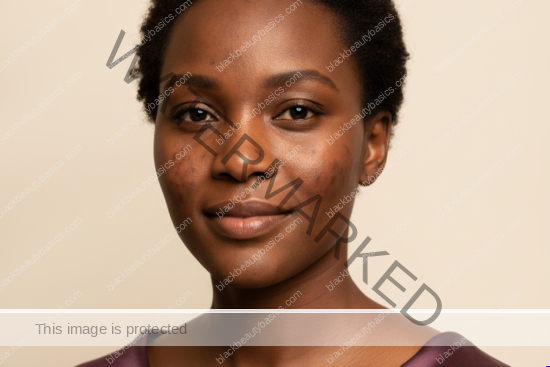
Post-Eczema Dark Marks on Melanin-Rich Skin
For Black women and others with melanin-rich skin, the journey with eczema can feel like a double burden. It’s not just the relentless itch, the inflamed patches, or the discomfort of a flare-up that we contend with. It’s also the lingering aftermath – those stubborn dark marks that often remain long after the irritation has seemingly settled. This experience is frustratingly common, a testament to the unique way our skin responds to inflammation and trauma. You’re not alone in feeling exasperated when a flare recedes, only to leave behind a visible reminder of its presence, sometimes for months or even years.
These dark marks, known scientifically as post-inflammatory hyperpigmentation (PIH), are our skin’s way of signaling that it’s been through a lot. While any skin tone can experience PIH, melanin-rich skin is particularly prone to it, and these marks tend to be more pronounced and persistent. It’s a reality that adds another layer of complexity to managing a chronic condition like eczema. The emotional toll of constantly battling both the active flare and its visible remnants can be significant, impacting self-confidence and how we navigate the world.
At Black Beauty Basics, we understand this deeply. Our aim is to provide clarity, validation, and practical knowledge, empowering you with the understanding and tools to navigate these challenges with grace and confidence. This article will delve into why eczema leaves these particular marks on melanin-rich skin, what they look like, and how a supportive, gentle care routine can help calm flares and reduce the risk of lingering discoloration, honoring the resilience and beauty of your skin every step of the way.
Why Eczema Can Leave Dark Marks on Melanin-Rich Skin
Understanding why eczema leaves dark marks on melanin-rich skin begins with appreciating the unique characteristics of our skin. Melanin, the pigment responsible for our beautiful range of skin tones, is also the key player in post-inflammatory hyperpigmentation (PIH). When melanin-rich skin experiences inflammation, trauma, or irritation—all hallmarks of an eczema flare—the melanocytes, which are the cells responsible for producing melanin, become overactive. This overproduction of melanin leads to the excess pigment being deposited in the skin layers, resulting in the dark spots or patches we see.
The Inflammatory Cascade and Melanin Overproduction
Eczema, at its core, is an inflammatory skin condition. When an eczema flare occurs, the skin’s immune system is triggered, leading to a cascade of inflammatory responses. This includes the release of various chemical messengers (cytokines and prostaglandins) that signal distress. In melanin-rich skin, these inflammatory signals are particularly effective at stimulating melanocytes. It’s almost as if the skin’s protective mechanism, designed to shield against UV radiation by producing melanin, goes into overdrive when faced with internal inflammation. The more intense or prolonged the inflammation, the greater the stimulation of melanocytes, and consequently, the darker and more persistent the resulting PIH.
Consider the journey of a single eczema patch. Initially, it might appear as an itchy, rough, or bumpy area. On lighter skin tones, this inflammation often presents as vivid redness. However, on melanin-rich skin, this redness can be masked or appear as shades of purple, grey, or even darker brown than the surrounding skin, making it harder to identify the inflammation early. Regardless of its initial visual presentation, the internal inflammatory process is still very much active. As the skin attempts to heal from this inflammation, the melanocytes in the affected area work overtime, depositing extra melanin. This is why, even after the eczema rash itself has subsided, the skin can be left with a distinct dark mark.
The Role of the Skin Barrier
A compromised skin barrier is a central feature of eczema. The skin barrier, often described as the “brick and mortar” of the skin, is crucial for retaining moisture and protecting against irritants and allergens. In eczema, this barrier is weakened, making the skin more susceptible to environmental triggers and less capable of holding onto hydration. This compromised barrier contributes to a vicious cycle: a weaker barrier allows irritants in, triggering inflammation, which then exacerbates the barrier dysfunction.
This constant state of barrier compromise makes the skin more vulnerable to inflammation and, subsequently, to PIH. When the barrier is not functioning optimally, the skin is in a perpetual state of stress and repair. Each time the barrier is challenged, whether by environmental factors, harsh products, or the eczema itself, it can trigger an inflammatory response that stimulates melanin production. Furthermore, a damaged barrier can also impair the skin’s ability to shed pigmented cells efficiently, meaning that once PIH forms, it can take longer to fade. Supporting the skin barrier is therefore not just about managing eczema flares, but also about minimizing the risk and longevity of post-eczema dark marks.
The Impact of Scratching and Friction
One of the most challenging aspects of eczema is the intense, often uncontrollable, itching. Scratching, while providing temporary relief, is incredibly detrimental to the skin. It physically damages the skin barrier, creating micro-tears and abrasions that introduce further inflammation and can even lead to secondary infections. Each act of scratching is a form of trauma to the skin, and for melanin-rich skin, any trauma can trigger an increase in melanin production.
The more we scratch, the more inflammation we create, and the more likely it is that significant PIH will develop. This creates a frustrating cycle: eczema causes itch, scratching causes damage and more inflammation, which then leads to darker, more persistent marks, and sometimes even more itch. Beyond scratching, any form of friction on eczema-prone areas can also contribute to this trauma. Tight clothing, rubbing against fabrics, or even vigorous cleansing can irritate already sensitive skin, exacerbating inflammation and increasing the risk of PIH. Understanding this connection is vital for developing strategies that not only soothe the itch but also protect the skin from further trauma, thereby mitigating the severity and duration of post-eczema dark marks.

How Post-Eczema Discoloration May Look on Dark Skin
When eczema leaves its mark on melanin-rich skin, the discoloration doesn’t always present as the typical “red” seen on lighter skin tones. This difference in appearance can sometimes lead to misdiagnosis or a delay in appropriate treatment, as healthcare providers not accustomed to seeing eczema on dark skin might not immediately recognize the signs of inflammation. Understanding how post-eczema discoloration manifests on our skin is crucial for self-advocacy and effective management.
Varied Shades of Discoloration
Post-inflammatory hyperpigmentation on melanin-rich skin typically appears as patches or spots that are darker than the surrounding skin. These marks can range in color from light brown to deep chocolate, purplish-brown, or even a grayish hue. The exact shade often depends on the individual’s natural skin tone, the depth of the pigment deposition, and the intensity and duration of the initial inflammatory flare. For someone with a lighter brown complexion, the marks might be a medium brown, while on deeper skin tones, they could appear almost black.
It’s important to note that these marks are not just superficial. While some pigment might be deposited in the epidermis (the outer layer of skin), deeper inflammation can push pigment into the dermis (the deeper layer), leading to dermal PIH. Dermal PIH tends to be more stubborn and can take much longer to fade, sometimes years, and may have a slightly bluish or grayish undertone due to the Tyndall effect (how light scatters when interacting with particles). The texture of the skin in these areas might also feel different—sometimes thicker, rougher, or slightly leathery, especially if the eczema has been chronic or subject to repeated scratching.
The Difference from Erythema (Redness)
On lighter skin, active eczema flares are characterized by erythema, or redness, due to increased blood flow to the inflamed area. This classic red presentation is often what medical textbooks and general public awareness campaigns showcase. However, on melanin-rich skin, this redness is often obscured by the natural melanin. Instead of bright red, an active eczema flare might appear as:
* Darker patches: The inflamed area might simply look like a patch of skin that is several shades darker than the surrounding healthy skin.
* Purplish or grayish tones: Especially in areas of chronic inflammation or where blood vessels are more prominent, the skin might take on a purplish or grayish cast.
* Ashy or dull appearance: Due to dryness and scaling, the inflamed skin can look ashy, dull, or even somewhat bruised.
* Subtle color changes: Sometimes, the color change is very subtle, requiring a keen eye to detect. The primary indicators might be textural changes, such as roughness, scaling, or papules (small bumps), rather than a dramatic shift in color.
This difference is critical because it means that relying solely on “redness” as an indicator of inflammation can lead to under-recognition or delayed treatment of eczema on dark skin. For Black women, it’s essential to be attuned to these nuanced visual cues and to communicate them clearly to healthcare providers. The post-eczema dark marks are a direct consequence of this inflammatory process, a visual echo of the flare that has passed.
Pattern and Distribution of Marks
The pattern and distribution of post-eczema dark marks typically mirror where the eczema flares occurred. Common areas include:
* Flexural areas: The creases of the elbows (antecubital fossae) and knees (popliteal fossae) are classic sites for atopic eczema, and thus common areas for PIH.
* Neck and face: Eczema can affect the face, especially around the eyes, mouth, and neck, leading to noticeable dark marks in these highly visible areas.
* Hands and feet: These areas are frequently exposed to irritants and can experience significant eczema, leaving behind persistent discoloration.
* Torso and limbs: Patches can appear anywhere on the body, often symmetrical, reflecting the widespread nature of eczema.
The marks can be discrete spots or larger, confluent patches, depending on the size and shape of the original eczema lesion. Sometimes, the marks might even follow a linear pattern if scratching has been particularly aggressive in one direction. The presence of these dark marks, even in the absence of active inflammation, can be a constant reminder of the eczema journey, underscoring the importance of a holistic approach to care that addresses both the active condition and its lasting visual impact.
Daily Care That Supports Both Calm Skin and Healing Marks
Managing eczema on melanin-rich skin is a delicate balance. The goal is twofold: to soothe active flares and prevent new ones, while simultaneously addressing the post-inflammatory hyperpigmentation that often follows. This requires a consistent, gentle, and barrier-supportive daily care routine that prioritizes hydration, minimizes irritation, and encourages healthy skin turnover. Remember, consistency is key, and patience is a virtue when it comes to both eczema management and fading dark marks.
Gentle Cleansing and Bathing Practices
The foundation of any effective eczema care routine begins with how you cleanse your skin. Harsh soaps and hot water can strip the skin of its natural oils, further compromising an already fragile barrier and exacerbating dryness and irritation. For melanin-rich skin prone to eczema, gentle cleansing is non-negotiable.
* Lukewarm Water Only: Opt for lukewarm water instead of hot water for baths and showers. Hot water can strip the skin of its natural lipids, leading to increased dryness and itchiness.
* Short Showers/Baths: Limit your bathing time to 5-10 minutes. Prolonged exposure to water, even lukewarm, can dehydrate the skin.
* Mild, Fragrance-Free Cleansers: Choose cleansers specifically formulated for sensitive, eczema-prone skin. These are typically fragrance-free, soap-free, and pH-balanced. Look for ingredients like colloidal oatmeal, ceramides, or glycerin, which help to soothe and hydrate. Avoid harsh sulfates, strong fragrances, and dyes. You can explore formulas on Amazon for a “fragrance free body wash sensitive skin” or specifically look for a “colloidal oatmeal body wash sensitive skin” to find suitable options.
* Pat Dry, Don’t Rub: After bathing, gently pat your skin dry with a soft towel, leaving it slightly damp. Rubbing can cause friction and irritation, triggering more inflammation and potentially worsening PIH.
Strategic Moisturizing for Barrier Support
Moisturizing is perhaps the most critical step in managing eczema and preventing PIH. It helps to repair and maintain the skin barrier, lock in moisture, and reduce dryness and itching. The “soak and seal” method is highly recommended:
* Apply Moisturizer Immediately: Within three minutes of patting your skin dry, apply a generous amount of moisturizer. This “seals in” the water from your bath or shower, maximizing hydration.
* Thick Emollients and Creams: Lotions, which are typically lighter and contain more water, may not be sufficient for eczema-prone skin. Opt for thick creams or ointments that provide a stronger barrier. Look for ingredients like ceramides, hyaluronic acid, glycerin, shea butter, and petrolatum. Ceramides are particularly beneficial as they are natural lipids found in the skin barrier. You can browse options for “ceramide moisturizer dark skin” on Amazon.
* Moisturize Multiple Times Daily: Don’t limit moisturizing to just after bathing. Apply moisturizer at least twice a day, and more frequently to areas prone to dryness or active eczema. Consistent hydration helps to keep the skin supple, reduces cracking, and supports the healing process, which in turn can help fade dark marks.
* Consider Wet Wraps: For particularly stubborn or severe patches, your trusted healthcare provider might suggest wet wrap therapy. This involves applying moisturizer to the affected area, covering it with a damp cloth or bandage, and then a dry layer. This can enhance moisturizer absorption and provide intense hydration, but should be done under guidance.
Targeted Ingredients for Dark Marks (Gentle Approach)
While managing active eczema is paramount, incorporating ingredients that gently address PIH can be beneficial once the skin is calm and the barrier is stable. It’s crucial to introduce these slowly and cautiously to avoid irritating sensitive, eczema-prone skin.
* Niacinamide (Vitamin B3): This powerhouse ingredient is excellent for melanin-rich skin. It helps to reduce inflammation, strengthen the skin barrier, and inhibit the transfer of melanin to skin cells, thereby reducing the appearance of dark spots. It’s generally well-tolerated by sensitive skin.
* Vitamin C (Ascorbic Acid): A potent antioxidant, Vitamin C can brighten skin tone, reduce hyperpigmentation, and protect against environmental damage. Look for stable forms of Vitamin C and start with lower concentrations to assess tolerance.
* Azelaic Acid: Known for its anti-inflammatory and pigment-reducing properties, azelaic acid can be effective for PIH. It’s often gentler than other acids and can be a good option for sensitive skin.
* Alpha Arbutin or Kojic Acid: These ingredients work by inhibiting tyrosinase, the enzyme responsible for melanin production. They can be effective but should be introduced carefully.
* Retinoids (Cautiously): While retinoids (like retinol or retinaldehyde) are gold standards for skin cell turnover and PIH, they can be irritating for eczema-prone skin. If considering a retinoid, start with a very low concentration, use it infrequently (e.g., once or twice a week), and always apply it after moisturizer to buffer its effects. This step should only be considered when eczema is well-controlled and the skin barrier is robust.
* Sun Protection: This is non-negotiable for preventing new dark marks and preventing existing ones from darkening. Melanin-rich skin is still susceptible to sun damage and PIH can worsen with UV exposure. Use a broad-spectrum sunscreen with an SPF of 30 or higher daily, even on cloudy days. Look for mineral sunscreens (zinc oxide, titanium dioxide) as they are often less irritating than chemical sunscreens and tend to leave less of a white cast on darker skin with newer formulations.
Lifestyle Adjustments for Skin Health
Beyond topical care, daily lifestyle choices significantly impact eczema and PIH.
* Manage Stress: Stress is a known trigger for eczema flares. Incorporate stress-reducing practices into your daily routine, such as meditation, deep breathing exercises, yoga, or spending time in nature.
* Identify and Avoid Triggers: Pay attention to what triggers your eczema. This could be certain foods, environmental allergens (dust mites, pollen, pet dander), harsh detergents, or specific fabrics. Keeping a diary can help identify patterns.
* Wear Breathable Fabrics: Opt for loose-fitting clothing made from natural, breathable fabrics like cotton. Wool and synthetic fabrics can often irritate sensitive skin and cause friction.
* Stay Hydrated Internally: Drink plenty of water throughout the day to support overall skin health from within.
* Prioritize Sleep: Adequate sleep allows the body to repair and regenerate, which is crucial for skin healing and managing inflammation.
By integrating these practices into your daily routine, you create a supportive environment for your skin, not only reducing the frequency and severity of eczema flares but also actively working to fade those lingering dark marks, revealing the beautiful, even-toned complexion beneath. For more comprehensive guidance on living with eczema, you may find our article on skin conditions on dark skin helpful.
What Can Keep Eczema-Related Dark Marks Active Longer
While post-inflammatory hyperpigmentation (PIH) from eczema is a common challenge for melanin-rich skin, certain factors can significantly prolong its presence, making the marks more stubborn and difficult to fade. Understanding these perpetuating elements is crucial for effective management and for preventing the cycle of inflammation and discoloration from continuing indefinitely. By identifying and addressing these factors, you can create a more conducive environment for your skin to heal and return to its natural, even tone.
Persistent Inflammation and Uncontrolled Flares
The most significant factor in keeping dark marks active is ongoing or recurrent inflammation. PIH is a direct consequence of inflammation. If the underlying eczema is not well-controlled, and flares continue to occur frequently or remain active for extended periods, the melanocytes are constantly being stimulated to produce more pigment. Each new flare-up in the same area essentially “re-traumatizes” the skin, adding new pigment on top of existing discoloration and deepening the marks.
This means that effective eczema management is paramount for addressing PIH. If you’re consistently battling active patches of eczema, any efforts to fade existing dark marks will be undermined by the continuous production of new pigment. Working with a healthcare professional to identify triggers, develop a robust treatment plan for active eczema, and maintain remission is the first and most critical step. This might involve topical treatments, systemic medications, or lifestyle adjustments to calm the inflammatory response. Without addressing the root cause of the inflammation, the dark marks will remain a persistent challenge.
Aggressive Scratching and Friction
As previously discussed, scratching is a major perpetuator of PIH. The physical trauma of scratching not only creates new inflammation but also disrupts the skin barrier further, making it more vulnerable to irritants and prolonging the healing process. Every time you scratch an itchy eczema patch, you are essentially signaling your melanocytes to produce more melanin. This can lead to a vicious cycle where itching leads to scratching, which leads to darker marks, which can sometimes even lead to more itching due to the altered skin texture.
Beyond conscious scratching, unconscious rubbing or friction from clothing, bedding, or even vigorous towel drying can contribute to this trauma. Areas of the body that experience constant friction, such as the inner elbows, behind the knees, or the neck, are often sites where PIH can be particularly stubborn. Breaking the itch-scratch cycle is fundamental. This involves using strategies to manage the itch (e.g., cool compresses, anti-itch creams, consistent moisturizing) and being mindful of physical irritation to affected areas.
Inadequate Sun Protection
Sun exposure is a notorious culprit for worsening hyperpigmentation of all types, and post-eczema dark marks are no exception. Ultraviolet (UV) radiation stimulates melanocytes to produce melanin as a protective response. When skin that is already prone to PIH (due to previous eczema inflammation) is exposed to the sun without adequate protection, the existing dark marks will absorb more UV light and become even darker and more resistant to fading. New inflammation caused by sunburn can also trigger fresh PIH.
This is why daily, consistent use of a broad-spectrum sunscreen with an SPF of 30 or higher is non-negotiable for anyone dealing with PIH, especially on melanin-rich skin. Even on cloudy days or when indoors near windows, UV rays can penetrate and affect the skin. Sunscreen acts as a shield, preventing the exacerbation of existing marks and protecting against the formation of new ones. Without this crucial step, other efforts to fade PIH will be significantly hampered.
Harsh Skincare Products and Over-Exfoliation
While the desire to fade dark marks quickly is understandable, using harsh skincare products or over-exfoliating can be counterproductive, especially for eczema-prone skin. Many products marketed for “brightening” or “dark spot correction” contain ingredients that can be irritating to sensitive skin, such as high concentrations of alpha hydroxy acids (AHAs), beta hydroxy acids (BHAs), or certain forms of retinoids. While these ingredients can be beneficial when used correctly and cautiously, aggressive use on compromised or eczema-prone skin can trigger new inflammation.
This new inflammation, in turn, stimulates melanocytes and can lead to *more* PIH, creating a frustrating cycle. Over-exfoliation, whether through physical scrubs or chemical exfoliants, can also damage the skin barrier, making it more vulnerable and reactive. For melanin-rich skin, this risk is amplified, as irritation is more likely to result in hyperpigmentation. It’s essential to introduce any new active ingredients slowly, one at a time, and always prioritize barrier repair and soothing the skin above aggressive treatment for dark marks. When in doubt, less is often more, and consulting with a dermatologist is always recommended before incorporating potent actives.
Neglecting Skin Barrier Repair
The skin barrier is your first line of defense, and in eczema, it is inherently compromised. Neglecting to consistently support and repair this barrier can prolong inflammation and, consequently, PIH. A weakened barrier allows irritants and allergens to penetrate more easily, triggering immune responses and melanin production. It also leads to increased transepidermal water loss (TEWL), resulting in dry, tight, and itchy skin, which can provoke scratching.
Consistent and generous application of emollients and barrier-repairing moisturizers is not just about comfort; it’s a critical therapeutic step. Ingredients like ceramides, cholesterol, and fatty acids mimic the natural lipids in the skin barrier, helping to rebuild and strengthen it. When the barrier is healthy, the skin is less reactive, less inflamed, and better equipped to heal and fade discoloration. Conversely, a perpetually compromised barrier means the skin is always in a state of vulnerability, making PIH more persistent.
Dietary and Lifestyle Triggers
While not directly causing PIH, certain dietary and lifestyle factors can trigger eczema flares, which then lead to dark marks. For some individuals, specific foods (e.g., dairy, gluten, nuts) can exacerbate eczema. Environmental allergens (dust mites, pollen, pet dander), stress, lack of sleep, and exposure to harsh chemicals can also provoke flares. If these triggers are not identified and managed, the cycle of eczema flares and subsequent PIH will continue.
Paying attention to your body’s responses and making conscious lifestyle choices to minimize exposure to known triggers can significantly reduce the frequency and severity of eczema flares. This, in turn, directly impacts the likelihood of developing new dark marks and allows existing ones to fade more effectively. For more insights on managing daily skin health, consider reading our article on daily care for skin conditions and dark marks.

When Eczema Marks or Flares Need Professional Evaluation
While many aspects of eczema and its resulting dark marks can be managed with diligent home care and over-the-counter products, there are crucial times when professional evaluation by a dermatologist or healthcare provider is not just recommended, but essential. Knowing when to seek expert guidance can prevent complications, ensure accurate diagnosis, optimize treatment, and ultimately lead to better outcomes for both your skin health and your peace of mind. For Black women, who often face unique challenges in dermatology due to racial bias in medical education and practice, finding a culturally competent provider is particularly important.
When Eczema Flares Are Severe, Worsening, or Persistent
If your eczema flares are becoming more severe, spreading rapidly, or simply not responding to your current home care routine, it’s time to see a professional. Signs that warrant immediate attention include:
* Intense Itching Affecting Quality of Life: If the itch is so severe that it interferes with sleep, work, or daily activities, it’s a sign that the eczema is poorly controlled.
* Widespread Flares: Eczema covering large areas of your body, rather than isolated patches, indicates a more systemic issue that requires professional intervention.
* Signs of Infection: Look for signs such as pus-filled blisters, yellow crusting, increased pain, warmth, or red streaks extending from the rash. Eczema-compromised skin is more susceptible to bacterial, viral, or fungal infections, which require specific medical treatment.
* Skin Breakdown or Bleeding: If the skin is cracking, bleeding, or weeping fluid, it indicates significant barrier damage and inflammation that needs professional assessment.
* Flares Not Responding to OTC Treatments: If you’ve been consistently using over-the-counter moisturizers and mild corticosteroids for several weeks without significant improvement, your eczema may require prescription-strength medications or a different treatment approach.
A dermatologist can accurately diagnose the type and severity of your eczema, rule out other skin conditions that might mimic eczema (which is especially important on melanin-rich skin where visual cues can differ), and prescribe appropriate treatments. These might include stronger topical corticosteroids, calcineurin inhibitors, or even systemic medications like oral steroids, immunosuppressants, or newer biologic therapies for severe cases.
When Dark Marks Are Deep, Persistent, or Spreading
While some PIH is expected after an eczema flare, certain characteristics of the dark marks themselves should prompt a professional visit:
* Marks That Don’t Fade: If dark marks persist for many months or even years despite consistent sun protection and gentle skincare, they may be dermal PIH, which is harder to treat and often requires professional modalities.
* Marks That Are Deeply Pigmented: Very dark, almost black or purplish-brown marks can indicate deeper pigment deposition that may not respond to over-the-counter brightening agents alone.
* New Dark Marks Without Obvious Flares: If you’re noticing new dark marks appearing without a clear preceding eczema flare, it’s important to rule out other causes of hyperpigmentation.
* Emotional Distress: If the presence of these dark marks is causing significant emotional distress, impacting your self-esteem, or making you feel self-conscious, a dermatologist can offer solutions and support. The psychological impact of visible skin conditions, especially on the face or exposed areas, should never be underestimated.
A dermatologist can assess the depth and type of your PIH and recommend professional treatments such as chemical peels, laser therapy, or prescription-strength topical agents (e.g., hydroquinone, stronger retinoids, or combination therapies). These treatments are often more potent and require professional supervision to ensure safety and efficacy, especially on melanin-rich skin, where improper use can lead to further hyperpigmentation or hypopigmentation.
When You Suspect Other Conditions
Eczema can sometimes be confused with or coexist with other skin conditions that also cause inflammation and hyperpigmentation. For example, psoriasis can also lead to dark marks on melanin-rich skin, but its treatment approach differs. Hidradenitis Suppurativa (HS), a chronic inflammatory condition, can cause painful lesions and significant scarring and hyperpigmentation, particularly in skin folds. Our article on Psoriasis Flares and Lingering Discoloration on Dark Skin provides more insight into that condition, and HS Tunnels, Scars, and Dark Spots on Dark Skin covers HS. A professional can provide an accurate diagnosis and tailor treatment accordingly.
Seeking a Culturally Competent Provider
For Black women, finding a dermatologist who is experienced in treating melanin-rich skin is paramount. Unfortunately, many medical textbooks and training programs have historically lacked adequate representation of diverse skin tones, leading to a knowledge gap among some practitioners. A culturally competent dermatologist will:
* Recognize Varied Presentations: Understand how eczema and inflammation manifest differently on dark skin (e.g., purple, gray, or dark brown instead of red).
* Be Mindful of PIH Risk: Be acutely aware of the heightened risk of PIH in melanin-rich skin and factor this into all treatment decisions, prioritizing gentle approaches and sun protection.
* Recommend Appropriate Treatments: Know which treatments for eczema and PIH are safe and effective for dark skin, avoiding those that carry a higher risk of adverse effects like hypopigmentation (lightening of the skin) or further hyperpigmentation.
* Listen and Validate: Listen to your concerns and validate your experiences, understanding the unique challenges you face.
Don’t hesitate to ask prospective dermatologists about their experience treating melanin-rich skin or to seek a second opinion if you feel your concerns are not being adequately addressed. Your skin deserves expert, tailored care.

Frequently Asked Questions
Navigating eczema and its aftermath on melanin-rich skin can bring up many questions. Here, we address some of the most common concerns to provide further clarity and support.
How long do post-eczema dark marks typically last on dark skin?
The duration of post-eczema dark marks on melanin-rich skin can vary significantly, ranging from a few weeks to several months, or even years, depending on the severity of the initial inflammation, the depth of the pigment, and individual skin healing capacity. Consistent, gentle care and sun protection can help accelerate the fading process, but patience is truly key.
Can scratching really make dark marks worse and last longer?
Absolutely. Scratching is a major contributor to worsening and prolonging dark marks. Each act of scratching causes physical trauma and inflammation to the skin, stimulating melanocytes to produce more pigment and deepening existing discoloration, creating a frustrating cycle that makes marks more stubborn.
Are there any specific foods or supplements that can help fade post-eczema dark marks?
While no specific food or supplement is a magic bullet for fading dark marks, a diet rich in antioxidants (from fruits and vegetables), omega-3 fatty acids (found in fish, flaxseed), and adequate hydration can support overall skin health and reduce inflammation, indirectly aiding the healing process. Always consult a healthcare provider before starting new supplements.
Is it safe to use chemical exfoliants like AHAs or BHAs on eczema-prone skin with dark marks?
Chemical exfoliants can be beneficial for fading dark marks by promoting cell turnover, but they must be used with extreme caution on eczema-prone skin. Start with very low concentrations, introduce them slowly, and prioritize keeping the skin barrier healthy and calm. If your eczema is active or your skin is irritated, it’s best to avoid them entirely or consult a dermatologist.
Will my dark marks ever completely disappear, or will there always be a trace?
Many post-eczema dark marks can fade significantly and even disappear completely over time with consistent and appropriate care. However, very deep or long-standing marks, especially those that have been repeatedly inflamed or scratched, may leave a subtle trace. Professional treatments can often help improve even the most stubborn marks.
How can I prevent new dark marks from forming after an eczema flare?
The most effective way to prevent new dark marks is to diligently manage your eczema to prevent flares, or to treat them promptly and gently when they occur. This includes consistent moisturizing, avoiding triggers, using gentle skincare, and non-negotiable daily sun protection. Minimizing scratching and friction is also crucial.
Should I use different products for my face versus my body when dealing with post-eczema dark marks?
Generally, facial skin is more delicate and often more sensitive than body skin, so products formulated for the face tend to be lighter and contain lower concentrations of active ingredients. While some body products can be used on the face if tolerated, it’s often best to use separate, specifically formulated products, especially when targeting dark marks, to avoid irritation.
Where to Go Next
The journey with eczema and its lingering dark marks on melanin-rich skin can feel long and challenging, but you are not alone. We hope this comprehensive guide has provided you with a deeper understanding and empowered you with practical strategies for managing both the condition and its visible aftermath. Remember, your skin is resilient, and with consistent, gentle care, it has an incredible capacity to heal and thrive.
At Black Beauty Basics, we are committed to providing culturally authentic, education-first beauty content that centers Black women as the default, not the afterthought. We encourage you to continue exploring our resources to further support your skin health journey.
For a broader understanding of how various conditions can lead to hyperpigmentation, delve into our cluster hub on Condition-Linked PIH: Eczema, Psoriasis, HS, Injuries. This resource offers insights into the intricate connections between inflammatory conditions and skin discoloration.
To gain a holistic perspective on managing hyperpigmentation and dark spots, our main pillar page on Hyperpigmentation and Dark Spots provides a wealth of information, covering everything from causes to advanced treatments tailored for melanin-rich skin.
Understanding how to manage triggers is vital for preventing new dark marks. Our article on Managing Triggers to Prevent New Dark Marks offers practical advice on identifying and avoiding common irritants that can exacerbate skin conditions and lead to PIH.
For a deeper dive into daily routines that support both calm skin and fading marks, explore our guide on Daily Care for Skin Conditions and Dark Marks. This article provides actionable steps to integrate into your regimen for optimal skin health.
Remember to prioritize your skin’s health and well-being. If you find your eczema or dark marks are persistent, worsening, or significantly impacting your quality of life, please consult with a dermatologist who has experience treating melanin-rich skin. They can provide personalized advice and treatment plans tailored to your unique needs. Your journey towards radiant, healthy skin is a testament to your strength and self-love.
INTERNAL LINKING OPPORTUNITIES
– https://blackbeautybasics.com/hyperpigmentation-and-dark-spots/condition-linked-pih-eczema-psoriasis-hs-injuries/ — Cluster hub for condition-linked PIH
– https://blackbeautybasics.com/hyperpigmentation-and-dark-spots/ — Parent pillar for hyperpigmentation and dark spots
– https://blackbeautybasics.com/skin-conditions-on-dark-skin/ — Cross-pillar link to skin conditions on dark skin
– https://blackbeautybasics.com/hyperpigmentation-and-dark-spots/condition-linked-pih-eczema-psoriasis-hs-injuries/psoriasis-flares-and-lingering-discoloration-on-dark-skin/ — Sibling article on psoriasis flares and discoloration
– https://blackbeautybasics.com/hyperpigmentation-and-dark-spots/condition-linked-pih-eczema-psoriasis-hs-injuries/hs-tunnels-scars-and-dark-spots-on-dark-skin/ — Sibling article on HS and dark spots
– https://blackbeautybasics.com/hyperpigmentation-and-dark-spots/condition-linked-pih-eczema-psoriasis-hs-injuries/daily-care-for-skin-conditions-and-dark-marks/ — Sibling article on daily care for skin conditions and dark marks
– https://blackbeautybasics.com/hyperpigmentation-and-dark-spots/condition-linked-pih-eczema-psoriasis-hs-injuries/managing-triggers-to-prevent-new-dark-marks/ — Sibling article on managing triggers for dark marks
– https://blackbeautybasics.com/skincare-for-black-women/ — Cross-pillar link to skincare for Black women
Related next steps
Related posts:
 Condition-Linked PIH: Eczema, Psoriasis, HS, & Injury Dark Marks on Melanin-Rich Skin
 Stretch Marks, Eczema, and Other Skin Conditions in Pregnant Black Women
 Your Essential Sunscreen Strategy to Prevent Dark Marks on Melanin-Rich Skin (Face & Body)
 Treating Active Ingrown Hairs, Bumps, and Dark Marks on Melanin-Rich Skin
 Acne Marks and Post-Inflammatory Hyperpigmentation on Dark Facial Skin
 Facial Hyperpigmentation on Melanin-Rich Skin: Acne Marks, Melasma & Uneven Tone