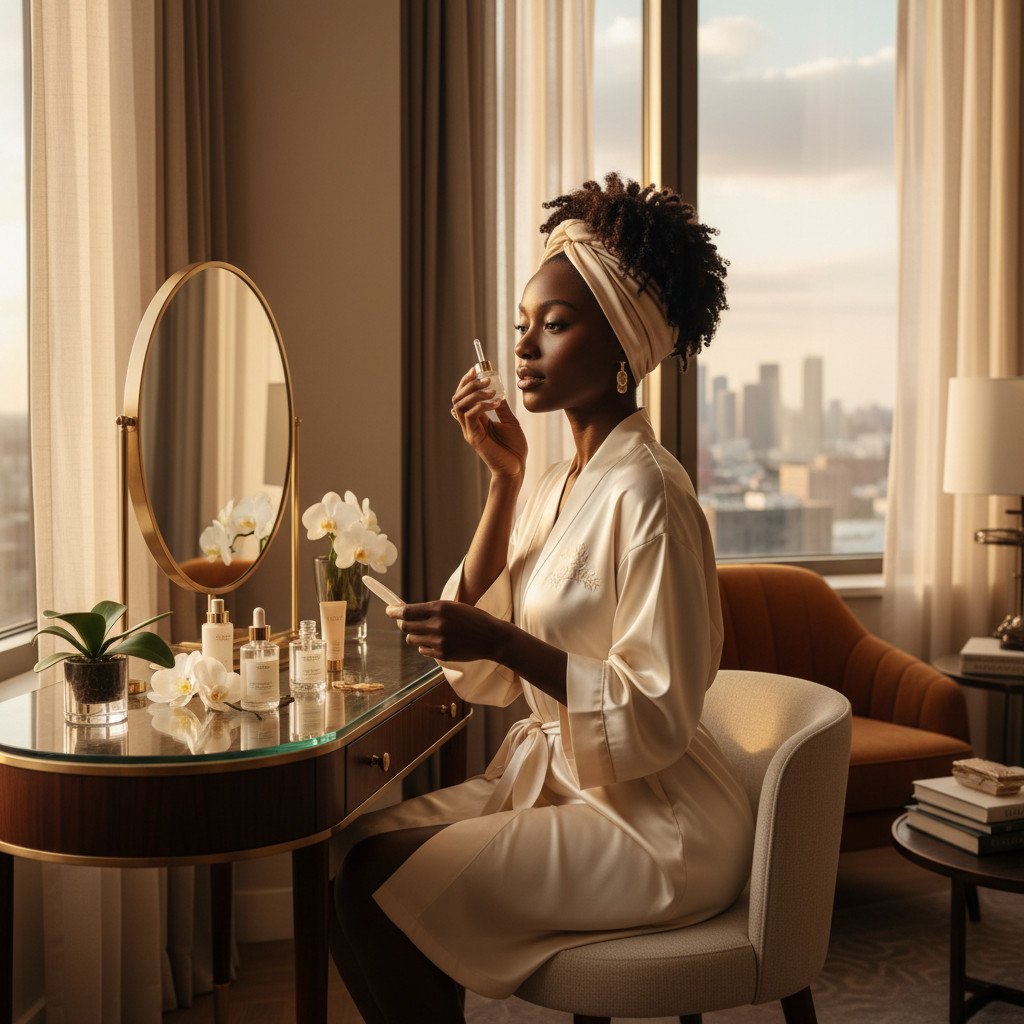
Using Benzoyl Peroxide on Dark, Sensitive Skin: A Thoughtful Approach
For many of us, the journey to clear skin has been a winding path, often marked by the promise of powerful ingredients and the reality of their sometimes-harsh side effects. Benzoyl peroxide (BP) is one of those ingredients that stands out in the acne-fighting arsenal. It has a well-earned reputation for its efficacy in clearing blemishes, yet for Black women and others with melanin-rich, sensitive skin, its use often comes with a unique set of considerations. The worry is real: will this ingredient clear the bumps only to leave behind a landscape of dryness, irritation, or worse, those stubborn dark marks we know as post-inflammatory hyperpigmentation (PIH)?
This concern is not unfounded. Our skin, with its beautiful richness, is also more prone to inflammation and the subsequent hyperpigmentation that can linger long after a breakout has healed. The very strength that makes benzoyl peroxide effective – its ability to kill acne-causing bacteria and exfoliate dead skin cells – can also be its double-edged sword, especially when not approached with care and understanding. We’ve all heard the stories, or perhaps experienced them ourselves: the tight, flaky skin, the stinging sensation, the bleached pillowcases, and the dreaded dark spots that seem to mock our efforts.
But what if there was a way to harness the benefits of benzoyl peroxide without succumbing to its potential pitfalls? What if we could integrate this potent ingredient into our routines with wisdom, tailoring its use to respect the unique needs of our skin? This guide is designed to empower you with that knowledge. We’ll delve into the science behind benzoyl peroxide, explore why dark, sensitive skin requires a more nuanced approach, and provide practical strategies to navigate its use successfully. Our goal is to help you achieve clearer skin, not at the expense of your skin’s health or complexion, but in harmony with its inherent beauty and resilience.
Why Benzoyl Peroxide is Often Used for Acne: Understanding Its Mechanism
Benzoyl peroxide has been a cornerstone of acne treatment for decades, and for good reason. Its effectiveness lies in its multi-pronged approach to tackling the various factors that contribute to acne development. To understand why it’s so widely recommended, especially for inflammatory acne, we need to look at its core mechanisms of action. It’s not just a simple spot treatment; it’s a powerful agent that works beneath the surface to disrupt the acne cycle.
The Power of Oxygen: Killing P. Acnes Bacteria
One of the primary ways benzoyl peroxide works is by releasing oxygen into the pores. The bacteria primarily responsible for acne, Cutibacterium acnes (formerly Propionibacterium acnes), are anaerobic, meaning they thrive in environments with little to no oxygen. When benzoyl peroxide penetrates the pore and releases oxygen, it creates an inhospitable environment for these bacteria, effectively killing them off. This direct bactericidal action is crucial because it addresses one of the root causes of inflammatory acne, reducing the bacterial load and, consequently, the number and severity of breakouts. Unlike antibiotics, to which bacteria can develop resistance over time, C. acnes does not develop resistance to benzoyl peroxide, making it a reliable and long-term solution for bacterial control.
Unclogging Pores: A Keratolytic Effect
Beyond its antibacterial properties, benzoyl peroxide also possesses keratolytic effects. This means it helps to shed dead skin cells and prevent them from accumulating within the hair follicles, which are the primary sites of acne formation. When dead skin cells and excess sebum (oil) combine, they form a plug that clogs the pore, creating a perfect breeding ground for bacteria. By promoting the turnover of these cells, benzoyl peroxide helps to keep pores clear, reducing the likelihood of new comedones (blackheads and whiteheads) and inflammatory lesions forming. This dual action—killing bacteria and unclogging pores—makes it a formidable opponent against both non-inflammatory and inflammatory acne.
Reducing Inflammation: Calming the Storm
Acne is fundamentally an inflammatory condition. While C. acnes bacteria are a key trigger, the body’s immune response to these bacteria and clogged pores leads to inflammation, manifesting as red, swollen, and painful pimples. Benzoyl peroxide has been shown to have anti-inflammatory properties, helping to calm this immune response. By reducing inflammation, it not only helps to shrink existing blemishes but also minimizes the redness and discomfort associated with them. This aspect is particularly beneficial for those with moderate to severe inflammatory acne, where widespread redness and tenderness are common concerns. Its ability to mitigate inflammation also indirectly helps in reducing the risk of PIH, as inflammation is a major precursor to dark spots on melanin-rich skin.
Synergistic Effects: A Team Player
Benzoyl peroxide is often used as a standalone treatment, but it also works exceptionally well in combination with other acne-fighting ingredients. For instance, when paired with topical retinoids, it can enhance their pore-clearing effects while also providing its unique antibacterial benefits. Some formulations even combine benzoyl peroxide with antibiotics to deliver a more potent attack on severe acne, though this is typically under medical supervision. Its versatility and ability to complement other treatments make it a valuable asset in a comprehensive acne management strategy. However, for sensitive skin, combining multiple strong actives requires careful consideration and often a slower, more deliberate introduction to avoid overwhelming the skin barrier.
In summary, benzoyl peroxide’s enduring popularity in acne treatment stems from its robust ability to kill acne-causing bacteria, exfoliate dead skin cells to prevent pore blockages, and reduce inflammation. These actions collectively address the multifaceted nature of acne, offering a powerful solution for many. However, understanding these mechanisms also highlights why its potency demands respect and a tailored approach, especially for those with dark, sensitive, and PIH-prone skin.
What Dark, Sensitive Skin May Need in Order to Tolerate Benzoyl Peroxide Better
The efficacy of benzoyl peroxide is undeniable, but for those of us with dark, sensitive skin, its introduction into a skincare routine requires a thoughtful and strategic approach. Our skin type is often more reactive, prone to dryness, and, crucially, more susceptible to post-inflammatory hyperpigmentation (PIH) when irritated. Therefore, simply applying benzoyl peroxide as directed on a generic label might lead to more problems than solutions. To truly harness its benefits without the drawbacks, we must create an environment where our skin can tolerate it, thrive, and heal.
Prioritizing a Strong, Healthy Skin Barrier
The foundation of tolerating any strong active ingredient, especially benzoyl peroxide, lies in maintaining a robust and healthy skin barrier. Our skin barrier acts as the first line of defense against environmental aggressors and prevents excessive water loss. When this barrier is compromised—whether by harsh cleansers, over-exfoliation, or existing inflammation—it becomes more permeable, leading to increased sensitivity, dryness, and a heightened risk of irritation from active ingredients. For dark, sensitive skin, a compromised barrier is a direct pathway to inflammation and subsequent PIH.
Before even considering benzoyl peroxide, ensure your skin barrier is in optimal condition. This means using gentle, pH-balanced cleansers, avoiding harsh scrubs, and consistently moisturizing. Look for ingredients like ceramides, hyaluronic acid, cholesterol, and fatty acids in your moisturizers, as these mimic the natural components of our skin barrier and help to repair and strengthen it. Think of it as preparing the soil before planting a delicate seed; a well-nourished barrier will be far more resilient to the drying and potentially irritating effects of BP.
Starting Low and Going Slow: The Golden Rule
This adage is perhaps the most critical piece of advice for introducing any potent active to sensitive skin, and it holds particular weight for benzoyl peroxide. Benzoyl peroxide comes in various concentrations, typically ranging from 2.5% to 10%. While higher concentrations might seem more effective, they are also significantly more irritating. For dark, sensitive skin, starting with the lowest effective concentration is paramount.
Begin with a 2.5% or 5% benzoyl peroxide product. Furthermore, don’t apply it daily right from the start. Instead, introduce it every other day, or even just two to three times a week, during your evening routine. Observe how your skin reacts. If there’s no significant irritation after a few weeks, you can gradually increase the frequency. Only consider moving to a higher concentration if you’ve reached daily use of a lower concentration with no adverse effects and still feel you need more potency. This slow and steady approach allows your skin to acclimate, building tolerance over time without triggering a reactive inflammatory response.
Strategic Product Selection: Washes vs. Leave-On Treatments
The form of benzoyl peroxide also plays a significant role in its tolerability. Benzoyl peroxide is available in various formats, including cleansers, washes, creams, gels, and lotions. For dark, sensitive skin, benzoyl peroxide washes or cleansers are often a more gentle starting point than leave-on treatments.
A benzoyl peroxide wash is in contact with the skin for a shorter duration—typically 1-2 minutes—before being rinsed off. This limited contact time reduces the overall exposure and, consequently, the potential for irritation and dryness, while still delivering enough of the active ingredient to exert its antibacterial effects. It’s a fantastic way to introduce BP to your routine without overwhelming your skin. If your skin tolerates a wash well, you might then consider a low-concentration leave-on product, applied sparingly and strategically, perhaps using the “short contact therapy” method where it’s applied for 5-15 minutes and then rinsed off, before moving to full overnight application.
Buffering and Moisturizing: Your Skin’s Best Friends
Buffering is a technique where you apply a thin layer of moisturizer before applying a potentially irritating active ingredient. This creates a protective barrier, slowing down the penetration of the active and reducing its immediate impact on the skin. For benzoyl peroxide, applying a lightweight, non-comedogenic moisturizer first can significantly mitigate dryness and irritation, especially for leave-on products.
Equally important is consistent and generous moisturizing *after* applying benzoyl peroxide (or after rinsing it off, if using a wash). Choose a rich, emollient moisturizer that focuses on barrier repair. Ingredients like ceramides, shea butter, squalane, and glycerin are excellent choices. Hydration is key to combating the drying effects of BP, and well-hydrated skin is less likely to become irritated. Think of moisturizing as replenishing what BP might strip away, ensuring your skin remains supple and comfortable. Shop fragrance-free moisturizers for acne-prone sensitive skin on Amazon.
Sun Protection: A Non-Negotiable Step
Any active ingredient that promotes cell turnover or has exfoliating properties, including benzoyl peroxide, can increase your skin’s sensitivity to the sun. For melanin-rich skin, sun exposure without adequate protection is a direct trigger for PIH, especially after inflammation or irritation. Therefore, daily, consistent use of a broad-spectrum sunscreen with an SPF of 30 or higher is absolutely non-negotiable when using benzoyl peroxide.
Choose a sunscreen that is comfortable to wear, doesn’t leave a white cast on darker skin tones, and is non-comedogenic. Reapply it throughout the day, especially if you’re outdoors. Sun protection not only prevents sun damage but also plays a critical role in preventing the darkening of any existing PIH and protecting skin that might be more vulnerable due to BP use. It’s an essential protective measure that works in tandem with your acne treatment to preserve your skin’s even tone.
Listening to Your Skin: The Ultimate Guide
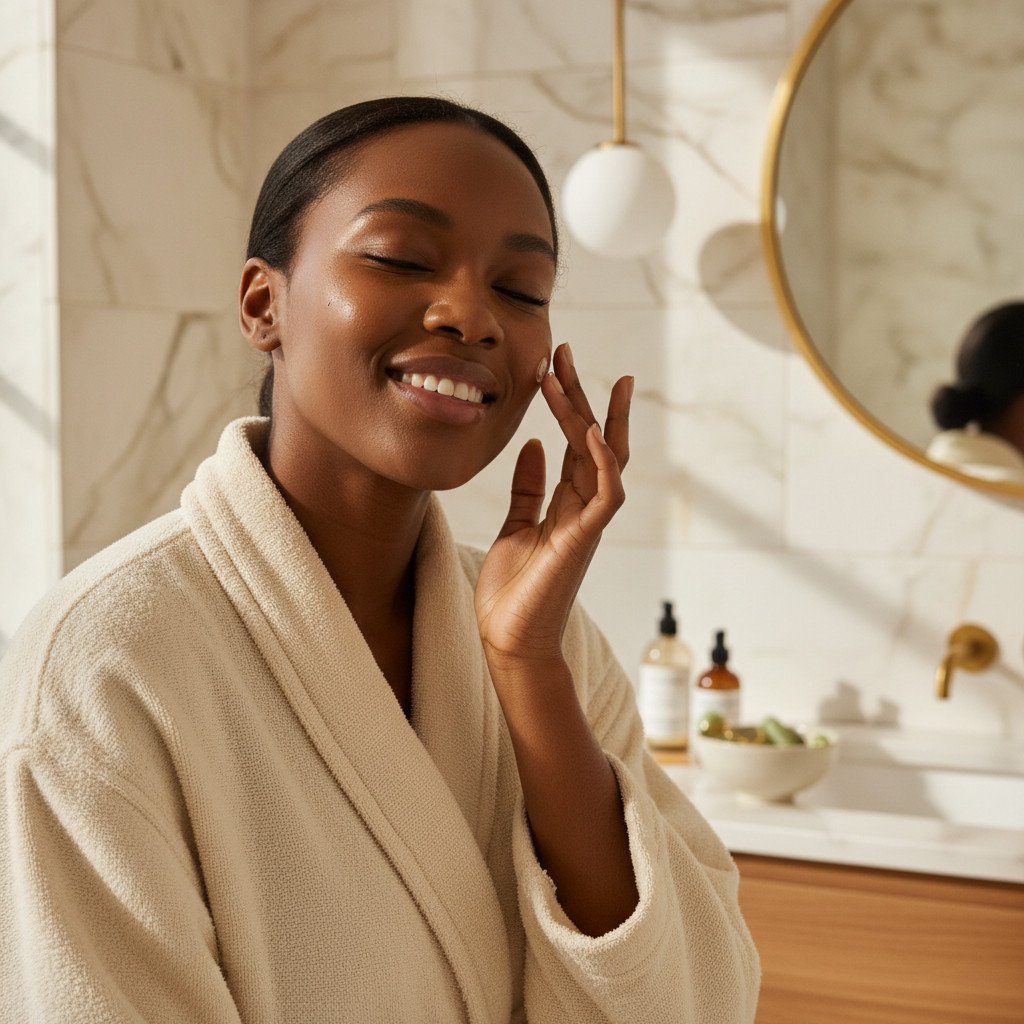
Ultimately, your skin is your best guide. Pay close attention to its signals. A little dryness or mild tingling might be acceptable as your skin adjusts, but persistent redness, stinging, burning, excessive peeling, or increased sensitivity are clear signs that you need to scale back. This might mean reducing frequency, lowering concentration, or even taking a break. Do not push through severe irritation, as this will only lead to a compromised barrier, prolonged healing, and a higher risk of PIH. Be patient and gentle with yourself and your skin, understanding that consistency and a measured approach will yield the best long-term results.
By integrating these strategies—prioritizing barrier health, starting low and slow, choosing appropriate product forms, buffering and moisturizing diligently, and committing to sun protection—dark, sensitive skin can indeed learn to tolerate and benefit from benzoyl peroxide, paving the way for clearer, more radiant skin without the unwanted side effects.
Dryness, Peeling, Bleaching Fabrics, and Other Practical Realities
While the goal of using benzoyl peroxide is clearer skin, it’s crucial to approach its use with a clear understanding of its practical realities. For dark, sensitive skin, these realities can be particularly pronounced, requiring proactive measures to mitigate potential side effects. Beyond the skin itself, benzoyl peroxide has a notorious reputation for impacting fabrics, a detail often overlooked but one that can lead to frustrating and costly surprises. Let’s delve into these common issues and how to navigate them with grace and practicality.
The Inevitable Dryness and Peeling
Benzoyl peroxide, by its very nature, is a drying agent. Its mechanism of action, particularly its exfoliating properties, can strip the skin of some of its natural oils and accelerate cell turnover, leading to dryness, flakiness, and peeling. For sensitive skin, this effect can be amplified, resulting in discomfort, tightness, and an impaired skin barrier. This dryness isn’t just uncomfortable; it can also trigger a reactive oil production, leading to more breakouts, or, more commonly for melanin-rich skin, inflammation that precedes PIH.
To combat this, a robust moisturizing strategy is non-negotiable. As discussed, selecting a rich, emollient moisturizer that focuses on barrier repair is key. Apply it generously and frequently, especially after cleansing and after applying benzoyl peroxide. Consider “sandwiching” your benzoyl peroxide: apply a thin layer of moisturizer, then the BP, then another layer of moisturizer. This technique can significantly reduce direct contact irritation and dryness. Humidifiers in your bedroom can also help to maintain skin hydration overnight. Remember, well-hydrated skin is more resilient and less prone to irritation and subsequent PIH.
Stinging, Burning, and Redness: Signs to Heed
A mild tingling sensation upon initial application of benzoyl peroxide might be acceptable as your skin adjusts, but persistent stinging, burning, or significant redness are clear indicators of irritation. For dark skin, redness might manifest as a darker, purplish hue rather than bright red, making it sometimes harder to spot. This irritation is a sign that your skin barrier is being compromised, and for melanin-rich skin, inflammation is a direct precursor to PIH.
If you experience these symptoms, it’s crucial to scale back immediately. This could mean reducing the frequency of application (e.g., from daily to every other day), using a lower concentration product, or switching from a leave-on treatment to a wash-off formula. In some cases, a temporary break from benzoyl peroxide may be necessary to allow your skin barrier to recover. Never push through severe discomfort, as prolonged irritation will only exacerbate the problem and increase the risk of long-lasting dark marks. Listen to your skin; it’s communicating its needs.
The Bleaching Effect: Protecting Your Fabrics
This is perhaps one of the most surprising and frustrating side effects for new users of benzoyl peroxide. Benzoyl peroxide is a powerful oxidizing agent, and this property, while effective against acne bacteria, also means it can bleach fabrics. This isn’t just about direct contact; even residue on your hands, face, or hair can transfer to textiles and cause permanent discoloration. This includes towels, pillowcases, clothing, and even bedsheets.
To prevent this, adopt a few practical habits:
- Wash your hands thoroughly: After applying any benzoyl peroxide product, wash your hands meticulously with soap and water to remove all traces before touching anything else.
- Use white towels and pillowcases: Invest in a set of white towels and pillowcases specifically for your skincare routine. White fabrics are already bleached, so any additional bleaching from BP won’t be noticeable. This is a simple yet effective way to protect your colored linens. Shop white pillowcases for acne routines on Amazon.
- Allow products to dry completely: If using a leave-on product, ensure it has completely absorbed and dried on your skin before your face comes into contact with any fabric, especially before bed. You might even consider waiting 15-20 minutes before lying down.
- Wear old clothing: When applying BP to your body (e.g., back acne), wear old, light-colored clothing that you don’t mind getting bleached.
- Consider BP washes: As mentioned, BP washes are less likely to cause bleaching issues since they are rinsed off. However, always ensure your hands are thoroughly washed after using them.
These small adjustments can save you from the frustration and expense of ruined textiles, allowing you to focus on the benefits of your skincare routine without added stress.
Increased Sun Sensitivity: A PIH Risk Factor
As with many active ingredients that promote skin cell turnover, benzoyl peroxide can increase your skin’s sensitivity to UV radiation. For dark skin, increased sun sensitivity means an elevated risk of developing or worsening PIH. Sun exposure can darken existing dark spots and trigger new ones, undoing all the progress you’ve made in clearing your acne.
Therefore, daily and diligent sun protection is paramount. Use a broad-spectrum sunscreen with an SPF of 30 or higher every single day, rain or shine, indoors or out. Reapply every two hours if you’re outdoors or sweating. Look for sunscreens that are formulated for sensitive skin and don’t leave a white cast. Incorporating antioxidants into your routine can also offer additional protection against environmental damage. This step is not merely about preventing sunburn; it’s a critical defense against PIH and maintaining an even skin tone while using active treatments.
The “Purge” Phenomenon: Distinguishing From Irritation
When starting benzoyl peroxide, some individuals may experience an initial “purging” period, where acne appears to worsen before it gets better. This happens because BP accelerates cell turnover, bringing existing microcomedones (clogged pores that haven’t yet surfaced) to the surface more quickly. This can manifest as new breakouts, but these are typically faster to heal than usual. It’s important to distinguish this temporary purging from true irritation. Purging usually occurs in areas where you typically break out and resolves within a few weeks. True irritation, on the other hand, can appear anywhere, often involves significant redness, stinging, and discomfort, and doesn’t necessarily lead to faster healing.
If you suspect purging, continue with your routine, but monitor closely. If the breakouts are accompanied by severe discomfort, widespread redness, or don’t show signs of improvement after 4-6 weeks, it’s more likely irritation, and you should re-evaluate your approach. Patience is key during a purge, but vigilance is essential to catch irritation early.
By being aware of these practical realities—dryness, irritation, fabric bleaching, and sun sensitivity—and taking proactive steps to address them, you can integrate benzoyl peroxide into your routine more smoothly and effectively. This informed approach allows you to focus on achieving clearer skin while protecting your skin’s health and your household items.
How to Tell the Difference Between Manageable Dryness and Too Much Irritation
Navigating the use of active ingredients like benzoyl peroxide on dark, sensitive skin often feels like walking a tightrope. On one side, you want to achieve results; on the other, you want to avoid the dreaded inflammation and subsequent PIH. A key skill in this balancing act is learning to differentiate between the expected, manageable dryness or mild flaking that comes with active treatment and the signs of genuine, problematic irritation that demand a change in strategy. This distinction is particularly crucial for melanin-rich skin, where inflammation can have lasting consequences.
Manageable Dryness and Mild Flaking: Signs of Adjustment
When you first introduce benzoyl peroxide, especially if your skin isn’t accustomed to strong actives, some degree of dryness and mild flaking is often part of the adjustment process. This is your skin learning to cope with the increased cell turnover and the ingredient’s drying nature. Think of it as your skin getting used to a new routine, not necessarily fighting against it.
Characteristics of Manageable Dryness/Flaking:
- Mild Tightness: Your skin might feel a little taut after cleansing or before moisturizing, but it’s not painful or severely uncomfortable.
- Subtle Flaking: You might notice very fine, almost invisible flakes, particularly around areas like the nose or mouth, but it’s not widespread or excessive. It might be more noticeable when you apply makeup.
- No Significant Redness/Discoloration: While there might be a very slight, temporary pinkness (or purplish hue on darker skin) that quickly subsides, there’s no persistent, widespread redness or darkening that indicates inflammation.
- No Stinging or Burning: There might be a very brief, mild tingling upon application, but it quickly dissipates and does not progress to a burning or stinging sensation.
- Improved Skin Texture (eventually): Despite the initial dryness, you should start to notice an overall improvement in your skin’s texture and a reduction in breakouts over a few weeks.
- Responds to Moisturizer: The dryness and flaking should largely be alleviated by consistent and generous application of a good moisturizer. Your skin should feel comfortable and supple after moisturizing.
If your experience aligns with these points, your skin is likely adjusting, and you can continue with your current regimen, focusing on consistent moisturization and sun protection. Patience is key here.

Too Much Irritation: Warning Signs to Heed
Irritation, on the other hand, is a clear signal that your skin is distressed and that the benzoyl peroxide is doing more harm than good. Ignoring these signs can lead to a compromised skin barrier, prolonged discomfort, and a significantly higher risk of PIH, which can take months to fade on melanin-rich skin. This is where vigilance and a willingness to adjust your routine become paramount.
Characteristics of Excessive Irritation:
- Persistent Redness/Discoloration: Widespread, persistent redness (or a noticeable darkening/purplish tone on dark skin) that doesn’t subside, even hours after application. This is a major red flag for inflammation.
- Intense Stinging or Burning: A strong, persistent stinging or burning sensation upon application that lasts for several minutes or even hours, making your skin feel raw or tender.
- Excessive Peeling and Cracking: Large, visible flakes or sheets of peeling skin, especially if accompanied by a feeling of tightness, rawness, or even cracking.
- Itching: A persistent, uncomfortable itchiness that suggests an allergic reaction or significant irritation.
- Increased Sensitivity to Other Products: Even gentle products that previously caused no issues now sting or burn when applied.
- Breakouts Worsen Significantly (beyond a typical purge): If your acne becomes significantly worse, more inflamed, or spreads to new areas, and this persists beyond the initial 4-6 week purging window, it’s likely irritation.
- Skin Feels Raw or Compromised: Your skin feels thin, vulnerable, and generally unhealthy, rather than just dry.
If you experience any of these signs, it’s time to take immediate action. Continuing with the same routine will only exacerbate the problem. Here’s a quick guide to action:
- Stop immediately: Discontinue benzoyl peroxide use for several days to a week.
- Focus on repair: Switch to a minimalist routine focused solely on gentle cleansing, intense moisturizing with barrier-repairing ingredients (ceramides, hyaluronic acid, squalane), and diligent sun protection.
- Reintroduce slowly: Once your skin has fully recovered and feels calm and healthy, you can attempt to reintroduce benzoyl peroxide, but at a much lower concentration and frequency (e.g., a 2.5% wash used only 2-3 times a week).
- Consider short-contact therapy: For leave-on products, try applying for just 5-10 minutes before rinsing off, gradually increasing the contact time as tolerated.
A Simple Comparison Table:
| Characteristic | Manageable Dryness/Flaking | Excessive Irritation |
|---|---|---|
| Feeling | Mild tightness, slight dryness | Intense stinging, burning, itching, raw feeling |
| Appearance | Subtle, fine flakes; no significant redness/discoloration | Widespread redness/darkening; large flakes, peeling, cracking |
| Duration | Brief tingling, quickly subsides | Persistent discomfort, lasts hours or days |
| Response to Moisturizer | Dryness largely alleviated, skin feels comfortable | Moisturizer may sting; skin remains uncomfortable |
| Overall Skin Health | Skin feels resilient, gradually improving | Skin feels compromised, vulnerable, unhealthy |
Learning to interpret your skin’s signals is an empowering step in your skincare journey. For dark, sensitive skin, this discernment is not just about comfort, but about protecting your complexion from long-term damage like PIH. Be patient, be observant, and always prioritize the health and integrity of your skin barrier above all else.
When to Rethink Your Ingredient Mix Around Benzoyl Peroxide
Integrating benzoyl peroxide into a skincare routine, particularly for dark, sensitive skin, is a delicate dance. While BP can be highly effective, it’s a potent active ingredient that doesn’t always play well with others, or at least not without careful consideration. The decision to rethink your ingredient mix isn’t a sign of failure, but rather a wise adjustment to ensure your skin remains healthy, calm, and free from irritation and subsequent PIH. Understanding when and how to modify your routine around BP is crucial for long-term success.
Signs Your Ingredient Mix is Overwhelming Your Skin
Before diving into specific ingredient interactions, it’s important to recognize the overarching signs that your current regimen, including benzoyl peroxide, might be too much for your skin. These symptoms often indicate a compromised skin barrier, which is a direct pathway to inflammation and PIH for melanin-rich skin:
- Persistent Redness/Darkening: Beyond initial adjustment, if your skin is consistently red, inflamed, or shows a persistent purplish/darker tone, your barrier is likely compromised.
- Excessive Dryness and Peeling: If moisturizers aren’t providing relief, and your skin is constantly flaking, tight, or even cracking, it’s a sign of severe dehydration and barrier damage.
- Increased Sensitivity: Products that were once tolerated (even gentle ones) now sting, burn, or cause discomfort.
- New or Worsening Breakouts: While purging can happen, if your acne is significantly worse, more inflamed, or spreading to new areas after several weeks, it might be irritation-induced.
- Dull, Lifeless Skin: A compromised barrier often results in skin that looks dull, uneven, and lacks its natural radiance.
If you’re experiencing these, it’s time to simplify and reassess.
Common Ingredient Conflicts and How to Navigate Them
Certain active ingredients, when combined with benzoyl peroxide, can amplify irritation or even deactivate each other. Here’s what to watch out for:
1. Retinoids (Retinol, Tretinoin, Adapalene)
The Challenge: Both retinoids and benzoyl peroxide are powerful and can be drying and irritating on their own. Combining them, especially initially, significantly increases the risk of redness, peeling, and sensitivity. Historically, it was believed that benzoyl peroxide could deactivate tretinoin, but modern formulations (like micronized BP) and specific retinoids (like adapalene) are more stable. However, the primary concern remains cumulative irritation. For a deeper dive into retinoids, refer to our article on Retinoids on Melanin-Rich Skin: Acne and PIH.
Rethink Strategy:
- Separate Applications: The most common and safest approach for sensitive skin is to use benzoyl peroxide in the morning (if using a wash) or on alternate evenings from your retinoid. For example, BP wash in the AM, retinoid in the PM. Or, BP leave-on on Monday/Wednesday/Friday evenings, retinoid on Tuesday/Thursday/Saturday evenings.
- Adapalene Exception: Adapalene (Differin) is generally more stable and less irritating than tretinoin, making it a better candidate for potential combination with BP. However, still proceed with caution and consider alternating nights or using a BP wash.
- Prescription Combinations: Some prescription products combine a retinoid (like adapalene) and benzoyl peroxide in a single formulation (e.g., Epiduo). These are specifically designed for stability and often include soothing agents. Only use these under the guidance of a dermatologist.
- Focus on Barrier Support: When using both, double down on gentle cleansing, robust moisturizing, and diligent sun protection.
2. Alpha Hydroxy Acids (AHAs) and Beta Hydroxy Acids (BHAs)
The Challenge: AHAs (like glycolic and lactic acid) and BHAs (like salicylic acid) are chemical exfoliants that can also be drying and sensitizing. Combining them directly with benzoyl peroxide can lead to over-exfoliation, significant irritation, and a compromised skin barrier. Our article on Acids and Exfoliation on Dark, PIH-Prone Skin offers more insights.
Rethink Strategy:
- Separate Timelines: It’s generally best to avoid using leave-on AHA/BHA products on the same day as leave-on benzoyl peroxide. If you use a BP wash, you might be able to tolerate a very mild AHA/BHA toner on alternate evenings, but proceed with extreme caution.
- Spot Treatment vs. All-Over: If you use an AHA/BHA product for overall exfoliation, consider using benzoyl peroxide only as a targeted spot treatment on individual blemishes, rather than all over the face, to minimize overlap.
- Choose One Primary Exfoliant: For sensitive, PIH-prone skin, it’s often more effective to choose one primary exfoliating active (either BP or an acid) and stick with it, rather than trying to layer multiple.
- Consider Sulfur: If you need another acne-fighting active that’s generally gentler, consider sulfur-based options, as discussed in Sulfur-Based Options for Acne-Prone Melanin-Rich Skin.
3. Vitamin C (L-Ascorbic Acid)
The Challenge: While not directly irritating in the same way as retinoids or acids, some forms of Vitamin C, especially L-ascorbic acid, can be unstable when exposed to benzoyl peroxide. BP is an oxidizing agent, and it can potentially oxidize and deactivate L-ascorbic acid, rendering it less effective. Also, using two acidic products (if your Vitamin C serum is low pH) can increase irritation.
Rethink Strategy:
- Separate Time of Day: Use your Vitamin C serum in the morning and benzoyl peroxide in the evening. This is the simplest and most effective way to prevent deactivation and minimize irritation.
- Consider Derivatives: If you’re concerned, some Vitamin C derivatives (like magnesium ascorbyl phosphate or tetrahexyldecyl ascorbate) are more stable and less prone to oxidation, though their efficacy can vary.
4. Physical Exfoliants (Scrubs)
The Challenge: Physical scrubs are generally discouraged for sensitive and acne-prone skin, as they can cause micro-tears, spread bacteria, and trigger inflammation. When combined with the chemical exfoliation and drying effects of benzoyl peroxide, they become an even greater risk, almost guaranteeing irritation and PIH.
Rethink Strategy:
- Eliminate Scrubs: If you are using benzoyl peroxide, completely remove physical scrubs from your routine. The BP is already providing exfoliation.
- Gentle Cleansing: Stick to gentle, non-foaming cleansers.
When to Simplify and Reset Your Routine
If your skin is consistently irritated, inflamed, or not showing improvement despite careful product separation, it’s a strong indication that your overall ingredient mix is too complex or too aggressive. In such cases, a full “reset” is often the best approach. Our guide on Resetting Your Routine After Irritation or Over-Exfoliation provides a detailed roadmap.
- Strip Down to Basics: For 1-2 weeks, use only a gentle cleanser, a rich, barrier-repairing moisturizer, and a broad-spectrum sunscreen. Allow your skin to heal and regain its balance.
- Reintroduce One by One: Once your skin is calm, slowly reintroduce active ingredients, one at a time, with several weeks in between each new addition. Start with the lowest concentration and frequency.
- Prioritize: Decide which active ingredient is most crucial for your primary concern (e.g., if inflammatory acne is severe, BP might be your first reintroduction).
- Consult a Professional: If you’re consistently struggling to find a balance, it’s time to consult a dermatologist. They can offer tailored advice, prescription options, and help you navigate complex ingredient interactions. Remember, sometimes acne requires professional intervention, as discussed in When Acne Requires Professional Intervention.
Rethinking your ingredient mix around benzoyl peroxide is an ongoing process of observation and adjustment. It’s about creating a harmonious environment where your skin can benefit from powerful actives without being overwhelmed. By understanding potential conflicts and prioritizing skin barrier health, you can build a routine that effectively targets acne while preserving the health and radiance of your dark, sensitive skin.
Frequently Asked Questions About Using Benzoyl Peroxide on Dark, Sensitive Skin
Can benzoyl peroxide cause dark spots on Black skin?
Yes, benzoyl peroxide can indirectly cause or worsen dark spots (post-inflammatory hyperpigmentation, or PIH) on Black skin. While it doesn’t directly pigment the skin, its drying and irritating effects can trigger inflammation. For melanin-rich skin, any inflammation can stimulate melanin production, leading to persistent dark marks after the acne lesion or irritation has healed. This is why a cautious approach, focusing on barrier support and minimizing irritation, is crucial.

What concentration of benzoyl peroxide is best for sensitive dark skin?
For sensitive dark skin, it is always best to start with the lowest effective concentration of benzoyl peroxide, typically 2.5% or 5%. Higher concentrations (e.g., 10%) are significantly more irritating and offer diminishing returns in efficacy, while greatly increasing the risk of dryness, irritation, and subsequent PIH. Begin with a lower concentration and gradually increase frequency or consider a slightly higher concentration only if well-tolerated and necessary.
Should I use a benzoyl peroxide wash or a leave-on treatment?
For sensitive dark skin, a benzoyl peroxide wash or cleanser is often a gentler starting point than a leave-on treatment. Washes are in contact with the skin for a shorter duration (1-2 minutes) before being rinsed off, reducing overall exposure and potential for irritation. If your skin tolerates a wash well, you might then consider a low-concentration leave-on product, applied sparingly or using short-contact therapy.
How often should I use benzoyl peroxide if my skin is sensitive?
When starting, use benzoyl peroxide sparingly, perhaps every other day or even just two to three times a week. Observe your skin’s reaction closely. If there is no significant irritation, you can gradually increase the frequency. The goal is to find the minimum effective dose that controls your acne without causing excessive dryness, redness, or discomfort. Consistency over intensity is key.
Can I use benzoyl peroxide with other acne treatments like retinoids or acids?
Combining benzoyl peroxide with other potent active ingredients like retinoids (e.g., retinol, tretinoin) or alpha/beta hydroxy acids can significantly increase the risk of irritation, dryness, and PIH, especially for sensitive dark skin. It is generally recommended to separate these ingredients by using them at different times of the day (e.g., BP in the morning, retinoid in the evening) or on alternate nights. Always introduce one active at a time and prioritize skin barrier health.
What should I do if benzoyl peroxide causes too much irritation?
If benzoyl peroxide causes significant irritation (persistent redness, stinging, burning, excessive peeling, or discomfort), stop using it immediately. Simplify your routine to only a gentle cleanser, a rich, barrier-repairing moisturizer, and daily sunscreen. Allow your skin to heal for several days to a week. Once your skin has fully recovered, you can attempt to reintroduce BP at a much lower concentration and frequency, or consider a different acne treatment altogether. Do not push through severe irritation.
How can I prevent benzoyl peroxide from bleaching my towels and pillowcases?
Benzoyl peroxide is an oxidizing agent and can permanently bleach fabrics. To prevent this, always wash your hands thoroughly after applying any BP product. Use white towels and pillowcases, as any bleaching won’t be noticeable on them. If using a leave-on product, ensure it has completely dried and absorbed into your skin before your face comes into contact with any colored fabrics, especially before bed. Consider wearing old, light-colored clothing if applying to your body.
Where to Go Next
Embarking on a journey with benzoyl peroxide, especially on dark, sensitive skin, is a testament to your commitment to understanding and nurturing your unique complexion. We’ve explored its powerful benefits and the crucial considerations needed to integrate it wisely, always with an eye towards preventing irritation and protecting against post-inflammatory hyperpigmentation. Remember, your skin is a dynamic canvas, constantly communicating its needs, and your ability to listen to those subtle cues is your most powerful tool.
The path to clear, radiant skin is rarely linear, and it often involves thoughtful adjustments and a willingness to adapt. By prioritizing your skin’s barrier health, starting with patience, and choosing your products with discernment, you are not just treating acne; you are cultivating a deeper relationship with your skin. This approach, grounded in both scientific understanding and self-love, is the essence of Black Beauty Basics.
For a broader understanding of how benzoyl peroxide fits into a comprehensive strategy for managing acne and sensitive skin, we encourage you to explore our main cluster on Active Ingredient Strategy: Retinoids, Acids, Benzoyl Peroxide, Sulfur. This resource will help you contextualize BP alongside other powerful ingredients. Furthermore, to gain a holistic perspective on managing acne and sensitive skin, delve into our overarching pillar content on Acne and Sensitive Skin in Black Women. Here, you’ll find a wealth of information designed to empower you with knowledge and confidence in your skincare choices. Your beautiful skin deserves nothing less than a well-informed, gentle, and effective approach.
INTERNAL LINKING OPPORTUNITIES
Active Ingredient Strategy: Retinoids, Acids, Benzoyl Peroxide, Sulfur
Acne and Sensitive Skin in Black Women
Retinoids on Melanin-Rich Skin: Acne and PIH
Acids and Exfoliation on Dark, PIH-Prone Skin
Sulfur-Based Options for Acne-Prone Melanin-Rich Skin
Planning and Adjusting an Active Ingredient Plan on Dark Skin
Resetting Your Routine After Irritation or Over-Exfoliation
When Acne Requires Professional Intervention
Related next steps
Related posts:
 Bikini-Line and Intimate Shaving for PIH-Prone Skin: A Gentle Approach for Melanin-Rich Skin
 Retinoids for Uneven Tone on Melanin-Rich Skin: A Gentle, Informed Approach
 Double Cleansing for Melanin-Rich Skin: A Gentle Approach
 Combining Low-Manipulation Styling With Protective Styles and Trims: A Holistic Approach to Natural Hair Retention
 Ingredients That Support PIH Without Overwhelming Sensitive Dark Skin
 Gentle but Thorough Makeup Removal on Dark, Sensitive Skin