Everyday Habits That Reduce Scarring and PIH After Breakouts
When a breakout appears, our first instinct is often to make it disappear as quickly as possible. We might reach for aggressive spot treatments, spend extra time scrutinizing our skin in the mirror, or even try to “help” the blemish along by picking or squeezing. For Black women and others with melanin-rich skin, these well-intentioned but often misguided actions can have unintended consequences, turning a temporary blemish into a lingering mark that stays long after the inflammation has subsided. This isn’t about shaming or blaming; it’s about understanding how our skin works and how small, repeated habits can either support or hinder its natural healing process.
The journey to clear, even-toned skin isn’t just about the products we use; it’s profoundly shaped by the daily choices we make, often without even realizing their impact. Many of us grew up without explicit guidance on how to care for our skin, especially when it came to managing acne and preventing the visible aftermath. We learned through trial and error, often exacerbating issues like post-inflammatory hyperpigmentation (PIH) and textural changes because we simply didn’t know better. The good news is that cultivating a few mindful, consistent habits can make a profound difference, transforming how your skin heals and significantly reducing the likelihood of those stubborn dark spots and scars.
This article isn’t about chasing perfection or adopting a rigid, punishing routine. Instead, it’s an invitation to embrace a more gentle, informed approach to your skin’s healing journey. We’ll explore the everyday behaviors that quietly contribute to inflammation and delay healing, and contrast them with simple, empowering habits that foster a calmer, more resilient complexion. By understanding the ‘why’ behind these habits, you can make conscious choices that honor your skin’s unique needs, allowing it to recover gracefully and maintain its radiant, even tone, even in the face of occasional breakouts. Let’s redefine how we approach post-breakout care, moving from reactive frustration to proactive, self-loving support.
Why Everyday Behavior Matters So Much After a Breakout
For melanin-rich skin, the aftermath of a breakout can often be more distressing than the breakout itself. While a pimple might last a few days, the post-inflammatory hyperpigmentation (PIH) or even a textural scar can linger for months, sometimes even years. This heightened susceptibility to visible marks is a fundamental characteristic of our skin, rooted in the abundance and activity of melanocytes – the cells responsible for producing melanin. When inflammation occurs, whether from acne, irritation, or injury, these melanocytes can go into overdrive, depositing extra pigment in the affected area, leading to those familiar dark spots.
Understanding this biological reality is the first step toward effective prevention. Every action we take, no matter how small, has the potential to either calm this inflammatory response or inadvertently intensify it. Think of your skin as a delicate ecosystem. When a breakout disrupts that balance, your everyday habits become the crucial factors determining how quickly and cleanly that ecosystem can restore itself. Aggressive scrubbing, constant touching, or neglecting sun protection aren’t just minor missteps; they are active contributors to prolonged inflammation and increased pigment production, essentially telling your melanocytes to work harder and longer.
Moreover, the concept of “scarring” in melanin-rich skin extends beyond just pitted or raised scars. PIH, while technically a discoloration, is often perceived and experienced as a type of scar due to its persistence and impact on skin texture and uniformity. Therefore, preventing PIH is just as critical as preventing traditional scarring. The habits we discuss here are designed to minimize both, by fostering an environment where your skin can heal with minimal interference and maximum support. It’s about respecting your skin’s inherent wisdom and providing it with the conditions it needs to thrive, even when facing a challenge like a breakout.
The cumulative effect of these daily choices cannot be overstated. A single instance of picking might not cause a permanent scar, but repeated picking, combined with other inflammatory habits, significantly increases the risk. Similarly, consistent sun protection might seem minor, but over time, it becomes one of the most powerful tools against PIH. This holistic approach, integrating mindful habits into your daily routine, is the cornerstone of preventing lasting marks on melanin-rich skin. It’s not about a magic bullet, but about consistent, gentle care that respects your skin’s unique healing process.
The Inflammatory Cascade and Melanin Production
To truly grasp why everyday habits are so critical, it’s helpful to briefly understand the underlying biological process. When a pore becomes clogged with sebum and dead skin cells, and bacteria (like P. acnes) proliferate, it triggers an immune response. This response is inflammation – the body’s way of fighting infection and initiating repair. For melanin-rich skin, this inflammatory cascade is intricately linked to melanin production. Cytokines and other inflammatory mediators released during a breakout stimulate melanocytes, leading to an overproduction and irregular distribution of melanin. This is the genesis of PIH.
Any action that prolongs or intensifies this inflammation directly increases the risk and severity of PIH. Picking, squeezing, or aggressively scrubbing the skin creates additional trauma, extending the inflammatory phase. Exposure to UV radiation, even mild exposure, further stimulates melanocytes, darkening existing PIH and making it more resistant to fading. Conversely, habits that soothe inflammation, protect the skin barrier, and shield against UV rays directly counteract these processes, allowing the skin to heal more efficiently and with less pigmentary aftermath.
The Role of the Skin Barrier in Healing
The skin barrier, our outermost layer, is crucial for protecting against environmental aggressors and preventing moisture loss. When a breakout occurs, this barrier is often compromised, making the skin more vulnerable to irritation and infection. Many common habits, such as over-cleansing with harsh products or using too many active ingredients, can further disrupt this delicate barrier. A damaged barrier means prolonged inflammation, slower healing, and a higher likelihood of developing PIH and scars.
Supporting the skin barrier through gentle cleansing, consistent moisturizing, and avoiding excessive exfoliation is paramount. A healthy barrier allows the skin to focus its energy on healing the breakout rather than fighting off external threats or repairing barrier damage. This foundational support is often overlooked in the rush to “treat” breakouts, but it’s one of the most impactful strategies for preventing lasting marks on melanin-rich skin.
Habits That Support Calmer Healing on Melanin-Rich Skin
Cultivating a set of supportive habits can transform your skin’s ability to heal gracefully after a breakout. These aren’t complex rituals, but rather mindful choices that prioritize gentleness, protection, and consistency. For melanin-rich skin, where inflammation can so easily translate into lasting discoloration, these habits are not just beneficial; they are essential.
1. The Gentle Touch: Hands-Off Policy
This is perhaps the most critical habit for preventing PIH and scarring. Every time you pick, squeeze, or even repeatedly touch a breakout, you introduce bacteria, increase inflammation, and physically damage the delicate skin tissue. This trauma signals to your melanocytes to produce more pigment, and it can also break down collagen, leading to textural scars. The temptation to “help” a blemish along can be incredibly strong, but resisting it is a powerful act of self-care for your skin.
Instead of picking, consider using hydrocolloid patches. These discreet patches create a moist healing environment, protect the blemish from external bacteria and your fingers, and can even draw out impurities. They are a fantastic tool for creating a physical barrier and breaking the picking habit. Shop pimple patch hydrocolloid dark skin on Amazon.
2. Mindful Cleansing: Less is More
When breakouts occur, the instinct might be to scrub harder or cleanse more frequently, believing this will “cleanse away” the acne. However, aggressive cleansing strips the skin of its natural oils, compromises the skin barrier, and can exacerbate inflammation. For melanin-rich skin, this increased irritation directly contributes to PIH. The goal of cleansing is to remove dirt, oil, and makeup gently, without causing further stress to the skin.
Opt for a mild, hydrating cleanser twice a day. Use lukewarm water and your fingertips, gently massaging the cleanser onto your face for about 30-60 seconds before rinsing thoroughly. Avoid harsh washcloths, abrasive scrubs, or sonic brushes that can cause micro-tears and irritation. Shop gentle cleanser acne prone dark skin on Amazon.
3. Consistent Hydration: The Power of Moisturizer
Even oily or acne-prone skin needs hydration. In fact, when the skin is dehydrated, it can sometimes produce more oil to compensate, leading to further breakouts. A well-hydrated skin barrier functions optimally, which is crucial for efficient healing and preventing PIH. Moisturizers help to soothe inflammation, repair the skin barrier, and create a protective layer.
Choose a non-comedogenic, fragrance-free moisturizer that is suitable for acne-prone skin. Apply it morning and night, even if you have active breakouts. Look for ingredients like ceramides, hyaluronic acid, and niacinamide, which support barrier function and calm inflammation. This consistent hydration helps the skin recover faster and minimizes the chances of lasting marks.
4. Daily Sun Protection: Your Best Defense Against PIH
This is arguably the single most important habit for preventing and fading PIH on melanin-rich skin. UV radiation, even on cloudy days or indoors near windows, stimulates melanocytes and darkens existing PIH, making it last longer and appear more prominent. Many Black women mistakenly believe they don’t need sunscreen because their skin doesn’t burn easily, but this overlooks the critical role of UV in pigment production.
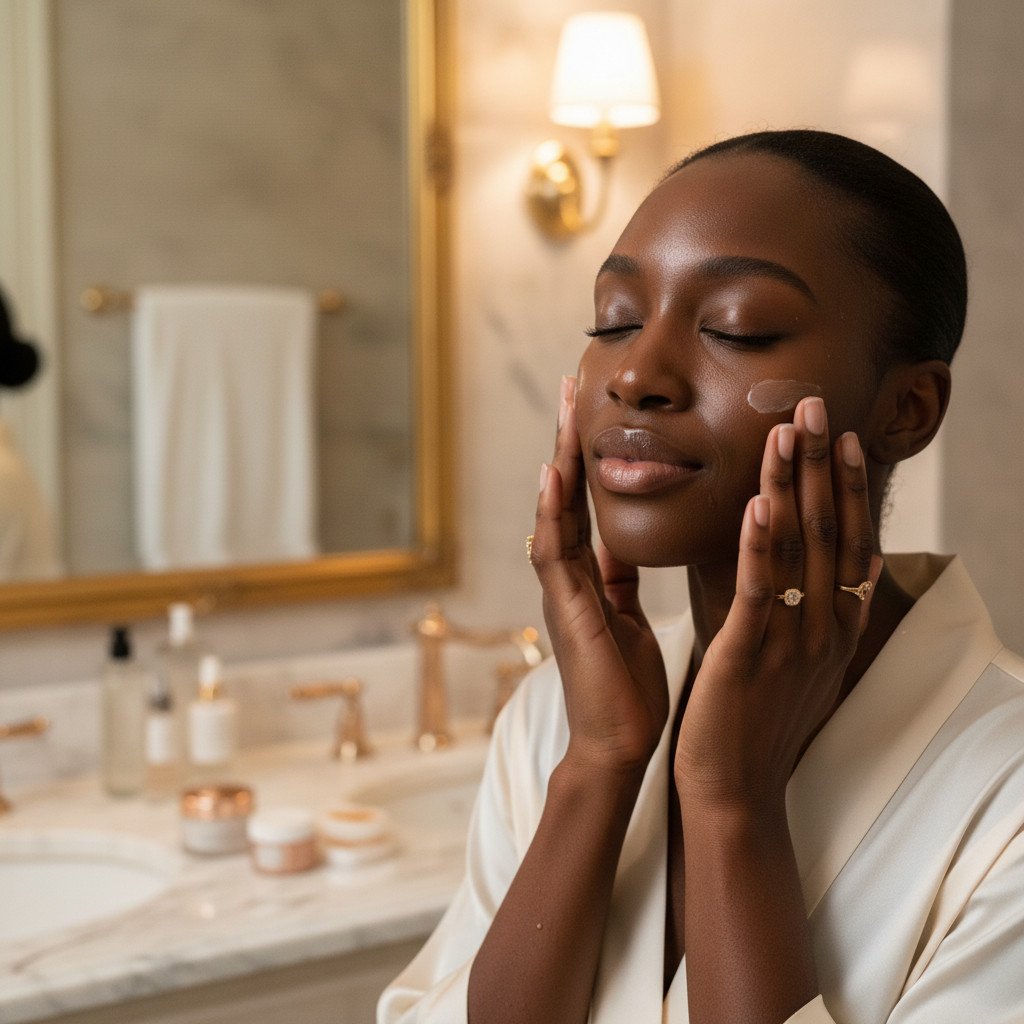
Apply a broad-spectrum sunscreen with an SPF of 30 or higher every single morning, as the last step in your skincare routine. Reapply every two hours if you’re outdoors or sweating. Look for formulas that don’t leave a white cast on darker skin tones. Shop sunscreen no white cast melanin rich skin on Amazon. This consistent habit will protect your skin from further damage and allow existing PIH to fade more effectively.
5. Clean Surfaces: Pillowcases and Phone Screens
Think about how much time your face spends in contact with your pillowcase and phone screen. These surfaces can accumulate dirt, oil, bacteria, and old skincare product residue, which can then be transferred back to your skin, potentially contributing to new breakouts or irritating existing ones. This constant re-introduction of irritants can prolong inflammation and hinder healing.
Change your pillowcase at least once a week, or even more frequently if you’re experiencing active breakouts. Silk or satin pillowcases can also reduce friction, which is beneficial for sensitive skin. Regularly wipe down your phone screen with an alcohol wipe or a gentle disinfectant. These simple actions reduce the bacterial load your skin is exposed to, supporting a cleaner healing environment.
6. Realistic Restraint with Actives: Avoiding Over-Treatment
The desire to make breakouts disappear quickly can lead to over-treating the skin with multiple active ingredients, often at high concentrations. While ingredients like retinoids, AHAs, BHAs, and benzoyl peroxide are effective for acne, using too many, too often, or in combination without proper guidance can lead to irritation, dryness, and a compromised skin barrier. For melanin-rich skin, irritation equals inflammation, which equals PIH.
Adopt a “less is more” philosophy, especially when your skin is already inflamed. Introduce new actives slowly, one at a time, and observe how your skin responds. If you’re using a spot treatment, apply it precisely to the blemish, not all over your face. Prioritize barrier support and sun protection, and remember that consistent, gentle care often yields better long-term results than aggressive, short-term fixes. For a deeper dive into barrier support and sun protection while acne heals, you might find our article on Barrier Support and Sunscreen While Acne Heals on Dark Skin particularly helpful.
7. Consistent, Gentle Makeup Removal
For many of us, makeup is an essential part of our daily routine, offering coverage and confidence. However, if not removed thoroughly and gently, makeup can clog pores, trap bacteria, and irritate the skin, especially after a breakout. Leaving makeup on overnight is a cardinal sin for acne-prone skin, as it creates an ideal environment for new breakouts and exacerbates existing inflammation.
Adopt a double-cleansing method in the evening, particularly if you wear full coverage or long-wear makeup. Start with an oil-based cleanser or micellar water to dissolve makeup, then follow with a gentle, water-based cleanser to clean the skin. This ensures all traces of makeup are removed without harsh scrubbing or pulling at the skin. For more detailed guidance, explore our article on Gentle But Thorough Makeup Removal on Dark Sensitive Skin.
Habits That Quietly Increase Inflammation and Lingering Marks
Just as there are habits that support healing, there are also seemingly innocuous daily behaviors that can inadvertently prolong inflammation, damage the skin, and ultimately contribute to more pronounced and persistent PIH and scarring on melanin-rich skin. These aren’t always dramatic actions; sometimes, they are subtle, unconscious movements or choices that, when repeated over time, accumulate to create a significant impact.
1. Over-Exfoliation and Harsh Scrubs
The desire for smooth, clear skin can lead many to believe that more exfoliation is always better. However, over-exfoliating, whether through harsh physical scrubs with jagged particles or by using too many chemical exfoliants (like high concentrations of AHAs or BHAs) too frequently, can severely compromise the skin barrier. This stripping and irritation trigger an inflammatory response, which, as we know, directly leads to increased melanin production and PIH in darker skin tones. The micro-tears from aggressive scrubbing can also create pathways for bacteria and further damage.
Instead of aggressive exfoliation, focus on gentle, consistent chemical exfoliation (if your skin tolerates it) 1-2 times a week, or opt for enzyme exfoliants. Always listen to your skin; if it feels tight, red, or sensitive, you’re likely overdoing it. Remember that the goal is to gently encourage cell turnover, not to strip the skin bare.
2. Neglecting Stress Management
Stress isn’t just a mental state; it has tangible physiological effects on the body, including the skin. When we’re stressed, our bodies release hormones like cortisol, which can increase oil production, trigger inflammation, and disrupt the skin barrier. This creates a fertile ground for breakouts and can exacerbate existing ones, making them more inflamed and slower to heal. The chronic inflammation associated with stress can also contribute to more persistent PIH.
While easier said than done, incorporating stress-reducing practices into your daily life can have a positive ripple effect on your skin. This could include meditation, deep breathing exercises, regular physical activity, spending time in nature, or simply dedicating time to hobbies that bring you joy. Recognizing the connection between your internal state and your skin’s health is a powerful step towards calmer healing.
3. Inconsistent Skincare Routines
Consistency is key in skincare, especially when dealing with acne and PIH. Sporadic use of products or constantly switching between different treatments can prevent your skin from adapting and benefiting from any one regimen. When you’re inconsistent, your skin doesn’t get the steady support it needs to heal, and you might inadvertently re-introduce irritants or neglect crucial steps like sun protection, leading to prolonged inflammation and slower fading of marks.
Establish a simple, sustainable routine that you can stick to every morning and night. This typically includes gentle cleansing, moisturizing, and daily sunscreen. If you’re incorporating active ingredients, do so consistently as directed. Give products time to work (often 4-6 weeks) before deciding if they are effective. A consistent, gentle approach is far more beneficial than a chaotic one. For guidance on building a routine, our article on Basic AM and PM Routines for Acne-Prone Melanin-Rich Skin offers a great starting point.
4. Hot Showers and Excessive Heat Exposure
While a hot shower can feel incredibly relaxing, prolonged exposure to very hot water can strip the skin of its natural oils, leading to dryness and a compromised skin barrier. This irritation can exacerbate existing inflammation from breakouts and make the skin more susceptible to PIH. Similarly, excessive heat from saunas, steam rooms, or even direct sun exposure can trigger and worsen inflammation, especially for those prone to conditions like rosacea or heat-induced breakouts.
Opt for lukewarm water when cleansing your face and showering. Limit the duration of very hot showers. If you enjoy saunas or steam rooms, ensure you cleanse your face gently afterward and moisturize immediately to replenish hydration. Always protect your skin from direct, prolonged sun exposure, especially when you have active breakouts or PIH.
5. Using Unsuitable Makeup or Skincare Products
Not all products are created equal, and what works for one skin type or tone may not work for another. Using makeup or skincare products that are comedogenic (pore-clogging), heavily fragranced, or contain irritating ingredients can trigger new breakouts or worsen existing ones. This constant cycle of irritation and inflammation directly contributes to the development and persistence of PIH on melanin-rich skin.
Be diligent about checking ingredient lists. Look for products labeled “non-comedogenic,” “fragrance-free,” and “hypoallergenic.” Patch test new products on a small, inconspicuous area of your skin before applying them all over your face. Pay attention to how your skin reacts and discontinue any product that causes redness, itching, or new breakouts. Investing in products specifically formulated for sensitive, acne-prone, melanin-rich skin can make a significant difference.

Picking, Rubbing, Squeezing, and Checking in the Mirror Too Often
This cluster of behaviors deserves its own dedicated section because it is, arguably, one of the most detrimental habits for preventing PIH and scarring on melanin-rich skin. It’s a deeply ingrained, often unconscious, and incredibly difficult habit to break for many people struggling with acne. The urge to “fix” a blemish, to extract what’s beneath the surface, or simply to scrutinize every pore can feel overwhelming, but the consequences for our skin are significant.
The Cycle of Picking and Its Damage
When you pick at a blemish, you are essentially creating a wound. Even if you don’t see blood, you’re tearing at the delicate skin tissue, pushing bacteria deeper into the pore, and significantly increasing inflammation. This trauma triggers the body’s wound-healing response, which, in melanin-rich skin, often involves an overproduction of melanin, leading to darker, more persistent PIH. Beyond discoloration, picking can lead to:
- Increased Inflammation: The physical act of picking irritates the skin, prolonging the inflammatory phase of the breakout.
- Spread of Bacteria: Your fingers carry bacteria, which can be introduced into the open wound, leading to secondary infections or spreading acne to other areas.
- Scarring: Deep picking can damage collagen and elastin fibers, leading to pitted (atrophic) scars or raised (hypertrophic/keloidal) scars, which are more common in melanin-rich skin.
- Prolonged Healing: Each time you pick, you reset the healing clock, making the blemish take longer to resolve and the resulting mark to fade.
The Subtlety of Rubbing and Friction
While not as overtly damaging as picking, constant rubbing or friction can also contribute to inflammation and PIH. This might include:
- Aggressive Towel Drying: Rubbing your face vigorously with a towel after cleansing can irritate sensitive skin, especially around active breakouts.
- Tight Headbands or Hats: Constant friction from headwear can irritate the hairline or forehead, leading to “acne mechanica” and subsequent PIH.
- Scratching Itches: If your skin is dry or irritated, you might unconsciously scratch, causing micro-trauma.
- Over-Wiping: Repeatedly wiping away sweat or oil with a tissue or hand can cause friction.
These seemingly minor actions can create low-grade, chronic inflammation, which, over time, can contribute to PIH that is slow to fade. The key is to be gentle with your skin in all interactions.
Squeezing: A Direct Path to Deeper Marks
Squeezing a pimple, especially one that isn’t “ready,” is a direct invitation for trouble. When you squeeze, you can rupture the follicle wall, pushing bacteria, sebum, and dead skin cells deeper into the surrounding tissue. This intensifies the inflammatory response, creating a larger, more painful lesion, and significantly increasing the risk of both PIH and permanent scarring. The pressure can also damage capillaries, leading to broken blood vessels (telangiectasias) that can be difficult to treat.
It’s crucial to understand that most blemishes will resolve on their own with proper care. If you have a whitehead that is truly ready to be extracted (meaning it has a visible white head and is very superficial), it’s best left to a professional esthetician or dermatologist who can perform extractions safely and hygienically, minimizing trauma to the skin. Otherwise, resist the urge entirely.
The Mirror Trap: Over-Checking and Obsession
Spending excessive time scrutinizing your skin in magnifying mirrors, under harsh lighting, or constantly touching your face to “feel” for new bumps can create a cycle of anxiety and lead to more picking. This obsessive checking can heighten self-consciousness and make you more prone to acting on the urge to pick or squeeze. It also keeps your focus on the perceived flaws rather than on the progress your skin is making.
While it’s important to be aware of your skin’s condition, try to limit mirror time, especially close-up. Focus on your overall skin health and the positive changes you’re making with your habits. Remember that skin healing is a marathon, not a sprint, and patience is a virtue that pays off in the long run. Breaking these habits requires conscious effort and often, alternative coping mechanisms, like applying a hydrocolloid patch, engaging in a distracting activity, or simply stepping away from the mirror.
Building a Low-Drama Healing Routine You Can Actually Keep
The concept of a “low-drama” healing routine is about creating a sustainable, gentle, and effective approach to skincare that doesn’t add stress to your life. For melanin-rich skin, where the stakes of inflammation are higher due to PIH, this approach is not just comforting but strategically vital. It acknowledges that consistent, gentle support often yields better long-term results than aggressive, panic-driven interventions. A low-drama routine is built on simplicity, consistency, and listening to your skin.
1. Simplify Your Product Lineup
When breakouts occur, the temptation is to throw every acne-fighting product at your face. However, this often leads to irritation, a compromised barrier, and more inflammation. A low-drama routine focuses on a few key, effective products that work synergistically, rather than overwhelming your skin with too many actives.
- Core Essentials: A gentle cleanser, a non-comedogenic moisturizer, and a broad-spectrum SPF are your non-negotiables.
- Targeted Treatment (Optional): If you need an active ingredient, choose one or two that address your primary concerns (e.g., a retinoid for cell turnover, salicylic acid for pore clearing, or azelaic acid for PIH and inflammation). Introduce them slowly and use them consistently.
- Avoid Overlap: Don’t use multiple products with the same active ingredient unless specifically advised by a dermatologist.
2. Prioritize Barrier Health Above All Else
A healthy skin barrier is your first line of defense against irritation, infection, and moisture loss. It’s also crucial for efficient healing and preventing PIH. Many acne treatments can be drying or irritating, so actively supporting your barrier is paramount.
- Hydration: Use a moisturizer rich in ceramides, hyaluronic acid, or glycerin.
- Gentle Cleansing: Avoid harsh soaps or cleansers that strip the skin.
- Avoid Extremes: Protect your skin from extreme temperatures, harsh winds, and excessive sun exposure.
- Listen to Your Skin: If your skin feels tight, flaky, or sensitive, scale back on actives and focus purely on barrier repair for a few days.
3. Consistency Over Intensity
The most effective skincare routine is the one you can stick to every single day. Sporadic use of powerful products is less effective than consistent use of gentle ones. For PIH, fading takes time, and daily sun protection and barrier support are far more impactful than occasional aggressive treatments.
- Morning Routine: Gentle cleanse, moisturizer, SPF. (Add a Vitamin C serum for antioxidant protection and brightening if desired).
- Evening Routine: Gentle cleanse, targeted treatment (if using), moisturizer.
- Weekend Reset: Consider a hydrating mask or simply focus on cleansing and moisturizing to give your skin a break from actives.
4. Embrace Patience and Realistic Expectations
Skin healing, especially the fading of PIH, is not an overnight process. It can take weeks to months for dark spots to visibly lighten. Expecting instant results can lead to frustration and the temptation to revert to aggressive habits. A low-drama routine embraces the natural pace of skin renewal.
- Track Progress: Take photos periodically (e.g., once a month) to objectively see subtle improvements that you might miss day-to-day.
- Celebrate Small Wins: Notice when your skin feels less inflamed, or when a new breakout resolves more quickly.
- Understand the Biology: Remind yourself that melanin production and turnover take time.
5. Integrate Lifestyle Factors
Skincare isn’t just about what you put on your face; it’s also about your overall well-being. A low-drama approach acknowledges the interconnectedness of skin health and lifestyle.
- Hydration from Within: Drink plenty of water throughout the day.
- Balanced Nutrition: Focus on a diet rich in fruits, vegetables, and lean proteins, which provide essential nutrients for skin health.
- Adequate Sleep: Your skin repairs itself most effectively while you sleep.
- Stress Management: As discussed, managing stress can significantly impact skin inflammation.
By adopting a low-drama healing routine, you’re not just treating breakouts; you’re nurturing your skin’s resilience, promoting its natural ability to heal, and minimizing the long-term impact of acne on your beautiful melanin-rich complexion. It’s an act of self-love that prioritizes gentle, consistent care over reactive, harsh measures. For a broader understanding of how PIH and acne scars manifest on melanin-rich skin, you might find our article How PIH and Acne Scars Show Up on Melanin-Rich Skin very informative.
Here’s a simple table summarizing supportive habits versus habits to avoid:
| Supportive Habit | Why It Helps | Habit to Avoid | Why It Harms |
|---|---|---|---|
| Hands-off policy (using hydrocolloid patches) | Prevents trauma, bacterial spread, and increased inflammation, reducing PIH and scarring risk. | Picking, squeezing, excessive touching | Introduces bacteria, causes physical damage, pushes inflammation deeper, leading to darker PIH and scars. |
| Gentle, mindful cleansing (lukewarm water, fingertips) | Removes impurities without stripping barrier, calms inflammation, supports healing. | Aggressive scrubbing, harsh cleansers, hot water | Damages skin barrier, increases irritation and inflammation, leading to more PIH. |
| Consistent daily moisturizing (non-comedogenic) | Soothes, repairs skin barrier, reduces dehydration-induced oil production, aids healing. | Skipping moisturizer, especially on oily skin | Compromises barrier, can lead to increased oil production, slows healing, increases sensitivity. |
| Daily broad-spectrum SPF 30+ (no white cast) | Protects against UV-induced melanin production, prevents PIH from darkening, allows fading. | Skipping sunscreen, especially when indoors or on cloudy days | UV exposure darkens PIH, makes it last longer, and can trigger new inflammation. |
| Regularly changing pillowcases & cleaning phone | Reduces bacterial transfer, minimizes friction and irritation, supports a cleaner healing environment. | Infrequent cleaning of contact surfaces | Allows accumulation of bacteria, oil, and dirt, contributing to new breakouts and irritation. |
| Realistic restraint with active ingredients | Prevents irritation and barrier damage, allows skin to heal without overwhelming it. | Over-treating with multiple strong actives | Causes excessive dryness, irritation, and barrier compromise, leading to more inflammation and PIH. |
| Gentle, thorough makeup removal | Prevents clogged pores, removes irritants, allows skin to breathe and heal overnight. | Leaving makeup on, aggressive scrubbing to remove makeup | Clogs pores, traps bacteria, irritates skin, exacerbates breakouts and inflammation. |
Frequently Asked Questions
What is PIH and why is it more common in melanin-rich skin?
PIH stands for Post-Inflammatory Hyperpigmentation, which refers to dark spots or patches left on the skin after an inflammatory event like acne, eczema, or injury. It’s more common in melanin-rich skin because our melanocytes (pigment-producing cells) are more abundant and reactive, leading to an overproduction of melanin when inflammation occurs.
Can I still use active ingredients like retinoids or AHAs if I’m prone to PIH?
Yes, but with caution and consistency. These ingredients can be beneficial for acne and PIH by promoting cell turnover, but they must be introduced slowly and used gently to avoid irritation. Always pair them with a good moisturizer and daily sunscreen, as irritation can worsen PIH.

How long does it take for PIH to fade with good habits?
The fading time for PIH varies greatly depending on its severity, depth, and individual skin characteristics, but with consistent good habits like daily sunscreen and gentle care, it can take anywhere from a few weeks to several months. Deeper, darker spots may take longer, sometimes over a year, to fully resolve.
Is it ever okay to pop a pimple?
Generally, no. Popping or squeezing a pimple often causes more harm than good, increasing inflammation, pushing bacteria deeper, and significantly raising the risk of PIH and scarring. It’s best to let blemishes heal naturally or use hydrocolloid patches to protect them.
What if I’ve already picked at my skin and have new PIH?
If you’ve picked, the most important step is to stop immediately and focus on gentle healing. Cleanse the area gently, apply a soothing, barrier-supporting moisturizer, and use a hydrocolloid patch if possible. Be extra diligent with sunscreen to prevent the new PIH from darkening further. Remember, it’s never too late to start supportive habits.
Can diet affect PIH or acne healing?
While diet’s direct impact on acne and PIH is complex and individual, some studies suggest that high glycemic index foods and dairy might exacerbate acne in some individuals. A balanced diet rich in antioxidants, vitamins, and minerals supports overall skin health, which can indirectly aid in healing and reduce inflammation.
When should I seek professional help for PIH or scarring?
If your PIH is severe, persistent despite consistent at-home care, or if you’re developing textural scars, it’s highly recommended to consult a dermatologist. They can offer stronger prescription treatments, in-office procedures like chemical peels or laser therapy, and personalized advice tailored to your skin’s specific needs. For more on this, see our article on When PIH and Scarring May Need Professional Support.
Where to Go Next
Embracing these everyday habits is a powerful step towards nurturing your skin and minimizing the lasting impact of breakouts. Remember, your skin is resilient, and with consistent, gentle care, it has an incredible capacity to heal and maintain its natural radiance. This journey is about empowering you with knowledge and practical tools, not about striving for an unattainable ideal.
We encourage you to integrate these habits into your daily life, starting with one or two that resonate most with you. Observe how your skin responds, and trust the process. Your commitment to these mindful choices is a testament to your self-love and dedication to your skin’s long-term health and beauty. For a comprehensive understanding of preventing scarring and PIH after acne, we invite you to explore our full cluster of articles on Prevention of Scarring and PIH After Acne. You’ll find deeper insights into ingredients, professional treatments, and more.
Continue to nourish your skin with the wisdom it deserves. Your beautiful, melanin-rich complexion is a testament to strength and resilience, and with these habits, you’re honoring its unique journey.
INTERNAL LINKING OPPORTUNITIES
Prevention of Scarring and PIH After Acne
Acne and Sensitive Skin in Black Women
How PIH and Acne Scars Show Up on Melanin-Rich Skin
Barrier Support and Sunscreen While Acne Heals on Dark Skin
Ingredients That Support PIH Without Overwhelming Sensitive Dark Skin
When PIH and Scarring May Need Professional Support
Basic AM and PM Routines for Acne-Prone Melanin-Rich Skin
Gentle But Thorough Makeup Removal on Dark Sensitive Skin
Related next steps
Related posts:
 Detangling and Handling Habits That Reduce Breakage
 When PIH and Scarring May Need Professional Support on Melanin-Rich Skin
 How Scarring and PIH Influence When to Seek Help for Acne on Melanin-Rich Skin
 Spotting PIH and Scarring Patterns After Acne on Face, Chest, and Back
 Application Techniques That Are Kinder to Breakouts and PIH
 The Five Risk Lenses for Melanin-Rich Skin: PIH, Scarring, Barrier, Inflammation, and Hair