Pre-Makeup Skin Prep for Acne-Prone Melanin-Rich Skin
There’s a unique frustration that comes with managing acne-prone skin, especially when you also cherish the art of makeup. For many Black women and others with melanin-rich skin, this frustration is compounded by the ever-present concern of post-inflammatory hyperpigmentation (PIH) and the delicate balance required to achieve a flawless, long-lasting makeup look without exacerbating skin issues. You want your makeup to glide on smoothly, cover imperfections with grace, and stay put all day, but often, it feels like a battle against pilling, patchiness, and a base that just won’t cooperate.
Perhaps you’ve experienced the disheartening moment when your carefully applied foundation seems to “break up” around a healing breakout, or when your concealer refuses to blend seamlessly over a dark spot, instead highlighting the very texture you hoped to diminish. Maybe you’ve tried layering products only to find them pilling into tiny, unsightly balls, or worse, your skin reacts with new irritation or breakouts by the end of the day. The challenge isn’t just about finding the right foundation; it’s about creating the perfect canvas underneath—a canvas that is calm, hydrated, protected, and ready to receive makeup without protest. This is where thoughtful pre-makeup skin prep becomes not just a step, but a foundational ritual for success.
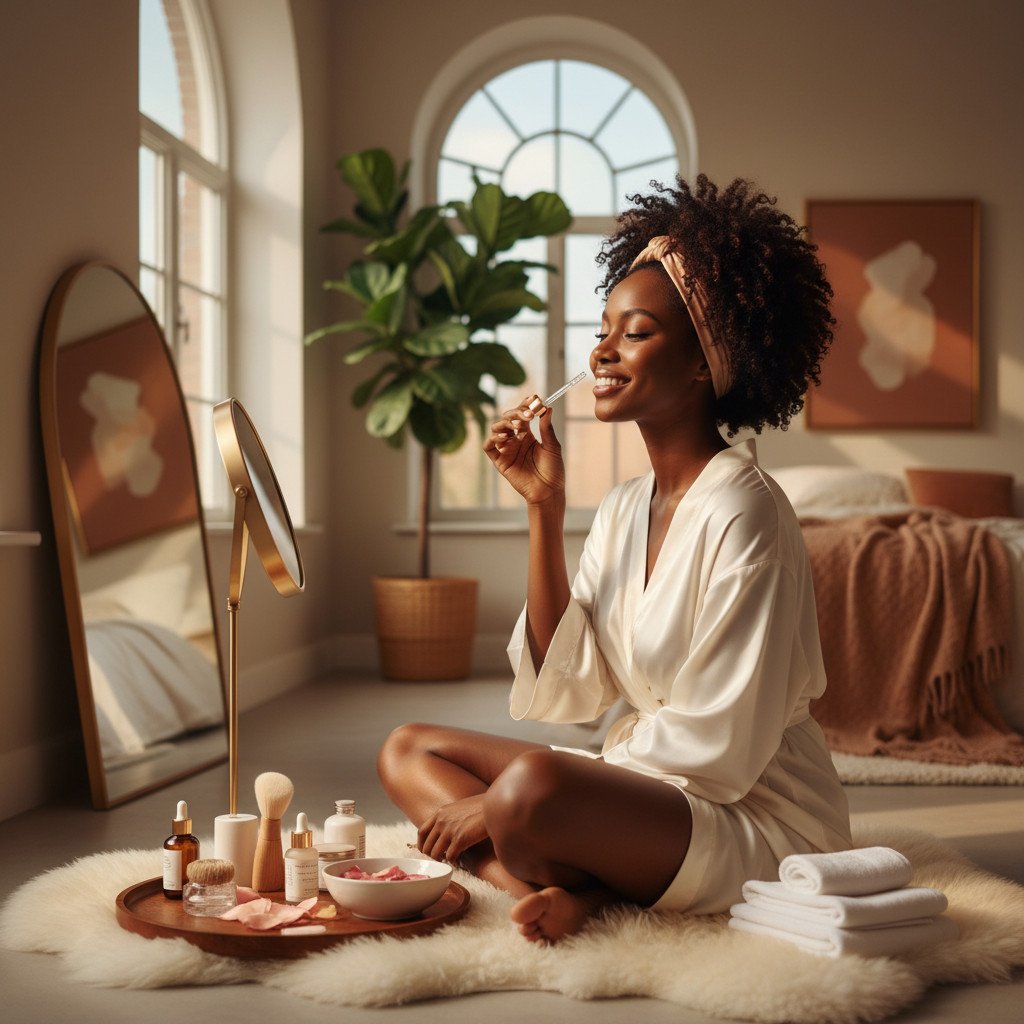
Good makeup truly begins with good skin, and for acne-prone, melanin-rich skin, this means a prep routine that is both gentle and strategic. It’s about nurturing your skin’s barrier, providing essential hydration, and ensuring robust sun protection, all while creating a smooth, non-reactive surface for your makeup. This guide will walk you through a considered approach to pre-makeup skin prep, designed to support your skin’s health, prevent common makeup mishaps like pilling or a ghostly cast, and ensure your makeup looks its best, from application to removal. We’ll explore how to select and layer products that work harmoniously with your skin’s unique needs, allowing your natural radiance to shine through, even under a full face of makeup.
Why Skin Prep Matters So Much for Acne-Prone Melanin-Rich Skin
For those navigating acne and the subsequent risk of post-inflammatory hyperpigmentation (PIH) on melanin-rich skin, the pre-makeup routine is far more than just a superficial step; it’s a critical component of skin health and makeup longevity. Neglecting proper prep can turn a desire for coverage into a frustrating cycle of irritation, exacerbated breakouts, and makeup that simply won’t perform as intended. Understanding the unique challenges and why each prep step is vital empowers you to make informed choices that benefit both your skin and your aesthetic goals.
Firstly, acne-prone skin often has a compromised skin barrier. This barrier, our skin’s outermost protective layer, can be weakened by inflammation, harsh acne treatments, or even the friction of makeup application and removal. A healthy barrier is crucial for retaining moisture, keeping irritants out, and allowing skin to heal effectively. When the barrier is compromised, skin becomes more sensitive, reactive, and prone to dehydration, which can make makeup look patchy, cling to dry spots, and even trigger further breakouts. Proper prep focuses on restoring and fortifying this barrier, creating a resilient base that can better withstand makeup application and environmental stressors.
Secondly, melanin-rich skin is particularly susceptible to PIH, those stubborn dark spots that linger long after a breakout has healed. Sun exposure is a primary driver of PIH, making robust sun protection an absolute non-negotiable, even when wearing makeup. Many foundations and concealers offer some SPF, but it’s rarely enough on its own. A dedicated, broad-spectrum SPF applied during prep provides a crucial layer of defense, protecting healing skin and preventing new dark spots from forming. Without this foundational sun protection, you’re essentially undoing much of the hard work you’ve put into managing your acne and fading PIH.
Beyond skin health, proper prep significantly impacts how makeup looks and wears. Imagine trying to paint on a rough, uneven, or dehydrated canvas; the result would be streaky and unappealing. Similarly, makeup applied to unprepared skin can look cakey, settle into fine lines or textured areas, and fade unevenly. Hydration is key here; well-hydrated skin provides a plump, smooth surface for makeup to adhere to, preventing it from looking dry or emphasizing texture. Moreover, a properly prepped surface helps makeup last longer, reducing the need for constant touch-ups and ensuring your look remains fresh throughout the day. It’s about creating synergy between your skincare and your makeup, allowing each to enhance the other for a truly harmonious and confident result.
The Interplay of Skin Health and Makeup Longevity
The relationship between your skin’s health and how well your makeup lasts is deeply intertwined. When your skin is healthy—meaning its barrier is intact, it’s adequately hydrated, and inflammation is managed—it provides an optimal canvas for makeup. A smooth, supple surface allows foundation and concealer to glide on effortlessly, blend seamlessly, and adhere evenly. This not only makes the application process more enjoyable but also significantly improves the finished look, making it appear more natural and less like a mask.
Conversely, when skin is struggling, makeup struggles too. Dehydrated patches cause makeup to cling and look flaky. Oily areas can cause makeup to break down and slide off. Inflamed breakouts or healing lesions can become accentuated rather than concealed if the skin around them isn’t properly soothed and prepared. The skin’s natural healing processes also require a stable environment; harsh makeup ingredients or improper application can hinder this, potentially prolonging breakout cycles or worsening PIH. By prioritizing skin health through thoughtful prep, you’re not just aiming for a better makeup day; you’re actively supporting your skin’s recovery and long-term well-being, ensuring that your makeup enhances, rather than detracts from, your natural beauty.
Addressing PIH Concerns from the Outset
Post-inflammatory hyperpigmentation (PIH) is a primary concern for many with melanin-rich skin, and it’s often the driving force behind the desire for makeup coverage. However, without careful consideration, makeup application can inadvertently worsen PIH or hinder its fading process. The most critical aspect of addressing PIH from the outset of your makeup routine is diligent sun protection. UV radiation stimulates melanin production, which means even a small amount of sun exposure can darken existing PIH and trigger new spots, making them more resistant to fading. This is why a broad-spectrum SPF is non-negotiable in your pre-makeup routine, acting as a shield against this exacerbating factor.
Beyond SPF, the choice of prep products also plays a role. Opting for gentle, non-comedogenic formulas ensures that you’re not introducing new irritants that could lead to further inflammation and, consequently, more PIH. Products rich in antioxidants and barrier-supporting ingredients can help create a healthier skin environment, which is conducive to healing and fading dark spots. By being proactive in your prep, you’re not just covering PIH; you’re creating conditions that help it fade over time, ensuring your makeup routine is part of your skin health journey, not a detour.
A Gentle Prep Sequence Before Makeup
The goal of a pre-makeup routine for acne-prone, melanin-rich skin is to create a calm, hydrated, and protected canvas without overwhelming the skin. This isn’t about a lengthy, multi-step regimen, but rather a strategic sequence of gentle products that work synergistically. Each step builds upon the last, ensuring your skin is optimally prepared for makeup application, reducing the likelihood of irritation, pilling, or a compromised finish. Remember, the emphasis is on gentle efficacy and allowing each layer to absorb fully.
Step 1: Gentle Cleansing
The first and most fundamental step in any skincare routine, especially before makeup, is cleansing. For acne-prone skin, this means removing overnight impurities, excess oil, and any residual nighttime treatments without stripping the skin of its natural moisture. A harsh cleanser can disrupt the skin barrier, leading to dryness, irritation, and even increased oil production as the skin tries to compensate. This creates a less-than-ideal surface for makeup, making it prone to patchiness and exacerbating sensitivity.
Choose a gentle cleanser for acne-prone dark skin on Amazon that is sulfate-free, non-foaming, or low-foaming, and pH-balanced. Look for ingredients like ceramides, hyaluronic acid, glycerin, or colloidal oatmeal, which help maintain the skin’s moisture barrier. Avoid harsh exfoliants or strong acne treatments in your morning cleanse, as these can increase sensitivity under makeup. Simply wash your face with lukewarm water and your chosen cleanser, using light, circular motions. Rinse thoroughly and gently pat your skin dry with a clean, soft towel. The aim is to refresh the skin, not to aggressively “cleanse” it into submission.
Step 2: Hydrating Treatment (Serum or Essence)
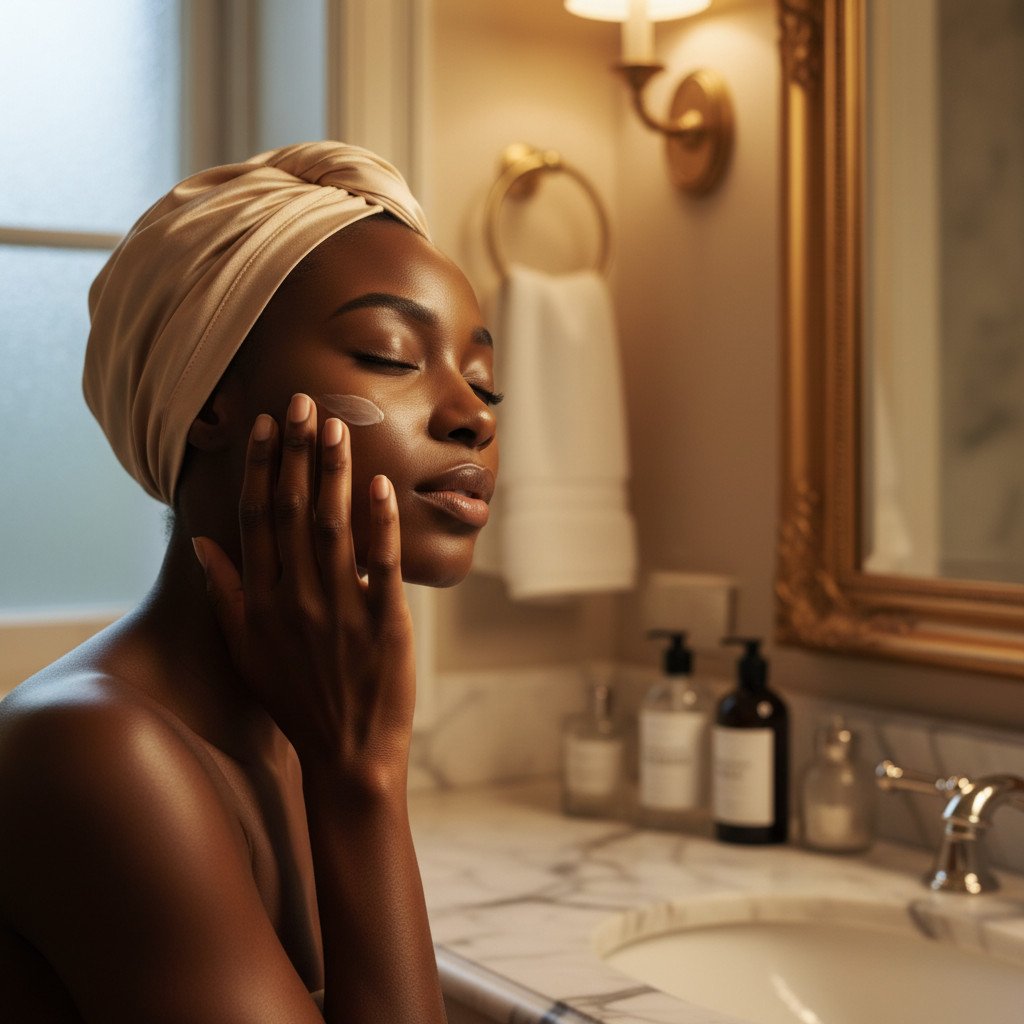
After cleansing, the skin needs immediate hydration to restore moisture lost during washing and to plump up skin cells, creating a smoother surface. This is where a hydrating serum or essence comes into play. For acne-prone skin, lightweight, non-comedogenic formulas are paramount. Heavy, occlusive serums can feel suffocating and potentially clog pores, leading to new breakouts.
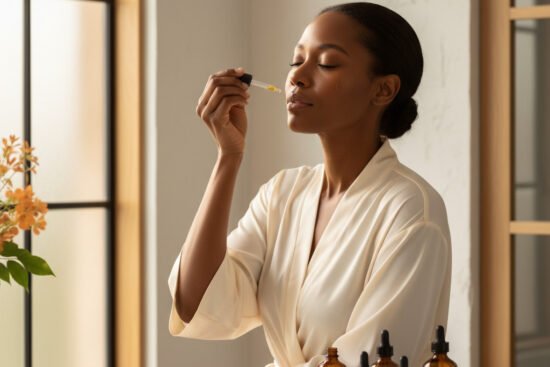
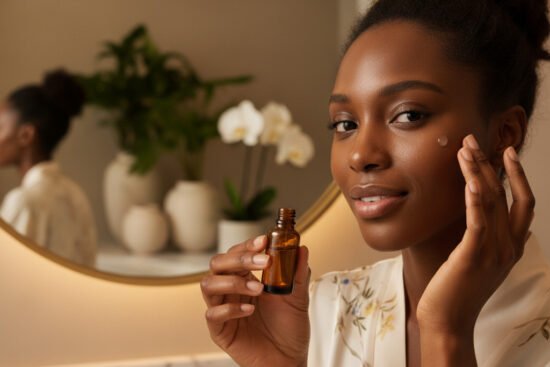
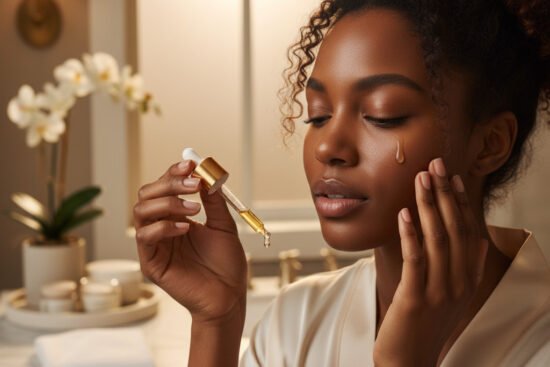
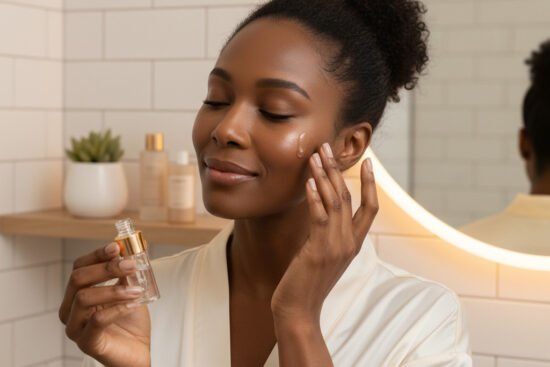
Look for ingredients like hyaluronic acid, glycerin, niacinamide, or panthenol. Hyaluronic acid is a powerful humectant, drawing moisture into the skin without feeling heavy. Niacinamide (Vitamin B3) is particularly beneficial for acne-prone melanin-rich skin as it helps reduce inflammation, minimize the appearance of pores, regulate oil production, and improve skin tone, which can aid in fading PIH. Apply a few drops of a lightweight hydrating serum for dark skin acne on Amazon to damp skin (this helps hyaluronic acid perform better) and gently press it in. Allow it to absorb fully for a minute or two before moving to the next step. This step ensures your skin is supple and ready to receive subsequent layers without feeling dry or tight.
Step 3: Moisturizer for Barrier Support
Even if you’ve used a hydrating serum, a dedicated moisturizer is crucial, especially for acne-prone skin that often has a compromised barrier. The right moisturizer will seal in the hydration from your serum, provide essential lipids to fortify the skin barrier, and create a smooth, protective layer over which makeup can glide. For melanin-rich skin, maintaining a healthy barrier is key to preventing moisture loss and reducing sensitivity, which in turn helps manage acne and PIH.
Opt for a non-comedogenic, oil-free or lightweight gel-cream moisturizer. Look for ingredients such as ceramides, cholesterol, fatty acids, squalane, or colloidal oatmeal. These ingredients mimic the natural components of your skin barrier, helping to repair and strengthen it. Avoid overly rich or heavy creams that can feel greasy under makeup or contribute to clogged pores. Apply a thin, even layer to your face and neck, gently massaging it in. Give this step ample time to absorb—at least 3-5 minutes—to prevent pilling and ensure your skin feels comfortable and not tacky. The goal is a hydrated, balanced feel, not a slick surface.
Step 4: Broad-Spectrum SPF (Non-Negotiable)
This is arguably the most critical step for acne-prone melanin-rich skin, especially when PIH is a concern. Sunscreen protects your skin from harmful UV radiation, which not only causes premature aging and increases skin cancer risk but also significantly worsens PIH, making dark spots darker and harder to fade. Relying solely on the SPF in your foundation is often insufficient; a dedicated broad-spectrum SPF with at least SPF 30 (preferably 50) is essential.
The challenge for melanin-rich skin is finding an SPF that doesn’t leave a white cast. Modern chemical sunscreens (containing ingredients like avobenzone, octinoxate, octisalate, homosalate) tend to be invisible on all skin tones. Mineral sunscreens (zinc oxide, titanium dioxide) have improved significantly, with many tinted or micronized formulas now available that blend seamlessly. Look for a sunscreen with no white cast for acne-prone dark skin on Amazon that is labeled “non-comedogenic” and “oil-free.” Apply a generous amount—about a nickel-sized dollop for your face and neck—and gently blend it in. Allow this layer to absorb fully for at least 5-10 minutes. This is crucial for preventing pilling and ensuring your makeup applies smoothly over a protected base. Patience here is key; rushing this step can lead to a streaky foundation or a less effective sun barrier.
Table: Pre-Makeup Prep Steps for Acne-Prone Melanin-Rich Skin
| Prep Step | Purpose for Acne-Prone Melanin-Rich Skin | What Can Go Wrong if Overdone/Wrong |
|---|---|---|
| Gentle Cleansing | Removes impurities without stripping, maintains pH balance, preps for absorption. Essential for a clean, calm canvas. | Harsh cleansers disrupt barrier, cause dryness, irritation, increased oil production, and can worsen acne/PIH. |
| Hydrating Serum/Essence | Replenishes moisture, plumps skin, reduces dehydration lines, aids product penetration. Niacinamide helps with PIH. | Heavy/occlusive serums can feel sticky, clog pores, lead to pilling under makeup, or cause breakouts. |
| Moisturizer | Seals in hydration, strengthens skin barrier, creates a smooth surface for makeup, prevents moisture loss. | Too much or too heavy a moisturizer can make skin greasy, cause makeup to slide, clog pores, or lead to pilling. |
| Broad-Spectrum SPF | Crucial protection against UV damage, prevents PIH from darkening, protects healing skin. Non-negotiable. | White cast, pilling, greasy feel, or inadequate protection if not chosen/applied correctly. Can exacerbate PIH without it. |
Choosing Cleanser, Serum, Moisturizer, and SPF Textures That Layer Well
The secret to a seamless pre-makeup routine, especially for acne-prone skin, lies not just in the ingredients but also in the textures of your products. Layering multiple products requires careful consideration to avoid common pitfalls like pilling, a heavy feeling, or makeup that slides off. For melanin-rich skin, ensuring these textures also disappear without a trace is equally important. The goal is to build a lightweight, breathable foundation that supports your skin’s health and provides an optimal canvas for makeup.
Cleansers: Gentle Foams or Milks
For the morning cleanse, a gentle approach is key. Avoid harsh foaming cleansers that leave your skin feeling “squeaky clean,” as this sensation often indicates that your skin’s natural oils and barrier have been stripped. Instead, opt for creamy, milky, or low-foaming gel cleansers. These textures effectively remove impurities without disturbing the delicate skin barrier. They rinse cleanly without leaving a residue, ensuring your skin is fresh but not tight or dry. For acne-prone skin, look for formulas that are non-comedogenic and free from harsh sulfates, which can be irritating. The texture should feel soft and soothing upon application, leaving your skin feeling balanced and prepped, not parched. This sets a calm foundation for the subsequent layers.
Serums: Lightweight Gels or Watery Essences
When it comes to serums, especially for layering under makeup, texture is paramount. Heavy, oily, or silicone-rich serums can create a barrier that prevents subsequent products from absorbing properly, leading to pilling or a slick surface that causes makeup to break down. Instead, choose lightweight, fast-absorbing gel-based serums or watery essences. These textures penetrate the skin quickly, delivering active ingredients like hyaluronic acid or niacinamide without leaving a sticky or greasy residue. They provide hydration and treatment without adding weight. For melanin-rich skin, these lighter textures are also less likely to interact with makeup to create a dull or ashy appearance. The ideal serum should feel refreshing and disappear into the skin within moments, leaving it feeling plump and hydrated but not tacky.
Moisturizers: Gel-Creams or Lightweight Lotions
The moisturizer is your skin’s final layer of hydration and barrier support before SPF. For acne-prone skin, a heavy cream can feel occlusive and potentially clog pores, while also making makeup feel heavy or prone to sliding. The best textures are lightweight gel-creams or fluid lotions. These provide ample moisture and barrier-supporting ingredients (like ceramides or squalane) without feeling greasy or thick. They absorb relatively quickly, creating a smooth, slightly dewy, but not slick, surface. Look for formulations specifically labeled “non-comedogenic” and “oil-free” if you have very oily or acne-prone skin. The moisturizer should leave your skin feeling comfortable, hydrated, and soft, providing the perfect canvas for your SPF and makeup without adding unnecessary weight or shine.
SPF: Chemical Formulas or Tinted Mineral Options
The texture of your SPF is critical for melanin-rich skin, as the primary concern is avoiding a white cast. Traditional mineral sunscreens (zinc oxide, titanium dioxide) often leave a noticeable white or ashy residue, which is particularly visible on darker skin tones. Modern formulations have significantly improved, but careful selection is still necessary.
- Chemical Sunscreens: These typically have a clear, lotion-like, or gel-like texture that absorbs completely without leaving any visible residue. They are an excellent choice for seamless integration into a pre-makeup routine for melanin-rich skin. Look for formulations that are also non-comedogenic and designed for sensitive skin, as some chemical filters can be irritating for some individuals.
- Tinted Mineral Sunscreens: If you prefer mineral sunscreens, opt for tinted versions. These formulations incorporate iron oxides or other pigments that help to counteract the white cast, blending more naturally with darker skin tones. The texture should still be lightweight and spreadable, avoiding thick, pasty consistions that can be difficult to blend or cause pilling.
- Hybrid Sunscreens: Some brands offer hybrid formulas that combine both chemical and mineral filters, often achieving a good balance of protection and cosmetic elegance.
Regardless of the type, the SPF should feel comfortable on the skin, not greasy or heavy. It should absorb well and dry down to a natural finish, providing a smooth, protected base for your makeup without altering its color or texture. This step requires the most patience for absorption to prevent pilling with your foundation.
How to Avoid Pilling, White Cast, and Slipping Base Makeup
These three common frustrations—pilling, white cast, and slipping base makeup—can undermine even the most expertly applied makeup. For acne-prone melanin-rich skin, these issues are often amplified due to the specific needs of the skin and the desire for seamless coverage. Thankfully, with a strategic approach to product selection and application technique, these problems are largely preventable. It’s about understanding the root causes and implementing simple, effective solutions.

Preventing Pilling: The Layering Art
Pilling occurs when products don’t absorb properly and instead roll off the skin in small, unsightly balls. This is often a result of applying too much product, not allowing enough absorption time between layers, or using incompatible product formulations. For acne-prone skin, which might already be textured or sensitive, pilling can be particularly frustrating as it can disrupt healing areas or make makeup look uneven.
- Less is More: Apply thin layers of each product. You don’t need a thick coating of serum or moisturizer to get the benefits. A small amount, evenly spread, is usually sufficient.
- Patience is a Virtue: This is the golden rule for preventing pilling. Allow each layer—serum, moisturizer, and especially SPF—ample time to fully absorb into the skin before applying the next. This could mean waiting 1-2 minutes for serums, 3-5 minutes for moisturizers, and 5-10 minutes for SPF. Use this time to brush your teeth, style your hair, or simply relax.
- Product Compatibility: Be mindful of ingredients. Some silicones (often found in primers or certain moisturizers) can pill when layered with water-based products or certain other silicones. If you consistently experience pilling, try simplifying your routine or experimenting with different product combinations. Water-based products generally layer well together, as do oil-based products, but mixing the two without proper absorption can sometimes lead to issues.
- Application Technique: Gently pat or press products into the skin rather than rubbing vigorously. Rubbing can encourage products to ball up.
Eliminating White Cast: The Melanin-Rich Skin Imperative
A white cast, particularly from sunscreen, is a significant concern for melanin-rich skin, leaving an ashy or ghostly appearance that no amount of foundation can truly correct. This issue primarily stems from mineral sunscreens (zinc oxide, titanium dioxide) that sit on top of the skin to reflect UV rays.
- Choose Wisely: As discussed, opt for chemical sunscreens, which are typically clear and absorb invisibly. If you prefer mineral sunscreens, seek out tinted formulations that use iron oxides to blend with your skin tone, or those labeled “sheer” or “invisible” that use micronized zinc oxide and titanium dioxide.
- Test Before You Commit: Always swatch new sunscreens on a small area of your jawline or neck to see how they look on your specific skin tone before purchasing.
- Blend Thoroughly: Even with a good sunscreen, proper blending is key. Apply in sections and gently massage it into the skin until it completely disappears. Don’t rush this step.
- Allow to Set: Give your SPF at least 5-10 minutes to fully set and dry down before applying any makeup. This allows the product to meld with your skin and reduces the chance of it interfering with your foundation’s color or finish.
Combating Slipping Base Makeup: The Foundation of Longevity
Slipping or melting makeup is often a result of excess oil, insufficient absorption of skincare products, or an incompatible primer/foundation combination. For acne-prone skin, which can sometimes be oily, this is a common challenge.
- Control Oil (Gently): If you have very oily skin, incorporate a mattifying, non-comedogenic primer after your SPF, focusing on your T-zone. However, be cautious not to over-mattify, as this can sometimes lead to increased oil production.
- Full Absorption is Key: Ensure all your skincare layers, especially moisturizer and SPF, have fully absorbed and dried down to a non-tacky finish. If your skin feels slick, your makeup is more likely to slide.
- Primer Power: A good primer can create a smooth, even surface, blur imperfections, and help your makeup adhere better. For acne-prone skin, choose a non-comedogenic primer that addresses your specific concerns (e.g., pore-filling, mattifying, hydrating). Some primers also offer a slight grip for makeup, extending wear.
- Set Strategically: Once your makeup is applied, lightly set areas prone to slipping (like the T-zone) with a translucent, finely milled setting powder. Avoid heavy baking, which can look dry or cakey, especially on textured skin. A setting spray can also help fuse layers together and extend wear without adding weight.
- Consider Foundation Formula: Choose a foundation formula that is long-wearing and suitable for your skin type. If your skin is oily, an oil-free, matte, or semi-matte foundation might work best. If your skin is on the drier side, a hydrating, long-wear formula can prevent slipping due to dehydration.
By meticulously addressing each of these points, you can significantly improve the performance of your makeup, ensuring it looks fresh, seamless, and long-lasting on your acne-prone melanin-rich skin, without aggravating existing concerns.
How Long to Let Each Layer Settle Before Makeup
The concept of “wait time” between skincare layers is often overlooked, yet it is one of the most crucial elements in achieving a flawless makeup application, especially for acne-prone melanin-rich skin. Rushing through your routine can lead to pilling, product incompatibility, and a less effective overall result. Each product needs time to penetrate, settle, and dry down to its intended finish before the next layer is applied. This allows the active ingredients to work properly and prevents a sticky, overloaded surface that causes makeup to slide or look patchy. Think of it as allowing each coat of paint to dry before applying the next, ensuring a smooth, durable finish.
The Rationale Behind Wait Times
Why is waiting so important? Firstly, it allows for proper absorption. Skincare products are designed to deliver ingredients into or onto the skin. If you apply the next product too quickly, the previous one hasn’t had a chance to fully absorb, leading to product sitting on the surface, which can then mix with the next layer in an undesirable way. Secondly, it prevents pilling. When products are layered too quickly, they can interact on the skin’s surface, causing them to ball up and create an uneven texture. This is particularly problematic with silicone-based products or when mixing water-based and oil-based formulations without adequate absorption. Thirdly, it ensures efficacy. Some active ingredients need time to perform their function without being immediately diluted or interfered with by another product. Finally, for makeup application, a dry, non-tacky surface is essential for smooth blending and extended wear. A damp or sticky base will cause foundation to drag, streak, or break down prematurely.
Recommended Wait Times for Each Step
While these are general guidelines, listen to your skin. Some products absorb faster than others, and environmental humidity can also play a role. The key is that your skin should feel comfortable, hydrated, but not wet or sticky, before moving on.
- After Cleansing:
- Wait Time: 30 seconds to 1 minute.
- Purpose: Gently pat your skin dry with a clean towel. It should feel damp, not dripping wet, for optimal serum absorption, especially if your serum contains hyaluronic acid. This brief wait allows excess water to evaporate.
- After Hydrating Serum/Essence:
- Wait Time: 1 to 2 minutes.
- Purpose: Allow the serum to fully absorb. Your skin should feel plump and hydrated but not sticky or wet to the touch. This ensures the serum’s humectants have drawn moisture into the skin and are ready for the occlusive layer of moisturizer.
- After Moisturizer:
- Wait Time: 3 to 5 minutes.
- Purpose: This is a crucial step. The moisturizer needs to fully sink in and create a smooth, protective barrier. If you apply SPF or primer too soon, the moisturizer can mix with it, leading to pilling or a patchy finish. Your skin should feel soft, comfortable, and non-tacky.
- After Broad-Spectrum SPF:
- Wait Time: 5 to 10 minutes (or longer if needed).
- Purpose: This is often the longest and most important wait time. Sunscreens, especially those designed to be robust, need time to set and form an even protective film on the skin. Rushing this step is a primary cause of white cast (if using mineral) and pilling with foundation. It also ensures the SPF is truly effective. Your skin should feel dry to the touch and the sunscreen should be completely invisible (if you’ve chosen a suitable one for melanin-rich skin) before you proceed with makeup.
- After Primer (if used):
- Wait Time: 1 to 2 minutes.
- Purpose: Primers, whether mattifying, hydrating, or pore-filling, need a moment to set and create their intended surface. This allows them to form a smooth, even layer that helps makeup adhere and last longer.
Incorporating these wait times into your morning routine might seem like an added burden, but it’s an investment that pays off in the longevity and appearance of your makeup. Use these moments for other parts of your getting-ready process, like choosing your outfit, brewing tea, or simply practicing mindful breathing. This mindful approach transforms your prep into a ritual that honors both your skin’s health and your desire for a beautiful, confident look.
Where to Go Next
You’ve mastered the art of pre-makeup skin prep, laying a gentle yet robust foundation for your makeup. This crucial first step ensures your acne-prone, melanin-rich skin is calm, hydrated, and protected, ready to receive coverage without compromise. But the journey to a flawless, skin-friendly makeup look doesn’t end here. Each subsequent step in your routine offers further opportunities to support your skin’s health while achieving your desired aesthetic.
To continue building on this knowledge, consider exploring how to select the right makeup products that complement your carefully prepped skin. Understanding which foundations and concealers work best for acne-prone dark skin, and how to apply them, is the next logical step. These choices are vital for achieving coverage that looks natural, doesn’t exacerbate breakouts, and helps to minimize the appearance of PIH.
Beyond product selection, the techniques you use to apply your makeup can significantly impact its finish and how your skin reacts. Gentle application methods are paramount for textured or sensitive skin, ensuring you don’t irritate active breakouts or disrupt healing areas. Finally, remember that makeup is only part of the story; understanding how to adjust your routine during active flares and how to gently remove makeup are equally important for maintaining skin health. Embrace these additional insights to create a holistic makeup approach that truly celebrates and cares for your beautiful melanin-rich skin.
Frequently Asked Questions
Can I skip moisturizer if my serum is hydrating?
While a hydrating serum provides significant moisture, it typically focuses on drawing water into the skin. A dedicated moisturizer, especially for acne-prone skin, serves a different and crucial role: it seals in that hydration and provides essential lipids to strengthen the skin’s barrier. Skipping it can leave your skin more vulnerable to moisture loss and environmental stressors, potentially leading to dehydration and a compromised barrier, which can affect makeup wear.
How do I know if my sunscreen will leave a white cast on my dark skin?
The best way to know is to test it. Apply a small amount to your jawline or a discreet area of your face and allow it to fully absorb and dry down for 5-10 minutes. If it leaves an ashy, purple, or white residue, it’s likely not suitable. Generally, chemical sunscreens are less likely to leave a cast, and many mineral sunscreens now come in tinted or micronized formulas specifically designed for darker skin tones.

What if I don’t have time for all these steps in the morning?
While ideal, a full multi-step routine isn’t always feasible. Prioritize the most critical steps: gentle cleansing, a lightweight moisturizer, and non-negotiable broad-spectrum SPF. Look for multi-tasking products, like a moisturizer with SPF, though ensure the SPF factor is high enough (at least 30) and that it’s applied generously. Even a condensed routine can be effective if the chosen products are high-quality and allowed a moment to absorb.
Should I use a primer if I have acne-prone skin?
A primer can be beneficial for acne-prone skin, but choose wisely. Look for non-comedogenic, oil-free formulas that address your specific concerns, such as mattifying for excess oil, pore-filling for texture, or hydrating for dry patches. A good primer can create a smoother canvas, help makeup last longer, and even provide a gentle barrier between your skin and foundation, but it’s not strictly essential if your skin prep is already excellent.
My makeup still looks patchy around my breakouts. What can I do?
Patchiness around breakouts often indicates dehydration or irritation in that specific area. Ensure you’re giving extra hydration to textured or healing spots during your prep. Gently patting a tiny bit more serum or moisturizer onto those areas can help. Also, ensure your makeup application technique is gentle; avoid rubbing or dragging foundation over active breakouts. Consider using a color corrector before concealer to neutralize redness without needing heavy layers of foundation.
Can I use my acne treatment products during my morning pre-makeup routine?
It depends on the treatment. Stronger actives like retinoids or certain acids are generally best reserved for nighttime to avoid sun sensitivity and potential irritation under makeup. If you use a gentle, leave-on acne treatment (like a salicylic acid serum or a very mild benzoyl peroxide spot treatment), apply it after cleansing and before your hydrating serum. Always allow it to absorb fully and observe how your skin reacts under makeup. If irritation or pilling occurs, switch it to your evening routine.
How can I ensure my makeup doesn’t clog my pores after all this prep?
The key is to choose non-comedogenic products at every step, from your cleanser to your foundation. This means products formulated not to clog pores. Additionally, ensure all your skincare is fully absorbed before applying makeup, as excess product sitting on the skin can contribute to congestion. Finally, always thoroughly remove your makeup at the end of the day with a gentle, effective cleansing routine to prevent any residue from lingering and causing breakouts.
INTERNAL LINKING OPPORTUNITIES
Acne and Makeup Integration: Coverage Without Worsening Skin
Acne and Sensitive Skin in Black Women
choosing foundation and concealer for acne-prone dark skin
application techniques that are kinder to breakouts and PIH
gentle but thorough makeup removal on dark sensitive skin
adjusting makeup habits during acne flares and healing phases
basic AM and PM routines for acne-prone melanin-rich skin
prevention of scarring and PIH after acne
Related next steps
Related posts:
 Sulfur-Based Options for Acne-Prone Melanin-Rich Skin
 Basic AM and PM Routines for Acne-Prone Melanin-Rich Skin
 SPF for Acne-Prone Melanin-Rich Skin: Breakouts, Bumps, and Non-Comedogenic Choices
 Prep and Aftercare Pillars for Melanin-Rich Skin Across Procedures
 Choosing Foundation and Concealer for Acne-Prone Dark Skin
 Bikini-Line and Intimate Shaving for PIH-Prone Skin: A Gentle Approach for Melanin-Rich Skin