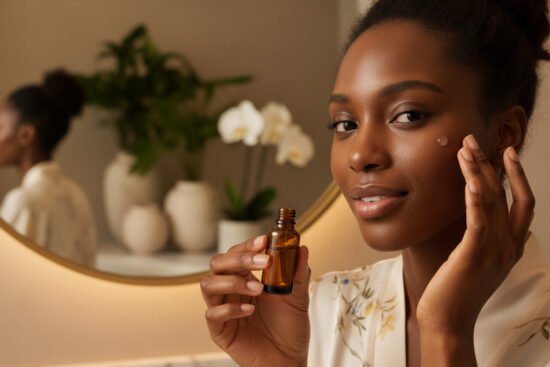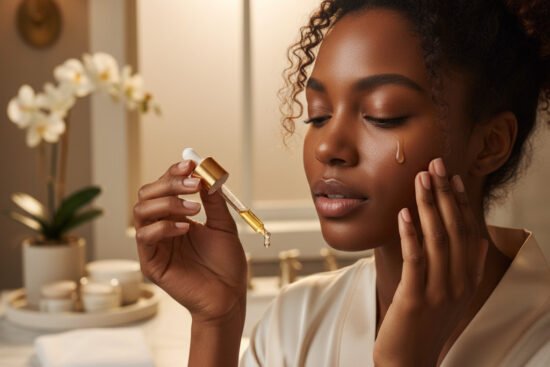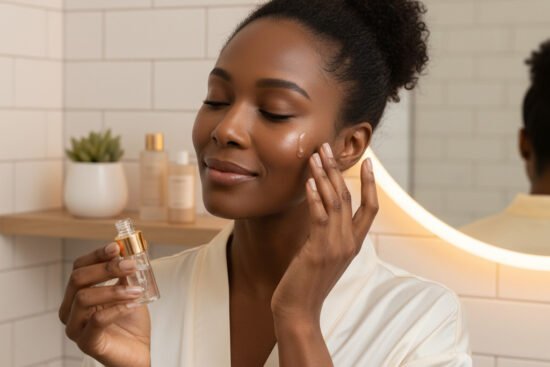
Beauty Devices & Treatments for Dark Skin
Many aesthetic treatments and beauty devices were designed and tested first on lighter skin, then marketed as “safe for all skin types” without showing how they behave on dark, melanin‑rich tones. Devices that heat or target pigment can increase the risk of burns, post‑inflammatory hyperpigmentation (PIH), and scarring in darker skin if they are chosen or used without adjustments. At the same time, there are procedures—like microneedling, radiofrequency (RF), certain peels, fillers, and carefully chosen lasers—that can be used safely when providers understand skin of color.
This pillar on Beauty Devices & Treatments for Dark Skin helps you navigate both sides: at‑home tools, clinic‑based procedures, safety frameworks for melanin‑rich skin, and the new layer of AI and app‑based “skin analysis” that often under‑represents darker tones. The goal is to give you questions, frameworks, and examples that make it easier to say “yes” or “no” to treatments from a position of informed choice, not fear or blind trust.
What This Pillar Covers
This pillar centers safety, efficacy, and bias awareness for melanin‑rich skin across devices and treatments.
- At‑home devices for dark skin (LED, microcurrent, rollers, steamers).
- Clinic‑based procedures (chemical peels, microneedling, RF, injectables, lasers).
- Safety frameworks for melanin‑rich skin in aesthetics (PIH risk, scarring risk, Fitzpatrick type, pre‑ and post‑care).
- AI & app‑based skin analysis (common biases, limitations, and how to use them critically).
- Evaluating providers and devices from a dark‑skin safety perspective (questions to ask, red flags, credentials).
Clusters in This Pillar
Each cluster below acts like a mini‑guide, with its own set of articles that dive deeper into specific decisions.

- At‑home devices for dark skin (LED, microcurrent, rollers, steamers)
- Clinic‑based procedures (peels, microneedling, RF, lasers)
- Safety frameworks for melanin‑rich skin in aesthetics
- AI & app‑based skin analysis (bias, limitations, best practices)
- Evaluating providers and devices from a dark‑skin safety perspective
Quick Map of Clusters & Focus
Use this table to pick your starting point based on what you’re considering right now.
| Your main question | Cluster to start with | Core focus | Example next stop |
|---|---|---|---|
| “Are at‑home devices like LED masks, microcurrent, or steamers safe and worth it on dark skin?” | At‑home devices | Which at‑home tools are low‑risk, which need caution, and realistic expectations for melanin‑rich skin. | Safety frameworks |
| “What in‑office treatments (peels, microneedling, RF, lasers) are actually safe for my skin tone?” | Clinic‑based procedures | Peel depth, microneedling, RF, injectables, and which lasers are safer vs higher‑risk for dark skin. | Evaluating providers |
| “How do I think about PIH, scarring, and my Fitzpatrick type before saying yes to any procedure?” | Safety frameworks | Risk lenses (pigment, barrier, scarring, hair, medical history) to use across devices. | Clinic procedures |
| “Can I trust AI and app‑based ‘skin scans’ if they were barely trained on dark skin?” | AI & app‑based analysis | Bias, under‑representation, and how to treat these tools as suggestions—not final diagnoses. | Medical navigation |
| “How do I tell if a provider, spa, or device is truly safe for my skin tone?” | Evaluating providers & devices | Questions, credentials, before‑and‑afters, and red flags specific to dark skin. | Medical navigation |
How This Pillar Connects to Other Pillars
Beauty devices and treatments interact directly with existing concerns like hyperpigmentation, acne, sensitive skin, and keloid‑prone scarring, especially on dark tones. This pillar intentionally links to the Hyperpigmentation & Dark Spots, Acne & Sensitive Skin in Black Women, and Skin Conditions on Dark Skin pillars so that device and treatment decisions account for pigment risk, barrier status, and chronic conditions.
It also connects with the Sunscreen for Dark Skin and Skincare for Black Women pillars, because pre‑ and post‑procedure care—including sun protection and barrier repair—is critical to safe outcomes on melanin‑rich skin. Throughout the clusters, you will see references back to Medical navigation and Emotional impact content, since aesthetic decisions for dark skin are as much about safety and self‑trust as they are about results.

Quick Device & Treatment Principles for Dark, Melanin‑Rich Skin
- Heat‑ and light‑based devices carry higher PIH and burn risk on dark skin if wavelengths, settings, and prep are not adjusted; “safe for all skin types” is not enough by itself.
- Procedures that bypass melanin—like microneedling, RF without aggressive heat at the surface, and injectables—tend to have a wider safety margin on darker tones when performed correctly.
- Deep peels, ablative lasers, and broad‑spectrum IPL/BBL are generally higher‑risk for hyperpigmentation and scarring on dark skin and require extreme caution or avoidance.
- AI and app‑based skin tools often under‑represent dark skin, making them more likely to miss or mislabel issues; treat them as input, not final verdicts.
- Seeing real‑life before‑and‑afters on skin that looks like yours, asking direct safety questions, and confirming that providers routinely treat Fitzpatrick IV–VI are core parts of dark‑skin‑safe decision‑making.
Embracing Your Melanin: A Journey of Informed Beauty
Our melanin‑rich skin is a testament to our strength, our heritage, and our unique beauty. It’s a canvas that deserves the utmost care, respect, and informed consideration, especially when exploring the vast world of beauty devices and aesthetic treatments. For too long, the narrative around these innovations has been centered on lighter skin tones, leaving Black women to navigate a landscape fraught with unknowns, potential risks, and often, a lack of tailored expertise.
At Black Beauty Basics, we believe that your journey towards radiant, healthy skin should be one of empowerment, not apprehension. This pillar is designed to be your steadfast companion, illuminating the path to making choices that honor your skin’s unique needs and celebrate its inherent resilience. We understand that the desire to enhance, refine, or address specific skin concerns is a deeply personal one, and you deserve access to accurate, culturally competent information that allows you to pursue your beauty goals with confidence and peace of mind.
The Historical Context: Why Melanin Matters in Aesthetics
To truly understand the current landscape of beauty devices and treatments, it’s crucial to acknowledge the historical context. The aesthetic industry, like many others, has historically been slow to adapt to the diverse needs of skin of color. Early research, device development, and treatment protocols were predominantly based on Caucasian skin, which reacts differently to energy-based treatments and chemical agents. This oversight led to a significant knowledge gap and, unfortunately, a higher incidence of adverse effects like hyperpigmentation, hypopigmentation, and scarring in Black patients.

Melanin, the pigment responsible for our beautiful range of skin tones, is a double-edged sword in the world of aesthetics. While it provides natural protection against UV radiation, it also makes our skin more prone to inflammation and pigmentary changes when exposed to certain stimuli. Devices that target pigment, such as many lasers and intense pulsed light (IPL) systems, can inadvertently damage melanocytes (the cells that produce melanin) if not calibrated precisely for darker skin. This can result in the very issues we are trying to avoid, such as stubborn dark spots or even permanent lightening of the skin.
Understanding this fundamental difference is the first step towards advocating for yourself and seeking out providers who possess this specialized knowledge. It’s not about fear; it’s about being informed and demanding the excellence your skin deserves.
At-Home Devices for Dark Skin: Navigating the DIY Landscape
The allure of at-home beauty devices is undeniable: convenience, privacy, and often a lower upfront cost than in-clinic treatments. From LED masks to microcurrent devices, facial steamers, and derma rollers, the market is saturated with options promising transformative results. But for Black women, the question always remains: Are these truly safe and effective for my melanin-rich skin?
LED Light Therapy: A Gentle Glow for All Tones
LED (Light Emitting Diode) therapy devices use different wavelengths of light to penetrate the skin and stimulate cellular processes. Red light is often lauded for its collagen-boosting and anti-inflammatory properties, while blue light targets acne-causing bacteria. The good news? LED therapy is generally considered very safe for dark skin tones because it does not generate heat in a way that targets melanin or risks thermal injury. It’s non-ablative and non-thermal, meaning it won’t cause burns or hyperpigmentation.
- Benefits for Dark Skin: Can help with mild inflammation, improve skin texture, reduce the appearance of fine lines, and support overall skin health without pigment risk. Some studies suggest red light can even aid in reducing post-inflammatory hyperpigmentation (PIH) by calming inflammation.
- Considerations: Consistency is key. Results are often subtle and cumulative. Ensure your device is FDA-cleared for safety and efficacy.
Microcurrent Devices: Sculpting Without the Scars
Microcurrent devices deliver low-level electrical currents to stimulate facial muscles, aiming to lift, tone, and contour the face. Think of it as a non-invasive facial workout. Like LED therapy, microcurrent does not target melanin or produce significant heat, making it another safe option for dark skin.
- Benefits for Dark Skin: Can improve facial contour, enhance product penetration, and offer a temporary lifting effect. It’s an excellent choice for those seeking anti-aging benefits without the risks associated with heat-based treatments.
- Considerations: Ensure proper hydration of the skin during use (usually with a conductive gel) to prevent uncomfortable sensations. Results are temporary and require consistent use.
Facial Steamers: Prep for Pores, Not Pigment Risk
Facial steamers use warm mist to open pores, soften skin, and prepare it for cleansing or product application. This is a low-risk device for dark skin, as the heat is gentle and superficial, not targeting melanin in a way that causes damage.
- Benefits for Dark Skin: Helps to deeply cleanse pores, improve circulation, and enhance the absorption of serums and moisturizers. Can be particularly beneficial for congested or acne-prone skin.
- Considerations: Use distilled water to prevent mineral buildup. Don’t over-steam or get too close to the steam, as excessive heat can still cause irritation. Follow with a gentle cleanser and moisturizer.
Derma Rollers (Microneedling at Home): Proceed with Caution
Derma rollers create tiny micro-injuries in the skin to stimulate collagen production and improve product absorption. While professional microneedling (discussed later) is generally safe for dark skin, at-home derma rolling requires significant caution.
- Risks for Dark Skin: Improper technique, using needles that are too long, or unsanitary practices can lead to excessive inflammation, infection, and significantly increase the risk of PIH and even scarring. The controlled environment and sterile tools of a professional setting are crucial for melanin-rich skin.
- Recommendation: For microneedling, it is almost always safer and more effective to seek professional treatment from a provider experienced with dark skin. If you choose to use an at-home roller, opt for very short needles (0.25mm or less), ensure strict sanitation, and use it sparingly.
Clinic-Based Procedures: Unlocking Professional Potential
When it comes to professional aesthetic treatments, the stakes are higher, and so is the potential for transformative results—or adverse reactions if not handled correctly. This section delves into common clinic procedures, highlighting what to look for and what to be cautious about for melanin-rich skin.
Chemical Peels: The Art of Renewal
Chemical peels use acidic solutions to exfoliate the skin, revealing a brighter, smoother complexion. For dark skin, the key is choosing the right type and strength of peel, and ensuring meticulous pre- and post-care.
- Safe Peels for Dark Skin:
- Superficial Peels (e.g., Lactic Acid, Glycolic Acid up to 30%, Mandelic Acid, Salicylic Acid): These are generally safe and effective for dark skin as they work on the outermost layer of the epidermis. Mandelic acid is particularly favored for its larger molecular size, which penetrates slower and reduces irritation, making it excellent for PIH and acne in skin of color.
- Jessner’s Solution (modified): A blend of salicylic acid, lactic acid, and resorcinol. Modified Jessner’s peels can be used cautiously on dark skin, often layered or with fewer coats, by experienced practitioners.
- Peels to Approach with Extreme Caution or Avoid:
- Medium to Deep Peels (e.g., higher concentrations of TCA, Phenol peels): These penetrate deeper and carry a much higher risk of PIH, hypopigmentation, and scarring for dark skin. The risk often outweighs the benefit.
- Pre- and Post-Care is Paramount: For dark skin, pre-treating with melanin-inhibiting agents (e.g., hydroquinone, kojic acid, arbutin) for 2-4 weeks before a peel can significantly reduce PIH risk. Strict sun protection and gentle, barrier-supporting skincare post-peel are non-negotiable.
Microneedling: Collagen Induction with Care
Professional microneedling, also known as Collagen Induction Therapy (CIT), uses a device with fine needles to create controlled micro-injuries, stimulating the skin’s natural healing process and collagen production. Because it creates mechanical injury rather than thermal injury (heat), it is generally considered very safe and effective for dark skin when performed by an experienced provider.
- Benefits for Dark Skin: Excellent for treating PIH, acne scars, fine lines, uneven texture, and improving overall skin radiance. It does not target melanin, thus minimizing pigmentary risks.
- Considerations: Ensure the provider uses a sterile, medical-grade device. Avoid aggressive depths or excessive passes, especially around active breakouts or keloid-prone areas. Post-care includes gentle cleansing, hydration, and strict sun protection. PRP (Platelet-Rich Plasma) can be combined with microneedling to enhance results.
Radiofrequency (RF) Treatments: Tightening from Within
RF treatments use energy to heat the deeper layers of the skin, stimulating collagen and elastin production without damaging the epidermis. Because the energy bypasses the superficial melanin-rich layers, RF is another safe and effective option for dark skin for skin tightening and contouring.
- Types of RF:
- Monopolar, Bipolar, Multipolar RF: These non-invasive devices deliver heat to various depths.
- Microneedling RF (e.g., Morpheus8, Vivace): Combines microneedling with RF energy delivered through the needle tips, directly into the dermis. This is particularly effective for deeper remodeling, scar revision, and tightening with minimal epidermal damage.
- Benefits for Dark Skin: Excellent for skin tightening, reducing fine lines and wrinkles, improving skin texture, and addressing acne scars. Minimal to no downtime with most non-ablative RF.
- Considerations: Ensure the device is appropriate for skin of color and the provider is experienced. Some devices have specific settings for darker skin types.
Injectables (Fillers & Neurotoxins): Universal Appeal
Injectables like dermal fillers (hyaluronic acid-based) and neurotoxins (e.g., Botox, Dysport) are generally considered safe for all skin types, including dark skin, as they do not interact with melanin or generate heat.
- Dermal Fillers: Used to restore volume, smooth lines, and enhance facial contours. They are excellent for addressing age-related volume loss, defining features, and correcting certain types of scars.
- Neurotoxins: Used to relax muscles that cause dynamic wrinkles (e.g., frown lines, crow’s feet).
- Benefits for Dark Skin: Can effectively address signs of aging, enhance facial symmetry, and improve overall aesthetic harmony without concerns about pigmentary changes.
- Considerations: Choose an experienced injector with a keen understanding of facial anatomy and aesthetic goals for diverse facial structures. Bruising is a common side effect for all skin types, but resolves.
Lasers: The Most Nuanced Territory
Lasers are perhaps the most complex and nuanced category for dark skin. While some lasers are highly effective and safe, others carry significant risks. The key is understanding which lasers, which wavelengths, and which settings are appropriate for melanin-rich skin.
- Safe Lasers for Dark Skin (with experienced providers):
- Nd:YAG Laser (1064nm): This is the gold standard for laser hair removal and treating vascular lesions on dark skin. Its longer wavelength bypasses superficial melanin, targeting deeper structures with less risk of epidermal damage. It’s also used for skin rejuvenation and pigmentary concerns.
- Picosecond Lasers (e.g., PicoSure, PicoWay): These ultra-fast lasers deliver energy in picoseconds, creating a photoacoustic effect rather than a photothermal one. This minimizes heat production, making them excellent for tattoo removal and certain pigmentary issues (like PIH and melasma) on dark skin with reduced risk.
- Fractional Non-Ablative Lasers (e.g., Fraxel Dual 1550/1927nm, Clear + Brilliant): These create microscopic treatment zones without removing the top layer of skin. While the 1927nm wavelength can be used cautiously for superficial pigmentation, the 1550nm is generally safer for texture and deeper concerns on dark skin. Careful settings and pre/post-care are crucial.
- Lasers to Approach with Extreme Caution or Avoid:
- IPL (Intense Pulsed Light) and BBL (BroadBand Light): These are broad-spectrum light devices, not true lasers. They emit multiple wavelengths of light, making it difficult to precisely target specific chromophores (like melanin) without affecting surrounding tissue. They carry a very high risk of burns, PIH, and hypopigmentation on dark skin. Generally, these should be avoided.
- Ablative Lasers (e.g., CO2, Erbium YAG): These lasers remove the top layers of skin, creating significant wounds. The risk of PIH, hypopigmentation, and scarring is extremely high for dark skin. They are rarely, if ever, recommended for skin of color for cosmetic purposes.
- Alexandrite Laser (755nm): While effective for hair removal on lighter skin, its shorter wavelength is highly absorbed by melanin, making it very risky for dark skin and prone to burns and pigmentary changes.
Safety Frameworks for Melanin-Rich Skin in Aesthetics
Navigating the world of aesthetic treatments requires a robust safety framework, especially for melanin-rich skin. This framework goes beyond just knowing which devices are
Frequently Asked Questions
Which at-home beauty devices are generally safe for dark, melanin-rich skin?
At-home devices that do not target melanin or generate significant heat are generally safe. These include LED light therapy masks (especially red light), microcurrent devices for facial toning, and facial steamers. These devices work on different principles that are less likely to cause hyperpigmentation or burns on dark skin. Always ensure proper usage and hygiene.
What in-clinic treatments are considered safest for Black women and dark skin tones?
Procedures that bypass melanin or use specific wavelengths are safest. These include professional microneedling (Collagen Induction Therapy), radiofrequency (RF) treatments for skin tightening, superficial chemical peels (like Mandelic or Lactic acid), and injectables (dermal fillers, neurotoxins). For lasers, the Nd:YAG (1064nm) and certain picosecond lasers are generally safe when performed by an experienced provider.
Which aesthetic treatments should Black women approach with extreme caution or avoid?
Treatments that carry a high risk of thermal injury or melanin targeting should be approached with extreme caution or avoided. These include broad-spectrum light devices like IPL (Intense Pulsed Light) and BBL (BroadBand Light), ablative lasers (CO2, Erbium YAG), and deep chemical peels. The Alexandrite laser (755nm) is also generally too risky for dark skin due to its high melanin absorption.
How can I find a provider who is truly experienced and safe for dark skin treatments?
Look for providers who explicitly state their expertise in ‘skin of color’ or ‘ethnic skin.’ Ask about their experience treating Fitzpatrick Skin Types IV-VI. Request to see before-and-after photos of patients with similar skin tones and concerns. Inquire about specific device settings used for dark skin and their protocols for preventing and managing post-inflammatory hyperpigmentation (PIH).
What is post-inflammatory hyperpigmentation (PIH) and why is it a concern for dark skin?
PIH is the darkening of the skin that occurs after inflammation or injury (e.g., acne, cuts, aesthetic treatments). Melanin-rich skin is more prone to PIH because melanocytes (pigment-producing cells) are more reactive. Incorrectly chosen or performed aesthetic treatments can trigger inflammation, leading to stubborn dark spots that can take months or even years to fade. Proper pre- and post-care, along with appropriate treatment selection, is crucial to minimize PIH risk.
Can AI and app-based skin analysis tools be trusted for dark skin?
AI and app-based skin analysis tools often have significant biases and limitations when it comes to dark skin. They are frequently trained on datasets that are overwhelmingly composed of lighter skin tones, leading to inaccuracies in diagnosis, product recommendations, and identification of skin conditions in melanin-rich skin. Treat these tools as a preliminary suggestion or guide, not a definitive diagnosis, and always consult with a human expert.
What role does pre- and post-care play in ensuring safe aesthetic outcomes for dark skin?
Pre- and post-care are absolutely critical for dark skin. Pre-treatment often involves using melanin-inhibiting agents (e.g., hydroquinone, kojic acid) to reduce the risk of PIH. Post-treatment care focuses on gentle cleansing, barrier repair (with hydrating and soothing ingredients), and strict, consistent sun protection (broad-spectrum SPF 30+). These steps help minimize inflammation, promote healing, and prevent pigmentary complications, ensuring the best possible outcome.