Microcurrent and Tone-Agnostic Tech for Melanin-Rich Skin
For Black women and those with deep, melanin-rich skin tones, the world of at-home beauty devices can often feel like a minefield of unknowns. We’ve all heard the cautionary tales, seen the warnings about certain light-based therapies and lasers that can exacerbate hyperpigmentation or cause burns on darker complexions. This understandable apprehension leads many of us to approach new technologies with a healthy dose of skepticism, carefully weighing the potential benefits against the risks specific to our skin.
Amidst this landscape, a category of devices often emerges as a seemingly safer alternative: those deemed “tone-agnostic.” These are technologies that, by their very nature, do not rely on melanin as a target or chromophore, theoretically making them suitable for all skin tones without the same risks of pigmentary changes. Microcurrent devices frequently fall into this classification, offering the promise of improved facial contour and skin vitality without the pigment-targeting concerns associated with some other modalities. But what does “tone-agnostic” truly mean in practice, and are these devices, particularly microcurrent, truly effective and worth the investment for melanin-rich skin?
This article aims to demystify microcurrent and other tone-agnostic technologies, providing a clear, evidence-aware perspective tailored for our community. We’ll explore why these devices are considered safer for darker skin tones, delve into the science behind how they work, and, crucially, set realistic expectations for what they can and cannot achieve. Our goal is to empower you with the knowledge to make informed decisions about incorporating these tools into your self-care ritual, ensuring that your pursuit of beauty is always rooted in safety, efficacy, and self-love, without compromise.
What This Post Covers
Navigating the vast and often confusing landscape of at-home beauty devices requires a discerning eye, especially when considering the unique needs and characteristics of melanin-rich skin. This comprehensive guide is designed to be your trusted resource, shedding light on a specific category of technology that holds particular relevance for our community: tone-agnostic devices, with a primary focus on microcurrent. We understand that your time is precious and your desire for clear, actionable information is paramount. Therefore, we’ve structured this post to address your most pressing questions and concerns, providing a balanced perspective that combines scientific understanding with practical application.
In the following sections, we will meticulously break down the concept of “tone-agnostic” in the context of beauty technology, explaining why certain devices are inherently safer for darker skin tones than others. We will then dive deep into the mechanics of microcurrent, translating complex scientific principles into easily understandable language so you can grasp precisely how these devices interact with your skin. This foundational knowledge is crucial for setting realistic expectations and appreciating the subtle, yet meaningful, changes microcurrent can potentially offer.
Beyond the “how,” we will explore the “what”—what microcurrent may genuinely help with, and equally important, what it will not do. The beauty industry is rife with exaggerated claims, and our aim is to cut through the noise, providing an honest assessment of its capabilities. We’ll also cover the practical aspects of using microcurrent, from the essential role of conductive gels to proper technique, ensuring you have the foundational knowledge to integrate it effectively and safely into your routine. Furthermore, we will delineate specific scenarios where caution is advised or when microcurrent should be avoided altogether, prioritizing your well-being above all else. Finally, we will briefly touch upon other lower-risk at-home technologies that complement microcurrent, helping you build a holistic and safe beauty regimen. Our commitment is to equip you with the insights needed to confidently explore these tools, always with the unique beauty of melanin-rich skin at the forefront.
What “Tone-Agnostic” Means in Beauty Tech
The term “tone-agnostic” has become a crucial descriptor in the beauty device industry, particularly for those with melanin-rich skin. To truly understand its significance, we must first recognize that not all beauty technologies interact with skin pigment in the same way. Some devices, by their very mechanism of action, pose a higher risk of adverse effects for darker skin tones due to their reliance on chromophores, while others operate independently of melanin, making them inherently safer.
Understanding Chromophores and Melanin
At the heart of this distinction lies the concept of chromophores. In the context of light-based and energy-based devices, a chromophore is a substance that absorbs light of a specific wavelength. Melanin, the pigment responsible for skin color, is a primary chromophore in the skin. It absorbs a broad spectrum of light, particularly in the visible and infrared ranges. This absorption is why melanin-rich skin is more susceptible to issues like post-inflammatory hyperpigmentation (PIH) or even burns when exposed to certain types of light or energy that target melanin indiscriminately.
For instance, many traditional laser hair removal devices work by targeting the melanin in the hair follicle. While effective for lighter skin tones with dark hair, these devices can be problematic for darker skin tones because the laser energy can also be absorbed by the melanin in the surrounding skin, leading to burns, discoloration, or permanent scarring. Similarly, some intense pulsed light (IPL) treatments, if not calibrated correctly, can pose risks due to their broad spectrum of light absorption by melanin.
Devices That Are NOT Tone-Agnostic
Devices that specifically target melanin or rely on its absorption for their therapeutic effect are generally not tone-agnostic. These include:
- Traditional Laser Hair Removal: As mentioned, these devices target melanin in hair follicles. While newer technologies like Nd:YAG lasers have made hair removal safer for darker skin, careful selection and expert operation are still paramount.
- Some IPL Devices: IPL uses a broad spectrum of light, and without advanced filters and precise settings, it can be risky for melanin-rich skin due to melanin’s broad absorption.
- Certain Pigment-Targeting Lasers: Lasers designed to break down pigment (e.g., for sunspots or tattoo removal) must be used with extreme caution on darker skin, as they can inadvertently affect surrounding healthy melanin, leading to hypopigmentation (lightening) or hyperpigmentation.
The common thread among these non-tone-agnostic technologies is their direct or indirect interaction with melanin as a primary target or absorber of energy. This interaction necessitates a higher degree of caution, specialized equipment, and often, professional expertise when used on darker skin tones.
Devices That ARE Tone-Agnostic
In contrast, tone-agnostic devices are those whose mechanism of action does not primarily involve melanin absorption. Their efficacy is not dependent on skin pigment, making them generally safer and more universally applicable across all skin tones. These devices typically work through other physiological pathways, such as stimulating muscle contractions, improving circulation, or delivering specific wavelengths of light that melanin does not preferentially absorb.
Examples of tone-agnostic technologies include:
- Microcurrent Devices: These devices deliver low-level electrical currents that mimic the body’s natural electrical impulses. They primarily act on facial muscles and cellular activity, not on melanin.
- Radiofrequency (RF) Devices: RF energy heats the deeper layers of the skin to stimulate collagen production. While heat can be a concern, modern RF devices are designed to deliver controlled heat to the dermis without significant epidermal heating, making them generally safe for darker skin when used correctly.
- Certain LED Light Therapy Devices: While some wavelengths of light can interact with melanin, specific wavelengths like red and near-infrared light are largely considered tone-agnostic because melanin does not absorb them as strongly as other chromophores (like hemoglobin or water). This allows them to penetrate deeper into the skin to stimulate cellular processes without targeting pigment.
- Manual Tools (Rollers, Gua Sha): These tools work through physical manipulation, massage, and lymphatic drainage, none of which involve melanin.
- Facial Steamers: Steam works by hydrating and warming the skin, a process entirely independent of skin pigment.
The key takeaway is that “tone-agnostic” means the device’s fundamental operating principle does not rely on or significantly interact with melanin. This characteristic significantly reduces the risk of pigmentary changes, such as hyperpigmentation or hypopigmentation, which are common concerns for individuals with melanin-rich skin when using certain beauty technologies. It offers a broader range of safe and effective options for our community, allowing us to explore advanced skincare without undue worry about compromising our beautiful complexions.
It’s important to remember that “tone-agnostic” does not mean “risk-free.” While the risk of pigmentary issues is significantly reduced, other considerations like proper usage, potential for irritation, and contraindications still apply. Always approach any new device with an informed perspective, understanding its mechanism, and adhering to manufacturer guidelines.
How Microcurrent Works in Plain Language
Microcurrent technology, often hailed as a “non-invasive facelift,” operates on principles that are both elegant in their simplicity and profound in their potential effects. Unlike devices that rely on light, heat, or aggressive physical exfoliation, microcurrent works by delivering extremely low-level electrical currents that mimic the body’s natural electrical impulses. To truly understand its appeal, especially for melanin-rich skin, it’s essential to grasp the fundamental science without getting lost in overly technical jargon.
The Body’s Natural Electrical System
Our bodies are essentially electrical systems. Every cell, every tissue, and every muscle generates and responds to tiny electrical signals. These bio-electrical currents are crucial for everything from nerve transmission and muscle contraction to cellular repair and energy production. As we age, or due to various environmental factors, these natural electrical signals can weaken or become less efficient. This decline can contribute to a loss of muscle tone, reduced cellular activity, and a general dullness in the skin’s appearance.
Mimicking Nature: The Microcurrent Principle
Microcurrent devices are designed to gently re-educate the facial muscles and stimulate cellular activity by introducing external electrical currents that are remarkably similar in strength and frequency to our body’s own natural bio-electrical currents. The “micro” in microcurrent refers to the fact that these currents are measured in microamperes (millionths of an ampere), which are extremely small and imperceptible to the user, unlike the stronger currents used in TENS units or muscle stimulators that cause visible muscle contractions.
When the microcurrent probes are applied to the skin, these gentle electrical signals pass through the skin, reaching the underlying facial muscles and cells. The primary mechanisms of action are believed to be:
- Muscle Re-education: Facial muscles can become “lazy” or over-contracted over time, contributing to sagging or the formation of lines. Microcurrent helps to re-educate these muscles. It can lengthen muscles that are chronically contracted (like those that cause frown lines) and shorten muscles that have become elongated and lax (like those in the jowls). This re-education process helps to restore a more lifted and toned appearance to the face. Think of it as a gentle workout for your face, but one that you can’t feel.
- ATP Production: Adenosine Triphosphate (ATP) is often referred to as the “energy currency” of the cell. It’s vital for almost all cellular processes, including protein synthesis (like collagen and elastin production), cellular repair, and nutrient transport. Studies have suggested that microcurrent can significantly increase ATP production in cells. More ATP means cells have more energy to perform their functions optimally, leading to healthier, more vibrant skin.
- Improved Circulation and Lymphatic Drainage: The gentle electrical stimulation can also help to improve blood circulation, bringing more oxygen and nutrients to the skin cells. Simultaneously, it can assist in lymphatic drainage, reducing puffiness and helping to remove metabolic waste products, contributing to a clearer, more radiant complexion.
- Collagen and Elastin Stimulation: While not as direct as some other technologies (like radiofrequency), the increased ATP production and improved cellular function resulting from microcurrent use are believed to support the synthesis of collagen and elastin. These are the structural proteins that give skin its firmness, elasticity, and youthful bounce. Over time, this can contribute to a reduction in fine lines and an improvement in skin texture.
Why It’s Tone-Agnostic
Crucially, none of these mechanisms involve the targeting or absorption of melanin. The electrical currents pass through the skin irrespective of its pigment content. Melanin does not absorb or react to microcurrent in a way that would cause hyperpigmentation, hypopigmentation, or burns. This makes microcurrent an inherently safe and effective option for all skin tones, including the deepest melanin-rich complexions, without the concerns associated with light- or heat-based devices that interact with pigment.
The Sensation (or Lack Thereof)
Because the currents are so low, most users report feeling little to nothing during a microcurrent treatment. At most, you might experience a slight tingling sensation, particularly around areas with more nerve endings or if the conductive gel application is uneven. This lack of sensation is a hallmark of microcurrent and distinguishes it from other electrical stimulation devices that cause visible muscle contractions.
In essence, microcurrent offers a gentle, non-invasive way to encourage your skin and facial muscles to function more optimally, leveraging your body’s natural electrical processes. It’s a subtle yet consistent approach to skin rejuvenation that respects the integrity of all skin tones, making it a valuable addition to the beauty arsenal of anyone seeking a refreshed and toned appearance.
What Microcurrent May Actually Help With and What It Will Not Do
Microcurrent technology has garnered significant attention in the beauty world, often accompanied by enthusiastic claims of dramatic transformations. For those of us with melanin-rich skin, it’s vital to approach these claims with a discerning eye, understanding what microcurrent can realistically achieve and where its limitations lie. Our goal at Black Beauty Basics is to provide grounded, evidence-aware information, ensuring your expectations are aligned with the science and practical outcomes.
What Microcurrent May Help With (Realistic Expectations)
When used consistently and correctly, microcurrent devices can offer a range of subtle, cumulative benefits that contribute to an overall more refreshed and toned appearance. It’s important to emphasize “subtle” and “cumulative” – microcurrent is not a magic wand for instant, dramatic changes, nor is it a substitute for surgical procedures.
- Improved Facial Tone and Contour: This is perhaps the most celebrated benefit of microcurrent. By re-educating facial muscles, microcurrent can help to lift and firm areas that might be experiencing mild sagging. Think of a subtle lift in the brow, a more defined jawline, or a slight improvement in the appearance of jowls. This is not about creating a completely new facial structure, but rather restoring a more youthful and taut appearance to your existing features. The effects are often most noticeable with consistent, long-term use.
- Reduction in the Appearance of Fine Lines and Wrinkles: While microcurrent won’t erase deep wrinkles, the increased ATP production and potential stimulation of collagen and elastin can contribute to a smoother skin texture. This can lead to a softening of fine lines, particularly those caused by muscle laxity rather than deep structural changes. The improved circulation and cellular health also play a role in making the skin appear plumper and more hydrated, which can diminish the visibility of superficial lines.
- Enhanced Skin Radiance and Vitality: By boosting circulation and promoting lymphatic drainage, microcurrent can help to detoxify the skin and deliver more oxygen and nutrients to skin cells. This often results in a healthier, more vibrant complexion. Users frequently report a “glow” or a more even skin tone, not due to pigment alteration, but because of improved cellular function and reduced puffiness.
- Reduced Puffiness: The lymphatic drainage benefits of microcurrent are particularly effective for reducing morning puffiness, especially around the eyes and jawline. By encouraging the movement of stagnant fluids, the face can appear less swollen and more sculpted.
- Improved Product Penetration: Some studies suggest that the microcurrent can temporarily increase the permeability of the skin, potentially allowing skincare products (especially serums and hydrators) to penetrate more effectively. While this isn’t its primary function, it can be a pleasant ancillary benefit.
The key to seeing these benefits is consistency. Microcurrent is like going to the gym for your face; you won’t see results after one session, but regular workouts over weeks and months can lead to noticeable improvements. Many users incorporate it into their routine 3-5 times a week initially, then maintain with 2-3 sessions weekly.
What Microcurrent Will NOT Do (Setting Realistic Limits)
It’s equally important to be clear about what microcurrent cannot achieve, to avoid disappointment and ensure you’re investing in the right tools for your specific concerns.
- Dramatic, Permanent Lifting or Sculpting: Microcurrent is not a surgical facelift. It will not provide the same level of dramatic lift or permanent sculpting that surgical interventions or even more aggressive in-office procedures like Ultherapy or thread lifts can offer. Its effects are temporary and require ongoing maintenance. Once you stop using the device, the muscles will gradually return to their previous state.
- Erase Deep Wrinkles or Severe Sagging: While it can soften fine lines, microcurrent is not effective for deep-set wrinkles, severe skin laxity, or significant volume loss. These issues often require more intensive treatments like injectables, fillers, or surgical procedures.
- Change Skin Texture Dramatically (e.g., reduce severe acne scarring or pore size): While improved cellular health can indirectly benefit overall skin texture, microcurrent is not a primary treatment for issues like severe acne scarring, enlarged pores, or significant textural irregularities. Other treatments like microneedling, chemical peels, or fractional lasers are typically more effective for these concerns.
- Replace Professional Treatments for Specific Conditions: For conditions like severe hyperpigmentation, melasma, or active acne, microcurrent should be considered a supportive therapy, not a standalone solution. These conditions often require targeted professional treatments and a comprehensive skincare regimen.
- Provide Instant Results: As mentioned, microcurrent is a marathon, not a sprint. You won’t wake up after one session with a dramatically transformed face. Results build gradually over weeks and months of consistent use. Patience and dedication are crucial.
- Target Melanin or Treat Pigmentary Issues Directly: This is a crucial point for melanin-rich skin. While microcurrent is tone-agnostic and won’t cause hyperpigmentation, it also won’t directly treat existing pigmentary issues like dark spots or uneven skin tone. Its benefits for radiance are indirect, stemming from improved cellular health and circulation.
In summary, microcurrent is a valuable tool for those seeking subtle, natural-looking improvements in facial tone, contour, and overall skin vitality. It’s an excellent choice for maintaining a youthful appearance, addressing early signs of aging, and enhancing the results of a well-rounded skincare routine. However, it’s essential to approach it with realistic expectations, understanding its gentle nature and its role as a consistent, long-term commitment rather than a quick fix. For melanin-rich skin, its tone-agnostic nature makes it a particularly appealing and safe option for at-home rejuvenation.
Conductive Gels, Clean Skin, and Technique Basics That Affect the Experience
The efficacy and safety of microcurrent treatments are not solely dependent on the device itself, but significantly influenced by the preparatory steps, the quality of conductive medium, and the technique employed. For melanin-rich skin, where maintaining skin barrier integrity and preventing irritation is paramount, paying close attention to these details is crucial for a positive and effective experience.
The Indispensable Role of Conductive Gels
Conductive gel is not an optional accessory; it is absolutely essential for microcurrent devices to function correctly and safely. Without it, the microcurrent cannot effectively penetrate the skin, rendering the device useless and potentially causing uncomfortable sensations. Here’s why it’s so important:
- Electrical Conductivity: Our skin, especially when dry, acts as an electrical insulator. The water and electrolytes in conductive gels create a pathway for the low-level electrical currents to pass from the device probes into the deeper layers of the skin and muscles. Without this conductivity, the current will either not flow or will concentrate unevenly, leading to “hot spots” or a stinging sensation.
- Glide and Comfort: Conductive gels provide a smooth, slippery surface, allowing the device probes to glide effortlessly across the skin. This prevents tugging, pulling, and friction, which can be irritating, especially for delicate facial skin.
- Hydration: Many conductive gels are formulated with hydrating ingredients like hyaluronic acid, which can provide an added boost of moisture to the skin during the treatment. This is particularly beneficial for melanin-rich skin, which can sometimes be prone to dryness.
Choosing the Right Conductive Gel:
- Water-Based and Oil-Free: Always opt for water-based, oil-free gels. Oils can impede conductivity and may clog pores.
- Ingredient List: Look for gels with minimal ingredients to reduce the risk of irritation. Hyaluronic acid, aloe vera, and glycerin are common beneficial components. Avoid gels with harsh fragrances, dyes, or active ingredients like retinoids or strong acids, as these can cause irritation when combined with microcurrent.
- Generous Application: Don’t skimp on the gel. Apply a generous, even layer to the area you are treating. If the gel starts to dry out during the session, reapply immediately. A drying gel will reduce conductivity and can lead to uncomfortable zaps or ineffective treatment.
Some devices come with their own proprietary gels, which are usually formulated to optimize performance. However, many generic conductive gels designed for ultrasound or other electrical stimulation devices can also work effectively and are often more cost-effective. Always patch test any new gel on a small area of skin before full facial application.
The Importance of Clean Skin
Starting with a clean canvas is non-negotiable for any at-home beauty treatment, and microcurrent is no exception. Proper skin preparation ensures both efficacy and hygiene.
- Remove Makeup and Impurities: All makeup, dirt, oil, and sunscreen must be thoroughly removed. These substances can create a barrier, interfering with the microcurrent’s conductivity and potentially pushing impurities deeper into the pores.
- Gentle Cleansing: Use a gentle, non-stripping cleanser suitable for your skin type. For melanin-rich skin, maintaining the skin barrier is crucial, so avoid harsh cleansers that can leave the skin feeling tight or dry.
- Pat Dry (or Slightly Damp): After cleansing, pat your skin dry. Some prefer to leave the skin slightly damp before applying the conductive gel, as this can enhance the gel’s spreadability.
- Avoid Active Ingredients: It’s generally recommended to avoid applying active ingredients like retinoids, AHAs/BHAs, or vitamin C serums immediately before a microcurrent treatment. These can sometimes increase skin sensitivity, and the microcurrent might enhance their penetration in an unintended way, leading to irritation. Save your active serums for after the treatment or for your evening routine on non-treatment days.
Technique Basics for Optimal Results
Mastering the correct technique is key to maximizing the benefits of your microcurrent device and ensuring a comfortable experience. Each device will come with specific instructions, but here are some universal principles:
- Follow Manufacturer Instructions: This is paramount. Every device has a unique design, specific treatment areas, and recommended glide patterns. Adhere strictly to the user manual.
- Upward and Outward Strokes: Generally, microcurrent treatments involve gliding the device in upward and outward motions, working against gravity. This helps to lift and tone the facial muscles. Avoid dragging the device downwards.
- Slow and Controlled Movements: The movements should be slow and deliberate, allowing the microcurrent ample time to work on the muscles. Rushing through the treatment will diminish its effectiveness.
- Maintain Contact: Ensure both probes of the device maintain constant contact with your skin throughout the treatment. Lifting one probe will break the circuit and interrupt the current flow. This is where generous gel application is crucial.
- Focus on Target Areas: Concentrate on areas prone to sagging or where you desire more definition, such as the jawline, cheekbones, forehead, and around the eyes.
- Consistency is Key: As mentioned before, microcurrent is not a one-and-done treatment. Regular, consistent use (e.g., 5 days a week for the first 60 days, then 2-3 times a week for maintenance) is necessary to see and maintain results.
- Listen to Your Skin: While microcurrent is generally gentle, if you experience any discomfort, stinging, or redness, stop the treatment. Re-evaluate your gel application, device settings, and technique. If discomfort persists, consult the manufacturer’s troubleshooting guide or a professional.
By diligently following these guidelines regarding conductive gels, skin preparation, and technique, you can ensure that your microcurrent sessions are not only safe and comfortable but also deliver the best possible results for your melanin-rich skin, contributing to a more toned, radiant, and confident you.
Who Should Be Cautious or Skip Microcurrent
While microcurrent is widely considered a safe and tone-agnostic technology, it is not universally suitable for everyone. As with any beauty device that interacts with the body’s physiological processes, there are specific contraindications and situations where caution is advised or when the treatment should be avoided altogether. Prioritizing your health and safety is paramount, and understanding these limitations is a critical step before incorporating microcurrent into your routine, especially for those with melanin-rich skin who are often more cautious about new treatments.
Absolute Contraindications (Skip Microcurrent Entirely)
These are conditions where using a microcurrent device is strongly discouraged and could potentially be harmful. If any of these apply to you, it is best to avoid microcurrent treatments:
- Pacemakers or Other Implanted Electronic Devices: Microcurrent devices generate electrical impulses. These impulses can interfere with the function of pacemakers, defibrillators, cochlear implants, or any other implanted electronic medical device, potentially leading to serious health risks.
- Pregnancy: The effects of microcurrent on a developing fetus are not well-studied. Out of an abundance of caution, most medical and device manufacturers advise against using microcurrent during pregnancy.
- Epilepsy or Seizure Disorders: Electrical stimulation, even at low levels, can potentially trigger seizures in individuals prone to them. It is best to avoid microcurrent if you have a history of epilepsy or seizure disorders.
- Active Cancer or Tumors: Applying microcurrent to areas with active cancer or tumors is contraindicated. While microcurrent is not known to cause cancer, stimulating cellular activity in cancerous areas is generally not recommended.
- Recent Facial Surgery, Injections, or Fillers: If you’ve recently undergone facial surgery (e.g., facelift, blepharoplasty), or received injectables like Botox or dermal fillers, it’s crucial to wait until the area has fully healed and settled. Microcurrent can potentially disrupt the placement of fillers or affect the longevity of neurotoxins. Always consult with your surgeon or injector for their specific recommendations on when it’s safe to resume.
- Open Wounds, Active Acne Lesions, or Irritated Skin: Never use microcurrent over broken skin, active acne breakouts, eczema, psoriasis, sunburn, or any other form of skin irritation or infection. This can exacerbate the condition, cause discomfort, or introduce bacteria.
- Thrombosis or Phlebitis: Individuals with blood clots or inflammation of the veins should avoid microcurrent, particularly in the affected areas, as it could potentially dislodge clots or worsen inflammation.
- Under the Influence of Alcohol or Drugs: Impaired judgment can lead to improper use of the device, increasing the risk of adverse effects.
Situations Requiring Caution or Professional Consultation
In these scenarios, microcurrent might still be an option, but it requires careful consideration, potentially adjusting your approach, or seeking advice from a healthcare professional or dermatologist before proceeding:
- Metal Implants (Dental or Facial): While dental fillings or crowns are generally not an issue, larger metal implants in the face (e.g., plates, screws from a fracture repair) might cause a tingling sensation or discomfort due to the electrical current. Avoid direct application over these areas. If you have significant metal implants, consult your doctor.
- Thyroid Conditions: Some manufacturers advise caution or avoidance when using microcurrent directly over the thyroid gland (located in the neck). If you have a thyroid condition, discuss this with your doctor.
- Heart Conditions (other than pacemakers): If you have a history of heart disease or other heart-related conditions, it’s always prudent to consult your cardiologist before using any electrical stimulation device.
- Diabetes: Individuals with diabetes may have compromised skin integrity or nerve sensitivity. While not an absolute contraindication, monitor your skin closely and consult with your doctor if you have concerns.
- Migraines or Headaches: Some individuals report that microcurrent can trigger or alleviate migraines. If you are prone to migraines, start with very short sessions and monitor your reaction.
- Very Sensitive Skin: While microcurrent is gentle, very sensitive skin types might still experience mild redness or irritation, especially if the conductive gel dries out or the technique is too aggressive. Always patch test and start with the lowest intensity.
- Use of Certain Medications: If you are on medications that thin the blood, increase skin sensitivity (e.g., certain acne medications), or affect nerve function, consult your doctor.
Specific Considerations for Melanin-Rich Skin
While microcurrent is tone-agnostic regarding pigment, our skin type still benefits from careful consideration:
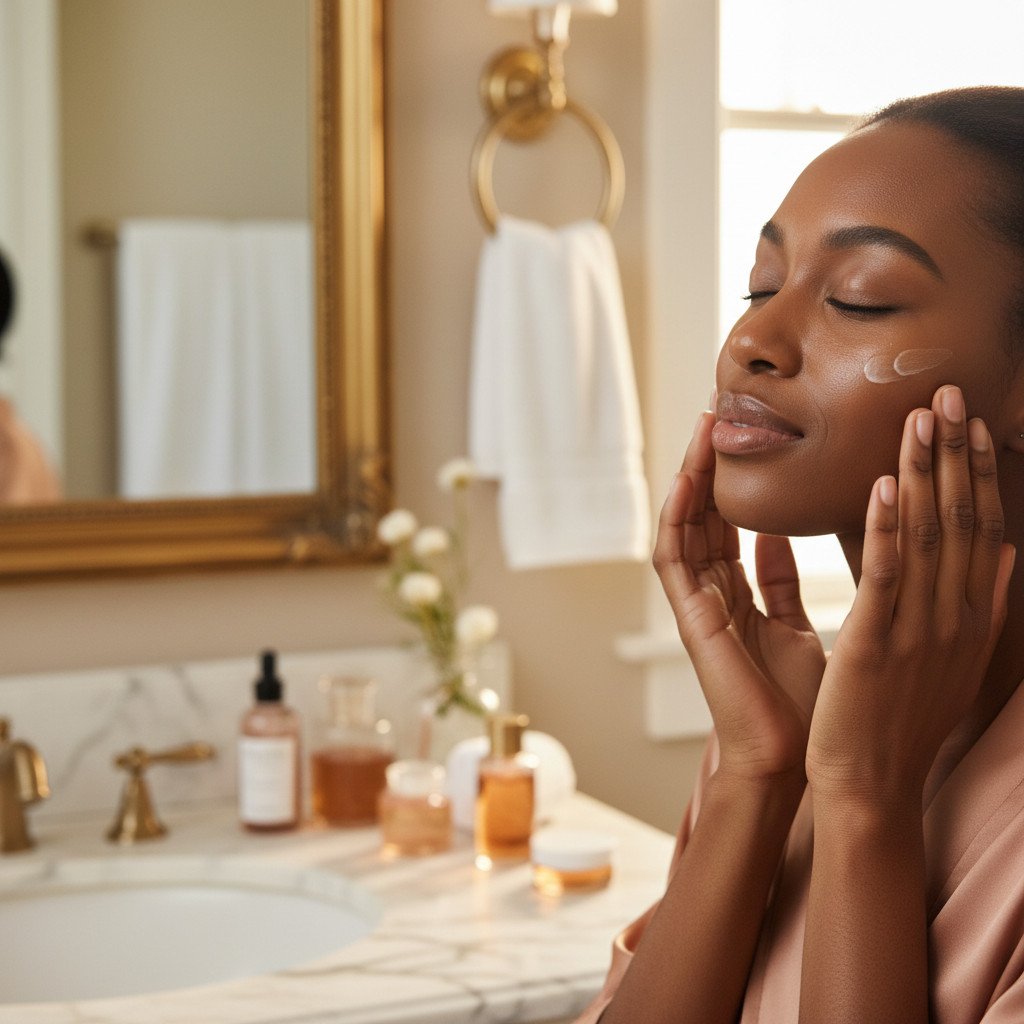
- Post-Inflammatory Hyperpigmentation (PIH) Risk (Indirect): While microcurrent itself won’t cause PIH, any irritation or inflammation on melanin-rich skin can trigger it. Therefore, ensuring proper technique, using plenty of conductive gel to prevent friction, and avoiding use on active breakouts or compromised skin is even more critical to prevent any potential irritation that could lead to PIH.
- Skin Barrier Health: Melanin-rich skin can sometimes be prone to transepidermal water loss. Ensuring the skin barrier is healthy and hydrated before and after microcurrent treatment is important. Use gentle cleansers and follow up with nourishing moisturizers.
In essence, while microcurrent offers a safe and effective option for many, it’s crucial to be an informed and responsible user. Always read your device’s instruction manual thoroughly, pay attention to all warnings and contraindications, and when in doubt, consult with a trusted healthcare professional or dermatologist. Your well-being should always be the top priority in your beauty journey.
Other Lower-Risk At-Home Tech Categories for Melanin-Rich Skin
Beyond microcurrent, the landscape of at-home beauty devices includes several other categories that are generally considered lower-risk and tone-agnostic, making them excellent choices for individuals with melanin-rich skin. These technologies operate without targeting melanin, thus minimizing the risk of pigmentary changes like hyperpigmentation or hypopigmentation. Understanding these alternatives and how they complement each other can help you build a comprehensive and safe at-home beauty regimen.
LED Light Therapy (Specific Wavelengths)
While some forms of light therapy can be risky for darker skin tones, specific wavelengths of LED (Light Emitting Diode) light therapy are largely tone-agnostic and highly beneficial. Melanin does not significantly absorb red and near-infrared light, allowing these wavelengths to penetrate the skin and stimulate cellular processes without affecting pigment.
- How it works: LED devices emit specific wavelengths of light that are absorbed by different chromophores in the skin (other than melanin).
- Red Light (around 630-700nm): Penetrates the dermis to stimulate fibroblasts, which produce collagen and elastin. It can help reduce inflammation, improve circulation, and promote wound healing. For melanin-rich skin, this translates to improved skin firmness, reduced appearance of fine lines, and a more even, radiant tone through enhanced cellular health, not pigment alteration.
- Near-Infrared Light (around 800-900nm): Penetrates even deeper than red light, reaching muscle and bone. It’s known for its anti-inflammatory and pain-relieving properties, and can further boost cellular repair and circulation.
- Blue Light (around 400-470nm): Primarily targets acne-causing bacteria (P. acnes). While generally safe, some caution is advised with very intense blue light on darker skin, as prolonged exposure could theoretically stimulate melanin production in very sensitive individuals, though this is less common than with other light sources. Most at-home blue LED devices are low intensity and safe.
- Benefits for Melanin-Rich Skin: Reduced inflammation (beneficial for acne and PIH prevention), improved collagen production for firmness, enhanced healing, and a more radiant complexion. It’s an excellent complementary therapy for overall skin health.
- Considerations: Ensure the device is from a reputable brand and offers clinically proven wavelengths. Consistency is key, similar to microcurrent.
For more in-depth information, you can explore our dedicated article on this topic: LED Light Therapy At Home On Dark Skin: Safety and Expectations.
Manual Tools: Facial Rollers and Gua Sha
These ancient tools rely on physical manipulation and massage, making them entirely tone-agnostic and universally safe for all skin types. They offer a soothing, ritualistic approach to skincare.
- How they work:
- Facial Rollers (e.g., jade, rose quartz): Used to gently massage the face, promoting lymphatic drainage, reducing puffiness, and improving blood circulation. The cool stone can also help to calm and de-puff the skin.
- Gua Sha Tools: These flat, often sculpted stones are used with more pressure and specific scraping motions to release tension in facial muscles, improve circulation, and enhance lymphatic flow. They can provide a deeper massage than rollers.
- Benefits for Melanin-Rich Skin: Reduced puffiness, improved circulation for a healthy glow, tension relief in facial muscles (which can contribute to lines), and enhanced absorption of topical products. They are particularly beneficial for promoting relaxation and self-care.
- Considerations: Always use with a facial oil or serum to ensure smooth glide and prevent tugging. Clean tools regularly. Be gentle, especially around delicate areas.
To learn more about these manual tools, visit: Rollers, Gua Sha, and Manual Tools: What They Really Do.
Facial Steamers
Facial steamers provide a gentle and hydrating way to prepare the skin for further treatments, and their mechanism is entirely independent of skin tone.
- How it works: Steam opens up pores, softens the skin, and helps to loosen dirt, oil, and impurities. It also increases blood circulation to the face.
- Benefits for Melanin-Rich Skin: Enhanced cleansing, improved product absorption (especially for masks and serums applied post-steam), increased hydration, and a relaxing experience. It can be particularly helpful for preparing the skin for extractions (if done carefully) or for maximizing the benefits of a hydrating mask.
- Considerations: Do not over-steam, as excessive heat can potentially lead to irritation or dryness. Maintain a safe distance from the steam nozzle to prevent burns. Always cleanse skin thoroughly after steaming.
For a detailed guide on facial steamers and heat on dark skin, see: Facial Steamers and Heat on Dark Skin: When to Use and When to Skip.
Table: Tone-Agnostic Tech Overview
Here’s a quick comparison of these lower-risk, tone-agnostic technologies:
| Device Type | Why Tone-Agnostic? | What to Expect (Realistic) |
|---|---|---|
| Microcurrent | Works on muscle re-education and cellular ATP; does not target melanin. | Subtle lift, improved facial tone, reduced puffiness, enhanced radiance with consistent use. |
| LED Light Therapy (Red/NIR) | Melanin does not significantly absorb red/NIR light; targets cellular processes. | Reduced inflammation, improved collagen production, enhanced healing, overall skin health. |
| Facial Rollers & Gua Sha | Physical massage and lymphatic drainage; no interaction with melanin. | Reduced puffiness, improved circulation, tension relief, enhanced product absorption. |
| Facial Steamers | Hydrates and softens skin with heat; no interaction with melanin. | Enhanced cleansing, improved product absorption, temporary hydration, relaxation. |
By integrating these tone-agnostic technologies into your routine, you can safely and effectively address a variety of skincare concerns, supporting the health and beauty of your melanin-rich skin without the risks associated with pigment-targeting devices. Always remember to research thoroughly, follow manufacturer instructions, and listen to your skin’s unique needs.
How to Navigate This Topic
Navigating the complex world of at-home beauty devices, especially for those with melanin-rich skin, requires a strategic and informed approach. The sheer volume of products, marketing claims, and anecdotal evidence can be overwhelming. Our aim at Black Beauty Basics is to equip you with a framework for critical thinking and decision-making, ensuring that your journey into beauty technology is both safe and rewarding.
1. Prioritize Safety Above All Else
This cannot be overstated. For melanin-rich skin, the risk of post-inflammatory hyperpigmentation (PIH) from irritation or improper device use is a significant concern. Always start with the most conservative approach:
- Understand the Mechanism: Before considering any device, understand *how* it works. Does it use light, heat, electrical current, or physical manipulation? Does its mechanism directly or indirectly interact with melanin? If it targets melanin, proceed with extreme caution and professional guidance only.
- Check for Tone-Agnostic Claims: Look for devices explicitly marketed as safe for all skin tones, and then critically evaluate *why* they claim to be tone-agnostic. Is it because they don’t target melanin (like microcurrent or specific LED wavelengths) or because they use advanced technology to mitigate risks (like some newer RF or laser devices)?
- Read Contraindications: Thoroughly review the contraindications listed by the manufacturer. If you have any medical conditions, implanted devices, or are pregnant, err on the side of caution and consult a healthcare professional.
- Patch Test: Always, always patch test any new device on an inconspicuous area of your skin (e.g., behind the ear or on the neck) for several days before applying it to your entire face. Monitor for any signs of redness, irritation, itching, or discoloration.
2. Set Realistic Expectations
The beauty industry often thrives on aspirational imagery and promises of dramatic results. It’s crucial to filter these claims through a lens of realism:
- Subtle, Cumulative Results: Most at-home devices, especially those considered lower-risk, deliver subtle and cumulative results. They are not replacements for in-office procedures or surgery. Expect gradual improvements over weeks and months of consistent use, not overnight transformations.
- Maintenance is Key: The benefits of many at-home devices, particularly microcurrent, are temporary and require ongoing maintenance. Think of them as part of a continuous self-care ritual, not a one-time fix.
- Complement, Don’t Replace: At-home devices should complement a solid skincare routine (cleansing, moisturizing, SPF) and a healthy lifestyle, not replace them. They can enhance the efficacy of your topical products but won’t compensate for poor basic care.
3. Research Thoroughly and Critically
Don’t rely solely on marketing materials or influencer endorsements. Dig deeper:
- Seek Independent Reviews: Look for reviews from diverse sources, including those with melanin-rich skin. Pay attention to consistent themes regarding efficacy, ease of use, and any reported side effects.
- Consult Scientific Literature (if comfortable): If you’re inclined, look for clinical studies or scientific papers on the technology. While most at-home devices won’t have extensive peer-reviewed research specific to their exact model, the underlying technology (e.g., microcurrent, LED wavelengths) often does.
- Understand the Brand: Research the brand behind the device. Do they have a reputation for quality, safety, and customer support? Do they specifically address the needs of diverse skin tones?
4. Consider Your Lifestyle and Commitment
An expensive device gathering dust in your cabinet is not an investment; it’s a wasted expense. Be honest with yourself about your commitment level:
- Time Commitment: Most devices require consistent use for weeks or months to see results, often daily or several times a week. Do you have the time and discipline to integrate this into your routine?
- Cost-Benefit Analysis: Weigh the initial cost of the device (and any ongoing costs like conductive gels or replacement parts) against the realistic benefits you expect to receive. Could that money be better spent on professional treatments or high-quality topical skincare?
5. Consult Professionals When in Doubt
If you have specific skin concerns, medical conditions, or are unsure about a device’s suitability, a professional opinion is invaluable:
- Dermatologist: A board-certified dermatologist, especially one experienced with melanin-rich skin, can provide personalized advice on whether a particular device is safe and appropriate for your skin concerns.
- Esthetician: A knowledgeable esthetician who offers similar in-office treatments (e.g., microcurrent facials) can offer insights into the technology and help you understand what to expect from at-home versions.
By adopting this thoughtful and critical approach, you can confidently navigate the world of at-home beauty devices, selecting tools that genuinely support the health and radiance of your melanin-rich skin, without falling prey to hype or unnecessary risks. Your beauty journey is personal, and empowering yourself with knowledge is the most beautiful step you can take.
Where to Go Next
Your journey into understanding at-home beauty devices for melanin-rich skin doesn’t end here. This article has provided a foundational understanding of microcurrent and other tone-agnostic technologies, emphasizing safety, realistic expectations, and practical application. To further enrich your knowledge and explore related topics, we encourage you to delve into other valuable resources within the Black Beauty Basics ecosystem. Each link below offers a deeper dive into specific areas, building upon the principles discussed here and providing a holistic view of beauty and wellness tailored for our community.
To continue your exploration of at-home beauty devices and treatments, we recommend visiting the main hub for this cluster, which provides an overview of various technologies and their suitability for melanin-rich skin:
- At-Home Devices for Dark Skin: LED, Microcurrent, Rollers, Steamers: Explore the full cluster of articles on various devices and their implications for melanin-rich skin.
For a broader perspective on beauty devices and treatments, including professional options and general considerations for darker skin tones, our parent pillar offers comprehensive insights:
- Beauty Devices and Treatments for Dark Skin: Discover a wide range of topics covering both at-home and in-office treatments, ensuring you make informed choices for your skin.
To delve deeper into specific types of at-home devices within this cluster, consider these sibling articles:
- LED Light Therapy At Home On Dark Skin: Safety and Expectations: Understand the nuances of LED light therapy, distinguishing safe wavelengths from risky ones for melanin-rich skin.
- Rollers, Gua Sha, and Manual Tools: What They Really Do: Learn about the benefits and proper techniques for these ancient, tone-agnostic tools that offer gentle yet effective skin benefits.
- Facial Steamers and Heat on Dark Skin: When to Use and When to Skip: Get clear guidance on incorporating facial steaming into your routine, understanding its benefits and potential pitfalls for darker skin tones.
- Home RF, Lasers, and Hair Removal Devices for Dark Skin: Where to Draw the Line: Navigate the higher-risk category of devices, understanding which ones to approach with extreme caution or avoid entirely due to melanin interaction.
To further enhance your skincare knowledge and support your overall skin health, consider these related articles:
- Barrier Repair and Moisture Balance: A healthy skin barrier is fundamental to effective skincare. Learn how to protect and restore your skin’s natural defenses, crucial for melanin-rich skin.
- Pre- and Post-Hair Removal Care for PIH-Prone Skin: Understand how to prevent and manage post-inflammatory hyperpigmentation around hair removal, a common concern for darker skin tones.
- Permanent and Semi-Permanent Hair Removal: Explore the various options for long-term hair removal, with a focus on methods safe and effective for melanin-rich skin.
By exploring these interconnected resources, you’ll gain a comprehensive and nuanced understanding of how to best care for your melanin-rich skin, making informed decisions that prioritize both beauty and well-being. Each article is crafted with the unique needs and concerns of our community in mind, empowering you with knowledge and confidence.
Quick Principles
Navigating the world of beauty devices, especially for melanin-rich skin, can be complex. To distill the wealth of information into actionable wisdom, here are some quick principles to guide your decisions and ensure your beauty journey is both safe and effective:
- Melanin is a Priority: Always remember that melanin is a primary chromophore in the skin. Any device that works by targeting pigment or generating significant heat in the epidermis carries a higher risk of hyperpigmentation or burns for darker skin tones. Prioritize devices that are explicitly tone-agnostic.
- “Tone-Agnostic” Means No Melanin Interaction: A truly tone-agnostic device operates independently of skin pigment. Microcurrent, specific LED wavelengths (red/NIR), manual tools, and steamers fall into this category because their mechanisms do not rely on melanin absorption. This significantly reduces the risk of pigmentary side effects.
- Microcurrent is About Subtle Toning, Not Dramatic Reshaping: Set realistic expectations for microcurrent. It’s a gentle tool for muscle re-education, improved tone, and enhanced cellular function. Expect subtle lifting, improved contour, and a more radiant complexion with consistent use, not a surgical-level transformation.
- Consistency is the Cornerstone of At-Home Device Efficacy: Whether it’s microcurrent, LED, or manual tools, at-home devices require consistent, long-term commitment to see and maintain results. Sporadic use will yield minimal to no benefit. Integrate them into a regular routine.
- Conductive Gel is Non-Negotiable for Microcurrent: Never use a microcurrent device without a generous layer of water-based, oil-free conductive gel. It ensures proper current delivery, prevents uncomfortable sensations, and allows for smooth glide, protecting your skin barrier.
- Clean Skin is Essential: Always start with thoroughly cleansed skin. Makeup, dirt, and oils can impede device efficacy and potentially introduce impurities.
- Know Your Contraindications: Before using any electrical device, thoroughly review its contraindications. Avoid microcurrent if you have a pacemaker, are pregnant, have active cancer, epilepsy, or open wounds. When in doubt, consult a healthcare professional.
- Listen to Your Skin: Your skin is your best indicator. If you experience any discomfort, stinging, excessive redness, or irritation, stop immediately. Re-evaluate your technique, product, or device.
- Complement, Don’t Replace, Foundational Skincare: At-home devices are enhancements, not substitutes, for a solid basic skincare routine (gentle cleansing, hydration, and daily SPF) and a healthy lifestyle.
- Research Beyond the Hype: Be a critical consumer. Don’t rely solely on marketing claims or influencer endorsements. Seek out independent reviews, understand the science, and consider your own needs and commitment level.
- Professional Guidance is Invaluable: For significant skin concerns, medical conditions, or if you’re unsure about a device, consult a board-certified dermatologist or a knowledgeable esthetician experienced with melanin-rich skin.
By keeping these principles in mind, you can confidently navigate the exciting world of at-home beauty technology, making choices that empower your self-care ritual and celebrate the inherent beauty of your melanin-rich skin.
Frequently Asked Questions
What does “tone-agnostic” mean for beauty devices?
Tone-agnostic means a beauty device’s mechanism of action does not primarily target or interact with melanin, the pigment responsible for skin color. This makes these devices generally safer for all skin tones, including melanin-rich skin, as they carry a lower risk of causing pigmentary changes like hyperpigmentation or hypopigmentation.
Is microcurrent safe for melanin-rich skin?
Yes, microcurrent is widely considered safe for melanin-rich skin. It operates by delivering low-level electrical currents to re-educate facial muscles and stimulate cellular activity, a process that does not involve melanin absorption. This makes it a tone-agnostic technology with a very low risk of causing pigmentary issues.
What kind of results can I realistically expect from at-home microcurrent?
With consistent use, you can realistically expect subtle improvements in facial tone and contour, a reduction in the appearance of fine lines, decreased puffiness, and an overall enhancement in skin radiance and vitality. Microcurrent provides a gentle lift and toning effect, but it will not deliver dramatic, surgical-level transformations or erase deep wrinkles.
Why do I need conductive gel for microcurrent devices?
Conductive gel is essential because it facilitates the flow of the low-level electrical current from the device probes into your skin. Without it, your skin acts as an insulator, preventing the current from penetrating effectively and potentially causing uncomfortable stinging sensations. It also ensures smooth glide, preventing skin tugging.
Can microcurrent help with hyperpigmentation on dark skin?
Microcurrent does not directly treat hyperpigmentation. While its benefits of improved circulation and cellular health can contribute to a more even and radiant complexion over time, it is not a primary treatment for dark spots or uneven skin tone. For hyperpigmentation, focus on targeted topical treatments and sun protection.
Are there any conditions where I should avoid microcurrent?
Yes, you should avoid microcurrent if you have a pacemaker or other implanted electronic devices, are pregnant, have active cancer or tumors, epilepsy, or open wounds/active skin infections. Always consult the device’s contraindications and speak with a healthcare professional if you have any underlying medical conditions.
What other at-home beauty devices are considered safe for melanin-rich skin?
Other generally safe and tone-agnostic at-home devices include specific wavelengths of LED light therapy (red and near-infrared light), manual tools like facial rollers and Gua Sha, and facial steamers. These devices work through mechanisms that do not target or rely on melanin, minimizing the risk of adverse pigmentary effects.
Shop microcurrent device for face on Amazon.
Shop conductive gel for microcurrent on Amazon.
Shop red light therapy mask on Amazon.
INTERNAL LINKING OPPORTUNITIES
At-Home Devices for Dark Skin: LED, Microcurrent, Rollers, Steamers
Beauty Devices and Treatments for Dark Skin
LED Light Therapy At Home On Dark Skin: Safety and Expectations
Rollers, Gua Sha, and Manual Tools: What They Really Do
Facial Steamers and Heat on Dark Skin: When to Use and When to Skip
Home RF, Lasers, and Hair Removal Devices for Dark Skin: Where to Draw the Line
Barrier Repair and Moisture Balance
Pre- and Post-Hair Removal Care for PIH-Prone Skin
Permanent and Semi-Permanent Hair Removal
Related next steps
Related posts:
 Vitamin C on Melanin-Rich Skin: Glow, Tone, and Sensitivity
 Retinoids for Uneven Tone on Melanin-Rich Skin: A Gentle, Informed Approach
 Facial Hyperpigmentation on Melanin-Rich Skin: Acne Marks, Melasma & Uneven Tone
 Uneven Tone Around the Mouth and Jawline on Dark Skin
 Dark Knees and Elbows on Dark Skin: Texture and Tone Together
 Using AI Skin Tools Safely on Melanin-Rich Skin