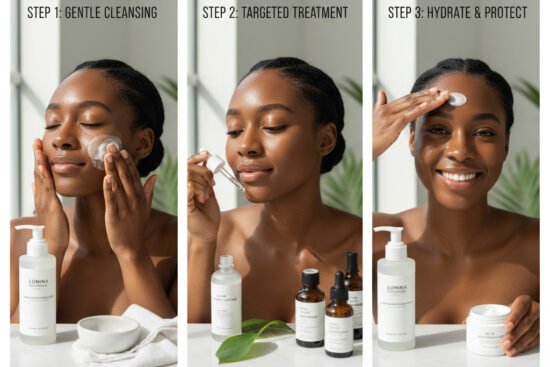
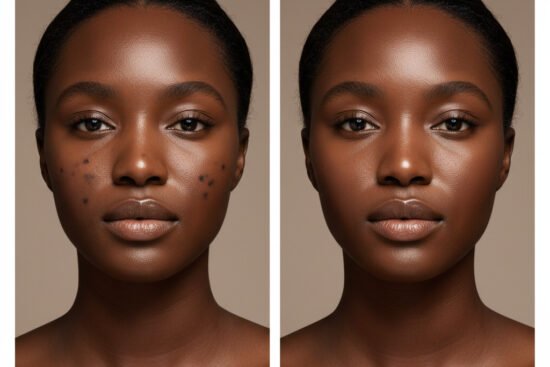
With this guide I explain how AHAs exfoliate the surface, BHAs clear pores, and PHAs offer gentler, hydrating exfoliation, so you can choose products safely. I highlight that these acids can cause irritation and increase sun sensitivity, and I advise that you patch-test and apply daily sunscreen to protect your skin.
Key Takeaways:
- AHAs (glycolic, lactic) are water-soluble exfoliants that brighten and improve texture; best for dry, sun-damaged, or uneven skin.
- BHAs (salicylic acid) are oil-soluble, penetrate pores to reduce sebum and acne; ideal for oily and acne-prone skin.
- PHAs (gluconolactone, lactobionic acid) have larger molecules, offer gentler exfoliation and hydration for sensitive skin.
- Effectiveness depends on formulation pH and concentration; common OTC ranges: AHAs ~5-10%, BHAs ~0.5-2%, PHAs often 4-10%.
- Introduce acids gradually (patch test, start every few days) to assess tolerance and minimize irritation.
- Acids increase sun sensitivity-use broad-spectrum sunscreen daily and avoid excessive daytime sun exposure.
- Be cautious combining strong actives (retinoids, vitamin C, multiple acids); layer thoughtfully or alternate nights to reduce irritation.
Understanding Acids
I focus on pH, concentration, and solubility to choose the right acid: water-soluble AHAs target the surface, oil-soluble BHAs penetrate sebum-filled pores, and larger PHAs provide gentle exfoliation plus humectant benefits. I track typical numbers-OTC glycolic 5-10%, salicylic usually 2%-and I always stress daily SPF because AHAs increase sun sensitivity, while PHAs offer a lower-irritation alternative for sensitive skin.
What are AHAs?
I use AHAs (glycolic, lactic) to speed surface cell turnover and improve tone and texture; glycolic is the smallest AHA and works well at 5-10% in OTC serums, whereas lactic is gentler and adds hydration. If your skin is dry, sun-damaged, or uneven, I recommend starting with lower concentrations and building to avoid flaking and heightened photosensitivity.
What are BHAs?
I pick BHAs-primarily salicylic acid-when oil, blackheads, or inflammatory acne are present because its oil solubility lets it reach and exfoliate inside the pore. Most over-the-counter treatments use 2% salicylic, which is keratolytic and anti-inflammatory; you should pair it with a soothing moisturizer to counter potential dryness and irritation.
I also note that 2% salicylic is the concentration most clinical studies and formulations favor for lesion reduction and comedone clearance; in practice I combine it with benzoyl peroxide or topical retinoids cautiously. If you have a salicylate allergy or are pregnant, avoid high-concentration or large-area use-overuse raises irritation and systemic absorption risks.
What are PHAs?
I recommend PHAs like gluconolactone and lactobionic when sensitivity or rosacea limits AHA/BHA use: their larger molecules exfoliate more mildly, act as humectants, and provide antioxidant support. Formulas commonly contain about 4-12% PHA, and I find patients can often use them daily with less downtime than stronger AHAs.
In my experience PHAs improve hydration and reduce transepidermal water loss while still smoothing texture and addressing mild pigmentation; I frequently layer them with vitamin C or niacinamide for added benefit. Even so, go slow-PHAs are gentler but not inert, and overuse can still cause redness, so monitor your skin and maintain SPF.
Benefits of Using Acids
I use acids because they deliver measurable results: AHAs (glycolic, lactic) smooth texture and boost cell turnover, BHAs (salicylic) unclog pores and reduce breakouts, and PHAs gently hydrate while exfoliating. Typical OTC ranges are glycolic 5-10% and salicylic 0.5-2%. I advise starting low and slowly increasing frequency; AHAs can increase sun sensitivity, so daily SPF is non-negotiable when you’re using them.
Exfoliation
I rely on AHAs for surface exfoliation-glycolic and lactic dissolve intercellular glue to reveal brighter skin-while PHAs like gluconolactone provide a gentler option for sensitive skin. For daily maintenance, formulations in the 5-10% glycolic range work well; professional peels use higher concentrations under supervision. I usually recommend spacing treatments to avoid irritation and pairing with a hydrating cream.
Acne Treatment
I turn to salicylic acid for acne because its oil-soluble nature lets it penetrate sebum and dissolve comedones; OTC products typically contain 0.5-2% salicylic acid. You can use a leave-on treatment once daily for oily or acne-prone areas, and many people see fewer blackheads and smaller breakouts within weeks when combined with consistent cleansing.
In practice I advise starting at the lower end (0.5%) and building to 2% if tolerated, especially if you’re also using retinoids. Overuse can lead to dryness and barrier compromise, so I recommend alternating nights, adding a barrier-repair moisturizer, and avoiding concurrent harsh physical exfoliants to prevent irritation.
Anti-Aging Properties
I include AHAs in anti-aging routines because they stimulate epidermal renewal and can improve fine lines and pigmentation; many users notice texture and tone improvements within 4-12 weeks. PHAs add humectant benefits and antioxidant support for mature or reactive skin. I often suggest combining acids with sunscreen and a moisturizer to protect and amplify results.
When pursuing stronger anti-aging effects I point clients to professional options-chemical peels with higher glycolic concentrations (20-70%)-performed in-office for collagen stimulation. At home, I recommend steady, moderate-strength use plus sunscreen and occasional professional treatments for deeper remodeling while minimizing risk.
How to Incorporate Acids into Your Skincare Routine
I build routines around goals: start with a low-concentration product and add SPF 30+ every day because acids increase sun sensitivity. I recommend patch-testing for 48 hours and choosing single-active products first-use a 5-10% glycolic or 2% lactic for texture, or 0.5-2% salicylic for congestion-then progress after 4-6 weeks based on tolerance and visible results.
Choosing the Right Product
I match acids to skin type: oily/acne-prone skin benefits from 0.5-2% salicylic acid (BHA), dry or textured skin from 5-12% glycolic or 5-10% lactic (AHAs), and sensitive/reactive skin from 4-10% PHA like gluconolactone. I look at pH (effective formulas usually pH 3-4 for AHAs, ~3 for BHAs) and avoid multi-acid blends until you know your tolerance.
Layering Techniques
I follow product texture and pH: apply thin, water-based acids first (toner/serum), let absorb 30-60 seconds, then thicker serums and oils. I avoid combining strong acids with potent actives in the same step to reduce irritation and keep a simple AM/PM split when introducing new ingredients.
I also use spacing: wait 10-20 minutes between a low-pH acid and vitamin C or a retinoid to minimize pH-driven loss of efficacy and irritation. For example, I apply 2% salicylic toner, wait 15 minutes, then a niacinamide serum; when using a tretinoin prescription, I reserve acids for alternate nights to prevent excessive peeling.
Frequency of Use
I start low and slow: begin with 1-2 nights per week for the first 2-4 weeks, then increase to 3 nights as tolerated; daily use is acceptable for 0.5-2% BHA or low-dose PHA but not for high-concentration AHAs. I track improvements over 6-12 weeks before changing products.
If I see persistent redness, stinging, or compromised skin barrier, I stop acids and use a gentle moisturizer and barrier-repair product for 1-2 weeks. In one case, switching from nightly 10% glycolic to twice-weekly 5% lactic preserved results while eliminating chronic irritation.
Potential Side Effects and Precautions
I track common reactions so you can use acids safely: irritation, stinging, and chemical burns are possible if concentrations or frequency are too high. Start low-AHAs often work at 5-10% OTC, BHAs at 0.5-2%-and increase gradually, using a patch test for 24-48 hours. I advise avoiding simultaneous use of strong retinoids or professional peels without downtime, and to stop use if you develop severe redness, blistering, or persistent pain.
Skin Sensitivity
I see sensitive skin react with redness, flaking, or tightness when acids are overused; PHAs like gluconolactone tend to be gentler for reactive skin. I recommend starting every third night and tracking response for two weeks. Perform a patch test on the inner forearm for 48 hours, and reduce frequency or switch to lower concentrations (e.g., 5% glycolic or 1% salicylic) if you get persistent irritation.
Importance of SPF
I emphasize that acids-especially AHAs-raise photosensitivity, increasing UV damage risk for days after use. Apply a broad-spectrum SPF 30+ daily and reapply every two hours outdoors; combine sunscreen with physical barriers like hats. If you skip protection, you undermine exfoliation benefits and elevate sunburn and hyperpigmentation risk.
I prefer recommending mineral sunscreens (zinc oxide or titanium dioxide) for post-acid skin because they’re less likely to irritate freshly exfoliated skin. Use the standard application amount (~2 mg/cm², roughly a 1/4 teaspoon for face) and layer sunscreen under makeup. When planning professional peels, I advise maintaining strict sun avoidance and SPF use for at least 7-14 days afterward to reduce complications and pigmentation.
Common Misconceptions About Acids
Misunderstanding Their Strength
I often see people assume higher percent equals safer results; in reality, effective OTC glycolic ranges around 5-10% while professional peels run 20-70%, and salicylic is typically 0.5-2% OTC. pH matters too – lower pH increases activity, so a 5% AHA at pH 3 is stronger than 10% at pH 4.5. If you use high concentrations without guidance you risk over-exfoliation and chemical burns, so I recommend patch testing and gradual introduction.
Myths vs. Facts
I hear the myth that acids permanently thin skin; clinical data show acids increase cell turnover and can stimulate collagen over time, so they don’t cause lasting thinning. Another common belief is that you can’t mix acids with retinoids – mixing strong actives can increase irritation, so I advise alternating nights or starting at 2-3 times per week and building up. Always pair with SPF 30+ daily because acids increase sun sensitivity.
For practical context, I recommend 2% salicylic for oily, acne-prone skin and a PHA (4-12%) if you’re sensitive; perform a 24-48 hour patch test, introduce one product at a time, and keep hydrating partners like niacinamide or hyaluronic acid to reduce irritation while you establish tolerance.
Recommendations for Beginners
I would recommend starting slowly: try a low‑strength AHA (5-8% glycolic) or a 0.5-2% BHA for congestion, and consider a 4-8% PHA if your skin is reactive. I patch test for 24-48 hours, introduce one product every 2-3 weeks, and use SPF 30+ daily because acids increase photosensitivity. I usually start clients at once or twice weekly and increase only if there’s no irritation.
Best Products to Start With
I suggest beginning with simple, well‑formulated options: a 5-7% glycolic tonic for texture, a 0.5-2% salicylic serum for clogged pores, and a 4-8% gluconolactone cream for gentleness. For example, a glycolic 7% toner and a 2% BHA liquid are easy to source and effective; use each product 1-3 times weekly and track your skin’s response for 2-4 weeks before increasing frequency.
- AHAs: 5-7% glycolic toner for smoothing and brightening.
- BHAs: 0.5-2% salicylic serum for blackheads and oily zones.
- PHAs: 4-8% gluconolactone cream if you have reactivity or eczema.
- Any sunscreen SPF 30+ daily to prevent UV damage and pigmentation.
Tips for Sensitive Skin
If your skin is sensitive I recommend starting with a PHA at 4-6% or a buffered AHA at 5% once weekly, keeping routines minimal, and prioritizing barrier repair with ceramides and glycerin. I increase usage every 7-14 days only if there’s no burning or persistent redness; if you see prolonged stinging I advise stopping the acid and focusing on moisturization until calm.
I also advise avoiding simultaneous use of strong actives-don’t layer acids with retinoids or high‑strength vitamin C during the initial buildup. I find PHAs penetrate less due to larger molecules, so studies and clinical experience show they cause less irritation in up to 30-50% of reactive users compared with AHAs. I patch test new products on my jawline for 48 hours and adjust based on visible response.
- PHAs: choose for lower irritation and barrier support.
- AHAs: start at 5% if you tolerate them, avoid daily use initially.
- BHAs: limit to oily or acne‑prone spots at 0.5-2% to reduce flare risk.
- Any sunscreen and gentle moisturizer should be non‑negotiable when using acids.
To wrap up
As a reminder I’ve explained how AHAs target surface texture, BHAs clear pores, and PHAs offer gentler exfoliation, and I advise you to start low, patch test, and always use sunscreen when combining acids; with measured use and attention to your skin’s response, you can safely improve texture, tone, and clarity.
FAQ
Q: What are AHAs, BHAs, and PHAs?
A: Alpha hydroxy acids (AHAs) are water‑soluble acids like glycolic and lactic acid that exfoliate the skin surface and improve texture and brightness. Beta hydroxy acid (BHA), primarily salicylic acid, is oil‑soluble so it penetrates pores to clear sebum and blackheads. Polyhydroxy acids (PHAs) such as gluconolactone and lactobionic acid are larger molecules that provide gentle exfoliation plus humectant and antioxidant benefits, making them milder on sensitive skin.
Q: How do AHAs, BHAs, and PHAs differ in effects and penetration?
A: AHAs remove dead surface cells and stimulate mild cell turnover, improving fine lines and pigmentation; BHAs dissolve oil and debris inside pores, helping acne and congestion; PHAs offer surface exfoliation with less irritation, attract moisture, and can help with barrier repair. Molecular size and solubility determine depth and target: small, water‑soluble AHAs act superficially; oil‑soluble BHA reaches follicles; large PHAs act gently at the surface and support hydration.
Q: Which type should I use for my skin type?
A: Oily, acne‑prone skin: start with a BHA (0.5-2% salicylic acid) to reduce breakouts and unclog pores. Dry or sun‑damaged skin: an AHA (lactic or glycolic, lower concentrations to start) helps with flakiness and dullness. Sensitive, rosacea‑prone, or barrier‑compromised skin: PHAs are usually best due to gentler action and moisturizing properties. Combination skin: use targeted treatments (BHA in T‑zone, AHA or PHA on dry areas) or alternate nights.
Q: How do I introduce acids into my skincare routine safely?
A: Patch test a new acid product on a small area for 48 hours. Start with one application every 3-4 nights and increase frequency as tolerated. Use low concentrations initially, apply at night after cleansing, and follow with a hydrating product. Always use broad‑spectrum sunscreen in the morning-chemical exfoliation increases UV sensitivity. If irritation appears, reduce frequency, switch to a PHA or lower concentration, and apply a moisturizer to support the skin barrier.
Q: What concentrations and pH levels are appropriate for home use?
A: Over‑the‑counter ranges: AHAs often appear at 5-10% for daily products (glycolic can be higher in some formulations), lactic at 2-10%, BHAs commonly 0.5-2% salicylic acid, and PHAs typically 4-10%. Lower pH increases acidity and potency; many effective OTC exfoliants balance concentration and pH so they’re both effective and tolerable. Leave‑on treatments are stronger than wash‑off cleansers, so choose products suited to your tolerance and follow manufacturer guidance.
Q: Can I combine acids with other active ingredients like retinol or vitamin C?
A: Combining actives is possible but should be approached cautiously. Avoid layering strong acids with retinoids the same night if you are new to both-alternate nights or use one in the morning and one at night (acid at night, vitamin C in morning if tolerated). BHAs pair reasonably well with benzoyl peroxide for acne. Niacinamide is typically compatible and can soothe. Always patch test combinations and reduce frequency if you get burning, excessive peeling, or redness.
Q: What side effects should I watch for and how do I respond?
A: Common reactions include mild stinging, dryness, flaking, and transient redness; these often lessen with gradual introduction and moisturizing. Persistent burning, severe redness, blistering, or swelling suggests irritation or allergy-stop use and consult a dermatologist. Distinguish between initial purging (temporary increase in breakouts as pores clear) and true irritation; if unsure, pause the product for a week and reintroduce at lower frequency or concentration. Always protect skin with daily sunscreen to reduce post‑inflammatory pigmentation and sensitivity.
Related posts:
 Ultimate Guide to Skincare for African American Women
 The Ultimate Guide to Skincare for Black Women
 The Ultimate Guide to Skincare for Black Women
 Ultimate Guide to Skincare for African American Women
 The Ultimate Guide to Skincare for Black Women
 Achieving Flawless Skin – A Guide for African American Women