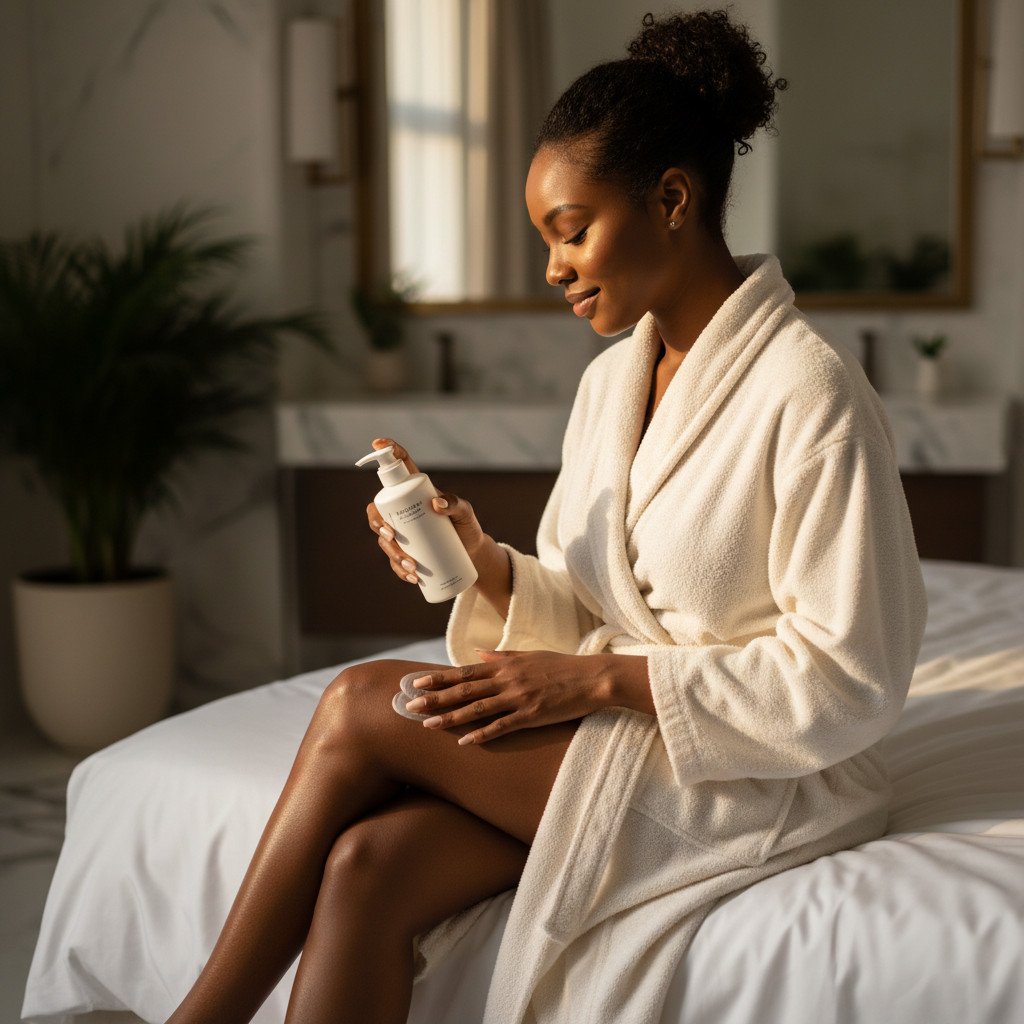
Dark Inner Thighs and Bikini Line: What Really Works on Dark Skin
For many women with melanin-rich skin, the journey through self-discovery and self-acceptance is often punctuated by subtle, yet persistent, insecurities. Among these, the natural darkening of the inner thighs and bikini line can be a source of quiet concern, sometimes even shame. Perhaps you’ve found yourself shying away from certain swimwear, reconsidering an outfit, or feeling a pang of self-consciousness during intimate moments. You are not alone. This experience is incredibly common within our community, and it is crucial to understand that your body is not flawed, nor is it ‘dirty’ or less attractive because of these natural variations in tone.
The beauty industry, unfortunately, often presents a narrow ideal, leading many to believe that uniform skin tone is the only acceptable standard. This pressure can push us towards quick fixes or harsh remedies that promise dramatic ‘lightening’ but often deliver irritation, damage, or even further hyperpigmentation, especially on our delicate, melanin-rich skin. You may have encountered countless DIY suggestions or products with dubious claims online, leaving you confused about what is safe, effective, and truly aligned with caring for your unique skin.
This comprehensive guide from Black Beauty Basics is designed to cut through the noise. We are here to offer you clarity, validation, and a path forward that prioritizes your skin’s health, dignity, and natural beauty. We will explore why these areas tend to darken, separate the myths from the facts, and provide a realistic, step-by-step approach to addressing concerns about darker inner thighs and bikini lines. Our focus is on gentle, sustainable care that works with your skin, not against it, allowing you to make informed choices without shame or the pursuit of unsafe shortcuts. Your body is magnificent, and any choice you make about its care should stem from a place of self-love and empowerment.
Why Inner Thighs and Bikini Line Darken on Melanin-Rich Skin
The skin on our bodies, particularly in areas prone to friction and repeated irritation, tells a story. For women with melanin-rich skin, this story often includes a natural predisposition to hyperpigmentation, a phenomenon where the skin produces excess melanin in response to inflammation or trauma. This is why darker inner thighs and bikini lines are so incredibly common. It’s not a sign of poor hygiene or a defect; it’s a characteristic of how our beautiful skin responds to its environment and daily life.
The primary culprit behind this darkening is often Post-Inflammatory Hyperpigmentation (PIH). This occurs when the skin experiences an injury or irritation, triggering melanocytes (the cells that produce melanin) to go into overdrive, leaving behind a darker spot or patch once the initial inflammation subsides. In the inner thigh and bikini area, these ‘injuries’ are rarely dramatic; they are often subtle, repetitive stresses that accumulate over time. Think of the constant rubbing of skin against skin, the friction from clothing, or the micro-traumas associated with hair removal. Each instance, however minor, can contribute to a cycle of darkening.
You might observe specific patterns: a darker tone along the panty line where underwear elastic rubs, shading between the thighs where skin naturally meets, or a more pronounced discoloration in areas frequently subjected to hair removal. These are classic signs of PIH in action. Beyond external factors, genetics play a significant role in our skin’s tendency to hyperpigment. Body shape, which influences skin-on-skin contact, and hormonal fluctuations (such as those during puberty, pregnancy, or with certain medical conditions like PCOS) can also contribute to increased melanin production in these sensitive zones. It is essential to understand that this is not simply about ‘taking better care’ in a superficial sense; it’s about acknowledging the complex interplay of biology, lifestyle, and environment that shapes our skin’s appearance. For a deeper dive into how PIH manifests and how long it typically takes to fade, you can explore our detailed PIH timeline & treatment post.
Step 1 – Reduce Friction and Everyday Irritation
When it comes to managing and improving the appearance of darker inner thighs and bikini lines, the first and most foundational step is to address the root cause: friction and everyday irritation. Imagine trying to paint a wall while someone is constantly scuffing it; you’ll never achieve a smooth, even finish. The same principle applies to your skin. If the friction and rubbing continue unabated, your skin will continuously receive signals to produce more melanin, making it incredibly challenging to see any significant or lasting progress in evening out your skin tone. This step is about creating a more harmonious environment for your skin to heal and regulate its melanin production.
Our daily lives are filled with opportunities for friction in these delicate areas. The constant rubbing of skin against skin, especially during walking, running, or working out, is a major contributor. The seams of our clothing, particularly those that are tight, rough, or made from synthetic materials, can also create micro-abrasions that trigger PIH. Even something as seemingly innocuous as rough drying after a shower can contribute to irritation. By consciously reducing these sources of friction, you are giving your skin a chance to calm down, reducing the inflammatory response that leads to darkening. This proactive approach is often more effective than any topical treatment alone, as it stops the cycle of irritation before it even begins. It’s an essential part of a holistic approach to body care and hair removal on dark skin.
- One of the simplest yet most effective strategies is to choose your undergarments wisely. Opt for seamless underwear made from soft, breathable fabrics like cotton. These minimize rubbing and allow your skin to breathe, reducing moisture buildup that can exacerbate friction.
- For those who experience thigh chafing, especially under dresses or skirts, incorporating longer bike shorts or anti-chafing garments can be a game-changer. These create a protective barrier between your thighs, preventing skin-on-skin contact and the resulting irritation. Look for options made from smooth, moisture-wicking materials. You can explore various options for anti-chafing shorts for women on Amazon or find seamless cotton underwear for women on Amazon.
- Pay attention to the fit and fabric of your everyday clothing. Avoid overly tight waistbands or rough seams that sit directly at the crease of your thigh or bikini line. Prioritize soft, natural fibers for sleepwear to ensure your skin is not subjected to unnecessary friction overnight.
- After bathing or sweating, resist the urge to vigorously rub your skin dry. Instead, gently pat the area with a soft towel. This small adjustment can make a significant difference in preventing micro-traumas that contribute to darkening. Allowing your skin to air dry completely before dressing can also help prevent moisture-related irritation.
Step 2 – Gentle Cleansing and Moisture for the Area
Once you’ve established strategies to reduce friction, the next crucial step in caring for your inner thighs and bikini line is to adopt a regimen of gentle cleansing and consistent moisture. It’s a common misconception that these areas require harsh scrubbing or potent, fragranced products to be ‘clean.’ In reality, the delicate skin in these zones, especially on melanin-rich bodies prone to PIH, thrives on a minimalist and nurturing approach. The goal is to support the skin’s natural barrier function, not to strip it or provoke further irritation.
It is vital to differentiate between the external skin of your inner thighs and bikini line, where body products can be carefully used, and the internal or mucosal surfaces of your genitals. The latter, including the labia minora and vaginal canal, are self-cleaning and extremely sensitive. They should never be subjected to harsh soaps, scrubs, or fragranced products. Our focus here is strictly on the external skin, the areas that are visible and prone to hyperpigmentation. By understanding this distinction, you can ensure that your care routine is both effective for addressing dark spots and safe for your overall intimate health. This philosophy aligns with our broader approach to skincare, emphasizing respect for the skin’s natural balance.
- When it comes to cleansing, ditch the harsh bar soaps or highly fragranced body washes that can strip your skin of its natural oils and disrupt its pH balance. Instead, opt for mild, fragrance-light cleansers specifically designed for body use or sensitive skin. Look for formulations that are pH-balanced and free from harsh sulfates. A gentle, creamy body wash or an oil-based cleanser can effectively remove impurities without causing dryness or irritation. Lather gently with your hands or a very soft cloth, then rinse thoroughly with lukewarm water.
- Immediately after bathing, while your skin is still slightly damp, apply a simple, non-irritating moisturizer. This step is paramount. Moisturizing helps to lock in hydration, support the skin’s barrier, and significantly reduce dryness, which can exacerbate friction and irritation. Choose a body lotion or cream that is free of strong fragrances, dyes, and common irritants. Ingredients like ceramides, hyaluronic acid, glycerin, and shea butter are excellent for nurturing the skin barrier. Consistent moisturizing creates a smoother surface, further minimizing the potential for chafing and helping the skin to heal and even out its tone over time.
- Absolutely avoid perfumed sprays, douches, or strong active ingredients directly on the delicate folds of the vulva or internal mucosal skin. These products can disrupt the natural flora, leading to irritation, infections, and further sensitivity. Keep your targeted treatments for hyperpigmentation strictly to the external skin of the inner thighs and bikini line, well away from these sensitive areas. When in doubt, err on the side of caution and consult with a healthcare professional.
Step 3 – Address Ingrowns and Hair-Removal Irritation
For many women with melanin-rich skin, the journey to smooth, even-toned inner thighs and bikini lines is often complicated by the persistent challenge of ingrown hairs and the irritation that accompanies various hair removal methods. These issues are not merely cosmetic; they are significant triggers for post-inflammatory hyperpigmentation (PIH) in these sensitive zones. Every ingrown hair, every razor bump, every instance of irritation from waxing or depilatories, represents a micro-trauma to the skin. And as we know, for our skin, trauma equals a signal to produce more melanin, leading to those stubborn dark spots.
It is crucial to understand that preventing ingrowns and irritation is far more effective, and ultimately less frustrating, than trying to aggressively treat dark spots after they have already formed. When the cycle of irritation is constantly being perpetuated by your hair removal routine, any efforts to fade existing PIH will be undermined by the creation of new dark spots. Therefore, a thoughtful, proactive approach to hair removal and ingrown hair management is not just a secondary concern; it is a foundational pillar in achieving and maintaining a more even skin tone in your inner thigh and bikini area. This step is about breaking the cycle of inflammation and allowing your skin the peace it needs to heal.
Reconsidering Your Hair Removal Method
The method you choose for hair removal, and perhaps more importantly, how you execute that method, can have a profound impact on the health and tone of your skin. Many common practices, while seemingly efficient, can inadvertently create repeated trauma that leads to ingrowns and PIH. Very close shaving, especially against the grain, can cause hair to retract and become trapped beneath the skin’s surface. Rushed waxing, particularly when the skin isn’t properly prepped or the technique is imperfect, can lead to hair breakage, follicle trauma, and subsequent inflammation. Dry shaving, or using dull blades, is a recipe for razor burn and irritation. Each of these scenarios sets the stage for the inflammatory response that results in darkening.
This is not to say you must abandon hair removal altogether, but rather to encourage a thoughtful re-evaluation of your current practices. Consider exploring gentler techniques or adjusting the frequency of your removal. Perhaps a switch from daily shaving to every other day, or from waxing every few weeks to sugaring, could make a significant difference. The goal is to minimize trauma to the hair follicle and surrounding skin, thereby reducing the triggers for PIH. Always prioritize safety and comfort over achieving an impossibly smooth finish at the expense of your skin’s health. For comprehensive guidance, our Body Care & Hair Removal pillar hub offers a wealth of information. You can also delve into specific strategies for shaving routines, waxing & sugaring considerations, and most importantly, ingrown hair prevention & management.

For shaving, ensure you’re using a sharp, clean razor, shaving with the grain of the hair, and using a generous amount of shaving cream or gel. Consider a single-blade razor, which can be less irritating than multi-blade options for those prone to ingrowns. After shaving, rinse with cool water and immediately apply a soothing, non-comedogenic moisturizer. For waxing or sugaring, always seek out experienced professionals who understand the unique needs of melanin-rich skin. Ensure they use high-quality products and proper technique to minimize skin lifting or irritation. If you’re using at-home methods, follow instructions meticulously and never apply wax to irritated or broken skin. Laser hair removal, while a larger investment, can be a long-term solution for reducing hair growth and, consequently, the incidence of ingrowns and PIH, provided it’s performed by a practitioner experienced with dark skin tones.
Calming Ingrowns and Irritation Early
Despite our best preventative efforts, ingrown hairs and irritation can still occur. When they do, the key is to address them swiftly and gently to prevent them from escalating into full-blown PIH. The temptation to pick, squeeze, or aggressively exfoliate an ingrown hair is strong, but these actions are almost guaranteed to worsen inflammation, introduce bacteria, and ultimately lead to a darker, more persistent spot. Our skin, especially melanin-rich skin, needs a calm and nurturing response to trauma, not further aggression.
Early soothing is paramount. As soon as you notice a red bump or a tender area, apply a cool compress to the affected zone. This helps to reduce inflammation and discomfort. Follow up with a gentle, non-comedogenic body moisturizer to keep the skin soft and supple, which can encourage the hair to emerge naturally. Look for moisturizers with anti-inflammatory ingredients like aloe vera or chamomile. Avoid tight clothing that might further irritate the area. While some over-the-counter exfoliants can be helpful, their use around the bikini line requires extreme caution. Gentle chemical exfoliants, such as those containing salicylic acid (BHA) or alpha hydroxy acids (AHAs), can help to loosen dead skin cells and free trapped hairs. However, on dark skin, overuse or high concentrations can easily backfire, leading to more irritation and darker PIH. If you choose to use an exfoliant, do so very gently, infrequently (perhaps once or twice a week), and always patch test first. Never apply exfoliants to broken or actively irritated skin. Remember, patience and consistency are your allies in managing PIH, as detailed in our PIH timeline post and our comprehensive guide to Ingrown Hair prevention & management.
For exfoliation, a soft physical tool can also be beneficial, but again, gentleness is key. A soft exfoliating washcloth can be used to very lightly buff the skin a few times a week, helping to prevent dead skin cell buildup that can trap hairs. Do not scrub vigorously. The aim is to gently encourage cell turnover, not to abrade the skin. You can find various options for a soft exfoliating washcloth for body on Amazon. If an ingrown hair appears to be infected (red, swollen, painful, with pus), do not attempt to extract it yourself. This can lead to scarring and deeper PIH. Instead, continue with gentle soothing and consider consulting a dermatologist if it doesn’t resolve or worsens. The less trauma you inflict on your skin, the better its chances of healing without leaving a lasting dark mark.
Step 4 – Introduce Body-Safe Brightening Ingredients
Once you’ve diligently addressed friction, irritation, and optimized your hair removal practices, you’ve laid the essential groundwork for introducing targeted brightening ingredients. This is where many people mistakenly begin their journey, often with disappointing or even damaging results, because they haven’t first stabilized the skin. Body skin, particularly in areas like the inner thighs and bikini line, can be quite resilient and often tolerates slightly richer textures than facial skin. However, it remains highly prone to PIH, especially around intimate zones. Therefore, a cautious and informed approach is paramount.
The golden rules for this step are patch testing and avoiding mucosal contact at all costs. Always test any new product on a small, inconspicuous area of your inner thigh for a few days to ensure no adverse reaction occurs. Remember the distinction we made earlier: these brightening ingredients are for the external skin of the inner thighs and bikini line, well away from the delicate vulvar and internal genital mucosa. Never apply these products to areas that are broken, irritated, or actively inflamed. The goal is gentle, consistent improvement over time, not rapid, aggressive ‘lightening’ that risks further damage to your precious skin.
Everyday Soothers – Niacinamide, Azelaic, Gentle Acids (Body Formulas)
Integrating ingredients known for their soothing and tone-evening properties into your daily body care routine can yield significant benefits over time. Niacinamide, a form of Vitamin B3, is a powerhouse ingredient renowned for its ability to reduce inflammation, strengthen the skin barrier, and inhibit the transfer of melanin to skin cells, thereby helping to fade existing dark spots and prevent new ones. It’s well-tolerated by most skin types, including sensitive skin, and is an excellent choice for consistent, everyday use.
Azelaic acid, or its derivatives, also offers a multi-pronged approach. It has anti-inflammatory, antibacterial, and mild exfoliating properties, and importantly, it helps to inhibit tyrosinase, an enzyme crucial for melanin production. This makes it particularly effective for addressing PIH. When looking for products, seek out body lotions or creams that explicitly list niacinamide or azelaic acid in their formulations. These are designed for larger areas of the body and are typically formulated with lower concentrations and a gentler base than their facial counterparts. Apply these to the outer thigh and bikini line skin, ensuring you avoid any direct contact with internal genital areas. Consistency is key with these ingredients; expect to see gradual improvements over several weeks or months of regular use. They work by gently modulating skin processes, not by harsh stripping, making them ideal for a sustainable approach to evening out tone. These ingredients are often highlighted in our guide to the Best Ingredients to Fade Dark Spots.
Beyond niacinamide and azelaic acid, consider body formulas that include very gentle alpha hydroxy acids (AHAs) like lactic acid, or polyhydroxy acids (PHAs) like gluconolactone. These can offer mild exfoliation without the harshness of stronger acids, helping to improve skin texture and promote more even tone. Lactic acid, in particular, is known for its hydrating properties alongside its exfoliating benefits, making it a good choice for body skin. Always start with lower concentrations and observe how your skin responds. Remember, the goal is subtle, consistent support for your skin’s natural processes, not aggressive transformation. These ingredients work best when integrated into a routine that prioritizes skin barrier health and minimizes irritation, as discussed in our Skincare pillar hub.
Targeted Body Serums and Lotions
For more pronounced or stubborn areas of darkening, you might consider incorporating targeted body serums or lotions specifically formulated for tone evening. These products often contain a blend of tyrosinase-inhibiting ingredients, which directly interfere with the production of melanin. Key ingredients to look for include licorice root extract, alpha arbutin, kojic acid, and various derivatives of Vitamin C (such as ascorbic acid, magnesium ascorbyl phosphate, or tetrahexyldecyl ascorbate). These ingredients work synergistically to brighten the skin and reduce the appearance of dark spots over time.
When selecting these targeted treatments, it is absolutely crucial to exercise caution and discernment. The market is unfortunately flooded with products that promise rapid ‘lightening’ but may contain harmful ingredients. Steer clear of any product that uses terms like ‘bleach,’ ‘whitening,’ or makes unrealistic claims. Specifically, avoid products containing hydroquinone unless prescribed and monitored by a dermatologist, as unregulated hydroquinone products can be unstable, poorly formulated, and potentially cause paradoxical darkening (ochronosis) on dark skin. Also, be wary of products that contain undisclosed steroids, which can thin the skin, cause stretch marks, and lead to other severe dermatological issues. Always check ingredient lists thoroughly. If a product stings, burns, causes excessive redness, or, most alarmingly, leads to new darkening, discontinue use immediately. Your skin’s health and integrity are paramount. A good resource for understanding these ingredients is our post on the Best Ingredients to Fade Dark Spots.
Look for formulations that are specifically designed for body use, as they tend to be more emollient and less concentrated than facial serums, making them more suitable for larger, often drier, areas of skin. Apply these serums or lotions consistently, once or twice daily, to the hyperpigmented areas, always remembering to avoid mucosal surfaces. Patience is a virtue here; these ingredients work gradually by inhibiting melanin production, so visible results typically take several weeks to months. Combining these targeted treatments with your everyday soothing ingredients (like niacinamide) can create a powerful, yet gentle, approach to evening out your skin tone. Remember to always follow up with a broad-spectrum sunscreen on any exposed areas, especially if you’re using brightening ingredients, as they can make your skin more sensitive to the sun. This is particularly important if you plan to be outdoors, even briefly, and is a key part of any sunscreen strategy for Black skin.
When to Use Exfoliating Body Treatments (and When Not To)
Exfoliation plays a role in fostering even-toned skin by encouraging the shedding of dead skin cells and promoting cellular turnover. For body skin, mild chemical exfoliants, such as lotions or washes containing AHAs (like glycolic or lactic acid) or BHAs (like salicylic acid), can be beneficial for improving texture and helping to fade dark spots. However, around the bikini line and inner thighs, particularly on dark skin, the approach to exfoliation must be exceptionally cautious. The skin in these areas is thinner, more sensitive, and highly prone to irritation, which, as we know, directly translates to PIH. Over-exfoliation is a common pitfall that can easily backfire, leading to increased redness, sensitivity, and ultimately, darker hyperpigmentation.
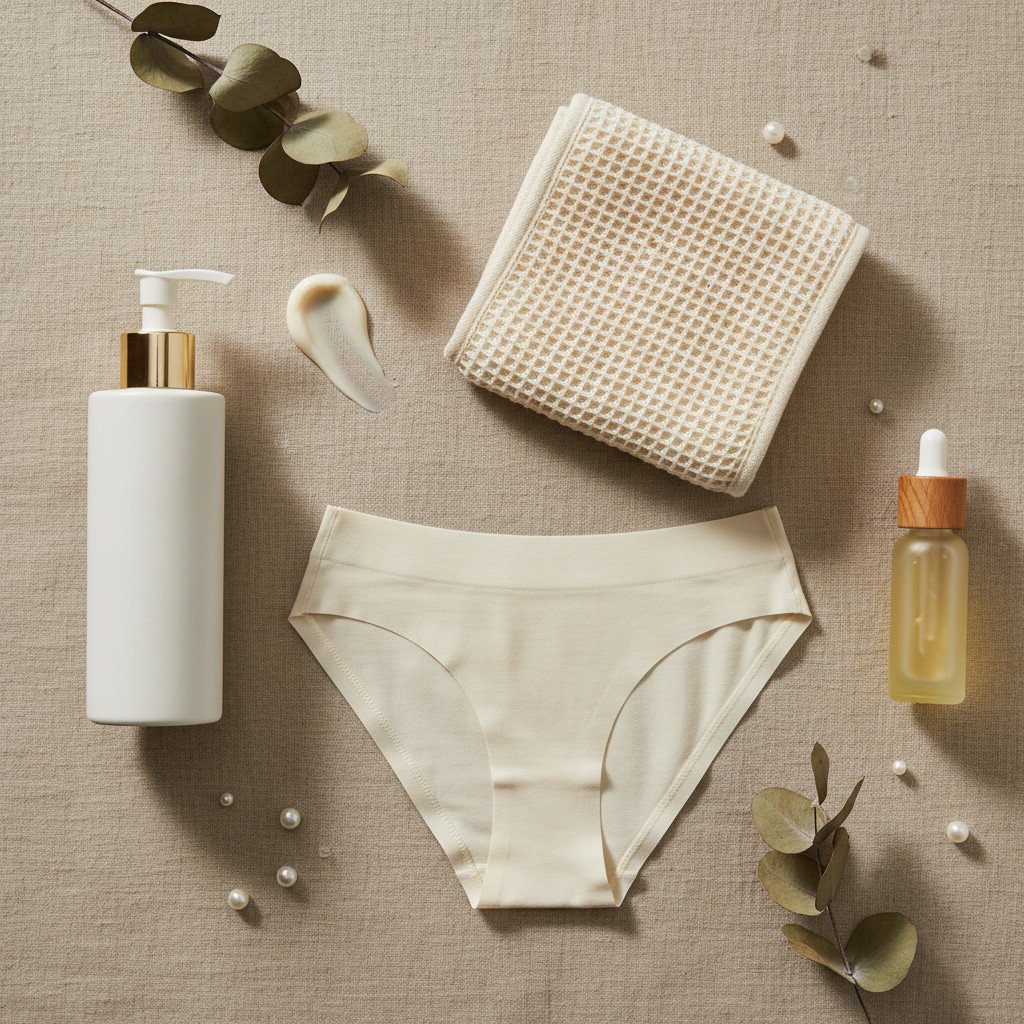
Therefore, when considering exfoliating body treatments for these delicate areas, a ‘less is more’ philosophy is essential. If you choose to incorporate a mild chemical exfoliant, such as an AHA/BHA body lotion or wash, limit its frequency significantly. For example, using it just one to two times weekly is often sufficient and safer than daily application. Always patch test first and observe how your skin responds. Look for products with lower concentrations of acids (e.g., 5-10% AHAs). It is also crucial to avoid stacking strong facial-level acids or multiple exfoliating products in the same area. For instance, if you’re using an exfoliating body wash, don’t follow up with an exfoliating body lotion on the same day. This can overwhelm the skin barrier and lead to irritation.
Furthermore, never exfoliate on broken, irritated, or freshly hair-removed skin. Wait at least 24-48 hours after shaving or waxing before applying any chemical exfoliant. After exfoliating, it is absolutely vital to follow up with a rich, soothing moisturizer to replenish the skin barrier and prevent dryness. This helps to counteract any potential irritation from the exfoliant and supports the skin’s healing process. For a comprehensive understanding of exfoliation principles and how they apply to dark skin, refer to our dedicated Exfoliation post. Remember, the goal is gentle encouragement of cell turnover, not aggressive stripping. If you experience any stinging, burning, or increased sensitivity, reduce frequency or discontinue use. When in doubt, prioritize gentle cleansing and moisturizing over aggressive exfoliation, especially in these sensitive zones. For guidance on combining different active ingredients safely, our Actives Layering post provides valuable insights.
Step 5 – When to Consider Professional Care
While the step-by-step approach outlined above can bring significant improvement for many, there are instances where professional evaluation and intervention become necessary. For very deep, longstanding, or widespread darkening, or when the hyperpigmentation is accompanied by pain, itching, or signs of scarring, relying solely on over-the-counter products and lifestyle adjustments may not be enough. In these situations, a board-certified dermatologist or, in specific cases, an OB-GYN, can provide invaluable expertise and access to more potent treatments.
A dermatologist is uniquely positioned to rule out underlying medical conditions that might be contributing to the darkening. Conditions such as acanthosis nigricans (often associated with insulin resistance), certain fungal infections, eczema, psoriasis, or other dermatoses can present with hyperpigmentation in these areas. Hormonal imbalances, such as those seen in Polycystic Ovary Syndrome (PCOS), can also lead to increased darkening. A professional can accurately diagnose these conditions and recommend appropriate medical management, which is often a prerequisite for effectively addressing the skin discoloration. They can also discuss prescription-strength topical treatments, such as retinoids, stronger azelaic acid formulations, or low-dose hydroquinone (used under strict supervision), and in-office procedures tailored specifically for skin of color, ensuring safety and efficacy. This comprehensive approach aligns with the guidance found in our main Hyperpigmentation hub and our Beauty Devices & Treatments pillar hub.
- Signs to see a dermatologist: Pay close attention to your skin for any red flags. If you notice rapid changes in the color or texture of the skin, experience persistent pain or itching, observe skin thickening, or if the cause of the darkening is unclear despite your best efforts, it’s time to seek professional advice. Furthermore, if you’ve diligently followed a careful at-home routine for several months and seen no improvement, a dermatologist can offer alternative strategies or identify factors you might have overlooked.
- Situations where an OB-GYN should also be involved: If the skin changes overlap with the vulvar tissue, or if you experience any accompanying symptoms such as unusual discharge, persistent itching, burning, or other internal discomfort, it is crucial to consult an OB-GYN. They can rule out gynecological conditions, infections (like yeast infections or bacterial vaginosis), or sexually transmitted infections that might be causing inflammation and subsequent hyperpigmentation. In some cases, a collaborative approach between a dermatologist and an OB-GYN may be necessary to ensure all aspects of your health are addressed. Hormonal factors are often at play in these areas, and our Hormonal Skin & Hair pillar hub offers more context.
Remember, seeking professional help is not a sign of failure; it’s a proactive step towards comprehensive self-care and ensuring your long-term health and well-being. These experts have the knowledge and tools to provide personalized solutions that are safe and effective for your unique skin and body.
What Realistic Improvement Looks Like (and How Long It Takes)
Managing hyperpigmentation, especially in areas like the inner thighs and bikini line, requires a significant dose of patience and a realistic understanding of what constitutes ‘improvement.’ It’s easy to fall into the trap of expecting overnight transformations, particularly when exposed to filtered images and exaggerated claims online. However, it is important to normalize that inner thigh and bikini line PIH is inherently slower to fade than facial PIH. This is due to several factors: the constant friction these areas endure, the thicker nature of the body skin compared to facial skin, and the often deeper-seated nature of the inflammation that triggers the darkening.
Therefore, even with a consistent and well-executed care routine, you should anticipate needing several months – often three to six months, or even longer – to see visible changes. This is a marathon, not a sprint. Small shifts are signs of progress, and learning to recognize them can be incredibly encouraging. You might first notice that the edges of the dark patches appear softer, less sharply defined. The contrast between the hyperpigmented area and your surrounding skin might lessen. You may also observe fewer new dark marks forming, which is a significant victory in itself, as it indicates you’re successfully breaking the cycle of irritation. These subtle, gradual improvements are the true markers of success and indicate that your efforts are indeed working to calm your skin and regulate melanin production.
- Approximate ranges for fading: For mild, recent darkening, you might start to see noticeable changes within 2-3 months of consistent care. However, for deeper, more established, or widespread hyperpigmentation, it can realistically take 6-12 months, or even longer, to achieve significant improvement. This timeline can also be influenced by individual skin type, genetics, and the underlying cause of the darkening. It’s crucial not to get discouraged if progress feels slow. The skin’s natural cell turnover cycle takes about 28 days, and fading hyperpigmentation requires multiple cycles of new, less pigmented skin cells to reach the surface.
- Tips for tracking progress: To maintain perspective and avoid frustration, consider taking photos of the affected areas periodically, perhaps once a month, in similar lighting conditions. This allows you to objectively track subtle changes that you might otherwise miss in daily observation. Focus on how you feel in your clothing over time – do you feel less self-conscious? Are you experiencing less irritation? These qualitative improvements are just as important as the visual ones. Remember, the goal is not necessarily to achieve an exact match to your surrounding skin, but to create a more even, comfortable, and healthy skin tone that you feel confident in. Our comprehensive guide on “How Long Does Hyperpigmentation Take to Fade on Dark Skin?” and our PIH timeline post offer more detailed insights into these expectations.
Final Thoughts
Dear one, let us affirm this truth: darker inner thighs and bikini lines are a common, natural occurrence, especially on melanin-rich bodies. They are not a reflection of your worth, your cleanliness, or your beauty. They are simply a testament to how our magnificent skin responds to life – to friction, to hormones, to the very act of moving through the world. You are not dirty, you are not broken, and there is absolutely no reason to shrink yourself or feel shame because of these natural variations in your skin tone.
Any choice you make to work on this area should always come from a place of self-love and empowerment, not from external pressures or a desire to conform to unrealistic ideals. This journey is about nurturing your skin, understanding its unique needs, and making choices that support its health and vitality. Slow, gentle changes, rooted in consistency and patience, are not only more sustainable but also infinitely safer than drastic, aggressive ‘lightening’ attempts that can often do more harm than good to our delicate skin. Embrace the process, celebrate every small step forward, and always prioritize your well-being over fleeting trends or harsh remedies.
We invite you to explore the rich resources within our Hyperpigmentation hub and the Body Care & Hair Removal pillar whenever you seek further guidance and support. These are not checklists to be completed under duress, but rather supportive companions on your path to confident, radiant skin. Remember, Black Beauty Basics is here to champion your unique beauty, offering wisdom that blends cultural understanding with scientific insight, so you can always approach your self-care with deep feminine confidence and unwavering self-love.
Frequently Asked Questions
Is it normal for my inner thighs and bikini line to be darker than the rest of my body?
Absolutely, it is incredibly common and normal, especially for individuals with melanin-rich skin. These areas are prone to friction, irritation from clothing or hair removal, and hormonal influences, all of which can stimulate extra melanin production, leading to post-inflammatory hyperpigmentation. It’s a natural response of your skin, not a flaw.
Can I ever make this area match my exact natural skin tone?
While significant improvement and evening of tone are achievable with consistent, gentle care, aiming for an exact match to your lightest skin tone might be an unrealistic expectation. The goal is to reduce the contrast, soften the appearance of dark spots, and achieve a more uniform and healthy-looking complexion in these areas, rather than pursuing an impossible ideal.
Are “intimate bleaching” creams safe for Black women?
No, most ‘intimate bleaching’ creams found online are not safe, especially for Black women. They often contain harsh, unregulated ingredients like high concentrations of hydroquinone, undisclosed steroids, or strong acids that can cause severe irritation, paradoxical darkening (ochronosis), skin thinning, or other irreversible damage to melanin-rich and delicate skin. Always prioritize safety and consult a dermatologist before using any such product.

How long before I see a difference once I change my routine?
Patience is key. For mild darkening, you might start to notice subtle changes in 2-3 months. However, for more established or deeper hyperpigmentation, it can take 6-12 months or even longer to see significant improvement. Consistency in reducing friction, gentle cleansing, moisturizing, and introducing brightening ingredients is crucial for gradual, sustainable results.
Can I still shave or wax if I’m trying to fade darkening?
Yes, you can, but you must prioritize gentle, trauma-minimizing techniques. Re-evaluate your method to reduce irritation and ingrown hairs, which are major triggers for PIH. Consider spacing out hair removal, using sharp blades, ample lubrication, or exploring professional services like sugaring or laser hair removal (with a specialist experienced in dark skin) to minimize skin trauma.
When should I stop DIY methods and see a professional?
You should consider seeing a dermatologist or OB-GYN if you notice rapid changes, persistent pain or itching, skin thickening, if the cause is unclear, or if you’ve seen no improvement after several months of consistent, careful at-home care. Professionals can rule out underlying medical conditions, offer prescription treatments, or provide in-office procedures tailored to your skin.
Shop seamless underwear on Amazon
Shop anti-chafing shorts on Amazon
Shop mild body cleanser on Amazon
Shop non-irritating body moisturizer on Amazon
Shop soft exfoliating washcloth on Amazon
Shop niacinamide body lotion on Amazon
Shop azelaic acid body cream on Amazon
Shop licorice root extract serum on Amazon
Shop alpha arbutin lotion on Amazon
Shop Vitamin C body treatment on Amazon
Related next steps
Related posts:
 Intimate-Area Hyperpigmentation: Bikini, Buttocks & Inner Thighs on Melanin-Rich Skin
 Inner Thigh and Bikini-Adjacent Darkening from Friction: Understanding and Nurturing Melanin-Rich Skin
 Focused Care for Knees, Elbows, Heels, and Inner Thighs
 Shaving the Bikini Line on Dark Skin: Step‑by‑Step for Fewer Razor Bumps
 Bikini Line Darkening on Melanin-Rich Skin: Patterns & Care
 Bikini-Line and Intimate Shaving for PIH-Prone Skin: A Gentle Approach for Melanin-Rich Skin