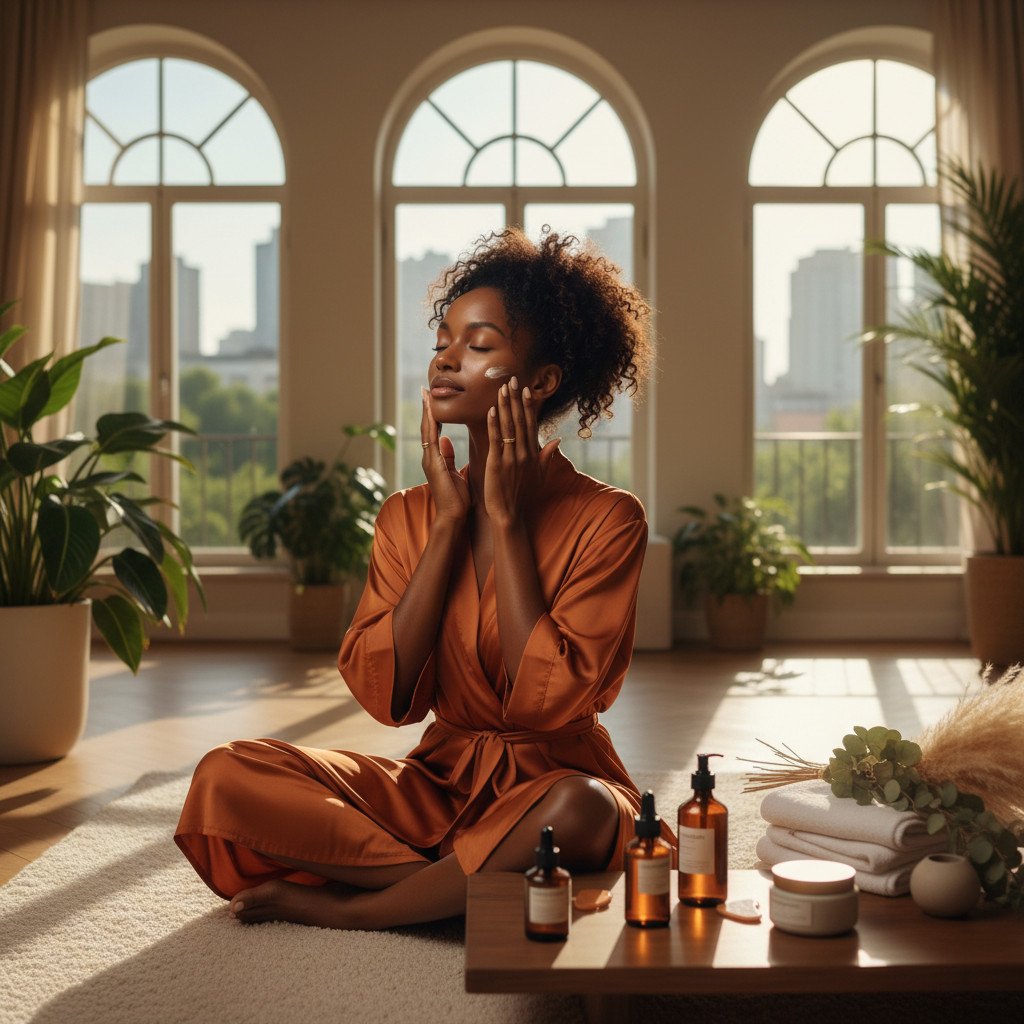
Gentle Full-Body Exfoliation on Dark Skin: Unveiling Your Natural Radiance
For generations, Black women have understood the power of radiant skin – a luminosity that speaks volumes about our heritage, our health, and our inner glow. Yet, the journey to achieving and maintaining this glow can sometimes feel complicated, especially when it comes to exfoliation. We’ve all encountered those moments when our skin feels less than vibrant, perhaps a bit rough, or appears dull. The common advice, often internalized from mainstream beauty narratives, is to “scrub harder” or “buff away” the perceived imperfections. But for melanin-rich skin, this aggressive approach is not just unhelpful; it can be actively detrimental, leading to irritation, dryness, and even the dreaded post-inflammatory hyperpigmentation (PIH) – those persistent dark marks that take their time to fade.
At Black Beauty Basics, we believe in a different path: one rooted in understanding, gentleness, and respect for our unique skin. Your melanin is a precious asset, offering natural protection and a beautiful spectrum of tones, but it also makes our skin more prone to hyperpigmentation when subjected to trauma or excessive friction. This means our approach to exfoliation must be nuanced, strategic, and deeply nurturing. It’s not about punishing your skin for feeling rough or looking dull; it’s about supporting its natural processes, encouraging renewal, and revealing the smooth, luminous canvas that’s always been there, just beneath the surface. We’re here to guide you through the art of gentle full-body exfoliation, ensuring your routine enhances your skin’s health and radiance without compromising its integrity or triggering unwanted dark marks.
Forget the notion that effective exfoliation requires harsh scrubbing or abrasive tools. True radiance comes from consistency, understanding your skin’s needs, and choosing methods that respect its delicate barrier. This article will dismantle common myths and equip you with the knowledge to exfoliate your entire body with confidence and grace. We’ll explore how to achieve that coveted smooth texture, enhance product absorption, and cultivate a luminous look, all while prioritizing your skin’s health and preventing irritation. Your skin deserves a gentle touch, and with the right techniques, you can unlock its full potential, revealing a smooth, even-toned, and beautifully radiant complexion from head to toe.
What This Post Covers
This comprehensive guide is designed to empower you with the knowledge and tools for effective, gentle full-body exfoliation on melanin-rich skin. We’ll delve into the nuances of why traditional exfoliation advice often falls short for us and how to adapt your routine for optimal results. Our focus is on understanding your skin’s unique needs and building a regimen that supports its health and radiance without causing harm.
- Understanding Gentle Exfoliation for Dark Skin: We’ll define what “gentle” truly means in the context of melanin-rich skin, moving beyond superficial definitions to embrace barrier protection and PIH awareness.
- Demystifying Exfoliation Types: A clear breakdown of physical and chemical exfoliation, explaining how each works and which options are best suited for our skin tones.
- Strategic Exfoliation Techniques: Practical advice on how to exfoliate effectively without overdoing it, focusing on consistency over intensity, and avoiding common pitfalls like excessive friction or dryness.
- Targeted Care for Sensitive Zones: Specific guidance for areas prone to roughness, irritation, or hyperpigmentation, such as hair-removal zones, inner thighs, knees, and elbows.
- Navigating Product Choices: How to select the right exfoliating products and tools that respect your skin barrier and support an even tone.
- Building a Holistic Routine: Integrating exfoliation into a broader body care regimen that includes essential moisturizing strategies and steps for maintaining a healthy glow.
- Addressing Common Concerns: A dedicated FAQ section to answer your most pressing questions about exfoliation on dark skin.
Our goal is to provide you with a roadmap to smoother, more luminous skin, ensuring that every step you take in your body care journey is informed, intentional, and deeply beneficial. This is about cultivating a relationship with your skin that is nurturing and effective, leading to lasting radiance and confidence.
What Gentle Exfoliation Actually Means on Dark Skin
When we talk about “gentle exfoliation” for melanin-rich skin, we’re not just talking about using a less abrasive scrub. We’re talking about a fundamental shift in philosophy, one that prioritizes the health and integrity of your skin barrier above all else. For Black women, our skin has unique characteristics that make the concept of gentleness even more critical. Our melanocytes, the cells responsible for producing melanin, are more reactive, meaning any inflammation, irritation, or trauma can easily trigger an overproduction of pigment, leading to post-inflammatory hyperpigmentation (PIH). This is why aggressive scrubbing, harsh chemicals, or excessive friction can backfire, leaving us with dark spots that are often harder to fade than the original concern.
Gentle exfoliation, therefore, means working with your skin’s natural renewal cycle, not against it. It means understanding that our skin, while resilient, is also exquisitely sensitive to trauma. It’s about encouraging the natural shedding of dead skin cells without stripping away essential oils, disrupting the skin barrier, or causing micro-tears. The goal is to reveal fresh, healthy skin cells, improve texture, and enhance radiance, all while maintaining an even tone and preventing irritation. This approach acknowledges that our skin’s response to exfoliation is different, and what might be considered “normal” for lighter skin tones can be too aggressive for ours.
Prioritizing Barrier Protection and PIH Awareness
The skin barrier is your body’s first line of defense against environmental aggressors, pollution, and moisture loss. When this barrier is compromised – whether through over-exfoliation, harsh products, or excessive friction – your skin becomes vulnerable. For melanin-rich skin, a compromised barrier isn’t just about dryness or sensitivity; it’s a direct invitation for inflammation and subsequent PIH. Gentle exfoliation ensures that we remove dead skin cells without stripping the skin of its natural lipids or disrupting the delicate balance of its microbiome.
Awareness of PIH is paramount. Every decision we make regarding exfoliation should be filtered through the lens of preventing new dark marks. This means opting for methods that minimize inflammation, choosing ingredients known for their gentleness, and always listening to your skin’s feedback. If your skin feels tight, dry, irritated, or looks red after exfoliation, it’s a clear sign you’ve gone too far. Gentle exfoliation is about consistent, subtle encouragement of cell turnover, not an aggressive overhaul. It’s about building a routine that supports your skin’s long-term health and luminosity, rather than seeking immediate, often fleeting, results that come at the cost of your skin’s integrity.
The Myth of “Scrubbing Away” Dullness and Roughness
Many of us grew up with the idea that if our skin felt rough or looked dull, the solution was to scrub it vigorously. This often meant reaching for harsh physical exfoliants with large, irregularly shaped particles, or using abrasive tools like loofahs and stiff brushes with too much pressure. This advice, while well-intentioned, is fundamentally flawed for melanin-rich skin. When you scrub too hard, you’re not just removing dead skin cells; you’re creating micro-abrasions, causing friction, and triggering an inflammatory response deep within the skin. This inflammation, in turn, stimulates melanocytes to produce more pigment, leading to those frustrating dark spots that can take months or even years to fade.
Moreover, aggressive scrubbing can strip your skin of its natural oils, leaving it feeling dry, tight, and even more vulnerable to environmental damage. This cycle of dryness and irritation can actually exacerbate the appearance of dullness and roughness, creating a perpetual loop where you feel the need to scrub even harder. Gentle exfoliation breaks this cycle. It teaches us that true smoothness and radiance come from a balanced approach that respects our skin’s biology. It’s about consistent, mild removal of dead skin cells, allowing new, healthy cells to come to the surface without provoking an inflammatory response. The sensation of “feeling scrubbed clean” might be satisfying in the moment, but it’s often a false indicator of effective exfoliation for melanin-rich skin. Instead, we aim for a feeling of refreshed, supple skin, not stripped or raw.
Physical and Chemical Exfoliation in Plain Language
Exfoliation, at its core, is the process of removing dead skin cells from the outermost layer of your skin. This helps to reveal the fresher, brighter skin underneath, leading to a smoother texture and a more luminous appearance. There are two main categories of exfoliation: physical and chemical. Understanding the difference and how each works is crucial for choosing the right method for your melanin-rich skin.
Physical Exfoliation: The Gentle Touch
Physical exfoliation involves using a tool or a product with small particles to manually slough off dead skin cells from the surface of your skin. Think of it as a gentle buffing action. For melanin-rich skin, the key word here is “gentle.” Harsh physical exfoliants with large, jagged particles (like crushed nut shells or salt scrubs) can create micro-tears and excessive friction, leading to inflammation and PIH. Instead, we look for options that are finely milled, smooth, and designed to be less abrasive.
- Soft Scrubs: Look for body scrubs with very fine, spherical particles (like jojoba beads, finely ground oats, or sugar that dissolves easily). These provide a mild abrasive action without being too harsh. The goal is a light massage, not aggressive scrubbing.
- Exfoliating Mitts or Cloths: A soft exfoliating mitt or a damp washcloth can be incredibly effective when used with a gentle touch. These tools provide just enough friction to lift dead skin cells without over-stressing the skin. Always ensure they are clean and soft, and avoid rough textures.
- Body Brushes (Dry or Wet): When used correctly and gently, a soft-bristled body brush can stimulate circulation and aid in lymphatic drainage while providing mild exfoliation. For melanin-rich skin, opt for natural bristles that are soft, and use light, upward strokes. Avoid stiff brushes or excessive pressure, especially on sensitive areas.
The golden rule for physical exfoliation on dark skin is “less is more.” Use light pressure, circular motions, and never scrub until your skin feels raw or irritated. Frequency is also key; typically, 1-2 times a week is sufficient, depending on your skin’s sensitivity and the product’s strength. Always follow up with a rich moisturizer to replenish hydration and support the skin barrier.
Chemical Exfoliation: The Unsung Hero
Chemical exfoliation uses acids to dissolve the “glue” that holds dead skin cells together, allowing them to shed more easily. Don’t let the word “chemical” scare you; when chosen correctly, chemical exfoliants can be incredibly gentle and effective for melanin-rich skin, often posing less risk of friction-induced PIH than physical scrubs. They work by gently loosening the bonds between cells, promoting a more even and controlled shedding process.
- Alpha Hydroxy Acids (AHAs): These are water-soluble acids that work on the skin’s surface. They are excellent for improving skin texture, evening out tone, and boosting radiance.
- Lactic Acid: Often considered the gentlest AHA, lactic acid is derived from milk. It’s a fantastic choice for melanin-rich skin because it’s hydrating and less irritating than other AHAs, making it ideal for sensitive skin. It helps to smooth roughness and can even improve the appearance of mild hyperpigmentation over time.
- Glycolic Acid: A smaller molecule than lactic acid, glycolic acid penetrates deeper and can be more potent. While effective for texture and tone, it can be more irritating for some melanin-rich skin types. Start with lower concentrations and use less frequently if opting for glycolic acid.
- Beta Hydroxy Acids (BHAs): These are oil-soluble acids that can penetrate into pores, making them excellent for addressing breakouts, bumps, and ingrown hairs.
- Salicylic Acid: The most common BHA, salicylic acid is anti-inflammatory and can be very beneficial for body acne, keratosis pilaris (KP), and preventing ingrown hairs. It’s generally well-tolerated by melanin-rich skin, but like AHAs, start with lower concentrations and monitor your skin’s response.
- Polyhydroxy Acids (PHAs): These are newer generation acids, similar to AHAs but with larger molecular structures, meaning they penetrate the skin more slowly and are even gentler. They offer mild exfoliation and are also humectants, drawing moisture into the skin. PHAs are excellent for very sensitive skin types.
Chemical exfoliants are often found in body washes, lotions, creams, or toners. When using them, pay attention to the concentration and frequency. Start with products containing lower percentages of acids and use them a few times a week, gradually increasing frequency if your skin tolerates it well. Always, always follow up with a good moisturizer, and remember that chemical exfoliants can increase sun sensitivity, so daily sun protection is non-negotiable, especially on exposed areas.
Choosing Between Physical and Chemical Exfoliation (or Both)
For melanin-rich skin, a combination approach can often yield the best results, but with careful consideration. Many find that chemical exfoliants are superior for overall tone and texture improvement with less risk of PIH. Physical exfoliation can be a good choice for occasional, very gentle buffing, especially in areas prone to dryness or flakiness, but it should always be done with extreme care.
Here’s a simple guide:
| Exfoliation Type | What It Helps With | What to Watch For |
|---|---|---|
| Physical (Gentle Scrubs, Soft Cloths) | Immediate smoothing, removing flaky skin, improving circulation. | Excessive friction, micro-tears, irritation, triggering PIH if too harsh. |
| Chemical (AHAs like Lactic, Glycolic) | Even tone, smoother texture, radiance, reducing dullness, mild hyperpigmentation. | Over-exfoliation (dryness, sensitivity), sun sensitivity, irritation if concentration is too high. |
| Chemical (BHAs like Salicylic Acid) | Body acne, ingrown hairs, keratosis pilaris, decongesting pores. | Dryness, irritation if concentration is too high, sun sensitivity. |
Ultimately, the best approach is one that respects your skin’s unique needs, avoids irritation, and consistently supports its natural radiance. Listen to your skin, start slow, and prioritize gentleness above all else. This mindful approach will lead to the smooth, luminous results you desire without the unwelcome side effects.
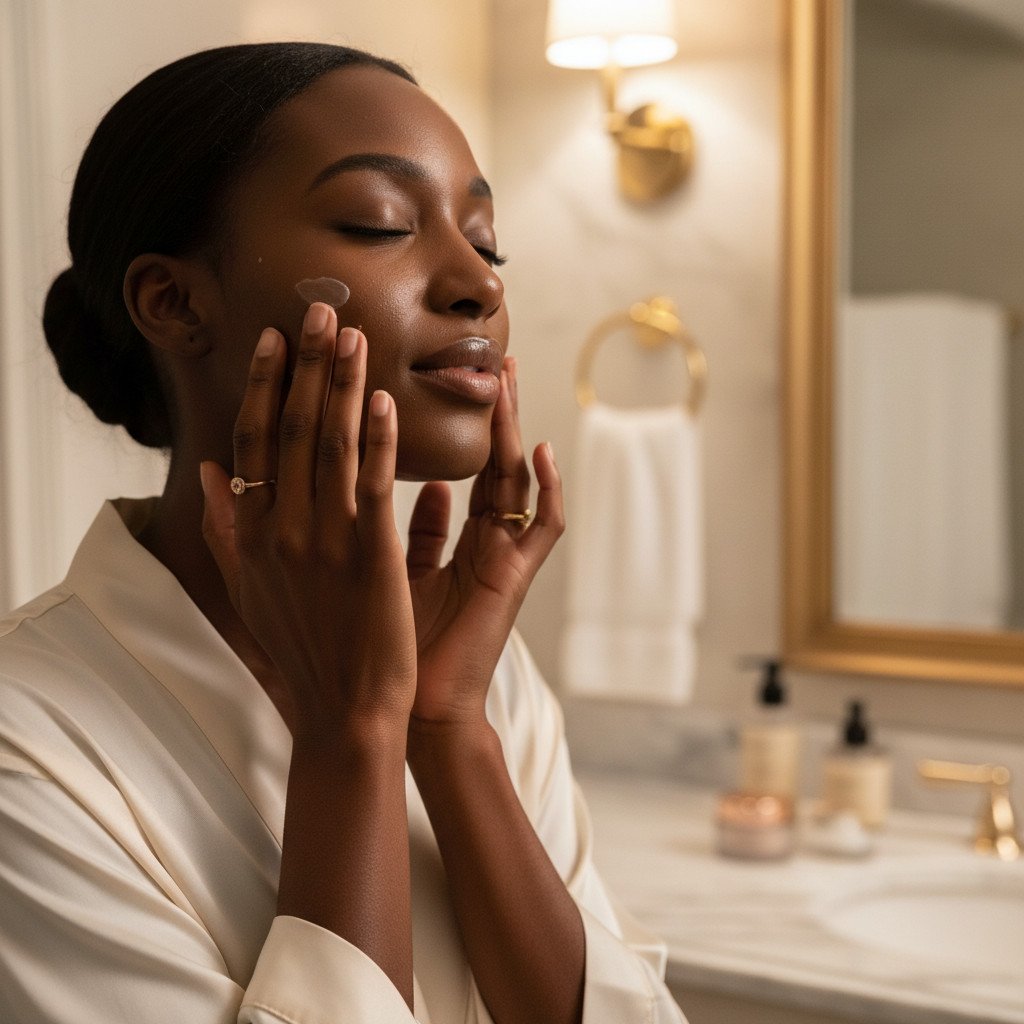
How to Exfoliate Without Overdoing Friction, Dryness, or PIH Risk
The art of gentle full-body exfoliation on dark skin lies in a delicate balance: achieving effective cell turnover without triggering the inflammatory response that can lead to irritation, dryness, or post-inflammatory hyperpigmentation (PIH). This requires a mindful approach, strategic product selection, and a deep understanding of your skin’s signals. Remember, consistency beats intensity, and feeling “scrubbed raw” is never the goal.
The Gentle Touch: Mastering Physical Exfoliation
If you choose to incorporate physical exfoliation, the technique is paramount. Forget aggressive scrubbing; think gentle polishing. Your hands are often the best tools, or you can opt for very soft implements.
- Choose the Right Tool/Product:
- Finely Milled Scrubs: Opt for scrubs with small, smooth, spherical particles. Ingredients like jojoba beads, finely ground oats, or dissolving sugars are preferable to harsh salts or nut shells.
- Soft Exfoliating Mitts/Cloths: A soft, damp washcloth or a gentle exfoliating mitt can be highly effective. Ensure the material is not too abrasive. Shop soft exfoliating washcloths on Amazon.
- Silicone Body Brushes: These are often gentler than traditional bristle brushes and can be easier to clean, reducing bacterial buildup.
- Technique is Key:
- Use Light Pressure: Imagine you’re gently polishing a delicate surface, not scouring a pan. The goal is to lightly lift dead skin cells, not to abrade the skin.
- Circular Motions: Apply the scrub or use the tool in small, gentle circular motions.
- Focus on Problem Areas: Concentrate on areas prone to roughness like knees, elbows, and heels, but still use a gentle hand.
- Avoid Over-Scrubbing: Limit physical exfoliation to 30-60 seconds per body area.
- Frequency: For most melanin-rich skin, 1-2 times a week is ample for physical exfoliation. If your skin is particularly sensitive or prone to PIH, once a week or even less might be better.
The Smart Approach: Harnessing Chemical Exfoliation
Chemical exfoliants, when chosen wisely, can be a safer and more effective option for consistent cell turnover on dark skin, as they don’t rely on friction.
- Select Gentle Acids:
- Lactic Acid: This is often the top recommendation for melanin-rich skin due to its larger molecular size, which means slower penetration and less irritation. It’s also hydrating. Look for body lotions or washes containing lactic acid. Shop lactic acid body lotions on Amazon.
- Mandelic Acid: Another excellent, gentler AHA, mandelic acid also has a larger molecular structure and can be very beneficial for hyperpigmentation and acne.
- Salicylic Acid (BHA): Ideal for body acne, keratosis pilaris (KP), and ingrown hairs, as it’s oil-soluble and penetrates pores. Start with lower concentrations (e.g., 0.5% to 2%).
- Integration into Your Routine:
- Exfoliating Body Washes: These are a great entry point. Use them a few times a week in the shower. Shop exfoliating body washes on Amazon.
- Exfoliating Lotions/Creams: Apply these after showering, 2-4 times a week. They provide continuous, gentle exfoliation and hydration.
- Spot Treatments: For specific concerns like ingrown hairs or body breakouts, a targeted salicylic acid treatment can be applied.
- Start Low, Go Slow: Begin with products containing lower concentrations of acids and use them less frequently (e.g., 2-3 times a week). Gradually increase frequency if your skin tolerates it well, but never push to the point of irritation.
The Post-Exfoliation Protocol: Hydration and Protection
No matter your exfoliation method, the steps you take immediately afterward are critical for preventing dryness and protecting your skin barrier.
- Moisturize Immediately: Within minutes of showering or exfoliating, apply a rich, emollient moisturizer to damp skin. This helps to lock in moisture and replenish the skin barrier. Look for ingredients like ceramides, hyaluronic acid, shea butter, cocoa butter, and squalane.
- Sun Protection is Non-Negotiable: Exfoliation, especially chemical exfoliation, can make your skin more sensitive to the sun. Always apply a broad-spectrum sunscreen with an SPF of 30 or higher to any exposed skin, even on cloudy days. This is crucial for preventing new hyperpigmentation and protecting your skin’s health.
- Listen to Your Skin: Your skin will tell you if you’re overdoing it. Signs of over-exfoliation include redness, stinging, excessive dryness, tightness, flakiness, or increased sensitivity. If you notice these, reduce the frequency or switch to a gentler product.
By adopting these mindful practices, you can enjoy the benefits of smoother texture, reduced dullness, and enhanced radiance without the common pitfalls associated with aggressive exfoliation on melanin-rich skin. It’s about empowering your skin to renew itself beautifully, maintaining its natural strength and vibrant tone.
Where to Be Extra Careful: Hair-Removal Zones, Inner Thighs, and Rough Patches
While the principles of gentle exfoliation apply to your entire body, certain areas require even more attention and a nuanced approach. These zones are often more prone to friction, irritation, sensitivity, or hyperpigmentation due to their location, skin thickness, or common activities like hair removal. Understanding these specific needs is crucial for preventing complications and achieving smooth, even-toned results.
Hair-Removal Zones: Preventing Ingrown Hairs and PIH
Areas like the bikini line, underarms, and legs are frequently subjected to hair removal methods such as shaving, waxing, or depilatory creams. These processes can cause trauma to the skin, leading to ingrown hairs, razor bumps (pseudofolliculitis barbae), and subsequent post-inflammatory hyperpigmentation (PIH). Gentle exfoliation is a powerful tool for prevention, but it must be done with extreme care.
- Pre-Hair Removal: A very gentle exfoliation 12-24 hours before hair removal can help lift hairs and remove dead skin cells, allowing for a closer, smoother shave or wax. Use a mild chemical exfoliant (like a lactic acid wash) or a very soft physical scrub. Avoid aggressive scrubbing right before hair removal, as this can increase irritation.
- Post-Hair Removal: Wait at least 24-48 hours after hair removal before exfoliating again. Once the skin has settled, regular, gentle exfoliation (2-3 times a week) is key to preventing ingrown hairs. Salicylic acid is particularly effective here due to its ability to penetrate oil and exfoliate within the pore, preventing hair follicles from becoming trapped. Look for leave-on toners or lotions with salicylic acid.
- Avoid Friction: After hair removal, avoid tight clothing that can cause friction and irritation. Allow the skin to breathe.
- Moisturize Diligently: Always follow hair removal and exfoliation with a soothing, hydrating moisturizer to calm the skin and support barrier repair.
For more in-depth guidance on navigating hair removal and preventing PIH, you can refer to our articles on Pre- and Post-Hair Removal Care for PIH-Prone Skin and Ingrown Hair Prevention and Management on Melanin-Rich Skin, as well as Shaving Routines for Dark Skin: Body and Face.
Inner Thighs: Addressing Friction and Discoloration
The inner thighs are a common area for friction, especially for those with curvier figures. This constant rubbing can lead to skin thickening, hyperpigmentation, and sometimes even chafing. The skin here can also be more sensitive.
- Minimize Friction: Wear breathable fabrics and consider anti-chafing products if friction is a significant issue.
- Gentle Chemical Exfoliation: Chemical exfoliants, particularly lactic acid or mandelic acid, are generally preferred over physical scrubs for this area. They can help to gently lighten discoloration and smooth texture without adding more friction. Apply a lotion or serum 2-3 times a week.
- Hydration is Key: Keep the area well-moisturized to maintain skin elasticity and reduce the likelihood of irritation from friction.
- Avoid Over-Treating: This area can be prone to sensitivity. Start with low concentrations and infrequent application, increasing only if well-tolerated.
For more specific guidance on these challenging areas, explore our article on Focus Care for Knees, Elbows, and Inner Thighs.
Knees and Elbows: Tackling Roughness and Ashiness
Knees and elbows are naturally thicker-skinned areas that are constantly bending and rubbing against surfaces, leading to increased dryness, roughness, and often a darker, ashier appearance. While these areas can handle slightly more exfoliation than thinner-skinned zones, gentleness is still paramount to prevent PIH.
- Targeted Exfoliation: These areas can benefit from a slightly more concentrated chemical exfoliant (e.g., a lactic acid lotion) or a very fine physical scrub. However, still use a light hand.
- Consistent Hydration: These areas are notorious for dryness. Immediately after exfoliating and daily, apply a thick, occlusive moisturizer to seal in hydration. Ingredients like urea, ceramides, and shea butter are excellent for softening rough skin.
- Don’t Over-Exfoliate: Even though the skin is thicker, over-exfoliation can still lead to irritation and darkening. Stick to 2-3 times a week for targeted exfoliation.
Other Rough Patches (e.g., Keratosis Pilaris)
Keratosis Pilaris (KP), often appearing as small, rough bumps on the arms, thighs, or buttocks, is a common concern for melanin-rich skin. It’s caused by a buildup of keratin that plugs hair follicles.
- Salicylic Acid and Urea: BHAs like salicylic acid are excellent for KP as they can penetrate the follicle to dissolve the keratin plug. Products containing urea are also highly effective for softening and smoothing KP.
- Gentle Physical Exfoliation: A very soft physical scrub can be used gently to help lift some of the keratin buildup, but always follow with a chemical exfoliant and moisturizer.
- Consistency: KP responds best to consistent, gentle treatment rather than aggressive attempts to “scrub it away.”
In all these specific areas, the overarching principle remains: listen to your skin. If you notice any signs of irritation, redness, or increased darkening, scale back your exfoliation frequency or switch to an even milder product. The goal is to nurture these areas to smoothness and even tone, not to force them into submission.
How to Navigate This Topic
Navigating the world of exfoliation for melanin-rich skin can feel overwhelming, especially with so much conflicting information available. Our approach at Black Beauty Basics is to empower you with knowledge, encouraging you to become an expert on your own skin. This isn’t about rigid rules, but rather understanding principles and adapting them to your unique needs and responses. We encourage a journey of discovery, where you learn what truly works best for your body, without succumbing to the pressure of aggressive or one-size-fits-all solutions.
Embrace a Mindful and Experimental Approach
Think of your body care routine as a conversation with your skin. It’s an ongoing dialogue where you apply a product or technique, observe your skin’s reaction, and then adjust accordingly. This mindful approach is especially important for exfoliation, given the potential for irritation and PIH on melanin-rich skin.
- Start Slow: When introducing any new exfoliant, whether physical or chemical, begin with the lowest recommended frequency and concentration. For example, if a product suggests daily use, start with 2-3 times a week.
- Patch Test: Before applying a new product to your entire body, test a small, inconspicuous area (like behind your ear or on your inner arm) for 24-48 hours. Look for any signs of redness, itching, stinging, or irritation.
- Observe and Adjust: Pay close attention to how your skin feels and looks in the days following exfoliation. Is it smoother? More radiant? Or does it feel tight, dry, or irritated? If you notice any negative reactions, reduce frequency, switch to a gentler product, or take a break.
- One New Product at a Time: Avoid introducing multiple new exfoliating products simultaneously. This makes it impossible to pinpoint which product might be causing an issue if one arises.
Prioritize Your Skin Barrier
Your skin barrier is your shield. Any exfoliation method should aim to support, not compromise, its integrity. If your barrier is damaged, your skin will be more susceptible to irritation, dryness, and PIH. Signs of a compromised barrier include persistent dryness, flakiness, redness, sensitivity, and a feeling of tightness.
- Moisturize Diligently: Always follow exfoliation with a rich, barrier-supporting moisturizer. This is non-negotiable.
- Don’t Overdo It: If your skin barrier feels compromised, take a break from exfoliation until it recovers. Focus on hydration and soothing ingredients.
- Look for Barrier-Supporting Ingredients: Ceramides, fatty acids, cholesterol, hyaluronic acid, glycerin, and colloidal oatmeal are excellent for strengthening and repairing the skin barrier.
Seek Knowledge, Not Just Products
Our aim at Black Beauty Basics is to provide you with the foundational understanding of how your skin works and how different ingredients and techniques interact with it. This knowledge empowers you to make informed decisions, rather than simply following trends or marketing hype. Understand the difference between AHAs and BHAs, know why lactic acid is often preferred for dark skin, and recognize the signs of over-exfoliation. This deeper understanding will serve you far better than any single product recommendation.
Remember that your skin is dynamic; its needs can change with the seasons, your age, your environment, and even your stress levels. What works perfectly one month might need adjustment the next. Embrace this fluidity, stay curious, and always treat your skin with the reverence it deserves. This journey of gentle exfoliation is about cultivating a deeper connection with your body and celebrating the inherent beauty of your melanin-rich skin.

Quick Principles
To distill the essence of gentle full-body exfoliation for melanin-rich skin, here are the core principles that should guide your routine. These are not just tips; they are foundational truths that will help you achieve and maintain smooth, radiant skin without compromise.
- Gentleness is Non-Negotiable: For melanin-rich skin, any form of irritation or trauma can lead to post-inflammatory hyperpigmentation (PIH). Aggressive scrubbing or harsh chemicals are counterproductive. Always prioritize the mildest effective approach.
- Consistency Over Intensity: Regular, gentle exfoliation is far more effective and safer than infrequent, aggressive sessions. Small, consistent efforts yield better long-term results for texture, tone, and radiance.
- Barrier Protection is Paramount: Your skin barrier is your first line of defense. Exfoliation should support its health, not strip it. Always follow exfoliation with a rich, barrier-supporting moisturizer.
- Chemical Exfoliants Are Often Superior: For many with melanin-rich skin, chemical exfoliants (especially lactic acid and mandelic acid) offer a more controlled and less irritating way to achieve cell turnover compared to physical scrubs, which carry a higher risk of friction-induced PIH.
- Listen to Your Skin: Your skin will communicate its needs. Signs of irritation (redness, stinging, dryness, tightness, flakiness) mean you’re overdoing it. Scale back immediately.
- Hydration is Key to Radiance: Exfoliation removes dead cells, but hydration plumps and smooths the new ones. A well-hydrated skin barrier reflects light beautifully, enhancing your natural glow.
- Sun Protection is Crucial: Exfoliated skin is more vulnerable to sun damage and can exacerbate hyperpigmentation. Daily broad-spectrum SPF 30+ on exposed areas is essential, especially after exfoliation.
- Targeted Care for Sensitive Zones: Areas like hair-removal zones, inner thighs, knees, and elbows require extra consideration due to friction, sensitivity, or skin thickness. Adapt your exfoliation method and frequency accordingly.
- Knowledge Empowers You: Understand the ingredients and methods you’re using. Knowing why certain acids are better or why specific physical exfoliants should be avoided will help you make informed choices for your skin’s unique needs.
- Patience and Persistence: Achieving desired results takes time. Be patient with your skin and consistent with your gentle routine. True radiance is a journey, not a quick fix.
By internalizing these principles, you can confidently navigate the world of exfoliation, transforming your body care routine into a nurturing ritual that celebrates and enhances the natural beauty of your melanin-rich skin. This holistic approach ensures that your skin not only looks good but is fundamentally healthy and resilient.
As you embark on this journey of gentle full-body exfoliation, remember that the ultimate goal is not just smooth skin, but healthy, vibrant skin that reflects your inner confidence and grace. We’ve explored the nuances of why a gentle approach is paramount for melanin-rich skin, debunked the myth of aggressive scrubbing, and provided practical guidance on both physical and chemical exfoliation methods. We’ve also highlighted the importance of targeted care for sensitive zones and emphasized the critical role of hydration and sun protection.
Your skin is a testament to your heritage, a canvas of rich, beautiful tones that deserves the utmost care and respect. By embracing the principles of gentleness, consistency, and barrier protection, you are not just exfoliating; you are nurturing, protecting, and honoring your skin. This mindful approach ensures that you achieve that coveted smooth texture, enhance product absorption, and cultivate a luminous look, all without the risk of irritation or post-inflammatory hyperpigmentation.
We encourage you to experiment thoughtfully, listen intently to your skin’s responses, and adjust your routine as needed. This is your personal journey towards radiant skin, guided by wisdom and self-love. Continue to explore our resources at Full-Body Tone and Texture Maintenance: Exfoliation, Moisture, Glow to build a comprehensive body care regimen. Remember that true beauty emanates from a place of health and confidence, and with these gentle practices, your melanin-rich skin will continue to shine brightly, reflecting the elegance and power that is uniquely yours.
Frequently Asked Questions
What is the biggest mistake Black women make when exfoliating their body?
The biggest mistake is often aggressive scrubbing or using harsh physical exfoliants, driven by the misconception that more friction equals better results. This can easily lead to irritation, micro-tears, and post-inflammatory hyperpigmentation (PIH), making skin concerns worse rather than better.
How often should I exfoliate my body if I have dark skin?
For most melanin-rich skin types, 2-3 times a week is a good starting point for gentle chemical exfoliation or very mild physical exfoliation. Always listen to your skin; if you experience any irritation, reduce the frequency or switch to an even gentler product.
Are chemical exfoliants safe for dark skin?
Yes, chemical exfoliants like lactic acid, mandelic acid, and salicylic acid are often very safe and highly effective for dark skin when used correctly. They provide controlled exfoliation with less risk of friction-induced PIH compared to harsh physical scrubs, helping to improve texture and tone.
What type of physical exfoliant is best for melanin-rich skin?
If opting for physical exfoliation, choose products with very fine, smooth, spherical particles (like jojoba beads or dissolving sugar) or use soft tools like a damp washcloth or a gentle exfoliating mitt. Avoid harsh scrubs with large, jagged particles or stiff brushes that can cause micro-abrasions.
Why do I get dark spots after exfoliating?
Dark spots after exfoliating, known as post-inflammatory hyperpigmentation (PIH), occur when your skin experiences inflammation or trauma. Aggressive scrubbing, harsh products, or over-exfoliation can trigger your melanocytes to overproduce pigment as a protective response, leading to new dark marks.
Can exfoliation help with body acne or ingrown hairs on dark skin?
Yes, gentle exfoliation, particularly with salicylic acid (a BHA), can be very effective for body acne and preventing ingrown hairs. Salicylic acid penetrates oil to clear pores and reduce inflammation, helping to keep follicles clear and prevent hair from becoming trapped under the skin.
What should I do immediately after exfoliating my body?
Immediately after exfoliating, it is crucial to apply a rich, emollient moisturizer to damp skin to lock in hydration and support your skin barrier. Additionally, always apply a broad-spectrum sunscreen with SPF 30 or higher to any exposed, exfoliated areas to prevent sun damage and new hyperpigmentation.
For more comprehensive body care insights, explore our full Body Care and Hair Removal on Dark Skin pillar. This resource offers a wealth of information to help you cultivate a nurturing and effective routine for your unique skin.
Remember, your journey to radiant skin is a personal one, and Black Beauty Basics is here to support you every step of the way with wisdom, science, and self-love.
INTERNAL LINKING OPPORTUNITIES
- Full-Body Tone and Texture Maintenance: Exfoliation, Moisture, Glow
- Body Care and Hair Removal on Dark Skin
- Moisturizing Strategies for Melanin-Rich Body Skin
- Focus Care for Knees, Elbows, Inner Thighs
- Everyday and Special Occasion Body Glow
- Pre- and Post-Hair Removal Care for PIH-Prone Skin
- Ingrown Hair Prevention and Management on Melanin-Rich Skin
- Shaving Routines for Dark Skin: Body and Face
Related next steps
Related posts:
 Unveiling Radiance: The CLARIMOND ORALCARE Retinal Night Cream for Melanin-Rich Skin
 Gentle Exfoliation for Dark Spots: Routines for Melanin-Rich Skin
 Chemical vs Physical Exfoliation on Melanin-Rich Skin: A Gentle Guide
 The Ultimate Winter Body Care Guide for African American Women: Radiance Redefined
 Acids and Exfoliation on Dark, PIH-Prone Skin
 Building a Perimenopause/Menopause Skin Routine for Dark Skin: Nurturing Your Radiance Through Change