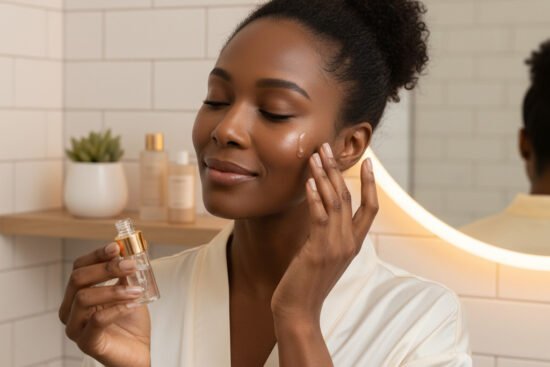
Shaving Routines for Dark Skin (Body & Face)
On dark, melanin‑rich skin, shaving is not just about smoothness; it is also about avoiding razor bumps, ingrown hairs, and the dark marks they leave behind. Coily and tightly curled hair is more likely to curve back into the skin after shaving, and any irritation or inflammation can turn into post‑inflammatory hyperpigmentation (PIH) that lingers long after stubble grows back. For Black women and other people with dark skin, a good shaving routine has to protect both the hair follicles and the pigment in the skin.
This cluster on Shaving routines for dark skin (body and face) sits inside the broader Body Care & Hair Removal on Dark Skin pillar. It focuses on practical, step‑by‑step routines for underarms, legs, bikini, and facial hair on melanin‑rich skin, with special attention to preventing pseudofolliculitis barbae (razor bumps), reducing ingrowns, and protecting against hyperpigmentation and scarring.
What This Cluster Covers
This cluster breaks shaving down into prep, technique, and aftercare for different zones on dark skin.
- Core shaving principles for melanin‑rich skin (tools, direction, frequency).
- Face and neck shaving routines, including pseudofolliculitis barbae prevention.
- Underarm and leg shaving routines that reduce ingrowns and darkening.
- Bikini‑line and intimate‑area shaving routines for PIH‑prone skin.
Articles in This Cluster
These are working topic descriptors for articles inside this cluster. Final titles can change, but the URLs and focus areas will stay similar.

- Core shaving principles for melanin‑rich skin
- Face & neck shaving routines and razor‑bump prevention
- Underarm & leg shaving on dark skin
- Bikini‑line & intimate shaving for PIH‑prone skin
Choosing Your Starting Lane
Use this table to match your main shaving concern to a starting article.
| If this sounds like you | Start with this lane | Core focus | Where to read more |
|---|---|---|---|
| “Every time I shave somewhere, I get bumps or dark marks.” | Core shaving principles. | Prep, tools, technique, and aftercare that are safer for melanin‑rich skin. | Core‑principles article |
| “I get razor bumps on my face/neck after shaving or dermaplaning.” | Face & neck shaving routines. | Preventing pseudofolliculitis barbae and managing facial hair on dark skin. | Face‑neck article |
| “My underarms or legs feel rough or look darker after shaving.” | Underarm & leg shaving. | Gentle routines for smoother regrowth and less PIH on body skin. | Underarm‑leg article |
| “My bikini line is full of bumps and dark spots from shaving.” | Bikini‑line & intimate shaving. | Shaving and grooming approaches that reduce irritation and PIH in intimate areas. | Bikini‑line article |
Core Shaving Principles for Melanin‑Rich Skin
On dark skin with coily or tightly curled hair, the goal is to reduce how sharply hairs are cut and how much the skin is irritated, because both increase the risk of ingrowns and PIH. That often means: softening hair with warm water first, using a lubricating shave gel or cream, choosing sharp multi‑blade or single‑blade tools that glide without tugging, shaving with the grain (especially in high‑risk areas), and avoiding dry shaving. Shaving less frequently, or trimming instead of getting a super‑close shave in some areas, can also dramatically reduce razor bumps on melanin‑rich skin.
This core‑principles article connects to the Ingrown hair prevention & management cluster and the Pre‑ and post‑hair‑removal care cluster. Together, they help you turn these principles into full routines that protect both your follicles and your pigment over time.

Face & Neck Shaving Routines and Razor‑Bump Prevention
Pseudofolliculitis barbae (razor bumps) happens when short, sharp hairs curve back into the skin or are trapped in the follicle, causing inflammation, bumps, and eventually dark marks and scars—something especially common in people with tightly curled facial hair and darker skin. Safer face and neck shaving routines usually involve: using clippers or guarded razors to leave a small amount of length instead of going skin‑close, shaving strictly with the direction of hair growth, avoiding stretching the skin while shaving, and spacing out shaving sessions to let skin calm down. In chronic or severe cases, switching methods (like trimming or laser) and seeing a dermatologist may be necessary.
This face‑neck article connects to the Razor bumps & barber‑related concerns cluster, which goes deeper into pseudofolliculitis barbae on jawline, neck, and bikini zones. It also links to the Skin Conditions on Dark Skin pillar for when bumps, pustules, or scarring suggest you should involve a dermatologist instead of just changing blades.
Underarm & Leg Shaving on Dark Skin
Underarms and legs often see repeated friction, sweat, and product build‑up, all of which can amplify irritation and darkening on melanin‑rich skin. Gentle routines include: cleansing the area before shaving, using a fresh blade and a cushioning shave product, shaving with the grain (even if that means a slightly less close shave), and rinsing thoroughly to remove residue. Following up with non‑irritating, fragrance‑minimal moisturizers and letting any stinging or burning resolve before applying deodorant or active body products helps reduce PIH risk.

This underarm‑leg article connects back to the Body hyperpigmentation cluster in the Hyperpigmentation & Dark Spots pillar, which covers fading existing dark patches. It also links to the Full‑body tone & texture maintenance cluster for exfoliation and moisturizing routines that keep underarms and legs smoother between shaves.
Bikini‑Line & Intimate Shaving for PIH‑Prone Skin
The bikini area is one of the highest‑risk zones for ingrowns and darkening on dark skin because hair is tightly curled, friction is constant, and the skin is sensitive. Safer shaving often means: trimming hair shorter before shaving, using plenty of lubrication, shaving with the direction of hair growth in small, gentle strokes, avoiding going over the same spot repeatedly, and skipping tight clothing immediately afterward. Limiting how often you get a full, skin‑close shave in this area and considering alternative methods (like sugaring, waxing, or laser with dark‑skin‑safe settings) can further reduce chronic PIH and scarring.
This bikini‑line article links to the Waxing & sugaring cluster and the Permanent/semi‑permanent hair removal cluster, for people who are considering switching methods for long‑term relief. It also connects back to the Intimate‑area hyperpigmentation cluster for help with fading existing dark spots safely.
How to Navigate This Cluster
If you are new to shaving on dark skin or keep getting bumps everywhere, start with the core‑principles article and adjust your tools, lubrication, and shaving direction in one area at a time. Then move into the face‑neck or bikini‑line pieces depending on where your skin reacts the most, and consider reducing shave frequency in the highest‑risk zones.
If specific areas—like the jawline, neck, or bikini—are already full of bumps and dark marks, use this cluster together with the Ingrown‑hair and Pre/post‑care clusters. Next reads might include the main Body Care & Hair Removal pillar hub and the Hyperpigmentation & Dark Spots pillar so that prevention and fading routines work together.
Quick Shaving Principles for Dark, Melanin‑Rich Skin
- On dark skin with coily hair, the closer and harsher the shave, the higher the risk of ingrowns, bumps, and dark marks.
- Prep (softening hair, cleansing, lubrication) is as important as the razor you use.
- Shaving with the grain, especially on face, neck, and bikini, usually means fewer bumps than chasing ultra‑close shaves.
- Letting irritated skin rest, instead of shaving over bumps, helps prevent PIH and scarring on melanin‑rich skin.
- Changing methods (guards, trimming, waxing, or laser) is allowed—your comfort and pigment safety matter more than any one “right” way to remove hair.
Embracing Your Smoothness: A Deep Dive into Shaving Routines for Melanin-Rich Skin
Welcome, beautiful! At Black Beauty Basics, we understand that your journey to smooth, radiant skin is deeply personal and deserves a routine that celebrates your unique beauty. For women of color, shaving isn’t just a simple act of hair removal; it’s an art and a science, a delicate balance between achieving silky skin and safeguarding against common concerns like razor bumps, ingrown hairs, and post-inflammatory hyperpigmentation (PIH). Your melanin-rich skin is a masterpiece, and every step of your grooming routine should honor its resilience and beauty.
This comprehensive guide is crafted specifically for you, designed to empower you with the knowledge and techniques to achieve your smoothest shave yet, without compromise. We’ll explore the nuances of shaving different areas of your body and face, providing actionable insights rooted in understanding the unique characteristics of dark skin and coily hair. From meticulous preparation to thoughtful aftercare, we’re here to transform your shaving experience from a chore into a ritual of self-care and confidence.
Why Shaving Requires Special Attention for Dark Skin
The beauty of melanin-rich skin comes with specific considerations, especially when it comes to hair removal. Our hair, often naturally coily and tightly curled, has a tendency to curl back into the skin as it regrows. This phenomenon, known as pseudofolliculitis barbae (PFB) or razor bumps, is a common concern. When these ingrown hairs occur, they can trigger inflammation, leading to unsightly bumps and, crucially, dark spots (PIH) that can linger for weeks or even months. The skin’s natural inclination to produce more pigment in response to inflammation means that any irritation from shaving can leave a lasting mark.
Our goal isn’t just to remove hair; it’s to do so in a way that respects your skin’s integrity, prevents irritation, and preserves its even tone. This guide will walk you through foundational principles and specialized routines for various body zones, ensuring that your shaving journey is one of comfort, clarity, and undeniable confidence.
The Foundation: Core Shaving Principles for Melanin-Rich Skin
Before we delve into specific body areas, let’s establish the universal truths of shaving for dark skin. These principles are your bedrock, designed to minimize irritation and maximize smoothness, regardless of where you’re shaving.
1. Preparation is Paramount: The Art of Softening and Cleansing
Never shave dry. This is the golden rule. Dry shaving is a direct invitation for razor burn, nicks, and irritation, which can quickly escalate to ingrowns and PIH on melanin-rich skin. Proper preparation softens both your skin and your hair, making it easier for the razor to glide smoothly without tugging or causing trauma.
- Warm Water Immersion: The best prep begins with warm water. A warm shower or bath for at least 5-10 minutes helps open pores, soften hair follicles, and relax the skin. This makes the hair shafts more pliable and less resistant to the blade.
- Gentle Cleansing: Use a mild, pH-balanced cleanser to wash the area you intend to shave. This removes dirt, oil, and dead skin cells that can clog your razor and lead to irritation. Opt for fragrance-free formulas to avoid unnecessary sensitivity.
- Exfoliation (Gentle and Strategic): While exfoliation is key for preventing ingrown hairs, it needs to be done gently and at the right time.
- Pre-Shave: A very mild physical exfoliant (like a soft washcloth or a fine-grain scrub) or a chemical exfoliant (like a low-concentration salicylic acid or glycolic acid cleanser) can be used the day before shaving to lift hairs and remove dead skin cells. Avoid harsh scrubbing immediately before shaving, as this can over-sensitize the skin.
- Post-Shave (Delayed): After shaving, wait at least 24-48 hours before exfoliating again to allow the skin to recover.
2. The Right Tools: Your Allies in Smoothness
Your choice of razor significantly impacts your shaving experience. For melanin-rich skin, the goal is to minimize friction and ensure a clean, precise cut.
- Sharp Blades, Always: A dull blade is your enemy. It tugs at hair, causing irritation and increasing the likelihood of ingrowns. Change your razor blade every 5-7 shaves, or at the first sign of dullness, discomfort, or rust. Fresh blades are smoother, safer, and more effective.
- Multi-Blade vs. Single-Blade: While multi-blade razors can offer a very close shave, they can also cut hair below the skin’s surface, increasing the risk of ingrowns for coily hair.
- For Sensitive Areas (Face, Bikini, Neck): Many women with dark skin find single-blade safety razors or electric trimmers (that leave a slight stubble) to be gentler and more effective at preventing PFB. These tools cut the hair at skin level, rather than pulling it and cutting it beneath the surface.
- For Less Sensitive Areas (Legs, Underarms): A good quality multi-blade razor with flexible heads and moisturizing strips can work well, provided you use proper technique and lubrication.
- Shaving Cream/Gel: Invest in a rich, lubricating shaving cream or gel specifically formulated for sensitive skin. Look for ingredients like aloe vera, shea butter, and glycerin, and avoid harsh chemicals, alcohol, and strong fragrances. These products create a protective barrier, allowing the razor to glide effortlessly.
3. Technique Matters: The Art of the Glide
How you wield your razor is just as important as the razor itself.
- Shave With the Grain: This is perhaps the most crucial technique for preventing razor bumps and ingrowns on dark skin. Shaving with the direction of hair growth minimizes the risk of cutting hair too short or at an angle that encourages it to curl back into the skin. While it may not provide the closest shave, it significantly reduces irritation and PIH. For a closer shave, you can do a second pass across the grain, but only if your skin tolerates it well and is not prone to bumps. Avoid shaving against the grain entirely in high-risk areas like the bikini line and neck.
- Short, Gentle Strokes: Use short, controlled strokes. Avoid applying excessive pressure; let the sharp blade do the work. Rinse your razor frequently under warm water to clear away hair and shaving cream, ensuring a clean cut with every stroke.
- Avoid Stretching the Skin: While stretching the skin might seem to offer a closer shave, it can pull hair out of the follicle, only for it to snap back and potentially become ingrown. Keep the skin as natural as possible, especially in delicate areas.
- Rinse Thoroughly: After shaving, rinse the shaved area with cool water. This helps close pores and remove any lingering shaving cream or stray hairs.
4. Post-Shave Care: Soothing and Protecting Your Melanin
The work doesn’t stop once the hair is gone. Post-shave care is vital for preventing irritation, soothing the skin, and safeguarding against PIH.
- Cool Compress: If your skin feels particularly sensitive, a cool compress can help reduce redness and calm inflammation.
- Hydrate and Moisturize: Immediately after shaving, apply a non-comedogenic, fragrance-free moisturizer. Look for ingredients like hyaluronic acid, ceramides, and shea butter to replenish the skin’s moisture barrier. Hydrated skin is more resilient and less prone to irritation.
- Targeted Treatments: For those prone to ingrowns, consider a post-shave treatment containing ingredients like salicylic acid, glycolic acid, or witch hazel. Apply these after moisturizing, and ensure they are gentle and non-irritating. Start with a low concentration and patch test first.
- Loose Clothing: Avoid tight clothing immediately after shaving, especially in sensitive areas like the bikini line. Friction can irritate freshly shaved skin and exacerbate ingrowns.
- Sun Protection: Freshly shaved skin is more vulnerable to sun damage, which can worsen PIH. Always apply broad-spectrum sunscreen to any exposed shaved areas, especially if you’re prone to dark spots.
5. Frequency and Patience: Listen to Your Skin
How often you shave depends entirely on your skin’s tolerance and your hair growth rate. For melanin-rich skin, less frequent shaving often leads to better results and fewer issues. Consider:
- Spacing Out Shaves: If you’re experiencing frequent bumps or irritation, try extending the time between shaves. This allows your skin to fully recover.
- Trimming as an Alternative: For some areas, or when you need a break from shaving, trimming hair with an electric trimmer can be a gentler alternative, leaving a slight stubble but avoiding the risk of ingrowns.
- Consistency is Key: Once you find a routine that works, stick with it. Consistency in preparation, technique, and aftercare will yield the best long-term results.
Zone-Specific Shaving Routines for Melanin-Rich Skin
Now, let’s apply these core principles to the unique needs of different body zones, understanding that each area presents its own challenges and requires a tailored approach.
1. Face & Neck Shaving Routines and Razor-Bump Prevention
Shaving on the face and neck, particularly for those with coily facial hair, is a primary battleground for pseudofolliculitis barbae (PFB). The delicate skin and the direction of hair growth in these areas demand the utmost care.
Understanding Pseudofolliculitis Barbae (PFB)
PFB occurs when hair, cut at a sharp angle, curls back and re-enters the skin, or when the hair follicle becomes inflamed. For Black women, managing facial hair (whether it’s peach fuzz, upper lip hair, or sideburns) and preventing PFB is crucial to maintaining an even skin tone and smooth texture.
Your Face & Neck Shaving Ritual:
- Pre-Shave Prep: Begin with a gentle facial cleanser to remove makeup, dirt, and oils. Follow with a warm compress for a few minutes to soften hair.
- Choose Your Tool Wisely:
- Dermaplaning (for peach fuzz): If you’re dermaplaning, use a fresh, sterile dermaplaning tool. Ensure your skin is clean and dry (or slightly damp with a facial oil, depending on the tool’s instructions). Hold the skin taut and use short, feather-light strokes at a 45-degree angle.
- For thicker facial hair: Consider an electric trimmer with a guard that leaves a slight stubble, or a single-blade safety razor. Multi-blade razors can be too aggressive for the face and neck, increasing PFB risk.
- Lubrication is Essential: Apply a rich, non-comedogenic shaving cream or gel specifically designed for facial use. For dermaplaning, a facial oil can provide the necessary slip.
- Shave with the Grain, Always: This is non-negotiable for the face and neck. Carefully observe the direction of your hair growth (it can vary even on a small area) and shave strictly with it. Avoid going against the grain or across the grain, especially on the neck where hair growth patterns can be complex.
- Gentle Strokes, No Pressure: Use minimal pressure. The razor should glide effortlessly. Rinse your blade frequently.
- Post-Shave Soothing: Rinse with cool water. Pat dry with a clean towel. Apply a soothing, fragrance-free facial moisturizer immediately. Look for ingredients like niacinamide or centella asiatica to calm inflammation.
- Targeted PFB Prevention: If you’re prone to PFB, incorporate a gentle, alcohol-free post-shave treatment containing salicylic acid or witch hazel a few hours after shaving, or on non-shaving days.
- Frequency: Shave less frequently if you experience irritation. For dermaplaning, once every 2-4 weeks is usually sufficient. For other facial hair, every 2-3 days, or as tolerated.
When to Seek Professional Help:
If you experience persistent, painful bumps, pustules, or scarring, it’s crucial to consult a dermatologist. They can diagnose severe PFB, prescribe topical treatments, or recommend alternative hair removal methods like laser hair removal (ensuring it’s safe for dark skin tones).
2. Underarm & Leg Shaving on Dark Skin
The underarms and legs are often subject to daily friction, sweat, and product application, which can exacerbate irritation and lead to darkening (PIH) if not managed properly. Achieving smooth, even-toned underarms and legs requires a routine that prioritizes gentleness and protection.
Your Underarm & Leg Shaving Ritual:
- Warm Shower Prep: Spend at least 5-10 minutes in a warm shower. This softens the hair and skin, making it more pliable.
- Cleanse Thoroughly: Use a gentle body wash to cleanse the areas. For underarms, ensure you remove any deodorant residue.
- Exfoliate (Strategically): On non-shaving days, or the day before, gently exfoliate your legs and underarms to prevent ingrowns and improve skin texture. A loofah or a mild body scrub works well.
- Generous Lather: Apply a thick layer of moisturizing shaving cream or gel. Ensure full coverage to create a protective barrier.
- Razor Choice: A good quality multi-blade razor with flexible heads and moisturizing strips can work well for legs and underarms. For very sensitive underarms, a single-blade razor might be preferred.
- Shave with the Grain (or Across):
- Underarms: Hair grows in multiple directions here. Shave with the grain first, then you can carefully shave across the grain if needed for a closer shave, but avoid going against the grain directly.
- Legs: Hair typically grows downwards. Shave downwards first. If your skin tolerates it, a second pass across the grain can be done, but always prioritize comfort over closeness.
- Short, Light Strokes: Use light pressure. Rinse your razor frequently. For underarms, lift your arm high to create a flat surface.
- Post-Shave Rinse: Rinse with cool water to close pores.
- Moisturize, Moisturize, Moisturize: Immediately apply a rich, fragrance-free body lotion or oil. Ingredients like shea butter, cocoa butter, and hyaluronic acid are excellent for hydrating and soothing.
- Deodorant & Product Application: Wait at least 15-30 minutes after shaving underarms before applying deodorant, especially if it contains alcohol or strong fragrances, to prevent stinging and irritation. Opt for aluminum-free and fragrance-free deodorants if you’re prone to darkening.
- Loose Clothing: Wear loose-fitting clothing to prevent friction, especially after shaving your legs.
- Frequency: Shave legs every 2-3 days, or as needed. Underarms can be shaved daily if tolerated, but if irritation occurs, space out your shaves.
Addressing Darkening (PIH):
If you already have dark spots on your underarms or legs, consistent gentle shaving, combined with targeted treatments (like those containing alpha arbutin, kojic acid, or vitamin C) on non-shaving days, can help fade them over time. Refer to our Body Hyperpigmentation cluster for more in-depth solutions.
3. Bikini-Line & Intimate Shaving for PIH-Prone Skin
The bikini area is arguably the most challenging zone for shaving on dark skin. The hair is often coarse and tightly curled, the skin is delicate and sensitive, and constant friction from clothing makes it highly susceptible to ingrowns, razor bumps, and stubborn PIH. This area demands the utmost care and a strategic approach.
Your Bikini-Line & Intimate Shaving Ritual:
- Pre-Shave Trim: If your hair is long, trim it down to about a quarter-inch before you even think about shaving. This prevents the razor from getting clogged and reduces tugging.
- Warm Shower/Bath Prep: Allow the area to soak in warm water for at least 5-10 minutes to thoroughly soften hair and skin.
- Gentle Cleansing: Use a mild, pH-balanced intimate wash or a gentle, fragrance-free body cleanser. Avoid harsh soaps that can disrupt the natural balance of the area.
- Exfoliation (24 hours prior): If you exfoliate, do it gently the day before shaving. A soft washcloth or a mild chemical exfoliant (like a low-concentration lactic acid body wash) can help prevent ingrowns by clearing dead skin cells.
- Generous, Thick Lather: Apply a thick layer of a rich, moisturizing shaving cream or gel specifically formulated for sensitive areas. Ensure it’s fragrance-free and provides ample cushion.
- Razor Choice: A fresh, sharp single-blade safety razor or a two-blade disposable razor is often preferred for this area. Avoid multi-blade razors if you’re prone to severe ingrowns, as they cut hair too close.
- Shave with the Grain, Always: This is paramount for the bikini area. Carefully observe the direction of hair growth (it can be varied) and shave strictly with the grain. Do not go against the grain, even for a closer shave, as this is the primary cause of ingrowns and PFB in this sensitive zone.
- Small Sections, Light Pressure: Work in small sections. Hold the skin taut with one hand (but don’t stretch it excessively) and use short, light, controlled strokes with the other. Rinse your razor after every 1-2 strokes to keep it clear. Avoid going over the same spot repeatedly.
- Cool Rinse: Rinse the area thoroughly with cool water to remove all shaving cream and close pores.
- Pat Dry: Gently pat the area dry with a clean, soft towel. Do not rub.
- Soothe and Moisturize: Immediately apply a soothing, fragrance-free, non-comedogenic moisturizer or oil. Look for ingredients like aloe vera, chamomile, or calendula to calm the skin. Avoid heavy, occlusive creams that can trap heat and bacteria.
- Post-Shave Treatment (Optional): If you’re highly prone to ingrowns, a gentle post-shave serum containing salicylic acid or witch hazel can be applied a few hours later or on non-shaving days. Ensure it’s formulated for sensitive skin.
- Loose Underwear & Clothing: Wear loose-fitting, breathable cotton underwear and clothing for at least 24-48 hours after shaving to minimize friction and allow the skin to breathe.
- Frequency: Shave less frequently if you experience irritation. Every 3-4 days, or even once a week, might be ideal. Consider trimming between full shaves.
Considering Alternatives:
If chronic ingrowns and PIH persist despite a meticulous shaving routine, it might be time to explore alternative hair removal methods. Options like sugaring, waxing (with dark-skin-safe practices), or laser hair removal (performed by a specialist experienced with melanin-rich skin) can offer long-term relief. Our Waxing & Sugaring and Permanent/Semi-Permanent Hair Removal clusters provide detailed guidance on these alternatives.
Beyond the Blade: Holistic Approaches to Smooth Skin
Your shaving routine is just one piece of the puzzle. A holistic approach to body care and hair removal will yield the best results for your melanin-rich skin.
Consistent Exfoliation
Regular, gentle exfoliation (on non-shaving days) is critical for preventing ingrown hairs by keeping dead skin cells from trapping new hair growth. Incorporate chemical exfoliants like AHAs (glycolic, lactic acid) or BHAs (salicylic acid) in body washes or lotions a few times a week. These work by dissolving the bonds between dead skin cells, promoting smoother skin and allowing hair to grow out freely.
Deep Hydration
Well-hydrated skin is healthy skin. It’s more resilient, less prone to irritation, and recovers faster. Use rich, emollient body moisturizers daily, focusing on areas you shave. Ingredients like shea butter, cocoa butter, ceramides, and hyaluronic acid are excellent for maintaining the skin’s barrier function.
Addressing Hyperpigmentation
If you’re already dealing with dark spots from past shaving mishaps, integrate targeted treatments into your routine. Look for ingredients like alpha arbutin, kojic acid, vitamin C, niacinamide, and azelaic acid. These can be found in serums, lotions, or creams designed to fade hyperpigmentation safely on dark skin. Consistency is key, and patience is a virtue when treating PIH.
Sun Protection
Sun exposure can worsen and prolong hyperpigmentation. Always protect freshly shaved areas, and any areas prone to dark spots, with a broad-spectrum sunscreen (SPF 30 or higher). Look for mineral sunscreens (zinc oxide, titanium dioxide) if you have sensitive skin, as they are less likely to cause irritation.
Diet and Lifestyle
Believe it or not, your overall health impacts your skin. A balanced diet rich in antioxidants, adequate hydration, and stress management can contribute to healthier, more resilient skin, making it less prone to inflammation and irritation from shaving.
Your Journey to Confident Smoothness
Dear one, your skin tells a story of strength, resilience, and unparalleled beauty. Shaving, when approached with intention and care, can be a beautiful part of your self-care ritual, not a source of frustration. By understanding the unique needs of your melanin-rich skin and embracing these tailored routines, you are not just removing hair; you are nurturing your skin, preventing concerns, and stepping into your power with every smooth, radiant inch.
Remember, this journey is about progress, not perfection. Listen to your body, adjust your routine as needed, and celebrate every step towards achieving the confident smoothness you deserve. At Black Beauty Basics, we are here to guide you, empower you, and remind you that your beauty is profound, from head to toe.
Ready to Transform Your Shaving Experience?
Explore the detailed articles within this cluster to dive deeper into each specific area and unlock the secrets to a flawless, bump-free shave. Your radiant, smooth skin awaits!
Frequently Asked Questions
Why is shaving different for melanin-rich skin?
Melanin-rich skin often has coily or tightly curled hair, which is more prone to curling back into the skin after being cut, leading to ingrown hairs (pseudofolliculitis barbae or PFB). Additionally, dark skin is more susceptible to post-inflammatory hyperpigmentation (PIH), meaning any irritation or inflammation from shaving can result in dark spots that linger.
How can I prevent razor bumps and ingrown hairs on dark skin?
Prevention involves several key steps: always prep your skin with warm water and a gentle cleanser, use a sharp blade (preferably a single-blade razor for sensitive areas), shave with the grain of your hair growth, use a rich lubricating shave cream, and follow up with a soothing, fragrance-free moisturizer. Gentle exfoliation on non-shaving days can also help.
What’s the best razor for sensitive areas like the face or bikini line on dark skin?
For sensitive areas, a fresh, sharp single-blade safety razor or a two-blade disposable razor is often recommended. These razors cut the hair at skin level rather than pulling it and cutting it below the surface, which significantly reduces the risk of ingrown hairs and razor bumps. Electric trimmers with guards that leave a slight stubble are also a good option.
How do I prevent dark marks (hyperpigmentation) after shaving?
Preventing dark marks involves minimizing irritation during shaving. This means proper skin prep, using sharp blades, shaving with the grain, and thorough post-shave care. If dark marks do appear, consistent use of products with ingredients like alpha arbutin, kojic acid, vitamin C, or niacinamide on non-shaving days can help fade them over time. Always use sun protection on shaved areas.
Should I exfoliate before or after shaving on dark skin?
It’s best to exfoliate gently the day before shaving to lift hairs and remove dead skin cells without over-sensitizing the skin right before shaving. After shaving, wait at least 24-48 hours before exfoliating again to allow the skin to recover and prevent further irritation.
How often should I shave if I have dark skin and am prone to bumps?
The frequency depends on your skin’s tolerance. If you’re prone to bumps and irritation, try spacing out your shaves to every 2-4 days, or even once a week for highly sensitive areas like the bikini line. Allowing your skin more time to recover between shaves can significantly reduce irritation and prevent new ingrowns.
When should I consider alternative hair removal methods instead of shaving?
If you experience chronic, painful ingrown hairs, persistent razor bumps, or stubborn hyperpigmentation despite following a meticulous shaving routine, it might be time to explore alternatives. Options like sugaring, waxing (performed by a professional experienced with dark skin), or laser hair removal (with settings safe for melanin-rich skin) can offer longer-term relief and fewer issues.