Underarm and Leg Waxing and Sugaring on Dark Skin
For many women of color, the journey toward smooth, hair-free skin is often met with unique considerations. While the desire for silky legs and fresh underarms is universal, the methods we choose and the care we provide afterward must be tailored to the exquisite nature of melanin-rich skin. Underarms and legs, though both areas of the body, present distinct challenges and require different strategies when it comes to waxing or sugaring. They are not merely two separate canvases but rather two unique ecosystems, each with its own sensitivities, environmental exposures, and potential for irritation.
The underarm area, a zone of constant motion, warmth, and moisture, is prone to friction, sweat, and product buildup from deodorants and antiperspirants. These factors can make it particularly reactive to hair removal, often leading to concerns like hyperpigmentation, ingrown hairs, and general discomfort. The skin here is delicate, often folded, and less exposed to air, creating an environment ripe for irritation if not handled with immense care. Conversely, our legs, while more exposed, face their own set of challenges. They can suffer from dryness, dullness, and irritation, especially if hair removal is rushed or if the crucial steps of aftercare are overlooked. The sheer surface area means that any widespread irritation or ingrown hairs can be more noticeable and widespread, impacting the overall appearance and texture of the skin.
At Black Beauty Basics, we understand that your skin deserves a thoughtful, informed approach. This guide is designed to empower you with the knowledge to navigate underarm and leg waxing or sugaring with confidence, ensuring that your unique skin needs are met. We’ll explore how these areas differ in terms of preparation, hair length, friction, and aftercare, offering practical advice to minimize irritation, prevent dark marks, and achieve the radiant, smooth skin you desire. Our aim is to help you cultivate a hair removal routine that respects your skin’s integrity, celebrates its beauty, and aligns with your personal comfort and aesthetic goals.
What This Post Covers
This comprehensive guide delves into the nuances of waxing and sugaring for two distinct yet commonly treated areas: the underarms and the legs. We recognize that while both procedures aim for hair removal, the specific characteristics of these body parts necessitate tailored approaches. We will unpack the physiological differences between underarm and leg skin, explaining why a one-size-fits-all strategy simply won’t suffice for melanin-rich complexions. Our discussion will cover everything from optimal hair length and pre-treatment preparation to the critical post-care routines that can make or break your experience.
You’ll gain insights into managing common concerns such as post-inflammatory hyperpigmentation (PIH), ingrown hairs, and general skin sensitivity, all through the lens of dark skin. We will provide actionable strategies for reducing friction, combating dryness, and mitigating the effects of sweat and product buildup, particularly in the underarm area. Furthermore, we’ll address the importance of gentle exfoliation and consistent moisturization to maintain an even tone and smooth texture across both areas. Our goal is to equip you with the knowledge to make informed decisions, ensuring your waxing or sugaring journey is as comfortable, effective, and beneficial for your skin as possible.
Why Underarms and Legs Need Different Expectations
It’s a common misconception that hair removal is a uniform process across the body. However, the skin on our underarms and legs possesses fundamentally different characteristics and is subjected to varying environmental stressors, making distinct approaches not just beneficial but essential, especially for melanin-rich skin. Understanding these differences is the first step toward achieving optimal results and minimizing adverse reactions.
The Unique Environment of the Underarms
The underarm area is a microclimate unto itself. It is typically warmer, more humid, and less exposed to air circulation than other parts of the body. This environment, coupled with the presence of apocrine sweat glands and the frequent use of deodorants and antiperspirants, creates a complex ecosystem. The skin here is thinner and more delicate, making it highly susceptible to irritation, inflammation, and subsequent post-inflammatory hyperpigmentation (PIH). The constant friction from arm movement and clothing can exacerbate these issues, increasing the risk of ingrown hairs and darkening of the skin. Furthermore, the hair in the underarms tends to be coarser and grows in multiple directions, requiring a skilled hand to remove effectively without causing trauma to the surrounding skin. The sensitivity of this area means that aggressive hair removal techniques or improper aftercare can quickly lead to discomfort, redness, and lasting dark marks.
The Distinct Characteristics of Leg Skin
In contrast, the skin on our legs is generally thicker and more resilient. While less prone to the constant moisture and friction of the underarms, legs face their own set of challenges. They are often exposed to environmental elements like sun and wind, which can contribute to dryness and dullness. The hair on the legs can vary greatly in thickness and density, but it typically grows in a more uniform direction compared to the underarms. However, the sheer surface area of the legs means that widespread issues like dryness, flakiness, or numerous ingrown hairs can significantly impact the skin’s appearance and texture. Rushing through hair removal on the legs, or neglecting proper exfoliation and moisturization, can lead to a rough, uneven texture, visible stubble, and an increased likelihood of ingrown hairs. While PIH on the legs might not be as immediately visible or as deep-seated as in the underarms, it can still occur, particularly around hair follicles that have been traumatized.
Why Melanin-Rich Skin Reacts Differently
For individuals with melanin-rich skin, the stakes are higher when it comes to irritation and inflammation. Our melanocytes, the cells responsible for producing pigment, are more active and reactive. Any trauma to the skin, whether from waxing, sugaring, friction, or inflammation, can trigger these melanocytes to overproduce melanin, resulting in PIH—dark spots or patches that can linger for months or even years. This heightened risk means that gentle techniques, meticulous preparation, and diligent aftercare are not just recommendations but necessities. Understanding these fundamental differences between underarm and leg skin, and how they interact with hair removal methods on melanin-rich skin, is crucial for developing a personalized and effective routine that prioritizes skin health and aesthetic goals.
Hair Length, Prep, and Timing Considerations
Achieving optimal results from waxing or sugaring on dark skin, particularly in sensitive areas like the underarms and legs, hinges significantly on proper hair length, meticulous pre-treatment preparation, and strategic timing. Neglecting these crucial steps can lead to ineffective hair removal, increased pain, and a higher risk of adverse reactions such as ingrown hairs and post-inflammatory hyperpigmentation (PIH).
Optimal Hair Length for Each Area
The ideal hair length is paramount for successful hair removal. For both waxing and sugaring, the hair needs to be long enough for the product to grip effectively, but not so long that it causes excessive pulling or breakage. Generally, a length of about ¼ inch to ½ inch (roughly the size of a grain of rice) is recommended. This typically means allowing hair to grow for 2-3 weeks after shaving, or 4-6 weeks after a previous waxing or sugaring session.
- Underarms: Due to the coarser nature of underarm hair and its growth in multiple directions, ensuring the hair is at the ideal length is especially critical. If the hair is too short, the wax or sugar paste won’t adhere properly, leading to missed hairs and the need for reapplication, which can irritate the delicate skin. If it’s too long, the removal can be more painful and increase the likelihood of hair breakage at the surface, rather than removal from the root. Broken hairs are more prone to becoming ingrown.
- Legs: Leg hair can vary in thickness and density. While the ¼ to ½ inch rule still applies, some individuals with finer leg hair might find success with slightly shorter lengths, though it’s always safer to err on the side of slightly longer for a cleaner pull. For thicker leg hair, ensuring it’s not excessively long (over ¾ inch) is important to prevent unnecessary pain and ensure efficient removal across a larger surface area.
Pre-Treatment Preparation: A Foundation for Success
Proper preparation is key to minimizing discomfort and preventing complications. This involves several steps tailored to the specific needs of underarm and leg skin.
- Gentle Exfoliation (24-48 hours prior): For both areas, a mild exfoliation 1-2 days before your appointment is highly beneficial. This helps to remove dead skin cells that can trap hairs, allowing for a cleaner pull and reducing the risk of ingrown hairs. For the underarms, use a very gentle physical exfoliant or a mild chemical exfoliant (like a salicylic acid wipe) sparingly. For the legs, a slightly more robust physical exfoliant, such as a gentle exfoliating body scrub, can be used. Avoid harsh scrubbing, which can irritate the skin and make it more sensitive to hair removal.
- Cleanliness: Arrive at your appointment with clean skin. For underarms, this means showering and ensuring no deodorant or antiperspirant residue is present. Deodorant can create a barrier, hindering the wax or sugar from adhering properly. For legs, ensure they are clean and free of heavy lotions or oils.
- Hydration: Well-hydrated skin is more pliable and less prone to irritation. Drink plenty of water in the days leading up to your appointment. Avoid applying heavy, oily moisturizers on the day of your session, as they can interfere with adhesion.
- Avoid Sun Exposure: Sunburned or recently tanned skin is extremely sensitive and should never be waxed or sugared. The risk of skin lifting and hyperpigmentation is significantly increased.
- Pain Management (Optional): If you are particularly sensitive, you might consider taking an over-the-counter pain reliever (like ibuprofen) about 30-60 minutes before your appointment.
Strategic Timing and Scheduling
The timing of your hair removal session can also influence your experience and results.
- Menstrual Cycle: Many women find their skin to be more sensitive in the days leading up to and during their menstrual period due to hormonal fluctuations. Scheduling your appointment for the week after your period can often lead to a more comfortable experience.
- Avoid Important Events: Especially for your first few sessions, avoid scheduling waxing or sugaring right before a major event where you want your skin to look its absolute best. Initial redness and sensitivity are common, and for melanin-rich skin, there’s always a slight risk of immediate irritation that could lead to PIH. Give your skin a day or two to recover.
- Consistency: Regular waxing or sugaring (typically every 4-6 weeks) can lead to finer, sparser hair growth over time, making subsequent sessions less painful and more effective. Breaking the cycle by shaving in between can disrupt this process and make the next session feel like the first all over again.
By thoughtfully considering hair length, diligently preparing your skin, and strategically timing your appointments, you lay the groundwork for a smoother, more comfortable, and ultimately more rewarding hair removal experience for your underarms and legs.
Post-Treatment Care for Sweat, Dryness, and Friction-Prone Skin
The moments immediately following waxing or sugaring are just as critical as the preparation, especially for melanin-rich skin. Post-treatment care is not merely about soothing; it’s about actively preventing inflammation, irritation, ingrown hairs, and the dreaded post-inflammatory hyperpigmentation (PIH). The unique challenges posed by the underarms (sweat, friction) and legs (dryness, exposure) demand tailored aftercare strategies.
Immediate Aftercare: The Golden Hour
The first 24-48 hours after hair removal are crucial for allowing the skin to recover and preventing complications.
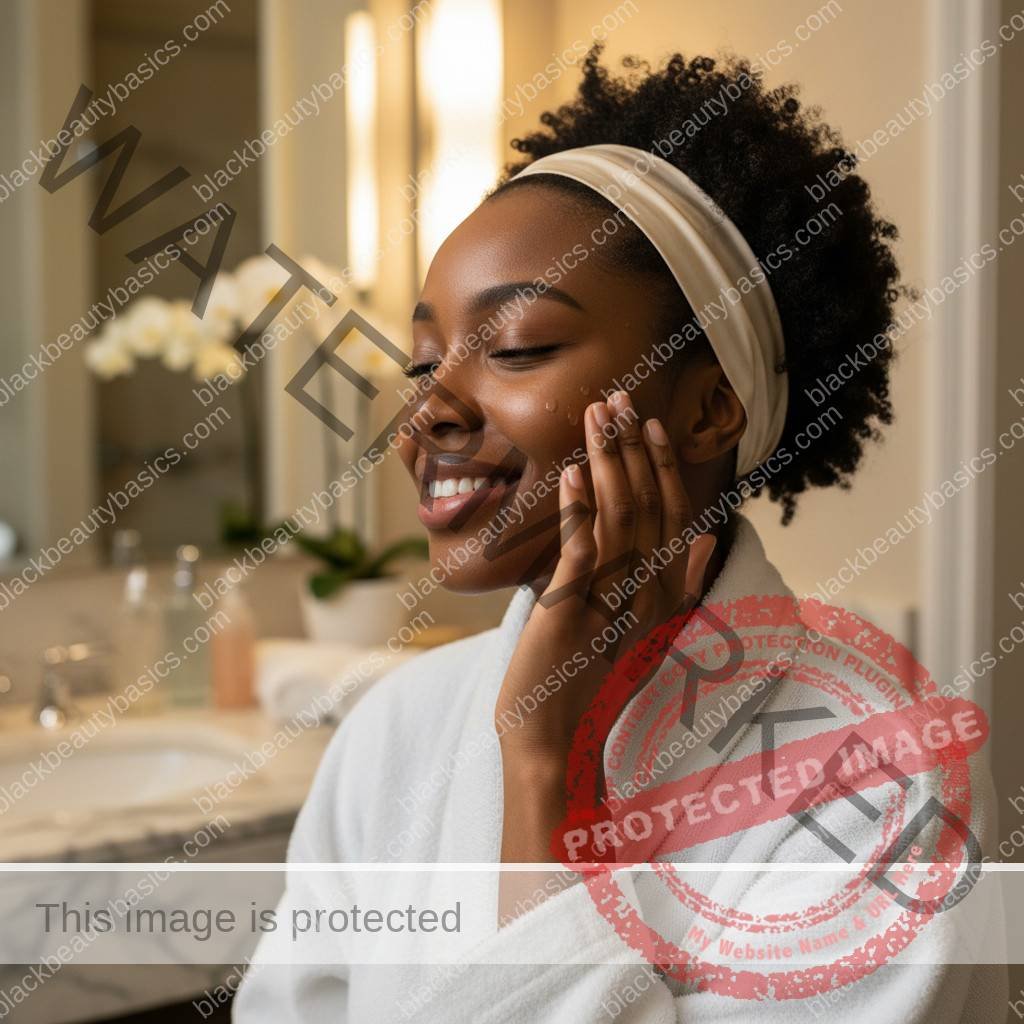
- Keep it Clean and Cool: Immediately after your session, keep the treated areas clean and cool. Avoid hot showers, saunas, steam rooms, and intense exercise that can cause excessive sweating for at least 24 hours. Warm water is fine, but avoid harsh soaps or scrubbing.
- Loose Clothing: Wear loose-fitting, breathable clothing (preferably cotton) to minimize friction on both your underarms and legs. Tight clothing can rub against freshly epilated follicles, causing irritation and increasing the risk of ingrown hairs.
- Avoid Touching: Resist the urge to touch the freshly treated areas. Your hands can transfer bacteria, leading to breakouts or infection.
Targeted Care for Underarms: Managing Sweat and Deodorant
The underarm area presents a unique challenge due to its constant exposure to sweat and deodorant. The goal here is to keep the area calm, dry, and free from pore-clogging ingredients.
- Deodorant Timing: This is perhaps one of the most critical considerations. Avoid applying conventional deodorants or antiperspirants for at least 24-48 hours after waxing or sugaring. The chemicals, fragrances, and aluminum compounds in these products can irritate open follicles, leading to redness, bumps, and PIH. If you must use something, opt for a natural, aluminum-free, and fragrance-free deodorant, or simply use a gentle dusting powder to absorb moisture.
- Gentle Cleansing: Continue to cleanse the underarms gently with a mild, fragrance-free cleanser. Pat dry thoroughly.
- Soothing Agents: Apply a soothing, anti-inflammatory product. Look for ingredients like aloe vera, chamomile, calendula, or witch hazel (alcohol-free). These can help calm redness and reduce inflammation. A thin layer of hydrocortisone cream (1%) can be used for a day or two if significant redness or irritation occurs, but consult with a professional if irritation persists.
- Addressing Friction: Be mindful of arm movements that cause friction. If you’re prone to underarm darkening, friction is a major culprit. Consider applying a thin layer of a barrier cream or a gentle, non-comedogenic balm to reduce rubbing, especially if you’re active.
Targeted Care for Legs: Combating Dryness and Dullness
Legs, while less prone to sweat-induced irritation, often suffer from dryness, which can make hair removal results look less polished and increase the risk of ingrowns.
- Hydration is Key: Begin moisturizing your legs with a rich, fragrance-free body lotion or cream starting 24 hours after your session. Consistent hydration keeps the skin supple, which is essential for preventing ingrown hairs and maintaining an even tone. Look for ingredients like ceramides, hyaluronic acid, shea butter, and glycerin.
- Gentle Exfoliation (Delayed): While immediate exfoliation is a no-go, gentle exfoliation should be reintroduced 2-3 days after your session. This is crucial for preventing dead skin cells from trapping new hair growth, which leads to ingrowns. Use a soft brush, mitt, or a mild chemical exfoliant (like a lotion with lactic or glycolic acid) 2-3 times a week. Avoid harsh scrubbing, especially if your skin is still sensitive.
- Sun Protection: Freshly waxed or sugared skin is more susceptible to sun damage and PIH. If your legs will be exposed, apply a broad-spectrum sunscreen with an SPF of 30 or higher.
Long-Term Aftercare for Both Areas
Consistent, long-term care is vital for maintaining smooth, healthy skin and preventing common issues associated with hair removal on dark skin.
- Regular, Gentle Exfoliation: Continue a routine of gentle exfoliation 2-3 times a week for both underarms and legs. This keeps follicles clear and prevents ingrown hairs.
- Consistent Moisturization: Daily moisturization is non-negotiable. Well-hydrated skin is less prone to irritation, dryness, and flakiness, and it helps to maintain the skin’s barrier function.
- Address PIH Proactively: If you notice any dark spots beginning to form, consult with your esthetician or dermatologist. Ingredients like niacinamide, vitamin C, alpha arbutin, and azelaic acid can be helpful in fading existing PIH and preventing new spots.
- Professional Guidance: Don’t hesitate to seek advice from your esthetician or a dermatologist if you’re experiencing persistent irritation, severe ingrown hairs, or worsening hyperpigmentation. They can offer personalized recommendations and treatments.
By diligently following these post-treatment care guidelines, tailored to the specific needs of your underarms and legs, you can significantly enhance your hair removal experience, minimize common complications, and maintain the radiant, even-toned skin you deserve.
How to Reduce Ingrowns and Keep Tone Looking More Even
For individuals with melanin-rich skin, the twin concerns of ingrown hairs and post-inflammatory hyperpigmentation (PIH) are often intertwined with hair removal. Ingrown hairs, which occur when hair curls back into the skin instead of growing outward, can lead to inflammation, bumps, and ultimately, dark spots. Keeping an even skin tone after waxing or sugaring requires a proactive and consistent approach that addresses both issues simultaneously.
Understanding the Connection Between Ingrowns and PIH
The link between ingrown hairs and PIH is direct and significant for dark skin. When a hair becomes ingrown, the body perceives it as a foreign object, triggering an inflammatory response. This inflammation, in turn, stimulates melanocytes (pigment-producing cells) to overproduce melanin, leading to the formation of dark spots or patches. This process is exacerbated in melanin-rich skin due to the higher activity of these melanocytes. Therefore, effectively preventing ingrown hairs is a primary strategy for preventing PIH.
Strategies for Preventing Ingrown Hairs
Preventing ingrown hairs requires a multi-faceted approach that spans pre-care, during-care, and aftercare.
- Proper Hair Removal Technique:
- Professional Expertise: Always seek an experienced esthetician who specializes in waxing or sugaring on dark skin. Their skill in applying and removing the product correctly (against the direction of growth for wax, with the direction for sugar) minimizes hair breakage and skin trauma.
- Sugaring Advantage: Sugaring, which removes hair in the direction of growth, is often considered gentler and less likely to cause hair breakage or distort the follicle, potentially reducing the incidence of ingrowns compared to waxing. Learn more about the differences in our article on Waxing vs. Sugaring on Melanin-Rich Skin.
- Consistent Gentle Exfoliation:
- Regular Routine: This is arguably the most crucial step. Begin gentle exfoliation 2-3 days after your hair removal session and continue 2-3 times a week. Exfoliation removes dead skin cells that can block hair follicles, allowing new hairs to grow out freely.
- Chemical Exfoliants: For melanin-rich skin, chemical exfoliants are often preferred over harsh physical scrubs, which can cause micro-tears and irritation. Look for products containing alpha hydroxy acids (AHAs) like glycolic or lactic acid, or beta hydroxy acids (BHAs) like salicylic acid. Salicylic acid is particularly effective for ingrowns because it’s oil-soluble and can penetrate into the pore to dissolve debris.
- Application: Apply these products to both underarms and legs. For underarms, use a gentle wipe or a cotton pad soaked in an exfoliating toner. For legs, a lotion or serum containing these acids works well.
- Daily Moisturization:
- Supple Skin: Well-hydrated skin is more pliable, making it easier for new hairs to break through the surface without becoming trapped. Dry, flaky skin can create a barrier that encourages ingrowns.
- Non-Comedogenic Products: Use a rich, fragrance-free body lotion or cream daily, focusing on ingredients that support the skin barrier like ceramides, hyaluronic acid, and shea butter.
- Avoid Picking or Squeezing: Resist the urge to pick at or squeeze ingrown hairs. This can introduce bacteria, lead to infection, and significantly worsen inflammation and subsequent PIH.
Strategies for Keeping Tone Looking More Even and Fading PIH
Beyond preventing ingrowns, specific strategies are needed to manage and fade existing dark marks and maintain an even skin tone.
- Sun Protection:
- Non-Negotiable: Sun exposure is the number one enemy of PIH. UV radiation stimulates melanin production, making dark spots darker and harder to fade. Always apply a broad-spectrum sunscreen with SPF 30 or higher to any exposed skin, including your legs, especially after hair removal.
- Underarms: While often covered, if you’re wearing sleeveless tops, remember to protect your underarms too.
- Targeted Brightening Ingredients:
- Consistent Use: Incorporate products with ingredients known to inhibit melanin production and fade existing hyperpigmentation. Consistency is key.
- Key Ingredients:
- Niacinamide (Vitamin B3): Reduces inflammation and inhibits melanosome transfer to skin cells.
- Vitamin C (Ascorbic Acid): A powerful antioxidant that brightens skin and inhibits melanin production.
- Alpha Arbutin: A gentler alternative to hydroquinone that inhibits tyrosinase, the enzyme responsible for melanin production.
- Kojic Acid: Another tyrosinase inhibitor derived from fungi.
- Azelaic Acid: Reduces inflammation and inhibits tyrosinase activity.
- Licorice Root Extract: Contains glabridin, which has skin-brightening and anti-inflammatory properties.
- Application: Apply these treatments to affected areas after cleansing and before moisturizing.
- Address Underlying Causes of Underarm Darkening:
- Not Just Hair Removal: Underarm darkening can be caused by factors beyond hair removal, such as friction from clothing, certain deodorants, and even medical conditions like acanthosis nigricans (often associated with insulin resistance).
- Deodorant Choice: Opt for aluminum-free, fragrance-free deodorants, especially if you notice irritation or darkening.
- Clothing: Wear loose, breathable fabrics to reduce friction.
- Consult a Professional: If underarm darkening is persistent or severe, consult a dermatologist to rule out underlying medical conditions.
- Patience and Consistency: Fading PIH takes time—often weeks to months. Consistency with your routine is paramount. Do not expect overnight results.
A Holistic Approach
Remember that maintaining an even tone and preventing ingrowns is an ongoing commitment. It’s about nurturing your skin, understanding its unique needs, and being consistent with a gentle yet effective care routine. By integrating these strategies, you can significantly reduce the incidence of ingrown hairs and promote a beautifully even, radiant skin tone across your underarms and legs, enhancing your overall skin health and confidence. For more comprehensive guidance on managing ingrown hairs, explore our article on Ingrown Hair Prevention and Management.
How to Navigate This Topic
Navigating the world of hair removal, particularly waxing and sugaring, for underarms and legs on melanin-rich skin requires a thoughtful, informed, and personalized approach. It’s not about rigid rules, but about understanding your skin’s unique responses and making choices that honor its health and beauty. This section aims to provide a framework for making those decisions, emphasizing careful consideration over quick fixes.
Understanding Your Skin’s Unique Story
Your skin is a living, breathing organ with its own history and sensitivities. Before embarking on any new hair removal regimen, take time to observe and understand your skin. Have you experienced irritation from shaving? Are you prone to dark spots from minor cuts or blemishes? Do your underarms react differently than your legs to products or friction? Recognizing these patterns is the first step in tailoring your approach. Melanin-rich skin is often more prone to post-inflammatory hyperpigmentation (PIH), meaning any irritation or trauma can lead to dark spots. This heightened sensitivity means that gentleness and prevention are paramount.
Choosing the Right Method: Waxing vs. Sugaring
The choice between waxing and sugaring is a significant one, and it’s not always clear-cut. Both methods remove hair from the root, but their application and removal techniques differ, which can have varying impacts on dark skin.
- Sugaring: Often lauded as a gentler alternative, sugaring paste is typically made from natural ingredients like sugar, lemon juice, and water. It adheres only to the hair and dead skin cells, not live skin, and is removed in the direction of hair growth. This can result in less trauma to the follicle and skin, potentially reducing the risk of ingrown hairs and PIH. It’s particularly well-suited for sensitive areas like the underarms. You can even find sugaring paste for body hair removal to explore.
- Waxing: Wax adheres to both hair and skin and is removed against the direction of hair growth. While effective, it can be more abrasive, especially if the wrong type of wax is used or if the technique is improper. Hard wax, which encapsulates the hair and hardens before removal, is generally preferred for sensitive areas and coarser hair on dark skin, as it minimizes pulling on the skin. Soft wax, which requires strips, can be more irritating. Consider searching for hard wax beans for sensitive skin if you’re exploring at-home options (though professional application is always recommended).
For a deeper dive into these methods, refer to our article on Waxing vs. Sugaring on Melanin-Rich Skin.
The Importance of a Skilled Esthetician
This cannot be stressed enough: the skill of your esthetician is paramount. An experienced professional who understands the unique needs of melanin-rich skin will:
- Assess Your Skin: They will examine your skin type, hair texture, and growth patterns.
- Choose the Right Product: They will select the appropriate wax (hard wax for sensitive areas) or sugar paste.
- Masterful Technique: They will apply and remove the product with precision, minimizing skin trauma and hair breakage.
- Provide Tailored Aftercare: They can offer personalized advice for your specific skin concerns.
Don’t be afraid to ask questions, read reviews, and seek recommendations for estheticians who are known for their expertise with dark skin.

Zone-Specific Considerations: Underarms vs. Legs
As we’ve discussed, underarms and legs are not created equal. Your approach should reflect these differences:
- Underarms: Prioritize gentleness. This area is prone to sweat, friction, and product buildup. Opt for sugaring or hard wax. Be diligent with post-care, especially regarding deodorant use and soothing ingredients. This area is more visible and reactive, so extra care is warranted to prevent PIH.
- Legs: While still requiring care, legs can often tolerate a bit more. Focus on consistent exfoliation to prevent ingrowns across a larger surface area, and robust moisturization to combat dryness and maintain a smooth, even texture. Sun protection is critical for preventing PIH on exposed legs.
Consistency and Patience
Achieving and maintaining smooth, even-toned skin through waxing or sugaring is a journey, not a destination. Consistency with appointments helps to weaken hair follicles over time, leading to finer, sparser growth. Patience is also key, especially when dealing with PIH; dark spots take time to fade, and a consistent, gentle routine is far more effective than aggressive, sporadic treatments.
Listen to Your Skin
Ultimately, your skin is your best guide. If a product or method causes persistent irritation, redness, or leads to increased ingrowns or dark spots, it’s a sign to re-evaluate. Don’t be afraid to adjust your routine, try a different product, or seek professional advice. Your comfort and skin health are always the priority.
By approaching hair removal with this informed and personalized mindset, you can navigate the topic with confidence, ensuring that your underarms and legs remain beautifully smooth, healthy, and radiant. For a broader understanding of body care and hair removal on dark skin, explore our Body Care and Hair Removal on Dark Skin pillar page.
Quick Principles
Navigating hair removal for underarms and legs on melanin-rich skin can feel complex, but a few core principles can guide your decisions and routine. These quick principles serve as a concise summary of the essential considerations for achieving smooth, healthy, and even-toned skin.
| Area | Common Challenge | Helpful Adjustment / Principle |
|---|---|---|
| Underarms | Sweat, friction, delicate skin, reactive to products, high PIH risk. | Prioritize gentle methods (sugaring/hard wax). Avoid deodorant for 24-48 hrs post-treatment. Use soothing, anti-inflammatory aftercare. Wear loose clothing. |
| Legs | Dryness, dullness, large surface area for ingrowns, sun exposure. | Consistent gentle exfoliation (2-3 days post-treatment). Daily robust moisturization. Sun protection is crucial. Professional technique for even results. |
| Both Areas (Melanin-Rich Skin) | Ingrown hairs, post-inflammatory hyperpigmentation (PIH), skin sensitivity. | Professional Esthetician: Always choose an experienced professional skilled with dark skin. Optimal Hair Length: ¼ to ½ inch for effective removal. Gentle Exfoliation: 2-3 times/week with AHAs/BHAs (after initial healing). Daily Hydration: Keeps skin supple and prevents ingrowns. Sun Protection: Non-negotiable for preventing and fading PIH. Patience & Consistency: Results take time; stick to your routine. Listen to Your Skin: Adjust methods/products if irritation occurs. |
Elaborating on These Principles:
- Professional Expertise is Non-Negotiable: For melanin-rich skin, the technique of your esthetician is paramount. An experienced professional understands how to minimize trauma, choose the right product (e.g., hard wax or sugaring for sensitive areas), and provide tailored aftercare advice. This significantly reduces the risk of ingrown hairs and PIH.
- Hair Length Matters: Whether it’s your underarms or legs, ensuring the hair is the correct length (typically ¼ to ½ inch) allows for effective removal from the root, minimizing breakage and subsequent ingrowns.
- Gentle Exfoliation is Your Ally: Once the initial sensitivity subsides (2-3 days post-treatment), regular, gentle exfoliation is crucial. This prevents dead skin cells from trapping new hair growth, which is a primary cause of ingrowns. Chemical exfoliants (AHAs/BHAs) are often preferred for dark skin as they are less abrasive than harsh physical scrubs.
- Hydration, Hydration, Hydration: Well-hydrated skin is supple and resilient. Daily moisturizing, especially for the legs, helps to maintain the skin’s barrier, prevent dryness, and allow hairs to grow out smoothly.
- Sun Protection is Your Best Friend Against PIH: Any inflammation or trauma to melanin-rich skin can trigger PIH. Sun exposure will darken these spots and make them more persistent. Always use a broad-spectrum SPF 30+ on exposed areas, and be mindful of sun exposure on your underarms if wearing sleeveless clothing.
- Patience and Consistency Yield Results: Good skin health and the fading of PIH don’t happen overnight. A consistent routine of proper hair removal, exfoliation, moisturization, and sun protection is essential for long-term success.
- Listen to Your Body: Your skin will communicate its needs. If a particular product or method causes irritation, redness, or leads to more ingrowns or dark spots, it’s a sign to adjust your approach. Don’t be afraid to experiment with different products or consult with your esthetician or dermatologist.
By keeping these principles at the forefront of your hair removal journey, you can cultivate a routine that respects the unique beauty of your melanin-rich skin, leading to smoother, more even-toned results for both your underarms and legs. For more on comprehensive body care, visit our Full Body Tone and Texture Maintenance guide.
Embracing waxing or sugaring for your underarms and legs on dark skin is a journey of self-care, requiring both knowledge and intuition. It’s about understanding the unique needs of each area and honoring the exquisite nature of your melanin-rich skin. By prioritizing professional expertise, meticulous preparation, and diligent aftercare, you can transform a routine task into an empowering ritual that leaves you feeling confident and radiant. Remember, your skin tells a story, and with the right approach, it can be one of unparalleled smoothness and even-toned beauty.
We encourage you to explore all the resources available on Black Beauty Basics, from Pre and Post Hair Removal Care for PIH-Prone Skin to specific guides like Bikini and Brazilian Waxing and Sugaring for PIH-Prone Skin and Face Waxing and Sugaring on Dark Skin. Each piece is crafted to provide you with the insights you need to make informed decisions for your unique skin. Your journey to beautiful, healthy skin is a continuous one, and we are here to support you every step of the way.
Frequently Asked Questions
What is the ideal hair length for underarm and leg waxing/sugaring on dark skin?
For optimal results and to minimize irritation, hair should be about ¼ to ½ inch long, roughly the size of a grain of rice. This length allows the wax or sugar paste to grip the hair effectively without causing excessive pulling or breakage, which can lead to ingrown hairs and post-inflammatory hyperpigmentation (PIH).
How do underarm and leg skin differ in their response to hair removal?
Underarm skin is thinner, more delicate, and prone to sweat and friction, making it highly reactive to irritation and PIH. Leg skin is generally thicker and more resilient but can suffer from dryness and widespread ingrowns if not properly exfoliated and moisturized, especially given its larger surface area and exposure to environmental factors.
Can I use my regular deodorant immediately after underarm waxing or sugaring?
It is strongly advised to avoid using conventional deodorants or antiperspirants for at least 24-48 hours after underarm hair removal. The chemicals and fragrances can irritate freshly opened follicles, leading to redness, bumps, and increased risk of PIH. Opt for a natural, aluminum-free, and fragrance-free alternative if necessary.
What are the best ways to prevent ingrown hairs on my legs after hair removal?
To prevent ingrown hairs on your legs, ensure you get professional hair removal, allow hair to reach the ideal length, and consistently exfoliate 2-3 days post-treatment using gentle chemical exfoliants (AHAs/BHAs). Daily moisturization with a non-comedogenic lotion also keeps skin supple, allowing hairs to grow out freely.
How can I reduce the risk of dark marks (PIH) on my underarms and legs?
Reducing PIH involves using gentle hair removal methods (sugaring or hard wax), avoiding irritation, and diligent aftercare. Crucially, use broad-spectrum sunscreen on exposed areas, incorporate brightening ingredients like niacinamide or Vitamin C into your routine, and avoid picking at ingrowns or blemishes.
Is sugaring better than waxing for melanin-rich skin, particularly for underarms?
Sugaring is often considered a gentler option for melanin-rich skin, especially for sensitive areas like the underarms. It adheres only to hair and dead skin cells and is removed in the direction of hair growth, potentially causing less trauma to the skin and follicles, which can reduce the risk of ingrown hairs and PIH.
What long-term care practices should I adopt for both areas to maintain smooth, even-toned skin?
Long-term care for both underarms and legs includes regular, gentle exfoliation (2-3 times a week) to prevent ingrowns, daily moisturization with a rich, fragrance-free product to keep skin supple, and consistent sun protection to prevent and fade PIH. Maintaining regular hair removal appointments also helps to weaken hair follicles over time.
INTERNAL LINKING OPPORTUNITIES
Waxing and Sugaring Considerations on Dark Skin
Body Care and Hair Removal on Dark Skin
Waxing vs. Sugaring on Melanin-Rich Skin
Bikini and Brazilian Waxing and Sugaring for PIH-Prone Skin
Face Waxing and Sugaring on Dark Skin
Full Body Tone and Texture Maintenance
Pre and Post Hair Removal Care for PIH-Prone Skin
Ingrown Hair Prevention and Management
Related next steps
Related posts:
 Underarm and Leg Shaving on Dark Skin: A Strategic Guide for Melanin-Rich Skin
 Face Waxing and Sugaring on Dark Skin: Navigating Hair Removal with Care
 Waxing vs Sugaring on Melanin-Rich Skin: A Gentle Guide to Hair Removal Choices
 Bikini and Brazilian Waxing and Sugaring for PIH-Prone Skin
 Waxing vs Sugaring for Black Women: Which is Better for Razor Bumps and Ingrowns?
 Underarm Darkening on Melanin-Rich Skin: Common Patterns & Care