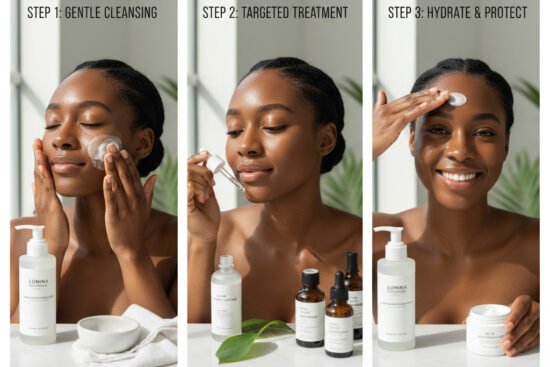
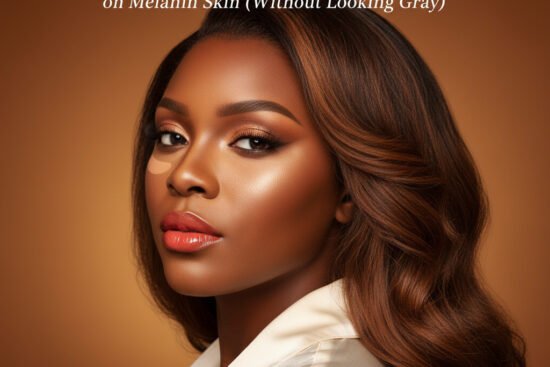
Diversity informs my recommendations for women of color: I emphasize broad-spectrum sunscreen to prevent hyperpigmentation, gentle chemical exfoliants like AHA/BHA to even tone, and targeted serums with niacinamide and vitamin C for brightness. I advise prescription-strength retinoids only when needed and caution about harsh physical scrubs that can cause post-inflammatory hyperpigmentation. I guide you to build a simple, effective routine that protects your skin and treats your specific concerns safely.
Key Takeaways:
- Daily broad‑spectrum sunscreen SPF 30+ (tinted mineral options reduce white cast) to prevent and protect against UV‑driven hyperpigmentation and PIH.
- Gentle, sulfate‑free cleanser that preserves the skin barrier and avoids over‑stripping.
- Hydrating moisturizer with humectants (hyaluronic acid), emollients, and ceramides-choose richer formulas if prone to dryness.
- Antioxidant brightening serums (vitamin C, niacinamide, tranexamic acid) to fade dark spots and even skin tone.
- Chemical exfoliants (low‑concentration AHA/BHA) to improve texture and pigmentation; introduce slowly and always pair with sunscreen.
- Topical retinoid for acne, texture, and pigmentation-start low, use with moisturizer, and protect from sun exposure.
- Soothing and barrier‑repair ingredients (centella, ceramides, squalane) and non‑comedogenic oils to calm inflammation and lower PIH risk.
Understanding Skin Types
I classify skin by oil production, barrier function and melanin response so I can recommend the right products; I assess pore size, shine, flaking and reactivity because melanin changes inflammation and pigmentation risk for women of color. I separate oily, dry, combination, normal and sensitive profiles to choose textures and actives that reduce post-inflammatory hyperpigmentation. After I evaluate oiliness, sensitivity and pigmentation tendency I match cleansers, moisturizers and serums to your needs.
- Oily – visible shine, larger pores, acne-prone
- Dry – flaking, tightness, more visible fine lines
- Combination – oily T-zone, dry cheeks
- Sensitive – stinging, redness, reactive to actives
- Normal – balanced oil and hydration
| Oily | Shiny T-zone, frequent breakouts |
| Dry | Flaky patches, rough texture |
| Combination | Mixed zones; tailor products by area |
| Sensitive | Reacts to fragrances, acids |
| Normal | Even texture, minimal sensitivity |
Identifying Skin Types in Women of Color
I check your forehead, nose and chin separately from cheeks because many women of color present combination skin with localized oiliness and widespread pigmentation risk; I use a blot test, observe product reaction for 48-72 hours and assess how your skin tans or scars. I note dehydration versus true dryness and whether inflammation leaves dark marks. The results tell me which actives, textures and sun protection strategies I’ll prioritize for you.
- Blot test – oil transfer after 1-2 hours
- Patch test – reaction to new actives (48-72 hrs)
- Skin pinch – elasticity and hydration check
- Sun response – tanning vs burning, PIH risk
- Pore visibility – guides exfoliation frequency
| Blot test | Identifies sebum-prone zones |
| Patch test | Detects sensitivity to actives |
| Hydration check | Shows dehydration vs dry skin |
| Sun reaction | Predicts hyperpigmentation risk |
| Pore assessment | Informs exfoliant and clay use |
Common Skin Concerns
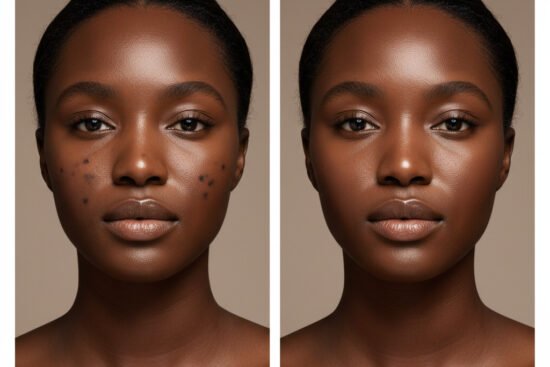
I encounter three dominant issues: post-inflammatory hyperpigmentation (PIH), persistent acne and tendency to keloid/hypertrophic scarring; PIH can linger for months and often drives treatment choices, so I prioritize gentle anti-inflammatory strategies, broad-spectrum SPF 30-50 and targeted fading agents like azelaic acid or low‑strength hydroquinone under supervision.
I treat acne swiftly to prevent PIH by combining non-comedogenic cleansers, benzoyl peroxide or adapalene and short-term topical antibiotics when needed; I use azelaic acid 10-20% or prescription retinoids (0.025-0.1%) for spot fading and texture, while warning that aggressive procedures-deep chemical peels or harsh physical exfoliation-carry a high risk of triggering long-lasting PIH. For raised scars I recommend early silicone therapy, steroid injections or referral to a specialist if keloid formation begins, and I always emphasize consistent sun protection and gentle anti-inflammatory care to improve outcomes.
Cleansing Products
I favor sulfate-free, pH-balanced (≈5-5.5) cleansers that remove makeup without stripping natural oils. For heavy makeup I double-cleanse-an oil or balm first, then a creamy cleanser like CeraVe Hydrating or Cetaphil-so you avoid friction. Use lukewarm water, pat dry, and avoid aggressive daily scrubbing; over-cleansing can damage the barrier and worsen post-inflammatory hyperpigmentation (PIH).
Gentle Cleansers
When your skin leans dry or reactive I choose creamy, non-foaming formulas with glycerin, ceramides, and hyaluronic acid; for oilier types a mild foaming cleanser with amino-acid surfactants works better. I recommend fragrance-free options and products with a low pH to maintain the acid mantle. Examples I use or suggest: Cetaphil Gentle, CeraVe Hydrating, and La Roche-Posay Toleriane-ingredients matter more than marketing.
Exfoliating Options
I prioritize chemical exfoliants: AHAs like glycolic (5-10%) or lactic (5-12%) to brighten, BHAs like salicylic (0.5-2%) to clear pores, and enzyme options for sensitivity. Start at 1-3 times weekly and increase slowly as tolerated; studies show consistent AHA use improves texture and pigmentation over 8-12 weeks. Avoid harsh physical scrubs-they can cause microtears and provoke PIH in darker skin.
When deciding, pick lactic acid if you have dryness since it’s more hydrating, or salicylic acid for oily, acne-prone skin. Always patch test for 24-48 hours and stop if you get burning or intense redness. Crucially pair any exfoliant with daily SPF-exfoliation increases photosensitivity and sun exposure can worsen pigmentation. I typically advise starting at lower concentrations and tracking results over several weeks before increasing frequency.
Toners and Essences
Toners and essences sit between cleansing and serums; I rely on them to adjust pH, add hydration, or deliver light exfoliation. For women of color I favor alcohol-free, pH 4.5-5.5 formulas with hyaluronic acid, niacinamide (2-5%), licorice, or low-dose acids (AHA 5-10%, BHA 0.5-2%). You’ll see faster serum absorption and reduced surface oil when used correctly; avoid daily harsh acids to prevent irritation and PIH.
Benefits of Toners
Toners balance skin pH (ideal 4.5-5.5), remove residue, and prep skin so I get better serum penetration-optimized pH improves active efficacy. When toners contain AHAs/BHAs (AHA 5-10%, BHA 0.5-2%) they provide gentle exfoliation 1-3 times weekly. For melanin-rich skin I avoid alcohol-based formulas because they can strip oil and trigger PIH.
Suitable Essences for Diverse Skin
Essences like fermented Galactomyces (SK‑II), snail mucin (COSRX Advanced Snail 96), or hyaluronic-rich Hada Labo deliver hydration and barrier repair; I recommend niacinamide 2-5% essences for hyperpigmentation. If you have acne-prone skin, choose BHA-containing essences (0.5-2%) or propolis for calming. You should patch-test 24-48 hours and introduce actives one at a time to track results.
When targeting discoloration I pair a niacinamide essence (2-5%) with topical vitamin C in the morning and a gentle AHA toner weekly; over 8-12 weeks you can expect visible fading with consistent use. For barrier repair I favor propolis or ferment essences; in oily skin I use BHA 0.5-1% every other day. Patch-test and limit actives to avoid irritation and PIH.
Moisturizers
Moisturizers seal hydration and help prevent post-inflammatory hyperpigmentation by strengthening the skin barrier; I favor formulas that combine humectants, emollients and occlusives without excess fragrance. For daytime I use lightweight, non-comedogenic gels with hyaluronic acid (holds up to 1000× its weight) and ceramides, while at night richer creams with shea or squalane restore lipids. Avoid coconut oil (comedogenic rating 4) if you’re acne-prone.
Lightweight vs. Rich Formulas
Water-based gel or lotion moisturizers work best in humid climates and for oily or combination skin; I pick gels with glycerin and squalane for daytime under sunscreen. Petrolatum and heavier butters suit very dry skin or winter use-apply them at night to lock in repair. I often layer: a lightweight AM product, a richer PM balm, and swap seasonally to balance hydration without clogging pores.
Ingredients to Look For
I target ceramides to rebuild barrier, hyaluronic acid (0.5-2%) for hydration, niacinamide (2-5%) for regulating oil and reducing pigment, plus non-comedogenic emollients like squalane. I use antioxidants-stable vitamin C forms or vitamin E-for environmental protection. If you break out often, avoid heavy, comedogenic oils; and be cautious because high-strength retinoids can irritate and worsen pigment when misused.
When choosing actives I start low and build: I introduce niacinamide 2-5% to reduce blotchiness and lower sebum within weeks, then add vitamin C-L‑ascorbic acid at 10-20% if your skin tolerates low pH, or gentler derivatives like magnesium ascorbyl phosphate. For retinoids I begin at 0.025-0.05% every other night to avoid irritation; if you get persistent redness or flaking, reduce frequency-high-strength retinoids can trigger PIH in melanin-rich skin if overused.
Sunscreens
Importance of Sunscreen
I stress broad-spectrum SPF 30+ because SPF 30 blocks about 97% of UVB while SPF 50 blocks ~98%, yet UVA penetrates deeper and worsens post-inflammatory hyperpigmentation in darker skin; I advise applying at the standard 2 mg/cm² and to reapply every 2 hours or after sweating to prevent stubborn dark marks and photoaging.
Best Sunscreens for Women of Color
I favor sunscreens that cover UVA, UVB and visible light; tinted formulas with iron oxides reduce visible-light-induced hyperpigmentation, while micronized zinc oxide or well-formulated chemical filters (avobenzone combos) deliver reliable broad-spectrum protection-tinted mineral or hybrid sunscreens help avoid white cast and target dark spots effectively.
I tailor choices to skin type: gels or fluid chemical sunscreens suit oily or acne-prone skin, creams or tinted zinc work for dry skin. I tell you to apply about 1/4 teaspoon (≈1.25 mL) for the face (≈2 mg/cm²), let it absorb before makeup, and patch-test new formulations if you’re prone to breakouts or pilling.
Targeted Treatments
When spots or texture persist I layer targeted actives after serums to address specific concerns: retinoids for cell turnover, chemical exfoliants for clogged pores, and brighteners for post-inflammatory hyperpigmentation (PIH). Studies show PIH can affect up to 70% of darker-skinned patients after inflammation, so I prioritize gentle strength increases, patch testing, and pairing every regimen with sunscreen to prevent rebound darkening.
Serums for Hyperpigmentation
I use serums with proven concentrations: L-ascorbic acid 10-20% for antioxidant brightening, niacinamide 4-5% to reduce pigment transfer, and topical hydroquinone 2% OTC or 4% Rx for resistant melasma under physician supervision. Tranexamic acid (topical 2-5%) and azelaic acid 15-20% also work well; you should patch-test and limit hydroquinone use to prescribed courses to avoid ochronosis.
Acne Treatments
For acne I combine keratolytics and antimicrobials: salicylic acid 0.5-2% for comedones, benzoyl peroxide 2.5-5% for Cutibacterium reduction, and adapalene 0.1% nightly for comedolysis and inflammation control. I avoid aggressive drying because over-stripping worsens PIH; if you have inflammatory lesions, consider topical clindamycin+BPO combos and seek dermatologic care for nodulocystic disease.
In practice I prescribe a stepwise routine: morning-gentle cleanser, BPO 2.5% wash or spot, moisturizer, and broad-spectrum sunscreen; night-cleanse, adapalene 0.1%, and emollient. For severe acne oral antibiotics should be limited to ≤3 months to reduce resistance, and oral isotretinoin requires specialist oversight because of teratogenicity and monitoring needs.
Final Words
With these considerations, I recommend a gentle, pH-balanced cleanser; a targeted exfoliant (AHA/BHA) to manage texture; a vitamin C serum and niacinamide for brightening and barrier support; a moisturizer with ceramides and humectants; a broad-spectrum SPF 30+ daily; and spot treatments like azelaic acid or hydroquinone for persistent hyperpigmentation under professional guidance. I encourage you to patch-test, simplify routines, and prioritize consistency to protect and even your skin tone.
FAQ
Q: What are the foundational skincare products every woman of color should include?
A: A simple, effective foundation is a gentle cleanser, a targeted serum, a hydrating moisturizer, and a broad-spectrum sunscreen. Choose a non-stripping, sulfate-free cleanser to protect the skin barrier; use a hydrating serum (hyaluronic acid or glycerin) if skin is dry or dehydrated; pick a moisturizer with ceramides, fatty acids, or squalane to restore lipids; and apply SPF 30+ daily. For makeup wearers or those with heavy sun exposure, add a tinted or mineral sunscreen to prevent ashy cast and provide extra protection against visible light that worsens hyperpigmentation.
Q: How should women of color choose and use sunscreen?
A: Opt for broad-spectrum SPF 30 or higher and select formulations designed for darker skin tones to avoid a white cast-tinted mineral sunscreens with iron oxides are ideal because they protect against UVA, UVB, and visible light that drives post-inflammatory hyperpigmentation (PIH). Mineral blockers (zinc oxide, titanium dioxide) are less irritating for sensitive skin; modern formulations minimize whiteness. Apply about a nickel-to-quarter-sized amount to the face and neck each morning and reapply every two hours if outdoors or after sweating/swimming. Layer sunscreen under makeup or use makeup with built-in SPF for touch-ups, and prioritize daily use even on cloudy days.
Q: Which serums are most effective for hyperpigmentation and uneven tone?
A: Key actives for fading dark spots and preventing new PIH include vitamin C (L-ascorbic acid or stable derivatives), niacinamide, azelaic acid, tranexamic acid, and alpha-arbutin. Vitamin C brightens and reduces oxidative stress; niacinamide reduces inflammation and regulates pigment transfer; azelaic acid and tranexamic acid are especially helpful for melasma and PIH with a lower irritation profile. Start with one active at a time, use lower concentrations if your skin is sensitive, and allow 8-12 weeks to assess improvement. Combine with daily sunscreen to preserve results.
Q: What kind of exfoliation works best for darker skin tones, and how often should it be done?
A: Chemical exfoliation is generally safer and more effective than harsh physical scrubs for treating texture and pigmentation. Use AHAs (lactic or glycolic acid) for surface brightening and texture, BHAs (salicylic acid) if you have congestion or acne, and PHAs if you need a gentler option. Start with once weekly and increase to 2-3 times weekly as tolerated; avoid daily strong acids to minimize irritation and worsening PIH. After exfoliation, apply moisturizer and sunscreen, and do not combine aggressive exfoliation with new retinoids the same night until tolerance is established.
Q: How should moisturizers and oils be selected for melanin-rich skin?
A: Choose moisturizers that combine humectants (hyaluronic acid, glycerin), emollients (squalane, fatty alcohols, plant oils), and occlusives (dimethicone, petrolatum) based on your skin’s needs. Lightweight, non-comedogenic lotions with ceramides work well for normal to oily skin; richer creams or ointments suit dry or barrier-compromised skin. Natural oils like jojoba, rosehip, or marula can help with dryness and inflammation-use sparingly if acne-prone. Apply moisturizer while skin is slightly damp to lock in hydration and use a thicker product at night for barrier repair.
Q: What guidance should be followed when using prescription actives like retinoids or hydroquinone?
A: Introduce prescription actives under dermatologic guidance. Start retinoids gradually (every 2-3 nights, increasing frequency as tolerated), apply at night with a moisturizer to reduce irritation, and always pair with daily sunscreen. Hydroquinone can be effective for stubborn PIH but should be used short-term and monitored; alternatives include azelaic acid, kojic acid, or tranexamic acid for long-term management. Avoid combining multiple strong actives (high-strength chemical peels, daily retinoid, and aggressive acids) without supervision to reduce the risk of irritation and post-inflammatory hyperpigmentation.
Q: What common mistakes should women of color avoid when building a skincare routine?
A: Avoid aggressive physical scrubs, alcohol-heavy toners, excessive exfoliation, and frequent switching of products that can disrupt the skin barrier and trigger PIH. Patch-test new actives and tinted sunscreens to ensure they don’t cause irritation or a visible cast. Be consistent-gradual, steady application of targeted serums plus daily SPF delivers better results than sporadic intensive treatments. If unsure about persistent PIH, melasma, or acne scarring, consult a dermatologist for tailored prescription options and in-office procedures that are safe for darker skin tones.