Dandruff and Seborrheic Dermatitis in Black Women: Your Comprehensive Scalp Care Plan
There’s a silent frustration many of us know all too well: the persistent flakes on dark clothing, the relentless itch under a protective style, or the stubborn, greasy scales that just won’t budge, no matter how much you wash or oil your hair. It’s a feeling that can leave you questioning your hygiene, your products, and even your confidence. For Black women, this experience often comes with an added layer of cultural assumptions and well-meaning, yet often unhelpful, advice.
Perhaps you’ve been told to “grease your scalp” more often, to avoid washing your hair too frequently, or to simply hide the flakes under a scarf or wig. These suggestions, while rooted in tradition, can sometimes exacerbate the very conditions they aim to address. The truth is, what you’re experiencing might be more than just “dry scalp.” It could be dandruff or seborrheic dermatitis, common skin conditions that require a nuanced approach, especially for melanin-rich scalps and textured hair.
This guide is designed to cut through the confusion and stigma. We’ll demystify what dandruff and seborrheic dermatitis truly are, clarify how they differ from simple dryness, and, most importantly, provide you with a clear, practical, and empowering scalp care plan. This isn’t about quick fixes or shaming; it’s about understanding your body, nurturing your scalp, and reclaiming your confidence with knowledge that integrates seamlessly into your unique hair journey. We believe in a holistic approach to beauty, recognizing that a healthy scalp is the foundation for healthy hair, and that true self-love begins with understanding and caring for every part of you.
This deep dive into scalp health is an essential part of our broader mission to empower you. We invite you to explore our dedicated Hair Growth & Scalp Health hub for Black women, where you’ll find a wealth of resources designed to support your journey to vibrant, thriving hair. Remember, your scalp is skin too, and understanding its unique needs is as crucial as caring for the skin on your face or body. For a deeper understanding of chronic skin conditions and overall skin wellness, we also encourage you to visit our comprehensive Skincare pillar.
What Are Dandruff and Seborrheic Dermatitis?
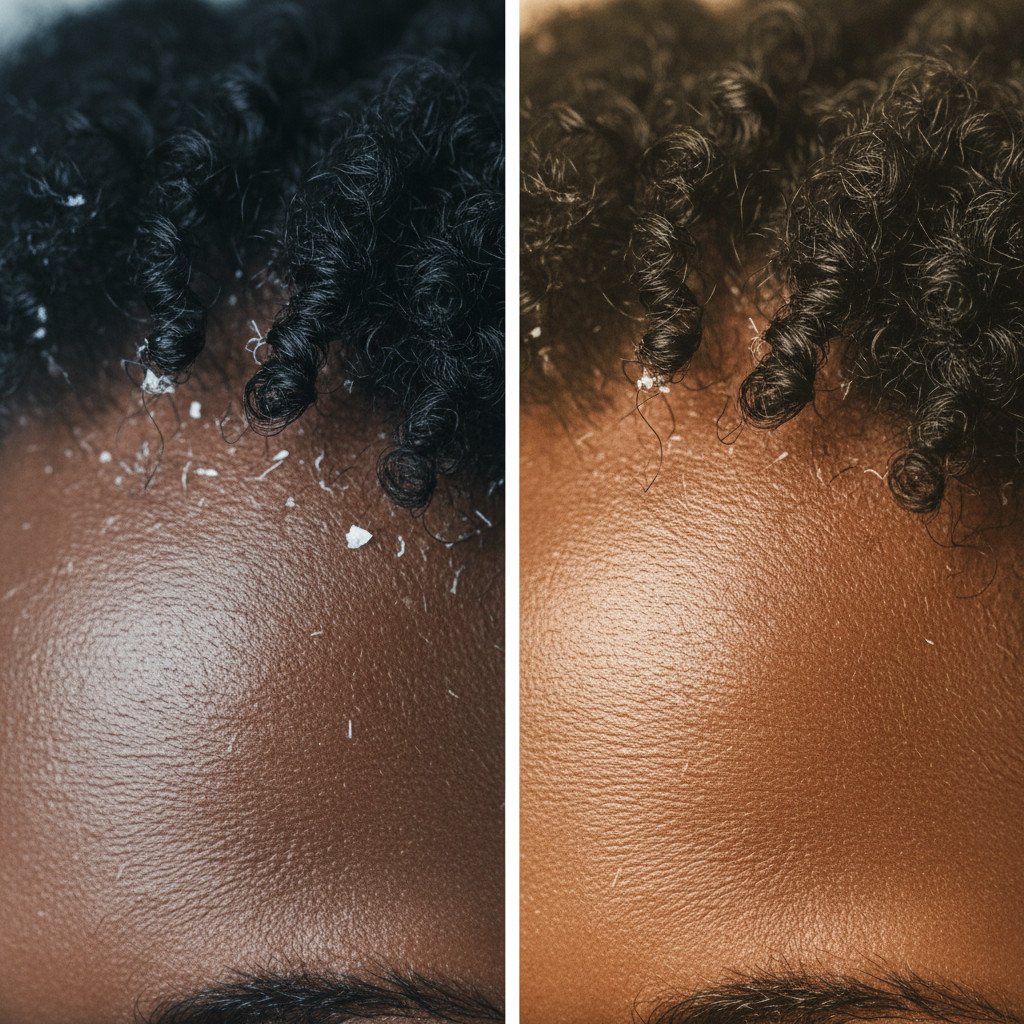
Let’s begin by understanding the core of the issue. Dandruff and seborrheic dermatitis are not signs of poor hygiene, nor are they simply a matter of a dry scalp. They are common, chronic inflammatory skin conditions that primarily affect areas of the body with a high concentration of sebaceous (oil-producing) glands, such as the scalp, face, and chest. Both conditions are characterized by flaking, itching, and sometimes redness, but they differ in their severity and presentation.
At their root, both dandruff and seborrheic dermatitis are believed to be linked to a complex interplay of factors, including the overgrowth of a common yeast-like fungus called Malassezia globosa (which naturally lives on everyone’s skin), excessive oil production (sebum), and an inflammatory response from the immune system. It’s not about the yeast itself being ‘bad,’ but rather how your individual scalp reacts to its presence and byproducts. This understanding is crucial because it moves beyond the simplistic notion of ‘dryness’ and points towards a more targeted approach to management.
Think of your scalp as a delicate ecosystem. When this ecosystem gets out of balance—perhaps due to hormonal fluctuations, stress, certain medications, or even environmental factors—the Malassezia yeast can proliferate, leading to irritation and an accelerated shedding of skin cells. This rapid cell turnover results in the visible flakes we associate with these conditions. Seborrheic dermatitis is generally considered a more severe and persistent form of dandruff, often involving a more pronounced inflammatory response.
- Dandruff (Pityriasis capitis simplex): This is the milder form, often presenting as small, white or grayish, powdery flakes that are easily dislodged and fall onto hair and shoulders. The scalp may feel itchy, but typically there is minimal redness or inflammation. It’s primarily confined to the scalp.
- Seborrheic Dermatitis (Seborrheic Eczema): This is a more intense and chronic condition. The flakes tend to be larger, oilier, and may appear yellowish or brownish. The scalp is often red, inflamed, and intensely itchy, sometimes with a burning sensation. The scales can be greasy and adherent, making them harder to remove. Seborrheic dermatitis can also affect other oil-rich areas like the eyebrows, sides of the nose, ears, and chest. It’s a condition that can wax and wane, often flaring up during times of stress, hormonal changes, or in colder, drier weather.
- The Common Thread: Both are inflammatory skin conditions, not a reflection of cleanliness. They are chronic, meaning they can be managed but often not permanently cured. Understanding this distinction is the first step toward effective management and finding relief. Your scalp, like the rest of your skin, deserves thoughtful and informed care. For a deeper dive into how to care for your skin holistically, remember to explore our comprehensive Skincare pillar, and for all things hair and scalp, our Hair Growth & Scalp Health hub is your ultimate resource.
How They Show Up on Melanin-Rich Scalps and Textured Hair
The presentation of dandruff and seborrheic dermatitis can be subtly different on melanin-rich scalps, making diagnosis and self-assessment a unique challenge. While the underlying pathology is the same, how the symptoms manifest and how they interact with textured hair and common Black hair practices requires specific attention. It’s important to recognize these nuances to ensure effective and culturally sensitive care.
One of the primary differences is how inflammation appears. On lighter skin tones, redness is a prominent sign of inflammation. However, on deeper skin tones, redness can be harder to discern. Instead, inflammation might present as hyperpigmentation (darker patches), a purplish or grayish hue, or simply an increased feeling of heat or burning without obvious visual cues of redness. The scalp might feel tight, tender to the touch, or exhibit a subtle discoloration that is easily overlooked. This can lead to delayed recognition of the inflammatory component, which is critical for effective treatment.
Furthermore, the nature of textured hair—from tightly coiled curls to locs—and the prevalence of protective styles can both mask and aggravate these conditions. The density of textured hair can make it difficult to thoroughly cleanse the scalp, allowing product buildup, shed skin cells, and excess sebum to accumulate. This creates a warm, moist environment that is ideal for the overgrowth of Malassezia yeast, potentially worsening flakes and irritation. The very styles designed to protect our hair can, inadvertently, create conditions that exacerbate scalp issues if not managed with intentional care.
Consider the impact of infrequent wash patterns, which are common for maintaining certain protective styles. While beneficial for length retention and minimizing manipulation, extended periods between washes can lead to a significant buildup of oil, sweat, and dead skin cells. This buildup can trap the yeast and its inflammatory byproducts against the scalp, intensifying itching and flaking. Additionally, the physical tension from braids, twists, or weaves can irritate an already sensitive scalp, making symptoms feel more severe and uncomfortable. It’s a delicate balance between protecting our hair and nurturing our scalp, one that requires informed choices and tailored routines.
Signs Beyond “Just Dry Scalp”
Distinguishing between simple dry scalp and dandruff or seborrheic dermatitis is crucial for effective treatment. While dry scalp often responds well to increased moisture and gentle care, dandruff and SD require a more targeted approach that addresses the underlying inflammation and yeast overgrowth. Here are key indicators that suggest you might be dealing with more than just dryness:
- Persistent flakes despite oiling: If you regularly apply oils or moisturizers to your scalp, but the flakes persist or even seem to worsen, it’s a strong signal that you’re not dealing with simple dryness. Oils can sometimes feed the yeast associated with dandruff and SD, or trap existing flakes and buildup, making the problem more entrenched.
- Itch or burning that returns quickly after washing: While a dry scalp can be itchy, the itch associated with dandruff and SD is often more intense, pervasive, and returns rapidly, sometimes within hours of washing. It might also be accompanied by a burning or stinging sensation, indicating active inflammation.
- Greasy scales that stick to the scalp or base of strands: Unlike the fine, powdery flakes of dry scalp, dandruff and especially seborrheic dermatitis often produce larger, thicker, and sometimes yellowish scales that adhere stubbornly to the scalp. These scales can also be found clinging to the hair shaft near the root, appearing waxy or oily.
- Possible involvement of brows, ears, or face: A key differentiator for seborrheic dermatitis is its tendency to appear in other oil-rich areas. If you notice similar flaking, redness, or itching in your eyebrows, around your nose, behind your ears, or on your chest, it strongly suggests seborrheic dermatitis rather than isolated scalp dryness.
- Inflammation beyond flaking: Look for signs of irritation such as tenderness, sensitivity, or subtle discoloration (darker or purplish patches) on the scalp, especially if visible redness is difficult to detect on your skin tone.
Recognizing these specific symptoms is the first step toward finding relief. It empowers you to seek appropriate solutions that go beyond conventional moisturizing, addressing the root cause of the issue rather than just masking the symptoms.
When It’s Probably Just Dryness
Sometimes, what feels like a major scalp issue is indeed just simple dryness. It’s important to accurately identify this, as the solutions for dry scalp are much simpler and don’t require medicated treatments. Understanding the characteristics of dry scalp can save you unnecessary worry and product experimentation.
- Occasional, small, powdery flakes: Dry scalp typically produces fine, white, powdery flakes that are easily brushed off the hair and scalp. These flakes are usually smaller and less noticeable than those associated with dandruff or seborrheic dermatitis. They might appear more prominently when the scalp is scratched or when hair is brushed vigorously.
- Flakes improve with moisture and more frequent washing: The most telling sign of dry scalp is its responsiveness to hydration. If applying a lightweight, water-based leave-in conditioner, a scalp serum, or simply washing your hair slightly more frequently (with a hydrating shampoo and conditioner) significantly reduces or eliminates the flakes and itch, then you likely have dry scalp.
- No significant itch, redness, or greasy scaling: With dry scalp, the itch is generally mild and intermittent, not intense or persistent. There is typically no visible redness, inflammation, or greasy, adherent scales. The scalp may feel tight or a bit uncomfortable, but it lacks the inflammatory signs of dandruff or seborrheic dermatitis.
- Seasonal occurrence: Dry scalp often flares up in drier climates or during colder months when indoor heating can strip moisture from the air and skin. It tends to improve in more humid conditions.
If your symptoms align with these characteristics, your scalp is likely just thirsty for moisture. For comprehensive guidance on nurturing a dry scalp and maintaining overall scalp health, we highly recommend exploring our article on Scalp Care 101: Oils, Exfoliation, and Treatments for Healthy Growth. This resource provides practical tips and product recommendations for everyday dryness management, ensuring your scalp remains hydrated and comfortable without the need for medicated interventions.
Why “Just Oil Your Scalp” Often Isn’t Enough (and Sometimes Makes It Worse)
For generations, the advice to “oil your scalp” has been a cornerstone of Black hair care. It’s a tradition born from a desire to combat dryness, promote shine, and soothe perceived irritation. And for simple dry scalp, a light application of certain oils can indeed be beneficial, providing a temporary barrier and a feeling of comfort. However, when it comes to dandruff and seborrheic dermatitis, relying solely on oiling can be not just ineffective, but actively detrimental. This is a critical point of understanding, as it challenges deeply ingrained practices and offers a path to more effective relief.
The fundamental issue lies in the nature of dandruff and seborrheic dermatitis. These are inflammatory conditions linked to an overgrowth of yeast (Malassezia) that thrives in oily environments. When you apply heavy oils or greases to a scalp already experiencing these conditions, you are, in essence, providing a feast for the very organism contributing to your discomfort. The oils create an occlusive layer that can trap excess sebum, dead skin cells, sweat, and the yeast itself against the scalp. This trapped environment becomes a breeding ground for further yeast proliferation and inflammation, leading to intensified itching, redness, and flaking. Instead of alleviating the problem, heavy oiling can exacerbate it, creating a vicious cycle of irritation and product application.
Furthermore, many traditional oils and greases are not formulated with ingredients that address the root causes of dandruff and seborrheic dermatitis—namely, the yeast overgrowth and inflammation. They might offer temporary relief from the feeling of dryness, but they don’t contain the antifungal or anti-inflammatory agents necessary to bring the scalp’s ecosystem back into balance. This means you might feel a momentary soothing sensation, only for the flakes and itch to return with renewed vigor, often accompanied by increased buildup and a heavier, greasier feeling on the scalp. The misconception that ‘more oil equals less dryness’ needs to be reframed when dealing with these specific scalp conditions, shifting focus towards a balanced approach that prioritizes cleansing, targeted treatment, and gentle support.
When Oils Can Support a Flaky Scalp
While heavy, daily oiling can be counterproductive for dandruff and seborrheic dermatitis, this doesn’t mean all oils are off-limits or that the tradition of scalp oiling has no place in a healthy routine. The key is understanding when, how, and which oils to use, integrating them strategically rather than as a primary treatment for inflammatory conditions. Used thoughtfully, certain oils can play a supportive role in a comprehensive scalp care plan.
One beneficial application is after gentle cleansing, particularly when the scalp feels stripped or tight. A very light application of a non-comedogenic, anti-inflammatory oil can help to soothe the scalp, replenish its natural barrier function, and lock in moisture without creating an occlusive layer. Oils rich in linoleic acid, such as grapeseed or sunflower oil, or those with known anti-inflammatory properties like jojoba or tea tree oil (diluted), can be good choices. The goal here is not to smother the scalp, but to provide a thin, breathable layer of nourishment. This is about supporting the scalp’s natural defenses, not treating the underlying condition directly.
Another effective use of oils is as part of a pre-shampoo (pre-poo) treatment. Applying a lightweight oil to the scalp and hair before shampooing can help to loosen flakes, dissolve product buildup, and protect the hair strands from the stripping effects of cleansing. Oils like coconut oil (for some, as it has antifungal properties but can also be heavy) or a blend containing salicylic acid can be particularly effective in lifting scales and preparing the scalp for a thorough wash. The crucial distinction here is that the oil is applied with the intention of being washed out, taking the loosened flakes and buildup with it. This prevents the oil from sitting on the scalp for extended periods, where it could contribute to yeast overgrowth. For more detailed insights into selecting beneficial oils and serums for your hair and scalp, we encourage you to read our article, Hair Growth Oils and Serums for Black Hair: What Works and What’s Overhyped, which helps distinguish between effective and less effective options for various scalp needs.
When Oils and Grease Backfire
Understanding when to avoid or minimize the use of oils and greases is just as important as knowing when they can be beneficial. For individuals with dandruff or seborrheic dermatitis, certain oiling practices can significantly worsen symptoms, prolonging discomfort and making effective management more challenging. It’s a common pitfall, often stemming from the best intentions and traditional hair care wisdom that doesn’t fully account for inflammatory scalp conditions.
A primary instance where oils and grease backfire is through heavy daily oiling, especially when combined with styles that limit scalp access and airflow. Think about applying thick, petroleum-based greases or heavy oils under closure wigs, tight headwraps, or long-term braids without consistent and thorough washing. This creates an anaerobic, moist, and nutrient-rich environment directly on the scalp – an ideal breeding ground for the Malassezia yeast. The oils act as an occlusive barrier, trapping sweat, dead skin cells, and the yeast against the skin, intensifying inflammation, itching, and the production of those stubborn, greasy scales. The scalp cannot breathe, and the underlying condition is given every opportunity to thrive.
Another common scenario where oils and grease prove counterproductive is when they are used to “hide” flakes rather than address the underlying inflammation. Many of us have been taught to apply oil to dry-looking flakes, hoping they will disappear or become less noticeable. While this might temporarily make flakes appear less prominent by making them translucent, it does nothing to treat the root cause. In fact, it often contributes to further buildup and a cycle of dependency where the scalp never truly gets clean or treated. This approach prioritizes cosmetic appearance over scalp health, ultimately leading to more severe and persistent issues.
It’s crucial to reframe our understanding of scalp oiling. Instead of viewing it as the primary treatment for all scalp discomfort, consider it one tool in a larger toolkit. For dandruff and seborrheic dermatitis, the focus must shift from simply moisturizing to actively cleansing, treating the yeast, and reducing inflammation. This means prioritizing medicated shampoos and targeted treatments, and using oils sparingly and strategically, always ensuring they are washed out thoroughly. Breaking free from the cycle of heavy oiling when dealing with these conditions is a significant step towards achieving a healthier, more comfortable scalp. This re-evaluation allows for a more science-informed approach to scalp care, one that respects traditional practices while adapting them to modern understanding of dermatological conditions.
Building a Scalp Care Plan for Dandruff & Seborrheic Dermatitis
Managing dandruff and seborrheic dermatitis effectively requires a structured, consistent, and personalized approach. While severe or persistent cases undoubtedly benefit from professional medical guidance, many mild-to-moderate instances can be significantly improved, and even brought under control, with a well-designed at-home care plan. This plan integrates cleansing, targeted treatments, and soothing practices, all tailored to the unique needs of textured hair and Black styling practices. The goal is not just to eliminate flakes, but to restore balance to your scalp’s ecosystem, reduce inflammation, and promote overall scalp health and comfort.
The foundation of this care plan is consistency. These are chronic conditions, meaning there’s no one-time cure. Instead, think of it as a continuous management strategy, much like caring for sensitive skin on your face. It requires patience, observation, and a willingness to adjust your routine based on your scalp’s response. The plan emphasizes gentle yet effective cleansing, strategic use of medicated ingredients, and supportive measures to soothe and protect the scalp between washes. It’s about creating a sustainable routine that fits into your lifestyle, rather than a temporary fix.
Remember, the aim is to reduce the population of Malassezia yeast, decrease inflammation, and gently remove excess scales and sebum without stripping the scalp or hair. This balance is particularly important for textured hair, which can be prone to dryness and breakage if not handled with care. By following these steps, you can take control of your scalp health, transforming discomfort into confidence and paving the way for healthier hair growth. This plan is designed to be empowering, providing you with the knowledge and tools to nurture your scalp with intention and care.
Step 1 – Adjust Your Cleansing Rhythm
For many Black women, infrequent washing has been a long-standing practice, often rooted in the belief that washing too often strips natural oils, leads to dryness, and makes hair unmanageable. While this can be true for certain hair types and styling goals, it can be detrimental when dealing with dandruff or seborrheic dermatitis. These conditions thrive on buildup and an unbalanced scalp microbiome, both of which are exacerbated by extended periods between washes. Therefore, adjusting your cleansing rhythm is often the most critical first step.
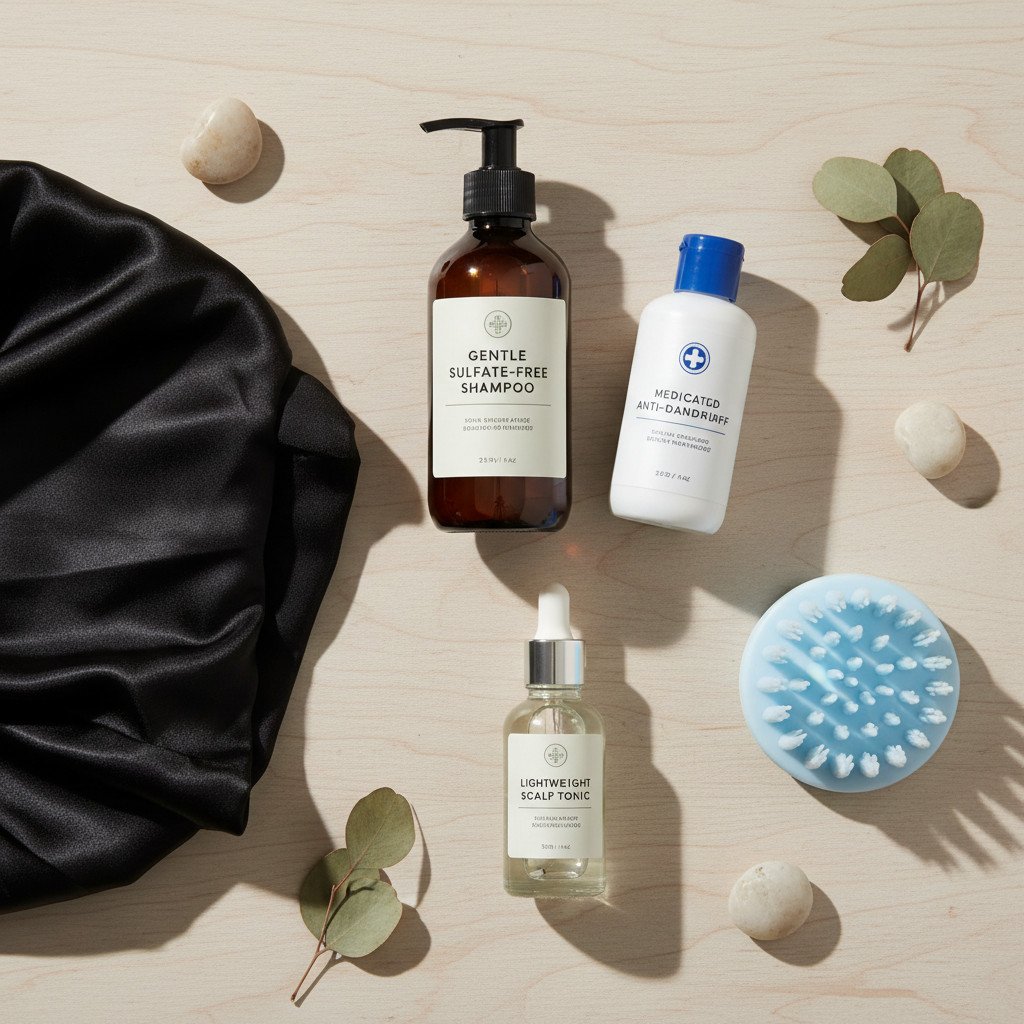
The recommendation is to start with more consistent cleansing, often weekly, using a gentle, sulfate-free shampoo. This might feel like a significant shift, but it’s essential for removing the excess oil, dead skin cells, and product buildup that feed the Malassezia yeast and contribute to inflammation. A gentle shampoo cleanses without excessively stripping the scalp, maintaining a healthier moisture balance. The goal is to create a clean canvas for any medicated treatments and to prevent the accumulation of irritants.
In addition to regular gentle cleansing, periodic use of anti-dandruff or medicated shampoos is crucial. These specialized shampoos contain active ingredients designed to target the yeast and reduce inflammation. The frequency of use for medicated shampoos will depend on the severity of your condition and the specific product instructions, but often starts with 2-3 times a week, then tapering down to once a week or every other week for maintenance. It’s vital to follow the instructions on the product label carefully, as overuse of strong formulas can sometimes lead to irritation or dryness.
For those wearing protective styles like braids, twists, or weaves, consistent cleansing can seem challenging but is entirely possible with the right techniques. Using a nozzle-tip applicator bottle to dilute your shampoo and apply it directly to the scalp between braids or tracks allows for targeted cleansing. Massaging gently with your fingertips (not nails!) helps to lift buildup, and thorough rinsing is paramount to prevent residue. After cleansing, ensuring your hair and scalp dry completely is also critical to prevent mildew and further irritation. This adjusted rhythm might require a shift in mindset, but it’s a foundational change that yields significant results in managing dandruff and seborrheic dermatitis.
Step 2 – Introduce Medicated Shampoos or Treatments
Once you’ve established a consistent cleansing rhythm, the next crucial step in managing dandruff and seborrheic dermatitis is the strategic introduction of medicated shampoos or targeted treatments. These products contain active ingredients specifically designed to address the underlying causes of these conditions, namely the overgrowth of Malassezia yeast and the associated inflammation. It’s important to understand the general role of these actives, even without recommending specific brands, to make informed choices.
Common active ingredients found in over-the-counter (OTC) medicated shampoos include:
- Zinc Pyrithione: This is a broad-spectrum antifungal and antibacterial agent that helps to control the growth of yeast on the scalp. It’s often found in daily-use anti-dandruff shampoos and is generally well-tolerated.
- Selenium Sulfide: Another antifungal agent that also helps to slow down the rate of skin cell turnover, reducing flaking. It can be more potent than zinc pyrithione and may have a stronger scent.
- Ketoconazole: A powerful antifungal agent that is effective against Malassezia. It’s available in both OTC and prescription strengths and is often recommended for more persistent or severe cases of dandruff and seborrheic dermatitis.
- Salicylic Acid: This is a keratolytic agent, meaning it helps to soften and shed dead skin cells. It works by breaking down the bonds that hold flakes together, making them easier to wash away. It’s particularly useful for thick, adherent scales.
- Coal Tar: This ingredient helps to slow down the rapid growth of skin cells and reduces inflammation and itching. It can be effective but may have a strong odor and can sometimes stain lighter hair or fabrics.
When using medicated shampoos, it is absolutely essential to follow the label directions precisely. These products are formulated with specific instructions for frequency and duration of use for a reason. For example, many medicated shampoos require you to leave the lather on your scalp for 3-5 minutes before rinsing to allow the active ingredients to work. Overusing strong formulas, or using them incorrectly, can lead to scalp dryness, irritation, or even resistance to the active ingredients over time. Start with the recommended frequency, and as your symptoms improve, you may be able to reduce usage to a maintenance schedule (e.g., once a week or every other week).
If, after several weeks of consistent use of OTC medicated shampoos, you find that your symptoms are not improving, or if they are worsening, it is a clear signal to seek professional help. A dermatologist or trichologist can accurately diagnose your condition, rule out other scalp issues, and prescribe stronger topical treatments (such as prescription-strength ketoconazole, corticosteroids, or other antifungal agents) if necessary. Do not hesitate to consult a professional; they can provide personalized guidance and ensure you receive the most effective treatment for your specific needs. This step is about empowering yourself with targeted solutions, understanding that sometimes, a little extra help from a specialist is the most effective path to lasting relief.
Step 3 – Soothe and Support Between Washes
While medicated shampoos and consistent cleansing are foundational, what you do between washes is equally important for maintaining scalp comfort and preventing flare-ups. This step focuses on soothing the scalp, reducing irritation, and supporting its natural barrier function without reintroducing the problems of heavy oiling. It’s about creating a holistic environment where your scalp can heal and thrive.
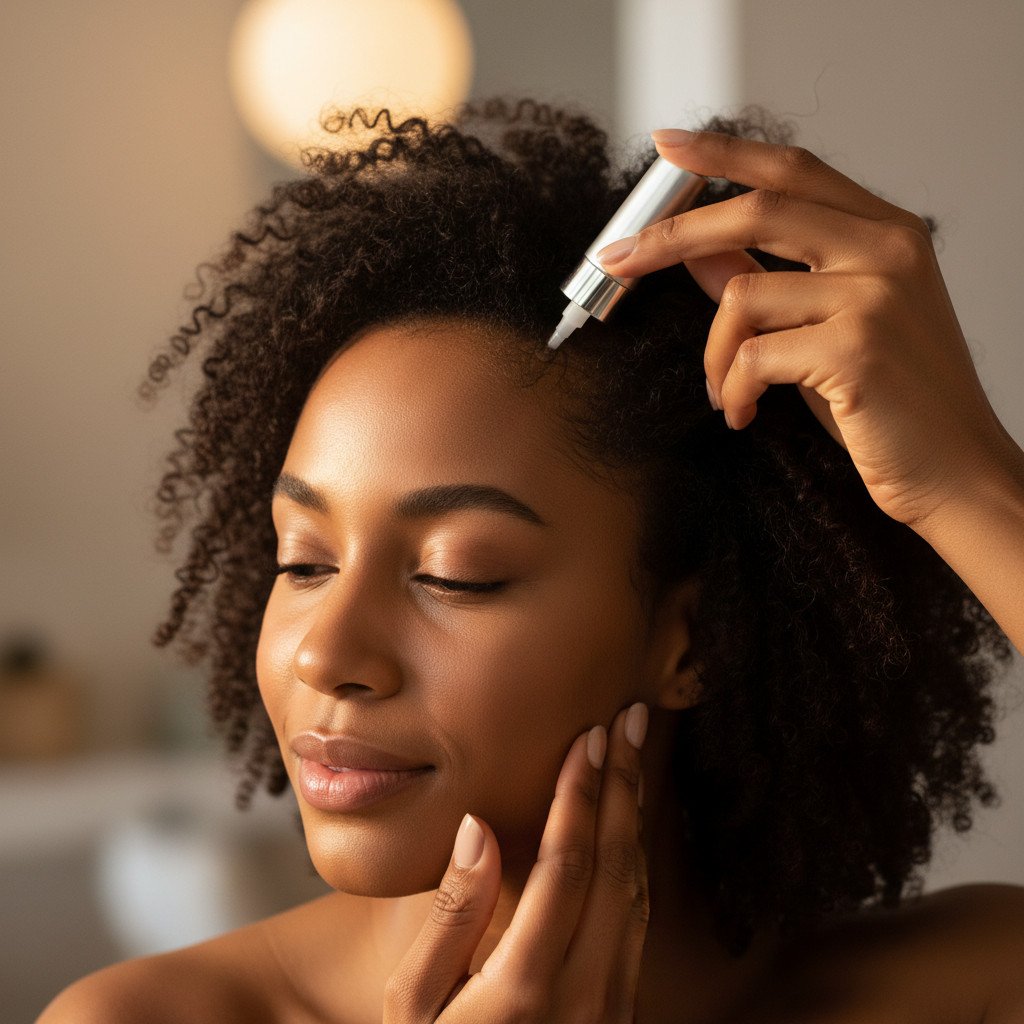
One effective strategy is the use of light, non-occlusive scalp tonics or sprays. These products are typically water-based and contain ingredients like witch hazel, aloe vera, peppermint, or salicylic acid (in low concentrations) to provide immediate relief from itching, reduce inflammation, and offer a light, refreshing sensation. They can be applied directly to the scalp with a nozzle or spray bottle, allowing for targeted application without disturbing your hairstyle. Look for formulations that are free of heavy oils, silicones, and excessive fragrance, as these can sometimes contribute to buildup or irritation. These tonics can be particularly beneficial for quick relief between washes, especially when wearing protective styles.
Another critical aspect of soothing and support is mindful scalp care. Avoid scratching your scalp with your fingernails, as this can break the skin, introduce bacteria, and worsen inflammation, potentially leading to infections or scarring. Instead, if you feel an itch, gently massage your scalp with the pads of your fingertips, or use a soft scalp massager. This can provide relief without causing damage. Regular, gentle scalp massage can also help to stimulate blood flow and distribute natural oils, contributing to overall scalp health.
Consider incorporating a lightweight, leave-on scalp serum designed to balance the scalp microbiome or reduce inflammation. Ingredients like niacinamide, prebiotics, or postbiotics can help to strengthen the scalp’s barrier and create a healthier environment. These serums are typically applied sparingly and absorbed quickly, providing targeted benefits without leaving a greasy residue. For a deeper dive into integrating these steps into your routine, our articles on Scalp Care 101 and Weekly Hair Growth Routine for Busy Black Women offer practical guidance on how to seamlessly weave these practices into your regular hair care regimen, ensuring your scalp receives consistent, supportive care.
Scalp Care with Protective Styles, Locs, and Wigs
Protective styles, locs, and wigs are integral to Black hair culture, offering versatility, promoting length retention, and providing a break from daily manipulation. However, these styles can also present unique challenges for scalp health, particularly when dealing with dandruff or seborrheic dermatitis. The very nature of these styles—often involving extended wear, limited scalp access, and reduced airflow—can create an environment conducive to yeast overgrowth and inflammation if not managed properly. The good news is that with intentional adjustments and the right techniques, you can absolutely maintain your beloved styles while effectively managing your scalp condition. It’s about adapting your care plan to work with your chosen style, rather than against it.
The primary concern with many protective styles is the potential for product buildup, sweat accumulation, and reduced ability to thoroughly cleanse the scalp. When braids, twists, or locs are installed tightly or worn for extended periods without proper washing, the scalp can become a breeding ground for the Malassezia yeast. This leads to increased itching, flaking, and discomfort. Wigs and weaves, especially those with tight caps or heavy glues, can trap heat and moisture, exacerbating existing conditions and making it difficult for medicated treatments to reach the scalp effectively. The fear of disturbing a style or causing frizz often leads to neglecting scalp care, which ultimately backfires.
This section will provide practical, actionable strategies for managing dandruff and seborrheic dermatitis while wearing these popular styles. It’s about empowering you to make informed choices that prioritize both your hair’s aesthetic and your scalp’s health. We’ll discuss how to cleanse effectively without compromising your style, how to apply treatments, and how to create a balanced environment that supports healing and comfort. Remember, your scalp health is paramount, and with a little creativity and consistency, you don’t have to choose between your favorite styles and a healthy, comfortable scalp. It’s about finding harmony between tradition, style, and science-backed care.
Braids, Twists, and Crochet Styles
Braids, twists, and crochet styles are fantastic for protecting our hair and promoting growth, but they require a modified approach to scalp care, especially when managing dandruff or seborrheic dermatitis. The challenge lies in reaching the scalp effectively and ensuring thorough drying without causing frizz or unraveling the style. With a few key techniques, you can keep your scalp clean and comfortable.
Cleansing Techniques:
- Diluted Shampoo in an Applicator Bottle: This is your best friend. Mix your gentle or medicated shampoo with water (usually a 1:3 or 1:4 ratio) in a nozzle-tip applicator bottle. This allows you to direct the product precisely onto your scalp between the parts and along your hairline.
- Targeted Application: Section your hair carefully, exposing as much of your scalp as possible. Apply the diluted shampoo directly to your scalp, focusing on areas prone to flaking and itching.
- Gentle Massage: Use the pads of your fingertips (never nails!) to gently massage your scalp. This helps to lift flakes, loosen buildup, and stimulate circulation. Do not vigorously scrub, as this can irritate the scalp and disturb your style.
- Thorough Rinsing: This is crucial. Use a showerhead with good pressure or a handheld sprayer to thoroughly rinse your scalp. Lean your head back or forward to ensure all shampoo residue is washed away. Residue can lead to further irritation and buildup.
- Conditioning (Optional & Light): If your hair feels dry, apply a very lightweight, diluted conditioner to the length of your braids/twists, avoiding direct application to the scalp. Rinse thoroughly.
Drying Properly to Avoid Mildew and Discomfort:
Improper drying is a major culprit for scalp issues in protective styles. Trapped moisture creates a breeding ground for yeast and bacteria, leading to unpleasant odors, itching, and potential mildew. This is especially true for thicker braids or locs that hold water.
- Squeeze and Blot: After rinsing, gently squeeze excess water from your braids or twists. Then, use a microfiber towel or an old t-shirt to blot your hair and scalp thoroughly. Avoid rubbing, which can cause frizz.
- Air Dry in Sections: Allow your hair to air dry as much as possible. If you can, sit in a well-ventilated area or in front of a fan. Separate your braids or twists to allow air to circulate around your scalp.
- Low-Heat Blow Drying: If air drying isn’t feasible or if your hair is very thick, use a blow dryer on a cool or low-heat setting. Direct the airflow specifically at your scalp, lifting your braids or twists to ensure the scalp underneath is completely dry. This is especially important for the roots and base of the style.
- Avoid Going to Bed with Wet Hair: Never go to sleep with wet braids or twists. This significantly increases the risk of mildew and scalp issues.
Between Washes Care:
- Scalp Tonics/Sprays: Use a lightweight, non-oily scalp tonic or leave-on treatment containing soothing or anti-fungal ingredients (e.g., witch hazel, tea tree oil, salicylic acid) to manage itching and keep the scalp fresh. Apply with a nozzle applicator.
- Avoid Heavy Oils/Greases: Resist the urge to apply heavy oils or greases directly to your scalp, as this can exacerbate dandruff/SD. If your scalp feels dry, opt for a very light, water-based moisturizer or serum.
- Maintain Style Longevity: While you might be tempted to keep braids in for months, consider shorter wear times (4-6 weeks) to allow for more thorough scalp care.
By adopting these practices, you can enjoy the beauty and convenience of braids, twists, and crochet styles without compromising your scalp health. Remember that a healthy scalp is the foundation for healthy hair, even when it’s tucked away in a protective style. For more inspiration and guidance on safe and effective styling, be sure to visit our article on Low-Manipulation Styles for Length Retention in Natural Hair, which offers insights into maintaining both style and health. Additionally, our Natural Hair & Protective Styles hub provides a wealth of resources for navigating your hair journey with confidence and care.
Wigs, Weaves, and Sew-Ins
Wigs, weaves, and sew-ins offer incredible versatility and styling options, but they also create a unique microenvironment for the scalp. The enclosed nature of these styles can trap heat, sweat, and product buildup, making it particularly challenging to manage dandruff and seborrheic dermatitis. Effective scalp care while wearing these styles requires strategic planning and consistent attention to detail.
Prioritizing Scalp Health Between Installs:
One of the most critical aspects of scalp care with wigs and weaves is to emphasize the importance of taking breaks between installations. Just as your skin needs to breathe, your scalp benefits immensely from periods where it is completely free of extensions, wigs, or tight braiding patterns. These breaks allow you to:
- Thoroughly Cleanse and Treat: Without any hair extensions in the way, you can perform a deep cleanse, exfoliate your scalp if needed, and apply medicated shampoos or treatments directly and effectively. This is the ideal time to aggressively treat any flare-ups of dandruff or seborrheic dermatitis.
- Allow the Scalp to Breathe: Air circulation is vital for a healthy scalp microbiome. Taking breaks allows your scalp to regulate its temperature and moisture levels naturally, reducing the likelihood of yeast overgrowth.
- Assess Scalp Condition: These breaks provide an opportunity to visually inspect your entire scalp for any signs of irritation, redness, or thinning that might be masked by your style. Early detection of issues like traction alopecia or persistent inflammation is key.
- Strengthen Hair Follicles: Constant tension from braids or tracks can weaken hair follicles. Breaks allow your hair to rest and recover, promoting stronger growth.
Caution About Tight Braiding Patterns and Heavy Caps:
The foundation for weaves and wigs often involves cornrows or braids. While necessary for securing the style, excessively tight braiding patterns can cause significant tension on the scalp and hair follicles. This tension can lead to:
- Traction Alopecia: Persistent pulling on the hair follicles can lead to hair loss, particularly along the hairline and edges. This is not only a cosmetic concern but also an inflammatory response that can exacerbate existing scalp conditions. If you notice thinning or irritation around your edges, it’s crucial to address it immediately. Our article on Edges Care and Regrowth: Traction Alopecia in Black Women provides comprehensive guidance on this specific issue.
- Increased Inflammation: The physical stress from tight braids can trigger an inflammatory response on the scalp, making it more susceptible to flare-ups of dandruff and seborrheic dermatitis.
- Impaired Blood Circulation: Tight styles can restrict blood flow to the scalp, which is essential for nutrient delivery and overall scalp health.
Furthermore, heavy wig caps, especially those made of non-breathable materials, can trap heat and sweat against the scalp. This creates a warm, moist, and often anaerobic environment – a perfect breeding ground for Malassezia yeast. This can lead to:
- Increased Sweat and Sebum Production: The trapped heat can stimulate the sebaceous glands, leading to more oil production.
- Yeast Overgrowth: The warm, moist, and oily environment is ideal for the proliferation of the yeast associated with dandruff and seborrheic dermatitis.
- Bacterial Growth: Trapped moisture can also encourage the growth of bacteria, leading to odors and potential infections.
- Reduced Airflow: Lack of air circulation prevents the scalp from drying properly after sweating or light cleansing, exacerbating issues.
Practical Tips for Wearing Wigs/Weaves with Dandruff/SD:
- Prep Your Scalp: Before installation, ensure your scalp is thoroughly clean and treated. Use your medicated shampoo and any prescribed treatments.
- Breathable Caps: Opt for wig caps made from breathable materials like mesh or cotton. Avoid thick, non-porous caps.
- Regular Scalp Cleansing (with style in): Use the diluted shampoo in an applicator bottle technique described for braids. Focus on cleansing the scalp underneath the tracks or wig.
- Targeted Treatments: Apply lightweight, non-oily scalp tonics or serums directly to the scalp between washes. Look for products with salicylic acid, tea tree oil, or other anti-fungal ingredients.
- Dry Thoroughly: After cleansing, ensure your scalp and your natural hair underneath are completely dry using a cool-setting blow dryer.
- Wig Hygiene: Regularly clean your wig to prevent the transfer of oils, sweat, and bacteria back to your scalp.
- Limit Wear Time: Consider shorter wear times for wigs and weaves, and ensure you take adequate breaks in between to allow your scalp to recover and be thoroughly treated.
By being mindful of the tension, breathability, and hygiene of your chosen styles, you can enjoy the versatility of wigs and weaves while maintaining a healthy, comfortable scalp. It’s a balance of style and self-care, ensuring that your beauty choices always support your overall well-being.
Locs and Dreadlocks
Locs are a beautiful and deeply personal expression of natural hair, offering a journey of growth and self-discovery. However, managing dandruff and seborrheic dermatitis within locs requires a specific understanding of how these conditions interact with the locked hair structure. The density and intertwined nature of locs can make thorough cleansing and drying challenging, potentially leading to product buildup and trapped moisture, which can exacerbate scalp issues.
Gentle, Thorough Cleansing for Loc’d Hair with Dandruff/SD:
The primary goal is to cleanse the scalp effectively without causing frizz, unraveling new growth, or leaving residue within the locs themselves. This requires patience and the right products.
- Clarifying or Medicated Shampoo (Diluted): Use a clarifying shampoo or your prescribed medicated shampoo (e.g., containing zinc pyrithione or ketoconazole) diluted in a nozzle-tip applicator bottle. This allows for precise application directly to the scalp.
- Focus on the Scalp: Concentrate the shampoo application on your scalp and the first inch or two of your locs, where most of the buildup and yeast activity occurs. Gently massage your scalp with your fingertips to lift flakes and loosen debris. Avoid vigorous scrubbing, which can unravel locs.
- Thorough Rinsing is Paramount: This is arguably the most critical step for locs. Shampoo residue trapped within locs can lead to itching, odor, and further buildup. Rinse your scalp and locs thoroughly, ensuring all suds are gone. You may need to rinse multiple times. A strong showerhead or a handheld sprayer is very helpful.
- Apple Cider Vinegar (ACV) Rinse (Optional): An occasional diluted ACV rinse (1 part ACV to 3-4 parts water) can help to clarify the scalp, balance pH, and remove buildup from locs. Follow with a thorough water rinse.
- Avoid Heavy Conditioners: Heavy, creamy conditioners can get trapped in locs and lead to buildup. If you use conditioner, opt for a very lightweight, rinse-out formula and apply it sparingly to the lengths, avoiding the scalp. Ensure it’s fully rinsed out.
Avoiding Heavy, Waxy Buildup at the Roots; Using Targeted Scalp Products:
Traditional loc care often involves waxes, heavy gels, and thick oils to retwist and maintain locs. While these can provide hold, they are detrimental for a scalp prone to dandruff or seborrheic dermatitis. These products can:
- Trap Moisture and Yeast: Waxes and heavy oils create an occlusive barrier that traps moisture, sweat, and dead skin cells against the scalp, fostering an ideal environment for Malassezia overgrowth.
- Lead to Product Buildup: Over time, these products accumulate at the base of the locs, forming a thick, greasy residue that is difficult to remove. This buildup contributes to itching, flaking, and can even hinder the locking process.
- Exacerbate Inflammation: The combination of trapped irritants and yeast can intensify scalp inflammation, leading to more severe symptoms.
Instead, focus on:
- Lightweight Retwisting Products: Opt for water-based gels or light, non-comedogenic serums for retwisting. These provide hold without creating heavy buildup.
- Targeted Scalp Treatments: Between washes, use lightweight, water-based scalp tonics or serums directly on your scalp. Look for ingredients like salicylic acid, witch hazel, aloe vera, or diluted tea tree oil. These can help to soothe itching, reduce inflammation, and control yeast without adding heavy oils. Apply with a nozzle applicator for precision.
- Regular Cleansing: Increase your wash frequency if necessary. While some believe locs shouldn’t be washed often, a clean scalp is paramount for managing dandruff/SD. Aim for at least every 1-2 weeks, or more frequently if your scalp demands it.
- Thorough Drying: Just like with braids, ensuring your locs and scalp are completely dry after washing is crucial. Use a microfiber towel to squeeze out excess water, then air dry or use a cool-setting blow dryer, directing air to the scalp and roots. Never go to bed with wet locs.
Managing dandruff and seborrheic dermatitis with locs is a journey of intentional care and product selection. By prioritizing a clean, breathable scalp and opting for lighter, targeted products, you can maintain the beauty of your locs while ensuring your scalp remains healthy and comfortable. It’s about nurturing your crown from the roots up, embracing practices that support both your style and your well-being.
How Dandruff & SD Connect to Shedding and Breakage
The health of your scalp is intrinsically linked to the health and retention of your hair. When your scalp is compromised by conditions like dandruff or seborrheic dermatitis, it’s not just about flakes and itch; it can have a direct impact on your hair’s growth cycle, leading to increased shedding and even breakage. Understanding this connection is vital for a holistic approach to hair care, especially for Black women who often prioritize length retention and healthy hair growth.
Significant inflammation on the scalp, which is a hallmark of both dandruff and seborrheic dermatitis, creates a hostile environment for hair follicles. Chronic inflammation can disrupt the normal hair growth cycle, pushing follicles prematurely into the resting (telogen) phase. This can result in increased shedding, where more hairs than usual fall out from the root. Imagine your hair follicles as delicate plants; if the soil (your scalp) is constantly irritated and inflamed, the plants won’t thrive, and some may even wither and fall out. This type of shedding, known as telogen effluvium, can be triggered or exacerbated by severe or prolonged scalp inflammation.
Furthermore, the persistent itching associated with these conditions often leads to scratching. While providing temporary relief, scratching can physically damage the hair shaft and the delicate skin of the scalp. Vigorous scratching can weaken the hair strands, making them more prone to breakage along the shaft. It can also create micro-abrasions on the scalp, which can introduce bacteria, lead to infections, and further intensify inflammation, creating a vicious cycle of itch, scratch, and damage. The buildup of greasy scales and product residue can also physically weigh down the hair at the root, making it more fragile and susceptible to breakage when manipulated.
It’s important to distinguish between hair that falls from the follicle (shedding) and hair that breaks along the shaft (breakage) in the context of scalp issues. Shedding relates to the entire hair strand, including the bulb, coming out from the scalp due to a disrupted growth cycle. Breakage, on the other hand, refers to the hair strand snapping at some point along its length, often due to physical stress, dryness, or chemical damage. While scalp inflammation primarily contributes to shedding by affecting the follicle, the physical act of scratching and the compromised state of the hair near an inflamed scalp can certainly lead to increased breakage as well. Both outcomes are undesirable for anyone seeking to maintain healthy, long hair.
For a deeper understanding of how to identify and address hair loss, we encourage you to read our comprehensive guide on Shedding vs Breakage: How Black Women Can Tell the Difference. This article will help you accurately assess what you’re experiencing and tailor your hair care approach accordingly. Moreover, our entire Hair Growth & Scalp Health hub provides a holistic view of how to nurture your hair from the root to tip, ensuring optimal conditions for growth and retention. If you are a new mother experiencing flakes alongside increased hair loss, our article on Postpartum Hair Shedding in Black Women: What’s Normal and What Helps offers specific insights into managing these changes during a sensitive time.
When to Seek Professional Help
While many cases of dandruff and seborrheic dermatitis can be effectively managed with consistent at-home care and over-the-counter products, it’s crucial to recognize when professional medical intervention is necessary. Seeking help from a dermatologist or trichologist is not a sign of failure; it’s a responsible and empowering step towards achieving lasting scalp health and comfort. These conditions are common, and medical professionals are equipped to provide accurate diagnoses and tailored treatment plans.
There are several red flags that indicate it’s time to consult a specialist:
- Severe Itch or Pain: If your scalp itch is relentless, interferes with your daily life or sleep, or if you experience significant pain, burning, or tenderness, it’s time to see a doctor.
- Thick, Crusted Plaques: If you develop very thick, adherent, or crusted scales that are difficult to remove, or if they are bleeding when disturbed, this suggests a more severe form of seborrheic dermatitis that requires stronger treatment.
- Significant Hair Thinning or Loss: While some shedding can be associated with scalp inflammation, if you notice significant, persistent hair thinning, bald patches, or a noticeable increase in hair loss beyond what you consider normal shedding, a professional evaluation is essential to rule out other forms of alopecia and address the underlying scalp condition.
- Spread Beyond the Scalp: If the flaking, redness, and itching extend significantly beyond your scalp to your face (eyebrows, nose, ears), chest, or other body areas, it indicates a more widespread seborrheic dermatitis that requires a comprehensive treatment strategy.
- No Relief After OTC Care: If you have consistently used over-the-counter medicated shampoos and follow a diligent scalp care routine for several weeks (e.g., 4-6 weeks) without significant improvement, it’s a clear sign that you need stronger or different treatments that only a medical professional can prescribe.
- Signs of Infection: If you notice pus, open sores, increased redness, swelling, or warmth on your scalp, these could be signs of a secondary bacterial or fungal infection that requires immediate medical attention.
When you do schedule an appointment, be prepared to provide your doctor with a clear picture of your experience. This includes:
- Bringing Photos: Visual documentation of your scalp during a flare-up can be incredibly helpful for diagnosis.
- Listing Products and Styles: Share a detailed list of all hair products you use (shampoos, conditioners, styling products, oils, treatments) and your typical styling practices (protective styles, wigs, frequency of washing, etc.). This context is invaluable for the doctor to understand potential triggers and recommend appropriate adjustments.
- Tracking Symptoms: Keep a journal of your symptoms – when they started, what makes them better or worse, and how they impact your daily life.
Seeking a dermatologist or trichologist who is familiar with Black hair and scalp conditions is ideal. They will have a deeper understanding of how these conditions present on melanin-rich skin and how to tailor treatments that are effective without compromising the integrity of textured hair. Remember, your scalp health is a vital part of your overall well-being, and professional guidance can provide the clarity and relief you deserve.

Final Thoughts
Navigating the complexities of dandruff and seborrheic dermatitis can feel isolating and frustrating, especially when cultural narratives might lead you to believe it’s a reflection of your hygiene or a problem that can be simply ‘oiled away.’ But as we’ve explored, these are common, manageable inflammatory skin conditions, not a verdict on your cleanliness or worth. They are a signal from your body, asking for a more nuanced and informed approach to care.
Embracing a comprehensive scalp care plan—one that prioritizes consistent, gentle cleansing, strategic use of medicated treatments, and supportive soothing practices—is a powerful step towards reclaiming comfort and confidence. It’s about understanding that your scalp is skin, deserving of the same thoughtful attention you give to the rest of your body. This means recognizing when ‘just oiling it’ isn’t enough, and being open to adjusting long-held practices in favor of science-backed solutions that truly address the root cause of the issue.
You absolutely can maintain your beautiful protective styles, locs, and wigs while effectively managing dandruff and seborrheic dermatitis. It simply requires intentionality: adapting your cleansing techniques, choosing lightweight products, ensuring thorough drying, and taking necessary breaks to allow your scalp to breathe and heal. This journey is about empowering yourself with knowledge, making informed choices, and nurturing your scalp in a way that respects both your heritage and your health.
Remember, you are not alone in this experience, and relief is within reach. Use this guide as your starting place, a foundation upon which to build a personalized routine that works for you. Don’t hesitate to seek professional medical care when your symptoms go beyond what routine care can realistically handle. Your scalp deserves to be clean, comfortable, and cared for, paving the way for healthy hair growth and deep feminine confidence. For continued guidance and a wealth of resources, always refer back to our comprehensive Hair Growth & Scalp Health hub, your trusted partner in achieving your best hair and scalp.
Frequently Asked Questions
How do I know if I have dandruff or seborrheic dermatitis versus just dry scalp?
Dandruff and seborrheic dermatitis typically involve persistent, often greasy, or yellowish flakes with intense itching and sometimes redness, even after oiling. Dry scalp usually presents as smaller, powdery flakes that improve with moisture and more frequent washing, without significant inflammation. For a detailed breakdown, refer to our ‘Signs Beyond “Just Dry Scalp”’ and ‘When It’s Probably Just Dryness’ sections, and explore our Scalp Care 101 guide.
Can I still wear braids or wigs if I have dandruff or seborrheic dermatitis?
Absolutely, but with intentional adjustments to your routine. Focus on consistent, targeted cleansing of the scalp using diluted shampoos in applicator bottles, ensuring thorough drying. Take breaks between installations to allow for deep cleansing and treatment. Our sections on ‘Scalp Care with Protective Styles, Locs, and Wigs’ provide specific techniques and considerations for maintaining scalp health while enjoying your favorite styles.
How often should I use an anti-dandruff shampoo on my natural or relaxed hair?
Initially, you might need to use an anti-dandruff shampoo 2-3 times a week, following the product’s specific instructions, to bring symptoms under control. As your scalp improves, you can often reduce the frequency to once a week or every other week for maintenance. Always ensure thorough rinsing and follow up with a hydrating conditioner on your hair strands to prevent dryness, as outlined in our ‘Adjust Your Cleansing Rhythm’ and Weekly Hair Growth Routine articles.
Will dandruff or seborrheic dermatitis make my hair fall out permanently?
While severe or chronic inflammation from dandruff and seborrheic dermatitis can disrupt the hair growth cycle, leading to increased shedding or temporary hair thinning, it rarely causes permanent hair loss if managed effectively. Persistent scratching can also lead to breakage. It’s crucial to address the underlying scalp condition and consult a professional if you notice significant hair loss; our Shedding vs Breakage article offers more insights.
Do hair growth oils help or hurt if I have flakes and an itchy scalp?
Heavy, occlusive oils can often worsen dandruff and seborrheic dermatitis by trapping yeast and buildup, as explained in ‘Why “Just Oil Your Scalp” Often Isn’t Enough.’ However, lightweight, non-comedogenic oils or serums with anti-inflammatory properties can be used sparingly after cleansing to soothe the scalp. For guidance on beneficial oils, consult our Hair Growth Oils and Serums for Black Hair article.
What’s the first change I should make if I suspect seborrheic dermatitis?
The most impactful first step is to adjust your cleansing rhythm and introduce a medicated shampoo containing ingredients like zinc pyrithione or ketoconazole. Aim for more consistent washing (e.g., weekly) to remove buildup and allow the active ingredients to work. This foundational change, detailed in ‘Adjust Your Cleansing Rhythm,’ is crucial for rebalancing your scalp’s ecosystem and initiating relief.
Shop satin/silk pillowcases on Amazon
Shop scalp massagers on Amazon
Shop medicated shampoo on Amazon
Shop leave-on scalp serum on Amazon
Shop applicator bottle on Amazon
Shop microfiber towel on Amazon
Shop water-based gels on Amazon
Shop lightweight retwisting products on Amazon
Continue exploring
Related posts:
 Seborrheic Dermatitis on Black Scalps: Flakes, Itch & Oiliness
 Dry Scalp vs Dandruff on Melanin-Rich Scalps: Understanding Your Flakes
 Designing a Village-Based Self-Care Plan: Cultivating Community for Sustainable Well-being
 How Eczema and Dermatitis Actually Look on Dark Skin
 Planning and Adjusting an Active Ingredient Plan on Dark Skin
 Aligning Makeup With Your Hyperpigmentation and Acne Treatment Plan