Hair Growth Oils and Serums for Black Hair: What Works and What’s Overhyped
Step into almost any Black woman’s bathroom, and you’re likely to find a collection of hair oils and serums. Some are trusted family remedies passed down through generations, others are shiny new bottles promising “inches in weeks,” born from viral social media trends or compelling Amazon reviews. The journey to healthy, thriving Black hair often feels like a quest, and these elixirs frequently sit at the heart of our hopes for length, strength, and vitality. We’ve all been there – scrolling through feeds, seeing dazzling transformations, and feeling that familiar tug to try just one more “miracle” product.
This cultural embrace of oils is deeply rooted. From grandma’s meticulously mixed hair grease to the soothing ritual of a hot oil treatment, applying oil to our hair and scalp has long been a gesture of care, a tradition interwoven with our beauty practices. It’s a moment of connection, a silent prayer for flourishing strands. But in today’s saturated market, where every brand claims to hold the secret to rapid growth, how do we discern genuine support from clever marketing? How do we honor tradition while also embracing scientific understanding?
This guide from Black Beauty Basics is designed to cut through the noise. We’ll separate the time-honored wisdom from the fleeting fads, the evidence-based solutions from the overhyped promises. Our goal is to empower you with grounded guidance on what hair growth oils and serums can realistically achieve for your Black hair – whether natural, relaxed, loc’d, or styled in protective braids. We’ll explore their true roles in sealing moisture, soothing the scalp, and potentially stimulating follicles, helping you protect both your coins and your precious scalp barrier.
This deep dive is an essential part of our broader commitment to your hair health, residing within our comprehensive Hair Growth & Scalp Health hub for Black women. As you navigate the complexities of your hair journey, remember that understanding is your most powerful tool. We’ll connect the dots between oils and serums and other critical aspects of your routine, including targeted scalp care, nurturing your delicate edges, understanding the nuances of shedding, and building a sustainable routine that truly works for you.
What Hair Growth Oils and Serums Actually Do
Let’s be clear from the outset: the term “hair growth oil” can be a bit misleading. While some ingredients within certain formulations can indeed support a healthy environment for hair growth, very few oils or serums directly cause your hair to sprout inches overnight. The magic, if there is any, often lies in their indirect benefits and how they integrate into a holistic hair care regimen. Most oils and serums primarily assist in length retention by keeping the hair shaft lubricated, thereby reducing breakage, or by supporting the overall health of your scalp barrier. Some formulations also contain active ingredients that, when massaged into the scalp, may encourage blood flow and provide nutrients to the hair follicles.
It’s important to approach these products with realistic expectations. Many blends on the market are more about captivating marketing and appealing scents than unique, scientifically-backed growth mechanisms. While traditional oils have a revered place in our culture, modern science helps us understand the specific ways certain components interact with our hair and scalp. We’re looking for synergy – how an oil can enhance your hair’s natural resilience and create optimal conditions for growth, rather than acting as a standalone miracle cure.
At their core, oils and serums play several crucial roles in Black hair care:
- Seal moisture into curls, coils, and kinks to reduce breakage. Our hair, with its unique structure, is prone to dryness. Oils act as occlusives, forming a protective layer over the hair shaft to lock in the moisture from water-based products, making strands more pliable and less likely to snap.
- Soothe dry or tight scalps and support the skin barrier. The scalp is skin, and like all skin, it benefits from nourishment and protection. Certain oils can calm irritation, alleviate dryness, and help maintain a healthy microbial balance, which is fundamental for healthy hair growth.
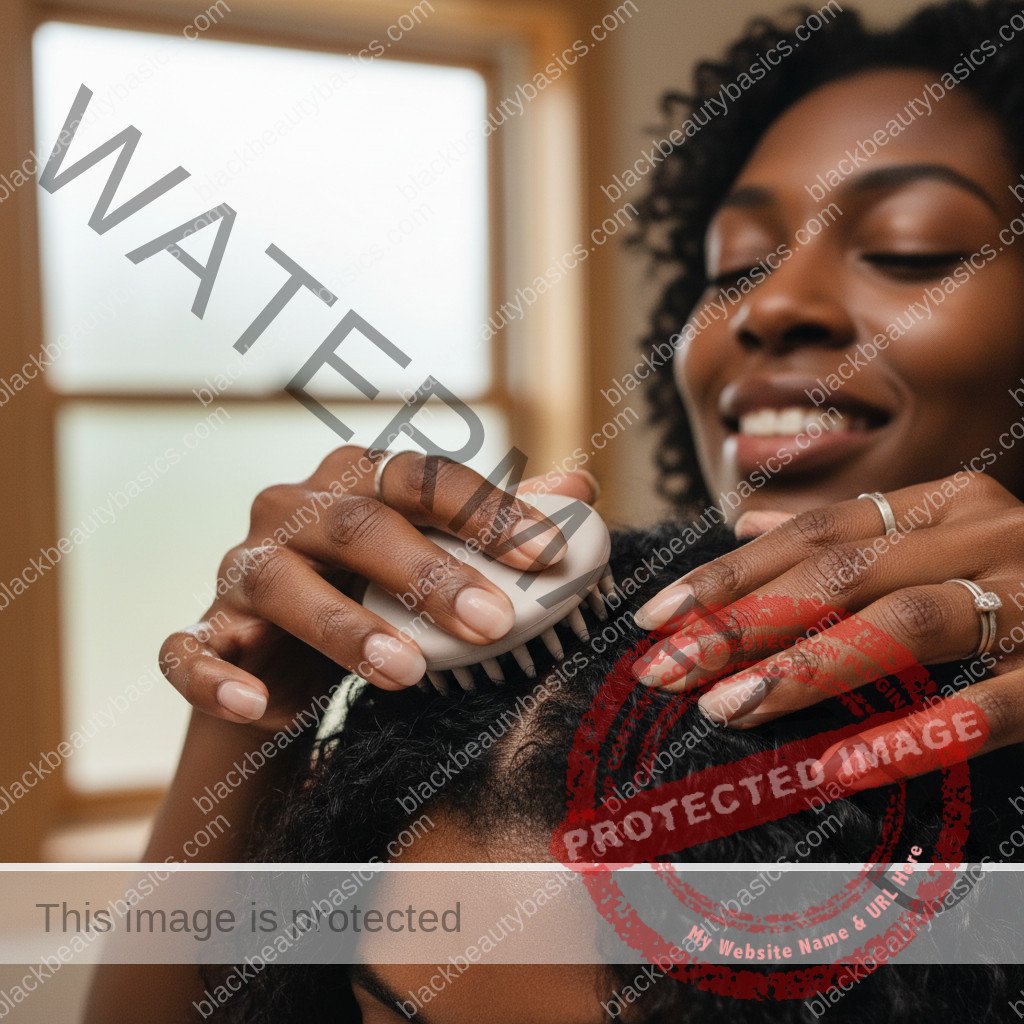
- Provide slip for massage, which may support circulation and relaxation. The act of massaging the scalp itself is beneficial. It can increase blood flow to the follicles, delivering essential nutrients, and it’s also a wonderfully relaxing self-care ritual that can reduce stress, a known contributor to hair loss.
Ultimately, oils and serums are powerful allies, but they are just one piece of a larger puzzle. They are an enhancement, a supportive player in your hair growth journey, not the entire strategy. True, sustainable hair growth and health come from a comprehensive approach that includes gentle cleansing, consistent moisturizing, protective styling, a balanced diet, and overall wellness.
Oils and Serums for the Hair Shaft vs the Scalp
One of the most common misconceptions in hair care, particularly within the Black community, is that all oils are interchangeable and can be used universally on both the hair shaft and the scalp. This isn’t quite accurate. While some oils are versatile, many are best suited for specific applications. Understanding the fundamental difference between applying products mainly to the length and ends of your hair versus directly to the scalp is critical for achieving optimal results and avoiding potential issues.
Your hair shaft, particularly the older, more porous ends, has different needs than your scalp, which is living skin with active follicles. What might be a fantastic sealant for dry, brittle ends could be too heavy, pore-clogging, or even irritating for a sensitive scalp. Conversely, a lightweight serum designed to stimulate follicles might not provide enough emollience for parched hair strands. Distinguishing these uses will help you select the right products and apply them effectively, ensuring you nurture both your hair and the foundation from which it grows.
For instance, if you’re dealing with conditions like dandruff or seborrheic dermatitis, applying heavy, occlusive oils directly to your scalp can exacerbate the problem by trapping yeast and flakes, creating an even more hospitable environment for these issues to thrive. In such cases, lighter, targeted treatments or medicated products are often more appropriate for the scalp, while richer oils might still be beneficial for the hair length. Let’s break down these distinct applications.
For Length, Ends, and Breakage Prevention
When we talk about using oils and serums for the hair shaft, our primary goal is often length retention. This means minimizing breakage, preventing split ends, and maintaining the integrity of our strands as they grow. Oils, especially those with good penetrating properties or excellent sealing capabilities, are invaluable here. They are typically applied after a water-based moisturizer or leave-in conditioner to lock in hydration and create a protective barrier.
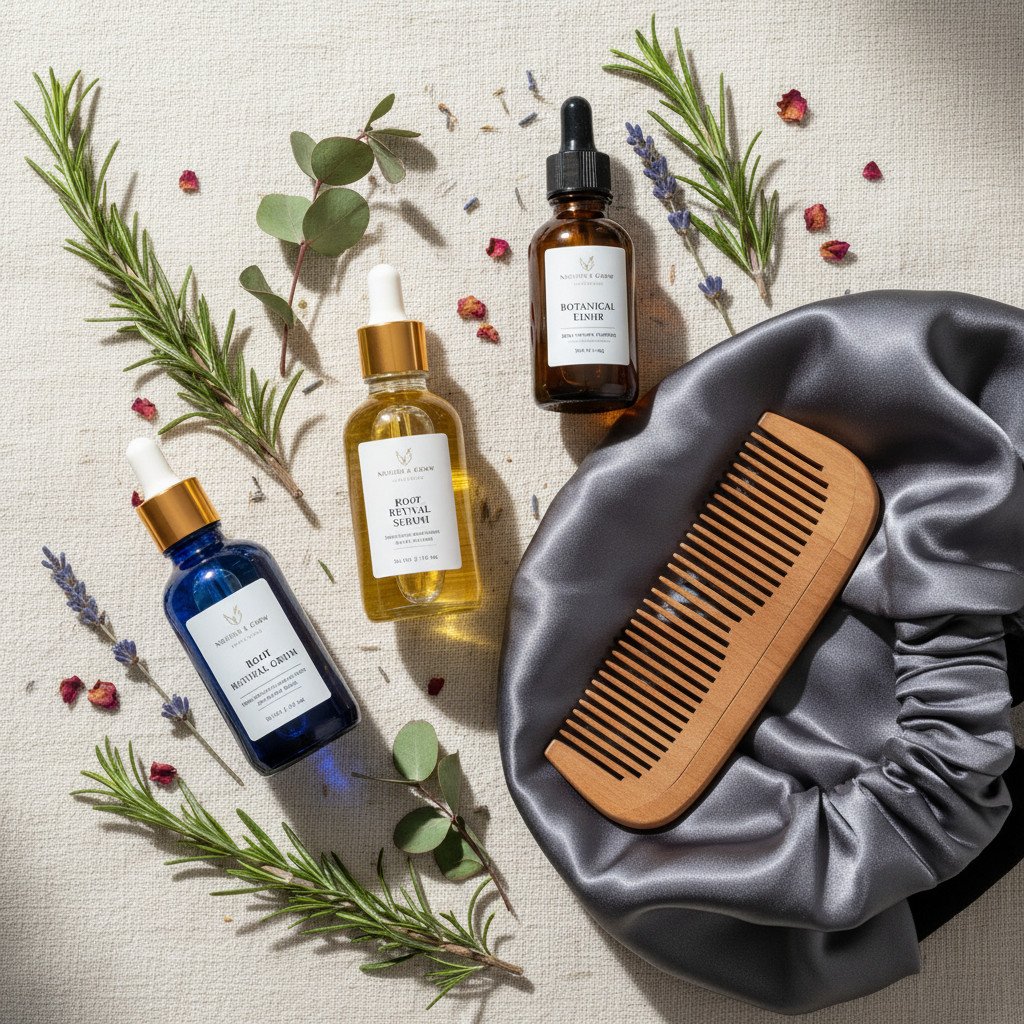
By coating the hair shaft, oils help to improve slip, which reduces friction during styling and manipulation. This is particularly important for textured hair, which is prone to tangles and knots. Less friction means fewer snags, less pulling, and ultimately, less breakage. Over time, this consistent reduction in breakage translates directly into better length retention. Think of it as giving your hair a protective shield against the daily wear and tear of life.
Consider oils like jojoba, argan, or even a light application of castor oil (often blended) for sealing. Serums formulated with silicones can also provide exceptional slip and heat protection, which is crucial if you occasionally use heat styling. The key is to apply just enough to coat the strands without weighing them down or making them greasy. This practice works hand-in-hand with other length-retention strategies. To truly understand how to keep your hard-earned length, it’s vital to distinguish between Shedding vs Breakage, as addressing breakage is where oils shine. Furthermore, integrating oils into a regimen that includes Low-Manipulation Styles can significantly amplify their benefits, allowing your hair to grow undisturbed and retain its length.
For Scalp Comfort and Support
The scalp is the soil from which our hair grows, and its health is paramount. Oils and serums applied directly to the scalp serve a different purpose: to nourish the skin, alleviate discomfort, and create an optimal environment for follicular activity. These products are often lighter in texture or contain specific active ingredients designed to address scalp concerns.
Scalp oils can be incredibly soothing for conditions like dryness, mild itchiness, or tightness, which can be common, especially after cleansing. Ingredients like tea tree oil (diluted), peppermint oil, or rosemary oil are often found in scalp-focused formulations due to their antimicrobial or circulation-boosting properties. They can provide a refreshing sensation and help to calm irritation, contributing to overall scalp comfort.
However, caution is key. Not all oils are suitable for direct scalp application, especially if you have a sensitive scalp or a pre-existing condition. Highly perfumed oils, or those with heavy, comedogenic ingredients, can sometimes backfire. They might clog pores, lead to product buildup, or even worsen conditions like dandruff or seborrheic dermatitis by creating an anaerobic environment where yeast can thrive. It’s essential to choose scalp oils that are non-comedogenic and formulated specifically for scalp health, often with a lighter consistency.
For a deeper dive into maintaining a healthy scalp, our guide on Scalp Care 101 offers comprehensive insights into proper cleansing, exfoliation, and treatment. If you’re struggling with persistent flaking, itching, or redness, it’s crucial to understand the nuances of Dandruff and Seborrheic Dermatitis in Black Women, as these conditions require targeted medical approaches that oils alone cannot resolve. Using the right products for your scalp is a foundational step toward fostering healthy hair growth.
What Growth Oils Can and Can’t Do
The allure of “hair growth oils” is powerful, often fueled by dramatic before-and-after photos and testimonials. It’s easy to believe that a simple application of oil can magically transform a sparse hairline into a thick mane. However, it’s crucial to temper these expectations with a dose of reality. While certain oils and serums, especially those containing specific active ingredients, can indeed support and enhance hair growth, they are not a panacea. There are definitive limits to what they can achieve, particularly when dealing with significant hair loss or underlying medical conditions.
No oil, no matter how potent its ingredients, can resurrect hair follicles that are completely scarred, dormant for extended periods, or permanently damaged. Once a follicle has ceased to function due to scarring alopecia or has been inactive for too long, topical treatments, including oils, generally cannot bring it back to life. However, for follicles that are still viable but perhaps miniaturized, stressed, or undernourished, oils and serums can play a supportive role. They can create a healthier environment, provide essential nutrients, and stimulate blood flow, thereby encouraging these follicles to produce stronger, thicker strands. The key is intervention when follicles are still active, even if struggling.
Understanding these limitations is not meant to discourage but to empower you with realistic timelines and expectations. Significant improvements in hair growth and density typically take months, not days or weeks. Consistency is far more important than the immediate sensation of a product. It’s about creating a sustained, nurturing environment for your hair to thrive. Let’s explore the scenarios where oils can genuinely help and where their capabilities fall short.
Situations Where Oils May Help
For many Black women, oils and serums can be valuable components of a hair growth strategy, particularly in situations where hair loss is mild, related to common stressors, or where the goal is primarily length retention. Here are some scenarios where incorporating oils can yield positive results:
- Mild Thinning with Active Follicles: If you’re experiencing general thinning, perhaps due to stress, nutritional deficiencies, or hormonal fluctuations (like early stages of postpartum shedding), and your follicles are still producing hair, albeit finer, certain oils can help. Ingredients like rosemary oil, peppermint oil, or specific botanical extracts (often found in serums) have shown promise in stimulating blood circulation and providing anti-inflammatory benefits, which can encourage healthier, thicker growth from existing follicles.
- Length Retention Goals: As discussed, oils are exceptional at preventing breakage. By sealing moisture into your strands, reducing friction, and protecting against environmental damage, they help your hair retain the length it grows. This is often where the most noticeable “growth” is observed – not from faster growth at the root, but from less hair breaking off at the ends.
- Dryness-Related Breakage: Black hair is naturally prone to dryness. If your hair is brittle, rough, and breaking easily due to a lack of moisture, oils can be a game-changer. They provide lubrication and a protective barrier, making your hair more pliable and resilient.
- Some Cases of Postpartum Shedding or Stress-Related Shedding: While oils won’t stop the hormonal cascade of Postpartum Hair Shedding, they can certainly support the scalp and new growth during the recovery phase. They can soothe an irritated scalp, protect fragile new hairs, and encourage a healthy environment for regrowth. Similarly, for stress-related shedding (telogen effluvium), oils can be part of a calming, nurturing routine that supports the hair cycle as it normalizes.
In all these situations, oils are most effective when integrated into a broader, holistic plan. This includes gentle cleansing, consistent deep conditioning, low-tension protective styling, a nutrient-rich diet, and managing stress. For a comprehensive approach, consider our Weekly Hair Growth Routine for Busy Black Women, which outlines how to combine these elements. Additionally, supporting your internal health with proper nutrition, sometimes supplemented by what science says about Collagen, Biotin, and Hair Vitamins for Black Women, can significantly amplify the benefits of your topical treatments.
Situations Where Oils Are Not Enough
While oils and serums offer many benefits, it’s crucial to recognize their limitations. There are specific hair loss conditions where relying solely on oils can delay proper diagnosis and treatment, potentially leading to irreversible damage. In these cases, a medical assessment and structured treatment plan are absolutely essential.
- Established Traction Alopecia with Smooth, Shiny Patches: If you have areas of your scalp, particularly around the edges or nape, that are smooth, shiny, and completely devoid of hair, this indicates scarring. This is a sign of advanced Traction Alopecia, where the follicles have been permanently damaged and can no longer produce hair. Oils will not stimulate growth in these scarred areas. Medical intervention, often involving corticosteroids or other treatments, is necessary to halt further progression and, in some cases, hair transplantation might be the only option for regrowth.
- Advanced Scarring Scalp Conditions: Conditions like Central Centrifugal Cicatricial Alopecia (CCCA), Folliculitis Decalvans, or Discoid Lupus Erythematosus are inflammatory conditions that cause permanent damage and scarring to the hair follicles. These require immediate diagnosis and treatment by a dermatologist or trichologist. Applying oils to these conditions without medical oversight can sometimes worsen inflammation or mask symptoms, delaying effective treatment.
- Uncontrolled Dandruff or Seborrheic Dermatitis: While some oils can be soothing, if you have severe or persistent Dandruff or Seborrheic Dermatitis, oils alone will not resolve the underlying fungal overgrowth or inflammatory response. In fact, heavy oils can sometimes exacerbate these conditions by creating a moist, occlusive environment that encourages yeast proliferation. Medicated shampoos and topical treatments are the first line of defense here, with oils used only as very light, supportive measures once the primary condition is under control.
- Rapid, Unexplained Shedding: If you suddenly experience a significant increase in hair shedding, beyond what you’d expect from typical hair cycles or postpartum changes, it’s a red flag. This could indicate an underlying medical issue such as a thyroid disorder, severe nutritional deficiency, autoimmune disease, or a reaction to medication. Relying on oils in this situation means missing a crucial opportunity for early diagnosis and treatment of a systemic problem.
In all these scenarios, the scalp is not just a surface for hair; it is an extension of your body’s largest organ – your skin. Understanding the intricate connection between your scalp health and overall Skincare pillar is vital. Just as you wouldn’t treat a severe skin rash with just a moisturizing oil, you shouldn’t treat serious scalp conditions without professional medical guidance. Always prioritize a consultation with a healthcare professional or dermatologist when faced with persistent or severe hair loss concerns.
Matching Oils and Serums to Your Hair and Scalp
One of the biggest pitfalls in the quest for healthy hair is blindly following product recommendations without considering your unique hair and scalp profile. What works wonders for one person might be completely ineffective or even detrimental for another. Your hair’s texture, density, porosity, and the behavior of your scalp are all critical factors that should guide your choice of oils and serums. Instead of chasing every viral product or copying influencers, take a moment to truly understand what your hair and scalp are telling you.
Think of it like this: you wouldn’t use a heavy moisturizer designed for dry, mature skin on an oily, acne-prone face. The same principle applies to your hair and scalp. A fine-haired individual might find rich, heavy oils too greasy and weighing, while someone with dense, coarse hair might require more robust products to achieve adequate moisture and sealing. Similarly, a scalp prone to oiliness or specific conditions like seborrheic dermatitis will react differently to oils than a naturally dry, irritation-free scalp. This personalized approach is key to unlocking the true potential of oils and serums in your routine.
Let’s delve into how to tailor your product choices based on your specific hair and scalp characteristics, ensuring that every drop you apply is working harmoniously with your unique beauty.
If Your Hair Is Dry but Your Scalp Is Fine
This is a common scenario for many Black women: the hair shaft, especially the mid-lengths and ends, craves moisture and sealing, but the scalp itself is relatively balanced, perhaps leaning towards fine hair that gets weighed down easily. In this case, your strategy for oils and serums needs to be precise and targeted.
The primary focus should be on applying oils to the **mid-lengths and ends** of your hair. These are the oldest, most exposed parts of your strands and are most susceptible to dryness, breakage, and split ends. After moisturizing your hair with a water-based leave-in conditioner, use a lightweight sealing oil (like jojoba, argan, or a light blend) to lock in that hydration. This creates a protective barrier, reduces friction, and enhances shine without making your roots greasy. You might find that a small amount of oil applied to damp hair works best, as it helps distribute the product evenly and prevents over-application.
For the scalp, the approach should be minimalist. If your scalp is generally fine and doesn’t experience excessive dryness or irritation, you might not need daily or even weekly scalp oiling. Over-oiling a fine scalp can lead to product buildup, clogged follicles, and a greasy appearance, which can then necessitate more frequent washing, potentially drying out your hair. Instead, prioritize a consistent cleansing rhythm that keeps your scalp clean and balanced. If you do feel the need for occasional scalp comfort, opt for a very light, non-comedogenic serum or a diluted essential oil blend (e.g., rosemary in a carrier oil) applied sparingly, perhaps once a week or every other week, focusing on massage rather than saturation. The goal is support, not smothering. For more guidance on maintaining a balanced scalp, revisit our Scalp Care 101. And remember, protecting your ends and reducing manipulation through Low-Manipulation Styles will be your strongest allies in length retention.
If Your Scalp Is Flaky, Itchy, or Tender
When your scalp is experiencing discomfort – flakiness, persistent itching, tenderness, or redness – your first priority must be to address the **underlying cause**, not just mask the symptoms with oils. Applying heavy or inappropriate oils to an already compromised scalp can often exacerbate the problem, trapping flakes, encouraging microbial overgrowth, or worsening inflammation. This is particularly true for conditions like dandruff, seborrheic dermatitis, or even early signs of traction alopecia.
If you suspect dandruff or seborrheic dermatitis, your initial step should be to use medicated shampoos and treatments as directed. These products are specifically formulated with active ingredients (like zinc pyrithione, selenium sulfide, or ketoconazole) to target the yeast and inflammation responsible for these conditions. Oils, if used at all, should be introduced cautiously and strategically. You might use a very light, non-comedogenic oil (like squalane or a few drops of jojoba) to soothe dryness *after* a medicated wash, ensuring it doesn’t create an occlusive layer that hinders the treatment’s efficacy or traps further buildup. The goal is to support the scalp barrier, not to treat the primary condition with oil alone.
For tenderness or itching that might be related to tension from styling, the immediate solution is to remove the source of tension. Then, a very light, soothing oil or serum with anti-inflammatory properties (e.g., diluted chamomile or lavender essential oil in a carrier) can be gently massaged in to provide comfort. However, if the tenderness is accompanied by bumps, pus, or persistent pain, it’s crucial to seek professional medical advice, as this could indicate an infection or a more serious scalp condition.

It’s vital to understand that your scalp is skin, and like any other skin issue, chronic problems require a targeted approach. Our detailed guides on Dandruff and Seborrheic Dermatitis in Black Women and Edges Care and Regrowth: Traction Alopecia in Black Women provide comprehensive strategies for managing these specific concerns. Remember, the goal is a healthy scalp, which is the foundation for healthy hair growth, and sometimes that means prioritizing medicated treatments over traditional oils. Understanding the difference between Shedding vs Breakage can also help you determine if your scalp issues are contributing to hair loss or if it’s a separate concern.
Building a Realistic Hair Growth Routine With Oils and Serums
The journey to healthy, longer Black hair is rarely about a single product or a quick fix. It’s about consistency, understanding, and building a sustainable routine that works with your lifestyle, not against it. In a world saturated with viral trends and impulsive purchases, it’s easy to fall into the trap of trying a new oil or serum for a week, seeing no immediate results, and then moving on to the next
Frequently Asked Questions
Do hair growth oils actually make hair grow faster, or just help with length retention?
Most hair growth oils primarily aid in length retention by reducing breakage and creating a healthy scalp environment. While some specific ingredients can stimulate follicles, they don’t drastically speed up the hair growth cycle itself, which is largely genetically determined. Focus on consistent scalp care and gentle handling to maximize your hair’s natural growth potential, as detailed in our Weekly Hair Growth Routine.
How often should I oil my scalp if I have natural or loc’d hair?
The frequency depends on your scalp’s needs. If your scalp is naturally dry, 1-2 times a week might be beneficial. If it’s prone to oiliness or product buildup, less often (bi-weekly) or not at all might be better. Always prioritize cleansing, and use a lightweight, non-comedogenic oil. Our Scalp Care 101 provides more personalized guidance.
Are DIY oil mixes better than store-bought serums?
Not necessarily. DIY mixes can be cost-effective and allow for customization, but store-bought serums often contain scientifically formulated active ingredients, stable preservatives, and precise concentrations that are difficult to replicate at home. The ‘best’ option depends on your specific needs, budget, and willingness to research and experiment, always ensuring proper dilution of essential oils.
Can I use growth oils if I have dandruff or seborrheic dermatitis?
Approach with caution. Heavy oils can exacerbate dandruff or seborrheic dermatitis by trapping flakes and encouraging yeast growth. It’s best to first treat the condition with medicated shampoos and treatments. Once the condition is under control, a very light, non-comedogenic oil might be used sparingly for comfort, but always prioritize your dermatologist’s advice. Learn more in our guide on Dandruff and Seborrheic Dermatitis in Black Women.
Which should I focus on first: oils, vitamins, or changing my hairstyles?
For most, changing hairstyles to reduce tension and manipulation (low-manipulation styles) and optimizing your overall routine (cleansing, conditioning) should be the first focus. Oils and vitamins are supportive tools. Address the root causes of breakage or shedding first. For more on internal support, see Collagen, Biotin, and Hair Vitamins for Black Women.
How long should I try a new growth oil or serum before deciding if it works?
Hair growth is a slow process. Give any new growth oil or serum at least 3-6 months of consistent use before evaluating its effectiveness. Look for subtle changes like reduced breakage, improved scalp health, or slightly thicker new growth, rather than dramatic length increases. Patience and consistency are key to seeing results, as highlighted in our Hair Growth & Scalp Health hub.
Shop scalp massage tool on Amazon
Shop silk pillowcase on Amazon
Continue exploring
Related posts:
 The Truth About Hair Growth Oils and Supplements – What Actually Works?
 Scalp Serums and “Growth” Products: What They Can and Cannot Do
 The Science of Hair Growth – Understanding Your Hair's Growth Cycle
 Firming and Lifting – What Actually Works for Mature Skin?
 Dark Inner Thighs and Bikini Line: What Really Works on Dark Skin
 How Sunscreen Finish Works With Makeup on Dark Skin