Low‑Manipulation Styles for Length Retention in Natural Hair
Have you ever found yourself caught in a cycle of elaborate styling, constantly manipulating your beautiful natural hair, only to feel frustrated when your ends seem to thin, break, or simply refuse to grow past a certain point? You’re not alone, sis. Many of us, in our journey to embrace and celebrate our natural textures, fall into the trap of doing “the most” to our hair. We’re talking about the back-to-back twist-outs, the daily wash-and-goes, the slicked-back buns that pull just a little too tight, and the braid-outs that require meticulous re-braiding every single night. We invest in all the right products, follow all the right gurus, and still, that coveted length retention feels like an elusive dream.
For generations, Black women have navigated complex hair care landscapes. We grew up with either the expectation of constant styling to achieve a certain look, or the reliance on long-term, sometimes tight, styles like braids or weaves. Both approaches, while offering their own benefits, can inadvertently lead to stress on our delicate curls, coils, and kinks if not executed with extreme care and intention. The quest for healthy, long natural hair shouldn’t feel like a battle against your own strands, nor should it demand a six-hour wash day every week. It’s about finding harmony, understanding your hair’s needs, and giving it the grace to thrive.
This comprehensive guide is designed to cut through the confusion and empower you with a simpler, more effective approach: low-manipulation styling. We’ll clearly define what low-manipulation truly means, distinguishing it from its often-misunderstood cousin, protective styling. More importantly, we’ll illuminate exactly why reducing mechanical stress is the game-changer for length retention in our unique hair textures. You’ll discover realistic, beautiful style ideas and routines that seamlessly integrate into your busy life, whether you’re navigating the corporate world, hitting the gym, chasing after little ones, or seeking styles that honor your spiritual practices. This journey towards healthier, longer hair doesn’t have to be arduous; it can be a loving act of self-care. We invite you to explore this philosophy further and find even more resources in our dedicated Hair Growth & Scalp Health hub for Black women, where we delve into everything from weekly routines to edges care and overall scalp health, ensuring you have all the tools for a thriving hair journey.
What Does “Low‑Manipulation” Actually Mean?
In the vast and sometimes overwhelming world of natural hair care, terms like “low-manipulation” and “protective styles” are often used interchangeably, leading to understandable confusion. However, understanding the nuanced difference is key to unlocking consistent length retention. At its core, low-manipulation styling refers to any approach that minimizes how often and how intensely you handle your hair. This means consciously reducing the frequency and vigor of actions like combing, brushing, re-styling, and even excessive touching. The goal is to leave your hair alone for extended periods, allowing it to rest and flourish without constant interference.
Think of it as giving your hair a much-needed vacation from daily styling stressors. Instead of daily detangling and re-setting, a low-manipulation regimen encourages styles that can last for several days, if not a full week or more, with minimal touch-ups. This approach prioritizes gentleness and longevity over daily aesthetic changes, understanding that every comb stroke, every twist, and every pull, however gentle, contributes to cumulative mechanical stress on your delicate strands. It’s about making deliberate choices to preserve the integrity of your hair fiber, especially at the vulnerable ends.
While protective styles are designed to tuck away ends and shield hair from environmental elements, they are not always inherently low-manipulation. A protective style can become high-manipulation if it’s installed too tightly, requires frequent re-doing, or causes undue tension on the scalp and edges. The distinction lies in the level of handling. A low-manipulation style, by definition, requires minimal handling. A protective style can be low-manipulation if done gently and maintained for a period without constant re-styling, but it’s not a given. The ultimate aim of both, when done correctly, is to reduce mechanical breakage so that the length you painstakingly grow has a genuine chance to remain on your head. To truly understand where your length might be disappearing, we encourage you to revisit our detailed guide on Shedding vs Breakage: How Black Women Can Tell the Difference.
- Low-manipulation: Focuses on less frequent styling, gentle handling, and simple, long-lasting maintenance routines. It’s about reducing the physical stress on your hair fibers.
- Protective styles: Aim to protect hair from external damage (e.g., weather, friction) by tucking away ends or creating a barrier. They can be low-manipulation if done gently, without excessive tension, and maintained for a period without frequent re-styling. However, some protective styles can be high-tension or high-risk if installed poorly or maintained incorrectly.
- The Goal: For both approaches, the overarching goal, particularly for those seeking length retention, is to significantly reduce mechanical breakage, allowing the hair you grow from your scalp to actually stay on your head and contribute to visible length.
Why Low‑Manipulation Styles Help With Length Retention
The journey to longer, healthier natural hair often feels like a paradox: you’re growing hair, but it doesn’t seem to get longer. This common frustration stems from a crucial misunderstanding about length retention. Your hair is always growing from the scalp (unless there’s an underlying health issue), but the challenge for many of us, especially those with tightly coiled, kinky, or curly textures, is that the rate of breakage at the ends often matches or even exceeds the rate of new growth. This means that while your scalp is diligently producing new hair, the older, more fragile ends are breaking off, leaving you with little to no visible increase in length.
This is precisely where low-manipulation styles become revolutionary. Our hair, with its unique curl patterns and delicate structure, is particularly susceptible to mechanical stress. Frequent manipulation—whether it’s daily combing, brushing, re-twisting, or even just excessive touching—creates friction, snags, and tangles that lead to breakage at the ends and along the mid-shaft. Low-manipulation strategies work by minimizing these damaging interactions, thereby preserving the integrity of the hair strand from root to tip. It’s not about making your hair grow faster; it’s about protecting the length it already has and allowing it to accumulate over time. Length retention, therefore, is primarily about protecting the oldest parts of the hair – the delicate ends – ensuring they don’t break off prematurely. By reducing the opportunities for breakage, low-manipulation styles give your hair a fighting chance to truly flourish and showcase its natural length potential.
Mechanical Stress, Knots, and Breakage
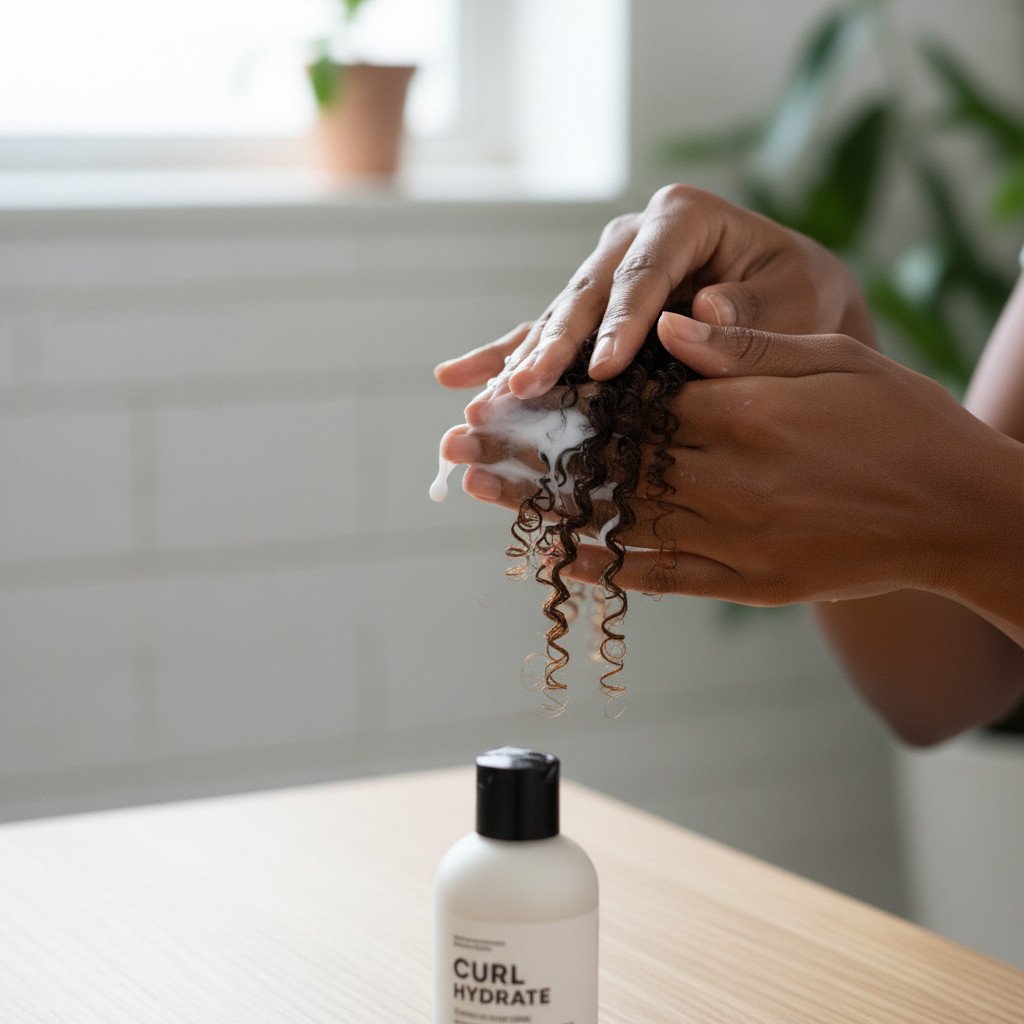
Imagine your hair strands as delicate threads. Every time you comb, brush, or even run your fingers through your hair, you’re creating friction. For tightly coiled hair, this friction can be particularly damaging. Our natural textures are prone to tangling and forming single-strand knots (often called fairy knots), where a single strand ties itself into a tiny knot. These knots act as snag points, making it incredibly easy for hair to break when manipulated. Daily brushing and combing, while seemingly innocuous, can exacerbate this issue, leading to cumulative damage over time. The constant pulling and tugging required to detangle or restyle can weaken the hair shaft, causing it to snap, especially at the ends which are the oldest and most fragile parts of your hair.
Furthermore, the very act of styling, even with the best intentions, can contribute to breakage. For example, if you’re doing a twist-out every night, you’re not only detangling but also twisting, untwisting, and re-twisting your hair. Each of these steps, if not done with extreme care and proper lubrication, can cause microscopic damage that accumulates over days and weeks. This consistent mechanical stress leads to frayed ends, split ends, and ultimately, breakage that prevents your hair from reaching its full length potential. Understanding this distinction is crucial for effective hair care. If you’re unsure whether you’re experiencing normal shedding or actual breakage, our article Shedding vs Breakage: How Black Women Can Tell the Difference offers clear guidance to help you identify the root cause of your hair loss.
Giving Your Hair a Chance to Rest
In our fast-paced lives, we often forget that our hair, like our bodies, thrives on rest. Low-manipulation styles are essentially a form of extended rest for your hair. By setting your hair in a style that can last for several days without needing to be re-combed, re-brushed, or re-styled, you significantly reduce the hands-in-hair time. This reduction in physical interaction allows your hair strands to remain undisturbed, minimizing the opportunities for friction, snagging, and breakage. When your hair is left alone, the delicate cuticle layers can lie flat, and the internal structure of the hair shaft is less stressed, leading to stronger, more resilient strands.
This period of rest is particularly critical during certain life stages or when dealing with specific hair concerns. For instance, if you’ve recently experienced postpartum shedding, your hair is already in a vulnerable state, and excessive manipulation can worsen hair loss. Similarly, if you’re managing scalp conditions like dandruff or seborrheic dermatitis, or recovering from heat or chemical damage, giving your hair a break from constant styling can aid in its recovery and overall health. The less you touch your hair, the more intact your strands remain from week to week, allowing the length you’ve grown to truly accumulate and become visible. It’s a simple yet profoundly effective strategy for consistent length retention and overall hair health.
Low‑Manipulation vs Protective Styles: What’s the Difference?
The terms “low-manipulation” and “protective styles” are often used interchangeably in the natural hair community, leading to a common misconception that they are one and the same. While there is significant overlap, and many protective styles can indeed be low-manipulation, it’s crucial to understand that the two concepts are not entirely synonymous. A protective style, by definition, is any style that tucks away the ends of your hair, shielding them from environmental elements like sun, wind, and friction from clothing, thereby reducing damage. Examples include braids, twists, buns, and weaves. The intent is to protect the most fragile parts of your hair from external stressors.
However, the “protective” nature of a style doesn’t automatically make it “low-manipulation.” The key differentiator lies in the tension, frequency of installation, and ongoing maintenance. A protective style can quickly become high-manipulation or even damaging if it’s installed too tightly, if the hair is pulled excessively, or if it requires frequent re-doing. For instance, tiny, tight box braids, while technically tucking away the ends, can cause immense tension on the scalp and edges, leading to breakage and even traction alopecia. Similarly, a weave that’s sewn in too tightly or left in for too long without proper scalp care can be detrimental. The overlap occurs when a protective style is installed gently, without tension, and is designed to be left alone for an extended period with minimal daily fuss. In such cases, it serves both as a protective and a low-manipulation option. The critical takeaway is that while protective styles are an important tool, they must be approached with caution and care to ensure they are truly beneficial and not inadvertently causing harm.
Examples of Low‑Manipulation Styles
True low-manipulation styles are those that, once set, require minimal daily or weekly intervention. They are designed to last, allowing your hair to rest and thrive without constant tugging, combing, or re-shaping. The beauty of these styles lies in their simplicity and their ability to preserve your hair’s integrity. Here are some prime examples:
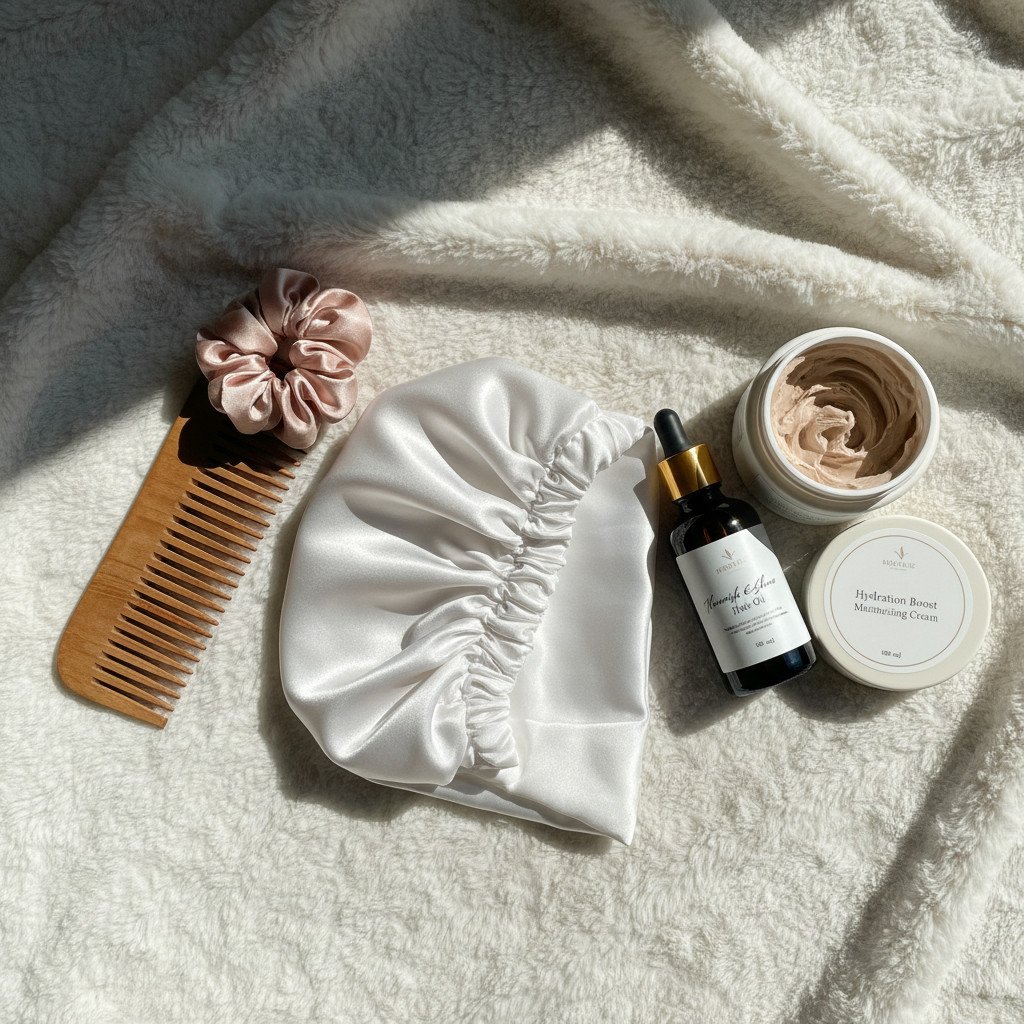
- Twist-outs and Braid-outs (Maintained for Several Days): While the initial process of twisting or braiding is manipulation, the goal here is to create a style that can be worn for 3-7 days with minimal re-doing. This means sleeping with a satin bonnet or scarf and only fluffing or separating the hair gently in the mornings, rather than re-twisting or re-braiding every night. The key is to preserve the definition and stretch from the initial set.
- Chunky Twists or Braids (Worn Alone or Under Wigs): Large, loose twists or braids (like two-strand twists or three-strand braids) are excellent low-manipulation options. They keep your hair contained, minimize tangling, and can be worn as a style on their own, or serve as a gentle base for wigs or scarves. The chunkier they are, the less tension on individual strands and the quicker they are to install and remove.
- Low Buns or Puffs (Done Gently): A classic low bun or puff, when created without excessive pulling or tight elastics, is a fantastic low-manipulation style. The hair is gathered gently at the nape of the neck or lower crown, reducing tension on the edges and scalp. The goal is a soft, relaxed hold rather than a slick, taut look. Using soft scrunchies or hair ties made of satin or silk can further reduce friction and breakage.
- Simple Stretched Styles: Any style that stretches your hair without requiring daily combing or re-setting falls into this category. This could include banding, African threading, or even a simple stretched ponytail that is left alone for days. The stretching helps to prevent tangles and knots, making the hair easier to manage when it’s time for wash day, but the style itself is meant to be hands-off.
The common thread among these styles is their ability to reduce daily interaction with your hair, allowing it to remain undisturbed and protected from the cumulative damage of frequent handling. They are about embracing simplicity and prioritizing hair health over complex, time-consuming styling routines.
Protective Styles That Can Still Be High‑Manipulation or High‑Risk
It’s vital to recognize that not all styles labeled
Frequently Asked Questions
What’s the difference between low‑manipulation and protective styles?
Low-manipulation styles focus on minimizing how often and how intensely you handle your hair, reducing mechanical stress. Protective styles tuck away hair ends to shield them from environmental damage. While many protective styles can be low-manipulation, not all are; some can be high-tension or require frequent re-doing, making them less low-manipulation. The key is gentle installation and minimal daily interaction for both.
How long should I keep a low‑manipulation style in?
The ideal duration for a low-manipulation style varies based on your hair type, scalp health, and the specific style. Generally, aiming for 3-7 days is a good starting point to allow your hair to rest. Some styles, like chunky twists worn under a wig, can last longer, but it’s crucial to regularly assess your scalp for cleanliness and comfort. Listen to your hair and scalp; if it feels itchy or dry, it’s time to refresh or wash. Our Weekly Hair Growth Routine provides more insights.
Can I still retain length if I like wash‑and‑go styles?
Yes, length retention with wash-and-gos is possible, but it requires a strategic approach to make them more ‘low-manipulation.’ This means optimizing your wash-and-go to last for several days (3-5 minimum) with minimal daily re-wetting or re-styling. Focus on excellent hydration and sealing during your initial styling, and use a satin bonnet or pineapple method at night to preserve the style. Avoid daily re-combing or excessive product application, which can lead to buildup and breakage. Understanding Shedding vs Breakage will help you monitor your progress.
How do I know if my low‑manipulation style is actually causing breakage?
Even low-manipulation styles can cause breakage if not done correctly. Signs include excessive shedding of short, broken strands when you take down the style, thinning edges, scalp tenderness, or an increase in single-strand knots. Pay close attention to how your hair feels during and after styling; if there’s any pulling or discomfort, the style might be too tight. Regularly check your edges and nape, as these are common areas for tension-related damage. Our guide on Edges Care and Regrowth offers more details on identifying and preventing damage.
Are wigs and weaves considered low‑manipulation?
Wigs and weaves can be excellent low-manipulation options, provided the hair underneath is properly prepared and cared for, and the installation is gentle. The key is to ensure your natural hair is cleansed, moisturized, and braided or twisted loosely underneath, minimizing tension on your scalp and edges. Regular breaks between installations are crucial for scalp assessment and deep conditioning. Avoid tight braids, heavy bundles, or glues directly on your hairline, which can cause damage. For optimal health, refer to our Scalp Care 101 for maintaining a healthy base.
How do I fit low‑manipulation styles into a weekly routine?
Integrating low-manipulation styles into your weekly routine involves planning and consistency. Dedicate your wash day to cleansing, conditioning, and setting your hair in a style that can last for several days (e.g., a chunky twist-out or braid-out). During the week, focus on simple nightly preservation (satin bonnet/scarf) and minimal daily refreshing with a light mist or oil, avoiding full restyling. Choose 1-2 go-to styles that are easy to achieve and maintain for your texture. Our Weekly Hair Growth Routine for Busy Black Women offers practical steps to streamline this process.

Shop silk pillowcase on Amazon
Shop soft scrunchies on Amazon
Shop wide-tooth comb on Amazon
Shop leave-in conditioner on Amazon
Shop moisturizing cream on Amazon
Shop medicated shampoo on Amazon
Continue exploring
Related posts:
 Combining Low-Manipulation Styling With Protective Styles and Trims: A Holistic Approach to Natural Hair Retention
 What Low-Manipulation Styling Really Means for Natural Hair
 Everyday Styles That Support Growth and Retention
 Protective Styling 101 – How to Choose Styles That Retain Length Without Damaging Your Edges
 Routines for Low Porosity Natural Hair
 Planning Style Rotation, Tension Levels, and “Scalp Rest” for Healthy Hair Retention