Postpartum Hair Shedding in Black Women: What’s Normal and What Helps
Finding strands of your precious hair on your pillow, tangled in your wide-tooth comb, or clinging to your baby’s onesie can be a deeply unsettling experience. For many Black women, the journey through late pregnancy and the postpartum period is a whirlwind of profound changes – a new life, a new body, and often, a surprising and sometimes alarming shift in their hair. If you’re seeing significant shedding, especially around your delicate edges and temples, and feeling a pang of fear that you’re “going bald” or somehow failed to protect your crown, know this: you are not alone, and you are not doing anything wrong.
This season of life, while beautiful and transformative, can also be incredibly challenging. The joy of motherhood often coexists with exhaustion, emotional rawness, and the relentless demands of caring for a newborn. On top of this, there are layered pressures unique to Black women: the cultural significance of our hair, the constant scrutiny of our appearance, and the often-unspoken expectation to “bounce back” quickly, both physically and aesthetically. Family comments about “losing all that good hair” or well-meaning but ill-informed advice from social media can add to the emotional burden, making you feel even more vulnerable.
Perhaps you’ve brought up your concerns to a healthcare provider, only to have them downplayed with a dismissive “it’s just hormones.” Or maybe you’ve scrolled through countless social posts, seeing conflicting advice about miracle vitamins, essential oils, or protective styles, leaving you more confused than empowered. At Black Beauty Basics, we understand that your concerns are valid, your feelings are real, and your need for clear, compassionate, and culturally informed guidance is paramount. This comprehensive guide is designed to cut through the noise, offering you a deeply validating and clear understanding of what’s happening with your hair.
We will clarify what postpartum hair shedding is, why it occurs, and how it typically manifests in Black women, focusing on those vulnerable areas like your edges and temples. We’ll help you discern between what’s considered “normal but scary” and what warrants a medical evaluation, always with an emphasis on trauma-aware and sensitive care. Most importantly, we’ll equip you with a gentle, realistic care plan for your hair and scalp that fits into your already overflowing life, acknowledging your limited time, energy, and resources. This article will also explore how postpartum shedding can interact with other common hair challenges for Black women, such as traction alopecia, scalp conditions, nutrition, and stress. Consider this your trusted resource, a warm embrace of understanding as you navigate this unique phase. For even more in-depth knowledge and support, we invite you to explore our dedicated Hair Growth & Scalp Health hub for Black women, where you’ll find further guidance on topics like shedding vs. breakage, edges care, and weekly routines tailored for you.
What Postpartum Shedding Is (and Why It Happens)
Let’s start with the science, but in a way that feels accessible and empowering, not intimidating. The phenomenon you’re experiencing, the sudden and often dramatic increase in hair shedding after childbirth, is a completely normal physiological response to the incredible hormonal shifts your body undergoes. During pregnancy, your body is flooded with elevated levels of hormones, particularly estrogen. This surge in estrogen has a wonderful side effect for many women: it extends the anagen, or growth, phase of your hair cycle. This means that more of your hair strands than usual remain in their active growth phase, and fewer enter the telogen, or resting and shedding, phase. Many pregnant women notice their hair feels thicker, fuller, and perhaps even grows longer than ever before – a beautiful glow that often accompanies pregnancy.
However, what goes up must come down. After birth, or any significant hormonal shift such as miscarriage or abortion, these elevated hormone levels, especially estrogen, drop dramatically and rapidly. This sudden decrease signals to a large number of hair follicles that it’s time to transition from the prolonged growth phase into the resting phase, and then quickly into the shedding phase. This synchronized shedding of many hairs at once is medically known as telogen effluvium. It’s a common and usually temporary condition, affecting a significant percentage of women in the postpartum period. It’s important to understand that this is not a sign of permanent hair loss or damage to your follicles; rather, it’s your body recalibrating after the monumental task of creating and nurturing a new life.
While the experience can feel incredibly alarming, especially when you’re already navigating the emotional and physical demands of new motherhood, understanding the underlying mechanism can provide a sense of reassurance. Your hair follicles are not dying; they are simply cycling through their natural phases in a more synchronized and noticeable way than usual. This is your body’s way of returning to its pre-pregnancy hormonal balance, and your hair is simply following suit. The good news is that telogen effluvium is typically self-resolving, meaning that as your hormones stabilize and your body recovers, your hair growth cycle will gradually return to its normal rhythm, and the shedding will subside.
To put it simply, here’s what you need to know about telogen effluvium in the postpartum period:
- Timing: It typically begins around 2 to 4 months after birth, or after any significant hormonal shift like a miscarriage or abortion. This delay is because hair follicles have a natural resting period before shedding.
- Intensity: The shedding may feel incredibly dramatic because a much larger percentage of your hair strands (sometimes up to 30-50%) enter the shedding phase at the same time, rather than the usual gradual loss of 50-100 hairs per day. This can result in handfuls of hair coming out in the shower or brush.
- Follicle Health: Crucially, this does not mean your follicles are dead or permanently damaged. They are simply cycling through their phases. New hair growth will eventually emerge from these same follicles once the shedding phase is complete and the growth cycle normalizes.
It’s a testament to your body’s incredible adaptability and resilience, even if it doesn’t feel like it in the moment. While it’s a natural process, the emotional impact can be profound, and acknowledging that is the first step toward self-compassion and effective care.
How Postpartum Shedding Looks on Black Hair
For Black women, postpartum hair shedding often presents with specific characteristics and can be particularly distressing due to the unique texture and styling needs of our hair. While the underlying biological process of telogen effluvium is universal, its manifestation and emotional impact can be amplified within our community. You might be noticing an increased amount of hair in your combs and brushes after detangling, or a significant accumulation in the shower drain. But beyond general shedding, there are often more localized and visually apparent changes that can cause significant concern.
One of the most common and emotionally impactful patterns is noticeable thinning at the temples and along the edges (your hairline). These areas are already delicate and prone to stress from styling, making them particularly vulnerable to the increased shedding. You might observe that your usual puffs or twist-outs feel less dense, or that your part lines appear wider than before. The once-full perimeter of your hair may now seem sparse, creating a visible change that can be hard to ignore and even harder to accept. This can feel like a direct assault on your self-image, especially given the cultural emphasis on healthy, full edges within the Black community.
What makes this even more complex for Black women is the potential for postpartum shedding to layer on top of existing hair challenges. If you’ve previously dealt with tension styles, chemical relaxers, or color treatments, your hair may already be compromised or prone to breakage. The added stress of postpartum shedding can exacerbate these issues, making the overall thinning and loss appear more severe. For example, if you’ve had a history of traction alopecia from tight braids or weaves, the hormonal shedding can make those weakened follicles even more susceptible to loss, leading to more pronounced thinning in those areas. This compounding effect means that what might be a temporary inconvenience for some, can feel like a significant crisis for Black women who are already meticulously caring for their unique hair needs.
It’s crucial to differentiate between general shedding and breakage, as they require different approaches to care. Shed hairs typically have a small white bulb at the root, indicating they’ve completed their growth cycle. Broken hairs, on the other hand, are shorter pieces that lack this bulb and are often the result of mechanical stress or chemical damage. While postpartum shedding is hormonal, breakage can be a sign that your hair care practices need adjustment. Understanding these distinctions is key to developing an effective and compassionate care plan that addresses both the physiological changes and the specific needs of your hair texture. This layered experience underscores the importance of a nuanced and empathetic approach to postpartum hair care for Black women.
Typical Patterns vs Red Flags
Understanding the difference between what’s typically expected during postpartum shedding and what might signal a need for medical attention is crucial for your peace of mind and overall health. Most postpartum hair shedding, while alarming, follows a predictable pattern. It’s often characterized by a diffuse loss across the entire scalp, meaning you’ll see thinning generally, rather than in distinct patches. However, for many Black women, this diffuse loss is often more pronounced and noticeable at the hairline and temples. This is due to a combination of factors, including the natural delicacy of these areas and the common styling practices that can put them under tension. This shedding typically begins a few months after birth and, in most cases, gradually improves over 6 to 12 months as your hormones stabilize and your body recovers. It’s a journey, not a sprint, and patience is a key ingredient in this recovery process.
However, there are specific signs that should prompt you to seek medical evaluation, as they could indicate an underlying condition beyond normal telogen effluvium. These are what we call ‘red flags’:

- Sudden Bald Patches: If you notice distinct, smooth, completely bald patches appearing on your scalp, rather than general thinning, this is a red flag. This can be indicative of conditions like alopecia areata, which is an autoimmune condition, and requires prompt medical diagnosis and treatment.
- Shiny or Scarred Areas: If the areas of hair loss appear shiny, smooth, or show signs of scarring, this could point to a type of scarring alopecia. These conditions can cause permanent damage to the hair follicles if not addressed early.
- Severe Itch, Pain, or Scalp Inflammation: While some mild scalp sensitivity can occur, severe itching, pain, burning, or significant redness and inflammation of the scalp are not typical of postpartum telogen effluvium. These symptoms could suggest a scalp infection, an inflammatory condition, or another dermatological issue.
- Loss Continuing Well Past a Year Without Improvement: While individual timelines vary, if your shedding is still severe and shows no signs of improvement beyond 12-18 months postpartum, it’s time to consult with a doctor. Prolonged shedding could indicate an unresolved hormonal imbalance, nutritional deficiency, or another medical condition.
- Shedding Plus Other Systemic Symptoms: This is a critical red flag. If your hair loss is accompanied by other noticeable symptoms such as extreme fatigue, unexplained weight changes (gain or loss), feeling excessively cold or hot, brittle nails, changes in bowel habits, significant mood swings, or shortness of breath, it’s imperative to seek medical attention. These could be signs of thyroid dysfunction, anemia, or other systemic health issues that require diagnosis and treatment.
It’s important to remember that you are your own best advocate. Trust your instincts. If something feels off, or if your concerns are dismissed, seek a second opinion. When discussing your hair loss, it’s helpful to be specific about the type of hair you’re seeing (shed hairs with bulbs vs. short broken pieces) and the areas where thinning is most prominent. For a deeper dive into distinguishing between different types of hair loss, please refer to our article, Shedding vs Breakage: How Black Women Can Tell the Difference. Additionally, if you’re experiencing significant thinning around your hairline, our guide on Edges Care and Regrowth: Traction Alopecia in Black Women offers targeted advice. Empower yourself with knowledge and don’t hesitate to seek professional medical advice when these red flags appear.
How Long Does It Usually Last?
One of the most common and pressing questions for any woman experiencing postpartum hair shedding is, “How long will this last?” The uncertainty can be just as distressing as the shedding itself. While it’s impossible to give an exact date, understanding the typical timeline can help manage expectations and provide a sense of when to anticipate improvement. Postpartum telogen effluvium usually begins around 2 to 4 months after childbirth, which coincides with the significant drop in estrogen levels and the subsequent synchronized shift of hair follicles into the resting and shedding phases. This initial onset can be quite startling, as the amount of hair coming out often feels unprecedented.
The shedding typically peaks in the early months, often between 4 to 6 months postpartum. During this period, you might feel like you’re losing an alarming amount of hair every day, especially during washing and detangling. This peak phase can be emotionally challenging, as the visible thinning may be at its most pronounced. However, it’s crucial to remember that this peak is a natural part of the process, indicating that a large number of hairs are completing their shedding cycle and making way for new growth.
After this peak, the shedding gradually begins to subside. For most women, significant improvement is seen between 6 to 12 months postpartum. By the time your baby reaches their first birthday, many women find that their shedding has significantly decreased, and they start to notice new growth, often appearing as short, fine hairs around the hairline and part. This new growth can sometimes have a different texture or color initially, which is also normal as your body continues to recalibrate. While the bulk of the shedding usually resolves within the first year, some women may experience a more prolonged period of shedding, extending up to 18 months. This extended timeline can be influenced by factors such as continued breastfeeding, chronic sleep deprivation, ongoing stress, or underlying nutritional deficiencies.
It’s important to emphasize that individual timelines vary greatly. Every woman’s body responds differently to hormonal changes, and factors like genetics, overall health, nutrition, and stress levels can all play a role in how long the shedding lasts. What might be a 6-month journey for one woman could be a 12-month or even 18-month journey for another. Rather than fixating on a specific end date, which can lead to frustration if your body doesn’t adhere to it, focus on supporting your body and hair through this transition.
One helpful strategy is to track your progress, not just by how much hair you’re losing, but by observing new growth. Taking occasional photos of your hairline and part can be a more objective way to monitor improvement than relying solely on memory or the emotional impact of seeing shed hair. These visual markers can offer powerful reassurance that your hair is indeed recovering, even if the process feels slow. Remember, this is a temporary phase, and with gentle care and patience, your hair will return to its normal growth cycle. Trust your body’s innate ability to heal and restore itself.
Postpartum Shedding vs Breakage vs Traction Alopecia
Navigating hair changes in the postpartum period can feel like deciphering a complex puzzle, especially when multiple factors are at play. Many postpartum women find themselves dealing with a confluence of challenges: the hormone-driven shedding we’ve discussed, coupled with the potential for mechanical breakage from styling, and sometimes, the lingering effects or exacerbation of traction alopecia. It’s rarely just one thing. The reality of new motherhood often means less time and energy for meticulous hair care, increased stress, and profound sleep deprivation, all of which can impact hair health. This makes it even more critical to understand the nuances between shedding, breakage, and traction alopecia, as each requires a slightly different approach to care and management.
Imagine your hair as a delicate ecosystem. Postpartum shedding, or telogen effluvium, is a systemic shift, like a seasonal change affecting the entire forest. It’s a natural, albeit dramatic, acceleration of the hair cycle. Breakage, on the other hand, is more like individual branches snapping due to external forces – perhaps from harsh detangling, excessive heat, or chemical damage. And traction alopecia? That’s a localized stress, like a specific area of the forest being repeatedly pulled or strained, leading to damage at the root. When all three of these are occurring simultaneously, as they often do for Black women in the postpartum period, the overall thinning and loss can be significant and deeply distressing.
The challenge lies in the overlap. Hormonal shedding can weaken hair strands, making them more susceptible to breakage from even gentle manipulation. The delicate new growth emerging after shedding can be easily damaged if subjected to tight styles, contributing to traction alopecia. And the sheer exhaustion of new motherhood can lead to shortcuts in hair care, inadvertently increasing the risk of both breakage and traction. This is why a holistic and informed approach is so vital. It’s not about blaming yourself or feeling overwhelmed; it’s about understanding the mechanisms at play so you can implement a gentle, effective, and realistic care plan that supports your hair’s recovery without adding to your already heavy load.
We will delve into how to distinguish these different types of hair loss, offering practical insights into reading your hair’s signals. By doing so, you can tailor your hair care practices to address the specific issues you’re facing, rather than applying a one-size-fits-all solution. This nuanced understanding empowers you to make informed decisions about your hair health, even when you’re operating on minimal sleep and maximum love for your little one.
Reading Your Hair’s Signals
Becoming adept at reading your hair’s signals is a powerful tool in understanding what’s truly happening on your scalp, especially during the tumultuous postpartum period. It allows you to differentiate between normal shedding, mechanical breakage, and the signs of traction alopecia, each of which demands a distinct approach to care. This isn’t about becoming a hair expert overnight, but rather about developing a mindful awareness of what your hair is telling you.
The most fundamental distinction lies in examining the hairs you find. When you see hair in your comb, brush, or shower drain, take a moment to look closely:
- Shed Hairs: These are typically full-length strands (the length of your hair) and, crucially, will have a small, white bulb at one end. This bulb is the root, indicating that the hair has completed its natural growth cycle and detached from the follicle. Finding hairs with bulbs is a definitive sign of shedding (telogen effluvium), which is hormonally driven in the postpartum period. The presence of many such hairs confirms that your follicles are cycling through their phases.
- Broken Hairs: These strands will be shorter, often varying in length, and will lack the white bulb at the end. Instead, they might appear frayed, split, or have an uneven, jagged edge where they snapped. Broken hairs are a clear indication of mechanical damage, chemical damage, or excessive dryness. This can result from aggressive detangling, tight styling, heat styling, friction from fabrics, or a lack of moisture and elasticity in the hair shaft.
Beyond examining individual strands, pay attention to where the thinning is occurring. Is it diffuse, meaning generally spread across your entire scalp, or is it concentrated in specific areas?
- Diffuse Thinning: If the thinning seems to be all over, making your hair feel less dense overall, this is characteristic of postpartum shedding. While it might be more noticeable in certain areas, the underlying cause is systemic.
- Localized Thinning: If you notice significant thinning or patchiness primarily around your temples, edges, or the nape of your neck, this strongly points towards traction alopecia, especially if you regularly wear tight styles in those areas. This type of loss is often characterized by a receding hairline or sparse patches where hair used to be.
Consider your styling habits. Which styles make your edges feel tight or uncomfortable? Are you consistently pulling your hair back in high ponytails or buns? Are your protective styles installed too tightly? Pay attention to any discomfort or tension, as these are early warning signs that your follicles are under stress. Even seemingly innocuous habits, like frequently slicking down baby hairs with a stiff brush and strong gel, can contribute to traction on already vulnerable postpartum edges.
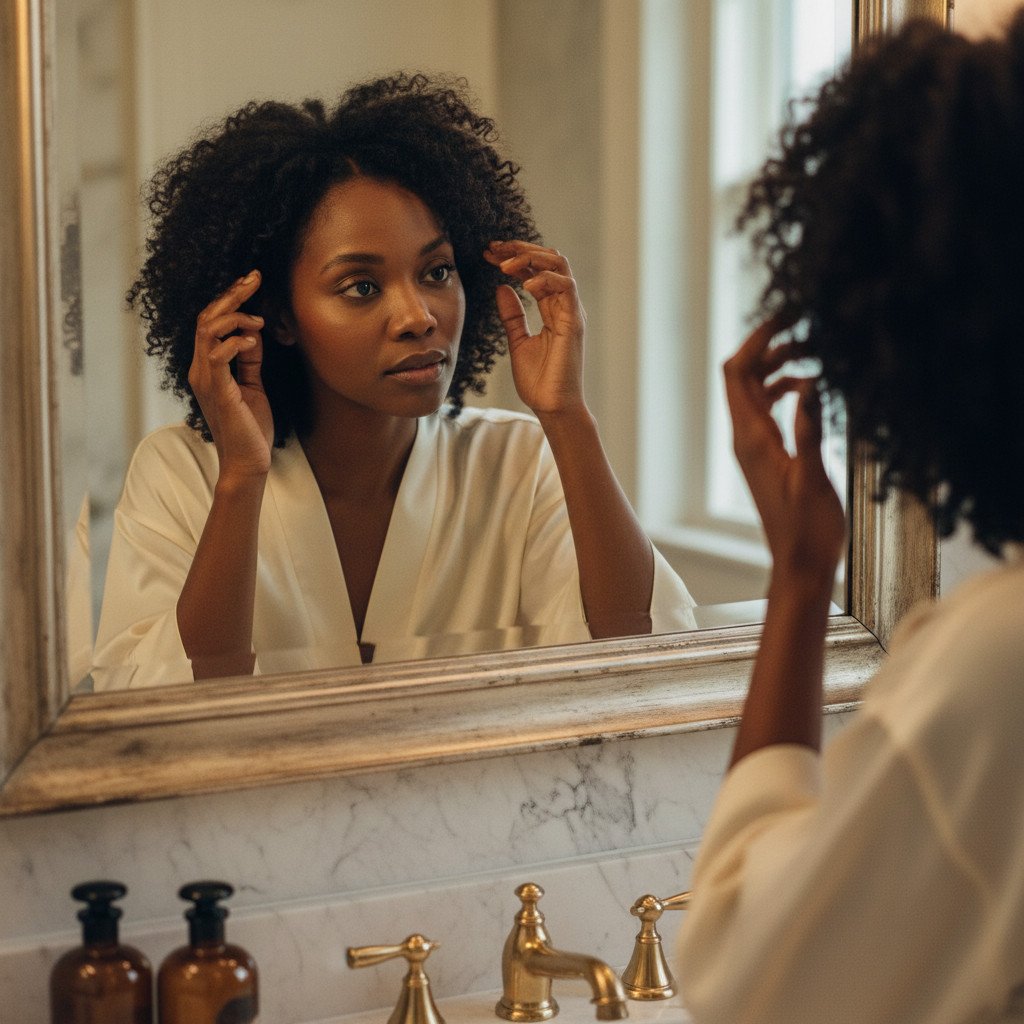
Finally, observe the condition of your scalp. Is it clean and healthy, or do you notice flaking, irritation, or excessive oiliness? While not directly indicative of shedding vs. breakage, a compromised scalp environment can exacerbate any hair loss issue. For a comprehensive guide on distinguishing between these types of hair loss, we highly recommend our detailed article, Shedding vs Breakage: How Black Women Can Tell the Difference. By becoming a keen observer of your hair and scalp, you empower yourself to make informed decisions about its care during this sensitive time.
When Edges Are Hit Hardest
For Black women, the edges and temples are often the most cherished and simultaneously the most vulnerable areas of our hair. They frame our faces, define our styles, and are deeply intertwined with our sense of beauty and confidence. So, when postpartum shedding strikes, it often hits these delicate areas with particular intensity, turning what might be a general thinning into a more visible and emotionally impactful loss. This phenomenon is not accidental; it’s a confluence of hormonal changes and common styling practices that uniquely affect Black hair.
During pregnancy, the surge in estrogen often makes edges appear fuller and stronger. But when those hormones plummet postpartum, these areas, which naturally have finer, more delicate hair strands, are among the first to show significant shedding. The hair follicles around the hairline and temples are inherently more sensitive to hormonal fluctuations and external stressors. This means that a larger percentage of these hairs may enter the shedding phase simultaneously, leading to noticeable thinning or even recession.
Adding to this physiological vulnerability are our styling habits. Many popular styles for Black hair, while beautiful and versatile, can exert tension on the hairline. High ponytails, sleek buns, tight braids, weaves, and even the frequent slicking down of baby hairs with gels and brushes can put continuous stress on these delicate follicles. When postpartum shedding is already occurring, and the hair strands are naturally weaker and more prone to detaching, any additional tension can be catastrophic. What might have been a manageable level of tension pre-pregnancy can suddenly become a catalyst for significant loss when combined with hormonal shedding.
This combination can transform temporary postpartum shedding at the hairline into something more persistent and concerning: traction alopecia. Traction alopecia is a form of hair loss caused by repetitive or prolonged pulling on the hair follicles. While it can affect any part of the scalp, it most commonly manifests along the hairline, temples, and nape of the neck due to the prevalence of styles that apply tension to these areas. In the postpartum period, the hair that is shedding due to hormones is often replaced by new, finer, and more fragile growth. If this new growth is immediately subjected to tight styling, it can be easily pulled out, further exacerbating the thinning and potentially leading to permanent damage to the follicles over time.
The emotional impact of losing edges can be profound. It can affect self-esteem, make styling feel impossible, and contribute to feelings of inadequacy at a time when new mothers are already grappling with immense changes. It’s not “just hair” when it’s your crown, your identity, and a visible marker of your Black womanhood. Understanding this interplay between hormonal shedding and mechanical tension is the first step toward protecting and nurturing your edges during this sensitive time. For detailed strategies on how to care for and regrow your edges, we strongly encourage you to read our comprehensive guide: Edges Care and Regrowth: Traction Alopecia in Black Women. This resource offers practical, gentle advice to help you navigate this specific challenge with confidence and care.
When Postpartum Shedding Needs Medical Attention
While we’ve established that postpartum hair shedding is a common and often temporary physiological response, it’s equally important to recognize that not all hair loss is created equal. There are specific circumstances and accompanying symptoms that should prompt you to seek medical attention, as they could indicate an underlying health issue that requires diagnosis and treatment beyond what gentle hair care alone can provide. Dismissing these red flags could delay necessary interventions and potentially impact your overall health and the long-term recovery of your hair.
As a Black woman, it’s also crucial to acknowledge the reality of medical racism and the historical tendency for healthcare providers to sometimes downplay or misdiagnose concerns specific to our bodies. This makes it even more imperative for you to be informed, empowered, and prepared to advocate firmly for yourself and your health. Your concerns are valid, and you deserve thorough and respectful medical evaluation.
Here are the key red-flag signs that indicate your postpartum shedding needs medical attention:
- Massive or Clumpy Shedding Not Improving After Many Months: While a significant amount of shedding is normal initially, if you are consistently losing large clumps of hair (more than usual for even severe telogen effluvium) and there’s no noticeable improvement or reduction in shedding after 6-12 months postpartum, it’s a sign to investigate further. This could indicate a more persistent form of telogen effluvium or another underlying condition.
- Noticeable Bald Patches or Smooth/Shiny Areas: As mentioned previously, if you develop distinct, completely bald patches (circular, oval, or irregular) rather than diffuse thinning, this is a red flag. Similarly, if the skin in areas of hair loss appears smooth, shiny, or shows any signs of scarring, it could point to a scarring alopecia. These conditions require immediate medical evaluation by a dermatologist to prevent permanent hair loss.
- Shedding Accompanied by Other Systemic Symptoms: This is perhaps the most critical indicator that something more is going on. If your hair loss is part of a constellation of other symptoms, do not dismiss them. These could include:
- Extreme Fatigue: Beyond the normal exhaustion of new motherhood, if you’re experiencing debilitating fatigue that doesn’t improve with rest.
- Shortness of Breath or Palpitations: Feeling winded easily, experiencing a racing heart, or heart palpitations.
- Feeling Excessively Cold: Being unusually sensitive to cold temperatures, even in warm environments.
- Unexplained Weight Changes: Significant and unintentional weight gain or loss.
- Major Mood Changes: Severe anxiety, depression, irritability, or brain fog that feels beyond typical postpartum mood shifts.
- Brittle Nails or Dry Skin: Changes in the quality of your nails or persistent dry, flaky skin.
- Changes in Bowel Habits: Chronic constipation or diarrhea.
- Unusual Swelling: Swelling in the face, hands, or feet.
These symptoms, when combined with hair loss, can point to conditions such as thyroid disorders (hypothyroidism or hyperthyroidism), iron-deficiency anemia, vitamin deficiencies (e.g., Vitamin D, B12), autoimmune diseases, or other systemic illnesses.
- Severe Scalp Symptoms: Intense itching, burning, pain, tenderness, redness, pustules, or scaling on the scalp are not typical of simple telogen effluvium. These symptoms could indicate a scalp infection (fungal or bacterial), seborrheic dermatitis, psoriasis, or an inflammatory scalp condition that needs medical diagnosis and treatment.
When you consult with a healthcare provider, be prepared to advocate for yourself. Clearly articulate your symptoms, their duration, and any accompanying concerns. Don’t hesitate to ask for specific lab tests, such as a complete blood count (CBC) to check for anemia, thyroid function tests (TSH, T3, T4), and vitamin levels (especially Vitamin D, B12, and ferritin, which is a measure of iron stores). If your primary care provider is dismissive, consider seeking a referral to a dermatologist who specializes in hair and scalp conditions, or an endocrinologist if a hormonal imbalance is suspected. Finding providers who are aware of the unique health challenges and presentations in Black women is essential.
Remember, your body has just performed a miracle, and it deserves comprehensive care. Your hair health is often a reflection of your overall health. Addressing any underlying medical conditions is not only crucial for your hair’s recovery but for your well-being as a whole. For a broader understanding of how skin and scalp conditions intersect with overall health, and to find resources for informed self-advocacy, we encourage you to explore our main Skincare pillar, as the scalp is, after all, an extension of your skin.
Gentle Postpartum Hair & Scalp Care Plan
In this season of new motherhood, your life is likely a beautiful, chaotic whirlwind. Sleep is a luxury, time is a precious commodity, and your energy reserves are constantly being tapped. The last thing you need is a complicated, multi-step hair routine that feels like another chore on an already endless to-do list. At Black Beauty Basics, we understand this deeply. This period calls for radical self-compassion and a commitment to simplicity, not a return to pre-pregnancy hair regimens or the pursuit of perfection. Your hair care during postpartum should be a gentle, realistic act of self-love, designed to support your hair’s recovery without adding to your overwhelm.
The goal here is not to magically stop the shedding – remember, much of that is hormonally driven and temporary – but to create an optimal environment for new growth, minimize breakage, and protect the hair you still have. It’s about nurturing your scalp, hydrating your strands, and choosing styles that are kind to your delicate hairline. This isn’t about ignoring your hair; it’s about giving it what it truly needs with the resources you realistically have. Think of it as a minimalist approach to maximum care.
We will focus on routines that respect your limited time and energy, recognizing that even a 15-minute hair session might feel like an eternity. This means prioritizing essential steps, choosing effective yet gentle products, and re-evaluating what
Frequently Asked Questions
When does postpartum shedding usually start and stop?
Postpartum shedding typically begins around 2-4 months after childbirth, peaking between 4-6 months. For most women, it gradually subsides and resolves between 6-12 months postpartum, though some may experience it for up to 18 months. This timeline can vary based on individual factors like breastfeeding and stress.
How do I know if my shedding is “just postpartum” or something more serious?
Normal postpartum shedding is diffuse and usually improves over time. Red flags include sudden bald patches, shiny/scarred areas, severe itching/pain, shedding continuing past 12-18 months without improvement, or shedding accompanied by other symptoms like extreme fatigue or weight changes. If you experience these, seek medical evaluation. Our article on Shedding vs Breakage can offer more clarity.
Will my edges grow back after postpartum shedding?
Yes, in most cases, your edges will grow back as postpartum shedding is temporary and doesn’t permanently damage follicles. However, it’s crucial to avoid tension styles that can exacerbate loss and lead to traction alopecia. Gentle care and low-manipulation styles are key to supporting regrowth. For targeted advice, see our Edges Care and Regrowth guide.
Is it safe to get braids, weaves, or wigs while I’m still shedding?
While protective styles can reduce daily manipulation, they can also cause tension that exacerbates postpartum shedding and potential traction alopecia, especially on delicate edges. If you choose these styles, opt for very loose installs, lightweight extensions, and shorter wear times. Prioritize styles that do not pull or strain your scalp. Our Low-Manipulation Styles article offers gentler alternatives.
Do I need special hair growth products or vitamins to recover from postpartum shedding?
Supplements like biotin or collagen may help if you have a diagnosed deficiency, but they are not magic cures for hormonally-driven postpartum shedding. Focus on a nutrient-rich diet and gentle hair care. Discuss any supplements with your doctor, especially if breastfeeding. Our article on Collagen, Biotin, and Hair Vitamins provides a science-backed perspective.
What’s one small change I can make if I’m too tired for a big routine?
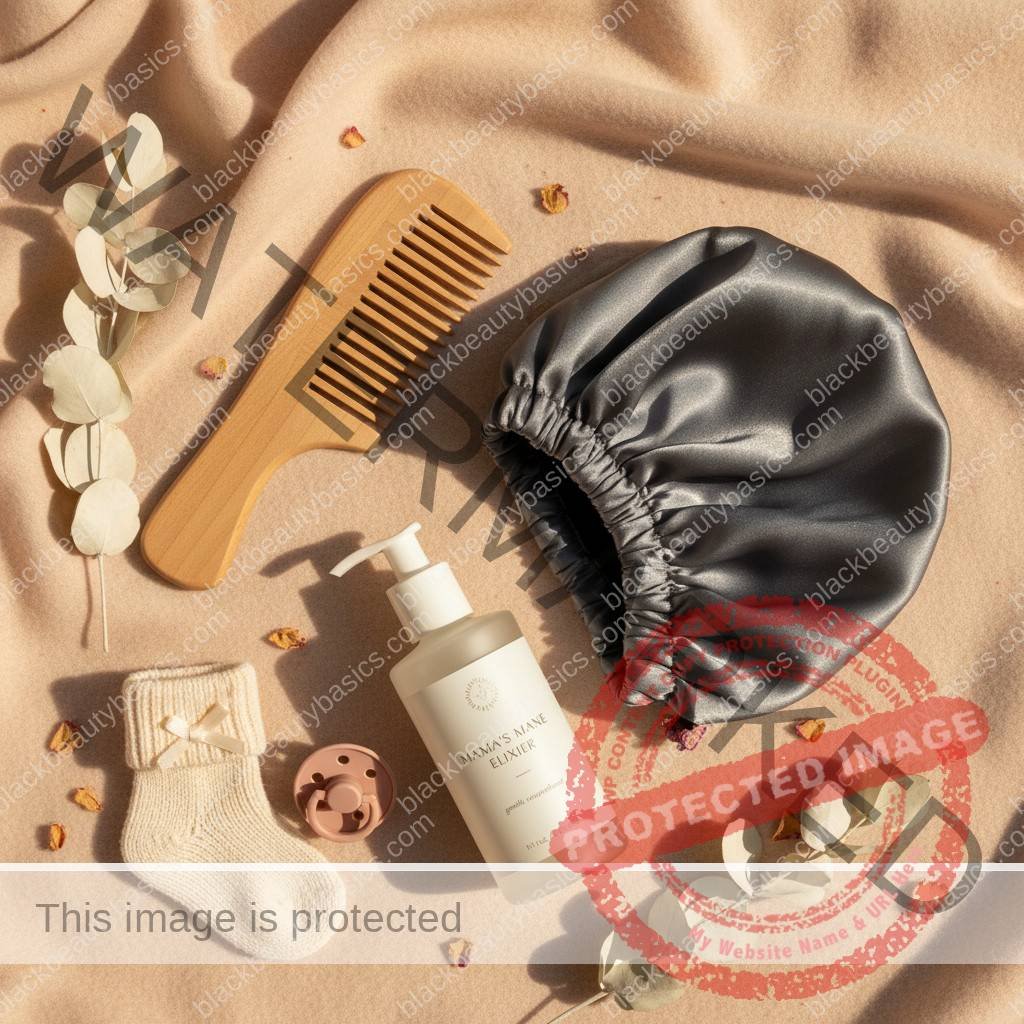
If you’re overwhelmed, focus on one simple act: protect your hair at night. Use a satin bonnet or silk pillowcase to reduce friction and breakage while you sleep. This minimal effort can make a big difference in retaining moisture and minimizing mechanical damage. For more simple ideas, check out our Weekly Hair Growth Routine (30-Minute Version).
Shop hydrating conditioner on Amazon
Shop leave-in conditioner on Amazon
Shop wide-tooth comb on Amazon
Shop silk pillowcase on Amazon
Shop hair growth oils on Amazon
Continue exploring
Related posts:
 Pregnancy & Postpartum Hair Changes in Black Women: Shedding, Density, and Texture
 Postpartum Shedding on Textured and Protective-Styled Hair
 PCOS-Linked Hair Thinning and Shedding in Black Women: Understanding the Full Picture
 Postpartum Skin Reset: Pigmentation, Acne, and Barrier Repair on Melanin-Rich Skin
 What Helps African American Women Hair Grow?
 What Helps African American Women Hair Grow?