Scalp Care 101: Oils, Exfoliation, and Treatments for Healthy Growth in Black Hair
For generations, many Black women have been taught that the solution to any scalp woe—be it dryness, flaking, or even slow growth—was simple: “just grease your scalp.” This advice, often passed down with the best intentions, has led to a deeply ingrained habit, but one that many of us now suspect is far more complex than a simple dab of pomade. You’ve likely experienced it: the persistent itch under braids that no amount of oil seems to soothe, the flakes that return relentlessly despite your best efforts, or that uncomfortable tenderness along your parts. Perhaps you’ve noticed that while oils might offer temporary relief or a pleasant sensation, they don’t quite fix the underlying problem, leaving you wondering if you’re actually helping or hindering your scalp’s health.
The truth is, our scalps, like our skin, are intricate ecosystems. They respond to our environment, our products, our internal health, and even our styling choices. Understanding how to truly care for your scalp goes beyond simply applying a product; it’s about recognizing its signals, providing it with the right environment to thrive, and knowing when to adjust your routine or seek professional guidance. This understanding is particularly crucial for Black women, whose unique hair textures and common styling practices often require a nuanced approach to scalp health.
This comprehensive guide is designed to demystify scalp care, offering a clear, science-aware, and culturally fluent roadmap. We’ll simplify scalp care into foundational principles: effective cleansing, respecting the scalp as an extension of your skin, using oils wisely, understanding gentle exfoliation, and knowing when targeted treatments or professional intervention are necessary. Consider this your foundational guide within our Hair Growth & Scalp Health hub for Black women, connecting you to more detailed insights on topics like dandruff and seborrheic dermatitis, understanding shedding, and establishing effective hair growth routines. Let’s embark on this journey to a healthier, happier scalp, fostering the vibrant growth and comfort you deserve.
Scalp Health Basics for Black Women
Before we dive into specific products and techniques, let’s establish a fundamental truth: your scalp is skin. It’s not merely the foundation from which your hair grows; it’s a living, breathing organ, an extension of the skincare pillar you already prioritize for your face and body. Just like the skin on your face, your scalp has pores, hair follicles, a delicate microbiome, and produces its own oils. It can be oily, dry, sensitive, or inflamed, and it deserves the same thoughtful, consistent care you give to the rest of your complexion.
A healthy scalp is the bedrock of healthy hair growth. When your scalp is in optimal condition, it provides the ideal environment for your hair follicles to function efficiently, leading to stronger, more resilient strands. Conversely, a compromised scalp—whether due to persistent dryness, excessive oiliness, inflammation, or product buildup—can contribute to a host of issues, from stunted growth and breakage to discomfort and irritation. Our goal is to cultivate a scalp that is clean enough for follicles to function without impediment, and comfortable enough that you’re not constantly scratching, experiencing tenderness, or dreading wash day.
At Black Beauty Basics, we advocate for a holistic approach to scalp health, one that recognizes the unique needs of melanin-rich skin and textured hair. This approach is built upon a few key principles:
- Clean, Not Stripped: Your scalp needs to be cleansed regularly to remove product buildup, dead skin cells, and environmental pollutants. However, this cleansing should be balanced, using products that purify without stripping away essential moisture or disrupting the scalp’s natural barrier. A stripped scalp can become irritated, dry, and overcompensate by producing excess oil, creating a vicious cycle.
- Comfortable, Not Inflamed: A healthy scalp should feel calm and comfortable. Persistent itching, burning, stinging, or tenderness are all signals that something is amiss. These symptoms indicate inflammation or irritation, which can compromise follicle health and lead to discomfort. Our aim is to minimize these inflammatory responses and foster a serene scalp environment.
- Unclogged Follicles: Hair follicles are tiny organs responsible for growing your hair. When they become clogged with heavy products, dead skin cells, or excessive sebum, their ability to function optimally is impaired. This can lead to issues like ingrown hairs, inflammation, and even contribute to hair thinning or stalled growth. Keeping follicles clear is paramount for unhindered hair growth.
By understanding these foundational principles, you can begin to make informed choices about your scalp care routine. Remember, a thriving scalp is a comfortable scalp, and a comfortable scalp is more likely to support the vibrant, healthy hair you desire. This isn’t about chasing a fleeting trend; it’s about establishing sustainable habits that nurture your scalp’s long-term well-being, fostering an environment where your hair can truly flourish. As we delve deeper, you’ll discover how these basics inform every aspect of effective scalp care, from choosing the right cleanser to understanding the role of oils and treatments.

Cleansing: The First Step in Scalp Care
Effective cleansing is arguably the single most critical step in any healthy scalp care regimen. It lays the groundwork for everything else. Think of it this way: you wouldn’t apply serums and moisturizers to an unwashed face and expect optimal results. The same principle applies to your scalp. Oils, treatments, and even the natural sebum your scalp produces work best on a reasonably clean canvas. Persistent buildup—from styling products, environmental impurities, dead skin cells, and excess sebum—can create a hostile environment for your hair follicles. This buildup can contribute to a myriad of common issues, including persistent itch, an unpleasant odor, and even exacerbate conditions like excess shedding or inflammation. Without proper cleansing, any subsequent steps you take to nourish or treat your scalp will be less effective, as they’ll struggle to penetrate through layers of debris to reach the skin and follicles beneath.
Many Black women, due to historical narratives around
Frequently Asked Questions
How often should I oil my scalp, if at all?
The frequency of oiling your scalp depends on your individual needs and scalp type. If your scalp is naturally dry or prone to tightness, a light oil applied sparingly to a clean scalp 1-2 times a week can be beneficial for moisture and comfort. However, if you experience flakes, itch, or oiliness, oils might exacerbate the problem by trapping buildup. Focus on cleansing first, then use oils with intention, not as a default solution for all scalp issues. For more on this, explore our dedicated post on Hair Growth Oils and Serums.
Is it bad to scratch my scalp with my nails when it itches?
Yes, scratching your scalp with your nails, especially aggressively, is generally not recommended. It can create micro-abrasions, break the skin barrier, and introduce bacteria, potentially worsening irritation, inflammation, and even leading to infection or scarring. For relief, try gently massaging with your fingertips or using a soothing scalp tonic. Persistent itch should be investigated, as it could be a sign of an underlying condition like seborrheic dermatitis, which we discuss in our Dandruff and Seborrheic Dermatitis Plan.
Can protective styles make scalp issues worse?
Protective styles can be a double-edged sword. While they protect your hair lengths, they can also create an environment where scalp issues can worsen if not managed correctly. Tightness from installation can cause tension alopecia (Edges Care and Regrowth), and limited access for cleansing can lead to product buildup, itch, and inflammation. Regular, gentle cleansing and moisturizing of the scalp, even in protective styles, is crucial to prevent these problems. Ensure your styles aren’t too tight and allow for scalp access.
How do I know if my flakes are just “dry scalp” or something like dandruff or seborrheic dermatitis?
Distinguishing between dry scalp, dandruff, and seborrheic dermatitis is key. Dry scalp flakes are typically small, white, and fall easily, often accompanied by tightness but not significant inflammation. Dandruff (pityriasis capitis) involves larger, oilier flakes that may be white or yellowish, often with itch. Seborrheic dermatitis is more severe, with greasy, yellowish scales, redness, and significant inflammation, sometimes extending beyond the scalp. If your flakes are persistent, greasy, yellow, or accompanied by redness and intense itching, it’s likely more than just dry scalp. Our Dandruff and Seborrheic Dermatitis Plan offers a deeper dive into these conditions and management strategies.
Do I need special scalp products if I’m already using hair growth oils?
Not necessarily, but it depends on your specific needs and the formulation of your hair growth oils. Many hair growth serums and oils are designed to nourish the scalp, but they may not address issues like persistent flaking, inflammation, or excessive oiliness. If you have specific scalp concerns beyond just growth, such as dandruff or extreme dryness, you might benefit from targeted products like medicated shampoos, soothing tonics, or clarifying treatments. Always prioritize a healthy scalp environment first, as it’s the foundation for any growth efforts. For more on effective products, see our guide on Hair Growth Oils and Serums for Black Hair.
What’s the best first step if my scalp is itchy and I’m seeing more hair in the sink?
If you’re experiencing both an itchy scalp and increased shedding, the best first step is to gently cleanse your scalp thoroughly with a mild, sulfate-free shampoo to remove any buildup that might be contributing to the itch. Follow with a soothing, lightweight conditioner. Observe if the itch subsides. If it persists, or if the shedding is significant and unusual for you, it’s important to differentiate between normal shedding and breakage. Our article on Shedding vs Breakage can help. If symptoms persist or worsen, consult a dermatologist or trichologist, as these could be signs of an underlying scalp condition or a deeper health issue requiring professional diagnosis and treatment. Remember, your scalp is skin, and persistent issues often warrant expert attention.
Shop clarifying shampoo on Amazon
Shop medicated shampoo on Amazon
Shop pre-shampoo oil on Amazon
Shop light scalp oil on Amazon
Shop leave-in conditioner on Amazon
Continue exploring
Related posts:
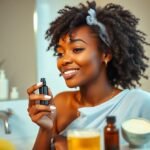 Scalp Care – Maintaining a Healthy Scalp for Optimal Hair Growth
 Hair Growth Oils and Serums for Black Hair: What Works and What’s Overhyped
 The Truth About Hair Growth Oils and Supplements – What Actually Works?
 The Science of Hair Growth – Understanding Your Hair's Growth Cycle
 Self-Care Activities for Women: 101 Practical Ways to Reconnect & Relax
 How Scalp Oils Really Work on Melanin-Rich Scalps