Shedding vs Breakage: How Black Women Can Tell the Difference
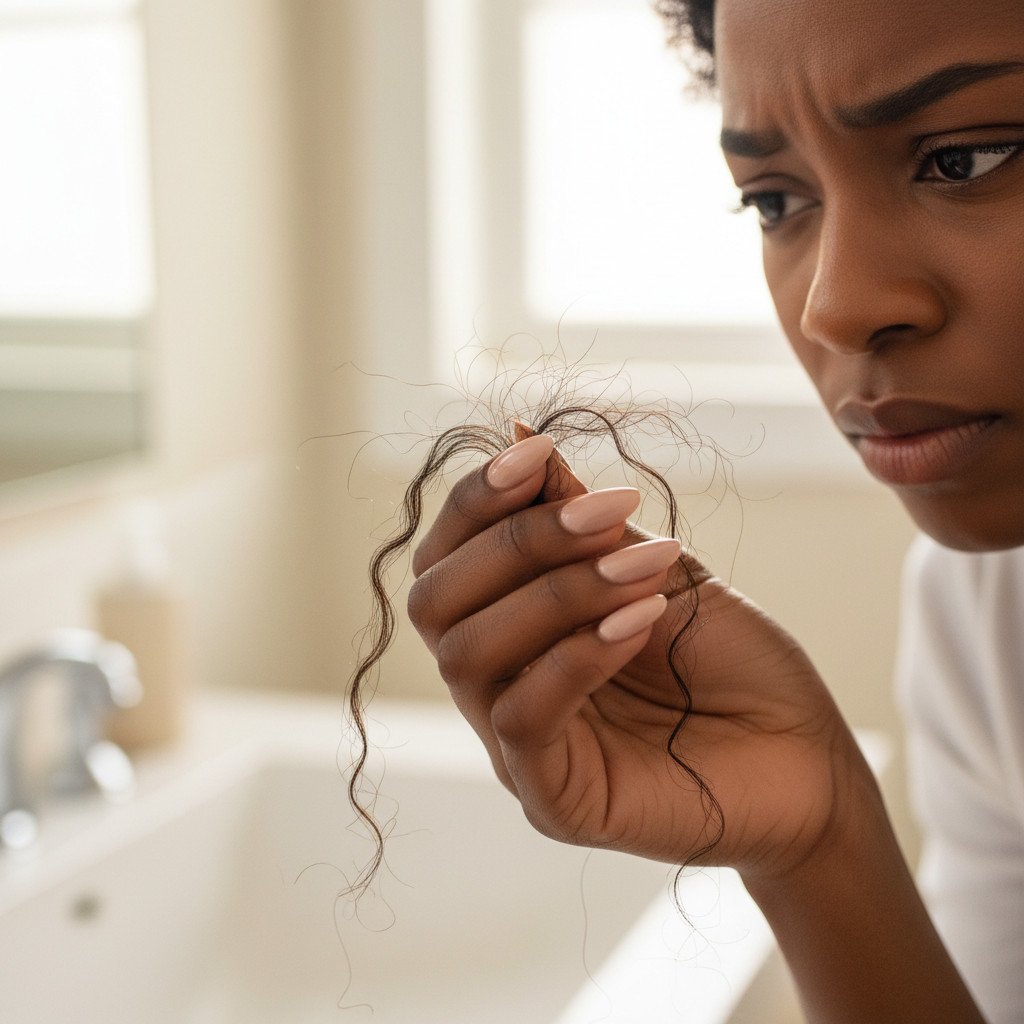
There’s a unique pang of anxiety that Black women often feel when we see strands of hair in the sink, tangled in our comb, clinging to our pillowcase, or, perhaps most unsettlingly, caught in our hands after a gentle touch. For many of us, these moments are not just about hair; they’re laden with memories, cultural narratives, and sometimes, even trauma. We’ve grown up with stories of relaxers gone wrong, tight braids pulling at our edges, or family members commenting on ‘losing their hair.’ It’s a deeply personal and often emotionally charged experience, and it’s perfectly natural to feel a knot of worry tighten in your stomach when you encounter more hair than you expect.
You’re not alone in this feeling. In an age of endless social media scrolls and conflicting advice—from rice water remedies to dire warnings about ‘balding’—it’s easy to feel overwhelmed and unsure of what’s truly happening with your crown. The internet is awash with quick fixes and alarming anecdotes, making it difficult to discern genuine concerns from everyday hair realities. But here at Black Beauty Basics, we believe in empowering you with clarity and understanding, not fear. We know that the journey to healthy hair is deeply intertwined with self-love and informed choices, and that begins with understanding your hair’s unique language.
The good news is that not every strand you see means impending doom. Our hair, like every other part of our magnificent bodies, goes through cycles. It grows, it rests, and it sheds. What often causes distress is the inability to distinguish between this natural shedding process and actual hair breakage, which signals a different set of issues. By the end of this comprehensive guide, you will possess the knowledge and visual cues to confidently look at the hair you’re seeing and understand whether it’s primarily shedding, breakage, or a combination of both. More importantly, you’ll know what thoughtful, empowering steps to take next, tailored specifically for the unique needs of Black hair.
This detailed guide is designed to be your trusted companion on this journey, offering a trauma-aware and validating perspective. It’s a cornerstone of our broader Hair Growth & Scalp Health hub for Black women, where you’ll find even more in-depth content on everything from specific scalp conditions and edge care to postpartum hair changes and effective weekly routines. Consider this your foundational lesson in deciphering your hair’s messages, equipping you with the confidence to nurture your hair with wisdom and grace.
What Is Shedding? What Is Breakage?
Before we dive into the nuances of identification, let’s establish a clear understanding of what shedding and breakage fundamentally are. These two terms are often used interchangeably, leading to confusion and unnecessary alarm. However, they represent distinct phenomena within your hair’s lifecycle and structural integrity, each with its own set of causes and solutions. Understanding this core difference is the first, most crucial step in addressing any concerns you may have about hair loss.
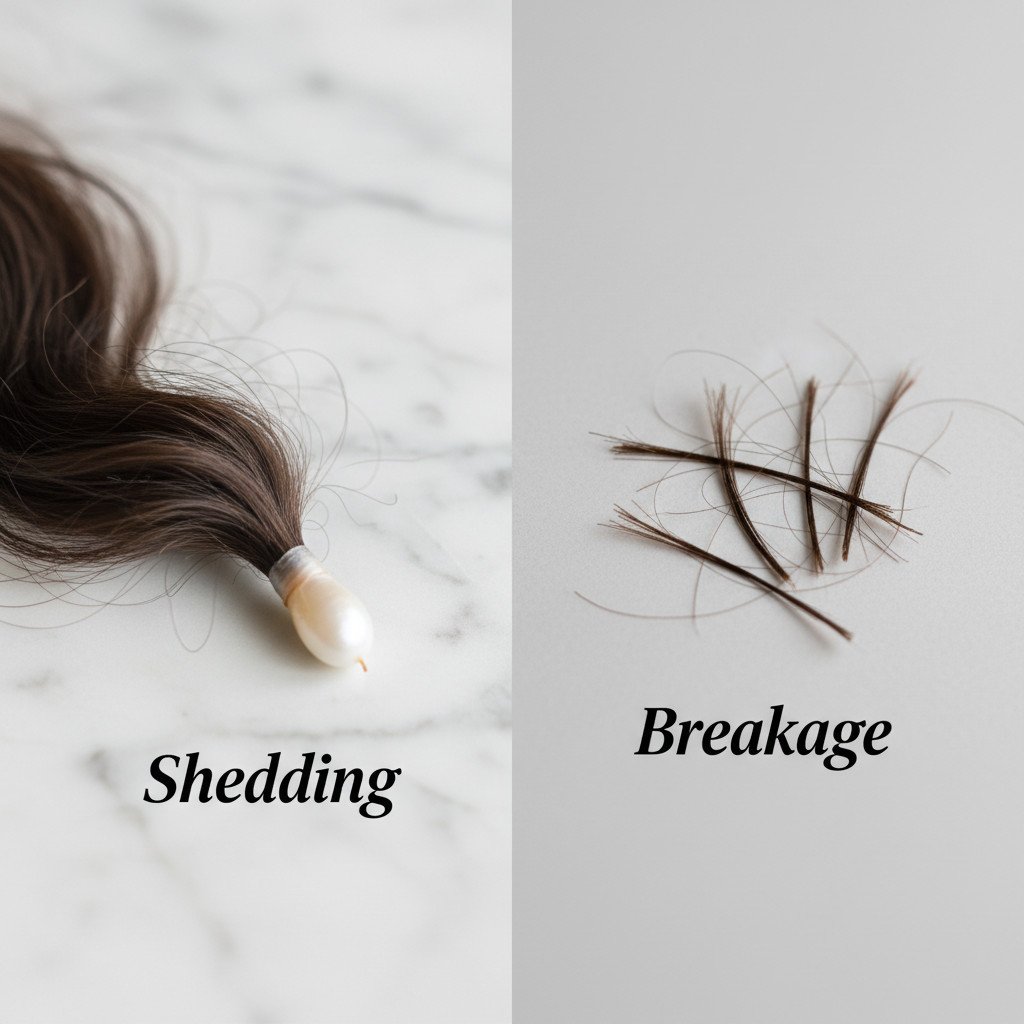
Shedding refers to the natural and healthy process where a hair strand completes its growth cycle and detaches from the follicle. Think of it as your hair’s way of making room for new growth. Each hair follicle on your scalp operates independently, cycling through phases of growth (anagen), transition (catagen), and rest (telogen). When a hair enters the telogen phase, it eventually falls out, typically with a small, white bulb attached at its root end. This bulb is the remnant of the hair follicle, indicating that the entire strand, from root to tip, has completed its journey and gracefully exited the scalp. This is a normal, physiological process, signifying a healthy, functioning hair growth cycle.
In contrast, breakage occurs when a hair strand snaps or fractures at some point along its shaft, rather than detaching cleanly from the follicle. This is not a natural part of the hair growth cycle but rather a sign of structural damage to the hair fiber itself. Breakage can happen anywhere along the hair shaft—near the root, in the middle, or at the ends. It’s often caused by external factors that weaken the hair’s protein structure, making it brittle and susceptible to snapping. Unlike shedding, which indicates a hair has run its natural course, breakage signifies that the hair has been compromised before its natural lifespan was complete, often due to mechanical stress, chemical damage, or extreme dryness.
To make this distinction even clearer, let’s visualize and feel the difference:
- Shedding: These hairs are typically full-length, from root to tip, and you’ll often find a tiny, pale white bulb at one end. This bulb is the key indicator that the hair has shed naturally from the follicle. You’ll commonly encounter shed hairs after washing your hair, during detangling, or when taking down a protective style. They feel smooth and intact along their entire length, indicating no structural damage to the strand itself.
- Breakage: These pieces of hair will vary in length, often appearing much shorter than your typical hair strands. Crucially, they will not have the small white bulb at the end. Instead, the ends might look frayed, uneven, or jagged, indicating where the hair snapped. Breakage often feels rough or brittle to the touch, and you might notice it accumulating on your shoulders, in your sink after styling, or around specific areas of your head that experience more tension or manipulation.
Understanding these fundamental differences is paramount. It shifts your perspective from general panic to informed observation, enabling you to identify the specific challenges your hair is facing. This foundational knowledge is a powerful tool in your hair care arsenal, guiding you toward targeted solutions and away from generalized anxieties. For a deeper dive into nurturing your hair from the root, explore our comprehensive Hair Growth & Scalp Health hub for Black women, where we empower you with scientifically-backed insights and culturally relevant advice.
How to Tell the Difference When You Look at Your Hair
Now that we’ve defined shedding and breakage, the next crucial step is learning how to identify them in your own hands. It’s important to acknowledge that most of us experience a mix of both. Our hair is a complex ecosystem, constantly interacting with our environment, our internal health, and our styling choices. The real insight comes from determining which phenomenon is dominating, where it’s occurring, and what that pattern might be telling you. This observational skill is invaluable, transforming moments of anxiety into opportunities for understanding and informed action.
Often, the hair you see on your comb or in the shower drain isn’t just one type. You might find a few long strands with bulbs alongside several shorter, broken pieces. The goal isn’t to achieve zero hair loss—that’s an unrealistic and unhealthy expectation—but rather to become adept at reading the signals your hair is sending. This involves a careful, almost detective-like approach to examining the fallen strands, paying close attention to their characteristics and the context in which you find them. This mindful observation is a powerful act of self-care, allowing you to move beyond generalized worry to precise understanding.
What Shed Hairs Look Like
When you encounter a shed hair, the most definitive characteristic to look for is the presence of a small, pale white or translucent bulb at one end. This bulb is not a sign of damage or disease; it’s simply the root end of the hair, indicating that the entire hair strand, from its origin in the follicle, has naturally detached. These shed hairs will typically be the full length of your hair, or at least a significant portion of it, reflecting the growth cycle they completed. They feel smooth and uniform from one end to the other, without any rough or jagged points along the shaft.
You’ll most commonly see shed hairs in predictable scenarios: during or after washing your hair, especially if you haven’t detangled for a few days; when you comb or brush your hair; or after taking down a long-term protective style. It’s also normal to find a few shed hairs on your pillow in the morning or clinging to your bonnet. The average person sheds between 50 to 100 hairs per day. For Black women with denser, curlier, or coily textures, and especially those who don’t comb their hair daily, these shed hairs can accumulate and appear in larger quantities on wash day or when detangling, which can be alarming but is often perfectly normal. This accumulation is simply because our textured hair holds onto shed strands rather than letting them fall freely throughout the day. A ‘normal’ wash day shed might look like a golf-ball sized clump of hair, or even a bit more, especially if you’ve gone a week or two without detangling. This is simply the accumulated shed from those days, all coming out at once.
However, there are instances when shedding might feel excessive and warrant closer investigation. If you’re consistently seeing handfuls of hair every day, not just on wash day, or if you notice a significant, long-term change in your hair’s density and overall volume, this could be a sign of excessive shedding, also known as telogen effluvium. This type of shedding can lead to a noticeable thinning of the hair across the entire scalp, rather than in specific patches. It’s important to differentiate between the normal, cyclical shedding that replenishes your hair and a sudden, widespread increase that impacts your hair’s fullness. While the presence of the bulb still indicates shedding, the sheer quantity and the resulting reduction in density are the red flags that suggest an underlying factor might be disrupting your hair’s natural growth cycle. In such cases, mindful observation and potentially professional consultation become crucial steps.
What Broken Hairs Look Like
Broken hairs present a distinctly different appearance from shed hairs. The most telling characteristic is the absence of the small white bulb at either end. Instead, broken hairs will typically be much shorter than your full hair strands, often appearing as fragments of varying lengths. The ends of these broken pieces might look frayed, uneven, or jagged, indicating where the hair shaft snapped under stress. They often feel rough or brittle to the touch, lacking the smooth integrity of a healthy, intact strand.
You’ll frequently find broken hairs accumulating in specific areas. The sink after styling, on your shoulders, or caught in the bristles of your brush are common places. Pay particular attention to where the breakage collects: around the edges (temples, hairline, nape), in the middle of your hair shaft if you frequently use heat or chemicals, or at the very ends of your hair, especially if they are dry and brittle. Breakage around the edges and nape is a strong indicator of tension from tight styles or friction. If you’re seeing a lot of short, uneven pieces, particularly after detangling, styling, or removing a protective style, it’s a clear sign that your hair is experiencing structural damage.
Common causes of breakage in Black hair are often rooted in external factors and hair care practices. Dryness is a primary culprit; our hair’s unique structure makes it prone to moisture loss, and dry hair is inherently weaker and more susceptible to snapping. Over-manipulation, such as aggressive detangling, excessive styling, or frequent combing of dry hair, can also lead to significant breakage. Chemical processes like relaxers, dyes, and bleaches can severely compromise the hair’s protein bonds, making it fragile. Similarly, excessive or improper use of heat tools (flat irons, curling wands, blow dryers) can strip moisture and damage the cuticle, leading to breakage. Even seemingly innocuous practices like wearing tight ponytails, headbands, or using hair accessories that snag can contribute to breakage, especially around the hairline and nape. Recognizing these visual cues and understanding their common origins empowers you to adjust your hair care regimen and protect your precious strands from unnecessary damage.

Patterns That Matter: Where, When, and How Much
Moving beyond the individual strand, the true power of observation lies in recognizing patterns. It’s not just about what a single hair looks like, but where, when, and how much hair you’re seeing over time. This shift from micro-observation to macro-pattern recognition is critical for understanding the underlying health of your hair and scalp. Your hair’s patterns tell a story, and learning to read that story will guide you toward the most effective solutions, whether they involve adjusting your styling routine or seeking professional medical advice.
Think of yourself as a hair detective. You’re gathering clues: Is the hair loss concentrated in one area or spread evenly? Does it happen at specific times, like after a wash or a style take-down, or is it a constant daily occurrence? Is the quantity a slight increase from your norm, or are you seeing alarming clumps? These questions, when answered consistently over a period of weeks, provide a much clearer picture than a single moment of panic. This methodical approach helps to depersonalize the experience, allowing you to analyze the situation objectively and make informed decisions about your hair’s well-being. It’s about empowering yourself with data, rather than being driven by fear or anecdotal advice.
Location: Whole Head vs Specific Areas
The location of your hair loss is one of the most significant clues in distinguishing between shedding and breakage, and in identifying potential underlying issues. Observing where you’re losing hair can pinpoint whether the cause is systemic (affecting your entire body) or localized (due to external stress or specific scalp conditions).
If you notice a general thinning of hair across your entire scalp, with your hairline largely preserved and no distinct bald patches, this often points towards widespread shedding. This type of diffuse thinning is characteristic of telogen effluvium, a condition where a significant number of hairs prematurely enter the resting (telogen) phase and then shed. This is typically triggered by internal factors such as stress, illness, hormonal shifts (like postpartum), nutritional deficiencies, or certain medications. The hair loss is usually uniform, meaning you’re not seeing specific areas become dramatically thinner than others, but rather an overall reduction in density. While alarming, this form of shedding often resolves once the underlying trigger is identified and managed, and new growth typically resumes.
Conversely, if your hair loss is concentrated in specific areas, such as the temples, nape, part lines, or around the perimeter of your head, this is a strong indicator of localized breakage or a specific type of hair loss. Thinning at the temples and nape, for instance, is a classic sign of mechanical stress, often due to tight hairstyles, heavy extensions, or consistent friction. This is particularly relevant for Black women, as these areas are highly susceptible to Traction Alopecia, which specifically targets the hairline and edges due to prolonged tension. Similarly, if you notice thinning along your part line, it could be a sign of excessive heat styling, chemical damage, or even a form of alopecia that manifests in that specific pattern. Loss around protective style attachment points—such as the braids used for sew-ins, the perimeter for wigs, or the base of individual braids—is almost always indicative of breakage caused by tension or improper installation/removal. These localized patterns demand a different approach, focusing on identifying and eliminating the external stressors that are damaging the hair in those specific zones.
Timing: Wash Day, Style Take-Down, or Every Single Day
The timing of your hair loss provides another critical piece of the puzzle. When you observe the most hair coming out can offer valuable insights into whether it’s a normal accumulation of shed hairs or a more concerning, ongoing issue. This temporal pattern helps differentiate between expected events and persistent problems.
For many Black women, particularly those with natural, coily, or kinky textures, a significant amount of hair loss on wash day or during detangling is often a normal occurrence. Our hair textures are designed to interlock and hold onto shed hairs rather than letting them fall freely throughout the day. This means that shed hairs accumulate between washes or detangling sessions. When you finally introduce water, conditioner, and a comb, all those accumulated shed hairs are released at once. This can create the illusion of a massive hair loss event, often referred to as a “big shed.” If you typically wash your hair once a week or every two weeks, it’s completely normal to see a substantial clump of hair—the equivalent of 50-100 hairs per day over that period—come out during this process. This is simply the natural shedding that has been held captive by your hair’s texture. Similarly, taking down a long-term protective style, such as braids, twists, or weaves, will also result in a large release of accumulated shed hairs. These styles keep your hair tucked away, preventing shed hairs from falling out daily. When the style is removed, all those shed hairs are finally free to detach, often appearing as a surprising amount of hair. This is a normal and expected part of the hair growth cycle and does not necessarily indicate a problem.
However, if you are experiencing constant, significant shedding or breakage every single day, regardless of whether it’s wash day or if you’ve just styled your hair, this warrants closer attention. Constant daily shedding that leads to a noticeable reduction in density could indicate an underlying health issue or a prolonged period of stress. If you’re seeing an unusual amount of hair on your clothes, furniture, or hands throughout the day, and it doesn’t align with your typical shedding patterns, it’s a signal that something might be disrupting your hair’s normal cycle. Similarly, constant daily breakage, where you’re consistently finding short, broken pieces, suggests ongoing mechanical stress, extreme dryness, or chemical damage that is continuously weakening your hair. This persistent loss, independent of styling or wash routines, is a red flag that requires investigation into your daily habits, products, and perhaps even your internal health. To help you track these patterns and establish a healthier routine, consider adopting a structured approach like the one outlined in our Weekly Hair Growth Routine for Busy Black Women, which can help you monitor changes and identify triggers.
Quantity: What’s Normal vs Concerning
Quantifying hair loss can be challenging because “normal” is highly subjective and varies greatly from person to person. What feels like an alarming amount to one individual might be perfectly typical for another. However, there are general benchmarks and critical red flags that can help you determine if the quantity of hair you’re losing moves from normal variation to a concerning issue that requires attention.
As a baseline, shedding 50 to 100 hairs per day is considered average. For Black women, especially those with dense, coily textures, this daily shed often accumulates and appears in larger clumps on wash day or when detangling. So, if you wash your hair once a week, seeing a clump that represents 350-700 hairs (7 days x 50-100 hairs/day) is within the realm of normal. This might look like a small ball of hair, roughly the size of a golf ball or slightly larger, after a thorough detangling session. The key here is consistency: if this amount is typical for you and your hair density remains stable, it’s likely normal shedding.
However, you should pay close attention to sudden increases or significant changes in quantity. If you suddenly start seeing double or triple the amount of hair you normally do, or if you’re consistently finding large handfuls of hair every day—not just on wash day—that’s a red flag. Visible scalp where there wasn’t before, a noticeable reduction in the thickness of your ponytail, or clumps of hair coming out with minimal manipulation are all signs that the quantity of hair loss is concerning. This could indicate an underlying issue like telogen effluvium, where a large number of hairs are prematurely entering the shedding phase, or severe breakage due to extreme damage. It’s not just the amount, but the impact on your overall hair density and appearance that signals a problem.
For specific life stages, such as postpartum, the quantity of shedding can be dramatically higher, yet still within a normal physiological range for that period. Postpartum Hair Shedding in Black Women, for example, can be quite intense, with women experiencing significant hair loss several months after childbirth due to hormonal shifts. Understanding these specific contexts is vital. If you are experiencing a sudden or dramatic increase in hair loss, or if you notice visible thinning, bald patches, or a receding hairline, it is always advisable to consult a dermatologist or a trichologist. These professionals can accurately diagnose the cause of your hair loss, rule out underlying medical conditions, and recommend appropriate treatments. Self-diagnosis and relying solely on online advice can be counterproductive and delay necessary interventions. Your hair’s health is an indicator of your overall well-being, and professional guidance is invaluable when concerns arise.
Common Causes of Shedding in Black Women
Shedding, while a natural part of the hair growth cycle, can become excessive or prolonged due to a variety of internal and scalp-related factors. For Black women, understanding these triggers is crucial, as our unique physiological responses and common hair practices can sometimes exacerbate these issues. Unlike breakage, which is often a result of external damage, excessive shedding is typically a signal from within your body or from the health of your scalp environment, indicating a systemic disruption or an imbalance that needs to be addressed.
These internal and scalp-related drivers can temporarily or sometimes more permanently disrupt the delicate balance of the hair growth cycle, causing more hairs than usual to enter the resting and shedding phases simultaneously. This phenomenon, known as telogen effluvium, can be triggered by a wide range of physiological stressors. It’s important to remember that hair is not a vital organ, so when your body is under stress, it intelligently redirects resources to more critical functions, sometimes at the expense of hair growth. Recognizing these common causes is the first step toward identifying potential triggers in your own life and seeking appropriate solutions, whether through lifestyle adjustments, nutritional support, or professional medical advice.
- Postpartum and Hormonal Shifts: Pregnancy and childbirth bring about profound hormonal changes. During pregnancy, elevated estrogen levels often keep hairs in the growth phase longer, leading to thicker, fuller hair. After childbirth, these estrogen levels plummet, causing a large number of hairs to simultaneously enter the resting and shedding phases. This can result in significant hair loss, typically starting around 3-6 months postpartum. Similarly, other hormonal fluctuations, such as those experienced during menopause, thyroid imbalances, or conditions like Polycystic Ovary Syndrome (PCOS), can also disrupt the hair cycle and lead to increased shedding. Understanding these hormonal influences is key to managing expectations and seeking appropriate support. For an in-depth look at this specific experience, please refer to our guide on Postpartum Hair Shedding in Black Women: What’s Normal and What Helps.
- Illness, Significant Stress, and Major Life Events: Any major physiological or psychological stressor can trigger excessive shedding. This includes acute illnesses (like a high fever, severe infection, or surgery), chronic health conditions, significant emotional stress (such as grief, job loss, or relationship difficulties), and even drastic dietary changes or restrictive diets. These events can shock the hair follicles, pushing them prematurely into the resting phase. The shedding usually occurs 2-3 months after the stressful event, as there’s a delay in the hair cycle. While often temporary, persistent stress can lead to chronic shedding. Managing stress through mindfulness, adequate sleep, and self-care practices is vital for overall health, including hair health.
- Nutritional Deficiencies: Your hair follicles are highly active metabolic units that require a steady supply of nutrients for optimal growth. Deficiencies in essential vitamins and minerals, such as iron (leading to anemia), zinc, vitamin D, and certain B vitamins, can impair hair production and lead to increased shedding. While a balanced diet is usually sufficient, certain conditions or dietary restrictions can lead to deficiencies. It’s important to note that while supplements like biotin are often touted for hair growth, they are only effective if you have a pre-existing deficiency. Over-supplementation without a diagnosed deficiency is rarely beneficial and can sometimes be harmful. For a nuanced discussion on what truly works, explore our article on Collagen, Biotin, and Hair Vitamins for Black Women: What Science Actually Says.
- Medications and Medical Conditions: A wide range of medications can have hair loss as a side effect, including certain blood thinners, antidepressants, blood pressure medications, and chemotherapy drugs. Additionally, underlying medical conditions such as autoimmune diseases (e.g., lupus, alopecia areata), thyroid disorders, and certain skin conditions can directly impact hair follicles and cause shedding or more permanent hair loss. It’s crucial to discuss any new or worsening hair loss with your doctor, especially if you are on medication or have a known health condition.
- Scalp Inflammation and Conditions: A healthy scalp is the foundation for healthy hair growth. Inflammatory scalp conditions can disrupt the hair follicle’s function, leading to increased shedding and, in some cases, permanent hair loss if left untreated. Conditions like Dandruff and Seborrheic Dermatitis in Black Women, psoriasis, or fungal infections can cause irritation, itching, and inflammation that negatively impact the hair cycle. When the scalp is inflamed, the follicles can become stressed, leading to premature shedding. Proper scalp care is paramount, as the scalp is an extension of your skin and requires just as much attention and care. Our Scalp Care 101: Oils, Exfoliation, and Treatments for Healthy Growth guide provides essential information on maintaining a healthy scalp environment.
It is important to emphasize that while this information empowers you to understand potential causes, it does not replace professional medical advice. If you are experiencing persistent, severe, or unexplained shedding, or if you notice any accompanying symptoms like scalp pain, itching, redness, or visible bald patches, it is always appropriate and highly recommended to seek evaluation from a dermatologist or a trichologist. These specialists can conduct thorough examinations, perform necessary tests, and provide an accurate diagnosis and personalized treatment plan. Early intervention can often prevent further hair loss and promote regrowth, ensuring your hair and scalp remain as vibrant and healthy as possible.
Common Causes of Breakage in Black Hair
Unlike shedding, which often stems from internal or systemic factors, hair breakage is predominantly an external issue, a direct consequence of how we treat and manage our hair. For Black women, whose hair textures are inherently more delicate and prone to dryness, understanding the common causes of breakage is paramount. Our hair, with its unique coil patterns and fewer cuticle layers compared to straighter hair types, requires specific care to maintain its structural integrity. When these needs are not met, or when external stressors are too intense, the hair shaft can weaken and snap, leading to breakage.
Breakage is a sign that the hair fiber itself has been compromised. It’s a physical manifestation of damage, often resulting from a combination of mechanical stress, chemical alterations, and environmental factors. The good news is that because breakage is largely external, it is often more within your control to mitigate and prevent. By identifying the specific practices or conditions that contribute to breakage, you can make informed adjustments to your hair care routine, product choices, and styling habits, thereby preserving your length and promoting overall hair health. This section will delve into the primary culprits behind breakage in Black hair, offering insights into how to protect your strands from these common challenges.
Styling, Tension, and Protective Styles
The way we style our hair, particularly the tension we apply and the duration of certain styles, is a leading cause of breakage for Black women. While protective styles are lauded for their ability to promote length retention by minimizing daily manipulation, they can ironically become a source of significant damage if not installed, maintained, or removed correctly.
Tight Braids, Ponytails, and Buns: Any style that pulls the hair tightly, especially at the roots or around the perimeter, creates excessive tension on the hair follicles and the hair shaft. This constant pulling can weaken the hair, leading to breakage at the point of tension. Over time, this chronic tension can even lead to Traction Alopecia, a form of hair loss specifically affecting the edges and hairline. Styles like sleek, tight ponytails, high buns, or tightly braided cornrows, if worn frequently or installed too tightly, are common culprits. The constant strain can literally pull the hair out of the follicle or cause it to snap at the weakest point. It’s crucial to listen to your scalp; if a style causes pain or discomfort, it’s too tight and needs to be loosened or removed.
Sew-ins, Wigs, and Extensions: These styles, while offering versatility and a break from daily styling, can also contribute to breakage. Sew-ins involve braiding the natural hair into cornrows, onto which extensions are sewn. If the cornrows are too tight, or if the extensions are too heavy, they can put immense stress on the natural hair. Wigs, especially those with tight elastic bands, combs, or clips, can cause friction and tension, particularly around the hairline and nape. Improper installation or removal of extensions, including glue-ins, can also lead to significant breakage as the natural hair is pulled or ripped out. The weight of extensions can also strain the natural hair, causing it to snap. It’s essential to ensure that any stylist installing these styles prioritizes the health of your natural hair, using techniques that minimize tension and weight. Regular breaks between styles are also important to allow your hair and scalp to recover.
Daily Slicked-Back Styles: The desire for a perfectly sleek look, often achieved with gels and brushes, can also lead to breakage. Constantly pulling the hair back tightly, especially when wet or with products that harden, can create a rigid hold that doesn’t allow for natural movement. This rigidity, combined with daily brushing and manipulation, can cause the hair to snap, particularly at the hairline and crown. Opting for looser styles, using softer hold products, and giving your hair a break from slicked-back looks can significantly reduce this type of breakage. Embracing Low-Manipulation Styles for Length Retention in Natural Hair is a powerful strategy to minimize stress on your strands and promote healthy growth.
For women experiencing damage at the hairline, revisiting our guide on Edges Care and Regrowth: Traction Alopecia in Black Women can provide targeted solutions and preventative measures. Remember, the goal of styling should be to enhance your beauty without compromising the health and integrity of your hair.
Dryness, Heat, and Chemical History
Beyond styling practices, the inherent characteristics of Black hair, combined with certain environmental and chemical exposures, make it particularly susceptible to dryness, heat damage, and chemical weakening. These factors are major contributors to breakage, often by compromising the hair’s internal structure and external cuticle layer.
Dryness: The Arch-Nemesis of Black Hair: Black hair, with its unique coily and kinky structure, has a more open cuticle layer and a natural tendency for moisture to escape. The natural oils produced by the scalp (sebum) also struggle to travel down the intricate coils, leaving the ends particularly dry. Dry hair is brittle hair. When hair lacks adequate moisture, its elasticity is severely reduced, making it prone to snapping with even minimal manipulation. Imagine a dry twig versus a fresh, pliable branch; the dry twig snaps easily. This is why consistent and effective moisturizing is not just a preference but a necessity for Black hair. Skipping deep conditioning treatments, not sealing in moisture, and using products with drying alcohols can all exacerbate dryness and lead to significant breakage. Maintaining a proper moisture balance is the single most important factor in preventing breakage due to dryness.
Heat Damage: A Silent Destroyer: While heat can be a useful tool for styling, excessive or improper use of heat tools (flat irons, curling wands, blow dryers) is a major cause of breakage. High temperatures can literally cook the hair, causing irreversible damage to the protein structure (keratin) and lifting or cracking the cuticle. This leads to dry, brittle, and often straight-looking hair that has lost its natural curl pattern and elasticity. Heat damage often manifests as breakage along the mid-shaft and ends, where the heat is most concentrated. Even if you use a heat protectant, frequent and high-temperature heat styling can still be detrimental. For natural hair, the temptation to achieve a sleek, straight look often comes at the cost of hair health. Minimizing heat exposure, using lower temperatures, and always applying a quality heat protectant are crucial steps to prevent this type of damage. Air-drying or using a diffuser on a cool setting are gentler alternatives.
Chemical History: Relaxers, Color, and Bleach: Chemical processes fundamentally alter the hair’s structure, making it inherently weaker and more prone to breakage. Relaxers, designed to permanently straighten coily hair, break down and reform the hair’s disulfide bonds. While they can provide a desired texture, they also leave the hair significantly more fragile and susceptible to damage. Over-processing, overlapping relaxer on previously relaxed hair, or not properly neutralizing the chemicals can lead to severe breakage. Similarly, hair dyes, especially those that lighten the hair (bleach), penetrate the hair shaft to remove natural pigment and deposit new color. This process can strip the hair of its natural moisture and protein, leaving it porous, dry, and extremely vulnerable to snapping. The more aggressive the chemical treatment (e.g., going from dark to platinum blonde), the greater the potential for damage. If your hair has a history of chemical processing, it requires an even more rigorous and gentle hair care regimen focused on deep conditioning, protein treatments, and minimal manipulation to prevent breakage. Understanding the cumulative effect of these chemical processes on your hair’s integrity is vital for making informed decisions about your hair care journey. For comprehensive guidance on nurturing your hair and preventing damage, our broader Hair Growth & Scalp Health hub offers a wealth of resources, including insights into effective routines and product choices.
What to Do if It’s Mostly Shedding
Discovering that your hair loss is primarily shedding, rather than breakage, can bring a sense of relief, but it also signals that your body or scalp is sending you a message. While shedding is a natural process, excessive or prolonged shedding (telogen effluvium) indicates an underlying disruption to your hair’s growth cycle. The key here is not to panic, but to adopt a methodical, investigative approach. This means focusing on internal and scalp-related factors, understanding that your hair’s health is often a reflection of your overall well-being. By addressing the root cause, you can help restore your hair to its natural, healthy shedding cycle.
It’s important to remember that shedding often has a delayed reaction. The event that triggered the shedding—be it stress, illness, or a hormonal shift—might have occurred 2-3 months before you actually start seeing the increased hair fall. This delay can make it challenging to pinpoint the exact cause, but a thoughtful review of recent life events can often provide clues. Your approach should be holistic, considering both your internal health and the environment of your scalp. While you can’t stop the hairs that have already entered the shedding phase from falling out, you can work to prevent new hairs from prematurely entering this phase, thereby promoting a healthier, fuller head of hair in the long run.
- Track Shedding Over 4–6 Weeks: Begin by becoming a meticulous observer. For 4 to 6 weeks, pay close attention to the amount of hair you’re losing. Take photos of the hair collected after each wash or detangling session. Keep a simple journal, noting the date, estimated quantity (e.g., ‘golf ball size,’ ‘small handful’), and any observations about your health, stress levels, or recent life events. This consistent tracking will help you establish a baseline and identify any true patterns or significant increases, rather than relying on a single, potentially alarming observation. It also helps to depersonalize the experience, allowing you to analyze data rather than react emotionally.
- Review Recent Changes: Cast your mind back 2-3 months. Have you experienced any significant life changes? This is the typical lag time for shedding to manifest after a trigger. Consider:
- Childbirth: If you’ve recently given birth, postpartum shedding is a very common and usually temporary phenomenon.
- Illness or Surgery: A severe fever, infection, or major surgery can shock your system and trigger shedding.
- Medications: Have you started or changed any medications? Many drugs list hair loss as a side effect.
- Stress: Have you been under unusual emotional or physical stress? High-stress periods can significantly impact hair cycles.
- Drastic Dieting or Nutritional Changes: Rapid weight loss, restrictive diets, or significant changes in eating habits can lead to nutritional deficiencies that affect hair growth. Ensure your diet is rich in iron, zinc, vitamin D, and protein. If you suspect a deficiency, consult with a healthcare provider.
Identifying a potential trigger can provide immense clarity and guide your next steps.
- Support Scalp Health: A healthy scalp is the bedrock of healthy hair growth. If your scalp is inflamed, itchy, or prone to conditions like dandruff or seborrheic dermatitis, it can contribute to shedding. Focus on creating an optimal environment for your follicles:
- Gentle Cleansing: Use sulfate-free shampoos that cleanse without stripping. Regular cleansing is important to remove product buildup, excess oil, and dead skin cells that can clog follicles.
- Not Clogging Follicles: Be mindful of heavy oils or butters directly applied to the scalp, especially if you have an oily scalp or are prone to buildup. While some oils can be beneficial, too much can impede follicle function.
- Soothing Inflammation: If you have an inflammatory scalp condition, follow a targeted treatment plan. Our Scalp Care 101: Oils, Exfoliation, and Treatments for Healthy Growth guide offers comprehensive advice. For specific conditions like dandruff, our Dandruff and Seborrheic Dermatitis in Black Women: Scalp Care Plan provides a detailed regimen. Remember, your scalp is skin, and it deserves the same care as your face. For more on general skin health, visit our Skincare pillar.
- Consider Discussing Persistent or Severe Shedding with a Doctor: While many instances of increased shedding are temporary and resolve on their own, if your shedding is severe, prolonged (lasting more than 6 months), or accompanied by other symptoms (like scalp pain, itching, or visible bald patches), it is crucial to consult a healthcare professional. A dermatologist or trichologist can perform blood tests to check for nutritional deficiencies, hormonal imbalances, or underlying medical conditions. They can also examine your scalp to rule out inflammatory conditions or other forms of alopecia. Early diagnosis and intervention can make a significant difference in managing hair loss and promoting regrowth. Do not hesitate to seek professional guidance when your observations indicate a need for expert evaluation.
- Nutritional Support and Supplements: While a balanced diet is always the best source of nutrients, sometimes targeted supplementation can be beneficial, but only under guidance. If blood tests reveal deficiencies in iron, vitamin D, or zinc, your doctor might recommend supplements. For general hair health, some women consider supplements like collagen or biotin. However, it’s vital to approach these with a critical eye. Our article Collagen, Biotin, and Hair Vitamins for Black Women: What Science Actually Says provides an evidence-based perspective, emphasizing that supplements are most effective when addressing a diagnosed deficiency, not as a magic bullet. Focus on whole foods first, then discuss targeted supplementation with your healthcare provider.
Ultimately, managing shedding is about nurturing your overall health and providing your scalp with the optimal conditions for growth. It’s a journey of self-awareness and proactive care, guided by the wisdom that your body is always communicating with you. For a holistic approach to hair wellness, dive deeper into our Hair Growth & Scalp Health hub for Black women, where you’ll find a wealth of resources to support your hair journey.
What to Do if It’s Mostly Breakage
If your careful observation reveals that the majority of the hair you’re losing is breakage—those shorter, bulb-less pieces with frayed ends—then the good news is that you often have significant power to address it. Unlike shedding, which can be tied to complex internal factors, breakage is largely a result of external stressors and how you handle your hair. This means that with conscious effort, adjusted techniques, and a commitment to nurturing your strands, you can often significantly reduce breakage and retain more of your hard-earned length. It’s about shifting your focus from damage control to proactive prevention, treating your hair with the reverence it deserves.
Breakage is a clear signal that your hair’s structural integrity is compromised. It’s telling you that it needs more moisture, gentler handling, or a change in styling habits. This is not a judgment on your past choices, but an invitation to learn and evolve your hair care practices. By understanding the specific triggers for breakage, you can implement targeted strategies that protect your delicate strands from further damage. This section will guide you through immediate steps to control breakage and long-term strategies for styling your hair for retention, ensuring that your efforts contribute to healthy, resilient growth.
Immediate Breakage-Control Steps
When you identify breakage as the primary issue, taking immediate, decisive action can halt further damage and set your hair on a path to recovery. These steps focus on minimizing stress and maximizing the hair’s ability to retain moisture and strength.
- Trim Damaged Ends: While it might seem counterintuitive to cut hair when you’re trying to retain length, trimming damaged ends is perhaps the most crucial immediate step to control breakage. Split ends and frayed cuticles will continue to split further up the hair shaft if left untreated, leading to more extensive breakage. Think of it like a run in a stocking; if you don’t stop it, it will spread. A professional trim (or a careful self-trim if you’re skilled) will remove the compromised hair, preventing the damage from traveling upwards and allowing your healthy hair to thrive. This creates a clean slate for healthier growth and better moisture retention.
- Reduce or Pause Direct Heat: Heat is a major culprit in breakage, especially for Black hair. If you’re experiencing significant breakage, it’s imperative to drastically reduce or completely pause the use of direct heat tools like flat irons, curling wands, and even high-heat blow dryers. These tools strip moisture and can permanently alter the hair’s protein structure, making it brittle. Opt for air-drying whenever possible, or use a diffuser on a cool or low-heat setting. If you must use heat, ensure you’re always using a high-quality heat protectant and the lowest effective temperature. Giving your hair a break from heat allows it to regain its natural strength and moisture balance.
- Simplify Detangling (in Sections, with Slip): Aggressive or improper detangling is a leading cause of mechanical breakage. When hair is dry or tangled, forcing a comb or brush through it will inevitably cause snapping. To minimize breakage during detangling:
- Work in Sections: Divide your hair into manageable sections (4-8, depending on density and length). This prevents you from trying to detangle large clumps of hair at once.
- Use Ample Slip: Always detangle on wet or damp hair, saturated with a conditioner or a dedicated detangling product that provides significant ‘slip.’ This lubricates the hair strands, allowing your fingers or a wide-tooth comb to glide through knots with minimal friction.
- Start from the Ends: Always begin detangling from the very ends of your hair and work your way up towards the roots, gently loosening knots as you go. Never start at the roots and pull down, as this will only push tangles further down and cause breakage.
- Use the Right Tools: A wide-tooth comb or your fingers are often the gentlest tools for detangling. Avoid fine-tooth combs on tangled hair. You can find excellent wide-tooth combs on Amazon: Shop wide-tooth combs on Amazon.
- Moisturize and Seal Regularly: Dryness is the primary precursor to breakage. Your hair needs consistent moisture to remain pliable and strong. Implement a robust moisturizing routine:
- Water-Based Products: Use leave-in conditioners, hair milks, or creams that have water as their first ingredient.
- LOC/LCO Method: Apply liquid (water/leave-in), then oil, then cream (or cream then oil) to seal in moisture. The oil creates a barrier that prevents water from evaporating too quickly.
- Deep Conditioning: Incorporate regular deep conditioning treatments (at least once a week) to infuse your hair with intense moisture and strengthen its protein bonds.
- Nighttime Protection: Protect your hair at night with a satin or silk bonnet or pillowcase to reduce friction and moisture loss. You can find quality satin bonnets on Amazon: Shop satin bonnets on Amazon.
Consistent moisture is your hair’s best defense against breakage.
Styling for Retention, Not Just Looks
Once you’ve taken immediate steps to control breakage, the next phase involves adopting styling practices that prioritize length retention and hair health over temporary aesthetics. This means making conscious choices about how you wear your hair daily, ensuring that your styles support, rather than hinder, your hair’s strength and growth.
- Shift into Low-Manipulation Styles: The less you manipulate your hair, the less opportunity there is for breakage. Low-manipulation styles are those that require minimal daily styling, combing, or brushing. This includes twists, braids, buns, or simple updos that can last for several days. These styles protect your ends, reduce friction, and allow your hair to rest. They are particularly effective for natural hair, as they help to preserve the delicate curl pattern and prevent tangles. Our guide on Low-Manipulation Styles for Length Retention in Natural Hair offers a wealth of ideas and techniques to incorporate into your routine.
- Respect Edges and Ends: Your edges (hairline) and ends are the oldest and most delicate parts of your hair, making them highly susceptible to breakage. When styling, always be mindful of these areas:
- Avoid Tight Bands and Heavy Accessories: Steer clear of elastic bands that pull or snag, and heavy hair accessories that create tension. Opt for soft scrunchies, silk ties, or loose clips.
- Gentle Edge Styling: If you style your edges, use a soft brush and a light-hold product. Avoid constantly pulling them back tightly or using strong-hold gels that can cause stiffness and breakage. For comprehensive care of your hairline, revisit our guide on Edges Care and Regrowth: Traction Alopecia in Black Women.
- Protect Your Ends: Always tuck in or protect your ends in styles. Leaving them exposed to friction from clothing, environmental elements, or constant brushing can lead to split ends and breakage.
- Regular Hair Growth Routine: Implementing a consistent, gentle hair care routine is fundamental to preventing breakage and promoting overall hair health. This includes regular cleansing, conditioning, deep conditioning, moisturizing, and protective styling. A structured routine helps to ensure that your hair consistently receives the moisture and nutrients it needs, while minimizing opportunities for damage. Our Weekly Hair Growth Routine for Busy Black Women provides a practical framework that you can adapt to your lifestyle, helping you to build habits that foster strong, healthy hair. Consistency and gentleness are the cornerstones of a breakage-free hair journey.
When It’s Both Shedding and Breakage
It’s a common reality that many Black women experience a combination of both shedding and breakage. Our hair is often a canvas reflecting both our internal health and our external styling practices. For instance, you might be experiencing postpartum shedding due to hormonal shifts, while simultaneously battling breakage from years of color treatments or tight protective styles. This mixed scenario can feel particularly overwhelming, as it suggests multiple factors are contributing to your hair loss concerns. However, normalizing this experience is the first step toward effective management. It simply means your hair is communicating on multiple levels, and your approach to care needs to be equally comprehensive and nuanced.
When you identify that both shedding and breakage are at play, the strategy isn’t to pick one over the other, but to adopt a two-track approach. This involves simultaneously addressing the internal and scalp-related factors contributing to shedding, while also implementing changes to your styling and handling practices to mitigate breakage. This dual focus ensures that you’re nurturing your hair from both the inside out and the outside in, creating a holistic environment for optimal hair health and length retention. It’s about understanding that your hair’s journey is multifaceted and requires a layered approach to care, moving beyond simple solutions to embrace a more integrated strategy.
To effectively manage both shedding and breakage, consider a structured approach that tackles each aspect systematically:
- Scalp & Internal Support: This track focuses on the factors that influence shedding and overall hair growth from within and at the root. Prioritize:
- Scalp Health: Ensure your scalp is clean, balanced, and free from inflammation. Regularly cleanse with gentle shampoos, incorporate scalp treatments, and address any conditions like dandruff or seborrheic dermatitis. A healthy scalp is the foundation for strong hair. For detailed guidance, consult Scalp Care 101: Oils, Exfoliation, and Treatments for Healthy Growth and Dandruff and Seborrheic Dermatitis in Black Women: Scalp Care Plan.
- Hormonal & Health Balance: If you suspect hormonal imbalances (e.g., postpartum, thyroid issues) or nutritional deficiencies, consult a healthcare professional. Address underlying stress through mindfulness and self-care. For specific insights into postpartum changes, see Postpartum Hair Shedding in Black Women.
- Nutritional Support: Focus on a nutrient-rich diet. If necessary, discuss targeted supplementation with your doctor. Our Collagen, Biotin, and Hair Vitamins for Black Women article offers a science-backed perspective.
- Holistic Hair Growth: Explore the broader resources in our Hair Growth & Scalp Health hub for Black women for a comprehensive understanding of how internal factors impact your hair.
- Length & Styling Protection: This track addresses the external factors that cause breakage and focuses on preserving the integrity of your hair strands. Concentrate on:
- Gentle Handling: Minimize manipulation, detangle with extreme care using ample slip, and avoid aggressive brushing or combing.
- Moisture Retention: Implement a consistent and robust moisturizing routine, including regular deep conditioning and sealing practices.
- Protective Styling: Embrace Low-Manipulation Styles for Length Retention in Natural Hair that reduce tension and protect your ends. Ensure any protective styles are installed loosely and removed gently.
- Edge Care: Pay special attention to your delicate hairline, avoiding tight styles and excessive manipulation. Our guide on Edges Care and Regrowth: Traction Alopecia in Black Women provides targeted advice.
- Consistent Routine: Follow a structured hair care regimen that promotes strength and minimizes damage. The Weekly Hair Growth Routine for Busy Black Women can help establish healthy habits.
- Heat and Chemical Management: Drastically reduce or eliminate heat styling and chemical treatments. If you use them, do so sparingly and with utmost care and protection.
By simultaneously nurturing your internal health and optimizing your external hair care practices, you create a powerful synergy that addresses both shedding and breakage. This integrated approach not only helps to mitigate current hair loss but also builds a foundation for stronger, healthier, and more resilient hair in the long term. Remember, your hair is a reflection of your overall well-being, and a holistic approach is often the most effective path to its vitality.
Final Thoughts
Seeing hair in your hands, on your comb, or scattered in the sink can undoubtedly be a moment of profound anxiety for any Black woman. It taps into deep-seated fears and cultural narratives around hair loss, often amplified by conflicting information and personal experiences. However, the most empowering step you can take on your hair journey is to transform that initial fear into informed understanding. By learning to differentiate between natural shedding and preventable breakage, you gain not just knowledge, but a powerful sense of agency over your hair’s health and destiny. This understanding is not a verdict on your hair’s worth, but a compass guiding you towards intentional and loving care.
It’s crucial to remember that even when you’re experiencing shedding or breakage, your hair is usually still growing. The human hair cycle is a continuous process, and new hairs are constantly emerging from your follicles. The challenge, then, is two-fold: first, to protect the new growth and the existing length from external damage (breakage), and second, to address any underlying internal or scalp health issues that might be disrupting the natural growth cycle (shedding). This dual focus allows you to work with your body’s natural processes, rather than against them, fostering an environment where your hair can thrive and reach its full potential. Your hair is resilient, and with the right care, it can recover and flourish.
This article, along with the comprehensive resources within our Hair Growth & Scalp Health hub for Black women, is designed to be your trusted companion. It’s a tool to help you make informed decisions, to demystify the often-confusing world of hair loss, and to empower you with culturally relevant, science-backed insights. Whether you’re adjusting your styling routine, refining your scalp care, or seeking professional advice, remember that every step you take towards understanding and nurturing your hair is an act of self-love. Your crown is magnificent, and with clarity and confidence, you can ensure it remains vibrant, healthy, and a true reflection of your inner strength and beauty. Embrace this journey with grace, patience, and the profound wisdom that you are equipped to care for your hair with intention and success.
Frequently Asked Questions
How much shedding is normal for Black women?
For Black women, especially those with coily textures, it’s normal to shed 50-100 hairs per day. These hairs often accumulate and appear in larger clumps on wash day or when detangling, as our hair textures hold onto shed strands. A golf-ball sized clump after a weekly wash is typically normal, representing accumulated daily shedding. If you notice a sudden, significant increase or a visible reduction in density, it warrants closer observation and potentially professional consultation, as discussed in our Hair Growth & Scalp Health hub.
How do I know if my shedding is serious enough to see a doctor?
You should consider seeing a dermatologist or trichologist if your shedding is severe, persistent (lasting more than 6 months), or accompanied by other symptoms like scalp pain, itching, redness, or visible bald patches. A sudden, dramatic increase in hair loss, or a noticeable thinning of your overall hair density, are also strong indicators. Professional evaluation can help rule out underlying medical conditions or nutritional deficiencies, offering a precise diagnosis and tailored treatment plan, which is crucial for effective management.
Can protective styles cause shedding, or just breakage?
Protective styles primarily cause breakage if they are installed too tightly, are too heavy, or are left in for too long without proper maintenance, leading to tension and friction. However, they can indirectly contribute to the appearance of increased shedding upon take-down, as all the hairs that naturally shed during the style’s wear are released at once. True shedding, driven by internal factors, is unlikely to be directly caused by protective styles themselves, but poor scalp health under a protective style can exacerbate shedding. Our Low-Manipulation Styles guide emphasizes healthy installation.
My edges are thinning—does that mean shedding, breakage, or traction alopecia?
Thinning edges are most commonly a sign of breakage or, more specifically, Traction Alopecia. This occurs when constant tension from tight hairstyles (braids, ponytails, wigs) or aggressive manipulation damages the delicate hair follicles along the hairline, leading to breakage and eventually permanent hair loss in those areas. While some natural shedding occurs at the hairline, widespread thinning there is a strong indicator of external stress rather than general shedding. Our dedicated guide on Edges Care and Regrowth provides detailed insights and solutions.
Will hair growth oils or vitamins stop shedding or breakage?
Hair growth oils and vitamins are not magic bullets. They can help with shedding if the shedding is caused by a specific nutritional deficiency (which a vitamin would address) or if the oil supports a healthy scalp environment. For breakage, oils can help by improving moisture and elasticity, making hair less prone to snapping. However, they won’t stop breakage caused by tight styles or excessive heat. It’s crucial to identify the root cause first. Our article Collagen, Biotin, and Hair Vitamins for Black Women provides a science-backed perspective on what truly works.
What’s the best first step if I’m overwhelmed by how much hair I’m seeing?
The best first step is to pause, take a deep breath, and begin observing. Don’t panic. Start by examining the fallen hairs for the presence of a white bulb (shedding) or frayed ends (breakage). Then, pay attention to the patterns: where is the hair loss occurring (whole head vs. specific areas), when (wash day vs. daily), and the approximate quantity. This systematic observation, as outlined in this guide, will help you understand the situation more clearly. From there, you can consult the relevant articles in our Hair Growth & Scalp Health hub to take targeted action or seek professional advice if needed.
Shop wide-tooth combs on Amazon
Continue exploring
Related posts:
 Is Your Hair Breaking or Shedding? How to Tell the Difference and Fix It
 The Moisture-Protein Balance – How to Tell What Your Hair Needs and Avoid Breakage
 Postpartum Hair Shedding in Black Women: What’s Normal and What Helps
 How to Tell If Your Hair Needs More Moisture or More Protein
 Mastering the Art of Natural Hair Prep: Your Ultimate Guide to Protective Styles Without Breakage
 Detangling and Handling Habits That Reduce Breakage