Exfoliating Body Routine for Black Women: Scrubs, Acids, and Tools
For Black women, body exfoliation sits at the crossroads of comfort, glow, and damage control. It’s a delicate dance between unveiling radiant, smooth skin and inadvertently triggering hyperpigmentation or irritation that can linger far longer than the initial concern. The desire for soft, even-toned skin is universal, but the approach for melanin-rich skin demands a nuanced understanding and a gentle hand.
On dark, melanin‑rich skin, the very same scrubs and tools that promise “baby‑soft” skin can easily turn into ashiness, burning, and stubborn dark marks if they’re too harsh or used too often. This isn’t just about discomfort; it’s about the unique physiological response of melanated skin, which is more prone to post-inflammatory hyperpigmentation (PIH) when subjected to trauma, friction, or excessive inflammation. A seemingly innocuous scrub, if too aggressive, can leave behind a dark spot that takes months, even years, to fade, undermining the very goal of achieving an even skin tone.
If you’re dealing with rough texture, the persistent bumps known as strawberry legs, clogged pores on your back or chest, or those frustrating dark marks from razor bumps and ingrowns, a thoughtful exfoliating routine can absolutely help—but it has to be built for your skin, not just lifted from a trending video. This means understanding the science behind exfoliation, recognizing the specific needs of melanin-rich skin, and choosing products and methods that support, rather than compromise, your skin barrier. It’s about creating a ritual that feels both luxurious and effective, a true act of self-love.
This guide walks you through how to exfoliate your body safely and effectively as a Black woman, using scrubs, acids, and tools in a way that smooths and brightens while respecting your melanin and your skin barrier. We’ll delve into the ‘why’ behind gentle exfoliation, explore the different types of exfoliants, and provide practical, step-by-step guidance to help you build a routine that truly works for you, fostering a deep, feminine confidence that radiates from within.
Why Exfoliation Matters on Melanin‑Rich Skin: Understanding the Nuances
Exfoliation is simply helping your skin shed dead cells on the surface in a more controlled way, which can make texture feel smoother and help marks look softer over time. Our skin naturally exfoliates itself through a process called desquamation, where old skin cells are shed to make way for new ones. However, this process can sometimes slow down due to age, environmental factors, or certain skin conditions, leading to a buildup of dead skin cells that can make skin appear dull, rough, or uneven.
For melanin-rich skin, the stakes are higher. On dark skin, though, every bit of excessive friction, burning, or scrubbing has a higher risk of turning into post‑inflammatory hyperpigmentation—dark patches or spots that can linger longer than the original bump or rough patch. This heightened risk is due to the increased activity of melanocytes (the cells that produce melanin) in response to inflammation or trauma. When the skin is irritated, these cells can go into overdrive, depositing excess pigment, which manifests as those stubborn dark spots we work so hard to avoid.
- Done gently, exfoliation can reduce roughness, help with clogged follicles (preventing conditions like keratosis pilaris or ‘chicken skin’), and support more even tone by accelerating the natural shedding of pigmented cells. It reveals fresher, brighter skin underneath, enhancing your natural glow.
- Done harshly, it can strip essential oils, compromise the skin barrier, cause micro‑tears that are invisible to the naked eye but significant to skin health, and make dark marks and sensitivity worse. This can lead to a vicious cycle of irritation, hyperpigmentation, and further attempts to exfoliate, compounding the problem.
- The key is balance: enough exfoliation to see benefits, not so much that you’re constantly irritating your skin. This balance is not a fixed point but a dynamic state that requires you to listen to your skin and adjust your routine accordingly.
Think of exfoliation as a tool you dial up or down based on what your skin is telling you, not a punishment for “imperfect” texture. It’s a supportive practice, not an aggressive assault. Your skin is a living, breathing organ that communicates its needs; our role is to understand and respond with care and wisdom.
The Science of Skin Turnover and Melanin Response
To truly understand why gentle exfoliation is paramount for Black skin, we must delve a little deeper into the science of skin turnover and melanin production. The epidermis, the outermost layer of our skin, is constantly renewing itself. Cells are born at the bottom layer and gradually migrate to the surface, where they eventually die and shed. This cycle typically takes about 28 days in young adults but can slow down with age. Exfoliation aims to gently nudge this process along, preventing a buildup of dead cells.
Melanin, the pigment responsible for the beautiful spectrum of Black skin tones, is produced by melanocytes. These cells are highly reactive. When the skin experiences inflammation, irritation, or injury (whether from a harsh scrub, a bad razor burn, or even sun exposure), melanocytes can produce an excess of melanin. This overproduction leads to post-inflammatory hyperpigmentation (PIH), which appears as dark spots or patches. Unlike redness, which fades relatively quickly, PIH can persist for months or even years, making it a significant concern for many Black women.
Therefore, any exfoliating method chosen must minimize inflammation. The goal is to encourage cell turnover without triggering the inflammatory response that leads to PIH. This is why aggressive scrubbing, abrasive tools, and overly potent chemical exfoliants are often counterproductive for melanin-rich skin. We seek to coax the skin into renewal, not shock it into defense.
Types of Body Exfoliation: Physical vs Chemical – A Balanced Approach
Most body exfoliation falls into two categories: physical (using texture to scrub) and chemical (using ingredients like acids to dissolve bonds between dead skin cells). Both can be useful for Black skin when chosen and used carefully; you don’t have to pick one forever, but you do need to understand what each does, its potential benefits, and its specific risks for melanin-rich skin.
Physical Exfoliation: The Art of Gentle Touch
Physical exfoliation includes washcloths, loofahs, mitts, body brushes, and scrubs that contain tiny particles to manually remove dead skin. The immediate gratification of smoother skin after a good scrub can be tempting, but it’s precisely where caution is needed most for Black skin. The key here is ‘gentle.’ We are aiming for a polishing effect, not a scouring one.
On dark skin, you want tools and scrubs that are gentle and cushioned, not sharp, sandy, or used with intense pressure that leaves your skin burning or overly red (or gray and ashy once you dry off). Imagine the difference between buffing a precious jewel and sanding a rough piece of wood. Your skin is the jewel. Look for fine, spherical particles in scrubs rather than jagged, irregularly shaped ones. Natural exfoliants like sugar or finely ground coffee can be effective when suspended in a rich, emollient base, but even then, the pressure applied is paramount. Synthetic microbeads, while once popular, are now largely phased out due to environmental concerns, but their smooth, spherical nature was less irritating than many natural alternatives. Always prioritize products designed for sensitivity and hydration.
When to Choose Physical Exfoliation:
- For immediate tactile smoothness.
- To prepare skin for hair removal (gently, a day before).
- To address localized areas of roughness like elbows or knees, with care.
Risks of Physical Exfoliation for Melanin-Rich Skin:
- Micro-tears: Abrasive particles or harsh scrubbing can create tiny tears in the skin, compromising the skin barrier and leading to inflammation.
- Over-exfoliation: Too much pressure or frequency can strip the skin of its natural oils, leading to dryness, irritation, and increased susceptibility to PIH.
- Uneven application: It’s harder to apply physical exfoliants uniformly, potentially leading to some areas being over-exfoliated and others under-exfoliated.
Chemical Exfoliation: The Gentle Power of Acids
Chemical exfoliation relies on ingredients such as alpha hydroxy acids (AHAs like lactic or glycolic acid) or beta hydroxy acids (BHAs like salicylic acid) to loosen and dissolve dead skin cells. These acids work by breaking down the ‘glue’ that holds dead skin cells together, allowing them to shed more easily. This method is often preferred for melanin-rich skin because it avoids the physical friction that can trigger inflammation and hyperpigmentation.
These come in the form of body lotions, washes, or treatments and can be especially helpful for strawberry legs, clogged pores, and certain types of dark marks when used consistently and gently. The beauty of chemical exfoliants lies in their ability to work uniformly across the skin surface without the need for scrubbing. They can also penetrate deeper into the pores (especially BHAs), addressing issues like ingrown hairs and body acne more effectively.

When to Choose Chemical Exfoliation:
- For consistent, even skin tone improvement.
- To address specific concerns like strawberry legs, keratosis pilaris, or body acne.
- For sensitive skin that reacts poorly to physical scrubbing.
- For long-term management of dark marks and hyperpigmentation.
Risks of Chemical Exfoliation for Melanin-Rich Skin:
- Irritation: Using too high a concentration or too frequently can still lead to irritation, burning, and subsequent PIH.
- Sun Sensitivity: AHAs can increase sun sensitivity, making consistent sunscreen use crucial, especially on exposed body areas.
- Patience required: Results are often more gradual than with physical exfoliation, requiring consistent use over several weeks to see significant improvement.
The choice between physical and chemical exfoliation isn’t always an either/or. Many individuals with melanin-rich skin find a balanced approach, incorporating both types judiciously, to be most effective. The key is to understand the strengths and weaknesses of each and to tailor their use to your specific skin needs and concerns, always prioritizing gentleness and skin barrier integrity.
Building a Gentle Weekly Exfoliating Routine: A Thoughtful Framework
Instead of exfoliating randomly, it helps to set a simple weekly structure so you’re not accidentally overdoing it. A structured approach ensures consistency without leading to over-exfoliation, which, as we’ve discussed, is particularly detrimental for melanin-rich skin. This framework allows you to incorporate exfoliation as a beneficial ritual rather than a sporadic, potentially damaging act.
You can always adjust based on how your skin feels, but starting with a plan keeps you from reaching for scrubs or acids every single shower “just because.” Remember, your skin is a dynamic system, and its needs can change with the seasons, your stress levels, or even your diet. Be attuned to its signals and be prepared to adapt.
Step 1: Choose Your Core Exfoliation Days
For most Black women, exfoliating the body one to three times a week is plenty; more than that can easily slide into irritation territory. This frequency allows enough time for the skin to recover and regenerate between sessions, minimizing the risk of barrier disruption and inflammation. The exact number of days will depend on your skin’s sensitivity, the type of exfoliant you’re using, and your individual skin concerns.
Pick one or two days where you’ll focus on exfoliation—maybe mid‑week and weekend—and keep the other days centered on cleansing and moisturizing only. This creates a predictable rhythm for your skin, allowing it to reap the benefits of exfoliation without being constantly challenged. For example, you might choose Wednesday for a gentle physical scrub and Sunday for an acid-based lotion, or simply use an acid lotion every other night. The key is consistency on your chosen days and gentleness always.
Step 2: Decide Your Main Method
You don’t need to use every exfoliating tool and product at once; choose a primary method (gentle scrub, soft mitt, or acid lotion) and let that be your main exfoliation on a given day. Overlapping too many active methods simultaneously can overwhelm your skin and lead to irritation, even if each method on its own is gentle.
If you layer methods (for example, a scrub plus an acid lotion), you’ll want to do that less often and pay close attention for signs of irritation. A common mistake is to use a physical scrub and then immediately follow with an acid-based lotion. While this might seem like a double-whammy for smoothness, it can be a double-whammy for irritation, especially on melanin-rich skin. If you do choose to combine, ensure there’s a significant time gap (e.g., physical exfoliation in the morning, chemical at night, or on separate days) and observe your skin’s response meticulously. Less is often more when it comes to exfoliation.
Physical Exfoliation: Tools That Respect Dark Skin’s Delicate Balance
The right physical exfoliation tools can help lift away dullness and soften rough patches without shredding your barrier. They provide an immediate, satisfying smoothness that chemical exfoliants often can’t match in the short term. However, the choice of tool and the technique used are paramount for melanin-rich skin, where the line between effective exfoliation and damaging irritation is particularly fine.
The wrong ones—very rough washcloths, hard brushes, or aggressive scrubbing—can leave your skin inflamed and more prone to dark marks, especially around knees, thighs, and the bikini line. These areas are often subjected to friction from clothing or are more sensitive due to hair removal, making them prime candidates for post-inflammatory hyperpigmentation if not treated with utmost care. The goal is to gently encourage the shedding of dead skin cells, not to abrade the living skin beneath.
Soft Cloths and Gentle Mitts: Everyday Polishers
A soft cotton washcloth, baby washcloth, or gentle exfoliating mitt used with mild pressure can be enough for everyday polishing. These tools offer a controlled level of friction that can effectively remove loose dead skin cells without being overly abrasive. The key is the material and how you use it.
- Material Matters: Opt for natural fibers like cotton or bamboo, which tend to be softer than synthetic alternatives. Baby washcloths, specifically designed for delicate skin, are an excellent choice for their inherent softness. Exfoliating mitts made from finely woven materials or those with a slightly textured but not rough surface are also suitable. Avoid anything that feels scratchy or stiff.
- Technique is Key: Use small, circular motions on damp skin and avoid scrubbing until your skin feels sore; you’re aiming for a smooth glide, not sanding. The pressure should be light, almost feather-light. Think of it as a gentle massage rather than a vigorous scrub. If your skin feels taut, red, or stings afterward, you’re using too much pressure or too rough a material.
- Hygiene: Always ensure your washcloths and mitts are clean and dry between uses to prevent bacterial growth. Machine wash them regularly.
These simple tools, when used correctly, can be a cornerstone of a gentle exfoliating routine, providing daily or every-other-day maintenance that keeps skin smooth and receptive to moisturizers.
Body Brushes and Dry Brushing: Proceed with Caution
Dry brushing has gained popularity for its purported benefits of lymphatic drainage, improved circulation, and exfoliation. While it can feel invigorating, for melanin-rich skin, it requires a significant amount of caution.
- Stiff Bristles are a No-Go: Dry brushing can feel satisfying, but stiff bristles and intense pressure can be too much for many dark‑skinned bodies, especially if you already deal with dark marks or sensitive areas. The mechanical friction can easily trigger an inflammatory response, leading to PIH.
- Softer is Better: If you choose to dry brush, use a softer brush, specifically designed for sensitive skin. Look for brushes with natural, pliable bristles rather than hard, synthetic ones.
- Gentle Technique: Go lightly, using short, upward strokes towards the heart. Avoid going over the same area multiple times.
- Avoid Irritated Areas: Crucially, avoid areas that are already irritated, bumpy (like keratosis pilaris), fragile, or where you have active breakouts or hyperpigmentation. Dry brushing on compromised skin will only exacerbate the problem.
- Frequency: Limit dry brushing to once or twice a week, and always follow with a shower to wash off dead skin cells and a rich moisturizer to replenish hydration.
For many with melanin-rich skin, the risks of dry brushing may outweigh the benefits, and alternative, gentler methods of exfoliation might be more suitable.
Body Scrubs: The Right Particles, The Right Base
Body scrubs offer a convenient way to combine physical exfoliation with a cleansing or moisturizing step. However, the formulation of the scrub itself is critical.
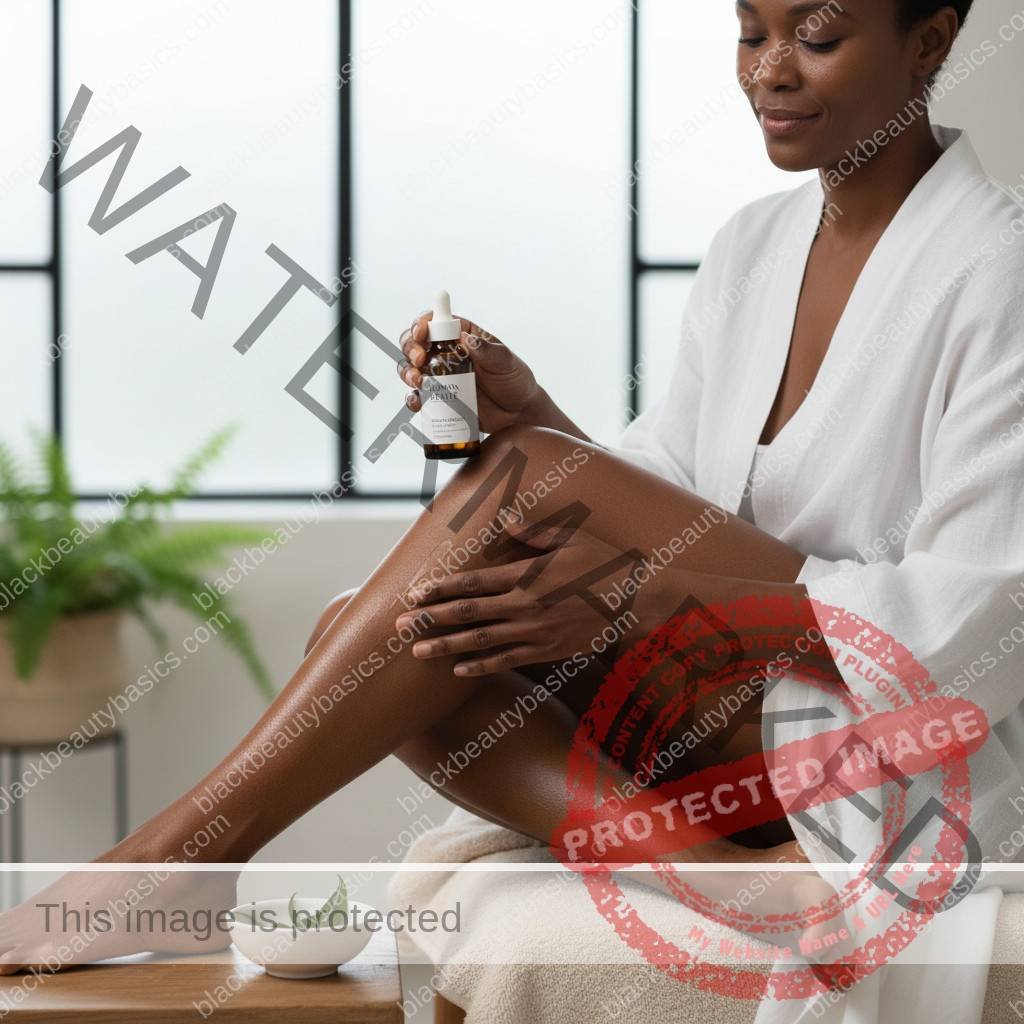
- Particle Profile: Look for scrubs with fine, rounded particles and soothing bases (oils, butters, or creamy textures) instead of large, rough grains. Ingredients like finely ground sugar, jojoba beads, or colloidal oatmeal are generally gentler than salt or crushed nut shells, which can have sharp, irregular edges. The goal is to polish, not scratch.
- Emollient Base: A rich, creamy, or oily base provides a cushion for the exfoliating particles, reducing friction and helping to nourish the skin as you scrub. This is especially important for dark skin, which can sometimes be prone to dryness. Ingredients like shea butter, cocoa butter, coconut oil, or various botanical oils enhance the moisturizing benefits.
- Frequency and Timing: Limit use to once or twice a week. Over-scrubbing can lead to irritation and PIH. More importantly, avoid using scrubs on the same day you shave, wax, or sugar sensitive areas like the bikini line to lower your risk of post‑inflammatory hyperpigmentation. The skin is already sensitized after hair removal, and adding physical exfoliation on top is a recipe for inflammation.
- Application: Apply to damp skin, using gentle, circular motions. Rinse thoroughly and always follow with a rich moisturizer.
When chosen carefully and used judiciously, a well-formulated body scrub can be a luxurious and effective part of your body care ritual, leaving your skin feeling incredibly soft and smooth without compromise.
Chemical Exfoliation: Acids for Body Smoothing – A Strategic Approach
Chemical exfoliation can be powerful for smoothing texture, addressing strawberry legs, and helping dark marks fade more evenly—but it requires patience and restraint. Unlike physical exfoliation, which provides immediate tactile results, chemical exfoliation works more subtly and gradually, dissolving the bonds between dead skin cells over time. This makes it an excellent choice for melanin-rich skin, as it minimizes the mechanical friction that can trigger hyperpigmentation.
Start with milder options, see how your skin responds, and only then consider increasing frequency or strength. This ‘start low, go slow’ approach is crucial to avoid irritation and allow your skin to acclimatize to the active ingredients. Remember, the goal is consistent improvement, not rapid transformation that comes at the cost of skin health.
Lactic Acid for Gentle Brightening: The Hydrating Hero
Lactic acid is often a good starting point for Black skin because it tends to be gentler and more hydrating than some other AHAs. As an alpha hydroxy acid (AHA), it works on the surface of the skin, loosening dead skin cells. What sets lactic acid apart is its larger molecular size compared to glycolic acid, meaning it penetrates more slowly and gently, reducing the likelihood of irritation. Furthermore, lactic acid is a humectant, meaning it attracts and binds moisture to the skin, making it particularly beneficial for dry or sensitive body areas.
- Benefits: Excellent for improving skin texture, reducing roughness, and providing a gentle brightening effect. Its hydrating properties make it suitable for those prone to dryness. It can also help soften the appearance of fine lines and improve overall skin radiance.
- Application: Body lotions or treatments with lactic acid used a few nights a week can help smooth rough patches on thighs, upper arms, and legs over time. Start with a lower concentration (e.g., 5-10%) and apply every other night, or 2-3 times a week. Observe how your skin responds before increasing frequency.
- Product Recommendation: Look for body lotions containing lactic acid from brands known for gentle formulations. For example, Shop lactic acid body lotion on Amazon.
Lactic acid is truly a gem for melanin-rich skin, offering effective exfoliation with a hydrating embrace, making it ideal for consistent, long-term use.
Glycolic Acid for Stubborn Texture: The Potent Polisher
Glycolic acid is another AHA, but it has the smallest molecular size, allowing it to penetrate more deeply and work more potently than lactic acid. This makes it highly effective for addressing thicker, rougher texture or persistent dark marks, particularly on less sensitive areas like lower legs, elbows, or knees. However, its potency also means it carries a higher risk of irritation if not used carefully.
- Benefits: Excellent for significant texture improvement, reducing the appearance of keratosis pilaris (KP), and accelerating the fading of stubborn dark marks. It can also help improve skin firmness and clarity.
- Application: Because it’s stronger, start with lower concentrations (e.g., 5-10% for body products) and use only a few times a week at night. Apply to specific areas of concern rather than the entire body initially. Always watch for signs that your skin needs more moisture or a break, such as stinging, excessive dryness, or increased sensitivity. You might consider alternating it with lactic acid or using it on different days.
- Sun Sensitivity: Glycolic acid significantly increases sun sensitivity. Consistent and diligent use of broad-spectrum sunscreen on any exposed areas of the body is non-negotiable when using glycolic acid.
- Product Recommendation: Consider a body cream or serum with glycolic acid. For example, Shop glycolic acid body cream on Amazon.
Glycolic acid can be a powerful ally in your body care arsenal, but it demands respect and a cautious, gradual introduction to your routine.
Salicylic Acid for Clogged Follicles: The Pore Purifier
Salicylic acid (BHA) is unique because it is oil‑soluble, meaning it can penetrate through oil and into the pores. This makes it particularly helpful where hair follicles are clogged or where you deal with tiny bumps and ingrowns, such as on the legs, buttocks, or back. It excels at clearing out sebum and dead skin cells from within the follicle, making it a go-to for body acne, ingrown hairs, and keratosis pilaris.
- Benefits: Effectively targets clogged pores, reduces blackheads and whiteheads on the body, prevents ingrown hairs, and helps calm inflammation associated with body breakouts. It also has mild anti-inflammatory properties.
- Application: A body wash or lotion with gentle salicylic acid (typically 0.5-2%) used a few times a week can help keep pores and follicles clearer without harsh scrubbing. For body washes, allow the product to sit on the skin for a minute or two before rinsing to allow the acid to work. For lotions, apply directly to affected areas.
- Product Recommendation: Look for a salicylic acid body wash or spray. For example, Shop salicylic acid body wash on Amazon.
Salicylic acid is an indispensable tool for anyone battling body breakouts or persistent ingrown hairs, offering targeted treatment that goes beyond surface-level exfoliation.
Combining Chemical Exfoliants: A Sophisticated Strategy
For some, a single acid may not be enough to address all concerns. Combining different chemical exfoliants can be highly effective, but it requires an even more careful approach to avoid over-exfoliation. Here are a few strategies:
- Alternating Acids: Use lactic acid on certain nights and glycolic or salicylic acid on others. For example, Monday/Wednesday for lactic, Friday for glycolic. This allows your skin to benefit from different mechanisms of action without being overwhelmed.
- Targeted Application: Use different acids on different parts of your body. Salicylic acid for your back and chest (where oiliness and breakouts are common), and lactic or glycolic acid for your legs and arms (for texture and hyperpigmentation).
- Layering (with caution): If your skin is very resilient, you might layer a gentle acid serum under a moisturizer. However, this is generally not recommended for beginners or those with sensitive melanin-rich skin. If you do, choose very low concentrations and observe your skin closely.
The world of chemical exfoliation offers immense possibilities for achieving smooth, even-toned skin. By understanding each acid’s unique properties and adopting a strategic, patient approach, you can harness their power to reveal your most radiant self.
Fitting Exfoliation Around Hair Removal: A Critical Timing Element
If you shave, wax, or sugar, timing your exfoliation correctly is crucial for keeping bumps and dark marks down, especially on dark skin. Hair removal methods, by their very nature, can be irritating to the skin, creating micro-traumas that, for melanin-rich skin, can easily lead to inflammation and subsequent post-inflammatory hyperpigmentation (PIH) or ingrown hairs. Overlapping shaving and strong exfoliants can be a recipe for irritation if the area never gets to rest and recover.
Understanding the delicate balance between preparing the skin for hair removal and allowing it to heal afterward is key to preventing those frustrating bumps, razor burns, and dark spots. This section will guide you through the optimal timing for exfoliation to complement your hair removal routine, ensuring smoother skin with fewer complications.
Before Hair Removal: Preparation is Key
The day or so before shaving or waxing, gentle exfoliation can be incredibly beneficial. Its purpose is to lift away dead skin cells that might be trapping hairs, allowing them to emerge more freely and reducing the likelihood of ingrown hairs. This pre-treatment step creates a smoother canvas for hair removal, leading to a closer shave or more effective wax.

- Method Choice: Use a soft cloth or mild scrub rather than strong acids right before you remove hair, especially in sensitive zones like the bikini line and underarms. Physical exfoliation is often preferred here because it provides immediate surface smoothness without the deeper penetration and potential for increased sensitivity that chemical exfoliants might bring.
- Gentle Scrub: If using a scrub, ensure it has fine, rounded particles and a moisturizing base. Apply with light pressure in circular motions.
- Soft Cloth/Mitt: A soft washcloth or exfoliating mitt can be used with your regular body wash to gently buff the skin.
- Timing: Aim for 12-24 hours before your scheduled hair removal. This gives the skin a chance to settle before the next step.
- Hydration: After exfoliating, apply a light, non-comedogenic moisturizer to keep the skin supple. Hydrated skin is more pliable and less prone to irritation during hair removal.
By preparing your skin gently, you significantly reduce the risk of irritation, razor bumps, and ingrown hairs, setting the stage for a smoother, more comfortable hair removal experience.
After Hair Removal: Rest and Repair
Immediately after hair removal, your skin is in a vulnerable state. The barrier may be temporarily compromised, and inflammation can be present. This is a critical period for healing and soothing, not for further exfoliation.
- Skip Exfoliants: Immediately after hair removal, skip scrubs and acids and focus on calming products—soothing, fragrance‑free moisturizers or targeted post‑treatment products designed for irritated skin. Introducing exfoliants at this stage can exacerbate irritation, lead to burning, and significantly increase the risk of PIH.
- Soothing Ingredients: Look for ingredients like aloe vera, chamomile, allantoin, bisabolol, or colloidal oatmeal in your post-hair removal products. These help to calm redness and reduce inflammation.
- Hydration is Paramount: Apply a rich, fragrance-free moisturizer immediately after hair removal to replenish the skin barrier and lock in moisture. This helps to prevent dryness and discomfort.
- Wait to Exfoliate: Wait until the area feels calm (often a day or two) before reintroducing exfoliation, starting gently and watching for any burning or stinging. For some, especially after waxing or sugaring, waiting 3-5 days might be necessary. When you do reintroduce exfoliation, opt for a gentle chemical exfoliant (like a lactic acid lotion) rather than a physical scrub, as it will be less irritating to the still-recovering skin.
- Avoid Tight Clothing: After hair removal, especially in sensitive areas like the bikini line, wear loose, breathable clothing to minimize friction and allow the skin to breathe.
By respecting your skin’s need for recovery after hair removal, you create an environment conducive to healing, significantly reducing the incidence of ingrown hairs and preventing the formation of dark marks. This thoughtful approach ensures your skin remains smooth, even-toned, and healthy, reflecting the deep care you invest in your beauty routine.
Targeting Common Trouble Zones: Tailored Exfoliation for Specific Needs
Certain areas tend to hold onto roughness, bumps, and dark marks more than others; tailoring your approach slightly by zone can make your exfoliation more effective and safer. Each part of your body has unique characteristics—different skin thickness, sebaceous gland activity, and exposure to friction—that necessitate a customized approach to exfoliation. A one-size-fits-all method is unlikely to yield optimal results and may even cause issues in sensitive areas.
By understanding the specific challenges of each
Frequently Asked Questions
How often should Black women exfoliate their bodies?
Most Black women do well exfoliating one to three times per week, depending on their skin’s sensitivity, the strength of the products, and other factors like hair removal. If your skin starts to feel irritated or looks more uneven after ramping up exfoliation, it’s a sign to pull back.
Are scrubs bad for dark skin?
Scrubs are not automatically bad, but very rough scrubs or aggressive use can cause micro‑tears and inflammation that lead to dark marks on melanin‑rich skin. Gentle scrubs with fine particles, used sparingly and followed by moisturizer, can be a safe part of a body routine for many people.
Should I use the same acids on my body as I do on my face?
Body skin is often thicker, but that doesn’t mean it’s immune to irritation; face‑level acids can still be strong on the body, especially in sensitive areas. It’s usually best to start with products specifically formulated for body use or to apply facial acids very sparingly and infrequently on small test areas first.
Can exfoliation alone get rid of my dark marks?
Exfoliation can help dark marks fade more evenly by encouraging turnover and smoothing texture, but it’s rarely enough on its own. Protecting your skin from ongoing irritation, moisturizing consistently, and sometimes using targeted brightening ingredients usually work better together than exfoliation alone.
Is it safe to exfoliate right after shaving or waxing?
Right after shaving or waxing, your skin is more vulnerable; combining fresh hair removal with scrubs or strong acids can raise your risk of irritation and dark marks. It’s generally safer to wait at least a day or two, then start with gentle exfoliation once the area no longer feels tender.
What’s the simplest exfoliating body routine I can follow?
A simple, effective routine might be: exfoliate with a gentle method once or twice a week, moisturize daily—especially after showering—and be extra cautious around hair removal days. You can always add more steps later, but even this basic approach can noticeably soften texture and support more even‑looking skin over time.
Shop lactic acid body lotion on Amazon
Shop glycolic acid body cream on Amazon
Shop salicylic acid body wash on Amazon
Continue exploring
Related posts:
 Signs of Over-Cleansing & Over-Exfoliating on Melanin-Rich Skin
 Using AI Skin Tools Safely on Melanin-Rich Skin
 How to Layer Actives on Dark Skin (Vitamin C, Niacinamide, Retinoids, Acids)
 Acids and Exfoliation on Dark, PIH-Prone Skin
 Where Body SPF Fits Into Your Routine on Melanin-Rich Skin
 A Beginner’s Guide to Acids – AHAs, BHAs, and PHAs Explained Simply