Ingrown Hair Prevention for Coarse Hair on Dark Skin: A Black Woman’s Guide to Smooth, Confident Skin
If you have coarse, curly hair and dark, melanin‑rich skin, ingrown hairs can feel almost inevitable—tiny painful bumps that show up after shaving, waxing, or tweezing, often followed by dark marks that seem to last forever.
Whether they’re along your bikini line, underarms, legs, or jawline, these ingrowns are more than a cosmetic annoyance; they can be sore, inflamed, and a constant reminder that most hair removal advice wasn’t written with Black skin and coarse hair in mind. This guide focuses on prevention first: small changes to how you remove hair, how you exfoliate, and how you care for your skin afterward that, together, can reduce ingrown hairs and the marks they leave.
It’s designed for Black women and femmes navigating everyday grooming and body care, so you can make choices about hair removal without sacrificing your skin’s comfort and long‑term health. We’ll delve deep into understanding why your skin and hair type are uniquely prone to ingrowns, explore a spectrum of hair removal options, and equip you with a holistic, self-love-infused routine that prioritizes your skin’s well-being above all else. This isn’t just about avoiding bumps; it’s about reclaiming your confidence and celebrating the beauty of your skin, unblemished and serene.
Understanding the Unique Dynamics: Coarse Hair, Dark Skin, and Ingrown Hairs
To truly prevent ingrown hairs, we must first understand the fundamental reasons why they are such a prevalent concern for Black women. It’s not a flaw in your skin or hair; it’s a natural interaction between specific biological characteristics and common hair removal practices. Embracing this understanding is the first step toward a more effective and compassionate approach to your grooming routine.
What Ingrown Hairs Are (and Why Coarse Hair Gets More of Them)
An ingrown hair happens when a hair that’s been cut or removed doesn’t emerge smoothly through the skin’s surface; instead, it curls back into the skin or gets trapped under a thin layer of skin and dead cells. On coarse, curly hair, this is more likely because the hair naturally grows in curves and loops, and when it’s cut short or pulled out, the sharp tip or new growth can easily turn sideways or back into the skin.
- Coarse, curly hair: The very structure of coarse, curly hair makes it prone to ingrowns. Imagine a spring; when cut, its natural tendency is to coil. Similarly, your hair, when cut or pulled, often retracts or changes direction, making it easier for it to re-enter the skin rather than grow straight out. The sharper the cut (as with shaving), the more pointed the tip, increasing its ability to pierce the skin’s surface upon regrowth.
- Friction and pressure: Your lifestyle, clothing choices, and even daily movements play a significant role. Tight clothing, especially in areas like the bikini line or underarms, creates constant friction and pressure. This physical force can push emerging hairs back into the follicle or prevent them from breaking through the surface, essentially ‘stuffing’ them back into the skin.
- Dead skin buildup: Our skin is constantly renewing itself, shedding old cells to make way for new ones. However, sometimes these dead skin cells accumulate on the surface, forming a barrier. For a delicate, emerging hair, this barrier can be insurmountable, forcing the hair to grow sideways or curl inward beneath the skin, creating an ingrown.
On dark skin, the inflammation around ingrowns often heals with dark marks or even raised scars, which is why prevention is so important. This post-inflammatory hyperpigmentation (PIH) is a common response in melanin-rich skin to any trauma or inflammation. An ingrown hair, being an inflammatory response, almost inevitably leads to PIH, which can linger for months or even years, making the initial ingrown feel like a fleeting problem compared to its lasting mark. Understanding this connection underscores the critical importance of a prevention-first mindset.
The Melanin Factor: Why Dark Skin Reacts Differently
Melanin, the pigment responsible for the beautiful spectrum of dark skin tones, also influences how your skin responds to irritation and trauma. While melanin offers natural protection against sun damage, it also means that your skin is more prone to post-inflammatory hyperpigmentation (PIH) and keloidal scarring (raised, sometimes itchy scars) when it experiences inflammation or injury. An ingrown hair is, at its core, a localized inflammatory response. When your body detects a trapped hair as a foreign object, it mounts an immune response, leading to redness, swelling, and sometimes pus. For dark skin, this inflammation triggers melanocytes (the cells that produce melanin) to go into overdrive, depositing excess pigment in the affected area. The result is a dark spot that can persist long after the ingrown hair has resolved.
- Post-Inflammatory Hyperpigmentation (PIH): This is the most common concern. Even a minor ingrown can leave a dark spot that takes weeks, months, or even longer to fade. The deeper the inflammation, the darker and more persistent the mark.
- Keloids and Hypertrophic Scars: While less common than PIH, some individuals with dark skin are genetically predisposed to keloids or hypertrophic scars, which are raised, sometimes itchy, and often discolored scars that can form at the site of skin trauma, including severe ingrowns.
- Pseudofolliculitis Barbae (PFB): This is the medical term for razor bumps, a chronic inflammatory condition primarily affecting individuals with coarse, curly hair, especially men of African descent, but also common in women. PFB is characterized by persistent ingrown hairs, inflammation, and often leads to significant PIH and scarring.
Recognizing these unique responses isn’t about fear; it’s about empowerment. It means that your prevention strategy must be doubly gentle, doubly thoughtful, and always focused on minimizing irritation and inflammation. Your skin is resilient and beautiful, and with the right care, it can remain smooth and radiant.
Big‑Picture Prevention: Habits That Help Everywhere
Before getting into specific body areas, a few habits help prevent ingrown hairs on any part of the body. These principles apply whether you’re dealing with facial hair, underarms, bikini, or legs. Integrating these foundational practices into your routine will create a protective shield for your skin, reducing the likelihood of ingrowns and fostering a healthier environment for hair growth.
Soften Hair and Skin Before Removal: The Foundation of Gentle Grooming
Removing hair from dry, tight skin creates more friction and tugging, which can irritate follicles and increase the chance of hairs snapping instead of being cleanly cut or removed. Warm water (from a shower or wet towel) and a gentle cleanser help soften hair and skin, making removal smoother and less traumatic. This step is non-negotiable for coarse hair, which can be quite resilient and resistant to removal when dry.
- The Power of Warm Water: A warm shower or bath for at least 5-10 minutes is ideal. The warmth helps to open up pores, relax the skin, and soften the hair shaft, making it more pliable and easier to cut or pull. Think of it as preparing the canvas for a masterpiece – you wouldn’t paint on a rough, unprepared surface.
- Gentle Cleansing: Use a mild, pH-balanced cleanser that doesn’t strip your skin of its natural oils. Harsh soaps can dry out the skin, making it less supple and more prone to irritation. Look for cleansers with soothing ingredients like aloe vera or chamomile. A clean surface also reduces the risk of bacteria entering open follicles during hair removal.
- Pre-Shave Oils or Creams: For an extra layer of protection and glide, consider a pre-shave oil or a rich shaving cream. These products create a barrier between your skin and the blade, further reducing friction and allowing the razor to glide effortlessly. For those who wax, ensuring the skin is clean and dry (but not dehydrated) is crucial for proper wax adhesion and minimizing skin trauma. Shop pre-shave oil on Amazon.
This pre-removal ritual is more than just a step; it’s an act of self-care, signaling to your skin that you’re about to engage in a process that requires gentleness and respect. It sets the tone for a smoother, less irritating experience, laying the groundwork for ingrown-free skin.
Use Clean, Sharp Tools: Your Skin Deserves the Best
Dull razors and old blades drag across the skin, tug at hairs, and increase the likelihood of jagged cuts that lead to ingrowns. Using clean, sharp razors and regularly changing blades can significantly reduce irritation and broken hairs that curl back under the skin. This principle extends to all hair removal tools; cleanliness and sharpness are paramount for minimizing trauma.
- Razor Blades: This is perhaps the most critical tool for shavers. A dull blade requires more pressure and multiple passes to cut hair, leading to irritation, razor burn, and a higher chance of hairs being cut unevenly or below the skin’s surface. Change your razor blade every 5-7 shaves, or even sooner if you have very coarse hair or notice any tugging. Store your razor in a dry place to prevent rust and bacterial growth. Shop sharp razor blades on Amazon.
- Electric Shavers/Trimmers: If you use an electric shaver or trimmer, ensure the blades are clean and well-maintained. Regularly clean out trapped hairs and oil the blades according to the manufacturer’s instructions. Dull or dirty electric shaver blades can also tug and pull, leading to irritation.
- Tweezers: For occasional tweezing, always use clean, sterilized tweezers. Wipe them with rubbing alcohol before and after each use. Dull or misaligned tweezers can break hairs instead of pulling them cleanly from the root, increasing the risk of ingrowns.
- Waxing Applicators: If you wax at home, always use fresh, clean applicators and never double-dip. For professional waxing, ensure your aesthetician maintains impeccable hygiene standards.
Investing in quality tools and maintaining them properly is an investment in your skin’s health. It’s a small change that yields significant returns in terms of comfort, appearance, and overall confidence.
Space Out Hair Removal Sessions: Giving Your Skin Room to Breathe
Removing hair too often doesn’t give follicles time to calm down; if you’re shaving or waxing while bumps are still present, you’re layering irritation on irritation. Whenever possible, give your skin a few days to a few weeks—depending on the method—between sessions, and consider trimming instead of fully clearing hair if your skin is consistently inflamed. This concept of allowing your skin to recover is crucial for preventing chronic irritation and the resulting PIH.
- The Recovery Cycle: After any hair removal method, your skin and follicles undergo a mini-trauma. They need time to heal, for any micro-abrasions to mend, and for inflammation to subside. Shaving daily, especially against the grain, doesn’t allow for this crucial recovery period, perpetuating a cycle of irritation.
- Listen to Your Skin: Your skin will tell you when it’s not ready. If you see redness, tenderness, or existing ingrowns, it’s a clear signal to pause. Pushing through this can exacerbate the problem, leading to deeper ingrowns, more pronounced dark marks, and even infection.
- Strategic Trimming: For areas prone to ingrowns, consider trimming the hair to a shorter length instead of completely removing it. This reduces the sharp tip that can pierce the skin and allows the hair to grow out without obstruction. A good electric trimmer can be a game-changer for maintaining a neat appearance without the aggressive trauma of a close shave or wax.
- Adjusting Frequency: For shaving, aim for every other day, or even every two to three days, especially in sensitive areas. For waxing, adhere to the recommended 4-6 week intervals, allowing hair to grow long enough for effective removal without breaking.
This practice isn’t about abandoning your grooming preferences; it’s about adapting them to work with your body, not against it. It’s an act of self-compassion, acknowledging that your skin’s health and comfort are paramount.
Choosing Hair Removal Methods with Ingrowns in Mind
Different methods carry different risks for ingrown hairs, especially on coarse, curly hair and dark skin. There’s no single perfect method, but understanding the trade‑offs helps you make informed choices for each area of your body. This section will empower you to select methods that align with your skin’s needs and your desired outcome, moving beyond a one-size-fits-all approach.

Shaving: The Double-Edged Blade
Shaving is quick and accessible, but it cuts hair at or just below the surface, often leaving a sharp tip that can turn back into the skin as it grows. Shaving very close, shaving against the grain, or using multiple aggressive passes over the same area can all increase ingrown risk on coarse hair. While convenient, shaving demands a meticulous approach to prevent irritation.
- The Problem with Close Shaves: When hair is cut extremely short, especially below the skin’s surface, the sharp, pointed tip is perfectly positioned to pierce the follicle wall or curl back into the skin as it regrows. This is particularly problematic for coarse, curly hair, which naturally wants to coil.
- Against the Grain: Shaving against the direction of hair growth pulls the hair up and cuts it even shorter, increasing the likelihood of it retracting beneath the skin and becoming ingrown. While it offers a closer shave, the trade-off in terms of ingrowns and irritation is often not worth it for sensitive skin and coarse hair.
- Multiple Passes and Pressure: Repeatedly going over the same area or applying too much pressure with the razor strips away the protective top layer of skin, leading to irritation, razor burn, and making it easier for bacteria to enter the follicles.
- The Right Technique: Always shave with the grain (in the direction your hair grows). Use light, gentle strokes. Rinse your blade frequently to remove hair and shaving cream buildup. Stretch the skin taut in areas like the bikini line to create a flatter surface for the blade, reducing uneven cuts.
If shaving is your preferred method, mastering the technique and prioritizing skin health over an ultra-close shave is essential. It’s about finding a balance that works for your body.
Waxing and Sugaring: Pulling from the Root
These methods pull hair from the root, which can reduce how often you have to remove hair, but they also traumatize the follicle. If hair breaks below the surface or if inflammation is high, new growth can struggle to break through the skin and become ingrown. While offering longer-lasting smoothness, waxing and sugaring require careful consideration and aftercare.
- The Root of the Problem: When hair is pulled from the root, the follicle is temporarily empty. As new hair grows, it can sometimes struggle to push through the skin’s surface, especially if there’s a buildup of dead skin cells or if the follicle is inflamed from the removal process.
- Hair Breakage: If the waxing or sugaring technique isn’t perfect, or if the hair is too short or too long, the hair can break off at or below the skin’s surface instead of being removed entirely from the root. This leaves a sharp, often jagged, tip that can easily become ingrown.
- Follicle Trauma and Inflammation: The act of pulling hair from the root is inherently traumatic to the follicle. This can lead to inflammation, which, as we’ve discussed, can trigger PIH on dark skin. Proper pre- and post-wax care is crucial to soothe the skin and minimize this inflammation.
- Sugaring vs. Waxing: Sugaring is often considered a gentler alternative to waxing, as the sugar paste adheres only to the hair and dead skin cells, not to live skin. It’s also removed in the direction of hair growth, which can reduce breakage and irritation. However, both methods require skill and proper aftercare to prevent ingrowns.
For those who choose waxing or sugaring, selecting an experienced, licensed aesthetician who understands the nuances of coarse hair and dark skin is paramount. Their expertise in technique and aftercare recommendations can significantly impact your results.
Tweezing: Precision with Peril
Plucking individual hairs can be useful for small areas, but repeated tweezing can cause hairs to grow at odd angles or become trapped under the skin, especially on the face and bikini line. Ingrowns from tweezing often show up as deep, tender bumps with a hair coiled inside. While seemingly precise, tweezing carries its own set of risks.
- Distorted Follicles: Repeatedly pulling hairs from the root can sometimes distort the follicle, causing new hairs to grow in an irregular direction, making them more likely to become ingrown.
- Hair Breakage: If the hair isn’t grasped firmly at the base and pulled cleanly, it can break off below the skin’s surface, leaving a sharp tip that can curl inward.
- Skin Trauma and Infection: Tweezing can create tiny breaks in the skin, providing an entry point for bacteria, especially if tweezers aren’t sterilized. This can lead to painful, infected ingrowns.
- Best Use: Tweezing is best reserved for stray hairs or to clean up edges after other hair removal methods. Avoid tweezing large areas, especially those prone to ingrowns. Always sterilize your tweezers with rubbing alcohol before and after each use.
While tweezing offers control over individual hairs, its potential for causing deep, painful ingrowns and subsequent PIH means it should be used judiciously and with extreme care.
Trimming and Clipping: The Gentle Compromise
Trimming hair short instead of removing it at the skin’s surface or from the root tends to reduce ingrowns because you’re keeping a bit of length and avoiding sharp, under‑the‑surface hair tips. For some people, especially in high‑risk areas, trimming is a kinder long‑term compromise between hair removal and skin health. This method often offers the best balance for sensitive skin and coarse hair.
- No Root Removal, No Sharp Tips: Trimming simply shortens the hair, leaving the follicle undisturbed and the hair tip blunt rather than sharp. This significantly reduces the chances of the hair curling back into the skin or piercing the follicle wall.
- Reduced Irritation: Because there’s no pulling or scraping against the skin, trimming causes minimal irritation, making it an excellent choice for those prone to razor burn, bumps, and PIH.
- Versatility: Electric trimmers come with various guard lengths, allowing you to customize how short you want your hair to be. This means you can maintain a neat appearance without aiming for a completely bare look, which is often the culprit for ingrowns. Shop electric trimmers for women on Amazon.
- Maintenance: Trimming may require more frequent maintenance than waxing, but the trade-off in terms of skin comfort and reduced ingrowns is often well worth it. It allows you to feel groomed without constantly battling skin issues.
For many Black women, especially in sensitive areas like the bikini line, trimming becomes a preferred method, offering a harmonious balance between aesthetics and skin health. It’s a testament to the idea that sometimes, less aggressive approaches yield the most beautiful results.
Depilatory Creams: Chemical Hair Removal
Depilatory creams use chemicals to dissolve hair just below the skin’s surface. While they offer a hair-free result without the sharp edges of shaving, they can be irritating for sensitive skin, especially on dark skin prone to hyperpigmentation. A patch test is absolutely essential before using these products on larger areas.
- How They Work: These creams contain alkaline chemicals that break down the protein structure of the hair, allowing it to be wiped away. This means no sharp edges to curl back into the skin.
- Risk of Irritation: The chemicals can be harsh, leading to chemical burns, redness, and irritation, particularly if left on too long or used on sensitive areas. This irritation can easily trigger PIH on dark skin.
- Patch Testing is Crucial: Always perform a patch test on a small, inconspicuous area at least 24 hours before full application. Look for any redness, itching, or discomfort.
- Specific Formulations: If you choose this method, look for formulas specifically designed for sensitive skin or for facial use, as these tend to be milder.
Depilatory creams can be a viable option for some, but the risk of chemical irritation and subsequent PIH means they should be approached with caution and careful testing.
Laser Hair Removal: A Long-Term Solution
Laser hair removal offers a more permanent reduction in hair growth by targeting the pigment in the hair follicle. For dark skin, it’s crucial to use a laser specifically designed for melanin-rich tones (like Nd:YAG lasers) to avoid burns and hyperpigmentation. When performed correctly by an experienced professional, it can significantly reduce ingrown hairs over time.
- How it Works: The laser emits a concentrated beam of light that is absorbed by the melanin in the hair follicle, damaging it and inhibiting future hair growth.
- Importance of the Right Laser: Older or inappropriate laser types can mistake the melanin in dark skin for hair pigment, leading to burns, scarring, and severe PIH. The Nd:YAG laser is generally considered the safest and most effective for dark skin tones.
- Professional Expertise: This is not a DIY solution. Seek out a board-certified dermatologist or a highly experienced technician who has extensive experience treating dark skin. Ask for before-and-after photos and client testimonials.
- Cost and Commitment: Laser hair removal is an investment, requiring multiple sessions over several months. However, for those who suffer from chronic ingrowns and PIH, the long-term benefits can be life-changing.
While a significant commitment, laser hair removal can be a transformative solution for persistent ingrown hairs, offering freedom from daily grooming struggles and promoting clearer, smoother skin. It’s a powerful option to consider for long-term relief.
Targeted Prevention: Area-Specific Strategies
While general prevention principles apply everywhere, certain areas of the body have unique characteristics that demand tailored approaches. Understanding these nuances allows for more effective and localized care, addressing the specific challenges each zone presents for coarse hair and dark skin.
Face: Preventing Ingrown Hairs Along the Jawline and Chin
Facial ingrown hairs can be especially distressing because they’re so visible, and they often cluster along the jawline, chin, and upper lip where hairs are coarse and curly. They may also be tied to hormonal patterns, PCOS, or other medical factors, which can make hair more persistent and dense in these areas. The delicate nature of facial skin also means that any irritation is often more noticeable and prone to lasting marks.
Prep and Shaving Technique for Facial Hair
Before shaving facial hair, wash with a mild cleanser and use warm water to soften the hair; applying a thin layer of shaving gel or cream helps the razor glide. Shave in the direction of hair growth with light pressure and short strokes, avoiding repeated passes over the same spot; this may not give an ultra‑close shave but can reduce ingrowns. The face requires the utmost gentleness and precision.
- Pre-Shave Ritual: Start with a gentle, hydrating facial cleanser. Follow with a warm, damp towel pressed against the skin for a few minutes to further soften hair and open pores. A high-quality shaving cream or gel, specifically formulated for sensitive skin, is essential to create a protective cushion. Look for ingredients like glycerin, aloe, and shea butter.
- Direction is Key: Always shave with the grain. On the face, hair growth patterns can vary, so take a moment to observe the direction your hair grows in different areas (e.g., down on the cheeks, sometimes sideways on the jawline). This minimizes tugging and reduces the chance of the hair being cut below the skin’s surface.
- Single-Blade Razor: Consider using a single-blade safety razor or a high-quality electric shaver designed for sensitive skin. Multi-blade razors can cut hair too short and pull it below the skin, increasing ingrown risk. If using a cartridge razor, choose one with fewer blades.
- Light Touch: Let the weight of the razor do the work. Applying too much pressure can lead to irritation and nicks, which can then turn into dark marks.
- Post-Shave Soothing: Immediately after shaving, rinse with cool water to close pores. Follow with a non-comedogenic, alcohol-free aftershave balm or serum containing soothing ingredients like niacinamide, centella asiatica, or hyaluronic acid. This calms the skin and prevents dryness.
Alternatives to Shaving on the Face
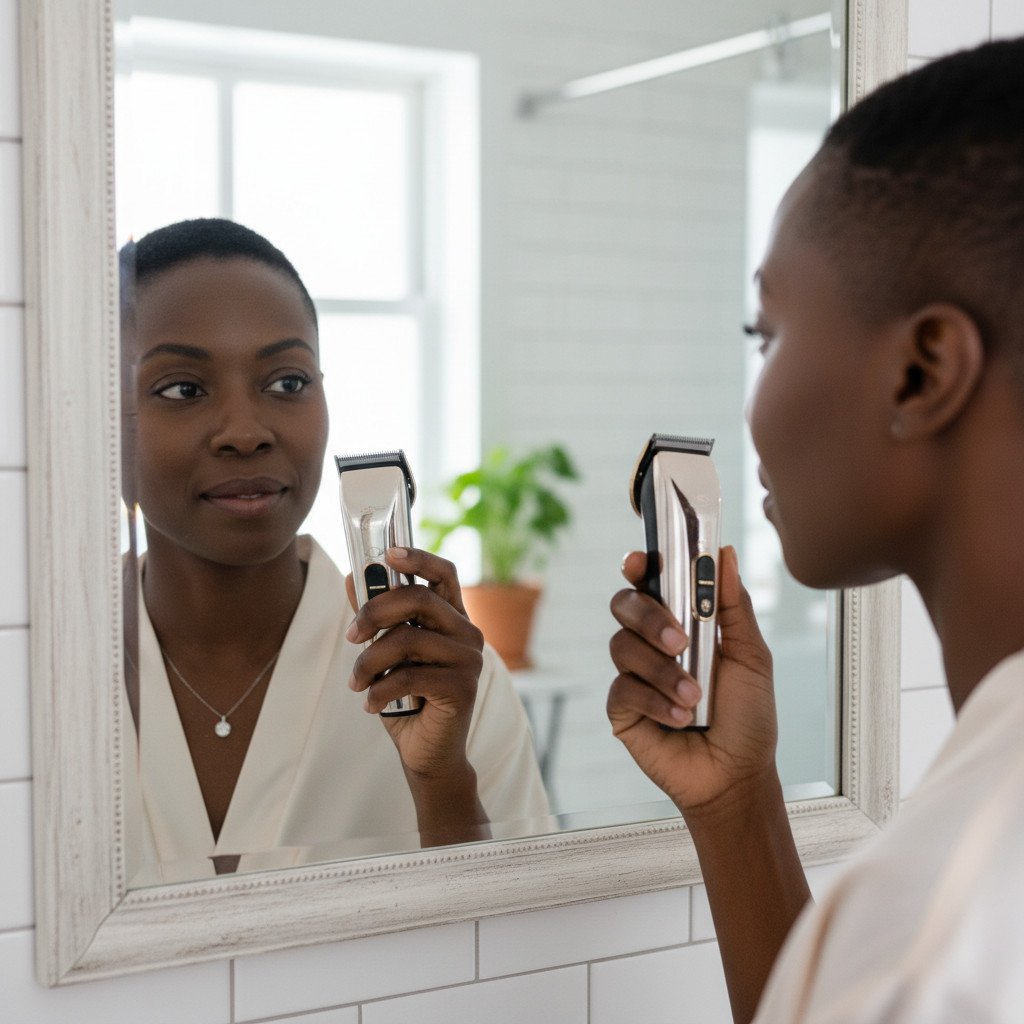
If shaving consistently causes ingrowns, consider options like facial clippers that trim hair very short without cutting at skin level, or professional hair removal methods tailored to dark skin. For persistent facial hair growth, especially if it’s new or rapidly increasing, discussing hormonal evaluation with a clinician can also be helpful. Your face is your canvas, and it deserves a strategy that respects its delicate nature.
- Facial Trimmers: A small, precise electric trimmer can be excellent for maintaining facial hair without the risk of ingrowns. It cuts hair short but leaves a blunt tip, preventing it from curling back into the skin.
- Professional Threading or Sugaring: These methods, when done by an experienced professional, can be less irritating than waxing for some. Sugaring, in particular, is often preferred for facial hair due to its gentle nature.
- Laser Hair Removal: For long-term reduction of persistent facial hair, laser hair removal with an Nd:YAG laser performed by a qualified professional is a highly effective option. This can significantly reduce the density and coarseness of hair, virtually eliminating ingrowns.
- Addressing Hormonal Factors: If you experience sudden or significant increase in coarse facial hair, especially accompanied by other symptoms like irregular periods or acne, consult with your doctor. Conditions like Polycystic Ovary Syndrome (PCOS) can cause hirsutism (excessive hair growth), and addressing the underlying hormonal imbalance can be key to managing hair growth and associated ingrowns.
Choosing the right facial hair removal method is a deeply personal decision, but one that should always prioritize the health and clarity of your skin. It’s about finding what works best for your unique physiology and lifestyle.
Underarms: Ingrowns in a High‑Friction Zone
Underarms combine several factors that encourage ingrowns: coarse hair, constant movement, sweat, deodorant buildup, and friction from clothing. Hair that’s cut or pulled in this zone can easily be pushed back into the skin or trapped under dead cells and residue. The enclosed, often moist environment of the underarm makes it a prime location for ingrowns and subsequent irritation.
Cleaning and Prep
Before shaving or waxing underarms, cleanse the area to remove sweat and deodorant; buildup can interfere with clean hair removal and clog follicles. Occasional gentle exfoliation can help keep the surface smoother, but harsh scrubbing every day is more likely to cause irritation and dark marks. A clean slate is essential for effective and gentle hair removal.
- Thorough Cleansing: Always wash your underarms thoroughly with a gentle, antibacterial soap or body wash before hair removal. This removes sweat, deodorant residue, and bacteria that can clog follicles and lead to infection if they enter micro-abrasions.
- Warm Water Softening: Just like other areas, warm water from a shower helps soften the hair and skin, making removal easier and less irritating.
- Gentle Exfoliation (Occasional): If you notice buildup or rough texture, a very gentle physical exfoliant (like a soft washcloth) or a mild chemical exfoliant (like a salicylic acid body wash) can be used 1-2 times a week, but never immediately before or after hair removal, and never on irritated skin.
- Deodorant Choice: Consider switching to an aluminum-free deodorant, as some ingredients in antiperspirants can contribute to residue buildup and potentially clog pores.
Shaving and Ingrown Reduction Underarms
Use a lubricating shaving gel and a sharp blade, and try to follow the direction of hair growth as much as possible, even though underarm hair can grow in multiple directions. Avoid shaving every day; giving underarms a day or two between shaves can help follicles calm down and reduce ingrowns. The multi-directional growth of underarm hair makes shaving particularly challenging.
- Observe Hair Growth: Underarm hair often grows in various directions. Take a moment to observe your specific pattern. Try to shave primarily with the grain, or at least across the grain, avoiding going directly against it.
- Stretch the Skin: Gently lift your arm and stretch the skin to create a flatter, smoother surface for the razor. This helps prevent nicks and ensures a more even shave.
- Sharp Blade & Shaving Gel: A fresh, sharp blade is non-negotiable. Pair it with a rich, moisturizing shaving gel or cream to provide maximum glide and protection.
- Rinse Frequently: Underarm hair can be dense, so rinse your razor blade often to prevent clogging, which can lead to tugging and an ineffective shave.
- Post-Shave Care: After shaving, rinse with cool water and apply a soothing, alcohol-free balm or a light, non-comedogenic moisturizer. Avoid applying deodorant immediately after shaving, as it can sting and irritate freshly shaven skin. Wait at least 15-30 minutes, or apply it before bed if you shave in the evening.
Waxing/Sugaring Underarms & Other Considerations
For those who prefer longer-lasting results, professional waxing or sugaring can be effective, but again, choosing an experienced aesthetician is key. Laser hair removal is also a highly popular and effective option for underarms, significantly reducing hair growth and, consequently, ingrowns. Regardless of the method, minimizing friction and allowing the skin to breathe is important. Opt for loose-fitting clothing made of natural, breathable fabrics like cotton, especially after hair removal.
Bikini Line and Inner Thighs: High‑Risk Areas for Ingrowns
The bikini line and inner thighs are some of the highest‑risk spots for ingrown hairs on coarse, curly hair because the skin is thin, friction is high, and hair is densely packed. Many Black women experience clusters of bumps, dark marks, and even raised scars along this area when hair removal is aggressive or constant. This sensitive zone demands the most gentle and thoughtful approach to hair removal and aftercare.
Gentler Approaches to Bikini Hair
Trimming instead of fully shaving, or shaving only along the underwear line rather than going fully bare, can reduce ingrowns by leaving a bit more length and avoiding repeated trauma in the most sensitive zones. If you shave, soften hair in warm water first, use a protective shaving medium, and shave with the grain in light strokes, avoiding daily shaving. The goal here is comfort and skin health, not necessarily achieving an ultra-smooth finish at all costs.
- Consider the Trim: For many, trimming the hair in the bikini area to a shorter length (e.g., 1/4 to 1/2 inch) with an electric trimmer is the most effective way to prevent ingrowns. This leaves the hair blunt and less likely to curl back into the skin. It also avoids the irritation of a close shave.
- Partial Shave: If you prefer some hair removal, consider only shaving the hair that extends beyond your underwear line, rather than attempting a full Brazilian. This reduces the area of skin exposed to aggressive hair removal.
- Shaving Technique (If You Must): If you choose to shave, follow all the general rules: warm shower, gentle cleanser, rich shaving cream. Always shave with the grain, using a fresh, sharp blade. Stretch the skin taut to create a smooth surface. Avoid multiple passes and excessive pressure.
- Post-Shave Soothing: Immediately after shaving, rinse with cool water and apply a soothing, alcohol-free balm or a specialized ingrown hair serum containing ingredients like salicylic acid or witch hazel. These help calm inflammation and prevent pore clogging.
Waxing or Sugaring the Bikini Line
Waxing or sugaring can reduce how often you have to remove hair but can still cause ingrowns if hairs break under the skin or if follicles are left inflamed. Choosing experienced practitioners who are familiar with dark skin and coarse hair, plus following aftercare instructions closely, makes a difference in how your skin responds. The bikini area is not the place for DIY waxing experiments.
- Professional is Best: For waxing or sugaring the bikini line, always seek a licensed and experienced aesthetician. They understand hair growth patterns, skin sensitivity, and proper technique to minimize breakage and irritation. Crucially, they should have experience working with coarse hair and dark skin tones.
- Pre- and Post-Care: Your aesthetician should guide you through pre-wax prep (e.g., avoiding lotions, ensuring hair is the right length) and post-wax care (e.g., avoiding hot baths, tight clothing, and heavy sweating for 24-48 hours).
- Exfoliation After Waxing: Once the initial tenderness subsides (usually 2-3 days after waxing), gentle exfoliation becomes crucial. This helps prevent dead skin cells from trapping new hair growth.
- Ingrown Hair Serums: Many aestheticians recommend specific ingrown hair serums or toners to use between waxing appointments. These often contain mild exfoliants or soothing agents to keep follicles clear.
Other Considerations for the Bikini Line
Beyond hair removal, your daily habits significantly impact ingrown prevention in this area. Friction from tight clothing is a major culprit, pushing emerging hairs back into the skin. Opt for breathable, loose-fitting cotton underwear and avoid tight jeans or leggings, especially immediately after hair removal. Allow your skin to breathe and heal. Also, consider the products you use; heavily fragranced soaps or lotions can irritate this sensitive area. Choose gentle, pH-balanced products to maintain skin harmony.
Exfoliation for Ingrown Hair Prevention (Without Overdoing It)
Exfoliation helps by removing dead skin that can trap hairs, but on dark skin, over‑exfoliation can cause more harm than good through irritation and dark marks. The goal is gentle, consistent exfoliation, not constant scrubbing. It’s a delicate balance, and understanding the nuances is key to achieving smooth, clear skin without triggering hyperpigmentation.
Physical Exfoliation: Gentle Buffing
Soft washcloths, gentle mitts, or fine scrubs can help lift dead cells and free hairs near the surface when used with light pressure on damp skin. Limit physical exfoliation to a few times a week and avoid going hard right after hair removal or on areas with active, sore ingrowns. The key word here is
Frequently Asked Questions
Why do I get so many ingrown hairs compared to people with straighter hair?
Curly and coarse hair naturally grows in curves, so when it’s cut or removed, the sharp tip or new growth is more likely to bend back into the skin or become trapped. People with straighter hair can still get ingrowns, but the risk is higher when hair has a strong curl pattern and follicles are already under stress, especially after hair removal.
Will switching from shaving to waxing or sugaring stop my ingrown hairs?
Waxing and sugaring may reduce ingrowns for some people by changing how hair is removed and how often it needs to be addressed, but they can also cause ingrowns if hair breaks under the skin or if follicles stay inflamed. Your results depend on your hair texture, skin sensitivity, technique, aftercare, and how consistently you follow a prevention‑focused routine.
Can exfoliating every day prevent ingrown hairs?
Daily harsh exfoliation is more likely to irritate dark skin and cause new dark marks than to prevent ingrowns, especially in sensitive areas. Gentle exfoliation a few times a week, combined with better hair removal habits and good moisturizing, usually works better and is safer for melanin-rich skin, preventing over-stimulation and hyperpigmentation.
Are ingrown hairs dangerous?
Most ingrown hairs are not dangerous, but they can be painful, uncomfortable, and emotionally distressing, especially if they’re frequent or leave marks and scars. They can become more serious if they get infected or if scarring becomes extensive, which is why prevention and early, gentle care matter to avoid complications like cysts or abscesses.

Is it okay to gently lift an ingrown hair with a sterile needle or tweezers?
Even with sterile tools, lifting ingrown hairs at home carries a risk of breaking the skin, pushing the hair deeper, and causing scarring, especially on dark skin. If you choose to attempt this, it should be done very carefully on the surface only, but in many cases, patience, exfoliation, and professional help for stubborn ingrowns are safer options to prevent further trauma and hyperpigmentation.
Can I ever be completely free of ingrown hairs?
If you have coarse, curly hair and choose to remove it, it’s unlikely you’ll never see an ingrown again, but you can often reduce how often they occur and how severe they are. Prevention‑focused routines, gentler hair removal, and being willing to adjust how much hair you remove in high‑risk areas can make a noticeable difference over time, leading to significantly clearer skin.
What is the best type of razor for coarse hair on dark skin?
For coarse hair on dark skin, a single-blade safety razor or a high-quality electric shaver is often recommended. Multi-blade razors can cut hair too short and pull it below the skin’s surface, increasing the risk of ingrowns and irritation. A single blade provides a clean cut without excessive tugging or cutting beneath the skin, reducing trauma.
How long do dark marks from ingrown hairs typically last on dark skin?
Dark marks (post-inflammatory hyperpigmentation) from ingrown hairs on dark skin can last anywhere from a few weeks to several months, or even over a year, depending on the severity of the inflammation, individual skin healing, and whether the area is continually irritated. Consistent, gentle aftercare and sun protection are crucial for faster fading.
Are there specific ingredients I should look for in products to prevent ingrowns?
Yes, look for products containing mild chemical exfoliants like salicylic acid (BHA) to unclog pores, glycolic acid or lactic acid (AHAs) for surface exfoliation, and soothing ingredients like aloe vera, witch hazel, niacinamide, or centella asiatica to calm inflammation. Hydrating ingredients like hyaluronic acid are also beneficial for skin barrier health.
Can diet or lifestyle choices impact ingrown hairs?
While not a direct cause, a healthy diet rich in antioxidants and anti-inflammatory foods can support overall skin health and its ability to heal. Staying hydrated is also crucial for skin elasticity. Additionally, reducing friction from tight clothing and managing stress can indirectly help by minimizing skin irritation and supporting a healthy skin barrier.
Shop sharp razor blades on Amazon
Shop electric trimmers for women on Amazon
Shop ingrown hair serum on Amazon
Shop exfoliating body wash on Amazon
Shop hyaluronic acid serum on Amazon
Continue exploring
Related posts:
 Clinic-Based Peels and Procedures on Dark Skin: Questions to Ask for Confident Care
 Structured Pre-Treatment Assessment for Dark Skin: Your Blueprint for Confident Aesthetics
 Smooth Confidence: The Definitive Guide to Treating and Preventing Razor Bumps and Dark Spots on Melanin-Rich Skin
 Treating Active Ingrown Hairs, Bumps, and Dark Marks on Melanin-Rich Skin
 Why Ingrown Hairs Are More Common on Melanin-Rich, Coily Hair
 Face and Neck Shaving Routines and Razor-Bump Prevention for Melanin-Rich Skin