Waxing vs Sugaring for Black Women: Which is Better for Razor Bumps and Ingrowns?
When you have coarse, curly body hair and dark, melanin‑rich skin, hair removal is never just about smoothness. It’s about what happens after: razor bumps along the bikini line, ingrown hairs on your legs and underarms, and dark marks that linger long after the hair is gone. For many Black women, waxing and sugaring feel like the next step after frustrating experiences with shaving—but it can be hard to know which option is actually gentler on dark skin and more forgiving for curly hair. This guide breaks down how waxing and sugaring work, what they mean for razor bumps, ingrowns, and dark marks, and how to choose the method that respects your hair type, skin tone, and comfort level. We’ll delve into the science, the practicalities, and the self-care rituals that empower you to make an informed decision for your unique beauty journey.
The quest for smooth, bump-free skin is a deeply personal one, often fraught with trials and errors for Black women. Our hair, a crown of glory on our heads, can present unique challenges when it comes to body hair removal. The natural curl pattern, combined with the rich melanin in our skin, creates a delicate balance that demands thoughtful consideration for every beauty choice. This isn’t just about aesthetics; it’s about comfort, confidence, and protecting the health of our skin barrier from unnecessary irritation and long-term damage. We understand the frustration of investing time and money into a hair removal method, only to be left with persistent ingrowns, painful razor bumps, or stubborn hyperpigmentation. This comprehensive guide is designed to empower you with knowledge, ensuring your hair removal journey is one of self-love and informed decisions.
Navigating the world of hair removal can feel overwhelming, especially with the sheer volume of information available. Our aim is to cut through the noise, providing clear, actionable insights specifically tailored for Black women. We’ll explore the nuances of waxing and sugaring, dissecting their mechanisms and evaluating their impact on melanin-rich skin and coarse hair. From understanding the root causes of ingrowns and hyperpigmentation to identifying the best aftercare practices, we’ll cover every aspect. By the end of this guide, you’ll not only know the differences between waxing and sugaring but also possess the wisdom to choose a method that truly aligns with your skin’s needs and your personal comfort.
Why Method Matters on Dark, Melanin‑Rich Skin: A Deeper Dive into Skin Science
Curly and coily hair naturally grows in curves and loops, which makes it more likely to bend back into the skin once it’s cut or pulled, leading to ingrown hairs and inflamed bumps. This phenomenon, known as pseudofolliculitis barbae (PFB) or razor bumps, is particularly prevalent in individuals with tightly curled hair. When the hair is removed or cut, the sharp tip can easily re-enter the skin, causing inflammation and the body’s immune response to treat it as a foreign object. On dark skin, the inflammation from those bumps—whether from shaving, waxing, or sugaring—can heal with hyperpigmentation or raised scars that stand out more against melanin‑rich tones. This post-inflammatory hyperpigmentation (PIH) is a common concern for Black women, as our melanocytes (pigment-producing cells) are more reactive to trauma or inflammation, leading to a darker, more persistent discoloration.
- Coarse, curly hair is inherently more prone to ingrown hairs when the follicle is irritated. The follicle itself can be curved, making it easier for the hair to grow back into the skin.
- Inflammation on dark skin often becomes dark marks or scars that last longer than the bump itself. These marks can take months, or even years, to fade completely without proper treatment and prevention.
- Choosing the right removal method and technique helps lower, not eliminate, these risks. It’s about damage control and minimizing triggers for your skin’s reactive nature.
- The skin barrier function can be compromised by aggressive hair removal, leading to increased sensitivity and susceptibility to environmental stressors.
- Understanding your skin’s unique response to different stimuli is paramount. What works for one person may not work for another, even within the same demographic.
Because of this, the “best” method for you isn’t just the one that leaves you smoothest—it’s the one that keeps irritation as low as possible over time. It’s about a holistic approach that prioritizes skin health and long-term clarity over temporary smoothness. This involves not only the removal method but also meticulous pre- and post-care routines, and a deep understanding of your body’s signals. The goal is to achieve a state of equilibrium where hair removal becomes a self-care ritual rather than a source of anxiety and discomfort. We must honor our skin’s unique biology and choose methods that support its natural resilience and beauty.
The Biology of Ingrowns and Hyperpigmentation in Dark Skin
To truly understand why method matters, we must delve into the biological underpinnings. Our hair follicles are complex structures, and for those with curly hair, the follicle itself often has a curved shape. When hair is cut or pulled, especially against the grain, the tip can become sharp and, upon regrowth, easily pierce the follicular wall or re-enter the skin surface. This triggers an inflammatory response, leading to the characteristic red, itchy, and sometimes painful bumps we know as ingrowns. In melanin-rich skin, this inflammation is a direct precursor to hyperpigmentation. Our melanocytes, which are responsible for producing melanin, are highly sensitive to any form of trauma, including inflammation. When stimulated, they overproduce melanin, leading to dark spots that can persist long after the initial bump has subsided. This is why gentle technique and minimizing skin trauma are not just preferences but necessities for Black women.
The Role of Skin Barrier Integrity
The skin barrier, the outermost layer of our skin, acts as a protective shield against environmental aggressors and helps retain moisture. Aggressive hair removal methods can compromise this barrier, leaving the skin vulnerable. When the barrier is disrupted, the skin becomes more susceptible to irritation, infection, and increased water loss, which can exacerbate inflammation and hyperpigmentation. Therefore, any hair removal method chosen must respect and support the integrity of the skin barrier. This means opting for methods that minimize stripping of the skin’s natural oils and avoiding harsh chemicals or excessive friction. A healthy skin barrier is your first line of defense against ingrowns and dark marks, making its preservation a top priority in your hair removal routine.
Waxing vs Sugaring: How Each Method Works and Its Implications for Sensitive Skin
Both waxing and sugaring remove hair from the root, but the products, application, and removal techniques are different—and those differences can matter when you have sensitive, dark skin and coarse hair. Understanding the basics of each method makes it easier to ask informed questions and evaluate how a salon or technician works with Black clients. It’s not just about the end result, but the journey your skin takes to get there. Each method has its own unique characteristics that can either mitigate or exacerbate the common concerns faced by Black women. A deeper understanding of these mechanics will empower you to make a choice that is truly aligned with your skin’s delicate needs.
What Is Waxing? Understanding the Types and Their Impact
Waxing uses a resin‑based product (soft wax with strips or hard wax that’s removed on its own) that adheres to the hair and some of the top layer of skin. The wax is applied in the direction of hair growth and then removed quickly, usually against the direction of growth, pulling hair out from the follicle. There are two primary types of wax used: soft wax and hard wax, each with distinct properties and implications for sensitive skin.
Soft Wax: The Traditional Approach
Soft wax, also known as strip wax, is applied in a thin layer over the skin in the direction of hair growth. A fabric or paper strip is then pressed firmly onto the wax and quickly pulled off against the direction of hair growth. Soft wax adheres not only to the hair but also quite strongly to the top layer of dead skin cells. While this can provide a very smooth finish, it also means a more aggressive exfoliation of the skin. For melanin-rich skin, this can be a double-edged sword. While some exfoliation is beneficial, excessive removal of the stratum corneum (the outermost layer of the epidermis) can lead to increased sensitivity, redness, and a higher risk of skin lifting or tearing, especially in delicate areas. This trauma can directly trigger post-inflammatory hyperpigmentation. Therefore, soft wax requires an extremely skilled technician who understands the nuances of working with sensitive, darker skin tones.
Hard Wax: A Gentler Alternative?
Hard wax, or strip-less wax, is applied in a thicker layer and allowed to cool and harden on the skin. Once firm, the wax itself is peeled off, taking the hair with it. The key difference here is that hard wax primarily shrink-wraps around the hair, adhering less to the skin itself. This makes it generally considered a gentler option for sensitive areas and for individuals prone to irritation. Because it adheres less to the skin, there’s a reduced risk of skin lifting and less overall trauma to the epidermis. For Black women concerned about hyperpigmentation and irritation, hard wax is often the preferred choice, especially for delicate areas like the bikini line, underarms, and face. However, technique is still paramount. If applied too hot, or removed incorrectly, even hard wax can cause issues.
What Is Sugaring? The Ancient Art of Hair Removal
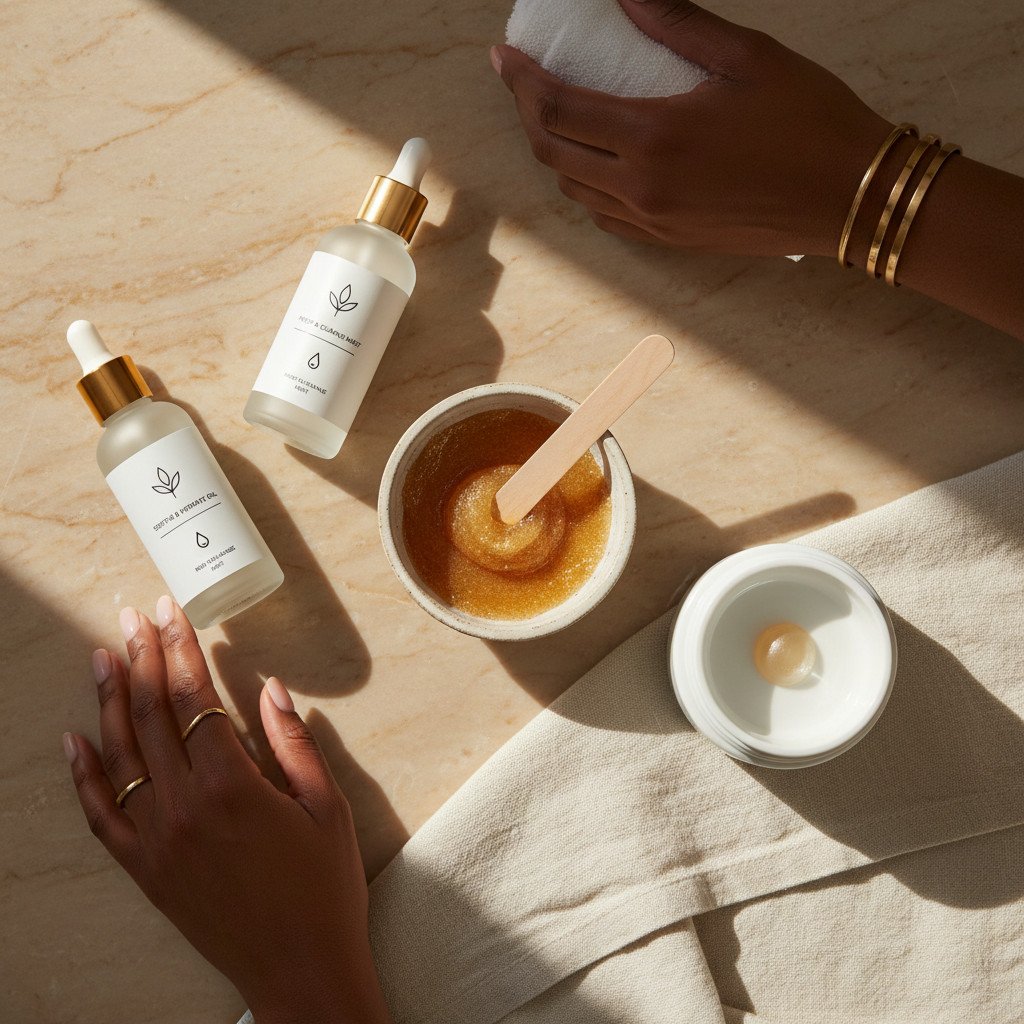
Sugaring typically uses a paste made from sugar, water, and lemon juice or similar ingredients; it is thick, sticky, and water‑soluble. The paste is usually molded onto the skin against the direction of hair growth and then flicked off in the direction of growth, pulling hair from the root with a slightly different motion. This ancient Middle Eastern method has gained significant popularity due to its perceived gentleness and natural ingredients. The sugar paste is typically applied at body temperature, eliminating the risk of burns associated with hot wax. The water-soluble nature of sugar paste means that any residue can be easily rinsed off with water, without the need for harsh solvents or vigorous scrubbing, further minimizing skin irritation.
The Unique Application and Removal of Sugaring
The distinctive application and removal technique of sugaring is often cited as its primary advantage for sensitive skin and coarse hair. The sugar paste is applied against the direction of hair growth, allowing it to seep into the hair follicle and encapsulate the hair shaft. Then, it is removed in the natural direction of hair growth, with a quick flicking motion. This method is believed to reduce hair breakage, as the hair is pulled out in its natural growth direction, leading to a cleaner removal from the root. Less breakage means fewer sharp, jagged hair tips that can cause ingrowns. Additionally, because the paste adheres primarily to the hair and dead skin cells, and less to live skin, it is often considered less abrasive than waxing, especially soft waxing. This gentler action can significantly reduce the likelihood of skin lifting, redness, and the subsequent hyperpigmentation that Black women often experience.
Which Is Gentler on Dark Skin? A Comparative Analysis
Both waxing and sugaring can irritate the skin, but some people with dark, sensitive skin find sugaring a bit more forgiving because of how it adheres and how it’s removed. That said, your individual experience can vary based on your technician’s skill, the products used, and how reactive your skin is in general. It’s crucial to remember that no hair removal method is entirely without risk, but understanding the mechanisms helps in making an informed choice to minimize potential adverse reactions.
Waxing and Your Skin Barrier: A Closer Look at Potential Trauma
Wax, especially soft wax used with strips, can adhere not just to the hair but also to more of the skin’s surface, which may increase the chance of redness, lifting, or feeling “raw” afterward if technique is aggressive. The very act of pulling wax off the skin creates a degree of friction and exfoliation. While some exfoliation is beneficial, excessive or aggressive removal can strip away too much of the stratum corneum, compromising the skin’s natural barrier. This can lead to trans-epidermal water loss, increased sensitivity, and a heightened inflammatory response. On dark skin, that extra trauma can lead to post‑inflammatory hyperpigmentation, especially in delicate areas like the bikini line and underarms. The heat of the wax, if not properly controlled, can also contribute to irritation and even superficial burns, which are significant triggers for PIH. Therefore, the choice of wax (hard vs. soft) and the technician’s skill are paramount when considering waxing for melanin-rich skin.
Sugaring and Adherence: The ‘Hair-Only’ Advantage
Sugaring paste tends to stick more to the hair and less to live skin, which some find results in less immediate irritation and a softer feel afterward. This is a significant advantage for sensitive skin. The sugar paste, being water-soluble, is also applied at a lower temperature (body temperature), virtually eliminating the risk of burns. Its unique application and removal method—applied against hair growth, removed with hair growth—is designed to minimize hair breakage and reduce trauma to the follicle. This can lead to a cleaner pull and less irritation overall. Because the paste is also water‑soluble, it is easy to remove any residue with water, reducing the need for harsh cleansers or rubbing. This gentle cleanup further contributes to a less irritating experience, making sugaring a strong contender for those with highly reactive, melanin-rich skin prone to hyperpigmentation.
The Role of Temperature
Temperature is another critical factor. Traditional waxes, especially hot waxes, must be heated to a specific temperature to be effective. If applied too hot, they can cause burns or excessive redness, which, for dark skin, can easily translate into hyperpigmentation. Sugaring paste, on the other hand, is used at a lukewarm temperature, close to body temperature. This significantly reduces the risk of burns and heat-induced irritation, making it a safer option for those with sensitive skin or concerns about heat-related skin reactions.
Razor Bumps and Ingrowns: How Do Waxing and Sugaring Compare in Prevention?
Since both methods pull hair out from the root, they shift the timing of bumps and ingrowns rather than eliminating them completely. The main questions are how the hair grows back, how inflamed the follicle becomes, and whether the method increases the odds of the hair curling under the skin. It’s about managing the regrowth cycle and minimizing the triggers that lead to these common concerns for Black women.
Ingrowns After Waxing: The Breakage Factor
Because waxing pulls hair out quickly, sometimes against the grain, it can cause hair to break below or at the surface instead of sliding cleanly from the follicle. This is particularly true with soft wax and less skilled technicians. When curly hair breaks unevenly or if the follicle is inflamed, the new growth may curl sideways or back into the skin, leading to ingrown hairs and razor bumps as the hair tries to emerge. The trauma to the follicle during waxing can also create inflammation, making the follicle opening swell and potentially trap the new hair growth. This combination of hair breakage and follicular inflammation significantly increases the risk of ingrown hairs, which, as we know, can lead to persistent dark marks on melanin-rich skin. The direction of pull (often against the grain) is a major contributor to this breakage, as it can snap the hair rather than cleanly extract it from the root.
Ingrowns After Sugaring: The Directional Advantage
Some people find that sugaring leads to fewer ingrowns because it can remove hair in the direction of growth, potentially leading to a cleaner pull with less breakage at the surface level. This directional removal is considered a key advantage of sugaring. By pulling the hair in its natural growth direction, the likelihood of the hair breaking mid-shaft is reduced, allowing for a smoother, cleaner extraction from the follicle. This minimizes the sharp, jagged edges that often cause ingrowns. Furthermore, the sugar paste’s ability to seep into the follicle and encapsulate the hair helps to ensure a complete removal from the root, further reducing the chances of breakage. However, if you have very curly, coarse hair, ingrowns can still happen with sugaring, especially if aftercare is inconsistent or if the skin is already stressed by friction, tight clothing, or prior irritation. Sugaring is not a magic bullet, but it often provides a more favorable environment for healthy hair regrowth, reducing the incidence and severity of ingrowns compared to traditional waxing.
Pain, Sensitivity, and Different Body Areas: A Personalized Approach
Pain levels are subjective, but both waxing and sugaring can be uncomfortable, particularly in areas with dense hair and lots of nerve endings, like the bikini line and upper inner thighs. Dark skin in these areas may also show redness less clearly but still feel hot, itchy, or tight after treatment, which is important to pay attention to. The sensation of pain is highly individual and can be influenced by factors such as hormonal cycles, stress levels, and prior hair removal experiences. What one person finds mildly uncomfortable, another might find intensely painful. It’s crucial to communicate openly with your technician about your pain tolerance and any discomfort you experience during the process.
Bikini Line and Brazilian Areas: High Sensitivity Zones
Along the bikini line, both methods can cause temporary redness, swelling of follicles (little red or dark dots), and sensitivity for a day or two. This area is notoriously sensitive due to its delicate skin, dense hair growth, and proximity to nerve endings. The risk of ingrowns and hyperpigmentation is also significantly higher here due to friction from clothing and the natural curl of the hair. If you are prone to ingrowns or dark marks here, sugaring or very careful waxing with strong aftercare and longer gaps between sessions may be more forgiving than frequent shaving. For these intimate areas, the technician’s expertise and gentle touch are even more critical. They should be experienced in working with the unique challenges of the bikini line for Black women, including proper stretching techniques and product selection to minimize trauma.
Underarms and Legs: Varying Sensitivities and Concerns
On the legs, where hair may be less tightly coiled for some people, waxing or sugaring can be a useful option for reducing “strawberry legs” caused by visible hair dots and clogged follicles. The skin on the legs is generally less sensitive than the bikini line, and hair density can vary. However, even on legs, improper technique can lead to ingrowns and irritation. Underarms, however, are another high‑friction, sensitive area where repeated trauma can quickly turn into dark patches and rough texture if technique and aftercare are not gentle. The underarm area is prone to sweating, friction, and often experiences a higher concentration of deodorants and antiperspirants, all of which can contribute to irritation and hyperpigmentation. Therefore, a gentle approach and meticulous aftercare are essential for maintaining smooth, even-toned underarms.
Pain Management Strategies
While some discomfort is inevitable, there are strategies to manage pain. Taking an over-the-counter pain reliever like ibuprofen about 30-60 minutes before your appointment can help. Avoiding caffeine and alcohol on the day of your appointment, as they can increase skin sensitivity, is also recommended. Ensuring you are well-hydrated and have had enough sleep can also contribute to a more comfortable experience. Regular sessions often lead to reduced pain over time as the hair thins and the follicles become accustomed to the removal process. Communication with your technician is key; don’t hesitate to ask for breaks or adjustments if the pain becomes too intense.
Salon Choice: Questions to Ask Before You Book – Your Advocate for Skin Health
The method alone doesn’t guarantee a good outcome; your technician’s expertise with dark skin and coarse hair can make the difference between a calm skin reaction and a breakout of bumps and dark marks. Don’t be afraid to treat your bikini line and body like they deserve specialist care—because they do. Choosing the right salon and technician is arguably one of the most critical steps in your hair removal journey. This is not a decision to be taken lightly, as an inexperienced or uninformed technician can cause significant and lasting damage to your skin, particularly melanin-rich skin which is more prone to hyperpigmentation.
Ask About Experience With Dark Skin and Coarse Hair: Beyond the Basics
Ask directly how often they work on clients with deep skin tones and coarse, curly hair and what adjustments they make to protect against hyperpigmentation and ingrowns. A truly experienced technician will not only acknowledge your concerns but will also be able to articulate specific techniques and product choices they employ for Black clients. They should be familiar with conditions like pseudofolliculitis barbae (PFB) and post-inflammatory hyperpigmentation (PIH) and understand the unique challenges posed by curly hair. If a practitioner minimizes your concern about dark marks or seems unfamiliar with post‑inflammatory hyperpigmentation, you may want to keep looking. This is a red flag. A professional who truly understands melanin-rich skin will emphasize gentle handling, proper pre- and post-care, and the importance of avoiding excessive heat or friction. They should be able to explain their approach to preventing ingrowns, such as specific application and removal techniques, and recommend tailored aftercare products. Don’t settle for someone who treats all skin types the same; your skin deserves specialized attention.
Ask About Products and Aftercare: A Holistic Approach
Find out what type of wax or sugar paste they use, whether it’s suitable for sensitive skin, and what they recommend for aftercare in the days following your appointment. A reputable salon will use high-quality products designed to minimize irritation. For waxing, inquire if they primarily use hard wax for sensitive areas. For sugaring, ask about the ingredients in their paste and if it’s truly all-natural. Beyond the products used during the service, their aftercare recommendations are equally important. Look for aftercare that focuses on gentle cleansing, light exfoliation at the right time, and non‑irritating moisturizers rather than heavily fragranced products or harsh scrubs right away. They should be able to provide clear instructions on how to prevent ingrowns and manage any post-treatment sensitivity. A good technician will also be able to recommend specific products, such as soothing gels with aloe vera or chamomile, or gentle exfoliating lotions with salicylic or lactic acid, tailored to your skin’s needs. They might even have a curated selection of post-wax soothing serums on Amazon or ingrown hair prevention lotions on Amazon that they trust.
Hygiene and Sanitation Practices
Beyond expertise, impeccable hygiene and sanitation are non-negotiable. Ask about their sterilization protocols for tools and whether they use disposable items. Double-dipping wax sticks is a major no-no and can lead to bacterial contamination and infections. A professional salon will always use a fresh stick for each application. Observe the cleanliness of the treatment room and ensure your technician wears gloves throughout the procedure. These practices are crucial for preventing infections, which can exacerbate inflammation and hyperpigmentation, especially in sensitive areas.
Home vs Salon: Can You Wax or Sugar Yourself Safely? Weighing the Risks and Rewards
At‑home kits for waxing and sugaring can be tempting, especially to save money or protect your privacy, but technique matters even more when you are working alone on sensitive, dark skin. If you decide to do it yourself, start slowly, patch‑test, and be realistic about which areas are better left to professionals. While the allure of DIY hair removal is strong, the potential for self-inflicted damage, particularly for melanin-rich skin, is significant. Professional technicians undergo extensive training to master the art and science of hair removal, a skill that is difficult to replicate at home without proper guidance and practice.
At‑Home Waxing Considerations: A High-Risk Endeavor
It can be difficult to control temperature, thickness, and pulling direction with home waxing kits, which increases the risk of burns, skin lifting, and patchy hair removal. Home waxing kits often come with microwaveable waxes, which can be inconsistent in temperature, leading to hot spots that can burn the skin. Applying the wax too thick or too thin, or pulling it incorrectly, can result in hair breakage, bruising, or even skin tearing. For dark skin around the bikini line and inner thighs, even mild burns or lifts can become noticeable dark spots or scars, so proceed cautiously if you choose this route. The angles and visibility required for effective waxing in certain areas, especially the bikini line, are incredibly challenging to achieve on yourself. The risk of ingrowns is also higher due to improper technique and potential hair breakage. If you insist on home waxing, consider using hard wax beads for sensitive skin on Amazon, as they tend to be gentler than soft wax with strips, and invest in a wax warmer with precise temperature control.
At‑Home Sugaring Considerations: A Steeper Learning Curve, but Potentially Safer
Sugaring paste is often gentler and easier to clean up with water, but it still requires practice to master the molding and flicking technique, especially in hard‑to‑see bikini areas. While sugaring is generally considered safer than waxing for DIY, mastering the technique is crucial. The paste needs to be applied against the grain and flicked off with the grain, a motion that takes considerable practice to execute smoothly and effectively. Incorrect technique can still lead to hair breakage, bruising, and ingrowns. Starting on less sensitive zones, like lower legs, can help you get a feel for the method before moving closer to the bikini line. Many online tutorials exist, but hands-on practice is irreplaceable. If you choose to try at-home sugaring, ensure your skin is clean, dry, and free of oils. Work in small sections and be patient with yourself. Remember, even with sugaring, the risk of irritation and ingrowns is present if the technique is not perfected.
When to Seek Professional Help
For areas that are difficult to reach, highly sensitive, or where you consistently experience ingrowns and hyperpigmentation, professional services are almost always the better choice. The expertise of a trained esthetician can minimize risks and provide a much more comfortable and effective experience. Consider professional services for your first few sessions to learn proper techniques and observe how your skin reacts. This knowledge can then inform any future DIY attempts, should you choose to pursue them.
Aftercare for Fewer Bumps and Dark Marks: Your Non-Negotiable Ritual
Whether you choose waxing or sugaring, your post‑treatment routine plays a huge role in whether your skin stays calm or flares up with bumps and dark spots. Think of aftercare as non‑negotiable, not optional. This phase is just as, if not more, important than the hair removal itself, especially for melanin-rich skin. Meticulous aftercare can make the difference between smooth, clear skin and a frustrating cycle of irritation and hyperpigmentation. It’s an investment in your skin’s long-term health and appearance.
Immediately After Your Appointment: The Golden Hours of Calm
For at least 24 hours, try to avoid very hot baths or showers, tight clothing that rubs, intense workouts that cause a lot of sweat in treated areas, and heavily fragranced products. Your skin is delicate and vulnerable immediately after hair removal. Hot water can further irritate the follicles, tight clothing can cause friction and trap bacteria, and sweat creates a warm, moist environment conducive to bacterial growth and inflammation. Heavily fragranced products can trigger allergic reactions and irritation on compromised skin. Use a gentle, fragrance‑free moisturizer or a soothing product recommended for post‑depilation care, and keep scratching or rubbing to a minimum. Look for ingredients like aloe vera, chamomile, and colloidal oatmeal, which are known for their calming and anti-inflammatory properties. A good fragrance-free post-wax lotion on Amazon can be a lifesaver. Avoid direct sun exposure on treated areas, as fresh skin is more susceptible to UV damage, which can worsen hyperpigmentation. If sun exposure is unavoidable, use a broad-spectrum mineral sunscreen.
Ongoing Ingrown Prevention: The Exfoliation-Moisture Balance
Once the initial tenderness has passed—usually after a day or two—light exfoliation a few times a week can help prevent ingrown hairs by keeping dead skin from trapping new growth. This is a critical step for Black women with coarse, curly hair. However, the key is *light* exfoliation. Over-exfoliating can irritate the skin and worsen hyperpigmentation. Choose mild chemical exfoliants, like lotions with lactic or salicylic acid, or very gentle physical tools, and monitor your skin for any signs of over‑drying or irritation. Salicylic acid, a beta-hydroxy acid (BHA), is particularly effective as it is oil-soluble and can penetrate into the pore to dissolve dead skin cells and sebum, preventing blockages. Lactic acid, an alpha-hydroxy acid (AHA), is a gentler exfoliant that also helps with hydration. Consider a salicylic acid body lotion on Amazon or a lactic acid body cream on Amazon. Physical exfoliation should be done with a soft brush or mitt, using very light pressure. Always follow exfoliation with a rich, nourishing moisturizer to keep the skin hydrated and supple, which helps new hairs emerge more easily. Look for ceramides, hyaluronic acid, and shea butter in your moisturizers to support skin barrier repair.
Addressing Existing Hyperpigmentation
For existing dark marks, incorporating targeted treatments can be beneficial. Ingredients like niacinamide, vitamin C, alpha arbutin, and kojic acid can help to lighten hyperpigmentation over time. Consistency is key, and it’s important to be patient, as fading dark marks can take several weeks to months. Always introduce new products slowly and patch-test to ensure no adverse reactions. If hyperpigmentation is severe or persistent, consulting a dermatologist specializing in skin of color can provide tailored treatment plans, which may include prescription-strength retinoids or other depigmenting agents.
Who Might Do Better With Waxing? Identifying Your Skin’s Preferences
Some people find that waxing works well for them, especially if they have slightly looser curls or finer body hair in certain areas and a skilled technician who uses gentle products and technique. Waxing may also be more widely available in your area, giving you more options to find a practitioner with experience on dark skin. It’s important to recognize that not all skin types and hair textures react identically, and for some, waxing might indeed be the more suitable option, provided the right conditions are met.
Signs Waxing Might Work for You: A Self-Assessment
If you’ve tried waxing before without severe reactions, or if your body hair breaks less easily and grows relatively straight in certain zones (like parts of your legs), waxing may be a reasonable option. Pay attention to how your skin responds in the days afterward; if bumps are minimal and marks fade quickly, waxing may be serving you well in those areas. This suggests your skin is less reactive to the trauma of waxing, and your hair follicles are less prone to ingrowns with this method. Additionally, if you find a highly skilled technician who consistently uses hard wax and employs meticulous, gentle techniques, the risks associated with waxing can be significantly mitigated. For those who prioritize speed and efficiency, and whose skin tolerates it well, waxing can be a very effective hair removal solution. It’s also worth noting that some individuals may find the sensation of waxing less bothersome than sugaring, or they may simply have more access to quality waxing services in their location.
Who Might Do Better With Sugaring? The Gentle Alternative
Sugaring may be especially appealing if you have very sensitive skin, are concerned about resins and certain additives in traditional wax, or want a method that tends to adhere less to the skin surface. It can be a good choice to explore if you’ve had harsh outcomes with waxing in the past. The natural, hypoallergenic nature of sugar paste, combined with its unique removal technique, makes it a favored option for many Black women seeking a gentler approach to hair removal. Its water-soluble property also means easier cleanup and less sticky residue, contributing to a more pleasant overall experience.
Signs Sugaring Might Be a Better Fit: Listening to Your Skin
If your skin feels less “stripped” after sugaring, you notice fewer ingrowns, or your dark marks don’t flare as much after treatments, that’s valuable feedback that sugaring may be gentler for your body. These are clear indicators that your skin is responding more favorably to the sugaring method. The reduced trauma to the skin and follicles, coupled with the natural ingredients, can lead to a significant decrease in post-inflammatory hyperpigmentation and ingrown hair formation. Consistency with a practitioner who understands Black skin and hair will help you see clearer patterns over time. If you’ve struggled with redness, irritation, or persistent dark spots after waxing, sugaring offers a promising alternative that might align better with your skin’s delicate needs. It’s also an excellent choice for those who prefer a more natural approach to beauty and want to avoid synthetic ingredients found in some waxes.
Listening to Your Body: It’s Not One‑Size‑Fits‑All – Embracing Your Unique Journey
Ultimately, deciding between waxing and sugaring is personal; your skin, your pain tolerance, your budget, and your comfort in intimate settings all matter. You’re allowed to try one method, decide it’s not for you, switch to another, or step back from hair removal altogether if your skin keeps paying the price. This journey is about self-discovery and honoring your body’s unique needs, not conforming to external pressures or trends. Your body is a temple, and every decision you make regarding its care should come from a place of love and respect.
Tracking Your Skin’s Reaction: The Power of Observation
Taking photos (for yourself) and brief notes after each session can help you compare how your skin reacted to waxing vs sugaring over time rather than relying on memory alone. This systematic approach allows you to objectively assess the effectiveness of each method and identify patterns. Look at how many ingrowns you get, how long redness or bumps last, and whether new or darker marks appear in the weeks after treatment. Documenting your experiences provides invaluable data, empowering you to make data-driven decisions about your hair removal routine. Note the products used, the technician’s name, and any specific concerns you had. This record can also be a powerful tool to share with your esthetician or dermatologist, enabling them to provide more personalized advice and solutions.
Exploring Alternatives and Complementary Methods
While waxing and sugaring are popular, it’s important to remember they are not the only options. For some, a combination of methods or entirely different approaches might be more beneficial.
Laser Hair Removal: A Long-Term Solution?
For many Black women, laser hair removal can be a game-changer, offering a more permanent reduction in hair growth and a significant decrease in ingrowns and razor bumps. However, it requires specific types of lasers (like Nd:YAG) that are safe and effective for dark skin, as older technologies can cause burns or hyperpigmentation. It’s crucial to seek out a reputable clinic with experienced technicians who specialize in treating skin of color. While the initial investment is higher, the long-term benefits of reduced hair, fewer ingrowns, and clearer skin can be substantial.
Depilatory Creams: Proceed with Caution
Depilatory creams use chemicals to dissolve hair at the skin’s surface. While they offer a pain-free alternative to shaving, many contain strong chemicals that can cause irritation, chemical burns, or allergic reactions, especially on sensitive skin. For melanin-rich skin, any irritation can lead to hyperpigmentation. If considering depilatory creams, always patch-test a small area first and choose formulas specifically designed for sensitive skin. Never leave them on longer than instructed.
Trimming: The Simplest Approach
Sometimes, the simplest solution is the best. For those who find all forms of hair removal irritating, or who prefer to maintain some hair length, trimming can be a gentle alternative. Using a good quality electric trimmer allows you to control the hair length without pulling or cutting too close to the skin, significantly reducing the risk of ingrowns and irritation. This method prioritizes skin health and comfort over complete hairlessness, which for many, is a more empowering choice.
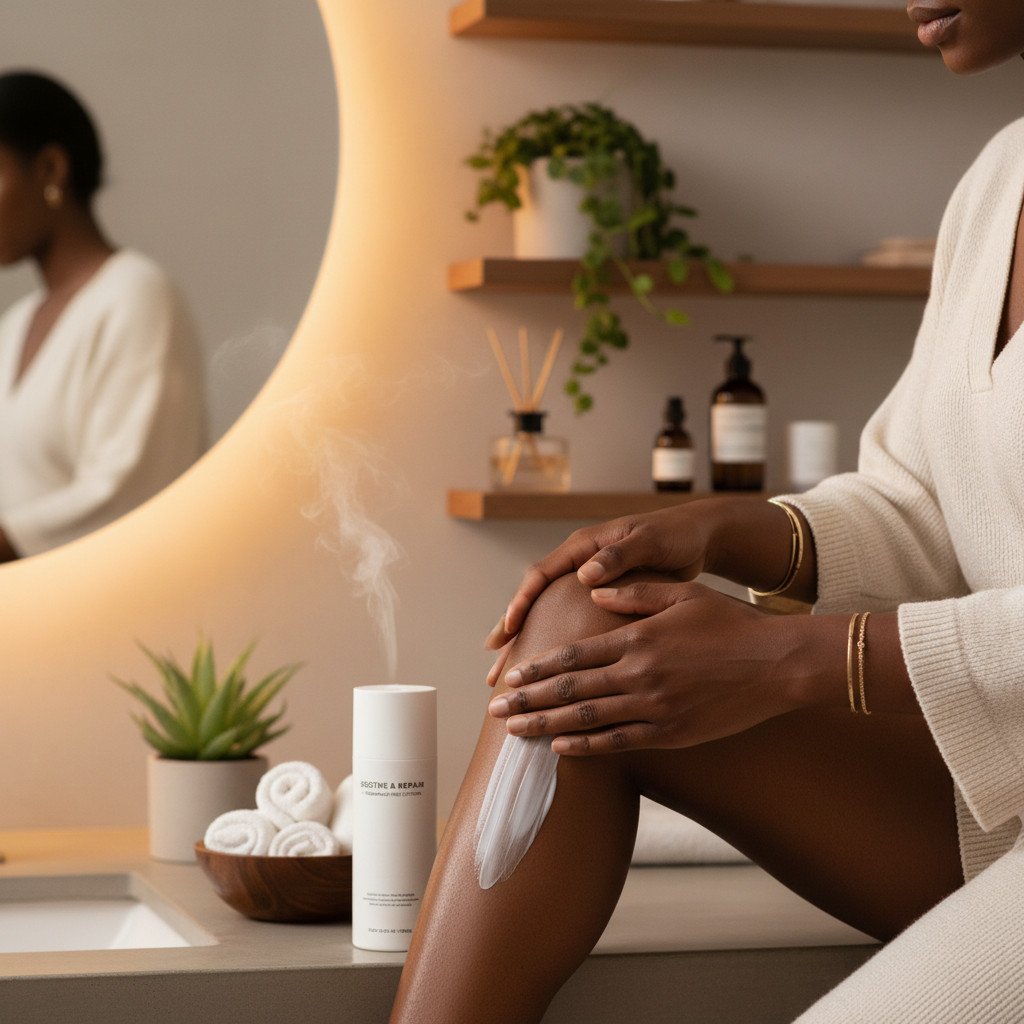
Final Thoughts: Empowering Your Beauty Choices
For Black women with dark, melanin‑rich skin and coarse hair, the waxing vs sugaring decision is less about following a trend and more about protecting your skin from avoidable damage. It’s about making choices that align with your unique biology and personal comfort. Pay attention to how your body responds, ask direct questions about dark‑skin safety, and remember that you can always change your mind about how much hair you remove and which method you use. Your beauty journey is yours alone, and you have the power to define what self-care looks like for you.
Embrace the wisdom of your body. It communicates with you through sensations, reactions, and the way your skin looks and feels. Learning to interpret these signals is a profound act of self-love. Don’t be swayed by societal pressures or unrealistic beauty standards that may not serve your skin’s best interests. The goal is not perfection, but rather healthy, comfortable, and confident skin that reflects the inner radiance of who you are. This might mean finding a dedicated sugaring specialist who understands the intricacies of melanin-rich skin, or it might mean discovering that a combination of methods, or even a complete break from hair removal, is what truly brings you peace and skin clarity.
Above all, your comfort, health, and peace with your own body matter more than any expectation that your bikini line—or any part of you—must look a certain way. Your journey with hair removal is an evolving one, and it’s okay for your preferences and methods to change over time. Empower yourself with knowledge, advocate for your skin’s needs, and always choose what makes you feel beautiful, confident, and utterly at ease in your own skin. This is the essence of Black Beauty Basics: celebrating you, without compromise or stereotype.
Frequently Asked Questions
Is waxing or sugaring better for preventing bikini line razor bumps on dark skin?
Many people with dark, melanin‑rich skin and coarse hair find sugaring slightly less irritating because it tends to adhere more to hair than to skin and is removed in the direction of growth. However, results vary; what matters most is gentle technique, experienced hands, and consistent aftercare, whichever method you choose.
Which hurts more: waxing or sugaring?
Both waxing and sugaring can be painful, especially in sensitive areas like the bikini line, because hair is being removed from the root. Some people perceive sugaring as less painful over time, while others feel little difference; a good practitioner will work with your pain tolerance and pace.
Can I switch from waxing to sugaring if I keep getting dark marks?
If waxing leaves you with significant irritation or dark marks, trying sugaring with a practitioner familiar with dark skin can be a reasonable experiment. Give your skin time to heal between methods and focus on gentle exfoliation and moisturization to support recovery during the transition.
How often should I wax or sugar to reduce ingrowns?
Many people space sessions about four to six weeks apart to allow enough hair regrowth for effective removal while avoiding constant trauma to the follicles. Shaving between sessions can reintroduce sharp hair tips and more bumps, so talk with your practitioner about the best schedule and strategies for your hair growth pattern.
Is it safe to wax or sugar if I already have ingrown hairs?
Waxing or sugaring directly over inflamed, infected, or very irritated ingrowns can worsen the situation, so those areas may need to be skipped or treated gently. Discuss any active ingrowns with your practitioner; in some cases, it may be better to treat and calm them first before resuming full‑area hair removal.
What if both waxing and sugaring cause dark marks on my dark skin?
If you consistently develop dark marks or scarring despite careful technique and aftercare, it may be that your skin doesn’t tolerate root‑removal methods well in certain areas. In that case, trimming, less aggressive methods, or changing how much hair you remove may be kinder to your skin in the long run.
Shop post-wax soothing serum on Amazon
Shop ingrown hair prevention lotion on Amazon
Shop hard wax beads for sensitive skin on Amazon
Shop salicylic acid body lotion on Amazon
Shop lactic acid body cream on Amazon
Continue exploring
Related posts:
 Preventing and Treating Razor Bumps on the Face, Underarms, and Bikini Line for Black Women
 Waxing vs Sugaring on Melanin-Rich Skin: A Gentle Guide to Hair Removal Choices
 Underarm and Leg Waxing and Sugaring on Dark Skin
 Bikini and Brazilian Waxing and Sugaring for PIH-Prone Skin
 Face Waxing and Sugaring on Dark Skin: Navigating Hair Removal with Care
 Shaving the Bikini Line on Dark Skin: Step‑by‑Step for Fewer Razor Bumps