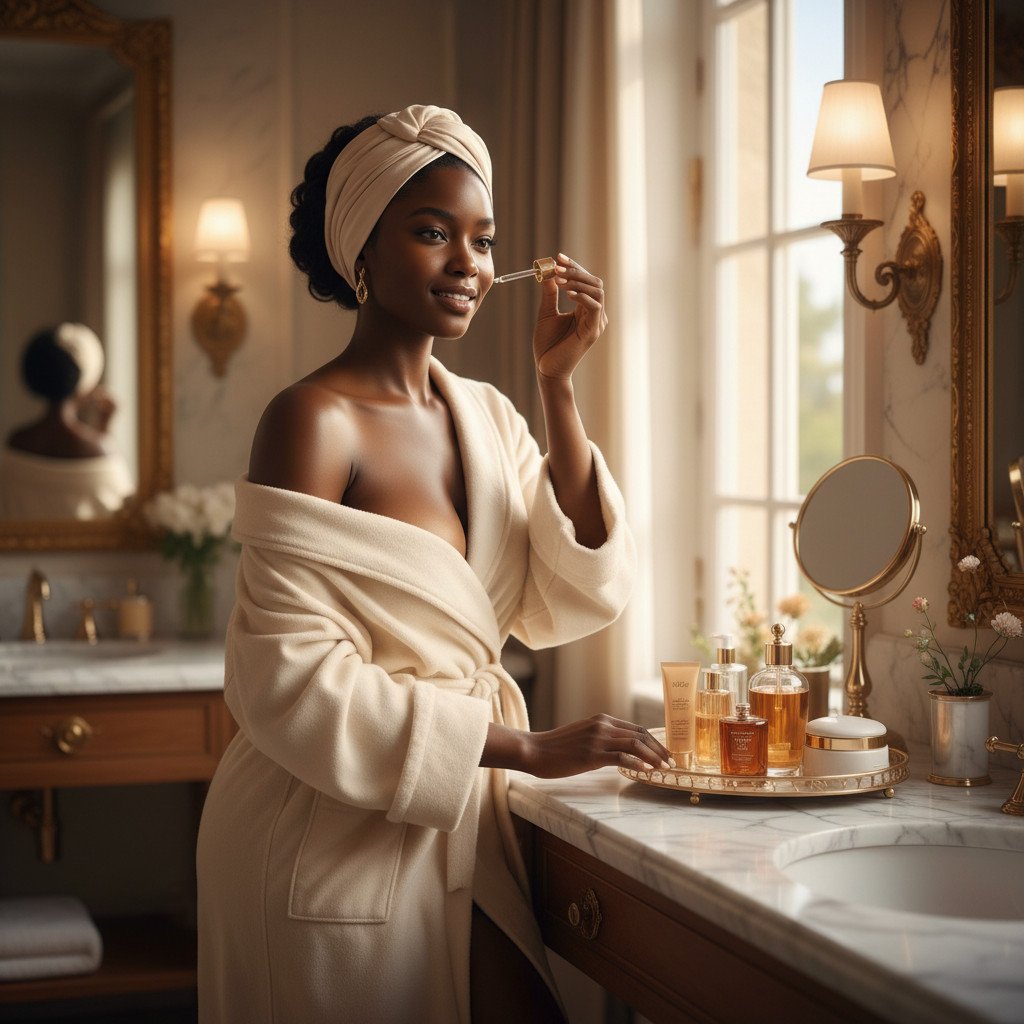
How Each Cycle Phase Affects Melanin-Rich Skin
For many of us, the monthly cycle feels like a familiar, if sometimes unpredictable, rhythm. We might notice that our skin acts up right before our period, or perhaps that it feels particularly radiant during certain weeks. These shifts are not mere coincidence; they are intricate conversations between our hormones and our skin, a dialogue that plays out differently for each of us. Far beyond just pre-period breakouts, our entire menstrual cycle — from the first day of bleeding to the day before the next period begins — orchestrates a symphony of changes within our bodies, and our skin is a primary stage for this performance.
Understanding these hormonal fluctuations is more than just academic curiosity; it’s a powerful tool for self-awareness and proactive skincare. For Black women and others with melanin-rich skin, this understanding is particularly crucial. While mainstream skincare narratives often focus on redness as a primary indicator of inflammation or irritation, our skin often communicates distress through different signals: shifts in texture, increased oiliness, heightened sensitivity, or, most notably, the lingering aftermath of dark spots (post-inflammatory hyperpigmentation). These subtle yet significant differences mean that a one-size-fits-all approach to cycle-aware skincare simply won’t suffice. This article is dedicated to unraveling the specific ways each phase of your cycle can influence your unique skin, empowering you to anticipate, understand, and respond to its changing needs with grace and intelligence.
We’ll explore how the ebb and flow of hormones like estrogen, progesterone, and testosterone can impact everything from your skin’s hydration levels and oil production to its resilience against environmental stressors and its propensity for breakouts and hyperpigmentation. By tuning into these internal rhythms, you can move beyond reactive skincare and embrace a more intuitive, cycle-synced approach that honors your body’s wisdom. This isn’t about rigid rules, but about developing a deeper connection to your skin and providing it with the targeted care it deserves, ensuring it remains vibrant, balanced, and healthy throughout your entire cycle.
What This Post Covers
This comprehensive guide delves into the intricate relationship between your menstrual cycle and your melanin-rich skin. We will break down each distinct phase of the cycle—menstrual, follicular, ovulatory, and luteal—and illuminate the specific hormonal shifts occurring within each. More importantly, we will explore how these hormonal changes manifest on the skin, paying particular attention to the unique ways these effects present themselves on darker skin tones. You’ll gain a deeper understanding of how fluctuations in estrogen, progesterone, and other hormones can influence everything from your skin’s hydration and oil production to its sensitivity, resilience, and susceptibility to issues like breakouts and hyperpigmentation.
We’ll move beyond generalized notions of “period skin” to offer a nuanced perspective on how each phase contributes to your skin’s overall behavior. This includes discussing why your skin might feel particularly dry or sensitive during your period, why it often appears more radiant during the follicular phase, and why the luteal phase can be a prime time for increased oiliness, congestion, and the development of dark spots. Crucially, we will highlight the differences in how these changes are perceived and addressed in melanin-rich skin, where inflammation might present as tenderness or textural changes rather than overt redness, and where the risk of persistent post-inflammatory hyperpigmentation (PIH) is a significant concern. Our aim is to provide you with practical insights and actionable knowledge, empowering you to anticipate your skin’s needs and adapt your skincare routine accordingly, fostering a more harmonious relationship with your body’s natural rhythms.
Why cycle phases can change skin at all
The human body is an exquisitely interconnected system, and the menstrual cycle is a prime example of this intricate orchestration. Far from being an isolated event, your cycle is a complex hormonal dance that influences virtually every system in your body, including your skin. The primary players in this hormonal symphony are estrogen, progesterone, and, to a lesser extent, androgens (like testosterone). These hormones don’t just regulate ovulation and menstruation; they also have receptors in skin cells, meaning they directly communicate with and influence skin function.
Estrogen, often considered the “skin-friendly” hormone, tends to peak during the follicular and ovulatory phases. It plays a crucial role in maintaining skin hydration by boosting hyaluronic acid production and improving the skin’s barrier function. It also stimulates collagen production, contributing to skin elasticity and a youthful appearance. When estrogen levels are high, skin often feels plumper, more hydrated, and appears more radiant. Conversely, when estrogen levels dip, such as during the menstrual and late luteal phases, skin can become drier, duller, and more prone to sensitivity.
Progesterone, which rises significantly after ovulation during the luteal phase, has a more complex relationship with the skin. While essential for preparing the uterus for pregnancy, its influence on skin can be less favorable for some. Progesterone can stimulate sebum (oil) production, leading to increased oiliness and a higher likelihood of clogged pores and breakouts. It can also cause a slight increase in body temperature, which might contribute to a feeling of warmth or sensitivity in the skin. The interplay between rising progesterone and falling estrogen in the luteal phase often creates the perfect storm for pre-period skin concerns.
Androgens, though present in smaller amounts in women, also fluctuate throughout the cycle. While their levels don’t typically see dramatic peaks and valleys like estrogen and progesterone, the *ratio* of androgens to other hormones can shift. When estrogen is low and progesterone is high (as in the luteal phase), the relative influence of androgens can become more pronounced. Androgens are potent stimulators of sebum production and can contribute to follicular inflammation, making them key players in cycle-linked acne. Understanding these hormonal shifts is the foundation for comprehending why your skin’s behavior can feel like a monthly roller coaster.
Menstrual phase: sensitivity, dryness, or reactivity during bleeding
The menstrual phase, which marks the beginning of your cycle, is characterized by the shedding of the uterine lining and, hormonally, by the lowest levels of both estrogen and progesterone. This significant dip in key hormones has a profound impact on your skin, often making it feel more vulnerable and reactive. For many with melanin-rich skin, this phase can bring increased sensitivity, dryness, and a heightened risk of irritation, which can manifest as textural changes or a duller complexion rather than overt redness.
Hormonal Landscape and Skin Impact
During menstruation, estrogen levels are at their lowest point. As we discussed, estrogen is vital for maintaining skin hydration by supporting the skin’s natural moisturizing factors and barrier function. With estrogen at its nadir, the skin’s ability to retain moisture is compromised. This can lead to a noticeable increase in dryness, flakiness, and a feeling of tightness. The skin barrier, which acts as your body’s first line of defense against environmental aggressors and moisture loss, can also become weaker, making your skin more susceptible to irritants and allergens.
Progesterone levels are also low at the start of menstruation, having peaked and then declined sharply just before your period begins. While the drop in progesterone might seem like a relief after the luteal phase’s oiliness, the combined low levels of both major hormones leave the skin in a state of reduced resilience. This hormonal trough can also impact microcirculation, potentially leading to a slightly duller complexion or a less vibrant appearance due to reduced blood flow to the skin’s surface.
Manifestations on Melanin-Rich Skin
On melanin-rich skin, the increased sensitivity and dryness of the menstrual phase can present in several ways. You might notice your skin feels rougher to the touch, with a less smooth texture. Areas prone to dryness, such as the cheeks or around the mouth, may feel particularly tight or even appear ashy. While redness might not be the primary visual cue, you might experience a heightened sensation of tenderness or stinging when applying certain products that usually feel fine. Existing skin conditions, such as eczema or rosacea (which can affect melanin-rich skin, though often misdiagnosed), may also flare up during this period of decreased skin barrier integrity and increased sensitivity.
Furthermore, any inflammation that does occur, perhaps from a lingering breakout from the luteal phase or an environmental irritant, carries a higher risk of leading to post-inflammatory hyperpigmentation (PIH). With the skin barrier compromised, the healing process might be slower, and the inflammatory response could be more pronounced, increasing the likelihood of those stubborn dark spots that are a significant concern for our community. Therefore, gentle, hydrating, and barrier-supporting care is paramount during this vulnerable phase.
Routine Implications for the Menstrual Phase
- Focus on Gentle Cleansing: Opt for a creamy, hydrating cleanser that doesn’t strip the skin of its natural oils. Avoid harsh exfoliants or foaming cleansers that can exacerbate dryness and sensitivity.
- Intense Hydration: Layer hydrating serums containing ingredients like hyaluronic acid, glycerin, or ceramides. Follow with a rich, occlusive moisturizer to lock in moisture and support the compromised skin barrier. Consider incorporating a facial oil for an extra boost of nourishment.
- Soothing and Calming Ingredients: Look for products with ingredients known for their anti-inflammatory and soothing properties, such as centella asiatica (Cica), colloidal oatmeal, niacinamide, or panthenol. These can help reduce reactivity and support skin healing.
- Sun Protection is Non-Negotiable: Even with sensitive skin, daily broad-spectrum SPF is crucial to protect against UV damage, which can worsen existing hyperpigmentation and trigger new dark spots. Choose a mineral-based sunscreen if chemical filters cause irritation.
- Avoid Harsh Actives: It’s often best to temporarily scale back on potent actives like retinoids, strong AHAs/BHAs, or vitamin C during this phase if your skin feels particularly reactive. Reintroduce them gradually once your skin feels more resilient.
By understanding the unique challenges your skin faces during the menstrual phase, you can proactively adjust your routine to provide the gentle, nurturing care it needs, minimizing discomfort and protecting against potential long-term issues like hyperpigmentation.
Follicular phase: recovery, steadier skin, and why some readers feel clearer
Following the menstrual phase, the follicular phase begins, overlapping with menstruation and extending until ovulation. This period is often characterized by a gradual but steady rise in estrogen, marking a significant shift in your skin’s behavior. As estrogen levels begin their ascent, many women with melanin-rich skin find that their complexion starts to recover, feeling more balanced, resilient, and often appearing clearer and more vibrant. This is a time of renewal for the skin, making it an opportune moment to support its natural regenerative processes.
Hormonal Landscape and Skin Impact
The defining hormonal event of the follicular phase is the increasing production of estrogen. As the ovaries prepare to release an egg, estrogen levels steadily climb, reaching a peak just before ovulation. This surge in estrogen is a boon for the skin. Estrogen stimulates collagen production, which improves skin elasticity and firmness. It also enhances the skin’s ability to produce hyaluronic acid, a powerful humectant that draws and holds moisture, leading to improved hydration and a plumper appearance. Furthermore, estrogen helps to strengthen the skin barrier, making it more robust and less susceptible to environmental stressors and moisture loss.
During this phase, progesterone levels remain low, and androgen activity is typically balanced by the rising estrogen. This hormonal equilibrium contributes to a more stable skin environment. The dryness and sensitivity experienced during menstruation begin to subside, and the skin’s natural healing processes are enhanced. This makes the follicular phase an ideal time for skin recovery and for addressing any lingering concerns from previous phases, such as post-inflammatory hyperpigmentation.
Manifestations on Melanin-Rich Skin
For melanin-rich skin, the follicular phase often brings a welcome sense of calm and clarity. You might notice that your skin feels less reactive and more resilient. The dullness from the menstrual phase often gives way to a more even-toned, radiant complexion. Hydration levels improve, making the skin feel softer and smoother. Any tenderness or sensitivity typically diminishes, allowing for a broader range of skincare product tolerance. This is also a period where the skin’s natural healing capabilities are optimized, which can be particularly beneficial for fading existing dark spots.
Because oil production is typically balanced (not excessively low as in menstruation, nor excessively high as in the luteal phase), breakouts are less common during this time. The improved skin barrier function means less irritation and inflammation, which in turn reduces the risk of new hyperpigmentation. Many find that their makeup applies more smoothly, and their natural glow is more apparent. This phase often feels like a “good skin” window, a time when the skin is generally well-behaved and responsive to supportive care.
Routine Implications for the Follicular Phase
- Gentle Exfoliation: With a stronger skin barrier and less sensitivity, this is an excellent time to reintroduce gentle chemical exfoliants (like AHAs or PHAs) a few times a week. This helps to remove dead skin cells, improve texture, and enhance radiance, all while aiding in the fading of dark spots.
- Focus on Brightening and Even Tone: Incorporate ingredients known for their brightening properties and ability to address hyperpigmentation. Vitamin C, alpha arbutin, kojic acid, and tranexamic acid can be particularly effective during this phase, as the skin is more receptive to their benefits.
- Continue Hydration and Barrier Support: While skin is less dry, maintaining good hydration is still key. Continue using hydrating serums and moisturizers to support the healthy skin barrier and capitalize on estrogen’s hydrating effects.
- Reintroduce Actives: If you paused retinoids during your period, this is a good time to gradually reintroduce them. Retinoids promote cell turnover and collagen production, further enhancing skin clarity and elasticity. Start with lower concentrations or less frequent application if you’re new to them or have sensitive skin.
- Consistent Sun Protection: Daily broad-spectrum SPF remains critical. Protecting your skin from UV radiation is the single most important step in preventing new dark spots and ensuring the efficacy of your brightening treatments.
The follicular phase is a time to leverage your body’s natural inclination towards skin health. By focusing on gentle exfoliation, brightening, and consistent care, you can maximize your skin’s radiance and work proactively on achieving an even, clear complexion, setting a strong foundation for the rest of your cycle.
Ovulation window: glow, resilience, and where that story can be oversimplified
The ovulation window, typically lasting 24-48 hours around the release of an egg, is often touted as the peak of “glowy skin.” And for good reason: estrogen levels are at their absolute highest, creating a temporary but noticeable boost in skin vitality. However, while many experience enhanced radiance and resilience, it’s essential to understand that this phase, like all others, is not without its nuances, especially for melanin-rich skin. The “ovulation glow” story, while largely true, can sometimes oversimplify the complex interplay of hormones and individual skin responses.
Hormonal Landscape and Skin Impact
Just before and during ovulation, estrogen reaches its highest point of the entire cycle. This estrogen surge is responsible for the characteristic “ovulation glow.” High estrogen levels translate to maximum skin hydration, as hyaluronic acid production is at its peak. The skin barrier is typically robust and strong, offering excellent protection. Collagen production is also stimulated, contributing to plumpness and elasticity. Blood flow to the skin’s surface may also increase, giving a healthy flush and vibrant appearance.
However, it’s not just estrogen at play. The surge in Luteinizing Hormone (LH) triggers ovulation, and shortly after, progesterone begins to rise. While estrogen is still dominant, the initial rise in progesterone can start to subtly influence sebum production in some individuals, though usually not enough to cause immediate issues. More importantly, testosterone levels can also experience a small, temporary peak around ovulation. While this is a normal part of the cycle, in some individuals, this brief androgen surge, combined with the subsequent rise in progesterone, can lay the groundwork for increased oiliness and potential congestion that will become more apparent in the luteal phase.
Manifestations on Melanin-Rich Skin
For many with melanin-rich skin, the ovulation window truly delivers on the promise of a “glow.” Skin often appears exceptionally radiant, plump, and smooth. Hydration levels are optimal, leading to a supple feel and a dewy finish. The skin barrier is strong, meaning it’s less reactive and more resilient to environmental stressors. This can be a time when the skin feels its absolute best, with an even tone and a natural luminosity that requires less makeup.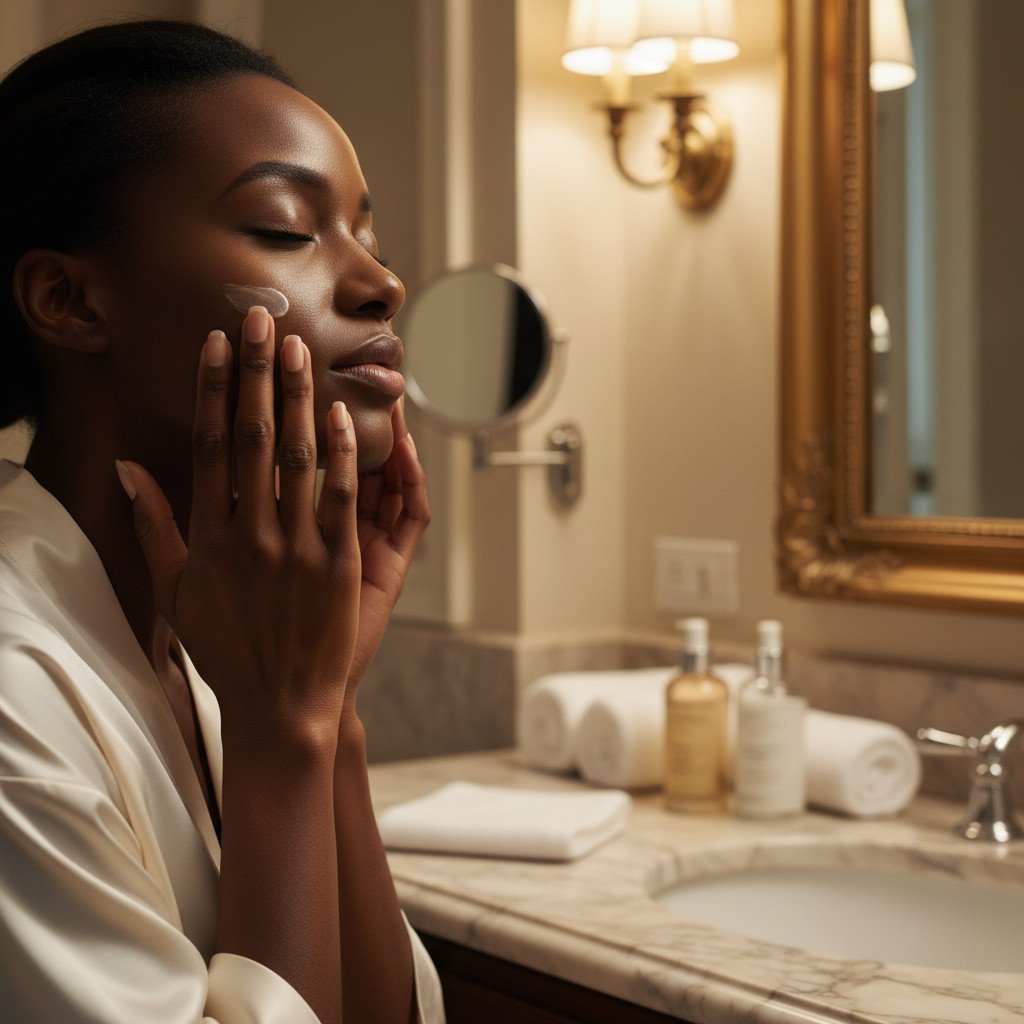
However, the oversimplification comes in assuming this glow is universal and without potential downsides. For some, particularly those prone to hormonal fluctuations or with underlying conditions, the subtle shifts in testosterone or the very early rise in progesterone might trigger a slight increase in oiliness, even if it’s not yet problematic. While redness isn’t typically a concern, any underlying inflammation from previous breakouts might be less visible due, but the potential for lingering dark spots remains. The skin’s heightened resilience means it can generally tolerate more, but it’s not an invitation for aggressive treatments.
Routine Implications for the Ovulation Window
- Maintain and Enhance Radiance: Capitalize on your skin’s natural glow. Continue with your brightening serums (like Vitamin C) and gentle exfoliants to keep the complexion vibrant and even-toned.
- Optimal Hydration: While skin is naturally hydrated, don’t slack on your moisturizing routine. Support this optimal state with lightweight, humectant-rich serums and moisturizers to lock in that dewy finish.
- Protection is Key: With robust skin, it’s easy to feel invincible, but consistent broad-spectrum SPF is always essential to protect against UV damage and preserve your radiant complexion, preventing the formation of new dark spots.
- Consider Targeted Treatments: If you use more potent actives like retinoids, this phase is often a good time to apply them, as the skin’s resilience can better tolerate them. However, always listen to your skin and avoid overdoing it.
- Prepare for the Luteal Phase: While enjoying the glow, subtly start preparing for the upcoming luteal phase. Ensure your pores are clear with regular, gentle cleansing, and consider incorporating a purifying mask once or twice if you’re prone to congestion. This proactive step can help mitigate future breakouts.
The ovulation window is a beautiful time to celebrate your skin’s vitality. By understanding the underlying hormonal mechanisms and acknowledging the subtle individual variations, you can maximize this period of natural radiance while also subtly laying the groundwork for a smoother transition into the next phase.
Luteal phase: oil, congestion, tenderness, and dark-spot risk on melanin-rich skin
The luteal phase, which spans from ovulation until the start of your next period, is often the most challenging time for skin, particularly for those with melanin-rich complexions. This phase is characterized by a significant shift in hormonal balance, leading to increased oil production, potential congestion, heightened sensitivity, and a substantial risk of post-inflammatory hyperpigmentation (PIH). It’s during this period that many women experience the dreaded “pre-period breakouts” and a general sense of their skin feeling less cooperative.
Hormonal Landscape and Skin Impact
After ovulation, the ruptured follicle transforms into the corpus luteum, which begins to produce large amounts of progesterone. Progesterone levels steadily rise throughout the luteal phase, peaking about a week after ovulation, and then sharply decline just before menstruation if pregnancy does not occur. Simultaneously, estrogen levels, which peaked at ovulation, begin a gradual decline throughout most of the luteal phase, eventually dropping significantly alongside progesterone.
This hormonal environment creates a perfect storm for skin concerns. Progesterone is known to stimulate the sebaceous glands, leading to an increase in sebum (oil) production. This increased oiliness can make the skin feel greasier, appear shinier, and significantly contribute to clogged pores. When pores become clogged with excess sebum, dead skin cells, and bacteria, it creates an ideal environment for the development of breakouts – from blackheads and whiteheads to painful cystic acne. Furthermore, progesterone can cause a slight swelling or thickening of the skin, which can make pores appear smaller and thus more prone to becoming blocked.
As estrogen levels decline, the skin’s natural hydration and barrier function can be compromised. This combination of increased oiliness *and* potential dehydration can be particularly tricky, as the skin might feel oily on the surface but tight or dry underneath. The relative dominance of androgens (even if their absolute levels aren’t dramatically rising) due to the drop in estrogen also contributes to increased sebum production and inflammation, further exacerbating acne potential. This inflammatory response, coupled with compromised barrier function, significantly elevates the risk of persistent dark spots on melanin-rich skin.
Manifestations on Melanin-Rich Skin
For melanin-rich skin, the luteal phase often brings a noticeable increase in oiliness, particularly in the T-zone. Pores may appear larger or more congested, and the skin can feel thicker or less smooth. Breakouts are common, often appearing as deep, tender cysts along the jawline, chin, and around the mouth, or as smaller papules and pustules across the face. These breakouts, even seemingly minor ones, can trigger a significant inflammatory response in melanin-rich skin, leading to persistent post-inflammatory hyperpigmentation (PIH) that can last for weeks or even months.
Beyond breakouts, the skin can feel more sensitive and reactive. While redness might not be the most prominent visual cue, you might experience increased tenderness, warmth, or a sensation of irritation. Any existing skin conditions, like eczema or rosacea, might also be more prone to flaring. The skin’s overall texture can become uneven, and a healthy glow may be replaced by a duller, more congested appearance. The challenge for melanin-rich skin is not just managing the breakouts themselves, but proactively mitigating the dark spots that often follow, which can be more distressing and difficult to treat than the initial blemish.
Routine Implications for the Luteal Phase
- Control Excess Oil: Incorporate gentle oil-controlling ingredients like niacinamide, zinc, or clay masks a few times a week. Use a lightweight, non-comedogenic moisturizer to avoid adding to congestion.
- Target Breakouts Proactively: This is the time to lean into gentle exfoliation with BHAs (salicylic acid), which are oil-soluble and can penetrate pores to clear congestion. Introduce them gradually if you’re sensitive. Spot treatments with salicylic acid or benzoyl peroxide can be used for emerging blemishes.
- Anti-Inflammatory Focus: Prioritize ingredients that calm inflammation to reduce the severity of breakouts and minimize the risk of PIH. Look for centella asiatica, green tea extract, or licorice root.
- Maintain Hydration (without heaviness): Despite increased oil, skin can still be dehydrated. Use lightweight, water-based hydrating serums to keep skin balanced without clogging pores.
- Strict Sun Protection: This is arguably the most critical step during the luteal phase for melanin-rich skin. UV exposure can darken existing PIH and make new dark spots more prominent and long-lasting. Use a broad-spectrum SPF 30+ daily, without fail.
- Avoid Picking: Resist the urge to pick or squeeze blemishes. This can worsen inflammation, spread bacteria, and almost guarantee a dark spot.
- Consider Retinoids (with caution): If you use retinoids, continue them as they promote cell turnover and help prevent clogged pores. However, if your skin becomes overly sensitive, consider reducing frequency or strength temporarily.
Navigating the luteal phase requires a strategic and proactive approach. By anticipating the hormonal shifts and their impact, you can adjust your routine to manage oil, prevent breakouts, calm inflammation, and most importantly, protect your melanin-rich skin from the lasting legacy of dark spots. This phase is a testament to the importance of a cycle-aware skincare routine.
Why dark skin may show these shifts differently than textbook redness-heavy examples
The vast majority of conventional skincare education and imagery is rooted in observations of lighter skin tones, where inflammation typically manifests as visible redness (erythema). This creates a significant gap in understanding for individuals with melanin-rich skin, where the signs of irritation, inflammation, and even hormonal shifts can present in entirely different, and often more nuanced, ways. Recognizing these distinctions is not just about aesthetics; it’s crucial for accurate assessment, effective treatment, and preventing long-term skin concerns unique to our complexions.
The Nuance of Inflammation on Melanin-Rich Skin
On darker skin tones, the presence of more melanin pigments can mask the underlying redness that would be obvious on lighter skin. Instead of a bright red flush, inflammation might appear as a deeper, purplish, brownish, or grayish discoloration. This color shift can be subtle and easily missed by an untrained eye or by those relying solely on textbook examples. What might look like a mild irritation on lighter skin could be a significant inflammatory response on darker skin, simply presenting differently.
Beyond color, inflammation on melanin-rich skin often manifests through other sensory and textural cues:
- Tenderness and Pain: Inflamed areas might feel significantly more tender, sensitive, or even painful to the touch, even if there’s no visible redness. This heightened sensation is a critical indicator of underlying irritation.
- Swelling and Puffiness: Localized swelling or puffiness can be a clear sign of inflammation, indicating fluid accumulation in the affected area.
- Heat: The skin might feel warmer to the touch in inflamed areas, signaling increased blood flow and immune activity.
- Textural Changes: Roughness, bumpiness, or an uneven skin texture can be a direct result of inflammation. The skin might feel less smooth, or existing pores might appear more prominent and congested.
- Increased Oiliness or Dry Patches: Inflammation can disrupt the skin barrier, leading to either localized excessive oil production as the skin tries to compensate, or conversely, areas of increased dryness and flakiness.
These non-redness cues are vital to observe. A breakout on melanin-rich skin, for instance, might not look angrily red, but it could be deeply tender, slightly swollen, and leave behind a stubborn dark spot that is far more noticeable and long-lasting than the initial blemish.
The Lingering Legacy: Post-Inflammatory Hyperpigmentation (PIH)
One of the most significant differences, and a primary concern for melanin-rich skin, is the propensity for post-inflammatory hyperpigmentation (PIH). Due to the higher concentration and activity of melanocytes (the cells that produce melanin), any form of inflammation, trauma, or irritation—whether from a breakout, a scratch, a chemical peel, or even excessive sun exposure—can trigger these cells to overproduce melanin. The result is a dark spot that can range from light brown to deep black, often lasting for months or even years, long after the initial inflammation has resolved.
This means that while the initial inflammatory response might be less visually dramatic in terms of redness, the aftermath can be far more impactful and distressing. A seemingly minor hormonal breakout in the luteal phase, for example, might quickly fade on lighter skin, but on melanin-rich skin, it can leave behind a persistent dark mark that requires dedicated treatment and patience. This heightened risk of PIH underscores the importance of gentle, anti-inflammatory care throughout the entire cycle, especially during phases prone to breakouts or sensitivity.
Implications for Skincare and Self-Care
Understanding these differences empowers you to:
- Trust Your Sensations: If your skin feels tender, warm, or irritated, even without visible redness, acknowledge it as a sign of inflammation and adjust your routine accordingly.
- Focus on Prevention: Proactive anti-inflammatory and barrier-supporting strategies are paramount to prevent the initial inflammation that leads to PIH.
- Prioritize Sun Protection: UV radiation is a major trigger and aggravator of PIH. Consistent, broad-spectrum sun protection is non-negotiable for preventing and managing dark spots.
- Seek Knowledgeable Professionals: When consulting dermatologists or estheticians, ensure they have experience with melanin-rich skin and understand how inflammation and other conditions present uniquely.
- Avoid Aggressive Treatments: Be wary of overly harsh or irritating products, as they can inadvertently trigger inflammation and subsequent PIH. Gentle, consistent care often yields better long-term results.
By shifting our perspective from a redness-centric view to one that encompasses the full spectrum of how melanin-rich skin communicates, we can provide more targeted, effective, and compassionate care, preserving its health and vibrancy throughout all phases of the cycle.
How to Navigate This Topic
Navigating the topic of cycle-aware skincare for melanin-rich skin requires a blend of self-observation, patience, and a willingness to adapt. It’s not about rigid adherence to a strict schedule, but rather about developing an intuitive understanding of your body’s unique rhythms and how they influence your skin. Here’s a practical guide on how to approach this journey with grace and intelligence.
1. Become a Skin Detective: Track Your Cycle and Skin
The first and most crucial step is to become intimately familiar with your own cycle and how your skin responds to it. While general patterns exist, every body is unique. Start by tracking your menstrual cycle using a dedicated app or a simple journal. Note the start and end dates of your period, and if possible, track ovulation (e.g., through basal body temperature, ovulation predictor kits, or cervical mucus changes). Alongside this, diligently observe your skin daily:
- Morning and Evening Observations: Note how your skin feels (oily, dry, tight, sensitive, balanced).
- Visual Cues: Observe its appearance (radiant, dull, congested, breakout-prone, even-toned).
- Specific Concerns: Pay attention to breakouts (where, when, type), dark spots (new or fading), texture changes, and any areas of tenderness or irritation.
- Product Response: Note if certain products feel more or less effective, or if they cause irritation during specific phases.
After a few cycles, you’ll likely start to see patterns emerging. You might notice that your skin consistently feels oilier in the week before your period, or that it’s most sensitive during menstruation. This personalized data is invaluable.
2. Understand the Hormonal Basics (Without Getting Overwhelmed)
While you don’t need to be an endocrinologist, a basic understanding of how estrogen, progesterone, and androgens fluctuate across the cycle, and their general impact on skin, will empower your observations. Remember:
- Estrogen: Generally good for hydration, collagen, and barrier strength (peaks before ovulation).
- Progesterone: Can increase oil, congestion, and sensitivity (peaks after ovulation).
- Androgens: Can increase oil and breakouts (relative influence higher when estrogen is low).
This foundational knowledge helps you connect the dots between your internal state and external skin manifestations.
3. Adapt, Don’t Overhaul: Cycle-Sync Your Skincare
Cycle-syncing your skincare doesn’t mean having four completely different routines. Instead, it’s about making subtle, strategic adjustments to your core routine based on your skin’s needs in each phase. Think of it as a dimmer switch, not an on/off button:
- Menstrual Phase: Dim down actives, amp up hydration and soothing ingredients. Prioritize barrier repair.
- Follicular Phase: Gradually brighten and gently exfoliate. Reintroduce actives. Focus on fading PIH.
- Ovulation Window: Maintain the glow, reinforce hydration, and ensure consistent protection.
- Luteal Phase: Introduce oil control, target congestion, and double down on anti-inflammatory and PIH-preventing strategies.
The goal is to support your skin where it’s weakest and enhance it where it’s strongest, rather than fighting against your body’s natural processes.
4. Prioritize Gentle & Anti-Inflammatory Care (Always)
For melanin-rich skin, the risk of post-inflammatory hyperpigmentation is ever-present. This means that a gentle, anti-inflammatory approach should be the cornerstone of your routine, regardless of the cycle phase. Avoid harsh scrubs, over-exfoliation, or irritating ingredients that can trigger inflammation. When inflammation does occur, focus on calming it quickly to minimize the risk of dark spots.
5. Sun Protection is Your Best Friend (Every Single Day)
This cannot be stressed enough. UV radiation is a major trigger for hyperpigmentation and can darken existing dark spots, making them more stubborn. A broad-spectrum SPF 30 or higher, applied daily, rain or shine, is non-negotiable for protecting melanin-rich skin and supporting an even skin tone throughout your cycle.
6. Listen to Your Body, Not Just the Calendar
Remember that not every cycle is a perfect 28-day textbook example. Stress, diet, travel, sleep, and underlying health conditions can all influence your hormonal fluctuations and, consequently, your skin. If your cycle is irregular, or if you’re experiencing unusual skin behavior, listen to your body’s cues rather than strictly adhering to a calendar. The goal is body awareness, not rigid adherence.
7. Seek Professional Guidance When Needed
If you’re struggling with persistent hormonal breakouts, severe sensitivity, or significant hyperpigmentation, don’t hesitate to consult a dermatologist who has experience treating melanin-rich skin. They can offer personalized advice, prescription treatments, and help rule out any underlying conditions like PCOS or endometriosis that might be contributing to your skin concerns.
By adopting this holistic and personalized approach, you can transform your relationship with your skin, moving from frustration to empowerment. Understanding how your cycle impacts your melanin-rich skin allows you to nurture it intelligently, ensuring it remains healthy, radiant, and resilient through every phase of your journey.
Where to Go Next
Understanding how your menstrual cycle impacts your melanin-rich skin is a powerful first step towards truly personalized skincare. This knowledge empowers you to anticipate your skin’s needs and respond proactively. To deepen your understanding and build a truly cycle-aware routine, explore these related resources:
- Period-Linked Flares and Routine Timing: This cluster hub provides a comprehensive overview of how hormonal shifts across your cycle can affect your skin and hair, offering a foundational understanding for adapting your beauty regimen.
- Catamenial Hyperpigmentation and Dark Spot Flares on Dark Skin: Dive deeper into the specific phenomenon of cycle-linked dark spots, understanding why they occur and how to manage them effectively.
- Cycle-Linked Acne, Eczema, and HS Flares on Melanin-Rich Skin: Learn how hormonal fluctuations can exacerbate common skin conditions like acne, eczema, and hidradenitis suppurativa, and discover strategies for managing these flares.
- Building a Cycle-Aware Skin Routine for Dark Skin: Translate your newfound knowledge into actionable steps by learning how to construct a flexible skincare routine that adapts to your skin’s changing needs throughout each cycle phase.
- When Period-Linked Flares Signal Something More: PCOS, Endometriosis, and Beyond: Understand when your skin concerns might be indicative of deeper hormonal imbalances or underlying health conditions, and when to seek professional medical advice.
- Hormonal Skin and Hair: Explore our parent pillar page for a broader perspective on how hormones influence various aspects of your skin and hair health, offering a holistic view of hormonal wellness.
For more specific concerns related to hormonal conditions and general skin health, consider these additional resources:
- How Hormonal Acne from PCOS Looks on Dark Skin: If you suspect or have been diagnosed with PCOS, this article provides crucial insights into how the associated hormonal acne presents on melanin-rich skin.
- Barrier Repair and Moisture Balance: A healthy skin barrier is fundamental to managing cycle-linked skin changes. Learn essential strategies for maintaining and repairing your skin’s protective barrier.
- Building a Perimenopause & Menopause Skin Routine for Dark Skin: As your hormonal landscape evolves through different life stages, so too should your skincare. Prepare for or navigate the changes that come with perimenopause and menopause.
By exploring these interconnected topics, you’ll gain a comprehensive toolkit for understanding and nurturing your melanin-rich skin through every hormonal shift and life phase.
Quick Principles
Understanding the intricate dance between your menstrual cycle and your melanin-rich skin can feel complex, but a few core principles can guide your approach. These quick principles distill the essential takeaways, offering a practical framework for navigating your skin’s monthly journey with confidence and grace.
-
Your Skin is Not Static: It Responds to Hormonal Rhythms
Acknowledge that your skin’s needs and behavior will naturally shift throughout the month. It’s not about having “good” or “bad” skin, but about recognizing its dynamic nature in response to fluctuating estrogen, progesterone, and androgen levels. Embrace this fluidity rather than fighting against it.
-
Melanin-Rich Skin Shows Inflammation Differently
Move beyond the textbook examples of redness. On darker skin tones, inflammation often manifests as tenderness, swelling, textural changes, warmth, or a deeper discoloration (purplish, brownish, grayish) rather than overt redness. Learn to trust these subtle cues as signals of irritation or distress.
-
Post-Inflammatory Hyperpigmentation (PIH) is a Primary Concern
Due to higher melanocyte activity, any inflammation, breakout, or irritation carries a significant risk of leaving behind stubborn dark spots. Preventing inflammation and treating it quickly and gently are paramount to minimizing PIH. This makes gentle, anti-inflammatory care a non-negotiable foundation.
-
Hydration and Barrier Support are Always Crucial
Regardless of the phase, maintaining a healthy skin barrier and optimal hydration levels is fundamental. A strong barrier protects against irritants and moisture loss, while good hydration keeps skin supple and resilient. These are your skin’s first lines of defense and recovery.
-
Sun Protection is Non-Negotiable, Every Single Day
UV radiation is a major trigger and aggravator of hyperpigmentation. Consistent, broad-spectrum SPF 30+ is the single most important step in preventing new dark spots, fading existing ones, and protecting your skin’s overall health and even tone throughout all cycle phases.
-
Adapt Your Routine, Don’t Overhaul It
Cycle-aware skincare is about making strategic, subtle adjustments to your core routine. Scale back on strong actives during sensitive phases (menstrual), introduce gentle exfoliation and brightening during recovery (follicular), and focus on oil control and anti-inflammation during challenging phases (luteal). Think flexible, not rigid.
-
Listen to Your Individual Body and Skin
While general patterns exist, your unique cycle and skin responses are your most important guide. Track your observations, pay attention to how products feel, and adjust based on your personal experience. Stress, diet, and lifestyle also play a role, so consider the holistic picture.
-
Gentle is Always Better Than Aggressive
For melanin-rich skin, aggressive treatments or harsh products can often do more harm than good by triggering inflammation and subsequent PIH. Prioritize gentle cleansing, soothing ingredients, and slow, consistent progress over quick fixes.
By internalizing these quick principles, you empower yourself to care for your melanin-rich skin with intention and understanding, fostering a harmonious relationship with your body’s natural rhythms and maintaining a radiant, healthy complexion throughout your entire cycle.
| Cycle Phase | Hormonal Landscape (Key Hormones) | What You May Notice on Melanin-Rich Skin | Routine Implication Example |
|---|---|---|---|
| Menstrual Phase | Estrogen & Progesterone are lowest | Increased sensitivity, dryness, dullness, rough texture, tenderness. Higher risk of irritation and PIH from any inflammation. | Focus on gentle, hydrating cleansers and rich, barrier-repairing moisturizers. Scale back on strong actives. |
| Follicular Phase | Estrogen steadily rises | Skin feels more balanced, resilient, hydrated, and often clearer. Improved texture, natural radiance returns. Good time for fading existing PIH. | Reintroduce gentle chemical exfoliants (AHAs/PHAs) and brightening serums (Vitamin C, Alpha Arbutin). Continue consistent hydration. |
| Ovulation Window | Estrogen peaks, Progesterone begins to rise, slight Testosterone peak | “Glow” phase: skin is plump, hydrated, radiant, and resilient. Minimal sensitivity. May notice subtle increase in oiliness for some. | Maintain radiance with hydrating and antioxidant serums. Ensure consistent SPF. Can tolerate most actives well. |
| Luteal Phase | Progesterone rises significantly, Estrogen declines | Increased oiliness, congestion, breakouts (especially jawline/chin), tenderness, dullness. High risk of PIH from any inflammation. | Incorporate oil-controlling ingredients (Niacinamide, Zinc), BHAs for exfoliation. Prioritize anti-inflammatory care and strict SPF. |
Frequently Asked Questions
What is cycle-syncing skincare?
Cycle-syncing skincare is the practice of adjusting your beauty routine to align with the natural hormonal fluctuations of your menstrual cycle. It involves understanding how different hormone levels in each phase (menstrual, follicular, ovulatory, luteal) impact your skin’s needs and then adapting your product choices and treatment intensity accordingly to support its health and balance.
Why does my skin break out right before my period?
Breakouts before your period are common during the luteal phase, primarily due to the rise in progesterone and the decline in estrogen. Progesterone stimulates sebum (oil) production, which can lead to clogged pores, while the relative increase in androgen activity can further contribute to inflammation and acne formation, especially for melanin-rich skin where these breakouts often lead to persistent dark spots.
How does the “ovulation glow” work on dark skin?
The “ovulation glow” on dark skin is attributed to the peak in estrogen levels during the ovulatory phase. Estrogen enhances skin hydration, boosts collagen production, and strengthens the skin barrier, resulting in a naturally plump, radiant, and resilient complexion. While redness may not be visible, the skin appears exceptionally dewy, smooth, and vibrant.
Can hormonal changes cause dark spots on melanin-rich skin?
Yes, hormonal changes, particularly the inflammation triggered by cycle-linked breakouts or increased sensitivity, can absolutely cause or worsen dark spots (post-inflammatory hyperpigmentation or PIH) on melanin-rich skin. Melanin-rich skin is more prone to PIH because its melanocytes are more reactive, overproducing pigment in response to any form of irritation or trauma.
Should I use different products for each cycle phase?
You don’t necessarily need an entirely new set of products for each phase, but rather a flexible approach to your existing routine. This might involve increasing the frequency of certain treatments (like gentle exfoliation in the follicular phase), temporarily scaling back on strong actives during sensitive periods (menstrual phase), or incorporating targeted ingredients (like oil-controllers in the luteal phase) as needed.
What if my cycle is irregular? Can I still cycle-sync my skincare?
Yes, you can still practice cycle-aware skincare even with an irregular cycle. The key is to focus on daily observation of your skin’s immediate needs rather than strictly adhering to calendar dates. Pay close attention to cues like increased oiliness, sensitivity, or dryness, and adjust your routine in real-time based on how your skin feels and looks, rather than predicting it by a fixed schedule.
What is the most important thing to remember for melanin-rich skin during hormonal shifts?
The most important thing to remember for melanin-rich skin during hormonal shifts is the critical importance of preventing and quickly addressing inflammation, coupled with unwavering daily sun protection. Any inflammation carries a high risk of leading to persistent post-inflammatory hyperpigmentation, making gentle, anti-inflammatory care and consistent broad-spectrum SPF the cornerstones of a healthy, even-toned complexion.
Shop gentle hydrating cleanser on Amazon.
Shop niacinamide serum for dark skin on Amazon.
Shop mineral sunscreen SPF 50 for dark skin on Amazon.
INTERNAL LINKING OPPORTUNITIES
Period-Linked Flares and Routine Timing
Hormonal Skin and Hair
Catamenial Hyperpigmentation and Dark Spot Flares on Dark Skin
Cycle-Linked Acne, Eczema, and HS Flares on Melanin-Rich Skin
Building a Cycle-Aware Skin Routine for Dark Skin
When Period-Linked Flares Signal Something More: PCOS, Endometriosis, and Beyond
How Hormonal Acne from PCOS Looks on Dark Skin
Barrier Repair and Moisture Balance
Building a Perimenopause & Menopause Skin Routine for Dark Skin
Continue exploring
Related posts:
 Cycle-Linked Acne, Eczema, and HS Flares on Melanin-Rich Skin
 Hormonal-Pattern Acne on Melanin-Rich Skin: Jawline, Chin, and Cycle-Linked Flares
 Building a Cycle-Aware Skin Routine for Dark Skin
 How Heat Affects Natural Hair and Curl Patterns: Understanding the Science Behind the Sleek
 Caring for Straightened Hair and Handling Reversion: Nurturing Your Strands Through Every Phase
 The Science of Hair Growth – Understanding Your Hair's Growth Cycle