Building a Perimenopause/Menopause Skin Routine for Dark Skin: Nurturing Your Radiance Through Change
For many Black women, the journey through perimenopause and menopause brings with it a unique set of skin changes that can feel both unexpected and, at times, disheartening. The routines that once worked like a charm in your 30s or early 40s—perhaps a trusted cleanser, a favorite moisturizer, or a go-to active serum—may suddenly seem to fall short. Your skin might feel drier than ever before, prone to irritation, or simply not as resilient as it once was. This isn’t a sign that you’ve done anything wrong; rather, it’s a natural, physiological shift as your body navigates profound hormonal transitions. Estrogen, a key hormone for skin health, begins to fluctuate and eventually decline, impacting everything from collagen production and hydration levels to your skin’s ability to heal and protect itself.
In these phases of life, your melanin-rich skin, while often celebrated for its inherent resilience and slower visible aging, can become more vulnerable to specific concerns. You might notice an increase in dryness, a new sensitivity to products that were once benign, or a more pronounced appearance of hyperpigmentation and age spots that take longer to fade. The texture might feel less smooth, and the overall luminosity you’ve always cherished could seem diminished. It’s a period where your skin is calling for a different kind of attention—one that prioritizes gentle care, deep nourishment, and a strategic approach to maintaining its health and vibrancy. This isn’t about fighting aging; it’s about gracefully adapting to your skin’s evolving needs, understanding its signals, and providing it with the support it deserves.
This guide is crafted specifically for you, recognizing the unique beauty and challenges of melanin-rich skin during perimenopause and menopause. We’ll explore how to build a skincare routine that honors your skin’s new rhythm, focusing on simplification, efficacy, and a deep respect for your skin barrier. Instead of chasing fleeting trends or punishing your skin with aggressive treatments, we’ll lean into practices that foster hydration, soothe sensitivity, and gently address concerns like uneven tone and texture. Our aim is to empower you with the knowledge to create a regimen that feels luxurious, effective, and deeply aligned with your journey, ensuring your skin continues to reflect the radiant, confident woman you are.
What This Post Covers
This comprehensive guide will walk you through the essential elements of building a thoughtful and effective skincare routine tailored for melanin-rich skin during perimenopause and menopause. We will delve into the core principles that shift during these hormonal transitions, emphasizing the importance of hydration, robust barrier support, and a nuanced approach to managing pigment concerns. You’ll learn how to construct both a morning and evening routine that prioritizes gentle care while still delivering powerful results. We’ll explore the strategic and cautious integration of active ingredients, understanding when and how to scale back to prevent irritation and protect your skin’s delicate balance. Furthermore, we’ll discuss how to adapt your routine to your real life, ensuring it remains practical and sustainable, rather than an idealized, unattainable regimen. Our goal is to equip you with the knowledge and confidence to nurture your skin through these changes, maintaining its health, resilience, and radiant glow.
The New Priorities: Hydration, Barrier Support, Pigment Protection, and Consistency
As we navigate the landscape of perimenopause and menopause, the skin undergoes a profound transformation, primarily driven by the decline in estrogen. This hormonal shift doesn’t just subtly alter our complexion; it fundamentally redefines its needs and vulnerabilities. For melanin-rich skin, these changes can manifest distinctly, requiring a recalibration of our skincare priorities. The youthful exuberance of a robust skin barrier, ample natural hydration, and rapid cellular turnover begins to wane, making way for a new era where strategic care becomes paramount. Our focus must shift from aggressive treatments aimed at quick fixes to a more nurturing, protective, and consistent approach.
Deep Hydration as the Foundation
One of the most immediate and pervasive effects of declining estrogen is a reduction in the skin’s ability to retain moisture. Estrogen plays a crucial role in the production of hyaluronic acid, a powerful humectant, and in maintaining the integrity of the skin’s natural moisturizing factors (NMFs). As these levels drop, the skin can become noticeably drier, flakier, and feel tighter. Fine lines, which might have been barely perceptible before, can appear more pronounced due to dehydration. For melanin-rich skin, this dryness can also exacerbate issues like ashiness or a dull complexion, diminishing its natural luminosity. Therefore, deep and sustained hydration moves from being a beneficial addition to an absolute necessity. This isn’t just about applying a basic moisturizer; it’s about layering hydrating ingredients, choosing richer formulations, and ensuring your skin is constantly quenched from within and without. This foundational hydration helps plump the skin, restore comfort, and create a more supple canvas, making it more receptive to other treatments.
Fortifying the Skin Barrier
The skin barrier, our body’s first line of defense against environmental aggressors and moisture loss, also takes a hit during perimenopause and menopause. Estrogen contributes to the synthesis of ceramides, cholesterol, and fatty acids—the essential lipids that form the “mortar” between our skin cells, creating a strong, impermeable wall. With reduced estrogen, this barrier can become compromised, leading to increased transepidermal water loss (TEWL), heightened sensitivity, and a greater susceptibility to irritation. Products that once felt fine might now sting or cause redness. A weakened barrier also means that irritants, allergens, and pollutants can penetrate more easily, triggering inflammation, which, for melanin-rich skin, almost inevitably leads to post-inflammatory hyperpigmentation (PIH). Prioritizing barrier support means selecting products rich in ceramides, cholesterol, and fatty acids, avoiding harsh cleansers and exfoliants, and treating your skin with the utmost gentleness. A strong barrier is the bedrock of healthy, resilient skin, especially as it navigates these hormonal shifts.
Strategic Pigment Protection and Management
Melanin-rich skin is inherently more prone to hyperpigmentation, whether it’s from sun exposure, inflammation, or hormonal fluctuations like melasma. During perimenopause and menopause, the skin’s healing process slows down, meaning any hyperpigmentation that occurs tends to be more stubborn and takes longer to fade. Furthermore, hormonal shifts can sometimes trigger new or exacerbate existing melasma. This makes pigment protection and strategic management a critical priority. Consistent, broad-spectrum sun protection is non-negotiable, as UV radiation is the primary trigger for hyperpigmentation and can darken existing spots. Beyond sunscreen, incorporating gentle, pigment-aware ingredients that help to even skin tone without causing irritation is key. Aggressive treatments that might have been used in younger years to tackle dark spots can now backfire, leading to more inflammation and, paradoxically, more hyperpigmentation. The approach must be patient, consistent, and focused on prevention and gentle correction. For a deeper dive into this specific concern, you can explore our article on menopause hyperpigmentation, age spots, and melasma on dark skin.
The Power of Consistency and Patience
Finally, consistency and patience emerge as unspoken, yet profoundly important, priorities. The skin’s regenerative cycle slows down with age, meaning that changes—both positive and negative—take longer to manifest. A new product or routine won’t yield overnight miracles, and abandoning it too soon might mean missing out on its benefits. Similarly, sporadic use of beneficial ingredients will likely lead to suboptimal results. Consistency in your daily routine, from cleansing to sun protection, builds cumulative benefits, reinforcing the skin’s health over time. Patience is also crucial when addressing concerns like hyperpigmentation or dryness; these issues require sustained effort and a gentle hand. Embracing these new priorities—deep hydration, robust barrier support, strategic pigment management, and unwavering consistency—lays the groundwork for a skincare routine that truly nurtures and protects your melanin-rich skin through perimenopause and menopause, allowing your natural radiance to shine through every stage of life.
What an Everyday Morning Routine May Focus On
The morning routine during perimenopause and menopause for melanin-rich skin should be a testament to protection, hydration, and gentle preparation for the day ahead. Its primary objectives are to cleanse without stripping, infuse moisture, deliver antioxidant protection, and, critically, provide robust sun defense. This routine doesn’t need to be elaborate or time-consuming; rather, it should be efficient, effective, and deeply respectful of your skin’s evolving needs. The goal is to set your skin up for success, shielding it from environmental stressors while maintaining its delicate balance.
Gentle Cleansing: A Non-Negotiable Start
The first step in any morning routine is cleansing, but for mature melanin-rich skin, this step requires particular discernment. Gone are the days of harsh, foaming cleansers that leave your skin feeling “squeaky clean”—a sensation that often indicates a compromised barrier and stripped moisture. In perimenopause and menopause, your skin’s natural oils are often diminished, and its barrier function is more fragile. Opt for a creamy, hydrating, or oil-based cleanser that effectively removes any overnight accumulation of sweat, oil, and product residue without stripping the skin of its essential lipids. Look for formulations that contain ingredients like ceramides, hyaluronic acid, glycerin, or nourishing botanical oils. The key is to cleanse gently, using lukewarm water, and to avoid excessive scrubbing or hot temperatures. Your skin should feel soft, comfortable, and hydrated after cleansing, not tight or dry. This gentle approach sets a positive tone for the rest of your routine, ensuring your skin remains calm and receptive.
Layering Hydration: Beyond Just Moisturizer
After cleansing, the immediate priority is to replenish and lock in moisture. This often involves a strategic layering of hydrating products. Begin with a hydrating toner or essence, which can be patted onto damp skin. These products are typically rich in humectants like hyaluronic acid, glycerin, or polyglutamic acid, and can help to prepare the skin to better absorb subsequent treatments. They provide an initial surge of moisture, plumping the skin and reducing the appearance of fine lines caused by dehydration. Following this, a hydrating serum can be introduced. Look for serums specifically designed for barrier support, containing ingredients such as ceramides, peptides, or niacinamide, which not only hydrate but also strengthen the skin’s protective function. For deeper insights into how to support your skin barrier, consider reading our article on barrier repair and moisture balance. These layers of hydration are crucial for melanin-rich skin, which can often appear dull or ashy when dehydrated, and also helps to maintain a supple, youthful glow.
Antioxidant Protection: Your Daily Shield
Incorporating an antioxidant serum is a vital step in the morning routine, acting as an invisible shield against environmental damage. Free radicals, generated by UV radiation, pollution, and other stressors, contribute to collagen breakdown, cellular damage, and premature aging. For melanin-rich skin, this damage can also trigger inflammation, leading to stubborn hyperpigmentation. A well-formulated antioxidant serum, typically containing Vitamin C (L-ascorbic acid or its derivatives), Vitamin E, ferulic acid, or green tea extract, helps to neutralize these free radicals. Vitamin C, in particular, is a powerhouse ingredient for dark skin, as it not only offers antioxidant protection but also aids in brightening the complexion and inhibiting melanin production, making it excellent for preventing and fading hyperpigmentation. Apply your antioxidant serum after your hydrating layers but before your moisturizer, allowing it to fully absorb and work its protective magic throughout the day.
Moisturizer: Sealing in the Goodness
Your morning moisturizer serves as the final hydrating layer, designed to seal in all the beneficial ingredients applied previously and provide an occlusive barrier against moisture loss. During perimenopause and menopause, your skin often craves richer, more emollient formulations. Look for moisturizers that are packed with ceramides, fatty acids, cholesterol, and occlusive agents like shea butter, squalane, or petrolatum. These ingredients work synergistically to repair and reinforce the skin barrier, preventing transepidermal water loss and keeping your skin feeling comfortable and protected throughout the day. If your skin is particularly dry, you might opt for a cream over a lotion. The key is to choose a moisturizer that feels nourishing without being heavy or greasy, allowing your skin to breathe while providing sustained hydration. This step is critical for maintaining the suppleness and resilience of melanin-rich skin, ensuring it remains soft and smooth.
Non-Negotiable Sun Protection: The Ultimate Defense
The single most important step in any morning routine, especially for melanin-rich skin in perimenopause and menopause, is the application of broad-spectrum sunscreen. While dark skin offers some natural protection against UV radiation, it is by no means immune to sun damage. UV exposure is the primary trigger for hyperpigmentation, including melasma and sunspots, which can be particularly stubborn to treat on darker skin tones. Furthermore, UV rays accelerate collagen breakdown, contributing to visible signs of aging. Choose a broad-spectrum sunscreen with an SPF of 30 or higher, applied generously as the very last step of your morning routine. Mineral sunscreens containing zinc oxide and titanium dioxide are often preferred for their gentle nature and broad-spectrum coverage, though chemical sunscreens can also be effective if they don’t cause irritation. Look for formulations that blend seamlessly into darker skin tones without leaving a white cast. Consistent daily use of sunscreen is not just about preventing sunburn; it’s about safeguarding your skin’s health, preventing hyperpigmentation, and preserving its youthful vitality. It is the ultimate investment in your skin’s long-term well-being, an essential habit that protects your skin from the cumulative damage that can exacerbate age-related concerns.
What an Evening Routine May Focus On
The evening routine for melanin-rich skin in perimenopause and menopause is an opportunity for repair, rejuvenation, and deep nourishment. While the morning focuses on protection, the evening is dedicated to undoing the day’s damage, supporting the skin’s natural regenerative processes, and preparing it for another cycle of healing. This is when you can strategically introduce active ingredients to address specific concerns like hyperpigmentation, texture, and loss of firmness, always with an emphasis on gentleness and barrier support. The goal is to wake up to skin that feels restored, hydrated, and ready to face a new day.
Double Cleansing: A Deeper Clean, Gently Delivered
After a day of exposure to makeup, sunscreen, pollution, and environmental stressors, a single cleanse often isn’t enough to thoroughly purify the skin. This is where double cleansing becomes invaluable, particularly for mature melanin-rich skin. The first step involves an oil-based cleanser, balm, or micellar water, which effectively dissolves makeup, sunscreen, and oil-based impurities without stripping the skin. Gently massage it onto dry skin, then emulsify with a little water before rinsing. This initial cleanse is crucial for breaking down stubborn products that can clog pores and prevent subsequent treatments from penetrating effectively. The second step involves a creamy, hydrating, or milky cleanser, similar to what you might use in the morning. This ensures that any remaining residue is removed, leaving your skin truly clean but still soft, comfortable, and hydrated. Double cleansing prepares your skin optimally for the rest of your evening regimen, allowing active ingredients to work more efficiently and reducing the likelihood of breakouts or dullness. It’s a ritual that respects your skin’s need for thorough cleansing without compromising its delicate barrier.
Targeted Treatments: Strategic Actives for Repair and Renewal
Once your skin is clean and prepped, the evening is the ideal time to introduce targeted treatments. This is where you can address specific concerns that arise during perimenopause and menopause, such as hyperpigmentation, uneven texture, and declining collagen. However, the key here is “strategic” and “gentle.”
Hydrating Toners or Essences
Just like in the morning, a hydrating toner or essence can be a valuable first step after cleansing. It rebalances the skin’s pH, provides an initial layer of hydration, and prepares the skin to better absorb subsequent serums and treatments. Look for formulations rich in humectants like hyaluronic acid, glycerin, or panthenol, which soothe and plump the skin.
Pigment-Fading Serums
For hyperpigmentation, which is a common concern for melanin-rich skin, especially in midlife, choose serums with ingredients known for their brightening properties without being overly aggressive. Niacinamide (Vitamin B3) is an excellent choice, as it helps to reduce inflammation, improve barrier function, and inhibit melanin transfer, all while being generally well-tolerated. Alpha Arbutin, Kojic Acid, Azelaic Acid, and Tranexamic Acid are other effective options that can gently fade dark spots. These ingredients work by targeting different pathways in melanin production, offering a multi-pronged approach to evening skin tone. It’s crucial to introduce these slowly and monitor your skin’s reaction, as irritation can lead to more hyperpigmentation on dark skin. For further reading, our article on menopause hyperpigmentation, age spots, and melasma on dark skin offers more detailed guidance.
Retinoids (with Caution)
Retinoids (retinol, retinaldehyde, prescription tretinoin) remain the gold standard for anti-aging, stimulating collagen production, increasing cell turnover, and improving skin texture and tone. However, for perimenopausal and menopausal melanin-rich skin, which is often drier and more sensitive, they must be used with extreme caution. Start with the lowest concentration available (e.g., 0.025% tretinoin or a low-strength retinol) and introduce it very gradually—once or twice a week—before slowly increasing frequency as tolerated. Consider buffering by applying a thin layer of moisturizer first, or mixing your retinoid with your moisturizer to dilute its potency. Listen to your skin: if you experience excessive dryness, redness, or peeling, scale back immediately. The goal is consistent, gentle use over time, not aggressive application that leads to irritation and potential hyperpigmentation. Shop gentle retinol serum on Amazon.
Nourishing Moisturizer or Night Cream: The Final Seal
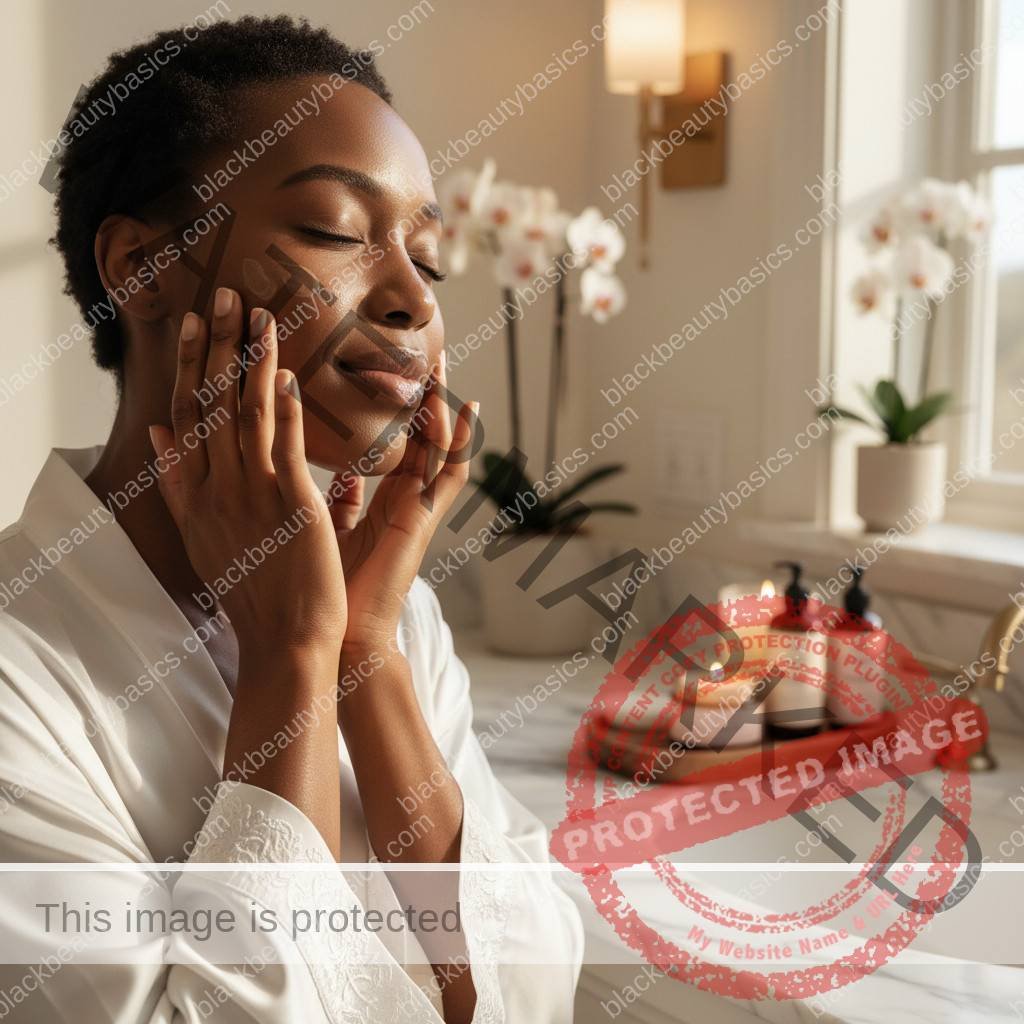
The evening moisturizer is arguably the most important step for sealing in all the beneficial ingredients and providing intense nourishment while your skin undergoes its nightly repair processes. During perimenopause and menopause, your skin’s natural oil production decreases, and its barrier function can be compromised, making a rich, emollient night cream essential. Look for formulations that are packed with ceramides, cholesterol, fatty acids, and humectants like hyaluronic acid and glycerin. Ingredients like shea butter, squalane, and petrolatum can also provide an occlusive layer, preventing transepidermal water loss throughout the night. These ingredients work synergistically to repair the skin barrier, deeply hydrate, and soothe any potential irritation from active ingredients. Apply a generous amount, gently massaging it into your face and neck. This final step ensures your skin remains supple, protected, and deeply moisturized, allowing it to regenerate optimally overnight. Waking up to soft, plump, and comfortable skin is the reward for this dedicated evening ritual.
How to Use Active Ingredients More Gently and Strategically
For melanin-rich skin navigating perimenopause and menopause, the approach to active ingredients must shift from aggressive pursuit of results to a more nuanced, gentle, and strategic application. The skin’s increased sensitivity, slower healing, and heightened propensity for post-inflammatory hyperpigmentation (PIH) mean that what once worked might now cause more harm than good. The goal is to harness the power of actives to address concerns like texture, tone, and collagen loss, but to do so in a way that respects the skin’s delicate balance and supports its barrier function. This requires a mindful selection of ingredients, careful introduction, and a willingness to listen to your skin’s signals.
Understanding Your Skin’s New Tolerance Levels
The first step in using active ingredients strategically is to acknowledge that your skin’s tolerance has likely changed. Estrogen decline leads to thinner, drier, and more fragile skin, making it more susceptible to irritation from potent ingredients. What might have been a tolerable concentration of an acid or retinoid in your 30s could now trigger redness, stinging, flaking, or even breakouts. Therefore, always assume a lower tolerance and proceed with caution. This means starting with the lowest available concentrations, introducing one new active at a time, and spacing out applications significantly more than you might have in the past. Patch testing new products on a small, inconspicuous area of skin (like behind the ear or on the jawline) for a few days can also help gauge your skin’s reaction before full facial application.
Retinoids: Slow and Low is the Way to Go
Retinoids, including retinol, retinaldehyde, and prescription tretinoin, are powerful anti-aging ingredients that stimulate collagen production, accelerate cell turnover, and improve skin texture and tone. However, they are also notorious for causing irritation, especially when first introduced or used in high concentrations. For perimenopausal and menopausal melanin-rich skin, the “slow and low” approach is paramount:
- Start with the weakest form: Begin with a gentle retinol serum (0.025% or 0.05%) or retinaldehyde, which is less irritating than tretinoin but more potent than retinol.
- Introduce gradually: Apply once or twice a week, only in the evening, for the first few weeks. If tolerated, slowly increase to every other night, and eventually, if your skin allows, every night.
- Buffer or sandwich method: Apply a thin layer of a hydrating moisturizer before your retinoid, or mix a pea-sized amount of retinoid with your moisturizer. This “buffers” the retinoid, reducing its direct contact and minimizing irritation while still delivering benefits. Alternatively, the “sandwich” method involves applying moisturizer, then retinoid, then another layer of moisturizer.
- Prioritize barrier support: On nights you use retinoids, ensure your other products are focused on hydration and barrier repair. Avoid other strong actives on the same night.
- Listen to your skin: If you experience significant dryness, redness, peeling, or sensitivity, reduce the frequency or take a break. Consistency over time at a lower frequency is far more beneficial than aggressive use that leads to irritation and forces you to stop.
Exfoliating Acids: Choose Wisely and Use Sparingly
Chemical exfoliants like AHAs (alpha hydroxy acids) and BHAs (beta hydroxy acids) can help improve skin texture, brighten tone, and clear pores. However, over-exfoliation is a common pitfall that can severely compromise the skin barrier and trigger hyperpigmentation on dark skin. In perimenopause and menopause, your skin’s natural exfoliation process slows, but its tolerance for acids also decreases.
- Opt for gentler acids: Lactic acid (an AHA) is often a good starting point as it is larger in molecular size, meaning it penetrates more slowly and is also a humectant, offering hydrating benefits. Mandelic acid (another AHA) is also excellent for darker skin tones due to its larger molecular size and anti-inflammatory properties, making it less irritating and effective for hyperpigmentation.
- Lower concentrations: Choose products with lower percentages of acids (e.g., 5-8% lactic or mandelic acid).
- Infrequent use: Start with once or twice a week, typically in the evening. You may find that this frequency is sufficient to maintain smooth skin without causing irritation.
- Avoid physical scrubs: Harsh physical scrubs can create micro-tears in the skin, leading to inflammation and PIH, especially on more fragile mature skin. Stick to gentle chemical exfoliation if needed.
- Never combine with retinoids: Do not use exfoliating acids on the same night as your retinoid. Alternate them on different evenings to prevent over-exfoliation and irritation.
Vitamin C and Niacinamide: Everyday Allies
These two ingredients are generally well-tolerated and highly beneficial for melanin-rich skin in midlife:
- Vitamin C: As discussed, it’s a powerful antioxidant, brightens skin, and supports collagen. Use a stable form of Vitamin C serum in the morning for antioxidant protection. Look for formulations that are well-stabilized to prevent oxidation.
- Niacinamide (Vitamin B3): This versatile ingredient improves barrier function, reduces inflammation, minimizes pore appearance, and helps with hyperpigmentation. It’s generally very gentle and can be used daily, both morning and evening, either in a serum or as part of your moisturizer. It pairs well with almost all other actives.
Peptides: Building Blocks for Resilience
Peptides are chains of amino acids that act as signaling molecules, encouraging the skin to produce more collagen, elastin, and other beneficial components. They are generally very gentle, non-irritating, and excellent for supporting skin firmness and repair without the potential side effects of retinoids or acids. Incorporate a peptide serum into your morning or evening routine for a gentle, pro-collagen boost. Shop peptide serum on Amazon.
The Golden Rule: Listen to Your Skin
Ultimately, the most strategic way to use active ingredients is to pay close attention to your skin’s responses. If you notice any signs of irritation—redness, stinging, burning, excessive dryness, or flaking—it’s a clear signal to scale back. This might mean reducing frequency, lowering concentration, or temporarily pausing the active altogether to allow your barrier to recover. Remember, consistent, gentle care that supports your skin’s natural functions will yield far better long-term results than aggressive treatments that compromise its health. For more detailed information on managing skin conditions that may arise, you might find our article on dermatoses in perimenopause and menopause on melanin-rich skin helpful.
What to Cut Back When Skin Gets Stingy, Flaky, or Unpredictable
During perimenopause and menopause, your skin’s behavior can become notoriously unpredictable. What was once a reliable product or routine might suddenly cause irritation, dryness, or an overall sense of discomfort. When your melanin-rich skin starts sending distress signals—manifesting as stinging, flakiness, redness, unusual breakouts, or a general feeling of being “off”—it’s a clear indication that it’s time to pause and reassess. These symptoms are often signs of a compromised skin barrier, which, for darker skin tones, can quickly lead to post-inflammatory hyperpigmentation (PIH) that is difficult to fade. The instinct might be to add more products to fix the problem, but often, the most effective solution is to simplify and subtract.
Aggressive Cleansers and Hot Water
When your skin is compromised, the first things to eliminate are harsh, stripping cleansers. Foaming cleansers that contain strong surfactants (like Sodium Lauryl Sulfate or Sodium Laureth Sulfate) can strip away natural oils and disrupt the skin barrier, exacerbating dryness and irritation. Similarly, very hot water can dehydrate the skin and worsen sensitivity.
- Cut back: Immediately switch to a creamy, milky, or oil-based cleanser that is sulfate-free and pH-balanced. These formulations cleanse effectively without stripping.
- Adjust temperature: Use lukewarm water for all cleansing.
- Gentle touch: Avoid rubbing or scrubbing; use light, circular motions with your fingertips.
This foundational change helps to soothe the skin and prevent further damage, allowing the barrier to begin its repair process.
Over-Exfoliation: Chemical and Physical
One of the most common culprits behind sensitive, flaky, and unpredictable skin, especially in midlife, is over-exfoliation. While exfoliation can be beneficial for improving texture and tone, too much, too often, or too strong can severely damage the skin barrier. This includes both chemical exfoliants (AHAs, BHAs) and physical scrubs.
- Cut back: Immediately cease all exfoliation, both chemical and physical, when your skin is irritated. Give your skin a complete break for at least 1-2 weeks, or until it feels completely calm and comfortable again.
- Reintroduce cautiously: If you decide to reintroduce exfoliation, do so very gradually, starting with a gentle acid (like lactic or mandelic) once a week at a low concentration. Avoid harsh physical scrubs altogether.
Over-exfoliation creates micro-tears and compromises the barrier, leading to increased water loss, sensitivity, and a heightened risk of PIH on melanin-rich skin. Simplifying this step is crucial for recovery.
Multiple or High-Strength Actives
When skin is misbehaving, it’s often a sign that it’s overwhelmed by too many active ingredients, or actives that are too strong for its current state. Mixing retinoids with strong acids, or using multiple potent serums daily, can be a recipe for disaster on sensitive, mature skin.
- Cut back: Temporarily pause all active ingredients, including retinoids, Vitamin C serums, and any other targeted treatments that are not purely hydrating or soothing.
- Focus on basics: Revert to a minimalist routine of a gentle cleanser, a rich moisturizer, and sunscreen. This “skin fast” allows your barrier to heal without interference.
- Reintroduce one by one: Once your skin has fully recovered, reintroduce one active ingredient at a time, starting with the lowest concentration and using it infrequently. Observe your skin’s reaction carefully before adding another. Prioritize ingredients that support barrier health, like niacinamide, before reintroducing more potent actives.
This strategic reduction allows you to identify which ingredient might be the culprit and gives your skin the space it needs to rebalance.
Fragrance and Essential Oils
While often pleasant, fragrances (synthetic or natural, including many essential oils) are common irritants, especially for sensitive or compromised skin. They can trigger allergic reactions, contact dermatitis, and general irritation, which can lead to inflammation and subsequent hyperpigmentation on darker skin tones.
- Cut back: Opt for fragrance-free and essential oil-free products across your entire routine, especially when your skin is unpredictable. Many brands now offer fragrance-free versions of popular products.
Eliminating these potential irritants can significantly reduce skin reactivity and aid in barrier repair.
Excessive Treatment Stacking
The allure of layering multiple serums and treatments can be strong, but for sensitive perimenopausal skin, it can be detrimental. “Treatment stacking” or using too many different active ingredients in one routine can overwhelm the skin, leading to irritation and a compromised barrier.
- Cut back: Simplify your routine. Instead of layering 3-4 different serums, choose one or two targeted treatments that address your most pressing concerns. For instance, use a hydrating serum and a niacinamide serum, but perhaps skip the Vitamin C and retinoid on the same night.
- Alternate actives: If you want to use multiple actives (e.g., a retinoid and an AHA), alternate them on different nights instead of using them concurrently.
Remember, midlife skin on melanin-rich tones often needs more moisture, more barrier respect, gentler active use, and more patience with pigment than younger routines allowed. When your skin is “stingy, flaky, or unpredictable,” it’s a clear cry for less, not more. By cutting back on potential irritants and simplifying your routine, you create an optimal environment for your skin to heal, rebalance, and regain its natural resilience and radiance. This approach is not about deprivation; it’s about intelligent, compassionate care that truly serves your skin’s evolving needs.
How to Build for Your Real Life, Not an Idealized Routine
In the world of skincare, it’s easy to get caught up in the allure of multi-step, perfectly curated routines championed by influencers or dermatologists with unlimited time and resources. However, for the busy Black woman navigating the profound changes of perimenopause and menopause, an “idealized” routine often feels overwhelming, unsustainable, and ultimately, ineffective because it simply doesn’t fit into real life. Your skincare regimen should be a source of self-care and empowerment, not another chore on an already packed schedule. Building a routine that genuinely works means tailoring it to your actual lifestyle, time constraints, budget, and energy levels, while still addressing your skin’s evolving needs for hydration, barrier support, and gentle care.
Assess Your Time and Energy
Be honest with yourself about how much time you realistically have and are willing to dedicate to skincare each morning and evening. Do you have 5 minutes or 20? Are you a morning person who enjoys a ritual, or do you prefer to get straight to it? Are you too tired for a complex routine by nightfall?

- Minimalist approach: If time is truly scarce, focus on the absolute essentials: a gentle cleanser, a hydrating moisturizer, and broad-spectrum sunscreen in the morning. In the evening, a gentle cleanser and a rich moisturizer are paramount. You can incorporate one targeted active (like niacinamide or a gentle retinoid) a few nights a week if you have the bandwidth.
- Streamline steps: Look for multi-tasking products. A hydrating cleanser that leaves your skin soft might mean you can skip a separate hydrating toner. A moisturizer with antioxidants might mean you don’t need a separate antioxidant serum.
- Batching: If you use a mask or a more involved treatment, schedule it for a day when you have more time, like a weekend.
The most effective routine is the one you can consistently stick to, even on your busiest days. A three-step routine done daily is far more beneficial than a ten-step routine done sporadically.
Consider Your Environment and Lifestyle
Your environment and daily activities significantly impact your skin’s needs. Do you live in a dry climate? Spend a lot of time outdoors? Work in an air-conditioned office? These factors influence the type and richness of products your skin requires.
- Climate adaptation: In dry climates, you’ll need richer moisturizers, more occlusive ingredients, and potentially a humidifier in your home. In humid climates, you might opt for lighter but still hydrating formulations.
- Sun exposure: If you spend significant time outdoors, diligent sunscreen application and reapplication are non-negotiable. Consider UPF clothing and hats as additional protection.
- Stress levels: High stress can exacerbate skin issues. While skincare can be a stress-reliever, don’t add to your stress by feeling pressured to do a complicated routine. Focus on soothing, calming ingredients.
Your routine should be a flexible framework that adapts to these external factors, not a rigid dogma.
Budget and Accessibility
High-quality skincare doesn’t always mean high-priced. Many effective ingredients and formulations are available at various price points. Your routine should be financially sustainable without causing undue stress.
- Prioritize spending: If your budget is limited, prioritize spending on key products that deliver the most impact: a gentle cleanser, a robust moisturizer, and a good sunscreen. These form the foundation of healthy skin.
- Strategic actives: You can find effective serums with niacinamide, hyaluronic acid, or gentle retinols at accessible price points. Research reputable drugstore brands or mid-range lines.
- Don’t chase trends: Avoid feeling pressured to buy every new “must-have” product. Stick to ingredients and formulations that have proven efficacy for your skin type and concerns.
Remember, consistency with affordable, effective products is always better than sporadic use of expensive ones.
Embrace Imperfection and Flexibility
Life happens. There will be days when you’re too tired, too busy, or simply forget a step. Don’t let perfection be the enemy of good. Missing a night of retinoid or forgetting your serum occasionally won’t undo all your progress. The key is to get back on track the next day.
- Be forgiving: If you miss a step, don’t beat yourself up. Just pick up where you left off.
- Travel adjustments: When traveling, simplify your routine even further. Decant essentials into travel-sized containers or use multi-tasking products to minimize bulk.
- Listen to your body: Your skin’s needs can fluctuate with hormonal changes, stress, or even the weather. Be prepared to adjust your routine accordingly. Some days might call for extra hydration, others for a break from actives.
The most beautiful skin is healthy, comfortable skin, and that often comes from a routine that is adaptable, realistic, and truly integrated into your life. For more on navigating hormonal shifts, our main pillar page on hormonal skin and hair offers a broader perspective. By building a routine that respects your real life, you empower yourself to nurture your melanin-rich skin effectively and sustainably through perimenopause and menopause, maintaining your unique radiance with grace and confidence.
How to Navigate This Topic
Navigating the topic of perimenopause and menopause skin changes, especially for melanin-rich skin, can feel like stepping into uncharted territory. There’s a wealth of information available, but not all of it is tailored to the specific needs and concerns of Black women. Our aim at Black Beauty Basics is to provide culturally relevant, scientifically sound, and empowering guidance. This table offers a simplified overview of routine goals, product ideas, and crucial cautions to keep in mind as you build your personalized regimen. It’s a practical framework to help you prioritize and make informed choices, emphasizing gentleness, hydration, and barrier support—the cornerstones of healthy, radiant skin during this transformative life stage.
| Routine Goal | Product Type Idea | Caution or Adjustment Note for Melanin-Rich Skin |
|---|---|---|
| Gentle Cleansing Remove impurities without stripping |
Creamy, hydrating, or oil-based cleanser (AM/PM) | Avoid harsh foaming cleansers, hot water, and physical scrubs. Stripping can lead to irritation and PIH. Ensure skin feels soft, not tight. |
| Deep Hydration & Prep Plump skin, aid absorption |
Hydrating toner or essence (AM/PM) | Look for humectants (HA, glycerin, polyglutamic acid). Avoid alcohol-based toners, which can be drying. |
| Antioxidant Protection Shield from environmental damage |
Vitamin C serum (AM) | Crucial for preventing inflammation and hyperpigmentation. Choose stable forms of Vitamin C to avoid oxidation and irritation. |
| Barrier Support & Soothing Strengthen skin’s defense, reduce sensitivity |
Niacinamide serum or ceramides-rich moisturizer (AM/PM) | Niacinamide is excellent for barrier and pigment. Ceramides, fatty acids, cholesterol are vital for repair. Avoid products with known irritants. |
| Pigment Management Even tone, fade dark spots gently |
Alpha Arbutin, Azelaic Acid, Tranexamic Acid, Kojic Acid serum (PM, alternate with retinoids) | Introduce slowly. Aggressive treatments cause inflammation, leading to worse PIH. Patience and consistency are key. Always use with SPF. |
| Cell Turnover & Collagen Boost Improve texture, firmness |
Gentle Retinoid (PM, 2-3x/week) | Start with lowest concentration, apply infrequently (e.g., 2x/week), and use “sandwich” method (moisturizer-retinoid-moisturizer) to buffer. Avoid on nights with other strong actives. Irritation = PIH. |
| Moisturize & Protect Lock in hydration, prevent water loss |
Rich, emollient moisturizer or night cream (AM/PM) | Look for ceramides, shea butter, squalane, petrolatum. Your skin needs more occlusive support now. Don’t skip, even if skin feels oily sometimes. |
| Sun Protection Prevent UV damage, hyperpigmentation |
Broad-spectrum SPF 30+ sunscreen (AM, daily) | NON-NEGOTIABLE. Mineral sunscreens (zinc oxide, titanium dioxide) are often gentler. Choose formulations that don’t leave a white cast on dark skin. Reapply every 2 hours if exposed. |
Where to Go Next
As you embark on this journey of understanding and nurturing your skin through perimenopause and menopause, remember that knowledge is your most powerful tool. Black Beauty Basics is dedicated to providing you with comprehensive, culturally relevant information to empower your choices. The changes your skin undergoes are complex, influenced by a cascade of hormonal shifts that impact everything from hydration to healing. To deepen your understanding and explore related topics, we encourage you to delve into other valuable resources within our platform:
- For a foundational understanding of the physiological changes occurring in your skin during this time, explore our cluster hub: Perimenopause and Menopause Changes in Melanin-Rich Skin. This is your starting point for grasping the “why” behind your skin’s new behavior.
- To understand the specific impact of declining estrogen on your complexion, read: What Estrogen Loss Does to Melanin-Rich Skin. This article breaks down the science behind the hormonal shifts and their visible effects.
- If hyperpigmentation, age spots, or melasma are prominent concerns for you, gain targeted insights from: Menopause Hyperpigmentation, Age Spots, and Melasma on Dark Skin. This resource offers strategies for managing these often stubborn pigmentary issues.
- For information on various skin conditions that can arise or worsen during this period, refer to: Dermatoses in Perimenopause and Menopause on Melanin-Rich Skin. Understanding these conditions can help you identify and address them appropriately.
- When considering professional interventions, whether in-office treatments or hormone therapy, consult: When to Consider In-Office Treatments or Hormone Therapy for Skin Changes. This guide helps you determine when it might be beneficial to seek expert medical advice.
- For a broader perspective on how hormones impact your skin and hair throughout different life stages, visit our parent pillar page: Hormonal Skin and Hair.
- Understanding and repairing your skin’s protective barrier is fundamental to healthy skin at any age, but especially during perimenopause. Learn more here: Barrier Repair and Moisture Balance.
- If you’re also navigating other significant hormonal shifts, such as pregnancy, you might find parallels and helpful information in: Safe Routines and Treatments During Pregnancy and Breastfeeding for Dark Skin.
- Finally, for those interested in leveraging technology for skin analysis, but with an awareness of potential biases, explore: Using AI Skin Tools Safely on Melanin-Rich Skin.
Each of these resources is designed to provide you with actionable insights and a deeper understanding of your skin’s journey. By exploring them, you can build a holistic approach to skincare that is both effective and deeply respectful of your unique needs as a Black woman in perimenopause and menopause.
Quick Principles
Navigating perimenopause and menopause brings a unique set of challenges and opportunities for your melanin-rich skin. While the details of your routine may evolve, a few quick principles can serve as your unwavering guide. These are the non-negotiables, the foundational truths that will help you maintain your skin’s health, resilience, and radiant glow through these transformative years. Embrace these principles, and you’ll simplify your approach while ensuring your skin receives the compassionate care it truly deserves.
- Hydration is Queen: Your skin needs more moisture than ever before. Layer hydrating products, choose richer moisturizers, and consider humectant-rich essences. Dryness exacerbates every other concern, from sensitivity to dullness.
- Barrier First, Always: A healthy skin barrier is your ultimate defense. Protect it with gentle cleansing, ceramides, fatty acids, and cholesterol. A compromised barrier leads to irritation, inflammation, and for melanin-rich skin, stubborn hyperpigmentation.
- Sunscreen is Non-Negotiable: Daily, broad-spectrum SPF 30+ is paramount. It’s the single most effective tool against hyperpigmentation, collagen breakdown, and overall skin aging, especially for darker skin tones.
- Gentle is the New Potent: Aggressive treatments (harsh scrubs, strong acids, high-strength retinoids) are more likely to cause irritation and subsequent hyperpigmentation on mature, sensitive melanin-rich skin. Opt for lower concentrations, slower introductions, and less frequent use.
- Simplify and Subtract: When in doubt, less is more. If your skin is irritated, stinging, or unpredictable, cut back on actives and focus on a minimalist routine of gentle cleanser, rich moisturizer, and sunscreen until your barrier recovers.
- Patience and Consistency: Skin changes take time to manifest and time to improve. Be consistent with your routine, allow products time to work, and don’t expect overnight miracles. Long-term, gentle consistency yields the best results.
- Listen to Your Skin: Your skin will tell you what it needs. Pay attention to its signals—redness, dryness, flakiness, breakouts—and adjust your routine accordingly. It’s a dynamic relationship, not a static one.
- Embrace Your Radiance: This phase of life is about nurturing, not fighting. Your skin is evolving, and with the right care, it can continue to be a source of confidence and beauty. Focus on health, comfort, and celebrating your unique glow.
Frequently Asked Questions
What are the most common skin changes for Black women during perimenopause and menopause?
Black women often experience increased dryness, heightened sensitivity, and a more pronounced appearance of hyperpigmentation (including melasma and age spots) during perimenopause and menopause. They may also notice a loss of firmness, dullness, and a slower recovery from irritation due to declining estrogen levels.
How should I adjust my cleansing routine as my skin changes?
Switch to creamy, hydrating, or oil-based cleansers that do not strip the skin of its natural oils. Avoid harsh foaming cleansers and hot water, which can exacerbate dryness and compromise the skin barrier, leading to increased sensitivity and potential hyperpigmentation.
Which active ingredients are safe and effective for melanin-rich skin in midlife?
Niacinamide, gentle forms of Vitamin C, alpha arbutin, azelaic acid, and tranexamic acid are excellent for addressing hyperpigmentation and barrier support. Retinoids can be beneficial for collagen stimulation and texture but must be introduced very slowly and at low concentrations to avoid irritation.
How important is sunscreen during perimenopause and menopause for dark skin?
Sunscreen is critically important and non-negotiable. Melanin-rich skin is highly prone to hyperpigmentation from UV exposure, and sun damage can worsen existing dark spots and accelerate collagen breakdown. Use a broad-spectrum SPF 30+ daily, ensuring it blends seamlessly without a white cast.
My skin feels very sensitive and stings after applying products. What should I do?
Immediately pause all active ingredients (retinoids, acids, strong Vitamin C). Simplify your routine to just a gentle cleanser, a rich, fragrance-free moisturizer, and sunscreen. This allows your skin barrier to heal. Reintroduce products one by one, very slowly, focusing on barrier-repairing ingredients first.
Can I still use exfoliating products?
Yes, but with extreme caution and reduced frequency. Opt for gentle chemical exfoliants like lactic or mandelic acid at low concentrations, used once or twice a week at most. Avoid harsh physical scrubs entirely, as they can cause micro-tears and lead to inflammation and hyperpigmentation on sensitive mature skin.
How can I ensure my routine is sustainable for my busy life?
Prioritize consistency over complexity. Focus on the core essentials: gentle cleanser, rich moisturizer, and daily sunscreen. Introduce one or two targeted actives only if you have the time and energy. Be flexible, forgive yourself for missed steps, and remember that a simple, consistent routine is far more effective than an elaborate one done sporadically.
INTERNAL LINKING OPPORTUNITIES
Perimenopause and Menopause Changes in Melanin-Rich Skin
Hormonal Skin and Hair
What Estrogen Loss Does to Melanin-Rich Skin
Menopause Hyperpigmentation, Age Spots, and Melasma on Dark Skin
Dermatoses in Perimenopause and Menopause on Melanin-Rich Skin
When to Consider In-Office Treatments or Hormone Therapy for Skin Changes
Barrier Repair and Moisture Balance
Safe Routines and Treatments During Pregnancy and Breastfeeding for Dark Skin
Using AI Skin Tools Safely on Melanin-Rich Skin
Continue exploring
Related posts:
 Dermatoses in Perimenopause & Menopause on Melanin-Rich Skin
 Building a 4C and Tightly Coiled Hair Routine: Your Guide to Effortless Care and Lasting Radiance
 How Climate and Seasons Change Your Hair Needs: Adapting Your Routine with Grace
 Building a Cycle-Aware Skin Routine for Dark Skin
 Building a Skin-Type-Aware SPF Routine on Dark Skin
 Menopause Hyperpigmentation: Age Spots & Melasma on Dark Skin