Body Care Routines That Support Fading Dark Areas Over Time
For many Black women and individuals with melanin-rich skin, the journey to even-toned skin often includes navigating hyperpigmentation, particularly on the body. Darkening in areas like the underarms, inner thighs, knees, and elbows is a common experience, stemming from a combination of factors unique to our skin’s beautiful complexity. It’s a concern that touches on comfort, confidence, and how we feel in our own skin, and it’s perfectly normal to seek solutions that honor its unique needs.
When faced with these persistent dark areas, the temptation might be to reach for aggressive treatments or quick fixes. However, our skin, especially melanin-rich skin, often responds best to a different approach: one rooted in gentle care, consistent routines, and profound patience. Aggressive scrubbing, harsh chemicals, or rapid-fire product changes can often do more harm than good, triggering further inflammation and worsening the very hyperpigmentation we’re trying to address. This article is designed to guide you toward building body care routines that truly support fading dark areas over time, focusing on principles that respect and nurture melanin-rich skin.
We’ll explore how consistent, thoughtful habits—centered around gentle cleansing, steady moisture, friction reduction, and sun protection—can create an environment where your skin can heal and gradually reveal a more even tone. This isn’t about overnight transformations, but about sustainable practices that empower your skin’s natural ability to restore itself. Let’s embark on this journey together, understanding that true progress comes from dedication, understanding, and a deep sense of self-love for the skin you’re in.
The Body Care Principles That Matter Most for Fading Dark Areas
Addressing body hyperpigmentation on melanin-rich skin isn’t about a single magic product; it’s about a holistic approach built on foundational principles. These principles prioritize skin health, minimize irritation, and create an optimal environment for gradual, sustained improvement. Understanding and integrating these into your daily life will yield far more lasting results than any short-term, aggressive intervention.
Gentle Cleansing: The Foundation of Skin Health
The way you cleanse your skin sets the stage for everything else. For hyperpigmentation-prone areas, gentle cleansing is paramount. Harsh soaps, abrasive scrubs, or overly hot water can strip the skin of its natural oils, compromise its barrier function, and trigger inflammation—all of which can exacerbate dark spots. Melanin-rich skin is particularly susceptible to post-inflammatory hyperpigmentation (PIH), meaning any irritation can leave a lasting mark. Therefore, choosing a mild, hydrating cleanser that respects your skin’s pH balance is non-negotiable. Look for formulas that are sulfate-free, fragrance-free, and contain ingredients like glycerin or hyaluronic acid to help maintain moisture. The goal is to clean without stripping, leaving your skin feeling soft and comfortable, not tight or squeaky clean. This gentle approach ensures that you’re not inadvertently creating new reasons for your skin to produce excess melanin.
Consistent Moisture: Supporting the Skin Barrier
A well-hydrated skin barrier is a healthy skin barrier, and a healthy skin barrier is crucial for preventing and fading hyperpigmentation. When the skin barrier is compromised, it becomes more vulnerable to external irritants, inflammation, and moisture loss. This vulnerability can lead to increased melanin production as the skin attempts to protect itself. Consistent and generous moisturizing helps to repair and strengthen this barrier, keeping the skin supple, resilient, and less prone to irritation. Ingredients like ceramides, fatty acids, cholesterol, shea butter, cocoa butter, and petrolatum are excellent for barrier support and deep hydration. Applying moisturizer immediately after showering, when the skin is still damp, helps to lock in moisture effectively. This daily ritual not only improves the skin’s texture and appearance but also supports its natural healing processes, making it more receptive to other treatments aimed at evening tone.
Friction Reduction: Minimizing Mechanical Irritation
Friction is a silent but significant contributor to hyperpigmentation, especially in areas like the inner thighs, underarms, knees, and elbows. Constant rubbing from clothing, skin-on-skin contact, or even aggressive towel drying can cause micro-trauma to the skin, leading to inflammation and subsequent darkening. This is particularly true for areas like the inner thighs where friction is often a primary cause of darkening. Addressing friction involves a multi-faceted approach. This might mean choosing loose-fitting clothing made from breathable fabrics, using anti-chafing balms or powders in high-friction areas, and being mindful of how you move and interact with your skin. Even your hair removal methods play a role; practices that cause tugging, pulling, or irritation can contribute to darkening. Opting for methods that minimize friction and irritation, such as gentle shaving techniques or professional waxing, can make a substantial difference. Reducing friction is a proactive step that prevents new hyperpigmentation from forming and allows existing dark spots to fade more effectively.
Sun Protection: The Non-Negotiable Shield
For melanin-rich skin, sun protection is not just about preventing sunburn; it’s about preventing and managing hyperpigmentation. UV radiation stimulates melanin production, which means sun exposure can darken existing hyperpigmentation and trigger new spots. This is why sunscreen for dark skin is so crucial. Even on cloudy days or when indoors near windows, UV rays can penetrate and affect the skin. For body areas prone to darkening, consistent use of broad-spectrum sunscreen with an SPF of 30 or higher is essential. This is especially true for exposed areas like the knees, elbows, and décolletage. Look for formulas that blend seamlessly into melanin-rich skin without leaving a white cast. Beyond sunscreen, protective clothing—such as long sleeves, wide-brimmed hats, and UV-protective fabrics—offers an additional layer of defense. Making sun protection a non-negotiable part of your daily routine is perhaps the single most impactful step you can take to prevent the worsening of dark spots and support their fading process.
Patience and Consistency: The Unsung Heroes
Perhaps the most challenging, yet crucial, principles are patience and consistency. Fading hyperpigmentation, especially on the body, is a marathon, not a sprint. Melanin-rich skin’s natural response to inflammation or injury is to produce more melanin, and this process of resolution and fading takes time—often months, not weeks. Expecting immediate results can lead to frustration and the temptation to try aggressive, counterproductive treatments. Instead, commit to your gentle, consistent routine. Understand that progress will be gradual, and there might be subtle improvements before dramatic ones. Documenting your journey with occasional photos can be incredibly motivating, as it allows you to see the subtle changes you might otherwise miss. Consistency means adhering to your routine daily, even when you don’t feel like it, and trusting in the cumulative effect of gentle care. This steadfast approach is what ultimately yields the most beautiful and lasting results.
Targeted Ingredients: Thoughtful Integration
While the foundational principles focus on skin health, targeted ingredients can certainly accelerate the fading process. However, these should be introduced thoughtfully and gently, always prioritizing minimal irritation. Ingredients like niacinamide, alpha arbutin, kojic acid, azelaic acid, and vitamin C are known for their melanin-inhibiting properties. Gentle chemical exfoliants like lactic acid or mandelic acid can help to gently slough off pigmented surface cells, but these must be used sparingly and with extreme caution to avoid over-exfoliation and irritation. Retinoids, including retinol and retinaldehyde, can also be effective but require careful introduction due to their potential for irritation. The key is to choose one or two targeted ingredients, introduce them slowly (e.g., a few times a week), and monitor your skin’s response. If irritation occurs, scale back or discontinue use. The goal is to support the skin’s natural renewal process without overwhelming it, ensuring that any active ingredients work in harmony with your skin’s delicate balance rather than against it.
A Simple Shower Routine for Hyperpigmentation-Prone Body Skin
The shower is often the first and most critical step in your body care routine. For those managing hyperpigmentation, it’s an opportunity to cleanse gently, prep the skin, and avoid common pitfalls that can exacerbate dark spots. This simple routine prioritizes hydration and minimizes irritation, setting the stage for effective fading.
Step 1: Lukewarm Water, Not Hot
Before you even reach for your cleanser, consider the water temperature. Hot water, while comforting, can strip your skin of its natural oils, leading to dryness and irritation. This, in turn, can trigger inflammation and worsen hyperpigmentation. Opt for lukewarm water instead. It’s warm enough to be pleasant and effectively cleanse the skin without causing undue stress to your skin barrier. This seemingly small adjustment makes a significant difference in maintaining skin hydration and preventing inflammatory responses.
Step 2: Choose a Gentle, Hydrating Body Wash
The cornerstone of your shower routine should be a mild, hydrating body wash. Avoid harsh soaps, antibacterial cleansers, or those with strong fragrances and sulfates, as these can be overly stripping and irritating. Instead, look for formulas designed for sensitive skin or those specifically marketed as hydrating or moisturizing. Ingredients like glycerin, hyaluronic acid, ceramides, and colloidal oatmeal are excellent choices. These ingredients help to cleanse effectively while preserving the skin’s natural moisture barrier. A good gentle body wash will leave your skin feeling clean, soft, and comfortable, not tight or dry. You can Shop gentle body wash for dark skin on Amazon to find suitable options.
Step 3: Gentle Application, No Scrubbing
How you apply your body wash is just as important as the product itself. Ditch the abrasive loofahs, harsh scrub brushes, and rough washcloths. These can create micro-tears and friction, leading to inflammation and worsening dark spots, especially in sensitive areas like the underarms or inner thighs. Instead, use your clean hands or a very soft, clean washcloth. Gently massage the cleanser onto your skin in circular motions. Focus on thorough, yet tender, cleansing. For areas prone to hyperpigmentation, imagine you are caressing your skin, not scrubbing it. This gentle approach prevents mechanical irritation, which is a major trigger for post-inflammatory hyperpigmentation on melanin-rich skin.
Step 4: Focus on Areas Prone to Odor or Dirt
While you’re cleansing your entire body, pay particular attention to areas that genuinely need it most, such as the armpits, groin, and feet. For other areas, a quick, gentle wash is often sufficient. Over-cleansing or vigorously washing areas that aren’t particularly dirty can lead to unnecessary dryness and irritation. Remember, the goal is to cleanse effectively without stripping your skin. This targeted approach ensures that you’re addressing hygiene needs while being mindful of your skin’s delicate balance, especially in areas where hyperpigmentation is a concern.
Step 5: Rinse Thoroughly but Quickly
After cleansing, rinse your body thoroughly with lukewarm water. Ensure all traces of cleanser are removed, as residue can sometimes be irritating. However, avoid prolonged exposure to water, even lukewarm, as this can still contribute to dryness. A quick, efficient rinse is all that’s needed. Once rinsed, step out of the shower promptly to minimize the time your skin spends in contact with water, preserving its natural moisture.
Step 6: Pat Dry, Don’t Rub
The final step in your shower routine is crucial for preventing friction-induced irritation. Instead of vigorously rubbing your skin dry with a towel, gently pat your skin. Use a soft, clean towel and lightly press it against your skin to absorb excess water. This leaves your skin slightly damp, which is the ideal canvas for applying your post-shower treatments and moisturizer. Patting dry minimizes friction, reduces the risk of irritation, and helps to lock in hydration, preparing your skin for the next steps in your hyperpigmentation-fading routine. This careful attention to detail throughout your shower routine lays a strong foundation for healthy, even-toned skin.
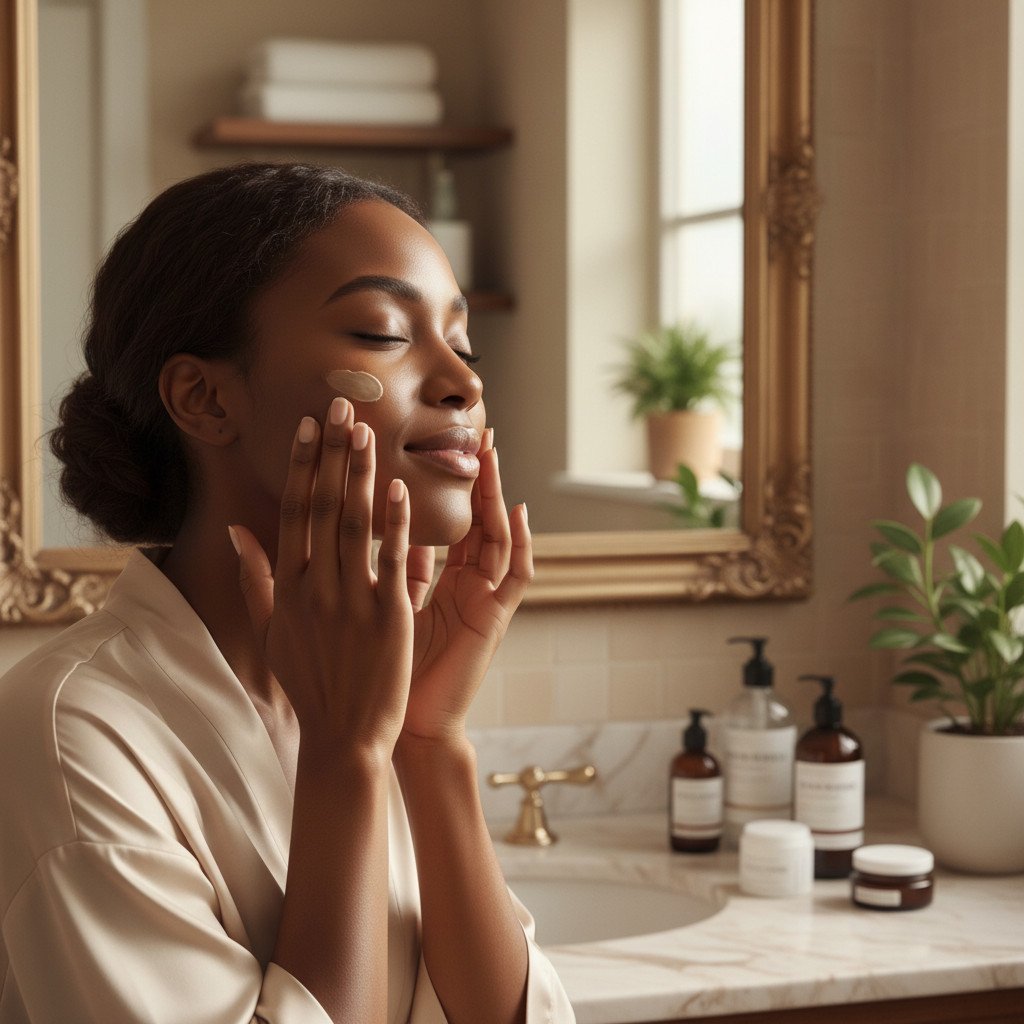
Post-Shower Steps That Support Moisture and Even-Looking Tone
The moments immediately following your shower are critical for locking in hydration and applying targeted treatments. Your skin is most receptive when it’s still slightly damp, allowing products to penetrate more effectively. This post-shower routine is where you actively work to support your skin barrier and introduce ingredients that gently encourage an even tone.
Step 1: Apply a Hydrating Body Lotion or Cream to Damp Skin
This is arguably the most important step for maintaining skin health and supporting the fading of dark areas. Within minutes of stepping out of the shower and gently patting your skin dry, apply a generous amount of a rich, hydrating body lotion or cream. The key is to apply it while your skin is still damp. This helps to trap the water on your skin’s surface, enhancing hydration and preventing transepidermal water loss. Look for moisturizers packed with barrier-supporting ingredients such as ceramides, hyaluronic acid, glycerin, shea butter, cocoa butter, and petrolatum. These ingredients work synergistically to repair and strengthen your skin’s natural barrier, making it more resilient against irritation and less prone to hyperpigmentation. A well-hydrated barrier is essential for healthy skin turnover and a more even complexion. You can Shop body lotion for dark spots on dark skin on Amazon to find effective options.
Step 2: Targeted Treatment for Darker Areas (Optional, but Recommended)
Once your primary moisturizer has been applied, you can then focus on specific areas of concern with targeted treatments. This step is optional, depending on your goals and the severity of your hyperpigmentation, but it can significantly accelerate results. Choose a product formulated with melanin-inhibiting ingredients that are known to be gentle yet effective on melanin-rich skin. Excellent options include:
- Niacinamide (Vitamin B3): Helps to reduce the transfer of melanin to skin cells and strengthens the skin barrier.
- Alpha Arbutin: A gentler alternative to hydroquinone, it inhibits tyrosinase, the enzyme responsible for melanin production.
- Kojic Acid: Also inhibits tyrosinase and has antioxidant properties.
- Azelaic Acid: Reduces inflammation and inhibits melanin production, often well-tolerated by sensitive skin.
- Vitamin C (Ascorbic Acid and its derivatives): A powerful antioxidant that brightens skin and inhibits melanin synthesis.
- Licorice Root Extract: Contains glabridin, which helps to inhibit tyrosinase and reduce inflammation.
Apply a thin layer of your chosen treatment directly to the dark areas (underarms, inner thighs, knees, elbows, etc.). Start by using it a few times a week and gradually increase frequency as your skin tolerates it. Remember, consistency is key, and patience is paramount. Avoid combining too many active ingredients at once, which can increase the risk of irritation.
Step 3: Sun Protection for Exposed Areas (Daytime Only)
If your post-shower routine is happening in the morning or during daylight hours, sun protection for any exposed body areas is non-negotiable. UV radiation is a primary trigger for hyperpigmentation and can significantly darken existing spots, undoing all your efforts. Apply a broad-spectrum sunscreen with an SPF of 30 or higher to any areas that will be exposed to the sun, such as your arms, legs, décolletage, knees, and elbows. Look for sunscreens specifically formulated for dark skin to avoid a white cast. Mineral sunscreens with zinc oxide and titanium dioxide are often well-tolerated and effective, but chemical sunscreens that blend seamlessly are also excellent choices. Reapply sunscreen every two hours if you’re outdoors or sweating. This daily habit is one of the most powerful tools in your arsenal against hyperpigmentation. You can Shop body sunscreen for dark skin with no white cast on Amazon to find suitable options.
Step 4: Clothing Choices to Minimize Friction
While not a product application step, your clothing choices immediately after moisturizing and treating can significantly impact your results. Opt for loose-fitting, breathable fabrics like cotton or linen, especially in areas prone to friction-induced hyperpigmentation, such as the inner thighs and underarms. Tight clothing can rub against the skin, causing irritation and exacerbating dark spots. This is particularly important for areas like the inner thighs where friction is a major contributor to darkening. Allowing your skin to breathe and move freely reduces mechanical stress, giving your skin the best chance to heal and fade existing hyperpigmentation. This thoughtful approach to dressing complements your product routine, creating a holistic environment for skin recovery and even-toning.
Weekly Upgrades Without Overdoing It
While daily consistency is the bedrock of fading body hyperpigmentation, incorporating weekly “upgrades” can accelerate results. The key, however, is to do so judiciously and gently, avoiding the temptation to overdo it, which can lead to irritation and setbacks. These weekly additions should complement, not replace, your core daily routine.
Gentle Exfoliation: Carefully Sloughing Off Pigmented Cells
Exfoliation helps to remove dead skin cells from the surface, including those that contain excess melanin, thereby revealing brighter, more even-toned skin underneath. However, for melanin-rich skin prone to hyperpigmentation, aggressive exfoliation is a major no-no. Physical scrubs with large, jagged particles can cause micro-tears and inflammation, leading to new dark spots. Instead, opt for gentle chemical exfoliants.
- Alpha Hydroxy Acids (AHAs): Lactic acid and mandelic acid are excellent choices for the body. Lactic acid is a humectant, meaning it also draws moisture into the skin, making it less irritating than glycolic acid. Mandelic acid has a larger molecular size, allowing it to penetrate more slowly and gently, making it ideal for sensitive and melanin-rich skin.
- Beta Hydroxy Acids (BHAs): Salicylic acid is oil-soluble, making it effective for areas prone to breakouts or ingrown hairs, which can also lead to hyperpigmentation. It can help to decongest pores and gently exfoliate the skin surface.
How to incorporate: Start by using an AHA or BHA lotion or serum 1-2 times a week. Apply it to clean, dry skin on your target areas. Always follow up with a good moisturizer. Pay close attention to your skin’s response. If you notice any redness, stinging, or increased sensitivity, reduce the frequency or switch to an even milder product. The goal is gentle cell turnover, not aggressive stripping. Over-exfoliation will compromise your skin barrier and worsen hyperpigmentation.
Targeted Masks or Overnight Treatments: Intensive Care
For areas that need a little extra attention, a weekly targeted mask or overnight treatment can provide a concentrated dose of beneficial ingredients. These are typically left on for a longer duration, allowing the active ingredients more time to work.
- Brightening Masks: Look for masks containing ingredients like vitamin C, niacinamide, kojic acid, or licorice root extract. These can be applied to specific dark areas for 10-20 minutes, then rinsed off.
- Overnight Serums/Creams: Some brands offer more potent overnight treatments with ingredients like gentle retinoids (retinol or retinaldehyde) or higher concentrations of AHAs/BHAs specifically formulated for body use. If using a retinoid, start with a low concentration and apply it only once a week to gauge your skin’s tolerance. Always ensure your skin is well-moisturized on the nights you don’t use the active treatment.
How to incorporate: Choose one type of mask or overnight treatment per week. Apply it to clean, dry skin after your shower. If it’s a rinse-off mask, follow with your regular moisturizer. If it’s an overnight treatment, it can often replace your regular targeted treatment for that evening, but always layer a good moisturizer over it or use a rich occlusive cream to seal everything in. Be mindful of potential interactions if you’re also using daily targeted treatments; it’s often best to alternate days or weeks to prevent irritation.
Body Brushing (Dry or Wet): Promoting Circulation and Lymphatic Drainage
Body brushing, when done gently, can offer benefits beyond just exfoliation. It helps to stimulate circulation, promote lymphatic drainage, and can enhance the absorption of subsequent products.
- Dry Brushing: Using a natural bristle brush on dry skin before showering, brush in long, upward strokes towards your heart. This should be a gentle, invigorating massage, not a harsh scrub.
- Wet Brushing: Some prefer to use a soft brush or exfoliating glove in the shower with their gentle body wash. This provides a very mild physical exfoliation.
How to incorporate: Limit body brushing to 1-2 times a week. Always follow with your hydrating shower routine and generous moisturizing. If your skin is sensitive or easily irritated, skip dry brushing and stick to very gentle wet brushing, or avoid physical exfoliation altogether. The goal is to stimulate and smooth, not to scratch or inflame. Remember, for dark knees and elbows on dark skin, friction is often a major factor, so any form of physical exfoliation in these areas must be exceedingly gentle.
Self-Care Rituals: Stress Reduction and Holistic Wellness
While not a product, incorporating weekly self-care rituals can significantly impact your skin’s overall health and ability to heal. Stress is a known trigger for inflammation, which can exacerbate hyperpigmentation.
- Relaxing Baths: Add Epsom salts, colloidal oatmeal, or soothing essential oils (diluted) to a lukewarm bath. This can help to calm the skin and reduce stress.
- Mindfulness and Meditation: Dedicate time each week to practices that reduce stress, such as meditation, deep breathing exercises, or gentle stretching.
- Adequate Sleep: Prioritize getting 7-9 hours of quality sleep. Your skin performs much of its repair and regeneration overnight.
How to incorporate: Schedule these rituals into your week just like you would any other appointment. Treat them as non-negotiable moments for your well-being. A calm mind often translates to calmer, healthier skin. Remember, healing is not just topical; it’s holistic.
When implementing these weekly upgrades, always listen to your skin. If you introduce a new product or technique and notice any irritation, redness, or increased darkening, immediately scale back or stop. The principle of “less is more” often holds true for melanin-rich skin. Slow and steady progress, free from irritation, is always more effective than aggressive treatments that lead to setbacks.
Habits That May Be Keeping Body Dark Areas Active
Sometimes, the biggest breakthroughs in fading hyperpigmentation come not from adding new products, but from eliminating habits that are actively contributing to the problem. Many everyday actions, seemingly innocuous, can trigger inflammation and melanin production, effectively sabotaging your efforts to achieve an even skin tone. Identifying and adjusting these habits is crucial for lasting progress.
Aggressive Exfoliation or Scrubbing
This is perhaps the most common culprit. The desire to “scrub away” dark spots is understandable, but for melanin-rich skin, it’s counterproductive. Harsh physical scrubs, loofahs, stiff brushes, or even vigorous rubbing with a towel create micro-trauma and inflammation. Our skin’s natural defense mechanism against this trauma is to produce more melanin, leading to post-inflammatory hyperpigmentation (PIH). This means the very act of trying to remove dark spots can create new, darker ones.
- The Fix: Ditch harsh physical exfoliants. Opt for gentle chemical exfoliants (like lactic or mandelic acid) used sparingly (1-2 times a week), or simply rely on gentle cleansing with your hands or a very soft cloth. Always pat, don’t rub, your skin dry after showering.
Tight Clothing and Constant Friction
Areas like the inner thighs, underarms, and even the waistline can experience constant rubbing from clothing or skin-on-skin contact. This chronic friction leads to irritation and inflammation, which in turn triggers melanin production. This is a primary reason for inner thigh darkening from friction and can also contribute to underarm darkening on melanin-rich skin.
- The Fix: Choose loose-fitting clothing made from breathable, natural fabrics like cotton or linen. Use anti-chafing balms or powders in high-friction areas. Be mindful of how your clothing interacts with your skin, especially during physical activity.
Improper Hair Removal Techniques
Shaving, waxing, epilating, or plucking can all cause irritation, ingrown hairs, and inflammation, which are direct precursors to hyperpigmentation on melanin-rich skin. This is a significant factor in hair removal friction and body hyperpigmentation on dark skin. Razor bumps (pseudofolliculitis barbae) are a common cause of dark spots in the bikini area and underarms.
- The Fix: Re-evaluate your hair removal method. If shaving, use a sharp, clean razor, shave with the grain, use a lubricating shave cream, and moisturize immediately afterward. Consider alternatives like depilatory creams (patch test first!), laser hair removal (performed by a professional experienced with dark skin), or sugaring, which can be gentler than waxing. Always prioritize methods that minimize irritation and prevent ingrown hairs.
Skipping Sun Protection on the Body
While many are diligent about facial sunscreen, body sunscreen often gets overlooked. However, UV radiation stimulates melanin production, darkening existing hyperpigmentation and triggering new spots on any exposed skin. This is true even on cloudy days or when you’re only partially exposed.
- The Fix: Make broad-spectrum sunscreen with SPF 30+ a daily habit for all exposed body areas. Reapply every two hours when outdoors. Wear protective clothing, especially during peak sun hours. This is the single most important habit for preventing the worsening of dark spots.

Picking at Blemishes, Ingrown Hairs, or Insect Bites
Any manipulation of the skin that causes trauma—whether it’s squeezing a pimple, trying to extract an ingrown hair, or scratching an itchy bug bite—will inevitably lead to inflammation. For melanin-rich skin, inflammation almost always results in a dark spot.
- The Fix: Practice a strict “no-picking” policy. If you have an ingrown hair, use a gentle exfoliant to encourage it to surface, or seek professional help if it becomes inflamed. Use soothing creams for insect bites or irritation to prevent scratching.
Using Harsh or Drying Soaps and Deodorants
Many conventional soaps contain harsh surfactants (like sulfates) and strong fragrances that can strip the skin’s natural oils, leading to dryness and irritation. Similarly, some deodorants, particularly those with alcohol or baking soda, can be irritating to the delicate underarm skin, contributing to underarm darkening.
- The Fix: Switch to gentle, hydrating, fragrance-free body washes. For underarms, opt for deodorants free of alcohol, baking soda, and strong fragrances. Look for formulas that contain soothing ingredients like aloe vera or niacinamide.
Lack of Consistent Moisturization
A dry, compromised skin barrier is more susceptible to irritation and inflammation, making it more likely to develop and retain dark spots. Inconsistent moisturizing means your skin isn’t getting the support it needs to heal and maintain its integrity.
- The Fix: Make moisturizing a non-negotiable daily habit. Apply a rich body lotion or cream to damp skin immediately after every shower or bath. Focus on barrier-supporting ingredients.
Ignoring Underlying Medical Conditions
Sometimes, localized hyperpigmentation on the body can be a symptom of an underlying medical condition, such as acanthosis nigricans (often associated with insulin resistance), certain medications, or hormonal imbalances. If your dark spots are widespread, rapidly appearing, or resistant to topical treatments, it’s important to consult with a healthcare professional.
- The Fix: If you suspect an underlying medical cause, seek advice from a dermatologist or your primary care physician. Addressing the root cause is essential for effective management of the skin manifestation.
By consciously identifying and adjusting these habits, you create a more harmonious environment for your skin. This proactive approach not only prevents new hyperpigmentation but also allows your carefully chosen body care routine to work more effectively on existing dark areas, paving the way for clearer, more even-toned skin.
Frequently Asked Questions
What is the most important step in a body care routine for fading dark areas?
The most important step is consistent sun protection on all exposed areas. UV radiation is a primary trigger for increased melanin production, so protecting your skin from the sun prevents existing dark spots from worsening and new ones from forming, allowing your other treatments to work effectively.
How long does it typically take to see results when fading body hyperpigmentation?
Fading body hyperpigmentation on melanin-rich skin is a gradual process that requires significant patience. You can typically expect to see noticeable improvements over several months, often 3 to 6 months or even longer, with consistent daily application of your routine. Aggressive approaches can often lead to setbacks, so consistency and gentleness are key.
Can I use facial hyperpigmentation treatments on my body?
While some facial hyperpigmentation treatments contain ingredients that can be effective on the body, they are often more concentrated or formulated for the delicate skin of the face. It’s generally safer and more cost-effective to use body-specific products or to introduce facial treatments very cautiously on a small patch of body skin first to check for irritation, especially given the larger surface area involved.
Is exfoliation necessary for fading dark spots on the body?
Gentle exfoliation can be beneficial for fading dark spots by helping to shed pigmented surface cells, but it is not always necessary and must be approached with extreme caution. Aggressive scrubbing or over-exfoliation can cause irritation and worsen hyperpigmentation on melanin-rich skin. If you choose to exfoliate, opt for mild chemical exfoliants (like lactic or mandelic acid) used sparingly (1-2 times a week) and always follow with generous moisturization.
What role does hydration play in fading dark areas?
Hydration plays a crucial role by supporting a healthy skin barrier. A well-hydrated, intact skin barrier is more resilient against irritation and inflammation, which are major triggers for hyperpigmentation. Consistent moisturizing helps the skin heal, function optimally, and become more receptive to active ingredients aimed at evening tone.
Are natural remedies effective for body dark spots on dark skin?
Some natural ingredients like licorice root extract, turmeric, and aloe vera have properties that may help with hyperpigmentation, but their efficacy can vary, and they often work best as supporting elements within a comprehensive routine. It’s essential to use them cautiously, ensure proper formulation, and understand that they typically offer slower, more subtle results compared to scientifically-backed active ingredients. For more detailed information, you can explore natural remedies for body dark spots on melanin-rich skin.
When should I consult a dermatologist for body hyperpigmentation?
You should consult a dermatologist if your dark spots are widespread, rapidly appearing, accompanied by other symptoms, or if they are resistant to consistent at-home care after several months. A dermatologist can help diagnose any underlying medical conditions, offer stronger prescription treatments, and provide personalized advice tailored to your specific skin needs and concerns.
Where to Go Next
Embarking on the journey to fade body hyperpigmentation is an act of self-care and patience. Remember, your skin is a living canvas, and nurturing it with consistent, gentle care will always yield the most beautiful and lasting results. This isn’t about chasing perfection, but about embracing the beauty of your melanin-rich skin and supporting its natural radiance.
As you continue to refine your body care routine, keep these core tenets in mind: gentleness over aggression, consistency over intensity, and protection over neglect. Each step you take, from choosing a hydrating body wash to applying your daily sunscreen, contributes to the overall health and even tone of your skin. Trust the process, celebrate the small victories, and know that you are giving your skin the profound care it deserves.
For a deeper dive into specific areas of concern or related topics, explore these resources:
- Discover comprehensive information on Body Hyperpigmentation: Underarms, Thighs, Knees, Elbows.
- Learn more about Hyperpigmentation and Dark Spots in general.
- Understand the nuances of Post-Inflammatory Hyperpigmentation Body Treatments.
- Explore effective strategies for Body Care and Hair Removal on Dark Skin.
Your journey to radiant, even-toned skin is a testament to your dedication and self-love. Keep nurturing your skin, and it will reflect the care you pour into it.
Related next steps
Related posts:
 Daily Routines That Support Fading Facial Dark Spots
 Routine Frameworks That Support Fading Dark Spots Over Time
 Intimate-Area Care Routines That Support Comfort and Even Tone
 Common Flare Patterns and Body Areas in Black Women and Children
 Hyperpigmentation Treatment Methods for Melanin-Rich Skin: Topicals, Peels, Routines, and Lifestyle Support
 Fabrics and Clothing Choices for Itchy or HS-Prone Areas