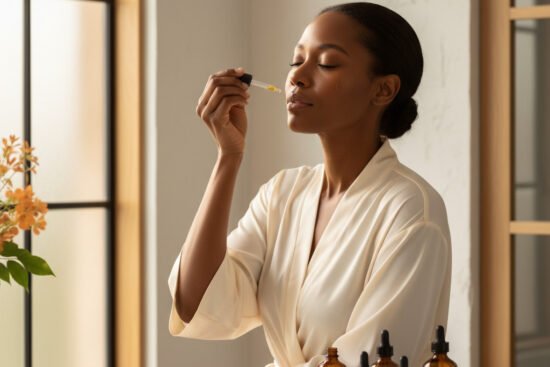

Exploring Natural Remedies for Body Dark Spots on Melanin-Rich Skin
For many of us with melanin-rich skin, the journey to even-toned skin can feel like a winding path, especially when it comes to body dark spots. These areas of hyperpigmentation, whether on our underarms, inner thighs, knees, or elbows, can sometimes feel stubbornly persistent, leading us to seek out solutions that promise gentleness and efficacy. The allure of “natural remedies” is particularly strong in this quest. There’s a deeply rooted wisdom in looking to nature for healing and care, a tradition that resonates with many cultures, including our own. The idea that ingredients found in our kitchens or gardens could hold the key to fading discoloration feels intuitively right, offering a sense of control and a connection to simpler, perhaps purer, methods of care.
This natural inclination often stems from a desire for solutions that feel less harsh, less chemical, and more in tune with our body’s own rhythms. When faced with persistent dark spots, the thought of reaching for something “natural” can be incredibly comforting, promising a path that is both effective and kind to our delicate skin barrier. We often hear anecdotes from friends, family, or online communities about the miraculous effects of various natural ingredients, and it’s easy to be drawn into the hope that these remedies might offer a gentle yet powerful solution to our concerns. This article aims to explore that hope, to gently separate the soothing support from the potential pitfalls, and to guide you toward informed choices for caring for your beautiful, melanin-rich skin.
However, the term “natural” can sometimes be a double-edged sword, especially when it comes to the nuanced needs of melanin-rich skin. While some natural ingredients can indeed offer beneficial properties, others, when used improperly or in concentrated forms, can inadvertently cause irritation, inflammation, and even worsen hyperpigmentation. Our skin, with its unique cellular structure and propensity for post-inflammatory hyperpigmentation (PIH), requires a careful, thoughtful approach. This guide is designed to empower you with knowledge, allowing you to discern which natural-leaning approaches might genuinely support your skin’s health and evenness, and which might be best approached with caution or avoided altogether. We’ll explore the appeal of these remedies, delve into what truly supports skin health, and gently debunk some common myths, all while honoring the resilience and beauty of melanin-rich skin.
Why “Natural” Can Feel Safer Than It Really Is
The concept of “natural” often carries an inherent perception of safety, gentleness, and purity. In a world saturated with synthetic ingredients and complex chemical formulations, turning to nature for solutions feels like a return to basics, a more holistic and less risky approach to beauty and wellness. This sentiment is particularly strong when addressing concerns like hyperpigmentation, where the desire for a gentle yet effective solution is paramount. For many, the word “natural” conjures images of soothing botanicals, ancient wisdom, and ingredients free from harsh additives, making it an attractive pathway for those seeking to minimize exposure to synthetic compounds or who have experienced sensitivities to conventional products.
This perception is deeply ingrained in our cultural consciousness, often reinforced by marketing narratives and anecdotal evidence passed down through generations. We’re taught to trust ingredients that come directly from the earth, believing them to be inherently more compatible with our bodies. Furthermore, the accessibility of many natural ingredients – often found in our pantries or local markets – makes DIY remedies feel empowering and cost-effective. The idea that we can take control of our skincare by mixing up our own concoctions at home can be incredibly appealing, offering a sense of self-sufficiency and personalization that store-bought products sometimes lack. This combination of perceived safety, cultural resonance, and accessibility fuels the widespread appeal of natural remedies for a myriad of skin concerns, including body dark spots.
However, it’s crucial to understand that “natural” does not automatically equate to “safe” or “non-irritating,” especially for melanin-rich skin, which is more prone to post-inflammatory hyperpigmentation (PIH). Many natural ingredients, while beneficial in controlled formulations or specific applications, can be potent and even irritating when used improperly, in excessive concentrations, or without proper understanding of their chemical properties. For instance, citrus juices like lemon, often touted for their “brightening” effects, are highly acidic and can cause phototoxicity, leading to severe burns and worsening dark spots when exposed to the sun. Similarly, abrasive natural exfoliants, while seemingly benign, can create micro-tears in the skin, triggering an inflammatory response that ultimately deepens existing hyperpigmentation. The delicate balance of our skin barrier, particularly in areas prone to friction and irritation like the underarms or inner thighs, can be easily disrupted by overly aggressive or improperly formulated natural treatments. Therefore, while the appeal of natural solutions is understandable and valid, a discerning and cautious approach is absolutely essential to protect and nurture our skin.
Lower-Risk Natural-Leaning Ways to Support Body Skin
When approaching the care of melanin-rich skin, particularly for concerns like body dark spots, the focus should always be on gentle support, barrier integrity, and consistent, non-irritating practices. While the allure of quick fixes can be strong, a patient and nurturing approach yields the best long-term results. There are indeed many natural-leaning ingredients and practices that can genuinely support skin health and aid in the gradual fading of hyperpigmentation without risking further irritation or damage. These methods prioritize soothing, hydration, and protection, creating an optimal environment for the skin to heal and renew itself.
One of the foundational pillars of healthy skin is adequate hydration and barrier support. Ingredients like aloe vera, known for its soothing and anti-inflammatory properties, can be incredibly beneficial. Pure aloe vera gel, free from added fragrances or alcohol, can help calm irritated skin, reduce redness, and provide a hydrating boost. While it won’t directly fade dark spots, its ability to reduce inflammation can prevent new hyperpigmentation from forming and support the skin’s healing process. Similarly, emollient oils such as jojoba oil, squalane, or argan oil, which closely mimic the skin’s natural sebum, can help fortify the skin barrier, lock in moisture, and improve overall skin texture. These oils are generally non-comedogenic and well-tolerated by most skin types, offering a gentle way to nourish and protect the skin, especially in areas prone to dryness or friction. For those seeking a truly gentle cleansing experience that supports the skin barrier, consider incorporating a colloidal oatmeal body wash for sensitive skin into your routine. Oatmeal is renowned for its soothing properties, helping to calm irritation and maintain the skin’s natural moisture.
Beyond hydration, gentle exfoliation is key to encouraging cell turnover and helping to shed pigmented cells. However, for melanin-rich skin, this must be done with extreme caution to avoid triggering PIH. Instead of harsh physical scrubs, consider very mild chemical exfoliants found in some natural ingredients. For example, papaya contains papain, an enzyme that can gently exfoliate the skin. While using raw papaya directly might be too potent for some, products formulated with papaya enzymes can offer a controlled and gentler approach. Similarly, pineapple contains bromelain, another exfoliating enzyme. The key is to look for these enzymes in professionally formulated products rather than attempting DIY applications with raw fruit, which can be unpredictable in potency and pH. Always patch test any new product, even those with natural enzymes, to ensure your skin tolerates it well. The goal is subtle, consistent cell turnover, not aggressive stripping of the skin.
Anti-inflammatory and antioxidant-rich ingredients also play a vital role in managing and preventing hyperpigmentation. Green tea extract, for instance, is packed with antioxidants that can help protect the skin from environmental damage and reduce inflammation, both of which contribute to dark spots. Applying a gentle green tea compress or using products containing green tea extract can offer these benefits without irritation. Another powerful antioxidant is Vitamin C, which, while often synthesized, is naturally found in many fruits. When incorporated into stable serum formulations, Vitamin C can help brighten the skin and inhibit melanin production. However, it’s crucial to choose stable forms of Vitamin C that are formulated for sensitive skin, as some forms can be irritating. For overall skin health and to help with the appearance of dark spots, a good quality fragrance-free body oil for dark skin can be a wonderful addition to your regimen, providing essential fatty acids and moisture without unnecessary irritants. Additionally, for targeted soothing and hydration, consider a pure aloe vera gel for body skin, which can help calm areas prone to irritation.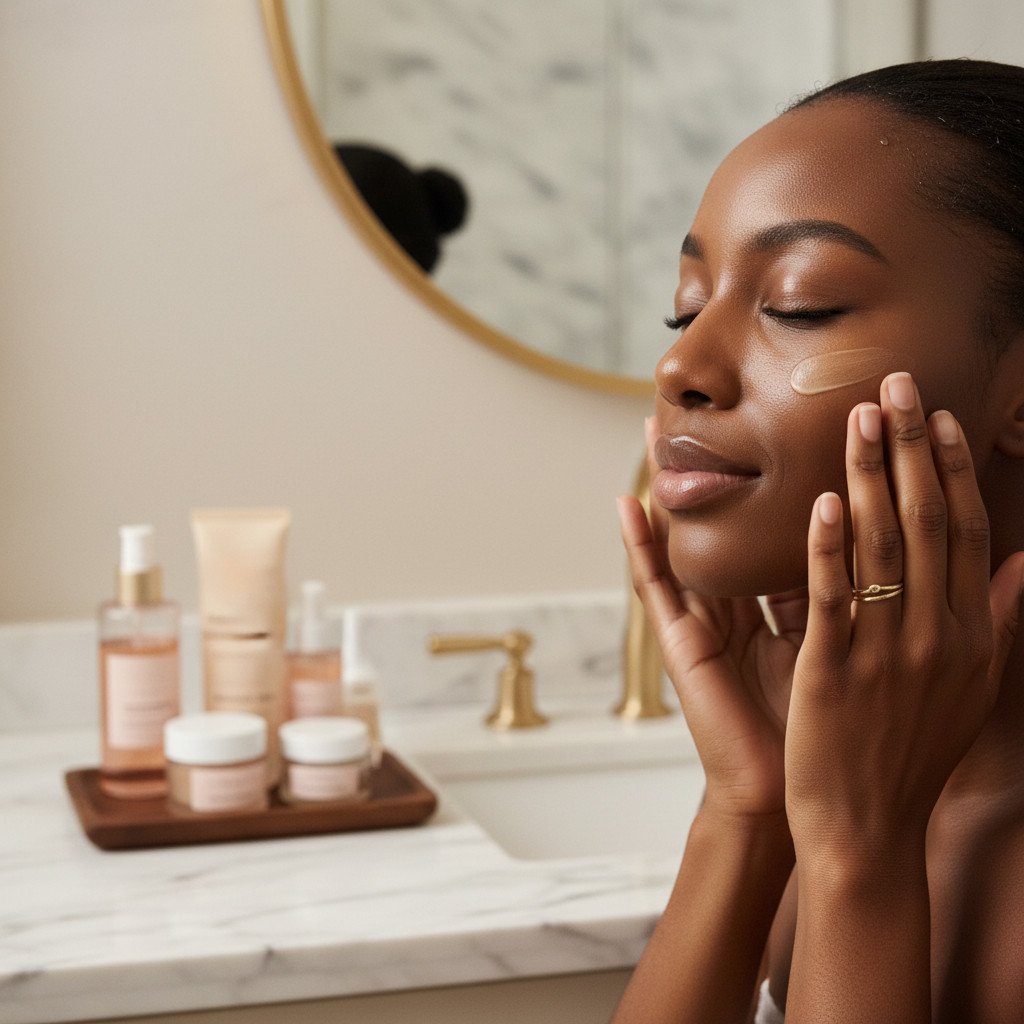
Finally, protecting the skin from further damage is paramount. While not a “natural remedy” in the traditional sense, consistent use of a broad-spectrum sunscreen with an SPF of 30 or higher is the single most important step in preventing new dark spots and allowing existing ones to fade. Even on cloudy days or when indoors near windows, UV radiation can exacerbate hyperpigmentation. Look for mineral sunscreens with zinc oxide and titanium dioxide, as these tend to be less irritating for sensitive skin. Combining these gentle, supportive natural-leaning practices with diligent sun protection creates a comprehensive approach that respects the unique needs of melanin-rich skin, fostering a path towards healthier, more even-toned skin over time. Remember, consistency and patience are your most valuable allies in this journey.
Popular DIY Dark-Spot Remedies That May Irritate Melanin-Rich Skin
The digital age has brought with it an overwhelming influx of DIY beauty advice, particularly for common concerns like dark spots. While the intention behind sharing these “natural” remedies is often good, many popular home hacks can be counterproductive, and even harmful, for melanin-rich skin. Our skin’s unique cellular structure, with its higher concentration of melanocytes, means it is exquisitely sensitive to inflammation. Any irritation, no matter how minor it may seem, can trigger an overproduction of melanin, leading to post-inflammatory hyperpigmentation (PIH) that is often more stubborn and darker than the original concern. Therefore, a critical and cautious eye is essential when evaluating widely circulated DIY solutions.
Lemon Juice and Other Citrus Extracts
Perhaps the most pervasive and potentially damaging DIY remedy for dark spots is the application of lemon juice. Lemon, along with other citrus fruits like lime, is rich in Vitamin C and citric acid, leading many to believe it will “bleach” or lighten dark spots. However, the high acidity of lemon juice is incredibly harsh on the skin. When applied directly, it disrupts the skin’s natural pH balance and compromises the protective barrier. Furthermore, citrus juices contain compounds called furanocoumarins, which are phototoxic. This means that when exposed to sunlight after applying lemon juice, the skin can experience a severe reaction known as phytophotodermatitis, resulting in painful burns, blistering, and, ironically, significantly darker and more persistent hyperpigmentation. This risk is amplified for melanin-rich skin, where any inflammatory response is more likely to result in pronounced and long-lasting dark spots. The temporary “brightening” effect some might observe is often due to dehydration and irritation, not true melanin reduction, and comes at a very high cost to skin health.
Abrasive Physical Scrubs (Sugar, Salt, Coffee Grounds)
Another common DIY approach involves using abrasive physical exfoliants like sugar scrubs, salt scrubs, or coffee grounds directly on the skin. The idea is to manually buff away dead skin cells and reveal brighter skin underneath. While gentle exfoliation can be beneficial, these homemade scrubs are often far too harsh and uneven in particle size. The sharp, irregular edges of sugar or salt crystals, or the coarse texture of coffee grounds, can create microscopic tears in the skin’s surface. These micro-injuries compromise the skin barrier, leading to inflammation, redness, and irritation. For melanin-rich skin, this inflammation is a direct trigger for PIH, often resulting in new dark spots or worsening existing ones. Areas like the inner thighs, underarms, knees, and elbows, which are already prone to friction and sensitivity, are particularly vulnerable to damage from such aggressive exfoliation. Instead of promoting an even tone, these scrubs can create a cycle of irritation and darkening.
Baking Soda Pastes
Baking soda (sodium bicarbonate) is another common kitchen ingredient frequently suggested for various skin concerns, including dark spots. It’s often mixed with water or other ingredients to form a paste and applied as an exfoliant or “brightener.” However, baking soda is highly alkaline, with a pH of around 8-9. Our skin, by contrast, is naturally acidic, with a pH of approximately 4.5-5.5. Applying baking soda drastically disrupts this delicate acid mantle, which is crucial for protecting the skin from bacteria, pollution, and moisture loss. This pH imbalance can strip the skin of its natural oils, leading to dryness, irritation, redness, and a compromised barrier. A weakened skin barrier is more susceptible to inflammation and, consequently, to PIH in melanin-rich skin. While it might feel “clean” or “smooth” immediately after use, the long-term effects can be detrimental, leading to increased sensitivity and persistent dark spots.
Undiluted Essential Oils and Concentrated Herbal Extracts
The world of essential oils and concentrated herbal extracts is vast and complex, and while many possess beneficial properties, their direct, undiluted application for dark spots is often ill-advised. Essential oils, by their very nature, are highly concentrated plant extracts and can be extremely potent. Many, like tea tree oil or certain citrus essential oils, are known sensitizers and can cause contact dermatitis, allergic reactions, or phototoxicity when applied directly to the skin, especially without proper dilution in a carrier oil. Even “natural” doesn’t mean “gentle” when it comes to these potent compounds. Similarly, concentrated herbal extracts, while promising, can vary wildly in potency and purity. Without professional formulation and knowledge of appropriate concentrations, applying these directly can lead to irritation and inflammation, which, again, is a direct pathway to worsening hyperpigmentation on melanin-rich skin. It’s always safer to opt for skincare products where these ingredients have been properly diluted and formulated by experts to ensure safety and efficacy.
Apple Cider Vinegar (ACV)
Apple cider vinegar (ACV) is another popular DIY remedy, often lauded for its supposed ability to balance pH and lighten dark spots due to its acetic acid content. While ACV does contain acids, its pH is typically very low (around 2-3), making it highly acidic and potentially irritating when applied undiluted or even insufficiently diluted to the skin. Similar to lemon juice, ACV can disrupt the skin’s natural acid mantle, leading to dryness, irritation, and a compromised barrier. For melanin-rich skin, this irritation can easily trigger an inflammatory response, resulting in new or exacerbated dark spots. While some diluted ACV rinses are occasionally recommended for scalp health, its direct application for body hyperpigmentation carries significant risks of chemical burns and worsening discoloration, especially on sensitive areas like the underarms or inner thighs.
In summary, while the appeal of these natural, accessible remedies is understandable, their potential for irritation and harm to melanin-rich skin far outweighs any perceived benefits. The goal in treating hyperpigmentation is to soothe, protect, and gently encourage cell turnover, not to aggressively strip or irritate the skin. When in doubt, it is always best to err on the side of caution and consult with a dermatologist or skincare professional who understands the unique needs of melanin-rich skin.
How to Patch Test and Stay Realistic
Navigating the world of skincare, especially when exploring natural-leaning options for body dark spots on melanin-rich skin, requires a strategic and patient approach. The enthusiasm for a new remedy can sometimes overshadow the need for careful evaluation. This is where the practice of patch testing becomes invaluable. Patch testing is a simple yet critical step that can save your skin from potential irritation, allergic reactions, or even worsening hyperpigmentation. It’s about introducing a new product or ingredient to a small, inconspicuous area of your skin first, to observe how it reacts before committing to a full application.
The Art of Patch Testing
To effectively patch test, choose a small, discreet area of skin that is similar to the area you intend to treat, but not highly visible. For body dark spots, this might be a small section on the inner arm, behind the ear, or a tiny spot on the upper thigh. The process is straightforward:
- Cleanse the Area: Gently wash the chosen patch test area with a mild cleanser and pat dry.
- Apply a Small Amount: Apply a tiny, pea-sized amount of the product or ingredient to the patch test area. If it’s a liquid, dab it on; if it’s a paste, apply a thin layer.
- Observe for 24-48 Hours: Leave the product on for at least 24 hours, ideally 48 hours, without washing it off. During this time, monitor the area closely for any signs of reaction.
- Look for Reactions: Watch for redness, itching, burning, stinging, swelling, bumps, or any unusual discoloration. For melanin-rich skin, also pay attention to any subtle darkening or increased sensitivity, which could indicate a brewing inflammatory response.
- Interpret Results: If you experience any negative reaction, immediately wash off the product and discontinue use. If the area remains calm and clear after 48 hours, it’s generally considered safe to proceed with broader application. However, remember that a patch test doesn’t guarantee a complete absence of future reactions, but it significantly reduces the risk.
It’s important to patch test every new product or DIY ingredient, even those marketed as “natural” or “hypoallergenic,” as individual sensitivities can vary widely. This diligent step is a cornerstone of responsible skincare, particularly for melanin-rich skin prone to PIH.
Setting Realistic Expectations
Beyond careful testing, cultivating a realistic mindset is crucial when addressing body dark spots. Hyperpigmentation, especially when it has been present for some time, does not fade overnight. The process of skin cell turnover takes weeks, and the melanin that causes dark spots is deeply embedded. Therefore, patience is not just a virtue; it’s a necessity.
- Gradual Improvement, Not Instant Erasure: Expect to see gradual improvement over several weeks to months, rather than immediate, dramatic results. True fading of dark spots is a slow process that requires consistent application of supportive ingredients and practices.
- Consistency is Key: Sporadic application of even the most effective ingredients will yield minimal results. Incorporate your chosen gentle remedies into a consistent daily or nightly routine.
- Prevention is Paramount: While fading existing spots is the goal, preventing new ones is equally important. This means diligently protecting your skin from friction, irritation, and sun exposure, which are primary triggers for hyperpigmentation on melanin-rich skin.
- Natural Remedies as Support, Not Cures: View natural-leaning ingredients as supportive allies in your skincare journey, rather than definitive “cures.” They can help soothe, hydrate, protect, and gently encourage cell renewal, but they often work best in conjunction with a holistic approach that includes lifestyle adjustments and, if needed, professional guidance.
- Understand the Limitations: Some dark spots, particularly those that are very old, deep, or caused by significant trauma, may not fully disappear with natural remedies alone. It’s important to understand these limitations and be open to exploring other options if natural approaches prove insufficient.
Staying realistic means understanding that skincare is a marathon, not a sprint. It’s about nurturing your skin, celebrating its resilience, and making informed choices that prioritize its long-term health and vibrancy. By combining diligent patch testing with a patient and realistic outlook, you empower yourself to approach body dark spots with wisdom and self-care.
When Natural Remedies Are Not Enough
While the appeal of natural remedies is undeniable, and many natural-leaning practices can offer significant support for overall skin health, it’s equally important to recognize their limitations, especially when dealing with persistent or severe body dark spots on melanin-rich skin. There comes a point when even the most diligent application of gentle, natural ingredients may not yield the desired results, or when the underlying cause of hyperpigmentation requires a more targeted, scientifically-backed approach. Understanding when to pivot from natural remedies to professional intervention is a crucial aspect of responsible and effective skincare.
One of the primary indicators that natural remedies might not be sufficient is a lack of noticeable improvement after several months of consistent and correct use. Hyperpigmentation, particularly post-inflammatory hyperpigmentation (PIH), can be incredibly stubborn. If you’ve been faithfully applying soothing, barrier-supporting, and gently exfoliating natural-leaning ingredients for three to six months without seeing any significant fading, it’s a strong signal that stronger, professionally recommended treatments may be necessary. This doesn’t negate the benefits of the natural approaches you’ve been using, but rather acknowledges that the depth or nature of your hyperpigmentation may require more potent active ingredients or in-office procedures.
Another scenario where natural remedies fall short is when the dark spots are caused by underlying medical conditions. For instance, certain hormonal imbalances, such as those seen in Polycystic Ovary Syndrome (PCOS), can lead to acanthosis nigricans, a condition characterized by velvety, darkened patches of skin, often in the armpits, groin, and neck. Similarly, insulin resistance or certain medications can also manifest as skin darkening. In these cases, treating the skin topically with natural remedies will only address the symptom, not the root cause. A dermatologist or endocrinologist can help diagnose and manage these underlying conditions, which is essential for truly resolving the hyperpigmentation. Without addressing the systemic issue, topical treatments, natural or otherwise, will likely offer only temporary or minimal relief.
Furthermore, some forms of hyperpigmentation are simply too deep or widespread for topical natural remedies to effectively penetrate and lighten. Deep dermal hyperpigmentation, where melanin is located in the deeper layers of the skin, often requires more advanced treatments like chemical peels, laser therapy, or microneedling, all performed by a qualified professional who understands the nuances of treating melanin-rich skin. These procedures work by stimulating cell turnover at a deeper level, breaking down melanin, or targeting pigment with specific wavelengths of light. Attempting to achieve similar results with DIY natural remedies can be not only ineffective but also dangerous, leading to burns, scarring, or worsening PIH if not done under expert supervision.
Finally, if you experience any signs of worsening irritation, increased redness, itching, or new dark spots while using natural remedies, it’s a clear indication to stop and seek professional advice. As discussed, “natural” does not always mean “safe,” and some ingredients can trigger adverse reactions in sensitive melanin-rich skin. A dermatologist can help identify the irritant, calm the skin, and recommend a safer, more effective treatment plan. They can also provide guidance on incorporating medical-grade ingredients like retinoids, hydroquinone (under strict supervision), azelaic acid, kojic acid, or tranexamic acid, which are proven to be effective in treating hyperpigmentation in a controlled manner. Remember, your skin’s health and integrity are paramount, and sometimes, the most self-loving choice is to seek expert care when natural approaches reach their limit.
Frequently Asked Questions
What natural ingredients are truly safe for fading dark spots on melanin-rich skin?
Truly safe natural-leaning ingredients focus on soothing, hydration, and gentle support rather than aggressive “lightening.” Look for ingredients like pure aloe vera gel, colloidal oatmeal, green tea extract, and certain plant-derived oils like jojoba or squalane. These help calm inflammation, support the skin barrier, and provide antioxidant benefits, which indirectly aid in preventing and fading hyperpigmentation by creating a healthier skin environment.
Can diet and nutrition impact body dark spots?
Yes, diet and nutrition play a significant role in overall skin health, which can indirectly influence the appearance of dark spots. A diet rich in antioxidants (from fruits and vegetables), healthy fats (omega-3s), and adequate hydration can reduce systemic inflammation and support skin repair. While diet won’t directly “fade” existing dark spots, it can help prevent new ones and contribute to a more even, radiant complexion.
How long does it take for natural remedies to show results on body dark spots?
Patience is key. Natural remedies typically work very slowly and subtly. You might begin to see minor improvements in skin texture or overall tone after 2-3 months of consistent use. Significant fading of established dark spots can take 6 months to a year, or even longer, as the skin’s natural cell turnover cycle is a gradual process. Remember that the goal is gentle support, not rapid transformation.
Are there any natural remedies that can cause more harm than good for melanin-rich skin?
Absolutely. Many popular DIY remedies can be very harmful. High-acidity ingredients like lemon juice or apple cider vinegar can cause chemical burns and severe post-inflammatory hyperpigmentation. Abrasive physical scrubs (sugar, salt, coffee grounds) can create micro-tears and inflammation. Undiluted essential oils can cause irritation and allergic reactions. Always prioritize gentle care over aggressive “natural” treatments.
Should I use natural remedies on sensitive areas like underarms or inner thighs?
Extreme caution is advised for sensitive areas like underarms and inner thighs. These areas are prone to friction, moisture, and irritation, making them more susceptible to adverse reactions from potent ingredients. If using natural-leaning ingredients, ensure they are specifically formulated for sensitive skin, fragrance-free, and thoroughly patch-tested. Focus on soothing, barrier-supporting ingredients rather than active “lighteners.”
Can sun exposure worsen dark spots even when using natural remedies?
Yes, sun exposure is one of the primary triggers and aggravators of hyperpigmentation, regardless of the remedies you’re using. UV radiation stimulates melanin production, making existing dark spots darker and triggering new ones. Consistent, daily use of a broad-spectrum sunscreen with SPF 30 or higher, along with protective clothing, is non-negotiable for anyone addressing hyperpigmentation, even when relying on natural approaches.
When should I consult a dermatologist instead of relying on natural remedies for body dark spots?
You should consult a dermatologist if your dark spots are not improving after several months of consistent natural-leaning care, if they are worsening, or if you experience any irritation or discomfort. Additionally, if the dark spots are accompanied by other symptoms, are rapidly spreading, or appear in unusual patterns, a professional diagnosis is crucial to rule out underlying medical conditions that require specialized treatment.
Where to Go Next
The journey to understanding and caring for your melanin-rich skin is a continuous one, filled with learning and self-discovery. We hope this exploration into natural remedies for body dark spots has provided you with clarity, empowering you to make informed decisions that prioritize the health and beauty of your skin. Remember, the essence of Black Beauty Basics is to combine cultural wisdom with modern science and self-love, without compromise. This means approaching all skincare, especially for hyperpigmentation, with a discerning eye, a gentle touch, and an unwavering commitment to what truly serves your skin’s unique needs.
As you continue to navigate your skincare path, we encourage you to delve deeper into the wealth of knowledge available. Understanding the specific triggers and effective strategies for different areas of the body can be incredibly beneficial. For a comprehensive overview of body hyperpigmentation, including insights into common causes and general care, we invite you to explore our main hub on Body Hyperpigmentation: Underarms, Thighs, Knees, Elbows. This resource serves as a foundational guide, connecting you to more detailed articles on specific concerns. For instance, if you’re experiencing darkening in particular areas, you might find our articles on Underarm Darkening on Melanin-Rich Skin, Inner Thigh Darkening from Friction, or Dark Knees and Elbows on Dark Skin particularly insightful. These articles delve into the nuances of each area, offering tailored advice that goes beyond general remedies.
Furthermore, a holistic approach to body care is essential. Consider how your daily routines might be contributing to or alleviating hyperpigmentation. Our piece on Body Care Routines That Support Fading Dark Areas offers practical steps to integrate supportive practices into your regimen. If hair removal is a factor in your body dark spots, understanding its impact is crucial; explore our article on Hair Removal, Friction, and Body Hyperpigmentation on Dark Skin. For a broader understanding of hyperpigmentation on melanin-rich skin, our overarching Hyperpigmentation and Dark Spots pillar offers a wealth of knowledge. And always remember the importance of gentle Body Care and Hair Removal on Dark Skin to prevent irritation. Finally, for any skin concerns, it’s always wise to understand Skin Conditions on Dark Skin, as knowledge is your greatest tool. Your skin is a testament to your heritage and strength; treat it with the reverence and informed care it deserves.
INTERNAL LINKING OPPORTUNITIES
https://blackbeautybasics.com/hyperpigmentation-and-dark-spots/body-hyperpigmentation-underarms-thighs-knees-elbows/ – Cluster hub for body hyperpigmentation
https://blackbeautybasics.com/hyperpigmentation-and-dark-spots/ – Parent pillar for hyperpigmentation and dark spots
https://blackbeautybasics.com/hyperpigmentation-and-dark-spots/body-hyperpigmentation-underarms-thighs-knees-elbows/underarm-darkening-on-melanin-rich-skin/ – Sibling article on underarm darkening
https://blackbeautybasics.com/hyperpigmentation-and-dark-spots/body-hyperpigmentation-underarms-thighs-knees-elbows/inner-thigh-darkening-from-friction/ – Sibling article on inner thigh darkening
https://blackbeautybasics.com/hyperpigmentation-and-dark-spots/body-hyperpigmentation-underarms-thighs-knees-elbows/dark-knees-and-elbows-on-dark-skin/ – Sibling article on dark knees and elbows
https://blackbeautybasics.com/hyperpigmentation-and-dark-spots/body-hyperpigmentation-underarms-thighs-knees-elbows/body-care-routines-that-support-fading-dark-areas/ – Sibling article on body care routines for dark areas
https://blackbeautybasics.com/hyperpigmentation-and-dark-spots/body-hyperpigmentation-underarms-thighs-knees-elbows/hair-removal-friction-and-body-hyperpigmentation-on-dark-skin/ – Sibling article on hair removal and friction
https://blackbeautybasics.com/body-care-and-hair-removal-on-dark-skin/ – Cross-pillar link on body care and hair removal
https://blackbeautybasics.com/skin-conditions-on-dark-skin/ – Cross-pillar link on skin conditions on dark skin
Related next steps
Related posts:
 Exploring Ayurvedic Hair Care Practices for Natural Hair
 Smooth Confidence: The Definitive Guide to Treating and Preventing Razor Bumps and Dark Spots on Melanin-Rich Skin
 How to Treat Acne on Dark Skin Without Causing Dark Spots
 Menopause Hyperpigmentation: Age Spots & Melasma on Dark Skin
 Treating Active Ingrown Hairs, Bumps, and Dark Marks on Melanin-Rich Skin
 Underarm and Leg Shaving on Dark Skin: A Strategic Guide for Melanin-Rich Skin