Dark Spots from Acne on Dark Skin: Step‑by‑Step Treatment Plan
Every Black woman who has ever battled a breakout knows the feeling: the relief when a blemish finally subsides, quickly followed by the sinking realization that it has left a persistent shadow in its wake. It’s a familiar, frustrating cycle where the aftermath of a pimple—a dark spot—can linger for weeks, months, or even longer than the original inflammation itself. This experience is particularly pronounced for those with melanin-rich skin, where the skin’s natural protective pigment response means that any form of inflammation, from a minor irritation to a full-blown cyst, can easily translate into a visible mark.
These dark spots, often appearing as flat, brown to dark brown patches, can sometimes be mistaken for new breakouts, creating a visual narrative that your skin is perpetually struggling, even when the surface is smooth to the touch. This can be deeply disheartening, affecting how you perceive your skin in photographs, in the mirror, and in your daily confidence. The journey to clear, even-toned skin often feels like a two-front war: first against the active acne, then against the stubborn reminders it leaves behind.
This comprehensive guide is crafted specifically for you, offering a clear, compassionate, and evidence-based plan to navigate both active acne and the dark spots it leaves on melanin-rich skin. We will demystify why these marks form, separate effective strategies from counterproductive ones, and provide a step-by-step approach that respects the unique needs of your skin. Our aim is to empower you with knowledge and a realistic pathway to achieving the radiant, even complexion you deserve, without compromise or unnecessary harshness.
Why Acne Leaves Dark Spots on Melanin-Rich Skin
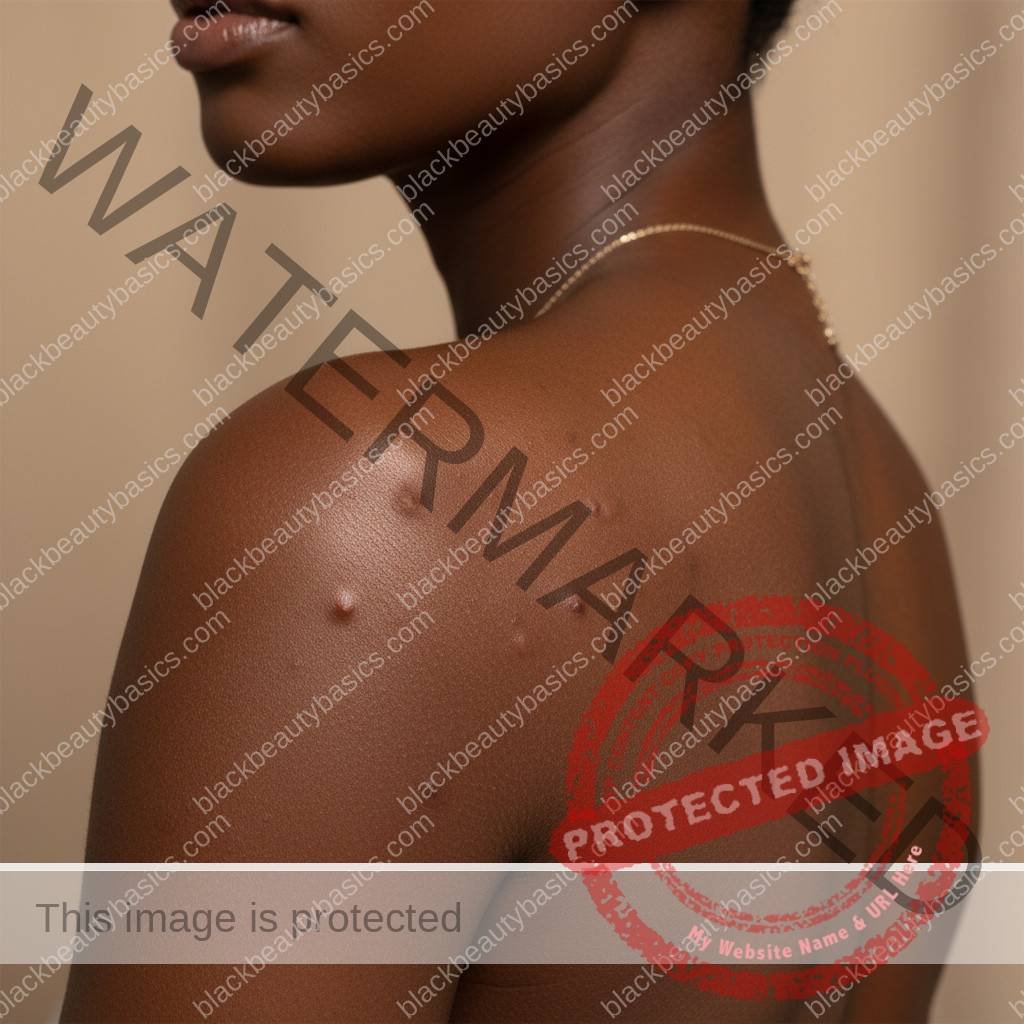
For Black women and individuals with melanin-rich skin, the aftermath of acne often manifests as post-inflammatory hyperpigmentation (PIH). This phenomenon occurs because our skin’s melanocytes—the cells responsible for producing melanin, our natural pigment—are highly reactive to inflammation. When acne, an injury, or any significant irritation occurs, these melanocytes are triggered to produce an excess of melanin, which then gets deposited in the upper layers of the skin. The result is a flat, darkened patch that marks the precise location where the inflammation once resided.
This distinctive response means that even a seemingly minor breakout can leave a significant and long-lasting mark. The appearance of PIH on dark skin is typically characterized by flat, smooth spots ranging from light brown to deep chocolate brown, sometimes even purplish-black, depending on your individual skin tone and the depth of the pigment. These marks are not textured scars, nor are they dirt; they are simply concentrated areas of pigment. They are distinct from pitted scars, which involve a loss of tissue, or raised scars, which result from an overgrowth of tissue. PIH is purely a color change, a memory of inflammation.
Understanding PIH is the first step toward effective treatment. It’s crucial to recognize that these marks are a natural, albeit often unwelcome, response of melanin-rich skin to trauma. They are a testament to the protective power of melanin, but also a challenge when it comes to maintaining an even complexion. For a deeper dive into the nuances of hyperpigmentation and its various forms, including PIH, we invite you to explore our comprehensive Hyperpigmentation Hub. To understand the typical journey of these marks and what to expect, our post on PIH Timeline & Treatment offers valuable insights. For broader concerns related to acne and sensitive skin, our Acne & Sensitive Skin Pillar Hub provides a wealth of information tailored to your needs.
The intensity and longevity of PIH can be exacerbated by certain behaviors, such as picking or squeezing pimples, which introduce further inflammation and can push pigment deeper into the skin. Similarly, using harsh, irritating products that compromise the skin barrier can worsen the inflammatory response, leading to darker and more stubborn marks. This is why a gentle, consistent, and informed approach is paramount for melanin-rich skin. Our skin is resilient, but it also demands respect and a nuanced understanding of its unique biology. By recognizing that PIH is a pigmentary response to inflammation, we can then strategically address both the active acne that causes it and the lingering marks themselves, moving towards a clearer, more confident complexion.
The journey to understanding and managing PIH is often one of patience and strategic intervention. It begins with acknowledging that your skin’s response is not a flaw, but a characteristic that requires a tailored approach. Many women of color have experienced the frustration of treating a breakout, only to find that the dark spot it leaves behind is a more persistent and visible concern than the original lesion. This is not an uncommon experience; it is a fundamental aspect of how melanin-rich skin heals and reacts to inflammation. The hyperactive melanocytes, while serving as a natural shield against UV radiation, also mean that any disruption to the skin’s equilibrium can result in a pigmentary imprint. This is why a holistic approach that addresses both the cause (acne) and the effect (PIH) is essential, rather than focusing on one in isolation. The goal is not just to clear breakouts, but to do so in a manner that minimizes the subsequent pigmentary response, thereby reducing the burden of dark spots. This involves a careful selection of ingredients, a commitment to sun protection, and a willingness to seek professional guidance when necessary. The path to even-toned skin is a marathon, not a sprint, and every step taken with intention and care contributes to a more radiant outcome.
Step 1 – Get the Breakouts Under Better Control (Without Wrecking Your Barrier)
The fundamental truth about treating dark spots from acne is this: new acne inevitably leads to new post-inflammatory hyperpigmentation. Therefore, a critical first step in fading existing marks and preventing future ones is to bring active breakouts under control. However, this must be done with extreme care, especially for melanin-rich skin. Many conventional acne treatments can be overly harsh, stripping the skin’s natural barrier and leading to increased inflammation. For our skin, more inflammation almost always translates to darker, more stubborn dark marks. The goal is to calm, not to conquer aggressively.
A gentle yet effective approach is key. Your skin barrier is your first line of defense, and maintaining its integrity is paramount. When the barrier is compromised, skin becomes more sensitive, reactive, and prone to inflammation, creating a vicious cycle of breakouts and subsequent PIH. This means avoiding harsh scrubs, overly drying cleansers, and excessive use of strong active ingredients. Instead, focus on supporting your skin’s natural functions while gently addressing the root causes of acne.
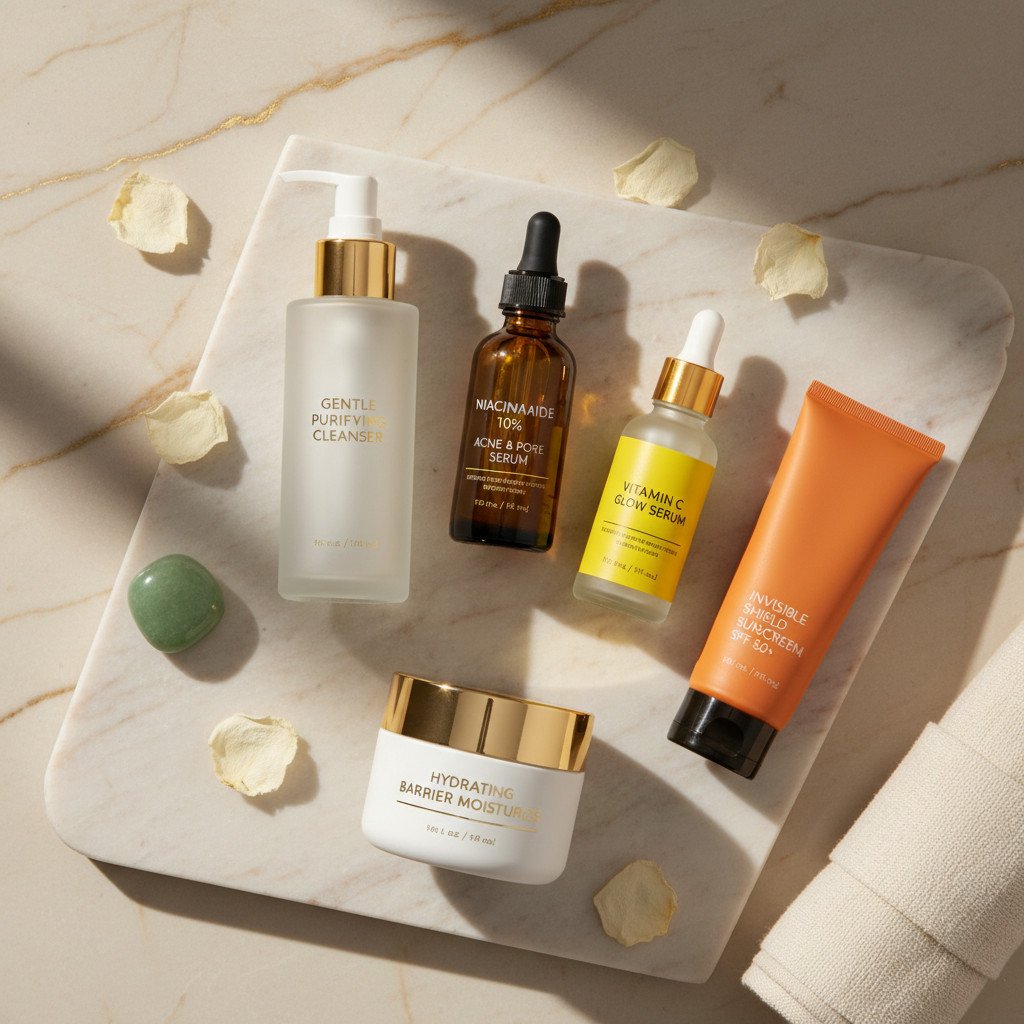
- Gentle, Consistent Cleansing: Begin with a pH-balanced cleanser that effectively removes impurities, makeup, and excess oil without stripping your skin. Look for formulas that are sulfate-free and designed for sensitive or acne-prone skin. Harsh scrubbing can irritate active breakouts and exacerbate inflammation, so use your fingertips and a light touch. Cleansing twice daily, morning and evening, is usually sufficient. For guidance on selecting the right cleanser, refer to our post on How to Choose a Cleanser for Melanin-Rich Skin.
- Strategic Use of Acne-Focused Actives: Ingredients like salicylic acid (a beta-hydroxy acid that exfoliates inside the pore), benzoyl peroxide (an antibacterial agent), and retinoids (which regulate cell turnover) can be highly effective. However, their use requires a nuanced approach for melanin-rich skin. Start with lower concentrations and introduce them slowly, perhaps a few times a week, to allow your skin to adjust. Observe your skin for any signs of irritation, redness, or excessive dryness, which indicate that you may be using too much, too often. Remember, irritation fuels PIH. For more on navigating actives, our Acne & Sensitive Skin Pillar Hub is an invaluable resource.
- Knowing When to Seek Professional Support: If your acne is persistent, painful, cystic, nodular, widespread, or leading to scarring, it is crucial to consult a dermatologist. Over-the-counter solutions have their limits, and a professional can offer prescription-strength treatments, oral medications, or in-office procedures that can effectively manage severe acne and prevent further PIH. Do not hesitate to seek help if acne is impacting your quality of life or causing significant distress. Many of the Skincare Mistakes Causing Dark Marks & Sensitivity stem from trying to self-treat severe conditions.
By prioritizing gentle care and barrier support while strategically integrating acne treatments, you create an environment where your skin can heal and where new PIH is less likely to form. This foundational step is not just about clearing pimples; it’s about laying the groundwork for an even, radiant complexion that reflects your inner confidence. The journey to managing acne and PIH is often a delicate balance, requiring patience, consistency, and a deep understanding of your skin’s unique needs. It is not about eradicating every single blemish overnight, but rather about establishing a sustainable routine that minimizes inflammation and supports the skin’s natural healing processes. This approach acknowledges that melanin-rich skin, while robust, is also exquisitely sensitive to irritation. Therefore, every product choice, every application technique, and every decision about when to escalate treatment should be made with the utmost consideration for preserving the skin’s barrier function. A compromised barrier is an open invitation for increased inflammation, heightened sensitivity, and, ultimately, more pronounced and persistent dark spots. This is why the emphasis on ‘without wrecking your barrier’ is not merely a suggestion but a foundational principle for effective PIH management. It means choosing cleansers that don’t leave your skin feeling tight or squeaky clean, opting for acne treatments that are formulated to be less irritating, and always following up with adequate hydration and barrier-supporting ingredients. It also involves being mindful of physical exfoliation, which can be too aggressive for inflamed skin, and instead favoring chemical exfoliants used judiciously. The goal is to create a calm, stable environment for your skin, allowing it to focus its energy on healing and regenerating, rather than constantly battling new irritations. This measured and respectful approach is the cornerstone of a successful strategy against acne-linked dark spots.
Shop for gentle acne cleansers for dark skin on Amazon.
Step 2 – Protect Every Mark with Daily Sunscreen (Face and Body)
If there is one non-negotiable step in treating and preventing dark spots from acne on melanin-rich skin, it is the diligent, daily application of sunscreen. This isn’t merely a recommendation; it’s an absolute imperative. UV exposure, even incidental exposure on cloudy days or indoors near windows, acts as a powerful catalyst, making existing acne dark spots significantly darker, more stubborn, and much slower to fade. For our skin, which is prone to hyperpigmentation, sunscreen is not just about preventing sunburn; it is the most potent anti-pigmentary treatment available.
Melanin-rich skin naturally possesses some inherent protection against UV radiation compared to lighter skin tones, but this protection is not absolute and certainly not sufficient to prevent PIH from darkening. When melanocytes are already in an overactive state due to inflammation (the initial cause of PIH), exposure to UV light further stimulates them, pushing more pigment to the surface and locking in those dark marks. Without consistent sun protection, even the most advanced brightening serums will struggle to deliver noticeable results, as new pigment production will constantly counteract their efforts. This applies not just to the face, but to any area of the body where PIH is present—be it the neck, chest, shoulders, back, or even buttocks if exposed.
- Choosing No-White-Cast Formulas for Dark Skin: The primary barrier for many Black women adopting daily sunscreen is the dreaded white cast. Fortunately, formulations have vastly improved. Look for chemical sunscreens that blend seamlessly or mineral sunscreens (containing zinc oxide and/or titanium dioxide) that are tinted or micronized to disappear on darker skin tones. Experiment with different brands and types to find one that feels comfortable and looks invisible on your complexion.
- Lightweight, Non-Comedogenic Textures: For acne-prone areas, it’s crucial to select sunscreens that won’t clog pores or exacerbate breakouts. Opt for formulas labeled
Frequently Asked Questions
How do I know if my dark spots are from acne or something else?
Dark spots from acne (post-inflammatory hyperpigmentation or PIH) typically appear as flat, brown to dark brown patches precisely where a pimple or breakout once was. They are not textured scars and usually follow the pattern of previous inflammation. If your dark spots are widespread, symmetrical, or appear without a prior blemish, they might be another form of hyperpigmentation like melasma or sun spots, which may require a different approach.
Can I fade acne dark spots if I still get new breakouts?
While it’s possible to use brightening ingredients, new breakouts will continuously create new dark spots, making significant progress difficult. The most effective strategy is to first get active acne under better control to prevent new PIH from forming. Once breakouts are calmer, brightening treatments can work more efficiently without being constantly undermined by new inflammation.
Is it safe to treat acne and dark spots at the same time on dark skin?
Yes, it is not only safe but often necessary to address both concerns simultaneously, provided the approach is gentle and balanced. The key is to avoid harsh treatments that can irritate melanin-rich skin, as irritation can worsen dark spots. Focus on gentle acne control, consistent sun protection, and slowly introducing brightening ingredients that also support the skin barrier, such as niacinamide or azelaic acid.
How long does it usually take to see a difference in my acne marks?
Fading acne dark spots on melanin-rich skin is a slow process that requires patience and consistency. Superficial marks might show improvement in 3-6 months, while deeper or older spots can take 6-12 months, or even longer. Body PIH often fades slower than facial PIH. Consistent daily sunscreen use and a tailored routine are crucial for visible progress.
Do I need different routines for face vs body acne marks?
While the core principles (gentle cleansing, sun protection, brightening ingredients) remain the same, product textures and application methods may differ. Body skin is often thicker and less sensitive, allowing for slightly stronger formulations or less frequent application. However, avoiding friction and ensuring thorough sun protection on exposed body areas are critical for effective body PIH treatment.
When should I stop trying products at home and see a dermatologist?
You should consider seeing a dermatologist if your acne is severe, painful, cystic, widespread, or causing scarring. If your dark spots are not responding to consistent at-home care after several months, or if they are significantly impacting your emotional well-being, a dermatologist can offer prescription treatments, oral medications, or in-office procedures that may be more effective.
Shop gentle acne cleanser on Amazon
Shop sunscreen for acne-prone dark skin on Amazon
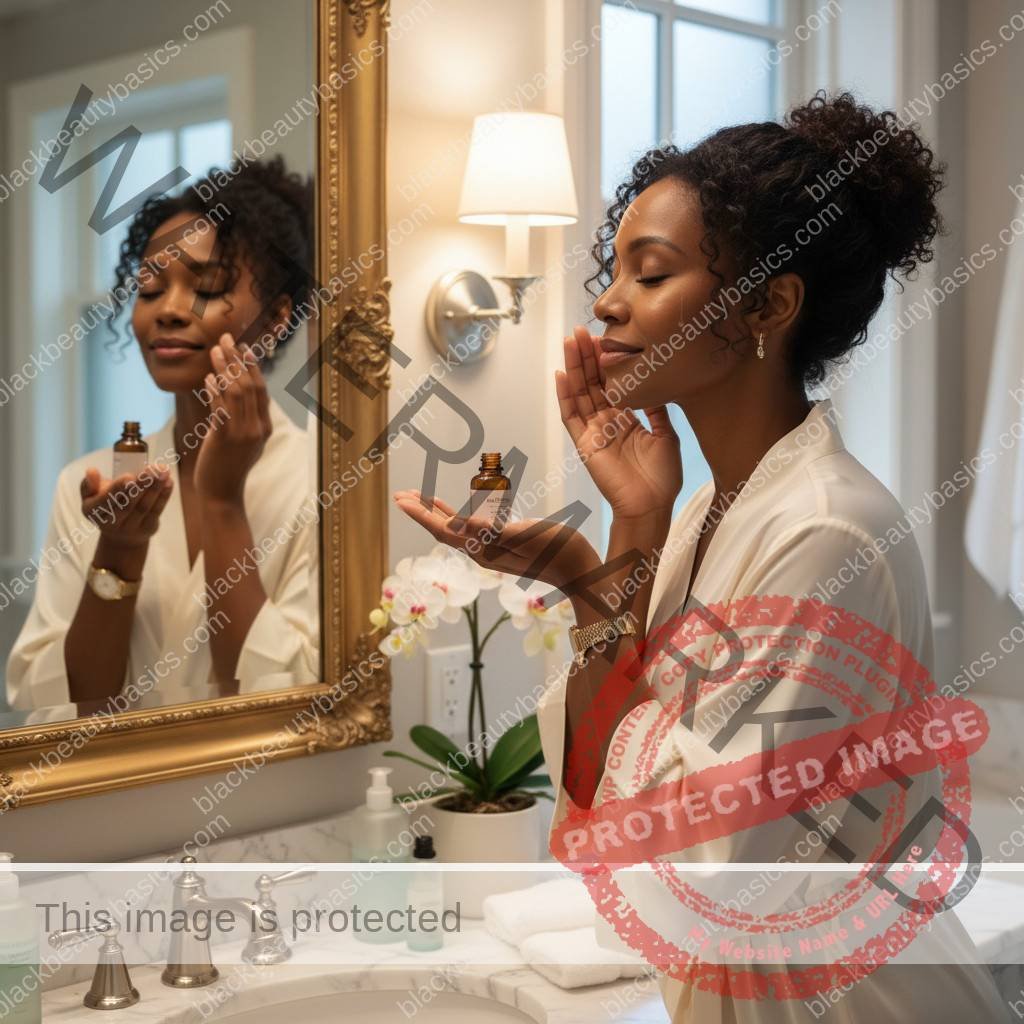
Shop niacinamide serum on Amazon
Shop vitamin C serum on Amazon
Shop azelaic acid serum on Amazon
Shop tranexamic acid serum on Amazon
Shop body moisturizer on Amazon
Related next steps
Start Here → Hyperpigmentation And Dark Spots → Skincare For Black Women 101 Simple Routines → Skincare For Black Women → Skin Typing And Fundamentals For Melanin Rich Skin → Barrier Repair And Moisture Balance → Cleansing And Exfoliation Best Practices → Hyperpigmentation In Black Women Causes Types Treatment Roadmap →Related posts:
 Shaving the Bikini Line on Dark Skin: Step‑by‑Step for Fewer Razor Bumps
 Aligning Makeup With Your Hyperpigmentation and Acne Treatment Plan
 Strawberry Legs on Dark Skin: Exfoliation and Treatment Plan
 Effortless Winter Haircare: A Step-by-Step Guide for African American Women
 Step-by-Step Winter Skincare Guide for African American Women
 Step-by-Step Guide To Applying Clip-In Hair Extensions