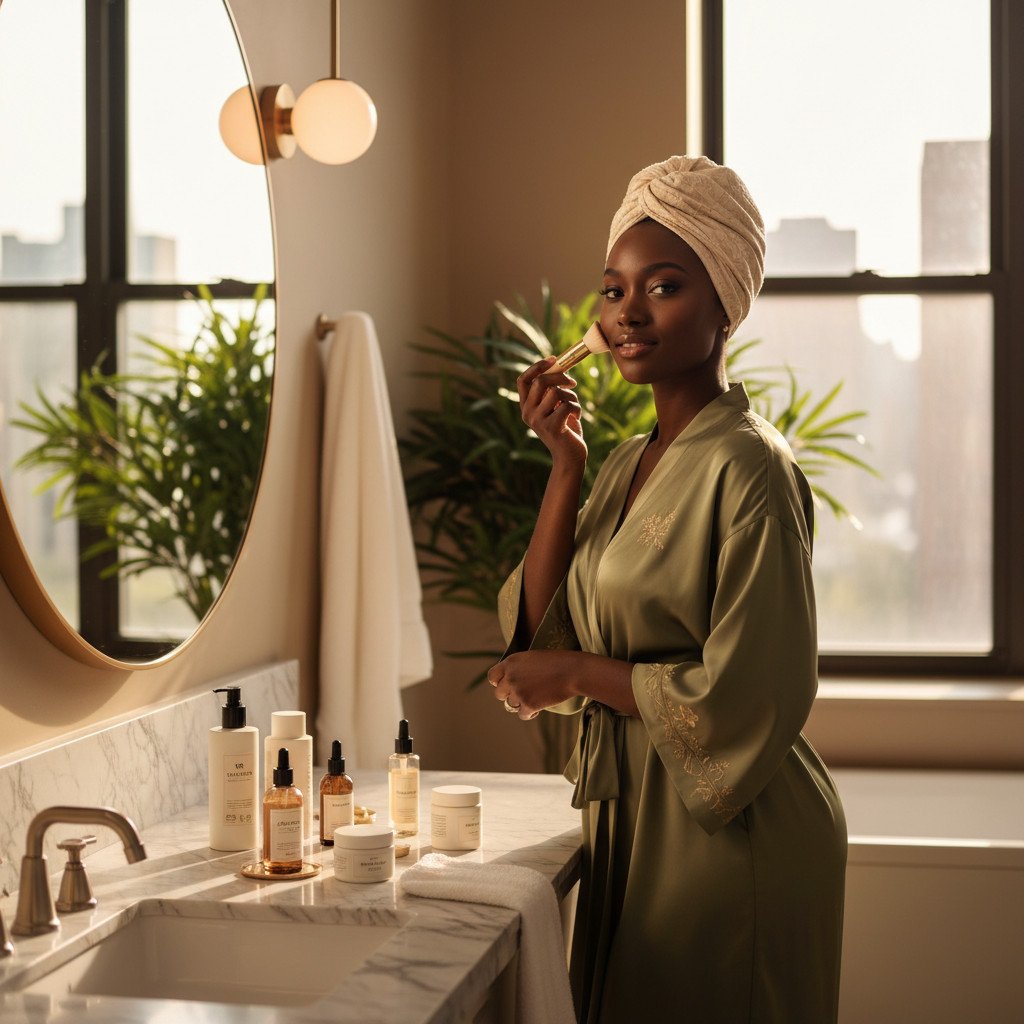
Uneven Tone Around the Mouth and Jawline on Dark Skin
For many women with melanin-rich skin, the journey to a radiant, even-toned complexion can feel like navigating a complex map. While we celebrate the glorious depth and resilience of our skin, we also intimately understand the unique challenges it presents, particularly when it comes to hyperpigmentation. Among the most common and often perplexing concerns is the appearance of uneven tone around the mouth and jawline. This isn’t just a fleeting observation; it’s a pattern many of us notice daily, a subtle darkening or patchiness that can feel persistent and resistant to our best efforts.
This particular type of discoloration can manifest in various ways: a shadowy perimeter around the lips, a distinct line along the jaw, or a general dullness that contrasts with the rest of the face. It’s a common experience, yet one that is frequently oversimplified or misunderstood. The frustration often stems from not knowing the root cause, leading to a cycle of trying different products or methods without seeing lasting results. This isn’t a flaw in your skin; it’s a nuanced response to a combination of internal and external factors that are often overlooked in general skincare advice.
At Black Beauty Basics, we understand that your skin’s story is unique, deeply intertwined with your heritage and lived experiences. We’re here to demystify this common concern, offering a clear, compassionate, and culturally informed perspective. We’ll explore the various reasons why uneven tone might appear in these specific areas, moving beyond generic explanations to provide insights tailored for melanin-rich skin. Our goal is to empower you with knowledge, helping you to understand your skin’s signals and equip you with practical, effective strategies to support a more harmonious, even-looking complexion without compromise or judgment.
Why Uneven Tone Often Shows Up Around the Mouth and Jawline
The areas around the mouth and jawline are particularly susceptible to developing uneven tone on melanin-rich skin for a confluence of reasons, making them common sites for hyperpigmentation. Unlike other areas of the face, these regions are constantly in motion, subjected to unique environmental exposures, and often bear the brunt of specific habits and physiological processes. Understanding these underlying mechanisms is the first step toward effectively addressing and managing the discoloration.
Increased Melanin Production in Response to Inflammation and Trauma
Melanin-rich skin is exquisitely sensitive to inflammation and trauma, responding to even minor irritations by producing more melanin. This protective mechanism, while beneficial in some contexts, can lead to post-inflammatory hyperpigmentation (PIH). The skin around the mouth and jawline is frequently subjected to micro-traumas and irritations. Think about the constant stretching and movement from talking, eating, and expressing emotions. These repeated actions, while natural, can create subtle friction or stress on the skin. Furthermore, habits like lip licking, rubbing the jaw, or even aggressive cleansing can trigger an inflammatory response, leading to increased melanin synthesis in these delicate areas.
Beyond mechanical irritation, the skin barrier in these regions can sometimes be compromised, making it more vulnerable to external aggressors. A weakened barrier allows irritants to penetrate more easily, initiating an inflammatory cascade that results in darkening. This heightened sensitivity means that even products or ingredients that might be well-tolerated on other parts of the face could potentially cause irritation and subsequent hyperpigmentation around the mouth and jawline if not applied carefully or if the skin barrier is already compromised. This is why a gentle, consistent approach is paramount when dealing with discoloration in these areas.
Proximity to Mucous Membranes and Different Skin Structures
The skin around the mouth, particularly the vermilion border (the edge of the lips), transitions into a different type of skin structure and eventually mucous membrane. This area is thinner, more delicate, and has a different composition of sebaceous glands compared to the rest of the face. This unique anatomical structure can influence how skin concerns manifest. For instance, dryness around the mouth can be particularly pronounced, leading to flaking and irritation that, in turn, can trigger hyperpigmentation. The constant exposure to saliva, which has a different pH than the skin, can also contribute to irritation and dryness if not managed properly.
The jawline, while not as structurally distinct as the lip area, is also a zone of transition. It’s where the face meets the neck, and where facial hair growth patterns often change, especially in individuals who shave or wax. These transitions mean that the skin in these areas might react differently to environmental factors and skincare products. The unique physiological characteristics of these regions necessitate a thoughtful and targeted approach to skincare, acknowledging their inherent sensitivities and vulnerabilities to discoloration. Understanding these differences helps us to tailor our routines more effectively, moving beyond a one-size-fits-all approach.
Environmental Exposure and Sun Sensitivity
While we often diligently apply sunscreen to the central areas of our face, the perimeter, including the jawline and around the mouth, can sometimes be overlooked or receive inadequate protection. These areas are highly exposed to UV radiation, which is a primary trigger for increased melanin production and the worsening of existing hyperpigmentation. The sun’s rays can penetrate deeply into the skin, stimulating melanocytes to produce more pigment as a protective response. For melanin-rich skin, this response is more robust, leading to darker and more persistent spots.
Furthermore, the reflective properties of some surfaces, like water or snow, can intensify UV exposure, making comprehensive sun protection even more critical around the lower face. The constant movement of the mouth and jaw can also lead to sunscreen rubbing off more quickly in these areas, necessitating more frequent reapplication. Without consistent and thorough sun protection, any efforts to lighten existing hyperpigmentation will be undermined, as new pigment will continuously be generated. This makes broad-spectrum sunscreen for dark skin an indispensable tool in managing uneven tone in these vulnerable regions.
Common Contributors to This Pattern on Melanin-Rich Skin
The appearance of uneven tone around the mouth and jawline on melanin-rich skin is rarely due to a single factor. Instead, it’s often a complex interplay of internal predispositions and external influences. Identifying these common contributors is crucial for developing an effective strategy to address and manage the discoloration. By understanding the root causes, we can implement targeted interventions that respect the unique biology of our skin.
Irritation and Dryness
One of the most pervasive culprits behind uneven tone, particularly around the mouth, is chronic irritation and dryness. Melanin-rich skin is prone to transepidermal water loss (TEWL), meaning it can lose moisture more readily than lighter skin types, leading to dryness. When the skin around the mouth becomes dry, it can feel tight, flaky, and even itchy. This dryness compromises the skin’s natural barrier function, making it more susceptible to external irritants. The constant cycle of dryness, irritation, and subsequent inflammation can trigger melanocytes to produce excess pigment, leading to persistent darkening.
Common sources of irritation in this area include harsh cleansers, abrasive scrubs, or even certain ingredients in toothpaste that can migrate to the surrounding skin. Lip licking, a seemingly innocuous habit, can also contribute significantly. Saliva contains digestive enzymes that, while helpful in the mouth, can be irritating and drying to the delicate skin around the lips when left to evaporate. This constant wetting and drying cycle strips the skin of its natural oils, leading to a compromised barrier and, ultimately, hyperpigmentation. Addressing dryness and minimizing irritation are foundational steps in managing uneven tone in this sensitive region.
Friction from Shaving or Hair Removal
For many, the jawline and upper lip area are common sites for hair removal, whether through shaving, waxing, threading, or depilatory creams. Each of these methods, while effective at removing hair, can introduce varying degrees of friction and trauma to the skin. Shaving, especially if done incorrectly (e.g., against the grain, with a dull blade, or without adequate lubrication), can cause micro-abrasions, razor bumps (Shop razor bump treatment dark skin on Amazon), and ingrown hairs. These inflammatory responses are prime triggers for post-inflammatory hyperpigmentation on melanin-rich skin.
Waxing and threading, while removing hair from the root, can also cause significant trauma to the skin, leading to redness, inflammation, and sometimes even small tears. The pulling action can disrupt the skin barrier and stimulate melanocytes. Depilatory creams, while chemical, can also be highly irritating if left on too long or if the skin is sensitive to the active ingredients. The repeated cycle of hair removal-induced inflammation and subsequent hyperpigmentation can lead to a persistent darkening of the jawline and upper lip area. Exploring gentler hair removal methods or optimizing current techniques is crucial for mitigating this cause of uneven tone.
Breakouts and Acne Marks
The jawline is a notorious area for breakouts, particularly among adults. Hormonal fluctuations, stress, and even certain dietary factors can trigger acne in this region. When pimples, cysts, or pustules form, they represent an inflammatory event within the skin. For melanin-rich skin, this inflammation almost invariably leads to post-inflammatory hyperpigmentation (PIH) once the breakout heals. The darker the initial inflammation, the darker and more persistent the resulting mark tends to be.
Furthermore, habits like picking or squeezing breakouts exacerbate the inflammation and increase the likelihood of more severe and long-lasting dark spots. The constant presence of active breakouts followed by dark marks can create a perpetually uneven tone along the jawline. Managing acne effectively, focusing on gentle treatments that minimize inflammation, and resisting the urge to pick are paramount. Addressing the underlying causes of breakouts, such as hormonal imbalances or stress, can also play a significant role in preventing new dark marks from forming.

Hormonal Influences and Melasma-like Patterns
Hormones play a significant role in skin pigmentation, and fluctuations can manifest as uneven tone, particularly in areas like the upper lip and jawline. Conditions like melasma, often triggered by hormonal changes (e.g., pregnancy, birth control pills, hormone replacement therapy), frequently appear on the upper lip, cheeks, and forehead. While classic melasma often presents as symmetrical patches, a more diffuse or patchy darkening around the mouth and jawline can also have a hormonal component, especially when combined with sun exposure.
The skin’s melanocytes have receptors for hormones like estrogen and progesterone. When these hormones fluctuate, they can stimulate melanocytes to produce more pigment, leading to darker patches. This is why some individuals notice increased pigmentation during specific phases of their menstrual cycle or during major life changes involving hormones. Recognizing a potential hormonal link is important, as it may require a different approach to management, sometimes involving collaboration with a healthcare provider to address the underlying hormonal balance. This is especially true for conditions like Polycystic Ovary Syndrome (PCOS), which can impact skin health significantly, as discussed in our Hormonal Skin and Hair pillar.
Lip-Area Habits and Product Sensitivity
Beyond lip licking, several other habits and product sensitivities can contribute to uneven tone around the mouth. Applying certain lip products that contain irritating ingredients, such as strong fragrances, dyes, or menthol, can cause a contact dermatitis-like reaction on the delicate skin surrounding the lips. This irritation, even if subtle, can trigger hyperpigmentation over time. Similarly, some individuals may develop sensitivity to certain toothpastes, leading to redness and darkening around the mouth.
Even seemingly harmless habits like frequently touching the mouth area, resting the chin on hands, or using rough towels to wipe the face can introduce friction and irritation. The skin around the mouth is constantly exposed to food, drinks, and potentially irritating residues. Not thoroughly cleansing this area after meals, or using harsh wiping motions, can contribute to ongoing irritation. Being mindful of these daily habits and scrutinizing the ingredients in products used near the mouth can reveal hidden triggers for uneven tone, allowing for adjustments that promote a more even complexion.
Sunscreen Gaps and Inadequate Protection
Despite our best intentions, sunscreen application often leaves gaps, particularly around the perimeter of the face, including the jawline and the very edges of the mouth. We tend to focus on the central areas, sometimes neglecting to blend sunscreen fully to the hairline, under the jaw, or right up to the lip line. These overlooked areas are still exposed to UV radiation, and for melanin-rich skin, even incidental sun exposure can stimulate melanocytes and worsen existing hyperpigmentation or trigger new dark spots.
The constant movement of the mouth can also cause sunscreen to wear off more quickly in that area, especially if you’re eating, drinking, or talking a lot throughout the day. Similarly, clothing or hats might not always provide complete coverage to the jawline, leaving it vulnerable. This consistent, low-level UV exposure without adequate protection acts as a continuous trigger for melanin production, making it difficult to achieve or maintain an even tone. Ensuring thorough and consistent application of a broad-spectrum Shop sunscreen dark skin no white cast on Amazon, even in these often-forgotten zones, is a non-negotiable step in managing uneven tone.
Routine Adjustments That May Support a More Even Look
Addressing uneven tone around the mouth and jawline on dark skin requires a thoughtful and consistent approach, often involving specific routine adjustments. The goal is to minimize irritation, support skin barrier health, and gently encourage a more uniform complexion. These adjustments are not about harsh treatments but about nurturing your skin and providing it with what it needs to thrive.
Gentle Cleansing and Hydration
The foundation of any effective skincare routine, especially for managing hyperpigmentation, begins with gentle cleansing and robust hydration. For the delicate skin around the mouth and jawline, this is even more critical. Harsh cleansers that strip the skin of its natural oils can compromise the skin barrier, leading to dryness and irritation, which are direct triggers for hyperpigmentation. Opt for a mild, hydrating cleanser that effectively removes impurities without leaving your skin feeling tight or squeaky clean. Look for formulas that are sulfate-free and designed for sensitive skin.
Following cleansing, immediate and consistent hydration is key. Apply a rich, emollient moisturizer to lock in moisture and support the skin barrier. Ingredients like ceramides, hyaluronic acid, glycerin, and squalane are excellent for replenishing and retaining hydration. Pay particular attention to the areas around the mouth and jawline, ensuring they receive ample moisture. Well-hydrated skin is more resilient, less prone to irritation, and better equipped to heal and maintain an even tone. Consider using a Shop moisturizer dark skin women on Amazon specifically formulated for melanin-rich skin to ensure it addresses unique hydration needs.
Targeted Ingredients for Hyperpigmentation
Once your skin barrier is healthy and hydrated, you can begin to incorporate targeted ingredients that help to address existing hyperpigmentation. It’s crucial to introduce these slowly and observe how your skin reacts, as melanin-rich skin can be sensitive to certain actives. The key is consistency and patience, as fading hyperpigmentation takes time.
- Niacinamide (Vitamin B3): This powerhouse ingredient is excellent for melanin-rich skin. It helps to reduce inflammation, strengthen the skin barrier, and inhibit the transfer of melanosomes (pigment packets) from melanocytes to keratinocytes (skin cells). This means it can effectively reduce the appearance of existing dark spots and prevent new ones from forming. It’s generally well-tolerated and can be found in many serums and moisturizers. Shop niacinamide serum dark skin on Amazon.
- Vitamin C (Ascorbic Acid): A potent antioxidant, Vitamin C brightens the skin, protects against environmental damage, and inhibits tyrosinase, an enzyme crucial for melanin production. Look for stable forms of Vitamin C, such as L-Ascorbic Acid or its derivatives, in concentrations that your skin can tolerate. Start with lower concentrations and gradually increase as your skin adjusts.
- Alpha Arbutin and Kojic Acid: These ingredients are tyrosinase inhibitors, meaning they directly interfere with the enzyme responsible for melanin production. They are often found in serums and treatments designed to target hyperpigmentation and are generally well-suited for melanin-rich skin when used correctly.
- Azelaic Acid: Known for its anti-inflammatory and antibacterial properties, azelaic acid also helps to inhibit tyrosinase activity. It’s particularly beneficial for those who experience both breakouts and hyperpigmentation, as it can address both concerns simultaneously.
- Gentle Exfoliation (AHAs/PHAs): While physical scrubs should be avoided, chemical exfoliants like Alpha Hydroxy Acids (AHAs) such as lactic acid or mandelic acid, or Polyhydroxy Acids (PHAs) can be beneficial. These acids gently slough off dead skin cells, helping to reveal brighter, more even-toned skin. Mandelic acid is often preferred for melanin-rich skin due to its larger molecular size, which allows for slower penetration and less irritation. PHAs are even gentler, making them suitable for sensitive skin. Start with low concentrations and use them infrequently to avoid irritation.
Remember, the goal is to choose a few key ingredients and use them consistently, rather than overwhelming your skin with too many actives at once. Our guide on how to choose ingredients for facial hyperpigmentation on dark skin offers more detailed guidance.
Consistent Broad-Spectrum Sun Protection
This cannot be stressed enough: consistent, broad-spectrum sun protection is the single most important step in managing and preventing hyperpigmentation on melanin-rich skin. Without it, all other efforts to fade dark spots will be undermined. UV radiation, even on cloudy days or indoors near windows, stimulates melanin production, causing existing spots to darken and new ones to form.
Choose a broad-spectrum sunscreen with an SPF of 30 or higher, and ensure it’s formulated for daily use and leaves no white cast on dark skin. Mineral sunscreens containing zinc oxide and titanium dioxide are excellent for sensitive skin, but modern chemical sunscreens are also highly effective and often more cosmetically elegant. Apply sunscreen generously as the last step in your morning routine, making sure to cover the entire face, including the jawline, around the mouth, and blending down to the neck. Reapply every two hours, or more frequently if sweating or swimming. This diligent practice is fundamental for achieving and maintaining an even skin tone. For more comprehensive advice on integrating sun protection into your daily life, refer to our article on daily routines that support fading facial dark spots.
Careful Hair Removal Techniques
If hair removal around the mouth or jawline is a contributing factor to your uneven tone, re-evaluating your technique is essential. For shaving, always use a fresh, sharp blade and shave in the direction of hair growth after softening the skin with warm water and a good quality shaving cream or gel. Avoid dry shaving at all costs. For those prone to razor bumps, consider an electric shaver designed for sensitive skin or exploring alternative methods.
If you wax or thread, ensure you are going to an experienced professional who understands how to work with melanin-rich skin to minimize trauma. After hair removal, soothe the skin immediately with a calming, hydrating serum or moisturizer to reduce inflammation. Some individuals may find laser hair removal to be a long-term solution that reduces the need for frequent irritation-inducing methods, but this should only be performed by a qualified professional experienced with dark skin tones to avoid complications like burns or paradoxical hyperpigmentation.
Addressing Underlying Conditions
If you suspect hormonal influences or persistent breakouts are driving your uneven tone, it’s important to address these underlying conditions. This might involve consulting with a healthcare provider or dermatologist. They can help diagnose conditions like PCOS or hormonal acne and suggest appropriate treatments, which might include topical medications, oral medications, or lifestyle adjustments. Managing these internal factors can significantly improve the effectiveness of your topical skincare routine and lead to more lasting results in achieving an even complexion.

Habits That May Be Keeping This Area Irritated
Sometimes, the most significant contributors to uneven tone around the mouth and jawline are subtle, ingrained habits that we perform almost unconsciously. These actions, while seemingly harmless, can create a continuous cycle of irritation and inflammation, directly leading to increased melanin production in melanin-rich skin. Becoming aware of these habits is the first step toward breaking the cycle and allowing your skin to heal and regain its natural, even tone.
Lip Licking and Picking
This is perhaps one of the most common and persistent habits contributing to perioral hyperpigmentation. When you lick your lips, saliva is deposited on the delicate skin around the mouth. While saliva initially provides a temporary sensation of moisture, as it evaporates, it takes with it the skin’s natural moisture, leading to increased dryness. Moreover, saliva contains digestive enzymes that are not meant for the skin and can cause irritation and inflammation. This constant cycle of wetting, drying, and irritation compromises the skin barrier, making it vulnerable to hyperpigmentation.
Similarly, picking at dry skin flakes, blemishes, or even just the skin around the lips introduces physical trauma and inflammation. For melanin-rich skin, any form of picking or squeezing almost guarantees a subsequent dark spot. Breaking this habit requires conscious effort. Keep a hydrating, non-irritating lip balm or ointment (like plain petroleum jelly or a lanolin-based product) readily available and apply it frequently, especially after eating or drinking, to create a protective barrier and reduce the urge to lick or pick. Consider using a thick, occlusive balm at night to provide intensive moisture and encourage healing.
Aggressive Wiping or Rubbing
Whether it’s after cleansing, eating, or simply out of habit, aggressively wiping or rubbing the skin around the mouth and jawline can cause significant friction and irritation. Using rough towels, scrubbing too hard with a washcloth, or even vigorously wiping away food residue can create micro-traumas that trigger an inflammatory response. This is particularly true for individuals who use physical exfoliants or abrasive tools in these sensitive areas, which should generally be avoided on melanin-rich skin prone to hyperpigmentation.
Instead, adopt a gentle approach. When cleansing, use your fingertips and light, circular motions. Pat your skin dry with a soft towel rather than rubbing. When removing makeup or food, use a soft cotton pad or cloth dampened with micellar water or a gentle cleanser, and wipe with minimal pressure. The less friction and trauma your skin experiences, the less likely it is to respond with increased melanin production.
Resting Hands on the Face/Jawline
Many of us have unconscious habits like resting our chin in our hands while thinking, leaning our face on our hand while working at a desk, or even sleeping with our face pressed against a pillow in a specific way. These seemingly innocuous actions can introduce friction, pressure, and transfer oils, dirt, and bacteria from our hands to our skin, especially along the jawline. This constant, low-level irritation can contribute to both breakouts and hyperpigmentation.
If you find yourself frequently touching your face, try to become more mindful of the habit. Keep your hands clean, and if possible, try to break the habit by finding alternative postures or using reminders. For example, if you lean on your hand while working, try to sit up straighter or use a small pillow for support. This subtle change can significantly reduce irritation and subsequent discoloration along the jawline.
Using Irritating Toothpastes or Mouthwashes
The products we use for oral hygiene can sometimes inadvertently contribute to perioral hyperpigmentation. Certain toothpastes, especially those marketed for “whitening” or “intense freshness,” can contain ingredients like strong detergents (e.g., sodium lauryl sulfate), essential oils (e.g., peppermint, spearmint), or flavoring agents that can be irritating to the delicate skin around the mouth. When these products come into contact with the skin, they can cause a contact dermatitis-like reaction, leading to redness, dryness, and subsequent darkening.
Similarly, some mouthwashes contain alcohol or other harsh antiseptics that can dry out and irritate the skin if they drip or splash. If you suspect your oral hygiene products might be contributing to your uneven tone, try switching to a milder, fluoride-only toothpaste without strong flavors or foaming agents, and an alcohol-free mouthwash. Observe if the discoloration improves after making this change. Always rinse your mouth thoroughly after brushing and gently wipe any residue from around your lips.
Inconsistent Sun Protection Application
As mentioned earlier, inconsistent sunscreen application is a major habit that undermines efforts to achieve an even tone. We often apply sunscreen to the central areas of the face but neglect the perimeter, including the jawline, the corners of the mouth, and the area directly under the nose. These areas are still exposed to UV radiation, and for melanin-rich skin, even minimal, cumulative sun exposure can trigger and exacerbate hyperpigmentation.
Make it a habit to apply sunscreen generously and thoroughly to your entire face, blending it seamlessly into your hairline, under your jaw, and down your neck. Don’t forget the often-missed spots like the tops of your ears and the back of your neck if exposed. Reapplication throughout the day is also crucial, especially if you’re outdoors, sweating, or wearing a mask that might rub off your sunscreen. Carry a small tube of sunscreen or a stick formula for easy touch-ups. Integrating this habit into your daily routine is non-negotiable for managing and preventing uneven tone.
When This Kind of Discoloration Needs Professional Evaluation
While many instances of uneven tone around the mouth and jawline can be managed with consistent at-home care and routine adjustments, there are specific circumstances when professional evaluation by a dermatologist or healthcare provider becomes essential. Recognizing these signs can help you seek timely and appropriate medical guidance, ensuring that underlying issues are addressed and that you receive the most effective treatment for your unique skin.
Persistent or Worsening Discoloration
If you’ve been diligently following a gentle, consistent skincare routine, incorporating targeted ingredients, and practicing sun protection for several months, yet your uneven tone around the mouth and jawline shows no improvement, or worse, appears to be worsening, it’s a clear signal to seek professional help. Persistent hyperpigmentation that doesn’t respond to over-the-counter treatments might indicate a deeper underlying cause that requires prescription-strength interventions or a different diagnostic approach.
Similarly, if the discoloration is spreading rapidly, becoming significantly darker, or developing new, distinct patterns, a professional evaluation is warranted. A dermatologist can assess the type of hyperpigmentation (e.g., post-inflammatory hyperpigmentation, melasma, or something else entirely), rule out other skin conditions, and recommend more potent treatments that are safe and effective for melanin-rich skin. They can also provide guidance on in-office procedures, if appropriate, such as chemical peels specifically formulated for dark skin, or certain laser treatments, always with extreme caution and by experienced practitioners.
Accompanying Symptoms (Itching, Burning, Pain, Rash)
Uneven tone that is accompanied by other bothersome symptoms is a strong indicator that professional medical attention is needed. If the discolored areas are persistently itchy, burning, painful, or if you notice a distinct rash, bumps, or textural changes, these could be signs of an inflammatory skin condition beyond simple hyperpigmentation. Conditions like contact dermatitis, eczema, perioral dermatitis, or even fungal infections can manifest with both discoloration and uncomfortable symptoms.
A dermatologist can accurately diagnose these conditions and prescribe appropriate topical or oral medications to alleviate the symptoms and treat the underlying cause. Attempting to self-treat these conditions with over-the-counter hyperpigmentation products might not only be ineffective but could also exacerbate the irritation and worsen the discoloration. Early diagnosis and treatment are crucial to prevent further inflammation and subsequent, more severe hyperpigmentation.

Suspected Hormonal Imbalance or Systemic Issues
If you suspect your uneven tone, particularly around the mouth and jawline, might be linked to hormonal fluctuations or a broader systemic health issue, a visit to your primary care physician or an endocrinologist, in addition to a dermatologist, is advisable. For example, if the discoloration appeared or worsened during pregnancy, while taking birth control, or during other significant hormonal shifts, melasma or hormonally-induced hyperpigmentation could be at play. Conditions like Polycystic Ovary Syndrome (PCOS) can also manifest with skin changes, including acne and hyperpigmentation along the jawline.
A healthcare provider can conduct blood tests to check hormone levels and assess for any underlying medical conditions. Addressing these internal factors is often a critical component of successfully managing hyperpigmentation that has a hormonal basis. Topical treatments alone may offer limited results if the internal triggers are not simultaneously managed. This holistic approach ensures that all potential contributors to your skin concerns are thoroughly investigated and addressed.
Impact on Quality of Life
Beyond the physical appearance, if the uneven tone around your mouth and jawline is significantly impacting your self-esteem, causing distress, or affecting your quality of life, it’s a valid reason to seek professional help. Skincare is not just about aesthetics; it’s about well-being. Living with persistent skin concerns can take an emotional toll, leading to feelings of self-consciousness, anxiety, or frustration.
A dermatologist can not only offer effective treatment options but also provide validation and support. They can help you understand your skin condition, set realistic expectations for improvement, and guide you through the process of achieving a more even complexion. Sometimes, simply having a clear plan and professional reassurance can make a significant difference in how you feel about your skin and yourself.
Frequently Asked Questions
What is the main cause of dark skin around the mouth and jawline?
The main cause is often a combination of factors including post-inflammatory hyperpigmentation (PIH) triggered by irritation, dryness, friction from habits like lip licking or hair removal, breakouts, and sun exposure. Hormonal influences can also play a significant role, particularly in melasma-like patterns.
Can uneven tone around the mouth be a sign of a health issue?
While often benign, persistent or worsening uneven tone, especially when accompanied by symptoms like itching, burning, or a rash, can sometimes indicate underlying skin conditions like perioral dermatitis or eczema. If linked to hormonal changes, it might suggest conditions like PCOS, warranting a medical evaluation.
How long does it take to fade dark spots around the mouth and jawline?
Fading dark spots on melanin-rich skin requires patience and consistency. It can take several weeks to many months, typically 3-6 months or even longer, to see significant improvement, depending on the depth and severity of the hyperpigmentation and the consistency of your routine.
Are there specific ingredients I should avoid for uneven tone on dark skin?
It’s generally wise to avoid harsh physical exfoliants, high concentrations of irritating acids (unless prescribed and monitored by a dermatologist), and products with strong fragrances or dyes, as these can trigger inflammation and worsen hyperpigmentation on melanin-rich skin. Always patch test new products.
Can diet affect uneven tone around the mouth?
While not a direct cause, diet can indirectly influence skin health. Inflammatory foods may exacerbate breakouts, which then lead to PIH. A balanced diet rich in antioxidants and anti-inflammatory foods supports overall skin health and can aid in the healing process, but it’s not a primary treatment for existing dark spots.
Is laser treatment safe for dark skin around the mouth and jawline?
Laser treatments for hyperpigmentation on dark skin require extreme caution and should only be performed by a highly experienced dermatologist who specializes in treating melanin-rich skin. Certain lasers can cause burns or worsen hyperpigmentation if not used with appropriate settings and expertise.
What is the most important step to prevent uneven tone around the mouth and jawline?
The most important step is consistent, thorough broad-spectrum sun protection with an SPF of 30 or higher, applied daily and reapplied as needed. Minimizing irritation and maintaining a healthy skin barrier through gentle cleansing and hydration are also crucial preventative measures.
Where to Go Next
Navigating the nuances of uneven tone around the mouth and jawline on melanin-rich skin can feel like a deeply personal journey, but you are not alone. We’ve explored the multifaceted reasons why this common concern arises, from daily habits to deeper physiological factors, and offered a roadmap for understanding and addressing it with grace and efficacy. Remember, your skin tells a story, and understanding its language is the first step toward nurturing its natural brilliance.
The path to a more even-toned complexion is one of consistency, patience, and self-compassion. It’s about creating a routine that honors your skin’s unique needs, protecting it from harm, and providing it with the gentle support it deserves. Embrace the power of knowledge, trust your intuition, and know that every small adjustment you make contributes to the overall health and radiance of your skin. This journey is about progress, not perfection, and celebrating the beauty of your evolving complexion.
For further guidance and to deepen your understanding of hyperpigmentation and how to care for your beautiful melanin-rich skin, we invite you to explore more resources on Black Beauty Basics. Continue your journey with us by delving into our comprehensive Facial Hyperpigmentation: Acne Marks, Melasma, Uneven Tone cluster, or broaden your knowledge with our main Hyperpigmentation and Dark Spots pillar. Each article is crafted to provide you with the insights and tools you need to confidently care for your skin, celebrating its strength and beauty every step of the way.
Related next steps
Related posts:
 Retinoids for Uneven Tone on Melanin-Rich Skin: A Gentle, Informed Approach
 Facial Hyperpigmentation on Melanin-Rich Skin: Acne Marks, Melasma & Uneven Tone
 Targeting Discoloration and Uneven Skin Tone with the Right Skincare Products
 Targeting Discoloration and Uneven Skin Tone with the Right Skincare Products
 Hormonal-Pattern Acne on Melanin-Rich Skin: Jawline, Chin, and Cycle-Linked Flares
 Dark Knees and Elbows on Dark Skin: Texture and Tone Together