How Long Does Hyperpigmentation Take to Fade on Dark Skin? Expectations and Timelines
If you live with melanin-rich skin, you already know that dark spots seem to arrive overnight and then take their time leaving. A pimple that lasted a week leaves a mark that hangs around for months. A patch of melasma you barely noticed in one summer shows up in every photo the next.
Hyperpigmentation on dark skin does fade—but it moves on the scale of weeks to months, not days. This guide outlines realistic timelines for different kinds of dark marks on melanin-rich skin, how those timelines change with treatment, and how to know whether your routine is actually working or just burning time.
Why Hyperpigmentation Fades Slowly on Dark Skin
Hyperpigmentation is your skin’s way of protecting itself. When there is inflammation (from acne, ingrowns, rashes, peels, friction) or chronic UV exposure, melanocytes produce extra melanin and distribute it to surrounding cells. On melanin-rich skin, those cells are already more active and more responsive, so the pigment signal is stronger and more persistent.
Fading is tied to your skin’s natural turnover cycle. Surface (epidermal) cells turn over roughly every 28 days, and it usually takes two to three cycles—so 8 to 12 weeks—for newer, less pigmented cells to fully reach the surface in a visible way. Deeper pigment, sitting lower in the skin or fed by ongoing inflammation or hormones, takes longer and may need more than skincare alone. This inherent biological rhythm means that even with the most advanced treatments, your skin needs time to shed old cells and bring forth new ones. The denser melanin in Black skin also acts as a more effective filter against UV radiation, which is a protective advantage, but it also means that when pigment production goes into overdrive, there’s simply more of it to clear. This increased melanocyte activity makes dark spots more prominent and longer-lasting compared to lighter skin tones, where the pigment response is often less intense and resolves more quickly. The journey to even skin is not a sprint, but a marathon, deeply rooted in the unique physiology of melanin-rich skin.
The Role of Melanin and Melanocytes
Melanin, the pigment responsible for skin color, is produced by specialized cells called melanocytes. In darker skin tones, melanocytes are not necessarily more numerous, but they are larger, more active, and produce more and larger melanosomes (the organelles that synthesize and store melanin). This heightened activity means that any trigger—be it inflammation, injury, or sun exposure—can lead to a more robust and persistent production of melanin. This overproduction then manifests as hyperpigmentation, whether it’s post-inflammatory hyperpigmentation (PIH) from acne or melasma from hormonal shifts.
When your skin experiences trauma, such as a breakout or a cut, the immune response triggers inflammation. This inflammation signals melanocytes to produce more melanin as a protective mechanism. In melanin-rich skin, this signal is amplified, leading to a darker, more noticeable, and longer-lasting dark spot. Understanding this fundamental biological difference is crucial for setting realistic expectations and choosing appropriate treatments. It’s not about fighting your melanin, but understanding its powerful protective nature and working with it thoughtfully.
Skin Cell Turnover and Pigment Migration
The skin is a dynamic organ, constantly renewing itself. The outermost layer, the epidermis, is made up of keratinocytes that are continuously shed and replaced by new cells migrating up from deeper layers. This process, known as skin cell turnover, typically takes about 28 days for a full cycle in healthy adult skin. However, this rate can slow down with age or be influenced by various factors.
When hyperpigmentation occurs, melanin is deposited within these keratinocytes. For a dark spot to fade, these pigmented cells need to be shed and replaced by new, unpigmented cells. If the pigment is superficial (epidermal), it will fade as these cells turn over. If the pigment is deeper (dermal), it requires more time and often more intensive treatments because it’s located in a layer of skin that doesn’t shed as readily. The deeper the pigment, the longer it takes for the body to naturally clear it, as the cellular mechanisms for removal are slower and less efficient in the dermis. This is why patience is not just a virtue, but a necessity, when addressing hyperpigmentation on dark skin.
Inflammation and Its Prolonged Impact
Beyond the initial pigment production, ongoing or recurrent inflammation can significantly prolong the fading process. If the underlying cause of inflammation—be it acne, eczema, or friction—is not addressed, the melanocytes continue to be stimulated, leading to a cycle of pigment production. This is particularly relevant for conditions like PIH, where new breakouts can continuously feed existing dark spots, making them appear stubborn or even worsening them over time.
Moreover, certain treatments that are too aggressive can inadvertently cause new inflammation, creating a vicious cycle. This is why gentle, consistent care is often more effective than harsh, quick-fix approaches for melanin-rich skin. The goal is to calm the skin, reduce inflammation, and then gently encourage the shedding of pigmented cells, rather than provoking further irritation that could set back progress. A holistic approach that includes anti-inflammatory ingredients and practices is key to breaking this cycle and promoting lasting clarity.
Without Treatment: How Long Can Dark Marks Last on Dark Skin?
Without intentional treatment, many hyperpigmentation spots do lighten over time, but the ranges are wide. Surface-level post-inflammatory hyperpigmentation (PIH) from acne or small injuries can sometimes soften on its own over 3–24 months, depending on pigment depth, sun exposure, and whether new inflammation keeps happening. Melasma and sun-induced spots rarely clear on their own and often persist or worsen without intervention plus sun protection. The natural fading process is often a test of patience, and for many, the wait can feel interminable, leading to frustration and a sense of hopelessness.
That’s why it can feel like spots are “permanent” on dark skin: they’re not truly fixed, but their natural fading speed is slow enough that daily mirror checks don’t show progress. Treatment doesn’t rewrite biology, but it can shorten timelines and make fading more even and predictable. It’s important to understand that “without treatment” doesn’t mean the skin is doing nothing; it means it’s relying solely on its intrinsic healing and turnover mechanisms, which, while powerful, are often not optimized for rapid pigment clearance in melanin-rich skin. Factors like genetics, overall skin health, and lifestyle choices (such as diet and stress levels) also play a role in how quickly—or slowly—your skin can recover on its own. For some, a mild spot might fade within a few months, while for others, a similar spot could linger for years, becoming a constant reminder of past inflammation. This variability underscores the benefit of proactive treatment rather than passive waiting.
The Impact of Sun Exposure on Untreated Hyperpigmentation
One of the most significant factors influencing the longevity of untreated hyperpigmentation is sun exposure. UV radiation is a primary trigger for melanin production. Even if a dark spot is slowly fading on its own, unprotected sun exposure can reactivate melanocytes, causing the spot to darken again or even spread. This is particularly true for melasma, which is highly sensitive to UV and visible light.
Without consistent daily sun protection, any natural fading progress can be undone, making the spot appear to persist indefinitely. This is why dermatologists universally emphasize sunscreen as the foundational step in managing and preventing hyperpigmentation, even when no other active treatments are being used. A broad-spectrum sunscreen with an SPF of 30 or higher, applied generously and reapplied every two hours when outdoors, is non-negotiable for anyone looking to see their dark spots fade, treated or not. Without this crucial step, you are essentially taking one step forward and two steps back in your journey to clear skin.
The Role of Ongoing Inflammation and Irritation
Just as sun exposure can prolong hyperpigmentation, so too can ongoing inflammation or irritation. If the source of the dark spot—be it acne, ingrown hairs, or friction from clothing—is not resolved, the skin will continue to produce melanin in response to the persistent trauma. For example, if you have recurring breakouts in the same area, each new pimple can contribute to the darkness of an existing PIH spot, making it appear as if the spot never fades.
This is why addressing the root cause of inflammation is paramount. For acne, this might involve a consistent anti-acne routine. For ingrown hairs, it could mean changing shaving techniques or hair removal methods. For friction, it might involve wearing looser clothing or using barrier creams. Without mitigating these triggers, even the most stubborn dark spots will struggle to fade naturally, as the skin is constantly being signaled to produce more pigment. It’s a holistic battle, where treating the symptom (the dark spot) is only half the fight; preventing the cause is the other, equally important, half.
The Psychological Toll of Lingering Dark Marks
Beyond the physical aspect, the slow fading of untreated hyperpigmentation can take a significant psychological toll. Constantly seeing persistent dark spots in the mirror can lead to feelings of self-consciousness, frustration, and a diminished sense of confidence. For many Black women, whose beauty standards have historically been marginalized, skin clarity is often deeply tied to self-esteem and cultural identity. The feeling that these marks are “permanent” can be disheartening and lead to a cycle of trying ineffective remedies or, conversely, giving up entirely.
Understanding that these marks are not permanent, but simply require a strategic approach and patience, can be incredibly empowering. While natural fading is slow, it is not impossible. However, for those seeking more predictable and timely results, active treatment becomes not just a cosmetic choice, but an investment in their emotional well-being and confidence. The journey to clearer skin is as much about healing the spirit as it is about healing the epidermis.
With Treatment: General Hyperpigmentation Timeline on Dark Skin
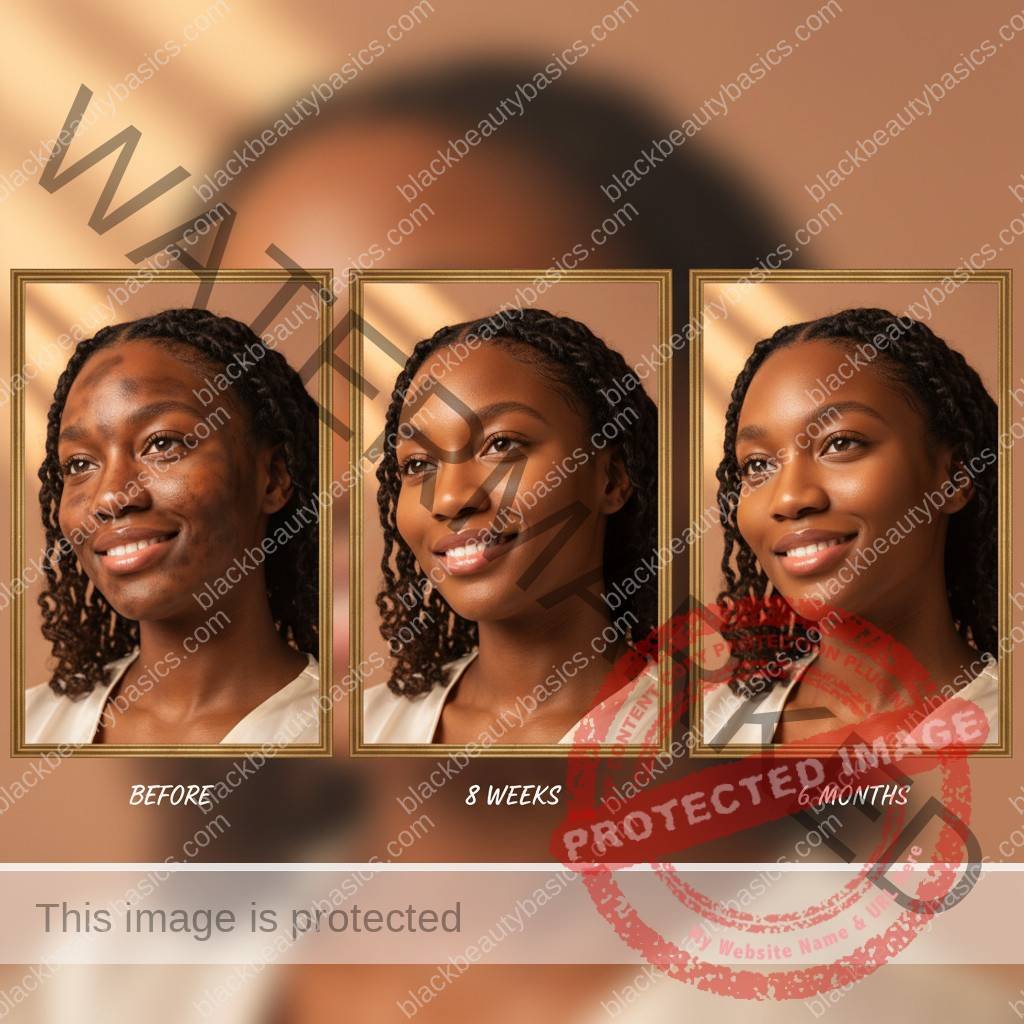
When you combine proven brightening ingredients with daily sunscreen and trigger control, you’re essentially stacking the odds in your favor. Across clinical and expert timelines, several patterns repeat. These timelines are not rigid guarantees, but rather realistic benchmarks that reflect the skin’s biological processes and its response to targeted interventions. The key is consistency, patience, and a willingness to adjust your approach as your skin evolves.
- Early changes (1–4 weeks): Texture may feel smoother; you might see subtle brightening or softer edges, but spots are still clearly visible. Mild dryness or sensitivity is common if you’ve added strong actives. This initial phase is often about skin acclimation and the beginning of cellular turnover. You might notice your skin feeling softer, more hydrated, and perhaps a slight reduction in overall dullness. The dark spots themselves may not appear significantly lighter, but their boundaries might seem less harsh, or the surrounding skin might look more radiant. It’s a period of subtle shifts, where the foundation for deeper change is being laid.
- Visible fading (4–12 weeks): Many people notice clearer improvement in individual spots and more even overall tone as two to three cell cycles complete. This is often the most encouraging phase, where you start to see tangible results. Individual dark spots begin to lighten, becoming less prominent and blending more seamlessly with the surrounding skin. Overall skin tone appears more uniform, and the complexion takes on a healthier glow. This is also the period where you can assess if your chosen treatments are truly effective for your skin, making it a critical checkpoint in your routine.
- Stronger results (3–6 months): With consistent care, significant fading and smoother tone are typical, especially for mild to moderate epidermal hyperpigmentation. By this stage, the transformation can be quite remarkable. Stubborn spots that seemed unmovable in the early weeks should show substantial lightening. The skin’s texture is often refined, and the overall complexion is significantly brighter and more even. For some, this might be the point where they feel comfortable reducing the intensity of treatments or focusing more on maintenance. For deeper or more recalcitrant hyperpigmentation, this phase might mark the beginning of even greater improvement, necessitating continued diligence.
These are ranges, not guarantees. They assume daily sunscreen and a routine you stick with; skipping SPF or frequently changing products can stretch timelines considerably. The journey is personal, and individual results will vary based on the type and depth of hyperpigmentation, skin sensitivity, and adherence to the regimen. It’s crucial to remember that consistency is the most powerful ingredient in any hyperpigmentation treatment plan. Skipping days, introducing too many new products at once, or neglecting sun protection can all undermine your progress and extend the timeline unnecessarily. Think of your routine as a daily ritual of self-care and commitment to your skin’s health and radiance.
The Importance of a Consistent Routine
Consistency is not just about using your products every day; it’s about using them correctly and as directed. This means applying your serums and creams in the right order, allowing them to absorb, and never skipping your morning sunscreen. Irregular application can lead to uneven results or even irritation, which can trigger new hyperpigmentation. Your skin thrives on routine and predictability, especially when you are actively trying to correct pigment issues. A well-established routine allows your skin to adapt to the active ingredients and maximize their efficacy over time, leading to more predictable and sustained fading. It’s a testament to the power of daily dedication.
Sun Protection: The Non-Negotiable Step
No discussion of hyperpigmentation treatment timelines is complete without emphasizing the critical role of sun protection. Sunscreen is not merely an adjunct; it is the cornerstone of any effective hyperpigmentation regimen. Without daily, diligent application of a broad-spectrum sunscreen (SPF 30 or higher, ideally SPF 50 for darker skin tones) that protects against both UVA and UVB rays, and ideally visible light, all other treatments will be significantly less effective. UV radiation stimulates melanocytes and can undo weeks or months of progress in a single unprotected exposure. For melanin-rich skin, mineral sunscreens containing zinc oxide and titanium dioxide are often preferred as they provide broad-spectrum protection and are generally less irritating. Tinted mineral sunscreens can also offer an added benefit by protecting against visible light, which is known to exacerbate hyperpigmentation in darker skin tones. Shop mineral sunscreen for dark skin on Amazon.
Furthermore, sun protection extends beyond just sunscreen. Wearing wide-brimmed hats, sunglasses, and seeking shade during peak sun hours (10 AM to 4 PM) are equally important measures. This comprehensive approach to sun protection ensures that your skin is shielded from the primary driver of hyperpigmentation, allowing your active ingredients to work their magic without constant interference. It’s an act of self-preservation and a profound commitment to your skin’s long-term health and clarity.
Understanding Skin Sensitivity and Irritation
While the goal is to fade dark spots, it’s equally important to avoid causing new irritation, which can lead to new PIH. Melanin-rich skin is often more prone to developing PIH from inflammation, so a gentle approach is always best. Introducing new active ingredients slowly, starting with lower concentrations, and patch-testing new products are crucial steps. If you experience excessive redness, stinging, peeling, or itching, it’s a sign that your skin is irritated, and you need to scale back. This might mean reducing the frequency of application, using a milder product, or incorporating more soothing and barrier-supporting ingredients into your routine. Listen to your skin; it will tell you what it needs. Pushing through irritation in the hope of faster results is a common mistake that often backfires, setting you back further in your journey. Prioritizing skin barrier health is not just a trend; it’s a fundamental principle for successful hyperpigmentation treatment on darker skin.
Timelines by Type of Hyperpigmentation on Dark Skin
Different types of hyperpigmentation have distinct characteristics and respond to treatment at varying rates. Understanding these nuances is key to managing expectations and tailoring your approach. The depth of the pigment, the underlying cause, and the skin’s individual response all contribute to the unique timeline for each type of dark mark.
Post‑Inflammatory Hyperpigmentation (PIH) from Acne and Irritation
PIH—flat dark marks after acne, ingrowns, bug bites, or irritation—is one of the most common issues on melanin-rich skin. When the pigment is mostly in the upper layers (epidermal), it tends to respond relatively well to consistent, gentle routines. This type of hyperpigmentation is a direct result of the skin’s inflammatory response to injury or irritation, leading to an overproduction of melanin in the affected area. While often frustrating, PIH is generally more amenable to topical treatments compared to other forms of hyperpigmentation.
- Without treatment: Many mild PIH spots fade on their own in about 6–12 months, with deeper or repeatedly inflamed marks taking 12–24 months or more. UV exposure and new breakouts can prolong this. This natural fading relies entirely on the skin’s inherent cell turnover process, which can be painstakingly slow. The darker the initial spot and the more frequently the area is re-inflamed, the longer it will take for the pigment to dissipate.
- With topical treatment + SPF: Early brightening often appears in 4–8 weeks, with clearer spot fading around 3–4 months and stronger improvement over 6 months, especially with ingredients like vitamin C, niacinamide, azelaic acid, and retinoids. These active ingredients work by inhibiting melanin production, accelerating cell turnover, or providing antioxidant protection. The combination of targeted treatments and diligent sun protection significantly shortens the timeline and enhances the efficacy of fading. For persistent PIH, a dermatologist might recommend prescription-strength retinoids or hydroquinone for short periods.
The key to treating PIH is not only to fade existing spots but also to prevent new inflammation. This means managing the underlying cause, whether it’s acne, ingrown hairs, or friction. A comprehensive approach that includes gentle cleansing, targeted active ingredients, consistent moisturizing, and strict sun protection is essential for long-term success. For those struggling with active acne that constantly leads to new PIH, incorporating anti-acne treatments alongside brightening agents is crucial. Shop acne treatment for dark skin on Amazon.
Melasma and Hormonal Pigmentation
Melasma and hormonally driven patches behave differently. They’re often deeper and more chronic, with pigment in both the epidermis and dermis, and tightly tied to hormones and UV/visible light exposure. This complex form of hyperpigmentation is notoriously challenging to treat due to its multifactorial nature, involving genetics, hormones (pregnancy, birth control), sun exposure, and even heat. It often presents as symmetrical, blotchy patches on the face, particularly the cheeks, forehead, upper lip, and chin.
- Without focused care: Melasma rarely fades fully on its own; it tends to fluctuate and can worsen with sun, heat, and hormonal changes. Unlike PIH, melasma has a strong hormonal component, meaning it can persist even when external triggers are minimized. Without a dedicated treatment plan, melasma often becomes a chronic condition, flaring up with sun exposure or hormonal shifts.
- With treatment + strict sun/visible light protection: Noticeable improvement often takes 8–12 weeks, with more significant fading over 3–6 months and ongoing maintenance needed to prevent relapse. Even then, complete erasure is uncommon; “managed” is more realistic than “cured.” Treatment often involves a combination of topical agents (hydroquinone, tranexamic acid, azelaic acid, retinoids), oral medications (oral tranexamic acid), and sometimes gentle in-office procedures. The most critical aspect of melasma management is rigorous, year-round sun and visible light protection, as even short exposures can trigger a relapse.
Managing melasma requires a long-term commitment and a multi-pronged approach. It’s not just about fading the current spots, but about preventing their return. This often means consistent use of sunscreen, avoiding triggers like excessive heat, and potentially adjusting hormonal medications in consultation with a doctor. For many, melasma is a journey of continuous management rather than a one-time fix. The emotional impact of melasma can be significant, making a supportive and realistic treatment plan all the more important for maintaining confidence and well-being.
Sun Spots and Long‑Standing Patches
Sun-induced spots and long‑standing hyperpigmented areas often have pigment both at the surface and deeper, and they respond more slowly than fresh PIH. These spots, also known as solar lentigines or age spots, are a direct result of cumulative sun exposure over years. They tend to appear as well-defined, flat, brown or black lesions, commonly found on sun-exposed areas like the face, hands, and décolletage. Their persistence is due to the chronic nature of the sun damage and the depth of the pigment.
- Without treatment: Mild sun spots may soften over 6–12+ months if UV exposure is reduced sharply; entrenched patches can persist for years. Without active intervention, these spots are unlikely to disappear completely and may even darken and multiply with continued sun exposure.
- With treatment: Lightening typically starts to be noticeable around 2–3 months, with more substantial change over 6+ months, often requiring a combination of topicals and, for stubborn cases, professional procedures. Topical treatments like retinoids, vitamin C, alpha arbutin, and hydroquinone can help to break down existing pigment and inhibit new production. For more entrenched sun spots, in-office treatments such as chemical peels, cryotherapy, or laser therapy (carefully selected for skin of color) may be necessary to achieve significant fading.
Preventing new sun spots and worsening of existing ones is paramount. This, again, circles back to consistent, broad-spectrum sun protection. For areas like the hands and chest, which are often overlooked, diligent application of sunscreen and protective clothing is crucial. While sun spots can be stubborn, a dedicated approach combining at-home care with professional guidance can lead to significant improvement and a more even-toned complexion. The goal is to reverse some of the visible signs of sun damage while also protecting against future harm, revealing skin that reflects care and resilience.
Body Hyperpigmentation (Inner Thighs, Underarms, Bikini Line)
Body hyperpigmentation from friction, hair removal, and PIH tends to fade more slowly than facial hyperpigmentation. The skin is thicker, gets more friction, and is often exposed to different products and fabrics. Common causes include chafing, tight clothing, shaving irritation, waxing, and certain deodorants. These areas are often subject to constant rubbing and moisture, creating an environment conducive to inflammation and subsequent pigment production. The skin on the body, particularly in areas of folds and friction, also has a slower cell turnover rate compared to the face, contributing to the prolonged fading timeline.
- Without treatment: Lightening can take 12–24+ months, especially if friction, shaving irritation, or tight clothing continue. The continuous irritation in these areas means that the skin is constantly being signaled to produce more melanin, making natural fading a very slow and often frustrating process.
- With treatment + reduced friction: Modest improvement might show in 8–12 weeks, with more visible change over 6–12 months; realistic goals are softening contrast rather than perfectly matching adjacent skin. Treatment involves addressing the root cause (e.g., wearing looser clothing, using gentle hair removal methods, addressing underlying conditions like hidradenitis suppurativa), combined with topical brightening agents. Ingredients like alpha arbutin, niacinamide, azelaic acid, and gentle retinoids can be effective. Exfoliating body washes with AHAs or BHAs can also help accelerate cell turnover.
For body hyperpigmentation, prevention is as important as treatment. Reducing friction by wearing breathable fabrics and using anti-chafing balms can make a significant difference. Switching from harsh shaving to gentler methods like electric razors or laser hair removal (if suitable for your skin tone) can also prevent new PIH. It’s important to be patient and consistent, as the thicker skin and constant environmental factors mean that results will take longer to appear than on the face. The aim is to achieve a more uniform and comfortable skin tone, embracing the journey of self-care for every part of your beautiful body.
Timelines by Ingredient (On Dark Skin)
Different brightening ingredients have slightly different “speeds,” but they all rely on repeated, consistent use over multiple skin cycles. Below are approximate ranges seen in clinical summaries and expert timelines, assuming daily sunscreen and reasonable routines. It’s crucial to remember that the efficacy of any single ingredient can be enhanced when combined synergistically with others in a well-formulated product or routine. The art of skincare lies in understanding how these ingredients work and how to integrate them effectively without causing irritation, especially on melanin-rich skin.
- Vitamin C: Early brightening and improved radiance in about 2–4 weeks, with more visible fading of mild hyperpigmentation over 4–8 weeks and deeper spots over 3–6 months. As a powerful antioxidant, Vitamin C (L-Ascorbic Acid being the most potent form) neutralizes free radicals, inhibits tyrosinase (the enzyme responsible for melanin production), and promotes collagen synthesis. Its ability to brighten the overall complexion quickly makes it a popular choice for initial radiance, while its longer-term effects contribute to significant spot fading. Look for stable forms of Vitamin C in concentrations of 10-20% for optimal results.
- Niacinamide: Some studies show measurable reductions in dark spots by 4 weeks, with clearer improvement between 8–12 weeks. Niacinamide (Vitamin B3) is a versatile ingredient that works by inhibiting the transfer of melanosomes from melanocytes to keratinocytes, thus preventing pigment from reaching the skin’s surface. It also boasts anti-inflammatory properties, strengthens the skin barrier, and reduces redness, making it an excellent choice for sensitive skin prone to PIH. Its gentle nature means it can often be used twice daily without irritation, accelerating its visible effects.
- Azelaic acid: Often little visible change in the first 4 weeks; 30–40% reduction in spot intensity around 6–8 weeks, progressing to 70–80% improvement by 12–16 weeks in some reports. Azelaic acid is a dicarboxylic acid that offers multiple benefits: it’s a tyrosinase inhibitor, an anti-inflammatory agent, and has antibacterial properties. It’s particularly effective for PIH and melasma, and its gentle nature makes it suitable for sensitive skin. It works by normalizing cell turnover and directly reducing the activity of hyperactive melanocytes. Its steady, consistent action makes it a reliable long-term player in a brightening routine.
- Retinoids: Texture and glow improvement around 6–12 weeks; hyperpigmentation softening more clearly after 3+ months of consistent use. Retinoids (including retinol, retinaldehyde, and prescription tretinoin) work by accelerating cell turnover, which helps shed pigmented cells more quickly. They also inhibit melanin production and improve overall skin texture and collagen. Due to their potency, retinoids often require an adjustment period, starting with lower concentrations and infrequent use to minimize irritation. The slower onset of visible pigment fading is compensated by their comprehensive benefits for skin health and anti-aging.
- Alpha arbutin: Generally slow and steady—often 2–3 months of daily use before noticeable reduction. Alpha arbutin is a derivative of hydroquinone, known for its gentle yet effective tyrosinase-inhibiting properties. It works by blocking the enzymatic oxidation of tyrosine and DOPA, thereby preventing melanin formation. Its slow-release mechanism makes it a safer alternative to hydroquinone for long-term use, especially for those concerned about potential irritation or side effects. It’s a great option for consistent, gradual brightening without the aggressive nature of some other ingredients.
- Kojic acid: Regular use can show visible difference in about 6–8 weeks, with continued brightening over subsequent months. Kojic acid, derived from fungi, also works by inhibiting tyrosinase activity. It’s often found in combination with other brightening agents and is particularly useful for PIH and melasma. While effective, some individuals may experience mild irritation, so it’s important to introduce it gradually and monitor your skin’s response. Its ability to deliver relatively quick results makes it a valuable addition to many brightening formulations.
Combination routines—like a vitamin C + niacinamide serum plus an evening retinoid—tend to show clearer improvement by the 8–12 week mark when tolerated, but they are also more likely to cause irritation if rushed. The synergy of multiple ingredients, each targeting different pathways of melanin production or cell turnover, can lead to more comprehensive and faster results. However, it’s a delicate balance. Introducing too many potent actives at once, or using them in high concentrations, can overwhelm the skin, compromise the barrier, and lead to inflammation—which, as we know, can trigger new hyperpigmentation. A well-designed routine often involves alternating actives on different nights or using them in different parts of the day, allowing the skin to benefit from each without excessive stress. Consulting with a dermatologist is highly recommended when considering multi-ingredient routines, especially for melanin-rich skin, to ensure safety and efficacy. Shop hyperpigmentation serum for dark skin on Amazon.
The Power of Hydroquinone (Under Dermatologist Guidance)
While many over-the-counter ingredients are effective, hydroquinone remains the gold standard for treating hyperpigmentation, particularly melasma and stubborn PIH. It works by inhibiting tyrosinase and also by causing a reversible depigmentation of melanocytes. Prescription-strength hydroquinone (typically 2-4%) can show significant results in 6-12 weeks. However, its use on dark skin requires careful supervision by a dermatologist due to the risk of post-inflammatory hyperpigmentation, hypopigmentation (loss of pigment), and exogenous ochronosis (a rare, permanent bluish-black discoloration) with prolonged or improper use. It is typically used in cycles (e.g., 3-4 months on, 2-3 months off) to mitigate these risks. When used correctly and under medical guidance, hydroquinone can be a powerful tool for accelerating fading timelines, but it is not a DIY solution.
Exfoliating Acids (AHAs and BHAs)
Alpha Hydroxy Acids (AHAs) like glycolic acid and lactic acid, and Beta Hydroxy Acids (BHAs) like salicylic acid, play a crucial role in accelerating cell turnover and improving skin texture. By gently exfoliating the surface layers of the skin, they help to shed pigmented cells more quickly, revealing fresher, less pigmented skin underneath. AHAs are water-soluble and work primarily on the skin’s surface, while BHAs are oil-soluble and can penetrate into pores, making them excellent for acne-prone skin and PIH. When incorporated into a routine, they can enhance the penetration and efficacy of other brightening ingredients. However, on dark skin, it’s essential to use them cautiously, starting with lower concentrations and less frequent application to avoid irritation, which can lead to new PIH. Over-exfoliation is a common pitfall that can set back progress. Gentle, consistent use is key to harnessing their benefits without adverse effects.
How Professional Treatments Change the Timeline
In‑office treatments—chemical peels, certain lasers designed for skin of color, microneedling—can accelerate fading, especially for more stubborn or deeper hyperpigmentation. They essentially create more controlled, intense “turnover” or pigment targeting than skincare alone. These procedures offer a more aggressive approach to pigment removal and can be particularly beneficial for cases that haven’t responded sufficiently to topical treatments. However, selecting the right professional treatment for melanin-rich skin is paramount, as certain procedures carry a higher risk of post-inflammatory hyperpigmentation if not performed by an experienced practitioner familiar with skin of color.
- Chemical peels: May show noticeable brightening after a single session, with cumulative improvement over a series spaced weeks apart. Chemical peels use various acids (e.g., glycolic, lactic, salicylic, trichloroacetic acid or TCA) at higher concentrations than over-the-counter products to exfoliate the skin more deeply. For dark skin, superficial to medium-depth peels are generally preferred, and it’s crucial to use peels with a lower pH and higher concentration of acids cautiously to avoid excessive inflammation. Ingredients like mandelic acid or lactic acid are often favored for their gentler action. Pre- and post-peel care with brightening agents and strict sun protection are essential to prevent complications and optimize results.
- Lasers for dark skin (chosen carefully): Some protocols report roughly 50% fading within 4–6 weeks after a session, with further change over multiple treatments. Laser treatments for hyperpigmentation on dark skin require extreme caution. Not all lasers are suitable, as some can cause significant burns or worsen hyperpigmentation. Q-switched Nd:YAG lasers, picosecond lasers, and certain fractional non-ablative lasers are often considered safer options when used with appropriate settings by a highly skilled dermatologist. These lasers work by targeting melanin directly or by creating micro-injuries that stimulate collagen and cell turnover, facilitating pigment clearance. A test patch is often recommended before full treatment to assess the skin’s response.
- Microneedling and RF microneedling: Often show progressive improvement in blotchiness and texture over several sessions and months. Microneedling involves creating tiny micro-injuries in the skin, which stimulates the body’s natural wound healing process, leading to increased collagen production and improved cell turnover. This can help to break up pigment and bring new, unpigmented cells to the surface. Radiofrequency (RF) microneedling adds heat to the process, further enhancing collagen remodeling and potentially improving pigment. These treatments are generally safer for dark skin than many lasers, as they don’t directly target melanin, reducing the risk of PIH. Multiple sessions (typically 3-6, spaced 4-6 weeks apart) are usually required for optimal results.
Even with procedures, sunscreen and a supportive routine are critical. Without them, you can see short‑term improvement followed by rebound darkening or new PIH. Professional treatments are powerful tools, but they are not standalone solutions. They work best when integrated into a comprehensive skincare regimen that includes daily sun protection, gentle cleansing, moisturizing, and the consistent use of supportive topical brightening agents. A dermatologist specializing in skin of color can create a tailored plan that balances aggressive treatment with careful prevention, ensuring the safest and most effective path to clearer skin. The investment in professional care can significantly shorten your hyperpigmentation journey, but your commitment to at-home maintenance is what sustains those hard-won results.
The Importance of a Board-Certified Dermatologist for Dark Skin
When considering professional treatments for hyperpigmentation, especially on melanin-rich skin, the expertise of the practitioner is paramount. A board-certified dermatologist with specific experience treating skin of color will have a deep understanding of its unique physiology and potential risks. They can accurately diagnose the type of hyperpigmentation, differentiate it from other conditions, and recommend the most appropriate and safest treatments. This specialized knowledge is crucial for avoiding complications such as worsening PIH, hypopigmentation, or scarring, which can be more prevalent in darker skin tones if treatments are not carefully selected and executed. Don’t hesitate to ask about their experience with skin of color and to see before-and-after photos of their patients with similar skin tones. This due diligence ensures that your journey to clearer skin is in the most capable and understanding hands.
How to Tell If Your Routine Is Working—or If It’s Time to Pivot
Because hyperpigmentation fades slowly on dark skin, it’s easy to abandon a working routine too early—or cling to one that is quietly irritating you and making things worse. Timelines and checkpoints can help you decide. The key is to be an observant and patient advocate for your skin, understanding that progress is often incremental rather than dramatic. Documenting your journey with photos can be an invaluable tool for tracking subtle changes that might otherwise go unnoticed in the daily mirror check.
- At 4–6 weeks: You should see at least subtle softening at the edges of spots, slight brightening of overall tone, or fewer new spots forming. If you see increasing irritation or darkening, it’s a sign to simplify and reassess, not push harder. This initial phase is about establishing a baseline and observing your skin’s immediate response. Texture improvements, a reduction in dullness, or a general sense of healthier skin are also positive indicators. If your skin feels more sensitive, looks redder, or if spots appear to be getting darker or spreading, it’s a clear signal to pause, simplify your routine, and re-evaluate your product choices or application frequency.
- At 8–12 weeks: Most effective, tolerated routines show clear improvement—lighter spots, more even tone, and better texture—especially for mild to moderate epidermal hyperpigmentation. This is a critical checkpoint. By now, you should be seeing tangible, visible fading of your dark spots. They should appear lighter, smaller, or less noticeable. Your overall complexion should look more uniform and radiant. If you’re consistently using your products and SPF, and you’re not seeing these changes, it might be time to consider adjusting your active ingredients, their concentrations, or seeking professional advice.
- At 3–6 months: You’re looking for strong fading and stabilization of more stubborn marks. If there is no meaningful change by 3–4 months, it may be time to adjust ingredients, check adherence to SPF, or involve a professional. For deeper or more stubborn hyperpigmentation, this longer timeframe is where significant progress truly manifests. If, after consistent and diligent effort, your spots remain unchanged or worsen, it’s a strong indication that your current approach is insufficient. This is when a dermatologist can help diagnose underlying issues, recommend prescription-strength treatments, or suggest in-office procedures that might be more effective.
The Power of Progress Photos
It’s incredibly difficult to track subtle changes in your skin by just looking in the mirror every day. What feels like no progress might actually be significant when viewed over time. This is where progress photos become invaluable. Take clear, well-lit photos of your skin (ideally in the same lighting and angle) every 2-4 weeks. Comparing these photos side-by-side can reveal subtle improvements in spot fading, overall brightness, and texture that you might otherwise miss. This visual evidence can be a powerful motivator and a crucial tool for objectively assessing the effectiveness of your routine. It allows you to celebrate small victories and make informed decisions about when to adjust your approach.
Listening to Your Skin: The Ultimate Guide
Beyond timelines and photos, your skin is constantly communicating with you. Pay attention to how it feels. Is it comfortable, hydrated, and calm? Or is it tight, red, itchy, or stinging? These sensations are vital clues. Melanin-rich skin is particularly sensitive to irritation, and any signs of discomfort should be taken seriously. A routine that causes persistent irritation is counterproductive, as inflammation is a direct trigger for new hyperpigmentation. Prioritize skin barrier health above all else. If your skin is happy and calm, it’s in the best possible state to respond to brightening treatments. If it’s stressed, it will be more focused on repair than on pigment clearance. Adjusting your routine to soothe and support your skin barrier is often the fastest route to long-term success.
Why Rushing Often Backfires on Dark Skin
On melanin-rich skin, the temptation to “speed things up” usually means higher percentages, more acids, more nights per week—and more trouble. Overly aggressive routines can create fresh inflammation that spawns new PIH, canceling out any gains. This phenomenon, often referred to as
Frequently Asked Questions
Can hyperpigmentation on dark skin ever go away completely?
Many surface-level dark spots on melanin-rich skin can fade to the point of being barely noticeable, especially if you control triggers, use proven brighteners, and protect from UV. Some deeper or hormonally driven pigmentation, like certain melasma patterns or longstanding sun damage, may never fully disappear but can often be softened significantly.
What’s the fastest way to fade dark spots on dark skin?
The fastest improvements usually come from combining a consistent at‑home routine (sunscreen, retinoids, vitamin C or other tyrosinase inhibitors) with in‑office treatments chosen by a dermatologist familiar with skin of color—such as conservative peels, appropriate lasers, or microneedling. That said, “fastest” is still measured in weeks to months, not days. Aggressive DIY acids, unregulated bleaching creams, or stacking too many strong actives at once often create more hyperpigmentation, not less.
Why do my dark marks seem to get darker before they get lighter?
Sometimes when you start active treatments—like retinoids, acids, or certain brighteners—there’s an initial phase where the upper layers of pigment are more visible as they’re being reorganized or the skin is slightly inflamed. In other cases, increased sun exposure while treating can deepen the appearance of spots. If darkening is mild and temporary, then followed by gradual lightening over 8–12 weeks, it may be part of the process. If spots continue to darken, edges spread, or you have ongoing irritation, it’s a sign your routine is too harsh or not adequately paired with sunscreen.
How long should I stick with a new hyperpigmentation routine before changing it?
Most evidence-based guidance suggests giving a routine at least 8–12 weeks before judging its impact on hyperpigmentation, assuming you’re using it consistently and wearing daily SPF. Some stubborn cases need 3–6 months to reveal their full response. If you see no change at all by three months—and you’ve been reliable with applications and sun protection—it’s reasonable to reassess the ingredients, their strengths, and how they’re layered, ideally with professional input for more complex pigmentation.
Can I speed things up by using more actives at once?
On melanin-rich skin, stacking high-strength acids, retinoids, and multiple brighteners in the same routine is more likely to cause irritation and new PIH than to deliver faster fading. Many dermatologists recommend limiting each night to one strong active, alternating actives on different nights, and buffering with moisturizer. Combining ingredients thoughtfully across the week, rather than in one overloaded routine, usually yields better long-term results and fewer setbacks.
When should I see a dermatologist for my dark marks?
You should consider professional help if your hyperpigmentation is widespread, worsening despite careful home care, associated with pain, itching, or texture changes, or causing enough distress that it affects your daily life. A dermatologist can help identify whether you’re dealing with PIH, melasma, other conditions, or a mix, and tailor a plan accordingly. They can also decide whether prescriptions or procedures make sense—and just as importantly, which aggressive options you should avoid based on your skin tone and history.
Shop mineral sunscreen for dark skin on Amazon
Shop acne treatment for dark skin on Amazon
Shop hyperpigmentation serum for dark skin on Amazon
Related next steps
Related posts:
 Niacinamide for Dark Spots and Redness on Dark Skin: Understanding Its Role and Realistic Expectations
 LED Light Therapy at Home on Dark Skin: Safety and Expectations
 Preparing for Skin Appointments: Photos, Timelines, and Priorities
 Why Does My Skin Sting When I Apply Moisturizer?
 What Each Base Product Does on Deep Skin
 What Estrogen Loss Does to Melanin-Rich Skin