Vitamin C on Melanin-Rich Skin: Glow, Tone, and Sensitivity
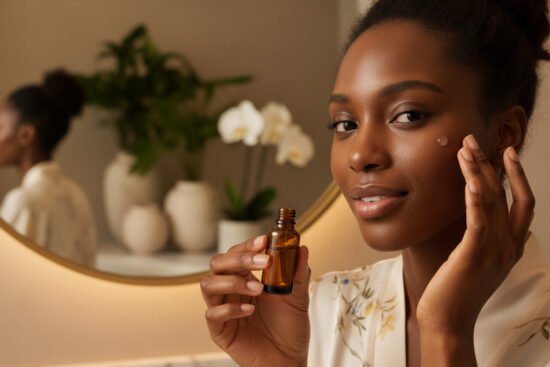
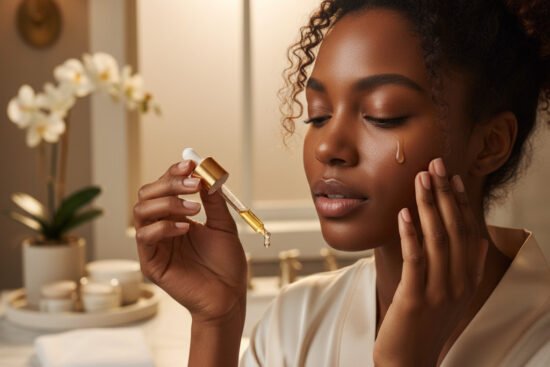
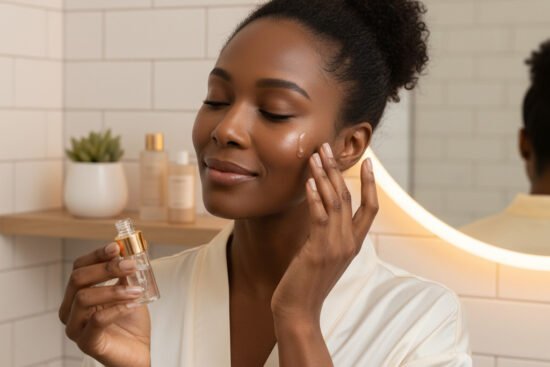
For many Black women, the journey to radiant, even-toned skin often feels like navigating a complex landscape. We’re constantly bombarded with beauty advice, much of it not created with our unique skin needs in mind. Among the most talked-about ingredients is vitamin C, lauded as a universal powerhouse for “glow” and “brightening.” Yet, for those of us with melanin-rich skin, the promise of vitamin C can often be met with a mix of hope and apprehension. Will it truly help with those persistent dark spots, or will it just lead to more irritation, setting us back further?
It’s a valid concern. Our skin, with its beautiful richness, is also more prone to post-inflammatory hyperpigmentation (PIH) – those lingering dark marks that appear after even the smallest irritation, be it a breakout, a scratch, or an adverse reaction to a product. The thought of introducing a potent active ingredient like vitamin C, which can sometimes be notoriously unstable or irritating, can feel like a gamble. We hear about its antioxidant benefits and its ability to improve skin tone, but the underlying question remains: how does it truly perform on *our* skin, and how can we use it effectively without risking further discoloration?
At Black Beauty Basics, we understand these nuances. Our aim is to cut through the noise, providing you with culturally authentic, science-backed information that centers your experience. This article will delve into the world of vitamin C, exploring its potential benefits for melanin-rich skin, addressing common concerns about sensitivity, and guiding you toward making informed choices that honor your skin’s unique needs. We’ll explore how to harness its power for that coveted glow and more even-looking tone, all while prioritizing your skin barrier and preventing unwanted irritation.
What Vitamin C Is Supposed to Do for Uneven Tone
Vitamin C, scientifically known as L-ascorbic acid, is a superstar ingredient in the skincare world, and for good reason. It’s a potent antioxidant, meaning it helps to neutralize free radicals caused by environmental aggressors like UV radiation and pollution. These free radicals can damage skin cells, leading to premature aging and contributing to the formation of dark spots. By scavenging these damaging molecules, vitamin C acts as a protective shield, helping to maintain skin health and vitality.
Beyond its antioxidant prowess, vitamin C plays a crucial role in collagen synthesis. Collagen is the most abundant protein in our skin, responsible for its firmness, elasticity, and youthful appearance. As we age, collagen production naturally declines, leading to fine lines, wrinkles, and a loss of skin bounce. Vitamin C is a necessary cofactor for the enzymes involved in collagen production, meaning it helps kickstart and maintain the process. By supporting healthy collagen levels, vitamin C can contribute to a smoother, plumper complexion, which in turn can reflect light more evenly, enhancing that sought-after “glow.”
When it comes to uneven tone and hyperpigmentation, vitamin C’s mechanism of action is particularly relevant for melanin-rich skin. It works by inhibiting tyrosinase, a key enzyme involved in the production of melanin. Melanin is the pigment that gives our skin its beautiful color, but an overproduction or uneven distribution of melanin can lead to dark spots, sun spots, and post-inflammatory hyperpigmentation. By gently slowing down the tyrosinase enzyme, vitamin C can help to reduce the appearance of existing dark spots and prevent new ones from forming. This isn’t about bleaching the skin; it’s about regulating melanin production to achieve a more balanced and harmonious skin tone.
Furthermore, vitamin C has mild exfoliating properties, which can help to gently slough off dead skin cells from the surface. This cellular turnover can reveal fresher, brighter skin underneath, contributing to an overall more radiant complexion. For melanin-rich skin, where dead skin cells can sometimes accumulate and make dark spots appear more pronounced, this gentle exfoliation can be a welcome benefit. It’s important to note that this isn’t a harsh exfoliation like AHAs or BHAs, but rather a subtle enhancement of the skin’s natural renewal process.
In summary, vitamin C offers a multi-pronged approach to improving skin tone and radiance. It protects against environmental damage, supports collagen production for firmer skin, and most importantly for our audience, it helps to regulate melanin production to address hyperpigmentation and promote a more even complexion. The promise is a brighter, more luminous appearance, with a reduction in the visibility of dark spots and a boost in overall skin health. However, as with any potent active, understanding its nuances and how it interacts with melanin-rich skin is key to unlocking its full potential without unwanted side effects.
Why Vitamin C Can Feel Great for Some People and Irritating for Others
The experience of using vitamin C can vary dramatically from person to person, and this is especially true for individuals with melanin-rich skin. While some users report an immediate glow and improvement in tone, others might encounter redness, stinging, or even an exacerbation of their dark spots. Understanding why these reactions occur is crucial for navigating your vitamin C journey successfully.
One of the primary factors influencing how vitamin C feels on the skin is its form and concentration. L-ascorbic acid, the most biologically active and well-researched form of vitamin C, is also the most potent and, unfortunately, the most unstable. It’s highly susceptible to oxidation when exposed to light, air, and heat, which can render it ineffective or even irritating. When L-ascorbic acid degrades, it can form pro-oxidants that may actually contribute to skin irritation. High concentrations of L-ascorbic acid (e.g., 15-20%) can be incredibly effective, but they also carry a higher risk of irritation, particularly for sensitive skin or those new to the ingredient.
Alternative forms of vitamin C, known as derivatives, are often more stable and gentler on the skin. Examples include Sodium Ascorbyl Phosphate, Magnesium Ascorbyl Phosphate, Ascorbyl Glucoside, and Tetrahexyldecyl Ascorbate (THD Ascorbate). These derivatives need to be converted into L-ascorbic acid by enzymes in the skin to become active, which means they tend to be released more slowly and are less likely to cause immediate irritation. While they might not deliver the same immediate punch as high-concentration L-ascorbic acid, their gentler nature makes them excellent choices for sensitive skin or for those looking for sustained benefits without the risk of irritation. The trade-off is often a slightly slower onset of visible results, but for melanin-rich skin prone to PIH, slow and steady often wins the race.
The formulation of the product also plays a significant role. Vitamin C serums often contain other ingredients that can either enhance its stability and efficacy or contribute to irritation. For instance, L-ascorbic acid is often formulated at a low pH (around 3.5) to ensure stability and penetration. While this acidic environment is necessary for the ingredient to work, it can be too harsh for some skin types, leading to a stinging sensation. Products that combine vitamin C with other active ingredients, such as alpha hydroxy acids (AHAs) or retinoids, can also increase the potential for irritation, especially if not introduced carefully. The overall ingredient list, including preservatives, fragrances, and other botanical extracts, can all impact how your skin reacts. Fragrances, in particular, are a common irritant for many skin types, including melanin-rich skin.
Your individual skin barrier health is another critical determinant. A compromised skin barrier, characterized by dryness, flakiness, or sensitivity, is more susceptible to irritation from active ingredients. When the skin barrier is not intact, active ingredients can penetrate too quickly or too deeply, triggering an inflammatory response. For melanin-rich skin, a compromised barrier can be particularly problematic, as inflammation is a direct precursor to post-inflammatory hyperpigmentation. If your skin feels tight, dry, or reactive, it’s essential to focus on repairing your barrier before introducing potent actives like vitamin C. This might involve simplifying your routine, using gentle cleansers, and incorporating barrier-supporting ingredients like ceramides and hyaluronic acid.
Finally, individual skin sensitivity and genetic predisposition play a part. Some people simply have more reactive skin than others, regardless of their skin tone. What one person’s skin tolerates beautifully, another’s might reject. This is why patch testing new products, especially those with active ingredients, is always recommended. Apply a small amount to an inconspicuous area, like behind the ear or on the inner forearm, for a few days to observe any adverse reactions before applying it to your entire face. Listening to your skin is paramount; if it’s telling you something isn’t right, it’s best to heed that warning.
How to Think About Formula, Texture, and Tolerance on Melanin-Rich Skin
When choosing a vitamin C product for melanin-rich skin, it’s not just about picking the highest concentration or the most popular brand. A nuanced approach that considers formula stability, texture, and your skin’s individual tolerance is essential to achieve benefits without triggering irritation or hyperpigmentation. This thoughtful selection process is key to a successful journey with this powerful antioxidant.
Understanding Vitamin C Forms and Concentrations
As discussed, not all vitamin C is created equal. For melanin-rich skin, which is often more prone to PIH from irritation, the choice of vitamin C form is paramount.
* L-Ascorbic Acid (LAA): This is the most potent and well-researched form, but also the most unstable and potentially irritating, especially at high concentrations (above 10-15%). If you opt for LAA, look for formulations that are stabilized with ferulic acid and vitamin E, which enhance its efficacy and stability. Start with a lower concentration (5-10%) and gradually increase if your skin tolerates it well. The pH of LAA formulas is also critical; a pH around 3.5 is ideal for penetration but can be irritating for sensitive skin.
* Vitamin C Derivatives: These are generally more stable, less irritating, and often formulated at a more skin-friendly pH. They include:
* Sodium Ascorbyl Phosphate (SAP): A water-soluble derivative known for its stability and gentleness. It’s often recommended for sensitive and acne-prone skin. It offers good antioxidant protection and can help with brightening.
* Magnesium Ascorbyl Phosphate (MAP): Another stable, water-soluble derivative that is well-tolerated by sensitive skin. It has good antioxidant properties and can support collagen production.
* Ascorbyl Glucoside: A water-soluble derivative that is very stable and slowly releases L-ascorbic acid into the skin. It’s gentle and effective for brightening and antioxidant benefits.
* Tetrahexyldecyl Ascorbate (THD Ascorbate): This is an oil-soluble derivative, which means it can penetrate deeper into the lipid-rich skin barrier. It’s highly stable, very gentle, and often considered one of the best derivatives for sensitive skin and those concerned with hyperpigmentation, as it delivers potent benefits with minimal irritation. It can be more expensive, but its efficacy and gentleness often justify the cost.
For those new to vitamin C or with sensitive melanin-rich skin, starting with a derivative, especially THD Ascorbate or SAP, is often a safer and more effective approach than jumping straight to high-concentration LAA.
Considering Texture and Formulation
The texture of your vitamin C product can significantly impact your experience, especially if you have oily, combination, or dry skin.
* Serums: These are the most common form of vitamin C products. They are typically lightweight and designed for deep penetration. Look for serums that are clear or very pale yellow; a dark orange or brown color indicates oxidation, meaning the vitamin C has degraded and may be ineffective or irritating.
* Creams/Lotions: These tend to be richer and more moisturizing, making them suitable for drier skin types or for those who prefer a single product for hydration and antioxidant benefits. They often contain vitamin C derivatives.
* Oils: Products formulated with oil-soluble vitamin C derivatives like THD Ascorbate can come in an oil base. These can be very nourishing and are excellent for dry or mature skin, providing both antioxidant benefits and barrier support.
Beyond texture, consider the overall formulation. A well-formulated vitamin C product for melanin-rich skin should ideally be:
* Fragrance-Free: Fragrances are common irritants and can trigger inflammation and subsequent PIH. Always opt for fragrance-free options.
* Non-Comedogenic: Especially important for those prone to breakouts, as clogged pores can lead to new dark spots.
* Packaged Appropriately: L-ascorbic acid, in particular, should be in opaque, air-tight packaging (e.g., pump bottles, dark glass bottles with droppers) to protect it from light and air. Derivatives are generally more stable and less demanding in terms of packaging.
Assessing Your Skin’s Tolerance and Starting Slow
The golden rule for introducing any new active ingredient, especially for melanin-rich skin, is to start low and go slow.
1. Patch Test: Before applying a new vitamin C product to your entire face, perform a patch test. Apply a small amount to a discreet area (e.g., behind your ear, on your neck, or a small section of your jawline) for a few days to check for any redness, itching, stinging, or irritation.
2. Introduce Gradually: Begin by using the vitamin C product every other day, or even just 2-3 times a week, especially if you’re using L-ascorbic acid or a higher concentration. Observe how your skin reacts. If your skin tolerates it well after a couple of weeks, you can gradually increase frequency to once daily.
3. Morning vs. Evening: Vitamin C is often recommended for morning use to leverage its antioxidant protection against environmental aggressors throughout the day. However, if your skin is very sensitive or you’re using other potent actives in the morning (like an AHA), you might consider using vitamin C in the evening. Just ensure it’s not layered directly with ingredients that can destabilize it or increase irritation, such as certain retinoids or high-pH products.
4. Listen to Your Skin: Your skin will communicate with you. If you experience persistent redness, stinging, excessive dryness, or new breakouts, it’s a sign that the product might be too strong, too frequent, or simply not right for your skin. Reduce frequency, switch to a gentler form or lower concentration, or discontinue use. Remember, irritation on melanin-rich skin is a direct pathway to PIH, so avoiding it is paramount.
5. Consistency is Key: While immediate results are rare, consistent use over several weeks to months is necessary to see the full benefits of vitamin C. Don’t expect overnight miracles, but rather a gradual improvement in skin tone, texture, and radiance.
By carefully considering the form, concentration, formulation, and your skin’s unique tolerance, you can integrate vitamin C into your routine effectively and safely, paving the way for a more even, luminous complexion. Remember, the goal is gentle efficacy, not aggressive treatment.
Where Vitamin C Fits in a Realistic Dark-Spot Routine
Integrating vitamin C into a comprehensive routine for managing dark spots and achieving an even tone on melanin-rich skin requires strategic placement and an understanding of how it interacts with other key ingredients. It’s not a standalone miracle worker, but rather a valuable player in a well-orchestrated regimen. A realistic dark-spot routine focuses on prevention, treatment, and protection, with vitamin C contributing significantly to the latter two.
The Foundation: Gentle Cleansing and Hydration
Before any active ingredient, the bedrock of healthy skin is a gentle, non-stripping cleanser and adequate hydration. For melanin-rich skin, maintaining a strong skin barrier is paramount to prevent irritation, which can lead to new dark spots.
* Cleanse: Start with a mild, hydrating cleanser that removes impurities without stripping your skin’s natural oils. Over-cleansing or using harsh cleansers can compromise your barrier.
* Hydrate: Follow with a hydrating toner or serum (e.g., hyaluronic acid, glycerin) to replenish moisture and prepare your skin for subsequent steps.
The Treatment Phase: Vitamin C’s Role
Once your skin is clean and hydrated, vitamin C typically comes next. Its antioxidant properties make it an excellent choice for morning use, where it can provide protection against environmental damage throughout the day.
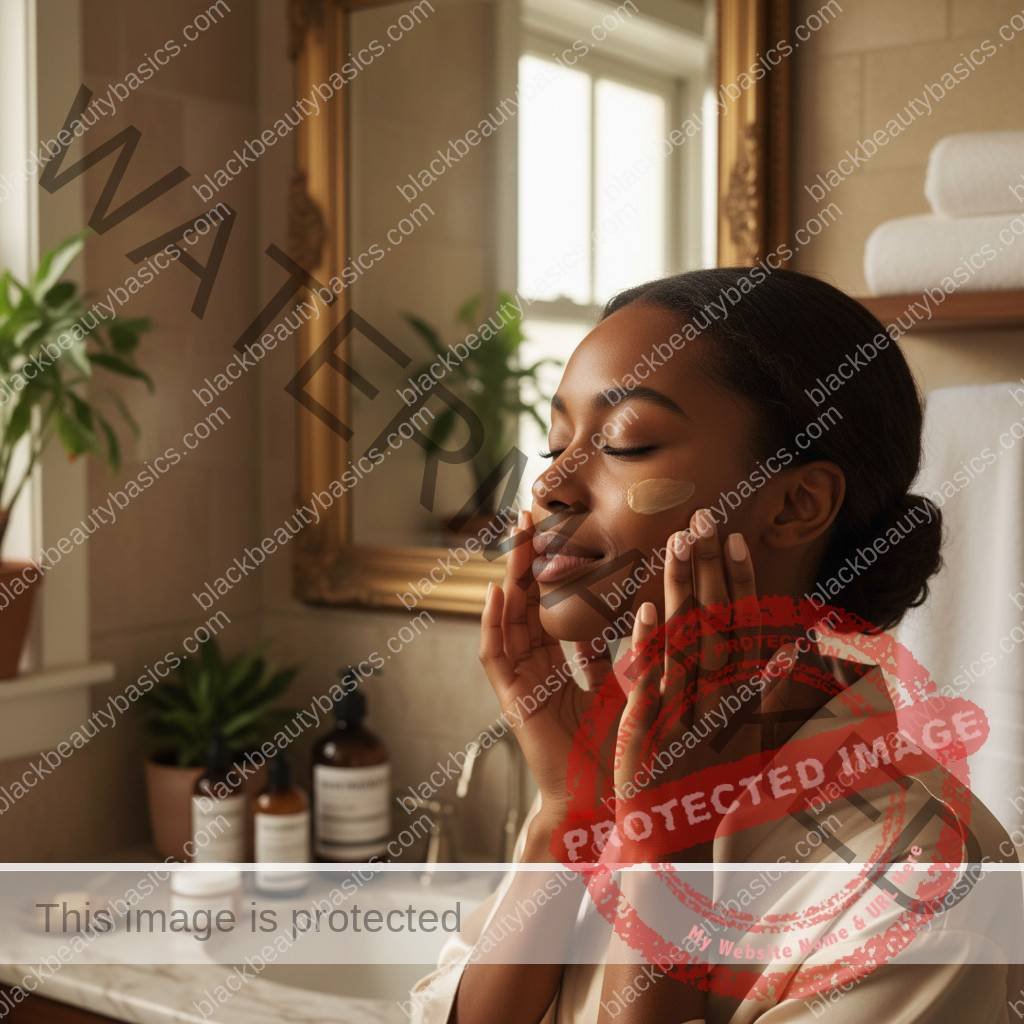
1. Apply Vitamin C Serum: After cleansing and toning (if you use a toner), apply a few drops of your chosen vitamin C serum to your face and neck. Gently pat it in until absorbed. If you’re using an L-ascorbic acid serum, give it a few minutes to fully absorb before moving to the next step. If you’re using a derivative, especially an oil-based one like THD Ascorbate, it might be applied after a water-based serum but before a heavier moisturizer.
2. Layering with Other Actives:
* Niacinamide: There’s a persistent myth that vitamin C and niacinamide cannot be used together. This is largely outdated. Modern formulations of both ingredients are stable and can be layered effectively. In fact, they can be synergistic, with niacinamide helping to strengthen the skin barrier and reduce inflammation, complementing vitamin C’s brightening effects. You can apply vitamin C first, then niacinamide, or use them at different times of the day (e.g., vitamin C in the morning, niacinamide in the evening). For more on this powerful ingredient, explore our article on Niacinamide for Dark Spots and Redness on Dark Skin.
* Azelaic Acid and Tranexamic Acid: These are excellent partners for vitamin C in a hyperpigmentation routine. They work through different mechanisms to target melanin production. You can use vitamin C in the morning and azelaic or tranexamic acid in the evening, or layer them if your skin tolerates it. For deeper dives into these, see our piece on Azelaic and Tranexamic Acid for Stubborn Hyperpigmentation.
* Retinoids: Retinoids (like retinol or retinaldehyde) are powerful for cell turnover and collagen production, making them excellent for hyperpigmentation and overall skin health. However, they can be irritating, especially when first introduced. It’s generally recommended to use vitamin C in the morning and retinoids in the evening to avoid potential irritation and pH conflicts. If you’re using a very gentle vitamin C derivative and a mild retinoid, some people can layer them, but it’s best to proceed with caution and consult our guide on Retinoids for Uneven Tone on Melanin-Rich Skin.
* AHAs/BHAs: Alpha Hydroxy Acids (AHAs) and Beta Hydroxy Acids (BHAs) are chemical exfoliants. While they can help with dark spots by increasing cell turnover, using them simultaneously with potent L-ascorbic acid can increase the risk of irritation due to their low pH. It’s generally advisable to use AHAs/BHAs on separate evenings from your retinoid, and use vitamin C in the morning. If you have sensitive skin, consider alternating days or using them on entirely different days.
Locking It In: Moisturizer and Sun Protection
These steps are non-negotiable, especially when using active ingredients that can increase skin sensitivity.
1. Moisturize: Apply a rich, nourishing moisturizer to seal in your serums and provide additional hydration. Look for ingredients like ceramides, fatty acids, and cholesterol to support your skin barrier.
2. Sunscreen (Morning Only): This is the most critical step in any hyperpigmentation routine, particularly for melanin-rich skin. Sun exposure is the primary trigger for dark spots and can undo all the hard work of your other ingredients. Apply a broad-spectrum sunscreen with at least SPF 30 every single morning, rain or shine, and reapply throughout the day. Opt for mineral sunscreens (zinc oxide, titanium dioxide) if you have sensitive skin, and look for formulas that leave no white cast on darker skin tones. You can explore options on Amazon by searching for sunscreen dark skin no white cast. This step is so important that we’ve dedicated an entire resource to it: Sunscreen for Dark Skin.
Evening Routine Considerations
Your evening routine is often where you can introduce other potent actives that might be too much for morning use or have specific nighttime benefits.
* Cleanse: Double cleanse if you wear makeup or heavy sunscreen.
* Targeted Treatments: This is an ideal time for retinoids, stronger chemical exfoliants, or other specific dark spot treatments.
* Moisturize: Finish with a nourishing night cream.
Overall Strategy
* Consistency: The key to seeing results with vitamin C and other dark spot treatments is consistent, long-term use.
* Patience: Hyperpigmentation takes time to fade. Expect to see noticeable improvements over several weeks to months, not days.
* Listen to Your Skin: If you experience irritation, scale back. It’s better to use fewer products consistently and gently than to overwhelm your skin and cause further PIH.
* Holistic Approach: Remember that skincare is part of a larger wellness picture. Hydration, nutrition, and stress management also play a role in skin health.
By thoughtfully integrating vitamin C into a well-rounded routine that prioritizes barrier health and sun protection, you can leverage its benefits to achieve a more radiant and even-toned complexion, without compromising the integrity of your beautiful melanin-rich skin. For a deeper dive into combining various active ingredients, refer to our comprehensive guide on How to Combine Brightening Ingredients Safely.

Mistakes That May Make Vitamin C Feel Harsher Than It Needs To
While vitamin C is a celebrated ingredient, its misuse can lead to unnecessary irritation, especially for melanin-rich skin that is highly susceptible to post-inflammatory hyperpigmentation. Understanding common pitfalls can help you avoid discomfort and unlock the true benefits of this antioxidant powerhouse.
1. Starting with Too High a Concentration or Potent Form
One of the most frequent mistakes is jumping straight to a high-concentration L-ascorbic acid serum (e.g., 15-20%) without prior experience with vitamin C or without considering skin sensitivity. While these concentrations can be highly effective, they are also more likely to cause stinging, redness, and dryness, particularly for beginners or those with a compromised skin barrier.
* The Fix: Begin with a lower concentration (5-10% L-ascorbic acid) or, even better, start with a gentler vitamin C derivative like Sodium Ascorbyl Phosphate or Tetrahexyldecyl Ascorbate. These derivatives offer excellent benefits with a much lower risk of irritation. Once your skin has acclimated, you can gradually increase concentration or transition to L-ascorbic acid if desired.
2. Introducing Too Many Actives at Once
The desire to see quick results can lead to overwhelming your skin with multiple potent active ingredients simultaneously. Layering vitamin C with other strong actives like retinoids, AHAs, or BHAs, especially when first introducing them, can create a cocktail of irritation. Each active ingredient has its own pH and mechanism of action, and their combined effect can be too much for the skin barrier to handle.
* The Fix: Introduce new actives one at a time, allowing your skin several weeks to adjust before adding another. Consider using different actives at different times of the day (e.g., vitamin C in the morning, retinoid in the evening) or on alternate days. Prioritize barrier health above all else. For a detailed guide on strategic layering, refer to How to Combine Brightening Ingredients Safely.
3. Neglecting Your Skin Barrier
A compromised skin barrier is an open invitation for irritation. If your skin is dry, flaky, tight, or generally reactive, applying vitamin C will likely exacerbate these issues. The skin barrier is your first line of defense, and when it’s weakened, active ingredients can penetrate too deeply and too quickly, triggering an inflammatory response.
* The Fix: Prioritize skin barrier repair before introducing potent actives. Focus on gentle cleansing, consistent hydration with ceramides, hyaluronic acid, and fatty acids, and avoiding harsh exfoliants. Once your barrier feels healthy and resilient, you can slowly reintroduce vitamin C.
4. Skipping Sunscreen
This is perhaps the most egregious mistake in any hyperpigmentation-focused routine. Vitamin C, while an antioxidant, does not replace sunscreen. In fact, some forms of vitamin C can make your skin slightly more sensitive to the sun. More importantly, sun exposure is the primary trigger for hyperpigmentation. Using vitamin C to fade dark spots without consistent, diligent sunscreen application is like trying to empty a bathtub with the faucet still running.
* The Fix: Apply a broad-spectrum sunscreen with at least SPF 30 every single morning, rain or shine, and reapply every two hours when exposed to direct sunlight. This is non-negotiable for preventing new dark spots and allowing existing ones to fade. For guidance on choosing the right protection, see Sunscreen for Dark Skin.
5. Using Oxidized Vitamin C
L-ascorbic acid is notoriously unstable. When exposed to air, light, or heat, it oxidizes, turning from clear or pale yellow to a dark orange or brown color. Oxidized vitamin C is not only ineffective but can also become a pro-oxidant, potentially generating free radicals and contributing to skin damage and irritation.
* The Fix: Always check the color of your L-ascorbic acid serum. If it has changed significantly, it’s time to discard it. Store vitamin C products in a cool, dark place, and ensure they are in opaque, air-tight packaging. Consider purchasing smaller sizes to ensure you use them up before they oxidize. If stability is a major concern, opt for a stable vitamin C derivative.
6. Applying to Damp Skin (for L-Ascorbic Acid)
While some skincare ingredients benefit from application to damp skin for better absorption, L-ascorbic acid is often best applied to dry skin. Water can alter the pH of the skin, potentially destabilizing L-ascorbic acid and increasing the risk of stinging or irritation.
* The Fix: After cleansing, gently pat your skin completely dry before applying your L-ascorbic acid serum. If you use a hydrating toner, allow it to fully absorb and dry before applying vitamin C. Derivatives are generally more forgiving in this regard.
7. Expecting Instant Results and Over-Applying
Skincare, especially for hyperpigmentation, is a marathon, not a sprint. Expecting immediate results can lead to over-application, thinking “more is better.” This often results in irritation without speeding up the fading process.
* The Fix: Be patient and consistent. Use the recommended amount (typically 2-3 drops for a serum) once daily. Give the product at least 8-12 weeks of consistent use to see noticeable improvements. Remember that gentle, consistent care yields the best long-term results for melanin-rich skin.
By avoiding these common mistakes, you can ensure that your vitamin C experience is positive and effective, leading to a brighter, more even-toned complexion without the unwanted side effects of irritation and increased hyperpigmentation.

Frequently Asked Questions
Navigating the world of vitamin C for melanin-rich skin can bring up many questions. Here are some of the most common ones, answered with your skin’s unique needs in mind.
Does vitamin C really work for dark spots on Black skin?
Yes, vitamin C can be very effective for dark spots on Black skin. It works by inhibiting the enzyme tyrosinase, which is crucial for melanin production, thereby helping to fade existing dark spots and prevent new ones. Consistent use, combined with sun protection, is key to seeing noticeable improvements in hyperpigmentation and achieving a more even skin tone.
How long does it take to see results from vitamin C on melanin-rich skin?
Patience is essential when using vitamin C for hyperpigmentation. While some people may notice an initial glow within a few weeks, significant fading of dark spots typically takes 8 to 12 weeks of consistent daily use. For deeper or more stubborn spots, it could take several months.
Can vitamin C make hyperpigmentation worse on dark skin?
If used incorrectly or if the product is too irritating, vitamin C can potentially worsen hyperpigmentation on dark skin. Irritation triggers inflammation, and inflammation is a direct cause of post-inflammatory hyperpigmentation (PIH) in melanin-rich skin. This is why starting with a gentle formulation, a lower concentration, and listening to your skin is crucial to avoid adverse reactions.
What type of vitamin C is best for sensitive melanin-rich skin?
For sensitive melanin-rich skin, vitamin C derivatives like Tetrahexyldecyl Ascorbate (THD Ascorbate), Sodium Ascorbyl Phosphate (SAP), or Magnesium Ascorbyl Phosphate (MAP) are often the best choices. These forms are more stable, less acidic, and generally less irritating than L-ascorbic acid, while still delivering significant antioxidant and brightening benefits.
Should I use vitamin C in the morning or at night?
Vitamin C is most commonly recommended for morning use. Its powerful antioxidant properties help protect your skin from environmental damage (like pollution and UV radiation) throughout the day, complementing your sunscreen. However, if you experience sensitivity or use other potent actives in the morning, you can certainly use a gentle vitamin C derivative in your evening routine.
Can I combine vitamin C with other brightening ingredients like niacinamide or retinoids?
Yes, vitamin C can be combined with many other brightening ingredients, but strategic layering is important. Vitamin C and niacinamide can be used together and are often synergistic. For retinoids, it’s generally recommended to use vitamin C in the morning and retinoids in the evening to minimize potential irritation. Always introduce new combinations slowly and observe your skin’s reaction.
How can I tell if my vitamin C serum has gone bad?
L-ascorbic acid serums are prone to oxidation. If your serum, which was initially clear or pale yellow, has turned a dark orange or brown color, it has likely oxidized. Oxidized vitamin C is less effective and can even become irritating, so it’s best to discard it and replace it with a fresh product. Stable derivatives are less prone to color change.
Where to Go Next
Embracing vitamin C as part of your skincare regimen for melanin-rich skin is a journey of understanding, patience, and self-care. We’ve explored its profound benefits for glow and tone, while also acknowledging the critical need for mindful application to prevent irritation and subsequent hyperpigmentation. Remember, your skin’s health and comfort are paramount. The goal is not just to fade dark spots, but to cultivate a resilient, radiant complexion that reflects your inner confidence and beauty.
At Black Beauty Basics, we believe in empowering you with knowledge that respects the unique physiology and beauty of melanin-rich skin. This is just one piece of the puzzle in building a comprehensive, effective skincare routine. As you continue to explore ingredients and strategies for addressing hyperpigmentation and achieving your skin goals, we encourage you to delve deeper into our resources.
To further enhance your understanding and build a truly effective routine, consider exploring these related articles:
* For a broader perspective on managing dark spots and hyperpigmentation, visit our main pillar page: Hyperpigmentation and Dark Spots.
* To discover other powerful ingredients that work synergistically with vitamin C, explore the full cluster of ingredient-based solutions: Ingredient-Based Solutions: Vitamin C, Niacinamide, Azelaic, Tranexamic, Retinoids.
* Understanding the foundational principles of skincare tailored for Black women is crucial. Dive into our comprehensive guide: Skincare for Black Women.
Your skin is a testament to your heritage and strength. With the right knowledge and a consistent, gentle approach, you can achieve the luminous, even-toned complexion you desire. Continue to nurture your skin with intention and care, and let your natural radiance shine through.
INTERNAL LINKING OPPORTUNITIES
https://blackbeautybasics.com/hyperpigmentation-and-dark-spots/ingredient-based-solutions-vitamin-c-niacinamide-azelaic-tranexamic-retinoids/ – Link to the cluster hub for ingredient-based solutions.
https://blackbeautybasics.com/hyperpigmentation-and-dark-spots/ – Link to the parent pillar page on hyperpigmentation and dark spots.
https://blackbeautybasics.com/hyperpigmentation-and-dark-spots/ingredient-based-solutions-vitamin-c-niacinamide-azelaic-tranexamic-retinoids/niacinamide-for-dark-spots-and-redness-on-dark-skin/ – Link to the sibling article on niacinamide.
https://blackbeautybasics.com/hyperpigmentation-and-dark-spots/ingredient-based-solutions-vitamin-c-niacinamide-azelaic-tranexamic-retinoids/azelaic-and-tranexamic-acid-for-stubborn-hyperpigmentation/ – Link to the sibling article on azelaic and tranexamic acid.
https://blackbeautybasics.com/hyperpigmentation-and-dark-spots/ingredient-based-solutions-vitamin-c-niacinamide-azelaic-tranexamic-retinoids/retinoids-for-uneven-tone-on-melanin-rich-skin/ – Link to the sibling article on retinoids.
https://blackbeautybasics.com/hyperpigmentation-and-dark-spots/ingredient-based-solutions-vitamin-c-niacinamide-azelaic-tranexamic-retinoids/how-to-combine-brightening-ingredients-safely/ – Link to the sibling article on combining brightening ingredients.
https://blackbeautybasics.com/skincare-for-black-women/ – Cross-pillar link to the general skincare for Black women article.
https://blackbeautybasics.com/sunscreen-for-dark-skin/ – Cross-pillar link to the sunscreen for dark skin article.
Related next steps
Related posts:
 Retinoids for Uneven Tone on Melanin-Rich Skin: A Gentle, Informed Approach
 Microcurrent and Tone-Agnostic Tech for Melanin-Rich Skin
 Adapting Routines for Texture, Hyperpigmentation, and Sensitivity on Deep Skin
 Sensitivity and Stinging on Dark Skin: Understanding Your Skin’s Early Warning Signs
 Glow-Focused Routine for Melanin-Rich Skin
 Skin Type Basics for Melanin-Rich Skin: Understanding Your Unique Glow