Intimate-Area Care Routines That Support Comfort and Even Tone
For Black women and those with melanin-rich skin, the journey to radiant, even-toned skin is often a nuanced one, especially when it comes to intimate areas. The skin around the bikini line, inner thighs, and buttocks is particularly delicate and prone to unique concerns, such as hyperpigmentation, irritation, and discomfort. Many of us have been taught, or have internalized, that aggressive treatments are the fastest path to “fixing” these areas. We might reach for harsh scrubs, strong chemical exfoliants, or even consider intense laser treatments, believing that more potent means more effective. However, this approach often backfires, especially for skin types prone to post-inflammatory hyperpigmentation (PIH), where inflammation itself can trigger an overproduction of melanin, leading to darker spots.
At Black Beauty Basics, we believe in a different philosophy: one that centers comfort, gentleness, and a deep understanding of how melanin-rich skin responds. Instead of battling our bodies, we learn to nurture them. When it comes to intimate-area care, this means embracing routines that prioritize soothing, protecting, and strengthening the skin barrier, rather than stripping or irritating it. It’s about recognizing that our skin is a living, breathing organ that thrives on balance and respect. Aggressive tactics might offer a fleeting sense of control, but they rarely lead to lasting comfort or truly even-looking tone. In fact, they often perpetuate a cycle of irritation, inflammation, and subsequent darkening, leaving us feeling frustrated and self-conscious.
This article will guide you through building intimate-area care routines that are both effective and deeply compassionate. We’ll explore how consistent, gentle practices can support not only a more even-looking skin tone over time but also enhance overall comfort and confidence. We’ll delve into the science behind why melanin-rich skin reacts differently to irritation and how to create a regimen that works with your body, not against it. Our focus will be on practical, sustainable habits that reduce friction, support the skin’s natural barrier, and foster an environment where your skin can truly heal and flourish. Because true beauty, especially in our most private spaces, begins with care that is kind, informed, and deeply rooted in self-love.
The Care Principles That Matter Most for Comfort and Even-Looking Tone
When addressing the unique needs of intimate areas on melanin-rich skin, a foundation built on specific care principles is paramount. These aren’t just buzzwords; they are the pillars upon which effective, long-term comfort and a more even skin tone are built. Understanding and consistently applying these principles can transform your approach to intimate-area care, moving away from reactive “fixes” to proactive, nurturing habits. The goal is to create an environment where your skin can thrive, minimizing the triggers that often lead to irritation and hyperpigmentation.
Prioritizing Gentle Cleansing: The Foundation of Skin Health
The skin in intimate areas is thinner, more sensitive, and often has a different pH balance compared to other parts of the body. Aggressive cleansing can disrupt this delicate ecosystem, leading to dryness, irritation, and a compromised skin barrier. For melanin-rich skin, a compromised barrier is a direct invitation for inflammation, which can quickly translate into post-inflammatory hyperpigmentation (PIH). Therefore, the first and most crucial principle is to choose cleansers that are mild, pH-balanced, and free from harsh ingredients like sulfates, strong fragrances, and dyes.
Think of cleansing not as scrubbing away impurities, but as gently refreshing the skin. A good intimate-area cleanser should remove sweat, dirt, and excess oils without stripping the skin of its natural protective lipids. Look for formulations specifically designed for sensitive skin, often labeled as “fragrance-free” or “hypoallergenic.” Ingredients like glycerin, ceramides, and hyaluronic acid in cleansers can help maintain hydration even during the washing process. The method of cleansing is just as important as the product: use lukewarm water, apply the cleanser with clean hands, and rinse thoroughly but gently. Avoid using washcloths or loofahs, which can create friction and harbor bacteria, further irritating the skin. Remember, less is often more when it comes to cleansing these delicate regions. Over-cleansing or using harsh products can disrupt the natural microbiome, leading to a host of issues beyond just hyperpigmentation, including increased susceptibility to infections.
Moisture Support and Barrier Strengthening: Your Skin’s Best Defense
A healthy skin barrier is your body’s first line of defense against environmental aggressors, irritants, and moisture loss. When the barrier is strong, skin is more resilient, less prone to inflammation, and better equipped to heal. For melanin-rich skin, maintaining a robust barrier is critical in preventing and reducing hyperpigmentation. Dry, compromised skin is more susceptible to friction, chafing, and micro-tears, all of which can trigger an inflammatory response and subsequent darkening. Therefore, consistent moisture support is non-negotiable.
Immediately after gentle cleansing, while the skin is still slightly damp, apply a rich, emollient moisturizer. Look for ingredients that mimic the skin’s natural barrier components, such as ceramides, fatty acids, and cholesterol. Humectants like hyaluronic acid and glycerin draw moisture into the skin, while occlusives like shea butter or petrolatum help seal it in. The key is to choose a moisturizer that is fragrance-free, non-comedogenic, and specifically formulated for sensitive skin. Apply it generously to areas prone to dryness, friction, or hyperpigmentation, such as the inner thighs, bikini line, and buttocks. This consistent hydration helps to keep the skin supple, reduces the likelihood of chafing, and supports the natural repair processes that are essential for achieving a more even tone. A well-moisturized skin barrier is less reactive, meaning it’s less likely to produce excess melanin in response to minor irritations. This proactive approach to barrier strengthening is a cornerstone of effective intimate-area care for melanin-rich skin.
Friction Reduction: Minimizing the Root Cause of Irritation
Friction is one of the most significant, yet often overlooked, culprits behind irritation and hyperpigmentation in intimate areas. Whether it’s skin rubbing against skin, fabric rubbing against skin, or even repetitive movements during exercise, friction creates micro-trauma. For melanin-rich skin, any trauma, no matter how small, can trigger an inflammatory response that leads to post-inflammatory hyperpigmentation. This is why areas like the inner thighs (chafing), bikini line (tight clothing, shaving), and buttocks (sitting, tight underwear) are so commonly affected.
Reducing friction involves a multi-faceted approach. Firstly, consider your clothing choices. Opt for breathable, loose-fitting fabrics, especially in underwear and bottoms. Natural fibers like cotton are excellent because they allow air circulation and wick away moisture, reducing the dampness that can exacerbate friction. Secondly, incorporate anti-chafing products into your routine. These can range from balms and sticks that create a protective barrier on the skin to powders that absorb moisture. Apply these to areas prone to rubbing before activities that might cause friction, such as exercise or prolonged walking. Thirdly, ensure your skin is adequately moisturized, as well-hydrated skin is more resilient and less prone to friction-induced damage. Finally, pay attention to your hair removal methods, as some can cause significant friction and irritation. We’ll delve deeper into this later, but gentle techniques are crucial. By consciously minimizing friction, you are directly addressing a primary trigger for inflammation and subsequent hyperpigmentation, paving the way for calmer, more even-toned skin.
Consistency and Realistic Expectations: The Long Game for Lasting Results
In a world that often promises instant results, it’s easy to fall into the trap of expecting immediate changes, especially when dealing with persistent concerns like hyperpigmentation. However, the journey to comfort and a more even tone in intimate areas is a marathon, not a sprint. Consistency is the single most powerful tool in your arsenal. A gentle routine followed daily will yield far better results than sporadic use of aggressive treatments. Skin cells have a natural turnover cycle, and it takes time for new, unpigmented cells to rise to the surface and for existing hyperpigmentation to fade. This process can take weeks to months, and for some, even longer.
Setting realistic expectations is equally important. Understand that “even tone” does not necessarily mean perfectly uniform, unblemished skin. Our bodies are dynamic, and slight variations in pigmentation are natural. The goal is to reduce significant discoloration and irritation, leading to a healthier, more comfortable state. Be patient with your skin and with the process. Track your progress not just by visual changes, but also by how your skin feels—less irritation, less discomfort, more suppleness. If you’re consistently experiencing irritation, it’s a sign to re-evaluate your routine, not to push harder. Remember that hyperpigmentation, particularly in melanin-rich skin, is a complex issue influenced by genetics, hormones, friction, and inflammation. While a consistent, gentle routine can significantly improve its appearance, complete eradication may not always be feasible or even necessary for healthy, beautiful skin. Embrace the journey of nurturing your skin, celebrating small improvements, and prioritizing its overall well-being. For more on managing hyperpigmentation, you can explore our comprehensive guide on hyperpigmentation and dark spots.
A Simple Daily Routine for Friction-Prone Areas
Building a daily routine for your intimate areas doesn’t have to be complicated or time-consuming. In fact, simplicity and consistency are the keys to success, especially when aiming for both comfort and a more even skin tone on melanin-rich skin. This routine focuses on gentle cleansing, targeted moisture, and proactive friction reduction, creating a supportive environment for your skin to heal and thrive. Remember, the goal is to soothe and protect, not to aggressively correct. These steps are designed to be integrated seamlessly into your existing self-care practices, making them sustainable and effective.
Morning Routine: Protection and Preparation
Your morning routine sets the stage for how your intimate areas will feel and look throughout the day, particularly in preventing friction and maintaining freshness. This is where proactive protection comes into play, preparing your skin for daily activities and potential irritants.
Gentle Cleansing (Optional, as needed)
For many, a full cleanse in the morning might not be necessary, especially if you’ve cleansed thoroughly the night before. However, if you wake up feeling sweaty or simply prefer a fresh start, opt for a quick, gentle rinse with lukewarm water. If using a cleanser, choose a fragrance-free body cleanser for sensitive skin specifically designed for intimate areas or general sensitive skin. Apply it with clean hands, gently lather, and rinse thoroughly. Avoid any harsh scrubbing or using washcloths. Pat the area dry with a clean, soft towel. The key here is to remove any overnight accumulation without stripping the skin’s natural oils or disrupting its delicate pH balance. Over-cleansing can lead to dryness and irritation, which can exacerbate hyperpigmentation.
Moisture and Barrier Support
After cleansing (or simply rinsing), apply a generous amount of a rich, fragrance-free body moisturizer for dark skin to the entire intimate area, including the bikini line, inner thighs, and buttocks. Focus on areas where you typically experience dryness or friction. This step is crucial for maintaining skin suppleness and strengthening the skin barrier throughout the day. A well-hydrated barrier is more resilient to environmental stressors and less likely to become irritated. Look for moisturizers containing ingredients like ceramides, hyaluronic acid, shea butter, or colloidal oatmeal. These ingredients help to lock in moisture, soothe the skin, and support its natural protective functions. Applying moisturizer while the skin is still slightly damp helps to seal in that extra hydration, maximizing its benefits.
Friction Protection (Anti-Chafing Balm/Powder)
This is a critical step for anyone prone to chafing or friction-induced irritation. Before getting dressed, apply an anti-chafing balm for women or a gentle, talc-free powder to areas where skin rubs against skin or clothing. Common areas include the inner thighs, under the buttocks, and along the bikini line. Anti-chafing balms create a smooth, invisible barrier that reduces friction, while powders absorb moisture, keeping the area dry and preventing stickiness. Choose products that are specifically designed for sensitive skin and are free from fragrances and harsh chemicals. This proactive measure can significantly reduce irritation, redness, and the subsequent hyperpigmentation that often results from constant rubbing. It’s a small step that can make a huge difference in daily comfort and long-term skin health.
Evening Routine: Cleansing, Soothing, and Repair
The evening routine is your opportunity to gently cleanse away the day’s accumulation, soothe any potential irritation, and support the skin’s natural repair processes overnight. This is when your skin does most of its regenerative work, making targeted care particularly effective.
Thorough, Gentle Cleansing
At the end of the day, a thorough yet gentle cleanse is essential to remove sweat, bacteria, and any product residue that may have accumulated. Use the same fragrance-free body cleanser for sensitive skin as in the morning (or if you only cleanse once a day, make this your primary cleanse). Focus on areas that have been covered by clothing or have experienced friction. Use lukewarm water and your clean hands, avoiding harsh scrubbing. Take your time to ensure all areas are gently cleansed and thoroughly rinsed. Pat dry with a clean, soft towel. This step is crucial for preventing the buildup of irritants that can lead to inflammation and subsequent hyperpigmentation. It also prepares the skin to absorb the beneficial ingredients of your evening moisturizer.
Targeted Moisture and Soothing
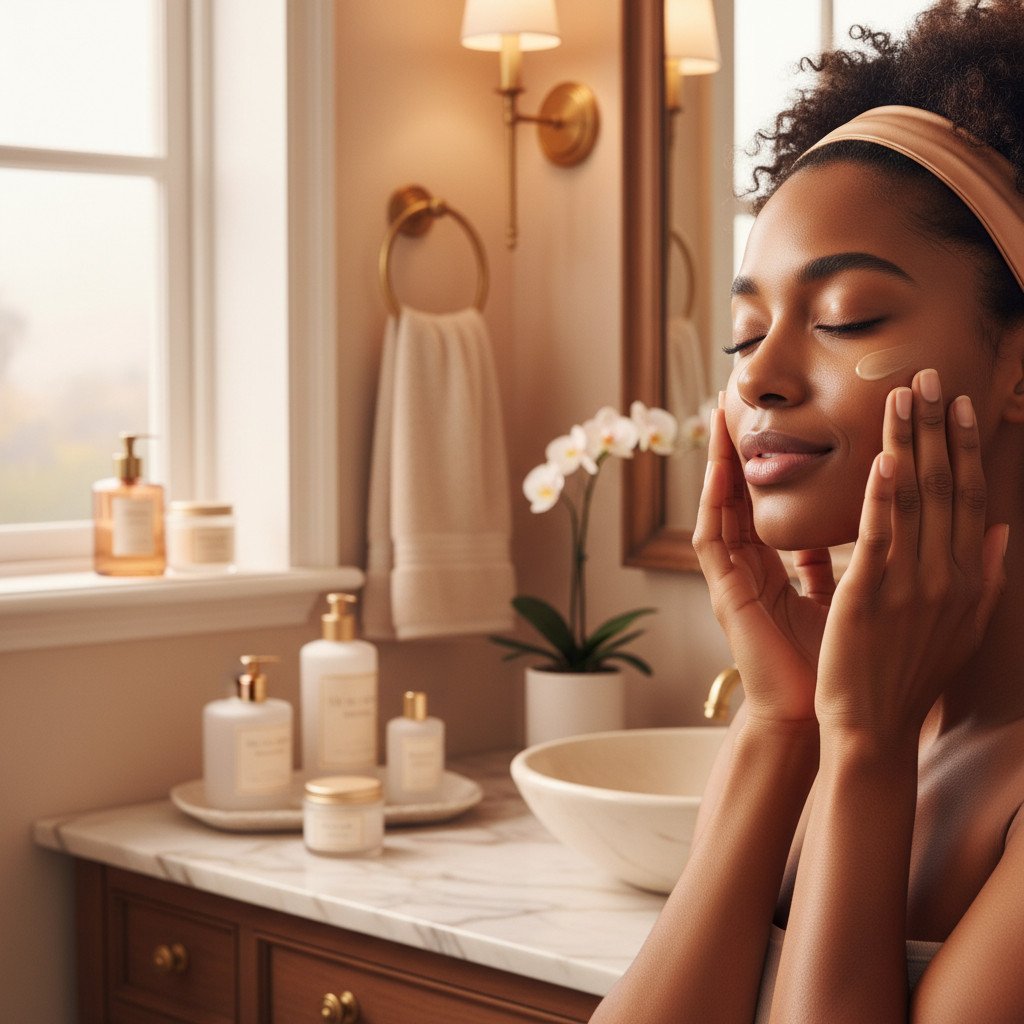
After cleansing and gently patting dry, apply a generous layer of your chosen fragrance-free body moisturizer for dark skin. This is the time to truly nourish and soothe the skin. If you’ve experienced any irritation or redness during the day, consider a moisturizer with additional calming ingredients like aloe vera, allantoin, or bisabolol. For areas with existing hyperpigmentation, you might consider a moisturizer that contains gentle brightening ingredients, but only if your skin is not currently irritated. These ingredients should be introduced slowly and carefully. The primary focus, however, remains on hydration and barrier repair. A well-hydrated skin barrier is better equipped to repair itself overnight, reducing inflammation and supporting the natural fading of dark spots. Consistent nightly moisturization helps to keep the skin supple, preventing the micro-tears and dryness that can trigger new hyperpigmentation. This step is vital for long-term comfort and the gradual improvement of skin tone.
Weekly Additions (Optional, with Caution)
While daily consistency is key, some weekly additions can support your routine, but these must be approached with extreme caution, especially on melanin-rich skin prone to PIH. The overarching rule is: if it causes irritation, stop immediately.
Gentle Exfoliation (Very Infrequent and Mild)
Exfoliation can help shed dead skin cells and promote a more even tone, but for intimate areas on melanin-rich skin, it must be incredibly gentle and infrequent. Harsh physical scrubs or strong chemical exfoliants are almost guaranteed to cause irritation and worsen hyperpigmentation. If you choose to exfoliate, opt for a very mild chemical exfoliant, such as a low concentration (2-5%) lactic acid or mandelic acid, or an enzyme-based exfoliant. Apply it once a week, or even every two weeks, to areas like the inner thighs or buttocks, avoiding the most sensitive bikini line. Always do a patch test first. Apply a thin layer, leave on for the minimum recommended time, and rinse thoroughly. Follow immediately with a rich moisturizer. If you experience any stinging, redness, or increased sensitivity, discontinue use. The goal is gentle cell turnover, not aggressive stripping. For many, simply relying on consistent, gentle cleansing and moisturizing will be sufficient without the need for additional exfoliation, especially if irritation is a recurring concern. Remember, irritation is the enemy of even tone in melanin-rich skin.
Grooming Habits That May Reduce Irritation Over Time
The way we manage hair in our intimate areas plays a significant role in skin comfort and tone. Many common grooming practices, while aiming for smoothness, can inadvertently lead to irritation, ingrown hairs, and subsequent hyperpigmentation. For melanin-rich skin, where inflammation readily triggers melanin overproduction, choosing gentle, mindful grooming methods is paramount. The goal is to minimize trauma to the hair follicle and surrounding skin, thereby reducing the risk of irritation and dark spots. This section will explore various grooming habits and offer strategies to make them more skin-friendly.
Rethinking Hair Removal Methods
Hair removal is a primary source of irritation for many, particularly in the bikini area. Each method comes with its own set of risks for melanin-rich skin.
Shaving: The Double-Edged Razor
Shaving is one of the most common hair removal methods, but it’s also a leading cause of razor bumps (pseudofolliculitis barbae), razor burn, and ingrown hairs, all of which can lead to significant post-inflammatory hyperpigmentation. The curly nature of hair on melanin-rich skin makes it more prone to growing back into the skin after being cut, especially when shaved too closely.
To minimize irritation from shaving:
- Preparation is Key: Always shave after a warm shower or bath. The warm water softens the hair and opens pores, making shaving easier and less irritating.
- Use a Sharp, Clean Razor: Dull blades tug at hair, causing irritation. Replace your razor blade frequently (every 3-5 uses). A single-blade razor can sometimes be less irritating than multi-blade ones as it cuts the hair at skin level rather than below it, reducing the chance of ingrown hairs.
- Lubricate Generously: Use a thick, moisturizing shaving cream or gel designed for sensitive skin. Avoid harsh soaps or dry shaving at all costs. Allow the product to sit on the skin for a minute or two before shaving to further soften the hair.
- Shave with the Grain: Shaving against the grain provides a closer shave but significantly increases the risk of irritation and ingrown hairs. Shaving with the grain (in the direction of hair growth) is gentler, even if it doesn’t feel as smooth.
- Rinse Razor Frequently: Clogged blades are ineffective and can pull hair.
- Post-Shave Care: Immediately after shaving, rinse with cool water to close pores and pat dry. Apply a soothing, fragrance-free body moisturizer for dark skin or an ingrown hair serum containing ingredients like salicylic acid (at a low concentration) or witch hazel, but only if your skin is not actively irritated. Avoid products with alcohol or strong fragrances.
Waxing and Sugaring: A Professional Approach
Waxing and sugaring remove hair from the root, which can lead to smoother results and slower regrowth compared to shaving. However, they can also cause significant trauma to the skin, leading to redness, inflammation, and ingrown hairs, especially if not done correctly. For melanin-rich skin, this trauma can easily result in hyperpigmentation.
If you choose waxing or sugaring:
- Seek Experienced Professionals: Always go to a licensed aesthetician who has experience with melanin-rich skin and understands its unique needs. They will know how to prepare the skin, apply the product correctly, and minimize trauma.
- Pre- and Post-Care: Follow your aesthetician’s advice for pre-waxing exfoliation (if recommended, usually very gentle) and post-waxing soothing. Avoid tight clothing immediately after waxing.
- Consider Sugaring: Sugaring is often considered gentler than waxing because the sugar paste adheres less to the skin and more to the hair, and hair is removed in the direction of growth.
- Monitor Skin Reaction: If you consistently experience severe redness, bumps, or significant hyperpigmentation after waxing/sugaring, it might not be the right method for your skin.
Depilatory Creams: Chemical Caution
Depilatory creams dissolve hair just above the skin surface using chemicals. While they avoid the cutting action of razors, they can be highly irritating due to their strong chemical composition. Always perform a patch test on a small, inconspicuous area at least 24-48 hours before full application. Look for formulas designed for sensitive skin, and never exceed the recommended application time. If you experience any burning, stinging, or redness, remove immediately and discontinue use. These are generally not recommended for highly sensitive intimate areas due to the risk of chemical burns and severe irritation, which will inevitably lead to hyperpigmentation on melanin-rich skin.
Laser Hair Removal: A Long-Term Solution with Specific Considerations
Laser hair removal offers a more permanent reduction in hair growth by targeting the pigment in the hair follicle. For melanin-rich skin, this method requires specific types of lasers (like Nd:YAG) that can safely target hair pigment without damaging the surrounding skin pigment, which could lead to burns or hyperpigmentation.
If considering laser hair removal:
- Consult a Board-Certified Dermatologist or Laser Specialist: This is non-negotiable. Ensure they have extensive experience treating melanin-rich skin with appropriate laser technology.
- Be Patient: Multiple sessions are required, and results vary.
- Follow Pre- and Post-Care Instructions: This typically includes avoiding sun exposure, certain skincare products, and other hair removal methods before and after sessions.
Managing Ingrown Hairs and Bumps
Ingrown hairs are a common concern in intimate areas, particularly for those with curly hair. They occur when hair curls back into the skin, causing inflammation, redness, and often leading to dark spots. Proper management is key to preventing further irritation and hyperpigmentation.
- Don’t Pick or Squeeze: This is the most important rule. Picking at ingrown hairs introduces bacteria, worsens inflammation, and almost guarantees hyperpigmentation and scarring.
- Gentle Exfoliation (with caution): As mentioned before, very gentle chemical exfoliation (e.g., low-concentration salicylic or lactic acid) can help keep pores clear and prevent hairs from becoming trapped. Use sparingly and only when skin is not inflamed.
- Warm Compresses: For existing ingrown hairs, a warm compress applied for 5-10 minutes several times a day can help soften the skin and encourage the hair to emerge naturally.
- Soothing Treatments: Apply soothing ingredients like aloe vera or witch hazel (alcohol-free) to reduce inflammation.
- Topical Treatments: Over-the-counter products specifically formulated for ingrown hairs often contain mild exfoliants or anti-inflammatory agents. Choose those designed for sensitive skin and always patch test.
Regular Trimming as an Alternative
For many, the simplest and least irritating approach to intimate-area hair management is regular trimming. Using a clean, sharp electric trimmer allows you to maintain hair at a desired length without cutting it below the skin’s surface. This significantly reduces the risk of ingrown hairs, razor bumps, and the associated irritation and hyperpigmentation. It’s a low-trauma method that prioritizes skin health and comfort, aligning perfectly with the principles of care for melanin-rich skin. If you choose to trim, ensure your trimmer is always clean and well-maintained to prevent bacterial transfer.
Ultimately, the best grooming habit is the one that causes the least irritation for your individual skin. It might take some experimentation to find what works best, but always prioritize gentleness and listen to your skin’s signals. If a method consistently causes discomfort or leads to hyperpigmentation, it’s a clear sign to explore alternatives. For a deeper dive into hair removal on melanin-rich skin, consider exploring our resources on body care and hair removal on dark skin.
Clothing, Sweat, and Fabric Choices That Can Affect the Area
Beyond direct grooming practices, our everyday choices in clothing and how we manage sweat can significantly impact the comfort and tone of our intimate areas. The skin in these regions is often covered, creating a microclimate that, if not properly managed, can lead to irritation, chafing, and subsequent hyperpigmentation on melanin-rich skin. Understanding the interplay between fabrics, moisture, and skin health is crucial for maintaining an even tone and preventing discomfort. This section delves into how these factors influence your intimate-area health and offers practical advice for making skin-friendly choices.
The Impact of Fabric Choices
The type of fabric that comes into direct contact with your intimate areas can be a major source of friction and irritation. Synthetic materials, while often stretchy and form-fitting, can trap heat and moisture, creating an ideal breeding ground for bacteria and yeast, and increasing the likelihood of chafing.
Embrace Breathable, Natural Fibers
Cotton: This is the undisputed champion for intimate apparel. Cotton is highly breathable, absorbent, and soft, making it ideal for underwear, sleepwear, and even everyday clothing. It allows air to circulate, which helps to keep the area dry and cool, reducing the risk of bacterial and yeast overgrowth. For underwear, 100% cotton is always the best choice, especially for the gusset (the crotch lining). Many brands now offer comfortable, stylish cotton options for all body types.
Linen: Similar to cotton, linen is a natural fiber known for its breathability and moisture-wicking properties. While less common for underwear, linen clothing can be an excellent choice for outer garments in warmer climates, promoting overall air circulation around the body.
Bamboo: Bamboo fabric is gaining popularity for its softness, breathability, and moisture-wicking capabilities. It’s often blended with cotton or spandex but can be a comfortable and skin-friendly option for intimate apparel.
Limit Synthetic Fabrics (Especially for Underwear)
Nylon, Polyester, Spandex: While these fabrics offer stretch and durability, they are generally less breathable than natural fibers. They tend to trap heat and moisture against the skin, which can lead to a damp, warm environment. This increases the risk of chafing, irritation, and the growth of yeast or bacteria, all of which can trigger inflammation and hyperpigmentation. While fine for outer layers or activewear (where moisture-wicking properties are specifically engineered), avoid these materials for your everyday underwear, especially if you are prone to irritation or infections. If you must wear synthetic activewear, change out of it immediately after your workout.

The Role of Clothing Fit
The fit of your clothing is just as important as the fabric. Tight garments, while fashionable, can cause significant problems for intimate areas.
Avoid Overly Tight Clothing
Chafing: Tight jeans, leggings, shapewear, and even some styles of underwear can create constant friction against the skin, particularly on the inner thighs and bikini line. This repetitive rubbing leads to chafing, which manifests as redness, irritation, and eventually, dark spots. The pressure from tight clothing can also impede circulation and trap heat, exacerbating the issue.
Reduced Air Circulation: Tight clothing prevents air from circulating freely, leading to a build-up of heat and moisture. This creates a humid environment that can encourage bacterial and yeast growth, increasing the risk of infections and inflammation. For more on how skin conditions can affect melanin-rich skin, refer to our article on skin conditions on dark skin.
Pressure and Indentations: Constant pressure from tight waistbands or seams can also cause irritation and post-inflammatory hyperpigmentation, especially along the bikini line or waistband areas.
Opt for looser, more relaxed fits whenever possible, especially for everyday wear. This doesn’t mean sacrificing style, but rather choosing garments that allow your skin to breathe and move freely.
Managing Sweat and Moisture
Sweat is a natural bodily function, but when trapped against the skin, especially in warm, covered areas, it can become a significant irritant. The combination of moisture, warmth, and friction is a perfect recipe for skin problems.
Keep the Area Dry
Pat Dry After Washing: After showering or bathing, ensure your intimate areas are thoroughly but gently patted dry with a clean towel. Don’t rub, as this can cause friction. Any residual moisture can contribute to a damp environment.
Change Out of Wet Clothing Promptly: If you’ve been exercising, swimming, or sweating heavily, change out of damp underwear and clothing as soon as possible. Allowing wet fabric to sit against your skin for extended periods is a prime cause of irritation, chafing, and potential infections.
Use Absorbent Powders (Talc-Free): For those prone to excessive sweating or chafing, a dusting of a gentle, talc-free absorbent powder can be beneficial. Look for powders containing cornstarch or arrowroot powder. Apply sparingly to the inner thighs, under the buttocks, and along the bikini line to absorb moisture and reduce friction. Avoid heavily fragranced powders, which can cause irritation.
Anti-Chafing Balms: As mentioned in the daily routine, anti-chafing balms create a protective barrier that reduces friction and helps repel moisture, keeping the skin drier and more comfortable throughout the day.
Consider Your Sleepwear
Sleeping in loose, breathable sleepwear or even going commando can greatly benefit your intimate areas. This allows for maximum air circulation and minimizes heat and moisture buildup overnight, giving your skin a chance to breathe and recover from the day’s activities. Avoid tight underwear or synthetic fabrics for sleep, as they can trap heat and moisture, leading to discomfort and potential irritation.
By making conscious choices about the fabrics you wear, the fit of your clothing, and how you manage sweat, you can significantly reduce the environmental stressors that contribute to irritation and hyperpigmentation in your intimate areas. These seemingly small adjustments can lead to profound improvements in both comfort and the overall evenness of your skin tone over time.
Mistakes That Can Keep Intimate-Area Irritation Active
In our pursuit of comfort and an even skin tone, it’s easy to fall into habits that, despite good intentions, actually exacerbate irritation and hyperpigmentation in intimate areas. For melanin-rich skin, where any form of inflammation can trigger an overproduction of melanin, avoiding these common pitfalls is just as crucial as implementing a positive care routine. Recognizing and correcting these mistakes can break the cycle of persistent irritation and pave the way for lasting improvement. This section will highlight the most common missteps and explain why they hinder progress, offering clear guidance on what to avoid.
Over-Exfoliating or Using Harsh Exfoliants
The desire to quickly fade dark spots often leads to the overuse of exfoliants, which is one of the most detrimental mistakes for melanin-rich skin. While gentle exfoliation can aid in cell turnover, aggressive methods do more harm than good.
- Physical Scrubs with Large Granules: Scrubs containing sugar, salt, or crushed nuts create micro-tears and excessive friction on delicate skin. This physical trauma is a direct trigger for inflammation, leading to new or worsened post-inflammatory hyperpigmentation. The skin in intimate areas is much thinner and more sensitive than, say, the elbows or knees, and cannot withstand such harsh treatment.
- High-Concentration Chemical Exfoliants (AHAs/BHAs): While chemical exfoliants can be beneficial, using them at high concentrations or too frequently on intimate areas can strip the skin’s barrier, cause chemical burns, and induce significant irritation. For melanin-rich skin, this irritation is almost guaranteed to result in darker, more persistent hyperpigmentation. Even low concentrations should be introduced cautiously and infrequently.
- Exfoliating Irritated Skin: Never exfoliate skin that is already red, inflamed, broken, or experiencing active ingrown hairs. This will only worsen the condition, prolong healing, and deepen hyperpigmentation.
The Fix: If you choose to exfoliate, opt for very mild, low-concentration chemical exfoliants (like 2-5% lactic or mandelic acid) or enzyme-based products, and use them no more than once a week, or even every two weeks. Prioritize soothing and barrier repair over aggressive exfoliation. If in doubt, skip exfoliation entirely and focus on gentle cleansing and moisturizing.
Using Fragranced Products and Harsh Soaps
Many conventional body washes, soaps, and lotions are laden with synthetic fragrances, dyes, and harsh detergents (like sulfates) that are highly irritating to sensitive skin, especially in intimate areas.
- Fragrances: These are common allergens and irritants. They can cause contact dermatitis, itching, redness, and dryness, all of which can lead to inflammation and subsequent hyperpigmentation. The delicate pH balance of the vulva and vaginal area can also be disrupted by fragranced products, increasing the risk of infections.
- Harsh Soaps/Sulfates: Traditional bar soaps and many foaming body washes contain strong detergents that strip the skin of its natural protective oils, compromising the skin barrier. A compromised barrier is more susceptible to irritation, dryness, and environmental damage, making it prone to inflammation and PIH.
The Fix: Always choose fragrance-free body cleansers for sensitive skin and moisturizers. Look for labels like “hypoallergenic,” “dermatologist-tested,” and “pH-balanced.” When in doubt, opt for products specifically formulated for sensitive or intimate skin, but always check the ingredient list for potential irritants.
Picking, Squeezing, or Scratching
The urge to pick at ingrown hairs, squeeze bumps, or scratch an itch can be incredibly strong, but it is one of the most damaging things you can do to your skin, especially if you’re prone to hyperpigmentation.
- Trauma and Inflammation: Any form of picking or squeezing creates trauma to the skin and introduces bacteria, leading to increased inflammation, infection, and often, scarring. This inflammatory response is the primary driver of post-inflammatory hyperpigmentation in melanin-rich skin.
- Spreading Bacteria: Picking can spread bacteria from your hands to the affected area, worsening existing bumps or leading to new infections.
- Scarring: Repeated trauma from picking can lead to permanent scarring, which is often more difficult to treat than hyperpigmentation alone.
The Fix: Resist the urge to pick. Instead, apply warm compresses to ingrown hairs to encourage them to surface naturally. Use soothing, anti-inflammatory ingredients like aloe vera or hydrocortisone cream (short-term use only, under guidance) to calm irritation. Address the root cause of the ingrown hairs through gentle hair removal and consistent skin barrier support. If itching is persistent, consult a healthcare professional to rule out underlying conditions.

Ignoring Friction and Chafing
Underestimating the impact of constant friction is a common mistake that perpetuates irritation and hyperpigmentation, particularly on the inner thighs and bikini line.
- Repetitive Rubbing: Whether it’s skin-on-skin rubbing (chafing) or fabric-on-skin rubbing (from tight clothing), this constant friction causes micro-trauma to the skin. This leads to redness, inflammation, and eventually, a thickening and darkening of the skin as a protective response.
- Dampness: Friction combined with trapped moisture (sweat) creates an even more irritating environment, increasing the risk of fungal or bacterial growth, which further inflames the skin.
The Fix: Proactively address friction. Wear breathable, loose-fitting clothing made of natural fibers (especially cotton underwear). Use anti-chafing balms for women or talc-free powders in areas prone to rubbing. Ensure your skin is well-moisturized to improve its resilience and reduce surface friction. Change out of wet or sweaty clothing immediately.
Expecting Instant Results and Giving Up Too Soon
The journey to even-toned skin, especially when dealing with hyperpigmentation, is a marathon, not a sprint. Impatience can lead to abandoning a gentle, effective routine prematurely or resorting to aggressive, counterproductive treatments.
- Skin Turnover Takes Time: Skin cells naturally regenerate, but this process takes weeks. Fading existing hyperpigmentation requires consistent effort over months, not days.
- Aggressive Tactics Backfire: When frustrated by slow progress, many turn to harsher products or methods, which almost inevitably cause more irritation and worsen the very problem they’re trying to solve.
The Fix: Embrace patience and consistency. Understand that true, lasting improvement comes from gentle, daily care over an extended period. Celebrate small victories, like reduced irritation or increased comfort. If you’re not seeing improvement after several months of consistent, gentle care, or if conditions worsen, consult a dermatologist who specializes in melanin-rich skin. They can help diagnose underlying issues and recommend appropriate, safe treatments. Remember, the goal is long-term skin health and comfort, which naturally leads to a more even and radiant appearance.
By consciously avoiding these common mistakes and committing to a gentle, consistent, and informed approach, you can significantly improve the health, comfort, and appearance of your intimate areas. It’s about working with your skin, not against it, and understanding that true progress comes from nurturing, not punishing.
Frequently Asked Questions
What causes dark spots in intimate areas on melanin-rich skin?
Dark spots, or hyperpigmentation, in intimate areas on melanin-rich skin are primarily caused by post-inflammatory hyperpigmentation (PIH). This occurs when inflammation or trauma to the skin, such as from shaving, waxing, chafing, tight clothing, friction, or ingrown hairs, triggers an overproduction of melanin as the skin heals. The skin’s natural response to injury is to produce more pigment, leading to darker patches.
Can intimate area dark spots ever truly disappear?
While complete disappearance may not always be achievable for every dark spot, especially older or very deep ones, significant fading and improvement in overall skin tone are absolutely possible with consistent, gentle care. The goal is to reduce irritation, support skin barrier health, and promote gradual cell turnover, which helps existing dark spots to fade over time. Patience and realistic expectations are key.
Is it normal for intimate areas to be darker than the rest of my body?
Yes, it is very common and completely normal for intimate areas like the bikini line, inner thighs, and buttocks to naturally have a slightly darker pigmentation than other parts of your body. This is due to a higher concentration of melanocytes (melanin-producing cells) in these areas, as well as factors like friction, hormonal influences, and sun exposure. This natural variation is not a cause for concern.
How long does it take to see results from a gentle intimate care routine?
Results from a gentle intimate care routine for comfort and even tone can vary widely depending on the individual, the severity of the hyperpigmentation, and consistency of the routine. Generally, you might start noticing reduced irritation and increased comfort within a few weeks. Visible fading of dark spots, however, typically takes several months (3-6 months or longer) as skin cells turn over and melanin gradually disperses. Consistency is paramount for long-term improvement.
Should I use natural remedies like lemon juice or baking soda for dark spots?
No, it is strongly advised against using natural remedies like lemon juice or baking soda on intimate areas. Lemon juice is highly acidic and can cause severe irritation, chemical burns, and further hyperpigmentation on delicate skin. Baking soda is highly alkaline and can disrupt the skin’s natural pH balance, leading to dryness, irritation, and potential infections. Always opt for dermatologist-approved, gentle, and fragrance-free products.
When should I see a dermatologist for intimate area hyperpigmentation?
You should consult a board-certified dermatologist, especially one experienced with melanin-rich skin, if: your hyperpigmentation is worsening despite consistent gentle care, you experience persistent itching, pain, or unusual skin changes, you suspect an underlying skin condition (like acanthosis nigricans or fungal infection), or if you are considering more advanced treatments like prescription topicals or laser therapy. A professional can provide an accurate diagnosis and safe treatment plan.
Can diet and lifestyle affect intimate area skin tone?
Yes, diet and lifestyle can indirectly affect intimate area skin tone and health. A balanced diet rich in antioxidants can support overall skin health. Staying hydrated helps maintain skin elasticity. Managing stress, getting adequate sleep, and maintaining a healthy weight can all reduce inflammation throughout the body, which in turn can minimize triggers for hyperpigmentation. Avoiding smoking and excessive alcohol intake also contributes to better skin health and healing.
Where to Go Next
Embarking on a journey of gentle, informed intimate-area care is a profound act of self-love and empowerment. By prioritizing comfort, understanding the unique needs of melanin-rich skin, and embracing consistent, kind practices, you are not just addressing skin concerns; you are nurturing a deeper connection with your body. Remember, your skin is resilient, but it thrives on respect and patience. The path to a more even-looking tone and lasting comfort is a gradual one, built on daily acts of care rather than aggressive interventions. Trust in the process, listen to your body, and celebrate every step of progress.
This article has provided a comprehensive framework for building effective intimate-area care routines. However, your journey of knowledge and self-care doesn’t have to end here. We encourage you to continue exploring the wealth of information available to you. For a deeper understanding of the various factors contributing to intimate area hyperpigmentation, we recommend visiting our foundational article on Intimate-Area Hyperpigmentation: Bikini, Buttocks, Inner Thighs. This will provide further context and insights into the specific challenges faced by melanin-rich skin in these delicate regions.
Additionally, if you’re experiencing specific concerns, we have dedicated resources to guide you further:
- For targeted information on the bikini line: Bikini Line Darkening on Melanin-Rich Skin
- To understand discoloration on the inner thighs: Inner Thigh Darkening Near the Groin
- For insights into buttocks hyperpigmentation: Buttocks Hyperpigmentation on Dark Skin
- If you suspect an underlying medical cause for darkening: When Intimate Area Darkening May Be Linked to Skin Conditions
Remember, Black Beauty Basics is here to provide you with expert, culturally aligned, and empowering information. Continue to prioritize your comfort, embrace your skin, and know that thoughtful, consistent care is the most beautiful choice you can make.
Related next steps
Related posts:
 Body Care Routines That Support Fading Dark Areas Over Time
 Daily Routines That Support Fading Facial Dark Spots
 Intimate-Area Hyperpigmentation: Bikini, Buttocks & Inner Thighs on Melanin-Rich Skin
 Bikini-Line and Intimate Shaving for PIH-Prone Skin: A Gentle Approach for Melanin-Rich Skin
 Sun Protection for Elders With Dark Skin: Honoring Comfort, Routine, and Wisdom
 Winter Skincare for Melanin-Rich Skin: Embrace Comfort & Glow