Melasma in Black Women: Pregnancy, Hormones, and Safe Treatments
For many Black women, the journey through life’s significant hormonal shifts – be it the radiant anticipation of pregnancy, the tender postpartum period, the rhythm of hormonal birth control, or the subtle transition into perimenopause – can sometimes bring an unexpected companion: patchy darkening across the cheeks, forehead, upper lip, or nose. This pigmentation, often appearing as a subtle mask or shadow, can feel like a sudden, unwelcome change, leaving you feeling as though your face no longer quite matches the rest of you, or perhaps, the image you hold of yourself. It’s a common experience, yet one that can profoundly impact self-perception and confidence.
The emotional weight of such a visible change is often underestimated. You may have heard it dismissed as “just cosmetic,” a superficial concern easily overlooked. Yet, for the discerning Black woman, whose beauty is often scrutinized and whose self-image is deeply intertwined with her presentation, these patches can affect how she feels in photographs, how she’s perceived in professional settings, and even her comfort in social interactions. It’s a silent burden that deserves more than a dismissive wave.
This comprehensive guide from Black Beauty Basics is crafted for you. We will unpack what melasma truly is, how it uniquely manifests on melanin-rich skin, and how it differentiates from other forms of hyperpigmentation. Crucially, we will delve into what is realistically safe and effective during sensitive life stages like pregnancy and while managing hormonal shifts. We will empower you with the right questions to ask your dermatologists and OB-GYNs, ensuring you receive the informed, respectful care you deserve. Our aim is to provide clarity, comfort, and a path forward, grounded in science, cultural wisdom, and an unwavering commitment to your holistic well-being.
What Melasma Looks Like on Melanin-Rich Skin
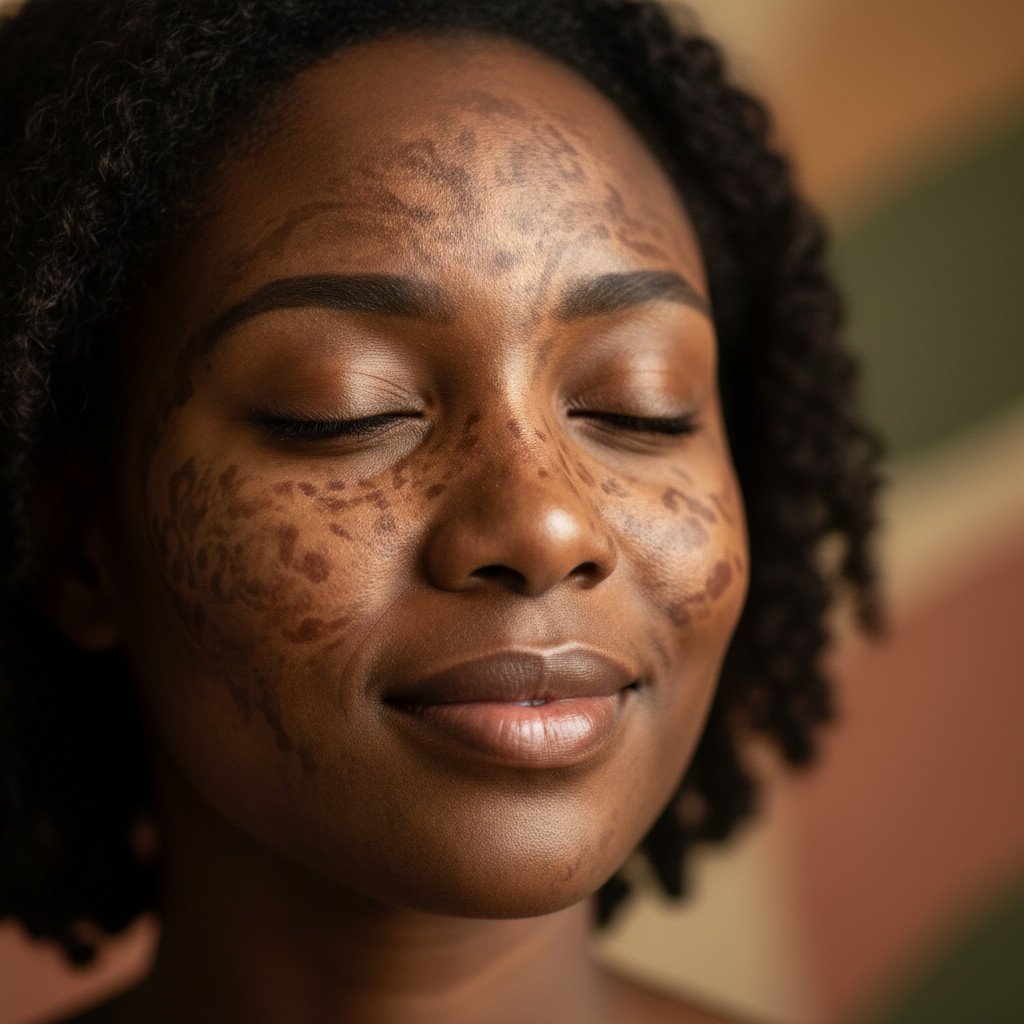
Melasma, often referred to as the “mask of pregnancy” due to its strong association with gestation, is a form of hyperpigmentation characterized by symmetric, patchy darkening of the skin. On melanin-rich skin, these patches typically present as shades of brown to deep brown, sometimes even appearing grayish-brown or slate-gray, and are most commonly observed on the face. The classic distribution includes the cheeks, forehead, bridge of the nose, and the upper lip – areas that are frequently exposed to the sun. Less commonly, melasma can also appear along the jawline or even on other sun-exposed body parts like the forearms and neck, though facial involvement is by far the most prevalent.
Unlike the distinct, often post-inflammatory marks left by acne or injury, melasma patches tend to have ill-defined borders, blending subtly into the surrounding skin. They can range in size from small, coin-like spots to larger, confluent areas that create a veil-like appearance across the face. The pigmentation often becomes more pronounced and noticeable in bright sunlight, which can exacerbate its appearance and make it feel more challenging to conceal. On darker skin tones, the contrast between the melasma patches and the natural skin can be particularly striking, leading to a significant impact on one’s visual uniformity and self-confidence.
It is vital to understand that melasma is distinct from other common forms of hyperpigmentation. For instance, post-inflammatory hyperpigmentation (PIH) typically arises after an individual skin injury, such as a pimple, cut, or burn, leaving a dark spot exactly where the trauma occurred. Melasma, by contrast, is not directly linked to a specific injury but rather to a complex interplay of internal and external factors that lead to an overproduction of melanin in a diffuse, patterned manner. It is also different from a simple tan, which is a uniform darkening of the skin in response to sun exposure. Melasma is a localized, often persistent, and architecturally distinct pattern of pigmentation that signifies a deeper physiological process at play. For a broader understanding of various types of dark spots and their nuances, you may find our comprehensive Hyperpigmentation in Black Women: Causes, Types, & Treatment Roadmap invaluable, and further exploration is available on our Hyperpigmentation Hub.
How Pregnancy and Hormones Can Trigger Melasma
Melasma is intricately linked to the delicate dance of hormones within the body, a dance that often becomes more pronounced during significant life stages for women. While it can affect anyone, its prevalence among women, particularly those with melanin-rich skin, underscores the profound connection between our internal chemistry and external appearance. The primary hormonal culprits are estrogen and progesterone, which are known to stimulate melanocytes – the cells responsible for producing melanin, our skin’s natural pigment. When these hormones surge, as they do during pregnancy or when introduced through external sources like birth control, they can send melanocytes into overdrive, especially when combined with other influential factors.
This is why melasma is so famously dubbed the “mask of pregnancy.” The dramatic increase in estrogen and progesterone levels during gestation creates a fertile ground for melanocytes to become hyperactive. For women with darker skin tones, this predisposition is even more pronounced. Melanin-rich skin naturally contains more active melanocytes, which are more prone to stimulation and, consequently, more likely to produce excess pigment in response to hormonal fluctuations and environmental triggers. This inherent biological difference means that while melasma can affect all skin types, its incidence and severity are notably higher in Fitzpatrick skin types III-VI, which encompass a wide spectrum of Black skin tones.
However, pregnancy is not the sole hormonal trigger. The landscape of a woman’s life is dotted with various hormonal shifts that can initiate or exacerbate melasma. Understanding these common triggers and risk factors is the first step toward informed management:
- Pregnancy: The most well-known trigger, due to the significant elevation of estrogen and progesterone, leading to the classic “mask of pregnancy.”
- Oral Contraceptives: Hormonal birth control pills, particularly those with higher estrogen doses, can mimic the hormonal state of pregnancy and induce melasma in susceptible individuals.
- Hormone Replacement Therapy (HRT): Women undergoing HRT for menopausal symptoms may also experience melasma due to the introduction of exogenous hormones.
- Menstrual Cycle and Perimenopausal Shifts: Even the natural fluctuations of the menstrual cycle can subtly influence melasma, and the hormonal shifts during perimenopause can sometimes trigger new onset or worsening of existing pigmentation.
Beyond hormones, several other factors contribute to the development and persistence of melasma:
- Family History: A genetic predisposition is a significant risk factor. If your mother or other close female relatives experienced melasma, your likelihood of developing it increases.
- Frequent Sun Exposure: Ultraviolet (UV) radiation is perhaps the most critical external trigger. Sun exposure directly stimulates melanocytes and can initiate melasma even in the absence of hormonal changes, or significantly worsen hormonally induced melasma. Even visible light, including blue light from screens, has been implicated in exacerbating melasma on darker skin.
- Deeper Skin Tones: As mentioned, individuals with Fitzpatrick skin types III-VI have more active melanocytes, making them inherently more susceptible to melasma.
Navigating these hormonal and environmental influences requires a nuanced approach. For a deeper understanding of how hormones impact your skin and hair, our Hormonal Skin & Hair pillar hub offers extensive resources. Given the critical role of sun exposure, mastering Sunscreen for Dark Skin is not just a recommendation but a foundational pillar of melasma management.
Melasma vs PIH vs “Regular” Dark Spots
Distinguishing between different types of hyperpigmentation is crucial for effective treatment, as what might work for one type may be less effective or even detrimental for another. On melanin-rich skin, several forms of dark spots can appear, and while they all involve excess melanin, their origins, patterns, and ideal management strategies can vary significantly. The two most commonly confused conditions are melasma and post-inflammatory hyperpigmentation (PIH), but it’s also helpful to differentiate them from other general dark spots.
Melasma stands apart due to its characteristic patchy, symmetric patterns. Imagine a butterfly-like shape across the cheeks and nose, or diffuse patches on the forehead and upper lip. This symmetry is a hallmark; if you see a patch on one cheek, you often see a similar, though not always identical, patch on the other. Melasma typically does not arise from a specific injury or breakout, but rather emerges insidiously, often triggered by internal hormonal shifts combined with external sun exposure. Its borders can be somewhat indistinct, blending into the surrounding skin, and its color tends to be a uniform brown to deep brown within the patch itself. The depth of the pigment can vary, with epidermal melasma being more superficial and dermal melasma residing deeper in the skin, making it more challenging to treat.
Post-inflammatory hyperpigmentation (PIH), on the other hand, tells a different story. PIH is the skin’s natural response to inflammation or injury. Every time you have a pimple, a scratch, a burn, or even an aggressive aesthetic procedure, your skin’s melanocytes can go into overdrive in that specific area, leaving behind a dark mark as the injury heals. These marks are typically discrete, following the exact contours of the original lesion. If you had a breakout of five pimples, you might end up with five individual dark spots. The color of PIH can range from light brown to deep purple or black, depending on your skin tone and the intensity of the inflammation. Unlike melasma, PIH is not symmetric; its location is dictated by where the inflammation occurred.
“Regular” dark spots, a broader category, might encompass anything from sun spots (solar lentigines), which are discrete, well-defined spots caused by chronic sun exposure, to freckles, which are genetic and often lighten in winter. While sun spots share a common trigger with melasma (UV radiation), their presentation is usually distinct: smaller, more defined, and less diffuse than melasma patches. The key differentiator for melasma is its hormonal component and its signature symmetric, often mask-like distribution.
It’s important to note that both melasma and PIH can coexist on Black skin, making diagnosis and treatment more complex. For instance, a woman with melasma might also experience acne breakouts, leading to PIH on top of her melasma patches. While some treatment strategies, such as sun protection and certain brightening ingredients, may overlap, understanding the primary type of hyperpigmentation is crucial for tailoring an effective regimen. For example, addressing the hormonal triggers of melasma is paramount, whereas for PIH, managing the underlying inflammatory condition (like acne) is key. Our resources on PIH timeline & treatment and Dark Spots from Acne on Dark Skin offer further insights into these specific concerns.
What’s Generally Safe During Pregnancy vs After
Navigating skincare during pregnancy and postpartum requires a heightened sense of caution and a deep understanding of what is truly safe for both mother and baby. The physiological changes that occur during these periods mean that many ingredients and treatments commonly used for hyperpigmentation, including melasma, may need to be paused or avoided entirely. It is paramount to underscore that while this section provides general guidance based on common dermatological and obstetric consensus, every individual’s circumstances are unique. Therefore, you should always confirm any skincare regimen or treatment plan with your OB-GYN and dermatologist. These healthcare professionals are best equipped to provide personalized advice, considering your specific health profile, the stage of your pregnancy or postpartum journey, and any potential risks.
The goal during pregnancy is to prioritize safety and minimize any potential systemic absorption of ingredients that could cross the placental barrier or impact breastfeeding. This often means a shift towards more gentle, protective, and minimalist routines. Postpartum and beyond, as the body recovers and hormonal levels begin to stabilize, there may be more flexibility to gradually reintroduce certain actives, always with careful consideration and professional oversight. This framework is designed to empower you with knowledge, not to provide medical clearance, which must always come from your trusted healthcare providers.
During Pregnancy – Focus on Protection and Gentleness
During pregnancy, the guiding principle for melasma management is rigorous protection and unwavering gentleness. The hormonal shifts that trigger melasma are largely beyond your control, but you have significant power over external factors, particularly sun exposure. Sun protection isn’t just a recommendation during pregnancy; it is the absolute first-line, non-negotiable strategy for managing melasma. This involves a multi-pronged approach to shield your skin from the sun’s relentless assault.
Broad-spectrum SPF, ideally mineral-based, should be applied daily and diligently to the face and all other exposed areas, regardless of weather or whether you plan to be outdoors. Mineral sunscreens, containing zinc oxide and titanium dioxide, are generally preferred during pregnancy because they sit on the skin’s surface and physically block UV rays, minimizing systemic absorption compared to chemical sunscreens. Beyond SPF, physical barriers are your best friends. Wide-brim hats offer invaluable protection for your face, neck, and décolletage, while seeking shade during peak sun hours (typically 10 AM to 4 PM) further reduces your exposure. Think of these measures not as optional additions, but as the foundational pillars of your pregnant melasma care.
Beyond sun protection, your skincare routine should embrace simplicity and gentleness. Harsh actives, strong exfoliants, and new, potent ingredients should be avoided. Your skin is already undergoing significant changes, and introducing potential irritants can exacerbate sensitivity, compromise your skin barrier, and potentially worsen hyperpigmentation. Opt for gentle cleansers that cleanse without stripping, and rich, nourishing moisturizers that support your skin’s natural barrier function. Avoidance of new harsh actives or DIY peels is crucial; these can lead to inflammation, which in turn can trigger or worsen PIH, complicating your melasma picture. Focus on hydration and soothing ingredients to maintain skin comfort and health. Our guide on Sunscreen Strategy to Prevent Dark Marks provides detailed insights, and our comprehensive Skincare pillar hub offers a wealth of information on foundational care, including advice on Cleansers and Moisturizers that are suitable for sensitive skin during this delicate period.
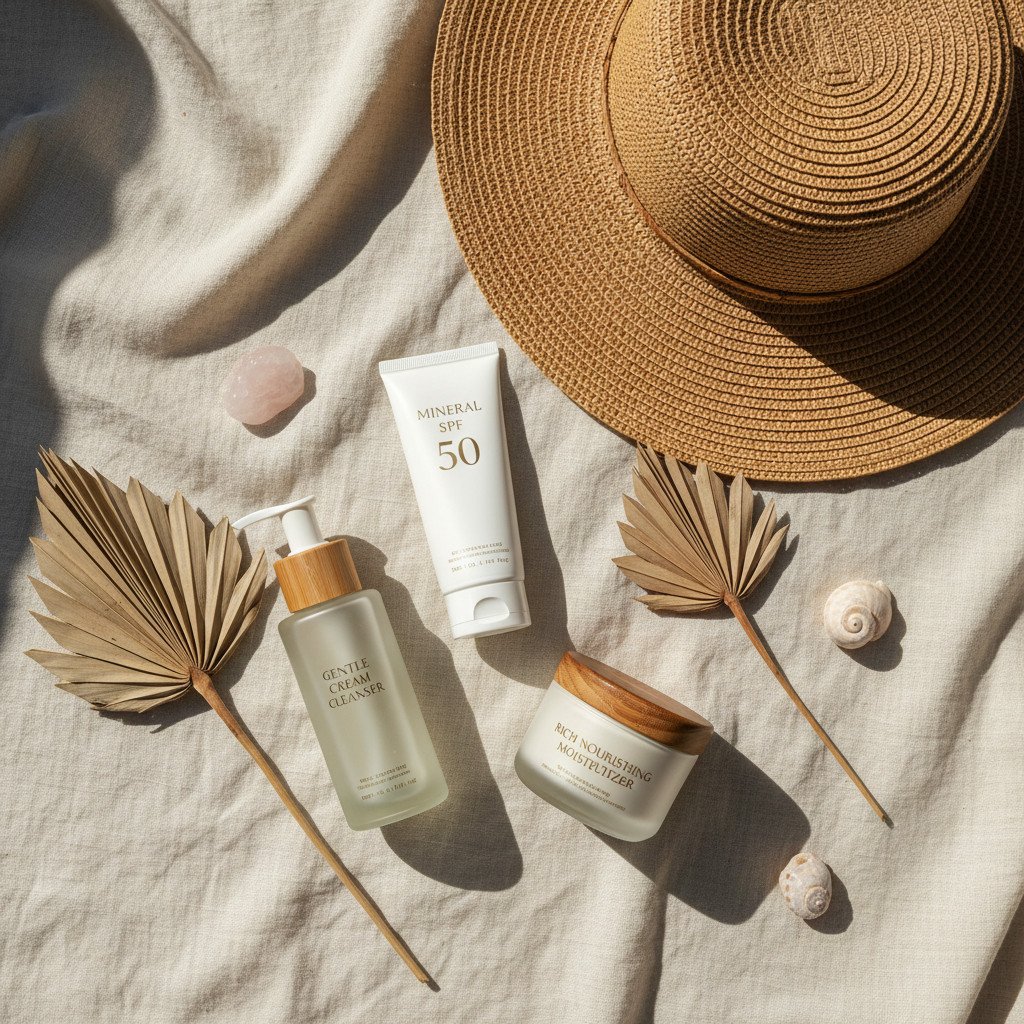
- Daily application of a broad-spectrum SPF, preferably mineral-based, to face and other exposed areas is non-negotiable.
- Utilize wide-brim hats and seek shade whenever possible to physically block UV radiation.
- Prioritize gentle, non-irritating skincare products, focusing on hydration and barrier support, and avoid harsh actives or peels.
To support your sun protection efforts, consider exploring options like a broad brim sun hat with UPF for women or a mineral tinted sunscreen for dark skin on Amazon, which can offer both protection and a subtle evening of skin tone.
Postpartum and Beyond – Slow Introduction of Actives
Once pregnancy has concluded and you are navigating the postpartum period, the landscape of melasma treatment begins to broaden, though caution remains paramount, especially if you are breastfeeding. The intense hormonal fluctuations of pregnancy gradually subside, and this stabilization can sometimes lead to a natural fading of melasma for some women. However, for many, the pigmentation persists, requiring a more active approach. This is the stage where, with the explicit guidance and approval of your medical team – your dermatologist and OB-GYN – you may consider the slow and careful introduction of certain brightening ingredients.
The key here is a measured, gradual approach. Your skin, and indeed your entire body, is still recovering from the profound experience of pregnancy and childbirth. If breastfeeding, any topically applied ingredients have the potential for systemic absorption, which could theoretically pass into breast milk. Therefore, discussing each and every ingredient with both your dermatologist and OB-GYN is not just a recommendation, but a critical step. They can advise on the safety profile of various actives during lactation and help you weigh the benefits against any potential risks.
When considering actives, the principle of
Frequently Asked Questions
Will melasma from pregnancy go away on its own on dark skin?
For some Black women, melasma triggered by pregnancy may gradually fade after childbirth as hormone levels stabilize. However, for many, especially those with deeper skin tones, the pigmentation can persist or even worsen with subsequent sun exposure, often requiring active management. It is always best to consult with your dermatologist for an accurate assessment and personalized guidance.
Is melasma dangerous, or is it “just cosmetic”?
Melasma is not medically dangerous or harmful to your physical health. However, dismissing it as “just cosmetic” overlooks its profound psychological and emotional impact. For many Black women, melasma can significantly affect self-esteem, confidence, and quality of life, making thoughtful management a crucial aspect of overall well-being. Your feelings about your skin are valid and deserve expert attention.
Can I treat melasma while I’m pregnant or breastfeeding?
During pregnancy, the primary focus for melasma treatment is rigorous sun protection and gentle, barrier-supporting skincare, as many active ingredients are not recommended. While breastfeeding, some ingredients may be considered safe, but it is absolutely essential to discuss all potential treatments and products with both your OB-GYN and dermatologist to ensure safety for both you and your baby.
How can I tell if my dark patches are melasma or another type of hyperpigmentation?
Melasma typically presents as symmetric, patchy darkening on areas like the cheeks, forehead, upper lip, and nose, often linked to hormonal changes. Post-inflammatory hyperpigmentation (PIH) usually appears as individual spots following specific skin injuries or breakouts. A dermatologist can accurately diagnose the type of hyperpigmentation through visual examination and, sometimes, a Wood’s lamp examination, to guide appropriate treatment.
Will changing birth control help my melasma?
Since hormonal contraceptives can be a significant trigger for melasma, discussing alternative birth control methods with your OB-GYN is a valid step. Switching to a non-hormonal option or a formulation with lower estrogen may help prevent new melasma or prevent existing melasma from worsening for some individuals. However, this decision should always be made in consultation with your doctor, who can weigh the benefits against other health considerations.
How long does it usually take to see improvement once I start a plan?
Melasma treatment is a marathon, not a sprint, particularly on melanin-rich skin. Visible improvement typically takes several weeks to months of consistent, diligent adherence to your treatment plan, especially with sun protection. Full resolution is often not achievable, as melasma is frequently a chronic condition that requires ongoing management rather than a quick cure. Patience and consistency, guided by your dermatologist, are key.
Shop broad brim sun hat with UPF for women on Amazon

Shop mineral tinted sunscreen for dark skin on Amazon
Shop gentle cleansers on Amazon
Shop nourishing moisturizers on Amazon
Shop vitamin C serum on Amazon
Shop tranexamic acid on Amazon
Related next steps
Related posts:
 Safe Routines & Treatments During Pregnancy and Breastfeeding for Dark Skin
 Pregnancy Skin Changes on Dark Skin: Hyperpigmentation, Melasma, and Linea Nigra
 How Hormones and Climate Shift Your Skin’s Behavior
 Facial Hyperpigmentation on Melanin-Rich Skin: Acne Marks, Melasma & Uneven Tone
 Melasma-Like Patches on Melanin-Rich Skin: Questions to Ask Your Doctor
 Menopause Hyperpigmentation: Age Spots & Melasma on Dark Skin